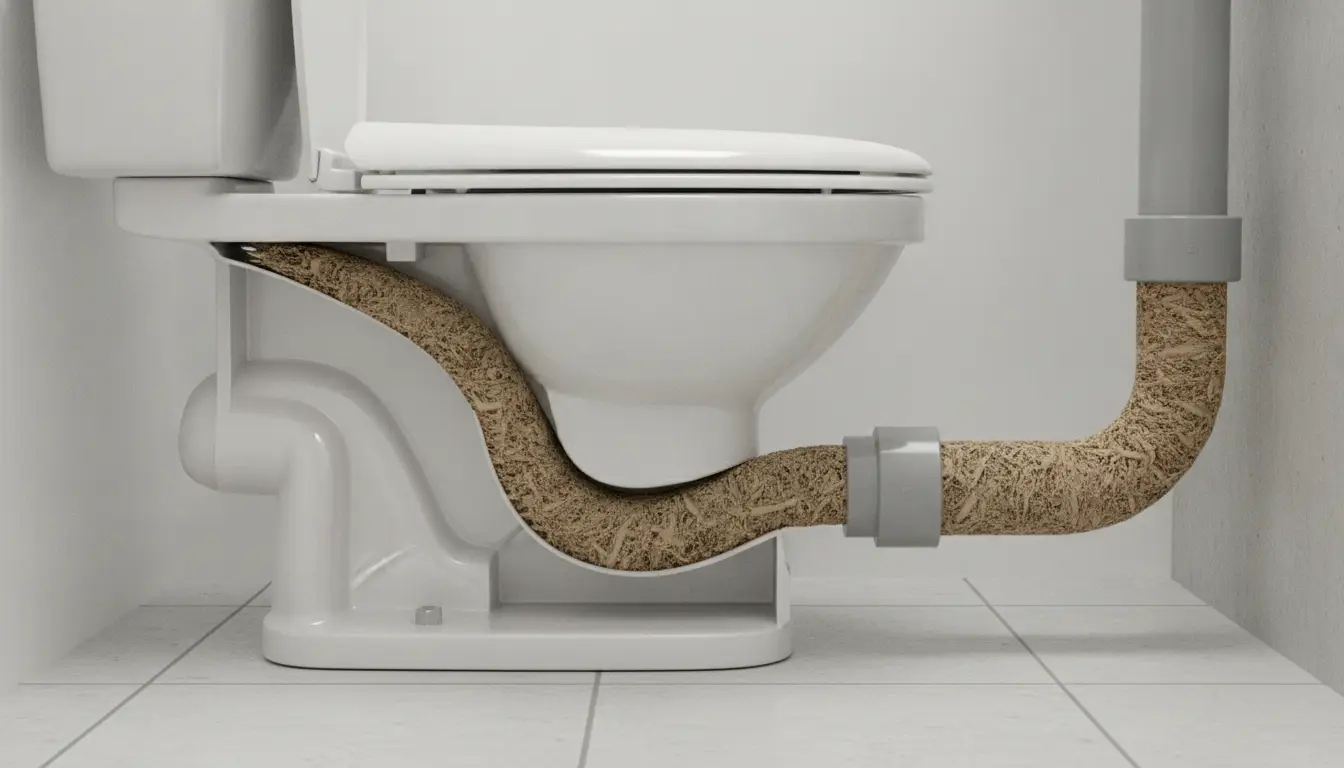
One of the main reasons for blocked drains is the buildup of everyday waste. In kitchen sinks, grease, food scraps, and soap residue can gradually stick to the inside of pipes, narrowing the passage for water. In bathrooms, hair, toothpaste, and personal care products often collect over time and create stubborn clogs. Outdoor drains can become blocked by leaves, dirt, tree roots, or storm debris, especially during heavy rainfall.
Another common cause is aging or damaged plumbing infrastructure. Older properties may have pipes that have cracked, shifted, or corroded over time.
Here Is a Clear Step by Step Guide to Help You Understand What to Do:
Step 1: Identify the Early Warning Signs
The first step is to notice the common signs of a blocked drain. These may include slow-draining sinks, water pooling in showers, gurgling sounds from pipes, or unpleasant odors coming from drains. These symptoms often indicate that a blockage is starting to form and should not be ignored.
Step 2: Check the Most Common Causes
Once you notice a problem, think about what may be causing it. In kitchens, grease, oil, and leftover food often build up inside pipes. In bathrooms, hair, soap residue, and personal care products are common culprits. Outdoor drains may become blocked by leaves, mud, or tree roots. Understanding the cause helps determine whether it is a simple clog or something more serious.
Step 3: Try Basic Safe Cleaning Methods
For minor issues, you can start with simple solutions. Remove visible debris from the drain opening, use hot water to flush grease buildup, or carefully use a plunger to loosen the blockage. Avoid harsh chemical cleaners because they may damage older pipes and often only provide a temporary fix.
Step 4: Monitor If the Problem Returns
After basic cleaning, check whether the drain improves. If water starts draining normally and the issue does not come back, the blockage was likely minor. However, if the sink or shower continues to drain slowly or clogs again within a short time, the problem may be deeper in the pipe system.
Step 5: Watch for Serious Signs
Some situations mean you should stop trying DIY solutions and contact a professional. These include multiple drains blocking at once, sewage smells, overflowing outdoor drains, or water backing up into sinks and toilets. These signs often indicate a larger issue in the main drainage line.
Step 6: Call an Experienced Professional

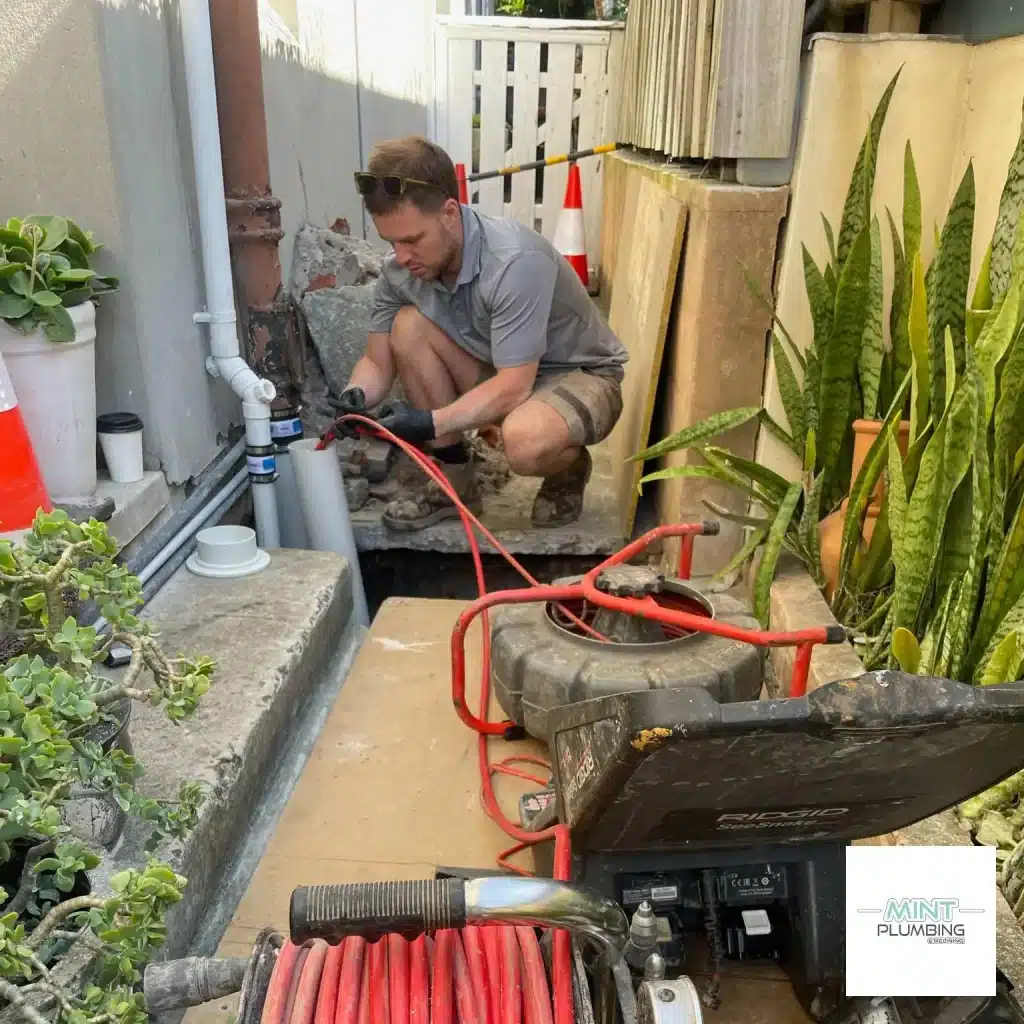
When the blockage becomes persistent or severe, it’s best to contact blocked drainage plumbers like Mint Plumbing & Relining. Professional plumbers use advanced equipment such as CCTV drain cameras and high-pressure water jetting to locate and remove the exact cause of the blockage. This approach solves the issue more effectively than temporary DIY fixes.
Step 7: Prevent Future Blockages
After the drain is cleared, take preventive steps. Avoid pouring grease down kitchen sinks, use drain covers to catch hair, and schedule occasional professional inspections for older properties. Regular maintenance can reduce the chances of blocked drains and help your plumbing system last longer.
By following these steps, you can handle minor drain issues safely and know exactly when professional help is needed before the problem turns into a costly repair.
Location: Sydney, Australia
Name: Mint Plumbing & Relining
Tel: (02) 9140 0170
Address: Shop 1/85 Glenayr Ave, Bondi Beach NSW 2026
Instagram: https://www.instagram.com/mintplumbingandrelining/
Facebook:https://www.linkedin.com/in/joshua-stedman-2a12a7273/
LinkedIn: https://www.linkedin.com/company/mint-plumbing-relining