Most people assume gardening requires a big backyard, expensive tools, or some innate green thumb but it doesn’t.
Even a few pots near a window or on a balcony can be enough to begin. The thing is, gardening is not only about plants; it also offers a relaxing break from the busy daily life.
This blog includes simple beginner gardening tips and small habits that can help you care for plants without feeling confused or stressed.
How Can Gardening Be a Perfect Hobby for Beginners?
Gardening is one of the few hobbies that pays you back with food, fresh air, and a lot less screen time.
You don’t need a certification or years of practice to get started. A few pots, some soil, and a bit of attention is all it takes.
Even three pots on a balcony count as a real garden. And caring for them builds patience in a way that’s hard to explain until you’ve watched something you planted actually grow.
Studies show that just 30 minutes of gardening can reduce cortisol the stress hormone noticeably. That’s not a bad return for watering a tomato plant.
Common Gardening Tools You Should Have
You do not need a big gardening setup to get started. A few simple tools are enough to help beginners take care of plants easily and comfortably.
| Tools | What It Helps With |
|---|---|
| Hand Trowel | Helps dig soil, plant seeds, and move small plants |
| Watering Can | Makes watering plants easy and controlled |
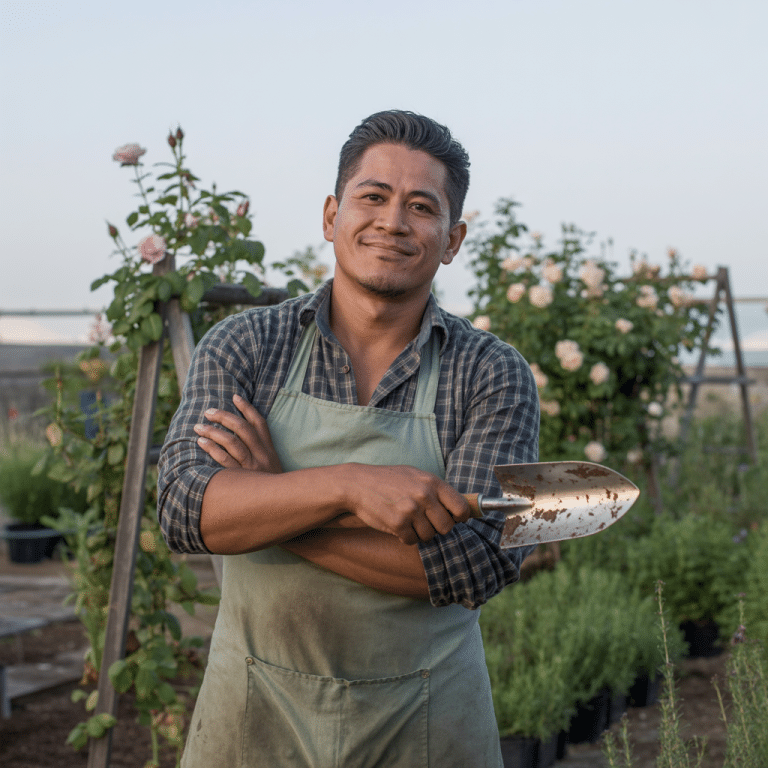
| Gardening Gloves | Protects hands from dirt and scratches |
| Pruning Scissors | Helps remove dry leaves and cut small stems |
| Spray Bottle | Useful for indoor plants and seedlings |
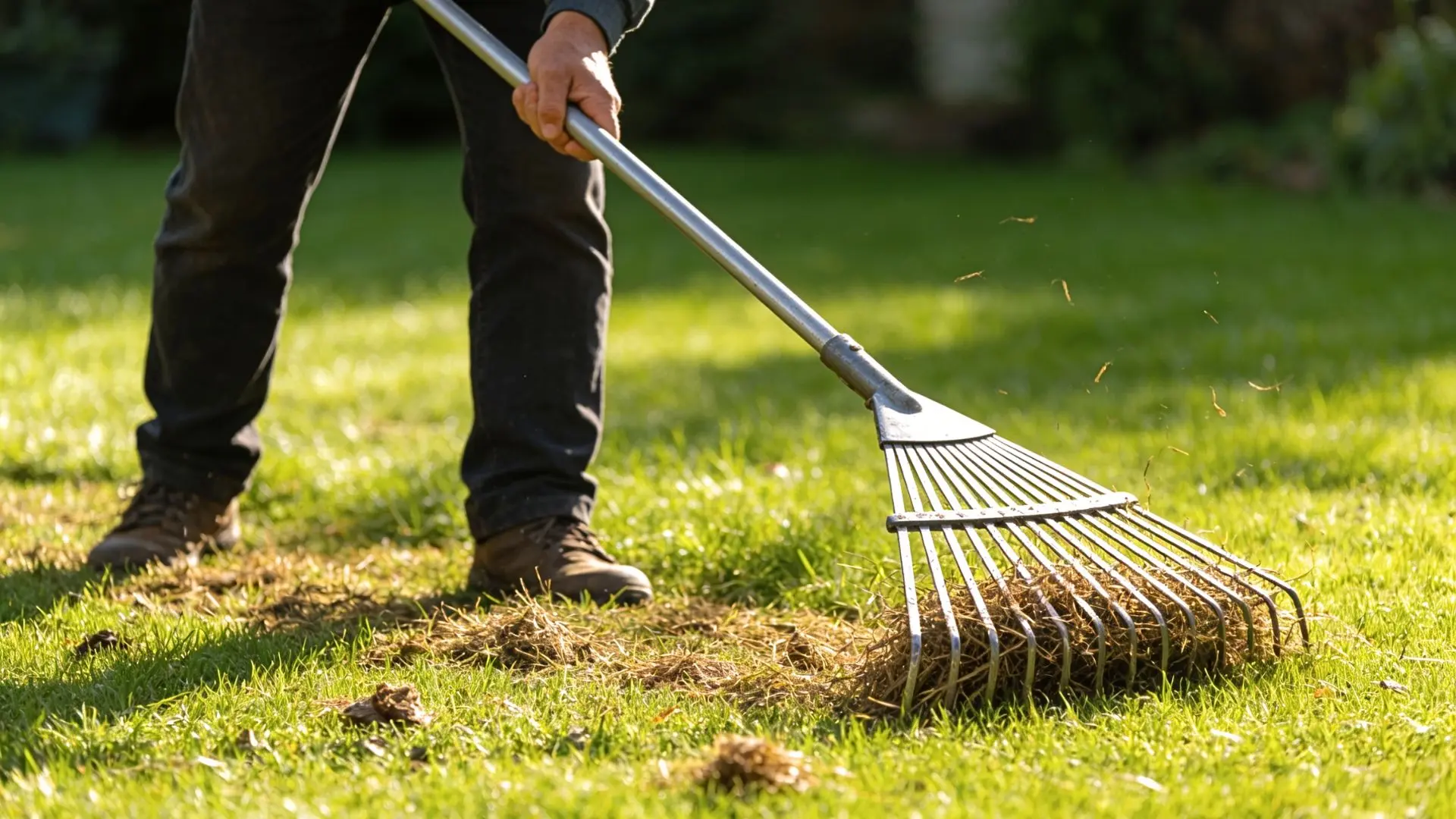
| Small Rake | Helps loosen soil and clean dry leaves from pots |
| Plant Pots With Drainage Holes | Prevents extra water from staying in the soil |
| Gardening Tray | Keeps your gardening area clean while planting or watering |
Easy Gardening Tips to Follow When Starting Out
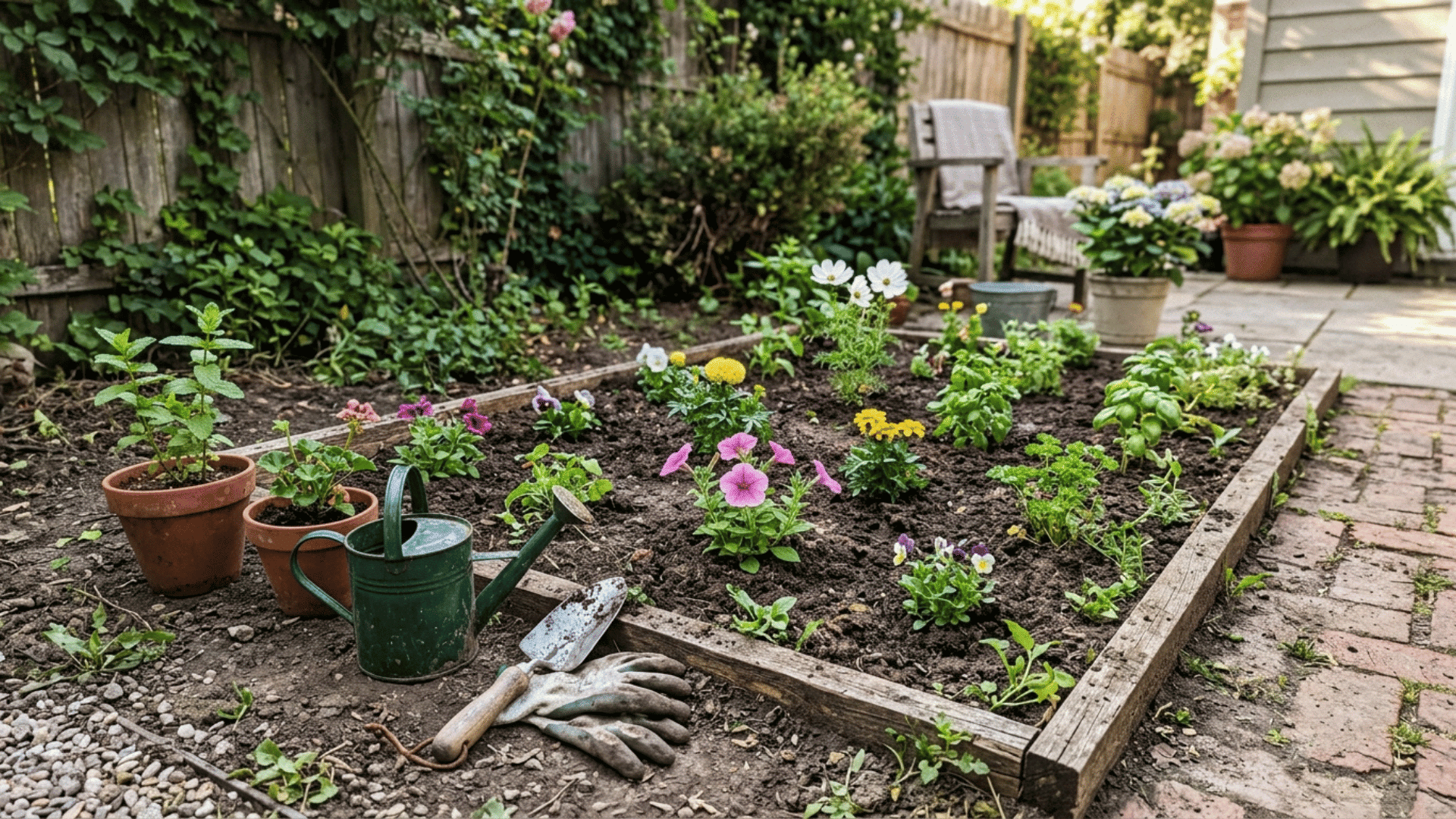
Starting a garden becomes much easier when you take baby steps. Instead of trying to grow everything together, focus on simple tasks that help you learn and enjoy gardening without feeling stressed.
Tip 1: Pick a Small Space You Can Manage
Start with a small garden bed, balcony, or a few pots instead of a large area. A smaller space is easier to care for and helps you learn basic gardening without too much work.
It also gives you enough time to understand what your plants need every day without feeling confused or tired.
Tip 2: Choose Easy Plants to Grow
Pick beginner-friendly plants that grow quickly and need less care. Herbs, tomatoes, lettuce, or flowers are good choices for learning how plants grow.
Easy plants help you stay motivated because you can see faster growth and better results in a shorter time.
Tip 3: Give Your Plants Accurate Sunlight and Water
Most plants need enough sunlight and regular watering to stay healthy. In general, plants should get about 6 to 8 hours of sunlight each day.
Check the soil often and water the plant only when the top inch of soil starts feeling dry.
Mostly plants need watering 2 to 3 times a week, but this can change depending on the weather, plant type, and pot size.
Tip 4: Check Your Plants for 5 Minutes Each Morning
Spend a few minutes daily looking at your plants. This helps you notice dry soil, weeds, pests, or unhealthy leaves before they become bigger problems.
Regular checking also helps you understand how plants change and grow gradually each day.
Tip 5: Learn Slowly and Enjoy the Process
Not every plant will grow perfectly, and that’s completely normal. Gardening becomes easier with practice, and even small achievements feel exciting when you grow something on your own.
The more time you spend gardening, the more confident and comfortable you will become with caring for plants.
What to Do When Your Plant Isn’t Growing?
Slow or stalled growth is the most common frustration for beginners, and it usually has one of four causes: not enough sunlight, overwatering, poor soil, or a pot that’s too small.
- No Sunlight Fix: Move the plant closer to the window or outdoors for a few hours each day. If leaves are pale or leggy, light is the likely culprit.
- Overwatering Fix: Let the soil dry out completely before watering again. If the roots smell musty or look brown, repot into fresh soil.
- Poor Soil Fix: Regular garden soil compacts in pots. Use a mix with cocopeat or compost for better drainage.
- Small Pot Fix: When roots start circling the drainage hole, it’s time to size up. A pot 2 inches larger in diameter is usually the right choice.
Beginner-Friendly Gardening Setups
Backyard is not always necessary to begin gardening. There are many simple, beginner gardening ways to grow plants, even in small spaces.
1. Balcony Gardening
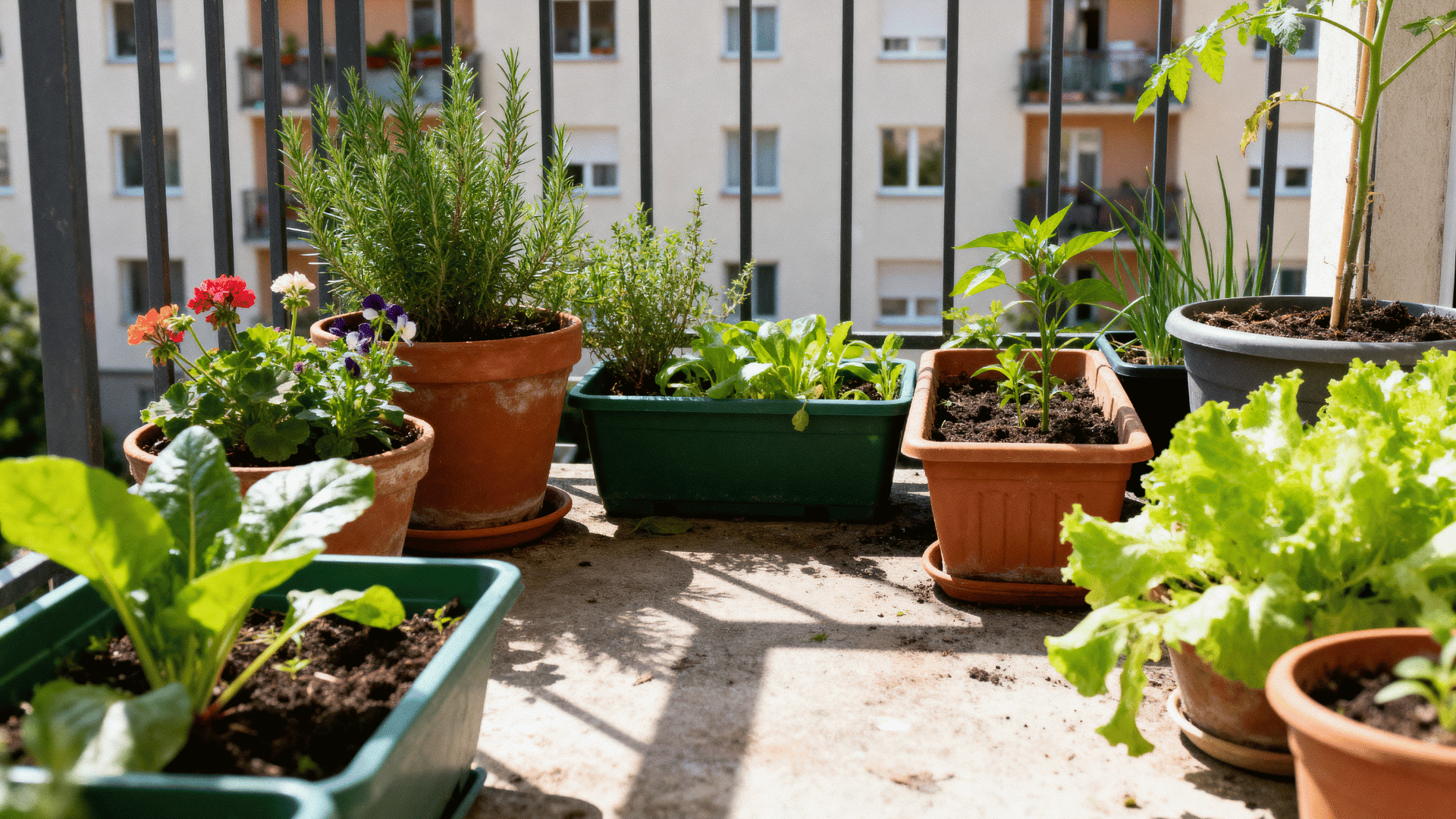
A balcony can easily become a small green corner with just a few pots and plants. It is one of the easiest ways to start gardening in apartments or small homes.
- Perfect for herbs, flowers, and small vegetables
- Gets good sunlight in most homes
- Easy to manage and water daily
- Doubles as an outdoor sitting spot you’ll actually want to use
2. Container Gardening
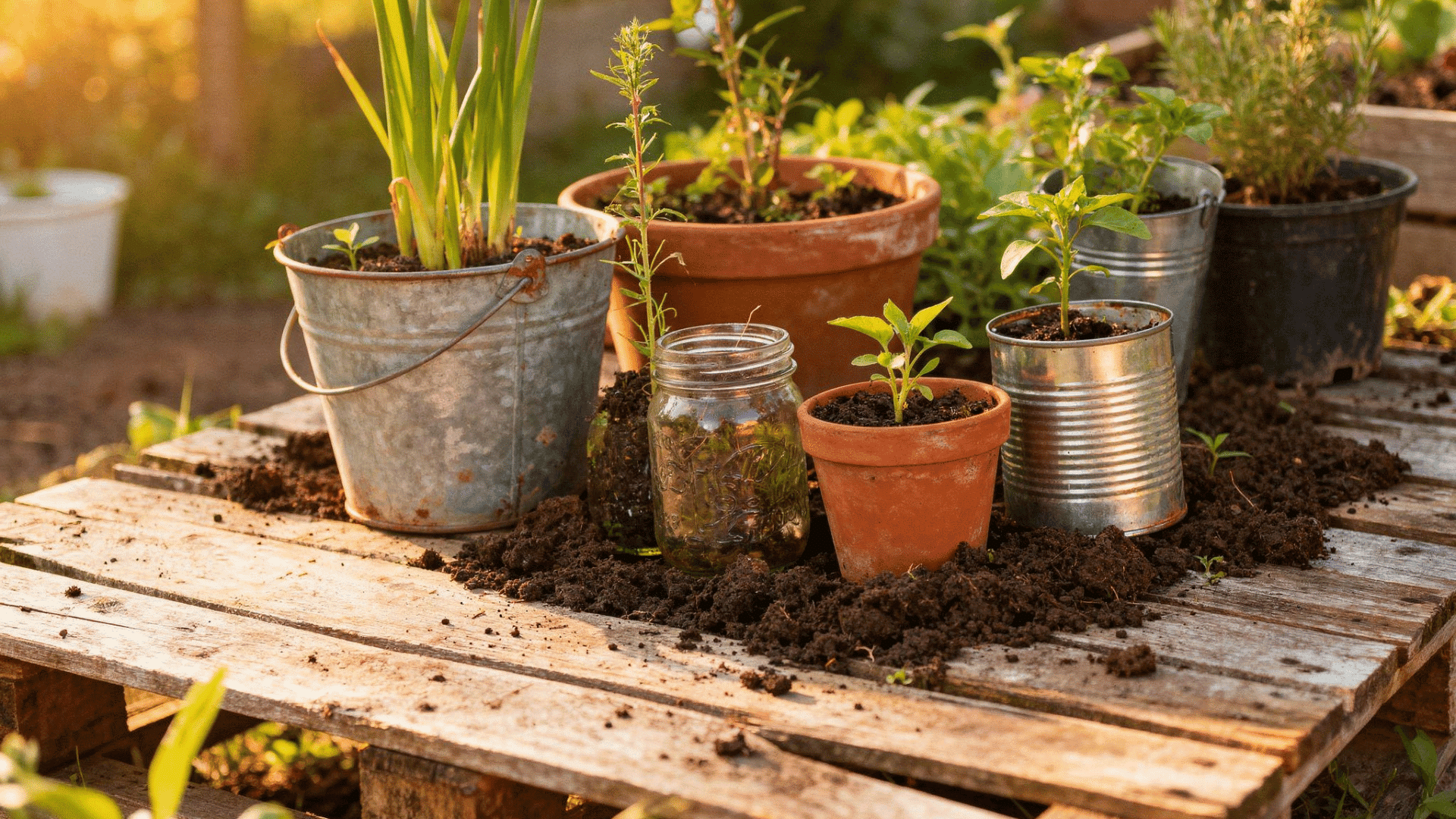
Container gardening is great for beginners because plants can grow in pots, buckets, or any container with drainage holes. It also allows you to move plants around easily.
- Works well in small spaces
- Helps control soil and watering better
- Ideal for both indoor and outdoor plants
3. Indoor Gardening Options
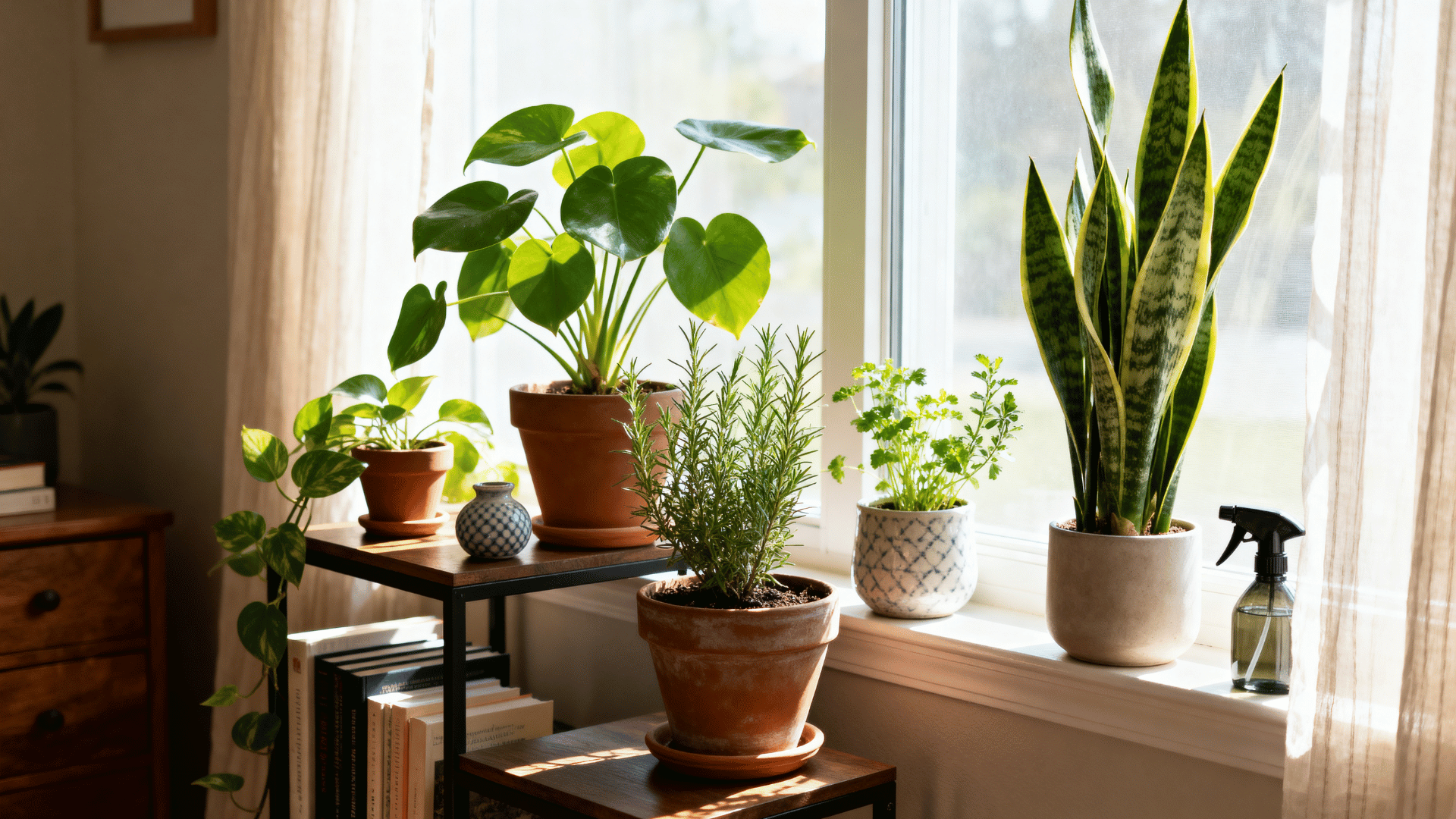
Indoor gardening is a simple option for people without outdoor space.
Many plants, such as snake plants, pothos, peace lilies, spider plants, and aloe vera, grow well inside the house with indirect sunlight and basic care.
- Great for improving indoor air quality
- Requires very little space
- Perfect for decorative plants and herbs
4. Raised Bed Gardening
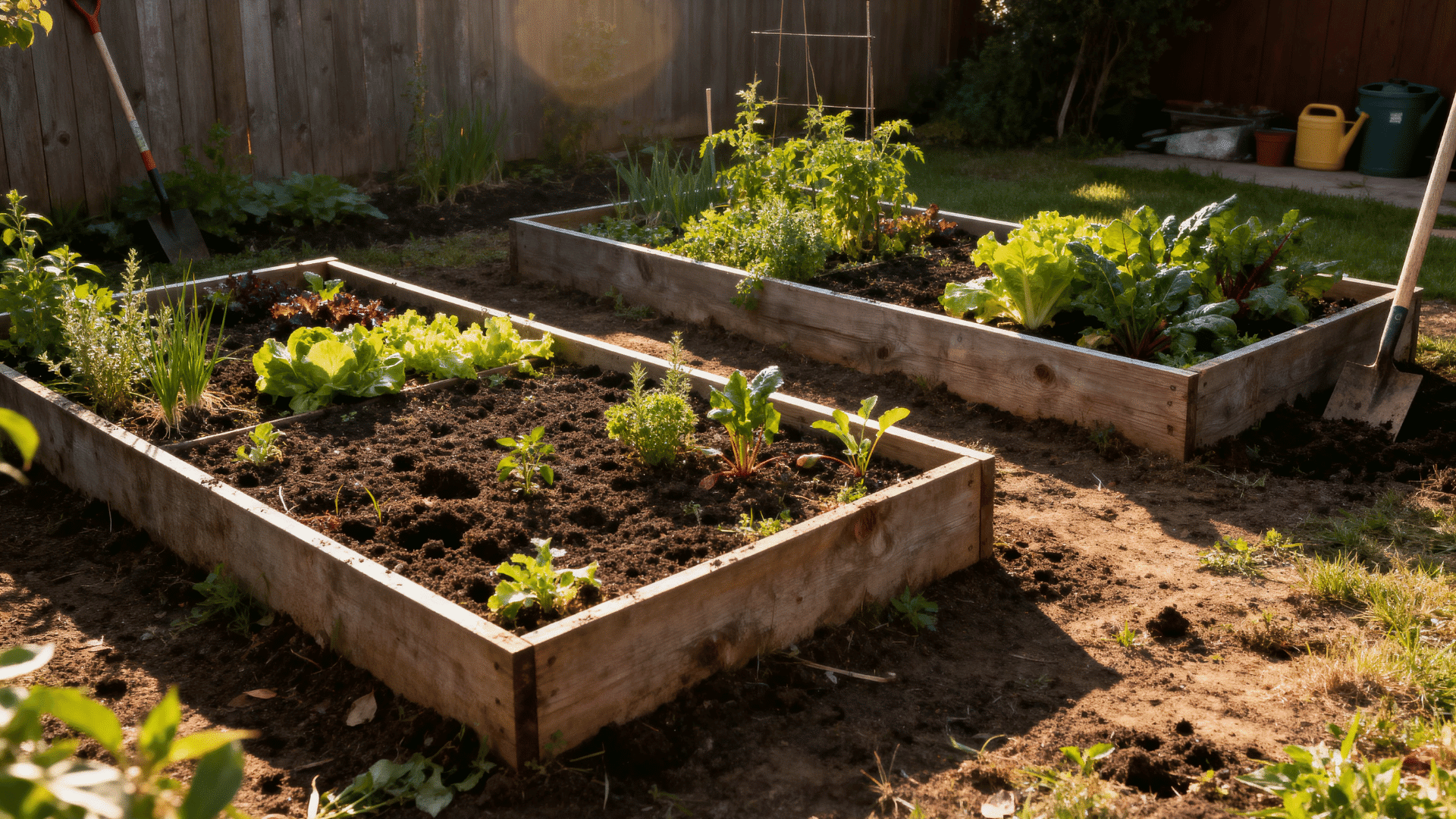
Raised bed gardening is a simple setup in which plants are grown in wooden or uplifted beds rather than directly in the ground. It helps beginners manage plants more easily and keeps the garden organized.
- Easier to control weeds and pests
- Comfortable for planting and harvesting
- Great for vegetables, herbs, and flowers
- Improves soil drainage and plant growth
5. Vertical Gardening
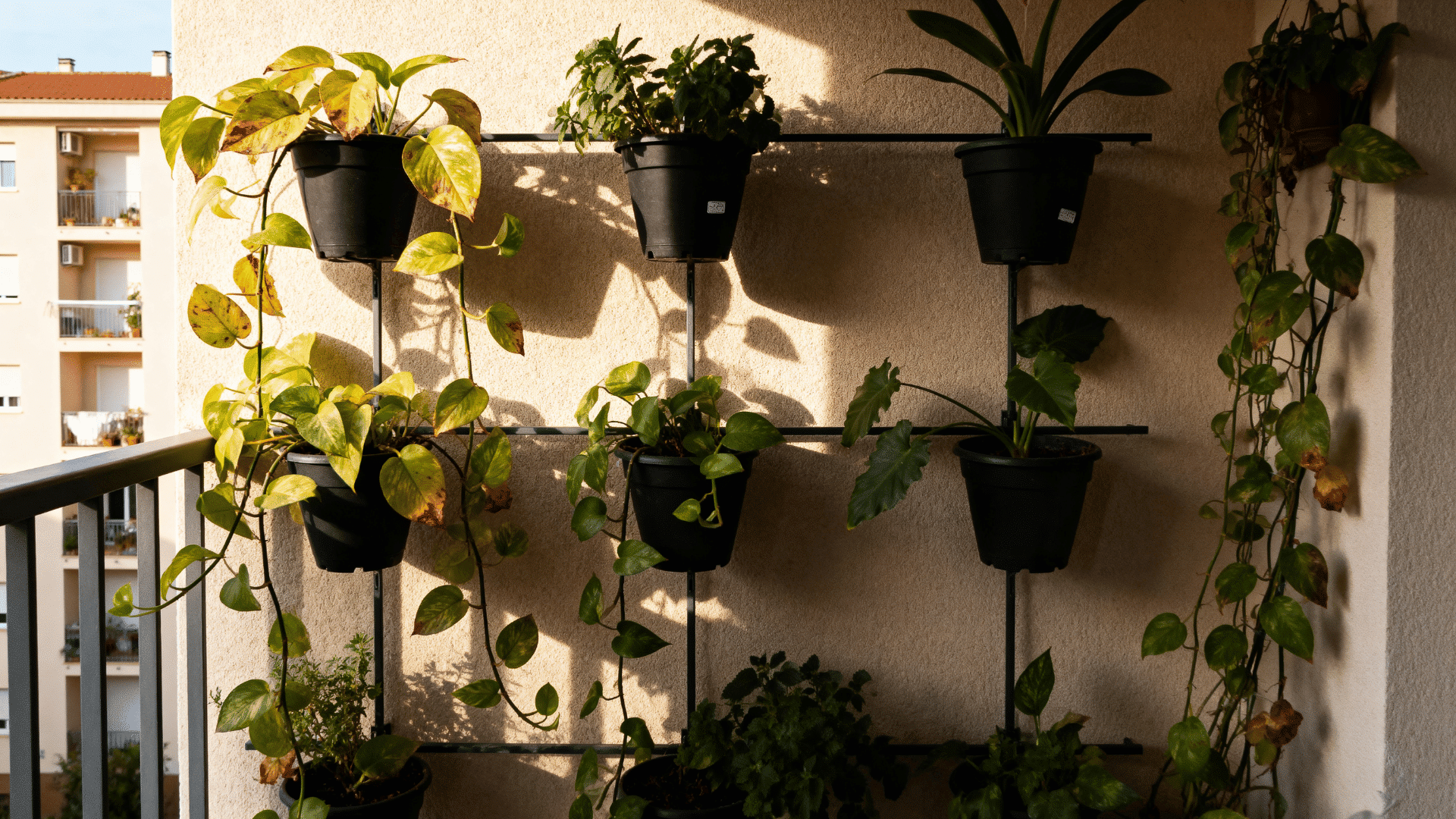
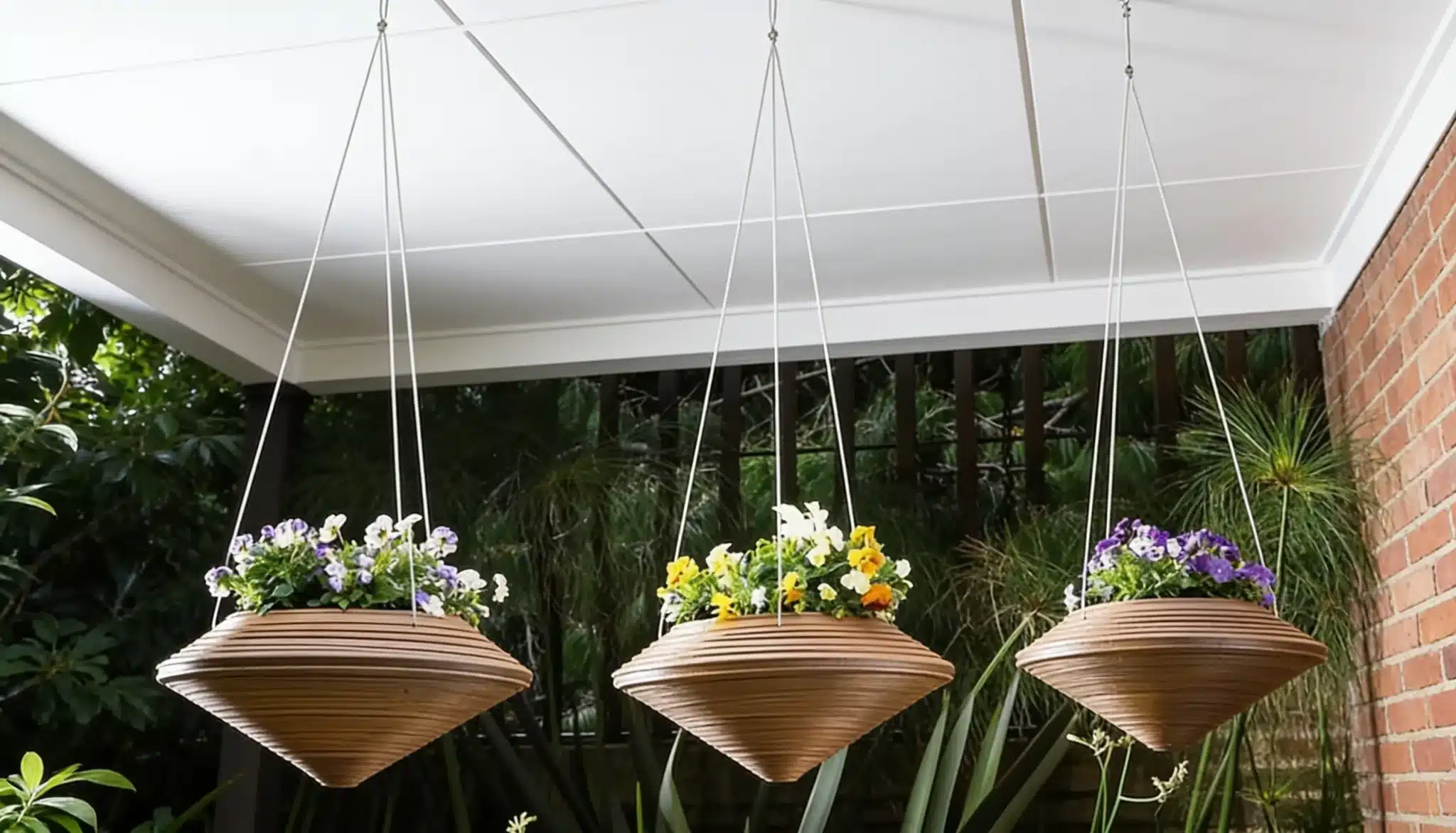
Vertical gardening uses walls, shelves, hanging pots, or trellises to grow plants upward instead of spreading them across the ground. It is perfect for people with very limited space.
- Saves space in small homes or apartments
- Makes gardens look decorative and modern
- Easier to access and maintain plants
- Works well for vines and small plants
Wrapping it Up
Gardening for beginners is not about having the perfect plants or creating a beautiful garden in just one day. It is about starting small, learning slowly, and enjoying the little progress you see every day.
Even a few simple plants can bring freshness and peace into your daily routine. Some plants may grow well, while others may not, but that is all part of learning and improving with time.
It is also the first step toward a calmer life. So why keep waiting? Your first plant could be the start of something much bigger than just gardening.