So you brought home a zebra plant, and now those bold striped leaves are starting to hang down.
The Aphelandra squarrosa (zebra plant) has a reputation for being fussy, and a lot of folks give up on it.
Caring for your zebra plant isn’t difficult; you just need to understand what it wants.
In this blog, I’ll walk you through how to grow, water, and keep your zebra plant happy and healthy for years.
How to Grow And Care For Your Zebra Plant?
All you need to do is get these basics right, and your zebra plant will thrive for years.
Choose The Right Plant
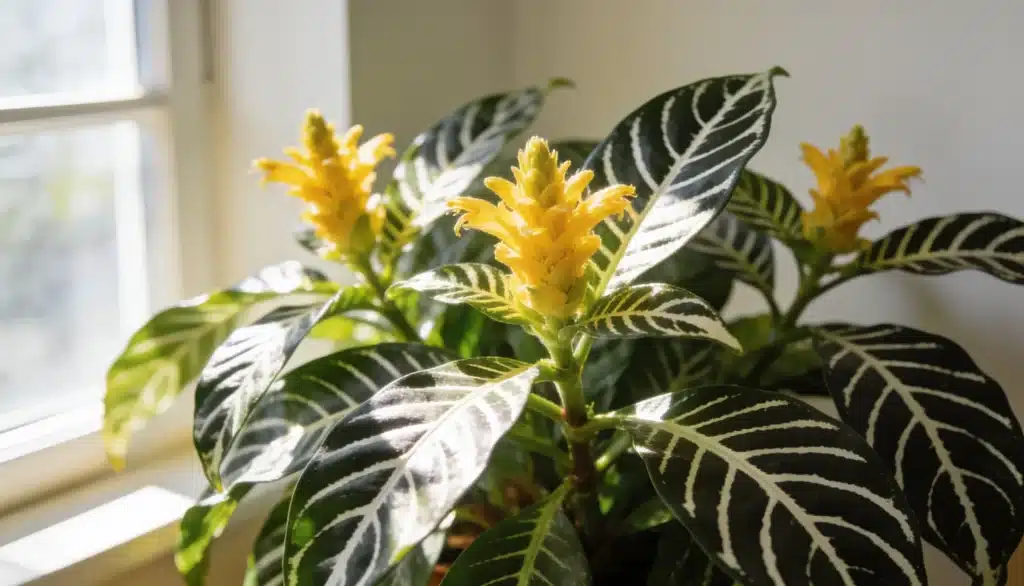
Start with a healthy zebra plant that has vibrant, dark green leaves and white stripes.
Avoid plants with drooping leaves, brown tips, or yellowing foliage, as these may indicate stress or poor care.
Ideal Location
- Light: Place your plant in bright, indirect light. Too much direct sunlight can scorch the leaves, while too little light may prevent blooms.
- Temperature: Keep the room between 65°F and 75°F. Protect it from drafts, sudden cold, or hot air vents.
- Humidity: High humidity is key. Aim for 60-70% by using misting, pebble trays, or a small humidifier.
Soil And Potting
For your zebra plant, it’s best to use a rich, well-draining potting mix, ideally one that includes peat and perlite.
Choosing a pot with drainage holes is important because it allows excess water to escape, preventing water from sitting in the soil and causing root rot.
Watering
Keep the soil of your zebra plant consistently moist, but avoid letting it become soggy.
Water the plant whenever the top inch of soil feels dry, making sure it never dries out completely, while also preventing any standing water in the pot that could harm the roots.
Feeding
During the growing season, feed your zebra plant every two to four weeks using a balanced, water-soluble fertilizer to support healthy growth and vibrant foliage.
In the fall and winter, when the plant’s growth naturally slows, reduce the frequency of feeding to avoid over-fertilizing.
Pruning And Maintenance
Remove dead or yellowing leaves to keep your zebra plant healthy, and trim faded flowers and leggy stems to maintain a full, bushy shape.
Additionally, gently wipe the leaves with a damp cloth to remove dust, which helps the plant absorb light more efficiently.
Zebra Plant Propagation
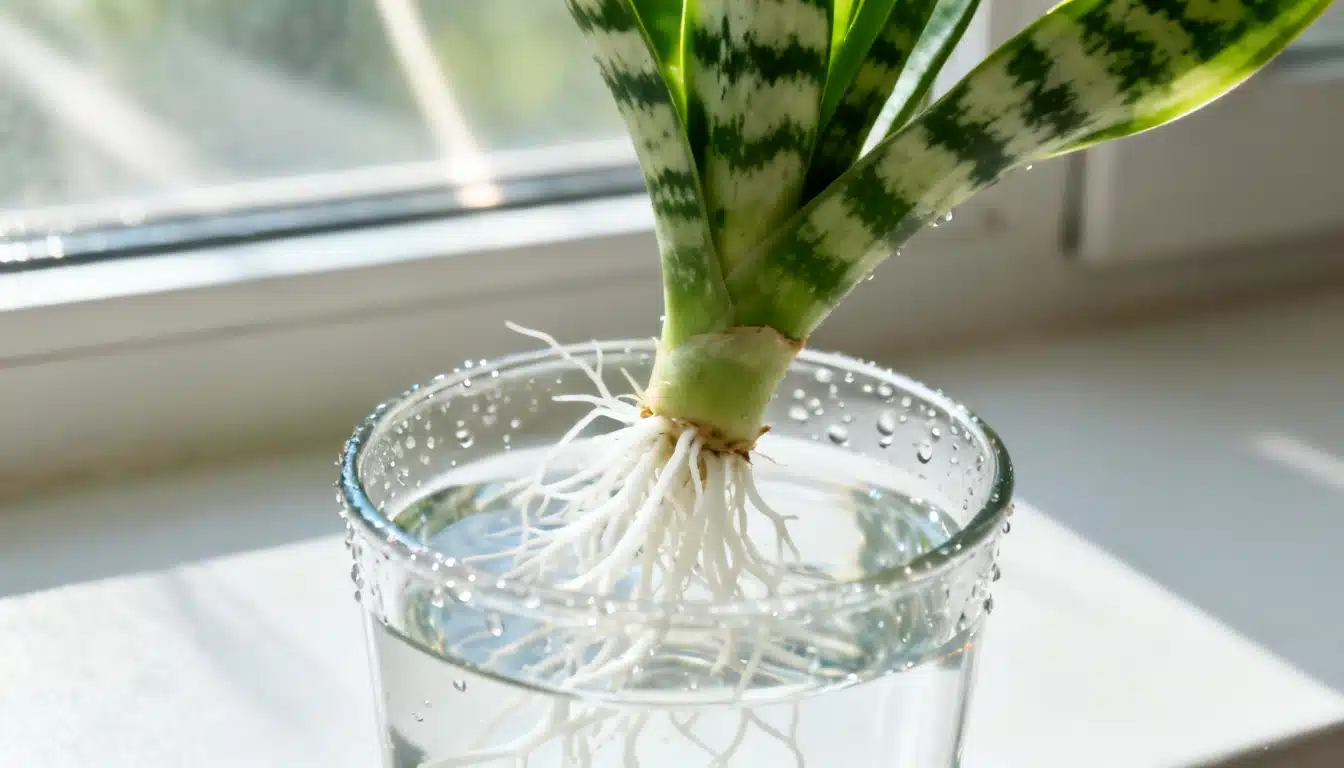
I propagate plants to add more houseplants without buying new ones, and it is the easiest way to do so.
Let’s learn how to do it.
Take Your Cutting
Using clean, sharp scissors, snip off a piece of a leaf about three to four inches long. Cut just below a leaf node, since that’s where roots will form.
Prep the Stem
Strip off the lower leaves, leaving a bare bit of stem at the bottom, and dip that end in rooting hormone if you have some.
Plant It
Pop the cutting into a small pot filled with moist, well-draining soil. Firm the soil gently around the stem so it stands up on its own.
Keep It Warm and Humid
Then, cover the pot with a clear plastic bag to trap moisture. Set it somewhere warm with bright, indirect light.
Wait for Roots
In a few weeks, you should feel resistance when you give the cutting a gentle tug. Means that the roots have taken hold; now treat it like other zebra plants.
Can Zebra Plants Thrive Outdoors?
Yes, but only in the right climate.
Remember, this plant comes from the warm, humid forests of Brazil. It needs steady warmth to do well, so it thrives only outdoors in tropical or subtropical climates.
If you live somewhere that stays above 60°F year-round, your zebra plant can happily live outside. Just keep it in a shady or partly shaded spot, since direct sun will scorch those striped leaves.
But if your winters get cold, outdoor life won’t work, since this plant can’t handle frost.
You’re better off keeping it potted, so you can move it outside in summer and back indoors when temperatures drop.
Common Zebra Plant Problems
You might encounter the following problems when caring for the zebra plant.
- Dropping leaves: This common complaint often indicates cold or dry air. If your plant sits in a draft or the room gets too chilly, the lower leaves may fall off.
- Brown leaf tips: This plant craves moisture, so mist it more often or set it on a pebble tray, and check your soil since underwatering can cause this too.
- Drooping or wilting: If the leaves go limp, your plant is usually thirsty. Give it a good drink, and it should perk back up within a day.
- No flowers: Plenty of folks grow this plant for years without a single bloom. Usually, that means it isn’t getting enough light.
- Yellowing leaves: When leaves turn yellow, you can blame overwatering. Let the soil dry out a bit more between waterings, and make sure the pot drains well.
- Curling leaves: Leaves that curl inward often signal too much direct sun or heat. Shift the plant to a spot with softer, indirect light.
Advanced Care Techniques
A few advanced moves to keep your zebra plant thriving and looking its best:
Repotting
This plant likes to be a little snug in its pot, so you only need to repot every year or two. Spring is the best time to do it.
Move it up just one pot size, and use fresh, well-draining soil to give the roots room to breathe.
Cleaning the Leaves
Dust quietly builds up on those broad, striped leaves over time, slowly blocking out light.
Wipe them gently with a damp cloth every couple of weeks. Clean leaves soak up more light and just look better, too.
To Wrap Up
Good Zebra Plant care really comes down to copying its native home: warmth, steady moisture, humid air, and soft, indirect light.
All you need to do is get these things right, and this plant stops being fussy and starts to shine.
I won’t pretend it’s the easiest houseplant out there, but honestly, that’s part of the fun, and the payoff makes every bit of effort worth it.
Now it’s your turn. Go check on your Aphelandra squarrosa, tweak one thing today, and watch how it responds.
Frequently Asked Questions (FAQs)
1. How Do You Care for a Zebra Plant Indoors?
Give it bright, indirect light, keep the soil moist, maintain high humidity, and keep it warm between 65 and 75°F.
2. How Long Does a Zebra Plant Last?
With good care, it can live for several years, though the main plant often fades after blooming, so propagation keeps it going.
3. How Often Do You Water the Zebra Plant?
Water when the top inch of soil feels dry, which usually means every few days, depending on your home’s conditions.
4. How Big Can a Zebra Plant Get?
Indoors, a zebra plant usually grows about 1 to 2 feet tall and wide, though in its native home it can grow a bit larger.