Water heaters tend to get ignored until the morning shower suddenly feels like a cruel prank from the universe. Most homeowners do not think much about the system tucked away in the garage, basement, or utility closet until water starts leaking across the floor or the hot water disappears halfway through shampooing. The good news is that a water heater can last much longer with a few simple habits and a little attention throughout the year.
Regular maintenance matters because water heaters work hard every single day. Sediment buildup, corrosion, and neglected parts slowly wear the system down over time. A few smart choices can help homeowners avoid expensive repairs and keep the hot water flowing when it matters most.
Keep a Trusted Plumber
Every homeowner should have a reliable plumbing professional they can call before an emergency turns into chaos. Searching for help during a burst pipe situation rarely leads to calm decision-making.
Having a trusted contact already saved in your phone can make stressful situations far easier to handle. Whether you need annual maintenance, quick inspections, or emergency service, relationships with dependable professionals matter. Homeowners already understand that whether they need anything from repairs to full-on water heater replacement in Fort Collins, CO, Richmond, VA or Miami, FL, having reputable professionals on speed dial is key because response time and quality work can make a major difference.
Good plumbers also catch small problems before they become expensive disasters. That alone can save homeowners thousands over time.
Watch for Leaks
One of the biggest mistakes homeowners make is waiting too long to deal with small plumbing problems. A minor drip under the tank or around a pipe connection may not seem urgent, but those small warning signs can grow into major headaches surprisingly fast.
The smartest approach is to pay attention to odd noises, rust-colored water, puddles near the unit, or sudden changes in water temperature. These issues often signal trouble before a full breakdown happens. Many plumbers say the same thing repeatedly, never ignore plumbing issues because early action almost always costs less than emergency repairs later.
It also helps to inspect the surrounding area every few weeks. Water damage spreads fast, and nobody wants to explain to guests why their basement smells like wet drywall and regret.
Flush the Tank
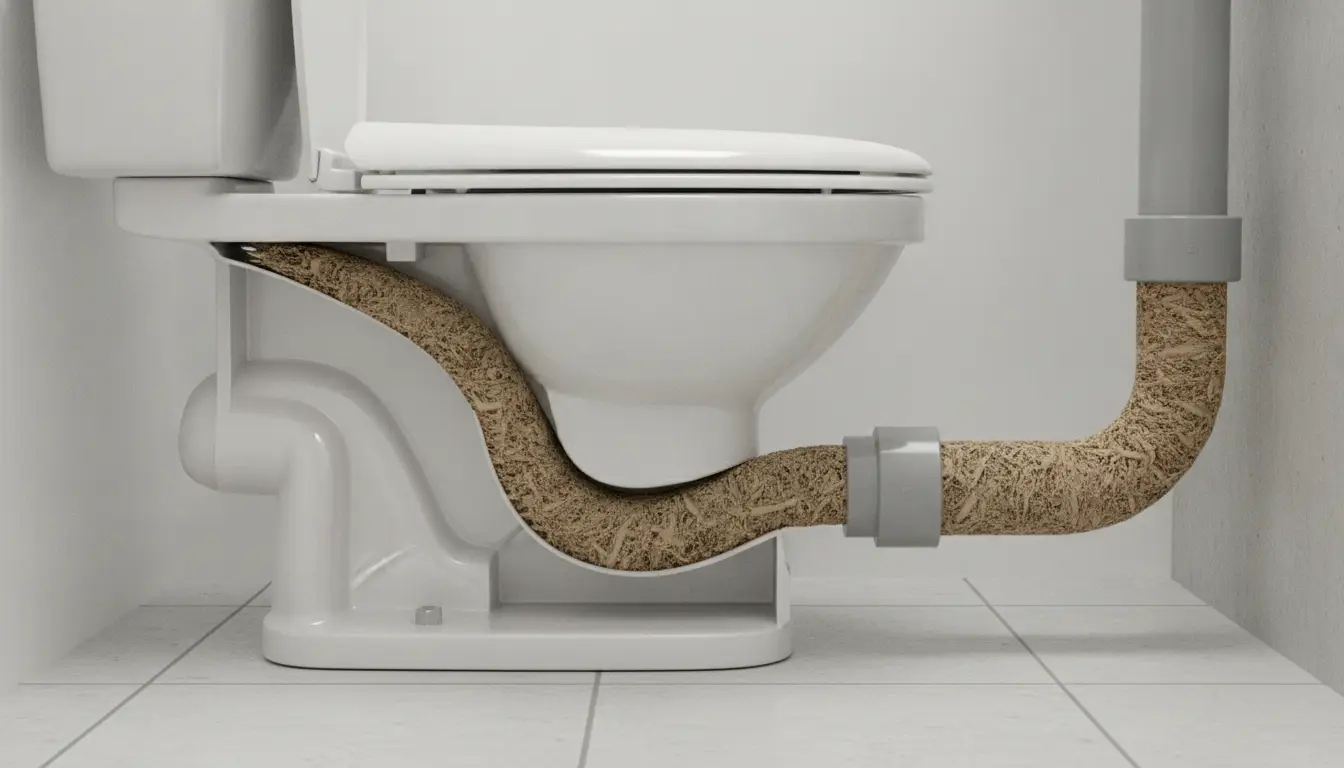
Sediment buildup is one of the biggest enemies of a long-lasting water heater. Minerals from hard water settle at the bottom of the tank over time, creating a thick layer that forces the heater to work harder than necessary.
Flushing the tank once or twice a year helps remove that buildup and improves efficiency. The process is not complicated for many homeowners, although some prefer hiring a plumber to handle it safely. Ignoring sediment buildup can lead to strange rumbling noises, uneven heating, and eventually a shorter lifespan for the entire unit.
Think of it like trying to run a marathon while carrying a backpack full of rocks. The heater can still function for a while, but it will burn out much faster.
Check the Anode
The anode rod does not get much attention, yet it plays a huge role in protecting the inside of the water heater tank. This metal rod attracts corrosive minerals and helps prevent rust from eating away at the tank walls.
Most homeowners never even realize the rod exists until a plumber points it out during an inspection. Unfortunately, waiting too long to replace it can shorten the life of the entire system. Experts often recommend checking the rod every few years and replacing it if it looks heavily corroded.
This small part acts like a sacrificial bodyguard for the tank. Once it is gone, rust starts targeting the water heater itself, and that usually ends badly for everyone involved.
Lower the Temperature
Many water heaters are set higher than necessary from the factory. Reducing the temperature to around 120 degrees Fahrenheit helps decrease wear on the system while also lowering energy costs.
Extremely high temperatures force the heater to work harder and increase the risk of scalding. Lower settings are usually more than enough for daily showers, laundry, and dishes without putting unnecessary strain on the tank.
This adjustment takes only a few minutes, yet many homeowners never think to check it. Sometimes the easiest maintenance step is simply turning a dial a little lower and letting the heater breathe easier.
Insulate the Pipes
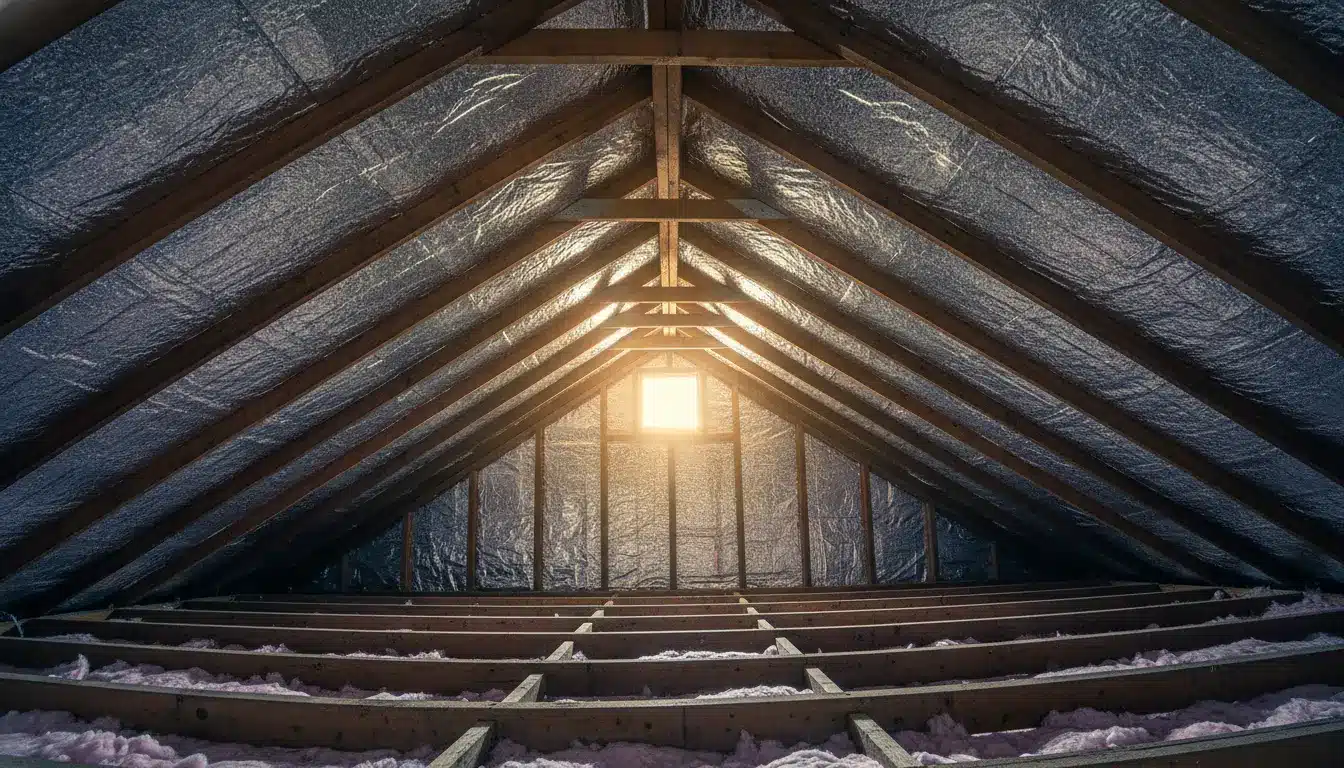
Insulating exposed hot water pipes helps maintain water temperature and reduces strain on the system. The heater does not have to work as hard when heat stays trapped inside the pipes instead of escaping into cold air.
Pipe insulation is relatively inexpensive and especially helpful in colder climates where garages, crawl spaces, or basements experience lower temperatures during winter months. Some homeowners also choose to add insulation blankets around older tanks for extra efficiency.
Schedule Annual Service
A yearly inspection gives plumbers the chance to spot worn parts, pressure problems, corrosion, or hidden leaks before they become expensive emergencies. Professional maintenance also keeps the system operating efficiently throughout the year.
Many homeowners wait until something breaks before calling for help, but preventative service usually extends the life of the unit significantly. Annual inspections are especially important for older systems that may already show signs of wear.
Water heaters often fail at the worst possible moments. Holidays, family gatherings, freezing mornings, and weekends somehow seem especially popular. Preventative maintenance helps reduce the odds of getting trapped in one of those miserable situations where nobody in the house wants to shower first because the hot water might vanish halfway through.
A water heater lasts longer when homeowners pay attention to small issues before they grow into major problems. Simple habits like flushing the tank, lowering the temperature, checking the anode rod, and scheduling yearly inspections can add years to the system’s lifespan while helping avoid expensive repairs later.