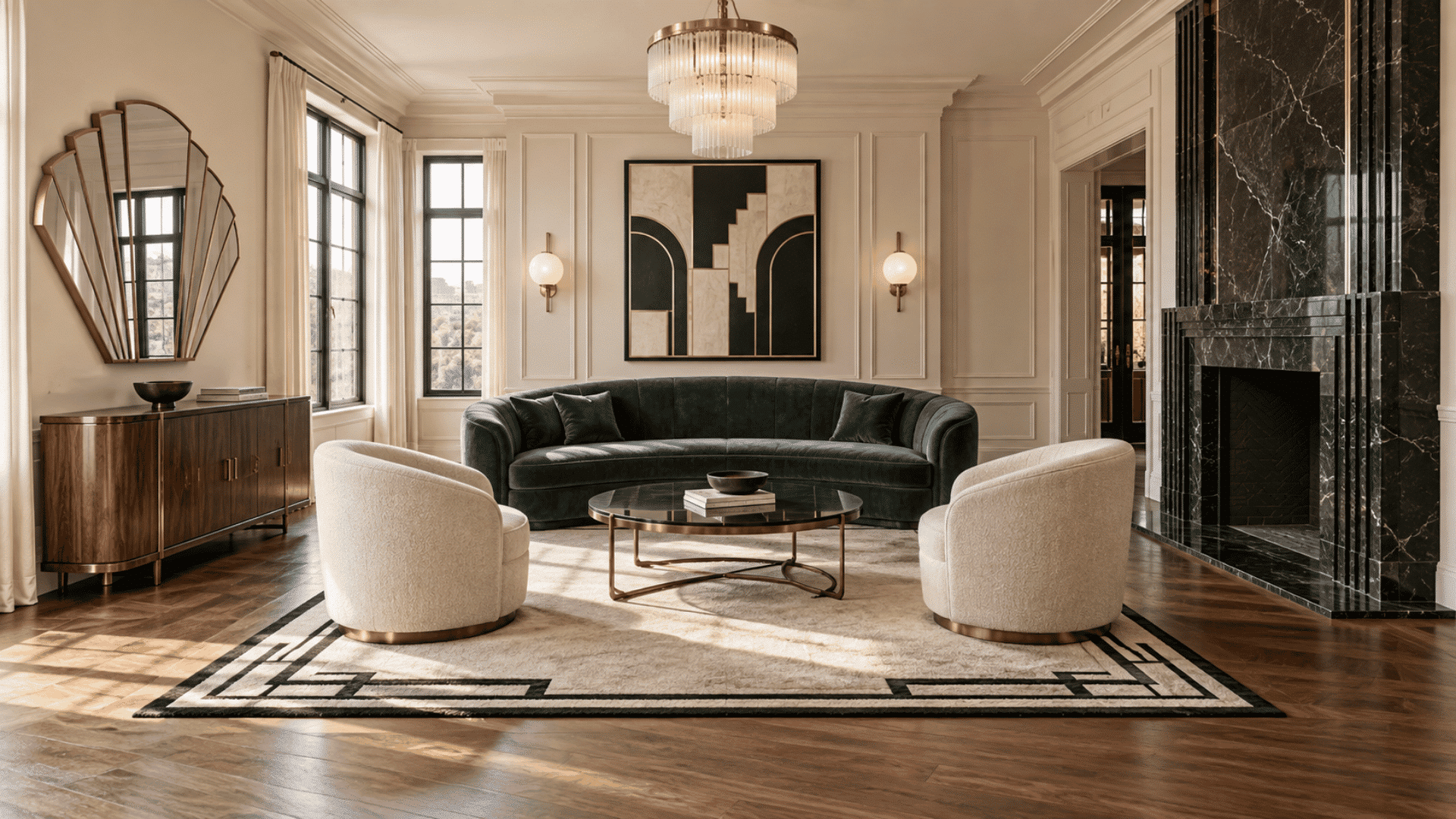
Rustic home styling brings a welcoming feeling to any living space. Wooden steps look beautiful in a traditional entryway, but can feel cold and noisy during daily use. A well-chosen floor covering changes the entire mood of a hallway.
Adding a fabric layer softens the look of your staircase. This choice creates a quiet path while protecting the wood underneath from heavy foot traffic. Families appreciate the reduced noise level when children run up and down.
Embracing the Warmth of Country Style
Vintage home designs rely on soft textures to make a house feel comfortable. Natural tones complement rustic elements and create a balanced visual flow between different levels of the home. Cozy textiles add a layer of charm that coordinates with traditional styling choices.
Bare wooden planks offer timeless appeal but benefit from added cushion underfoot. A soft runner bridges the gap between traditional architecture and modern family living needs without disrupting the original aesthetic. Walking up and down becomes a much more pleasant experience for everyone.
Choosing muted shades helps ground the entryway styling from the moment guests arrive. Neutral patterns blend into the background without overwhelming your carefully selected wall decor and antique furniture pieces. Soft creams and subtle grays fit perfectly into a country theme.
Selecting the Perfect Fabric and Weave
Durability matters when selecting materials for high-traffic areas like stairs. Sturdy fibers withstand constant stepping and resist showing dirt brought in from outdoor farm chores. Choosing a tight weave prevents premature wear and tear from heavy boots.
Finding the right fit for your staircase layout requires careful measurement. Homeowners often choose custom-cut carpet landings for stairs to achieve a seamless, polished look on wider turns. A precise fit prevents shifting and maintains a neat appearance throughout the day.
Natural wool options provide excellent resilience and feel soft under bare feet. Synthetic alternatives offer stain resistance that works well for busy households filled with young children or active pets. Both choices provide unique benefits to meet your specific household demands.
Prioritizing Safety in Your Home Design
Polished wood can become slick after years of use, creating potential slipping risks for family members. A secured textile backing grips the surface to prevent sudden slides on steep residential steps. Adding a non-slip pad underneath gives extra security for elders and children.
A government safety report noted that loose floor coverings and uneven steps represent major home hazards. Security underfoot remains a primary reason to secure your steps properly. Taking these simple precautions prevents common accidents in high-traffic zones.
Thick padding underneath the fabric absorbs the impact of every stride. Proper installation keeps the material tight against each riser for maximum stability during daily trips up and down. Secure attachments eliminate loose edges that might trip up a hurried climber.
Matching Patterns With Classic Aesthetic Elements
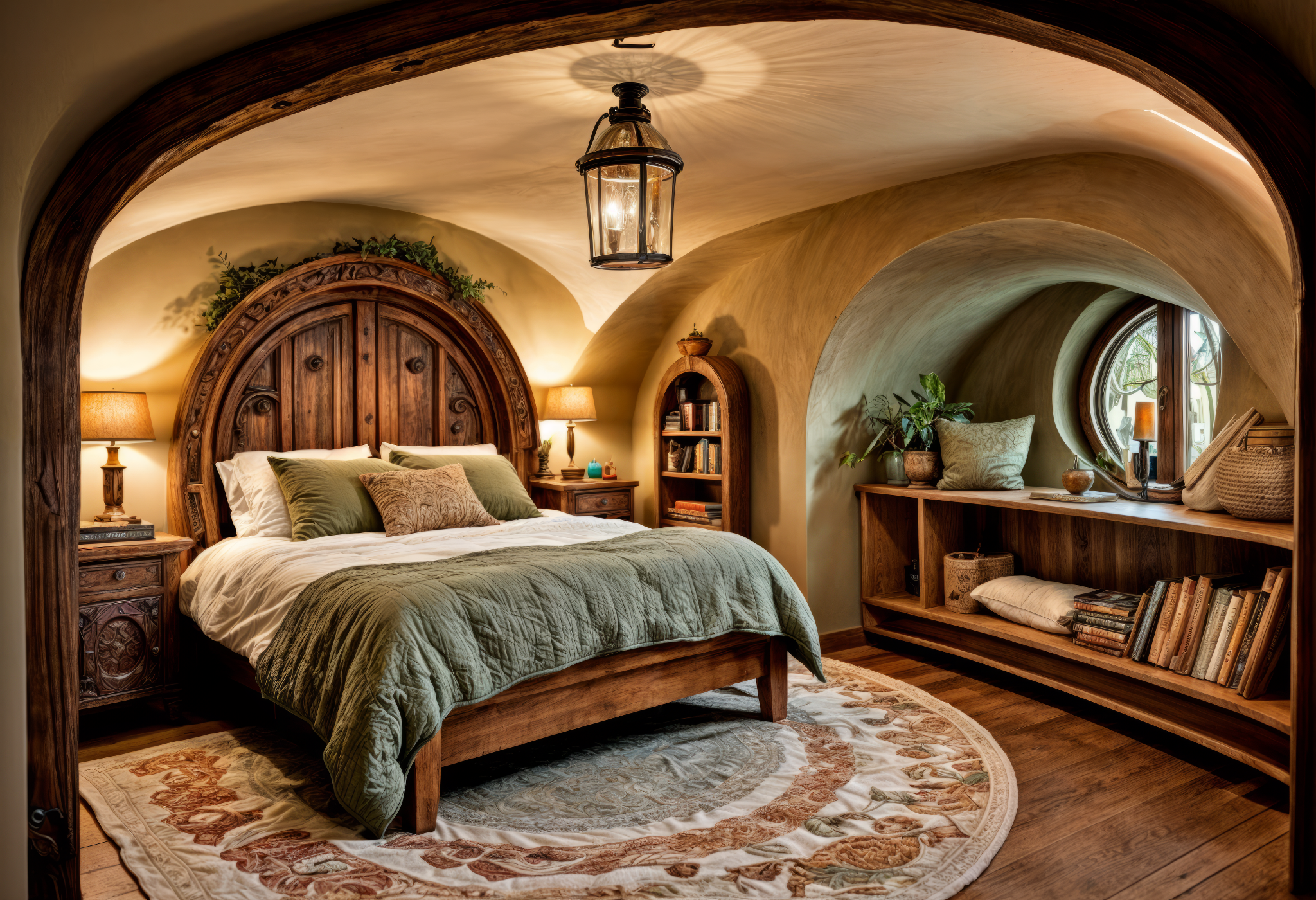
Traditional vertical stripes offer a clean look that guides the eye upward. Gingham or plaid motifs introduce a playful country charm to the traditional front hall area. These timeless designs pair beautifully with distressed wood finishes and vintage light fixtures. Mixing these patterns with rustic elements creates a balanced aesthetic.
Selecting the right pattern involves matching existing textures found in the hallway. Homeowners can check these popular design choices for rustic homes:
- Muted earth tones that reflect natural outdoor scenery.
- Simple geometric lines that complement exposed wooden beams.
- Solid neutral colors that highlight the grain of the steps.
Subtle patterns hide lint and footprints better than solid dark surfaces. Striking a balance between beauty and utility keeps your home looking tidy throughout the week. Busy families appreciate materials that require less daily attention to look great.
Measuring Your Space for the Perfect Fit
Accurate calculations prevent ordering mistakes that delay your remodeling project. Measuring the depth of each tread and the height of each riser gives the total length needed. Skipping a single step during measurement can lead to costly shortages later.
Extra material should be ordered to account for waste during cutting and alignment. Having a small surplus helps when matching complex patterns across multiple steps. A safety margin of 10% is standard among residential flooring professionals.
Width choices depend on how much wood you want to leave exposed on the sides. Standard layouts usually leave 3 or 4 inches of bare wood visible on each edge. Such an arrangement highlights the natural beauty of the timber while providing a comfortable path.
Installation Methods for Long Lasting Comfort
Secure fastening prevents the material from sagging or shifting under heavy use. Using the right tools guarantees a professional finish that lasts for decades of regular service. Loose fabric poses a hazard and ruins the clean lines of your decor.
Professional installers use specific equipment to achieve a tight fit. Review these standard items during the preparation stage:
- Heavy-duty staples that anchor the fabric to the riser.
- Tackless strips positioned at the back of each tread.
- Carpet knee kickers to stretch the material tightly.
Homeowners can attempt a DIY installation with proper patience and guidance. Taking time during the initial layout prevents alignment issues later in the process. Working slowly from the bottom step upward yields the cleanest results for beginners.
Transforming your staircase updates the entire atmosphere of your home entrance. A cozy runner combines classic style with practical daily benefits for the household.
Selecting the ideal material brings long-term satisfaction to your family. Your beautiful steps will welcome guests with genuine warmth for years to come.