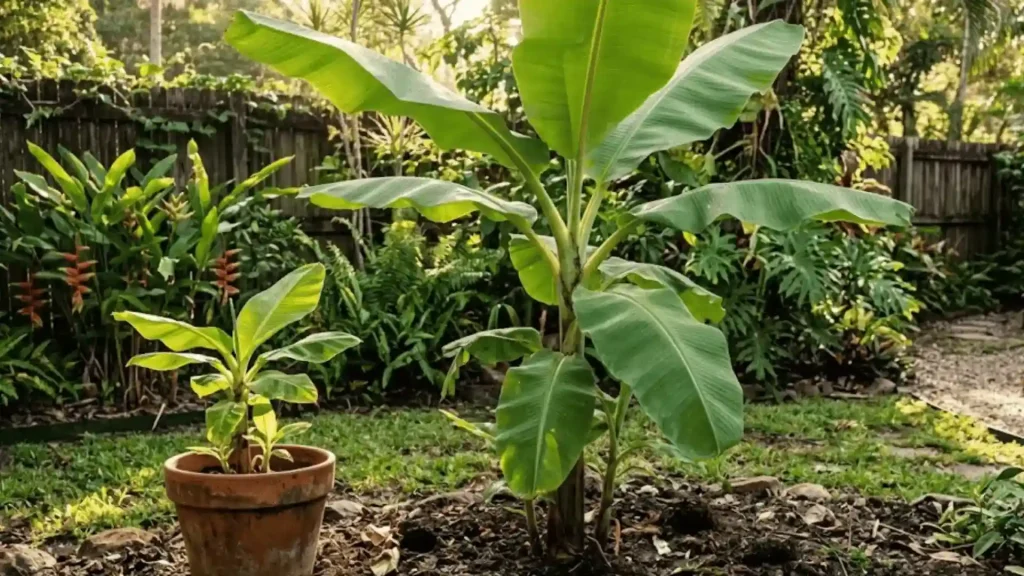
Banana trees don’t belong only in tropical forests.
You can grow one right at home, in a pot, in your garden, even on a balcony. But many give up early because no one tells them what they’re doing wrong.
This blog will help you with that.
Banana Tree Plant Types
There are over 500–1,000 varieties out there, but a few are especially popular for home gardens. Some varieties grow just for looks and never fruit.
So before you plant, know what you want from your plant.
- Cavendish: The most popular variety. It grows well in warm climates and produces sweet, full-sized fruit.
- Dwarf Cavendish: A smaller version, great for pots and limited garden spaces, and still produces fruit.
- Lady Finger: Longer and sweeter than Cavendish. A favorite for home growers who want something different.
- Red Banana: Striking reddish-purple skin. Sweeter taste and great for ornamental gardens too.
Ideal Soil and Location for a Banana Tree
Banana trees love warm, sunny spots.
Pick a place in your yard that gets at least 6 to 8 hours of direct sunlight every day. They don’t do well in cold, windy areas, so keep that in mind.
For soil, you need something rich, loose, and well-draining. Banana trees hate sitting in waterlogged soil.
A slightly acidic pH between 5.5 and 7.0 works best.
Mix in some compost before planting to give the roots a good start. Good soil and the right spot make all the difference.
Step-By-Step: How To Plant a Banana Tree?
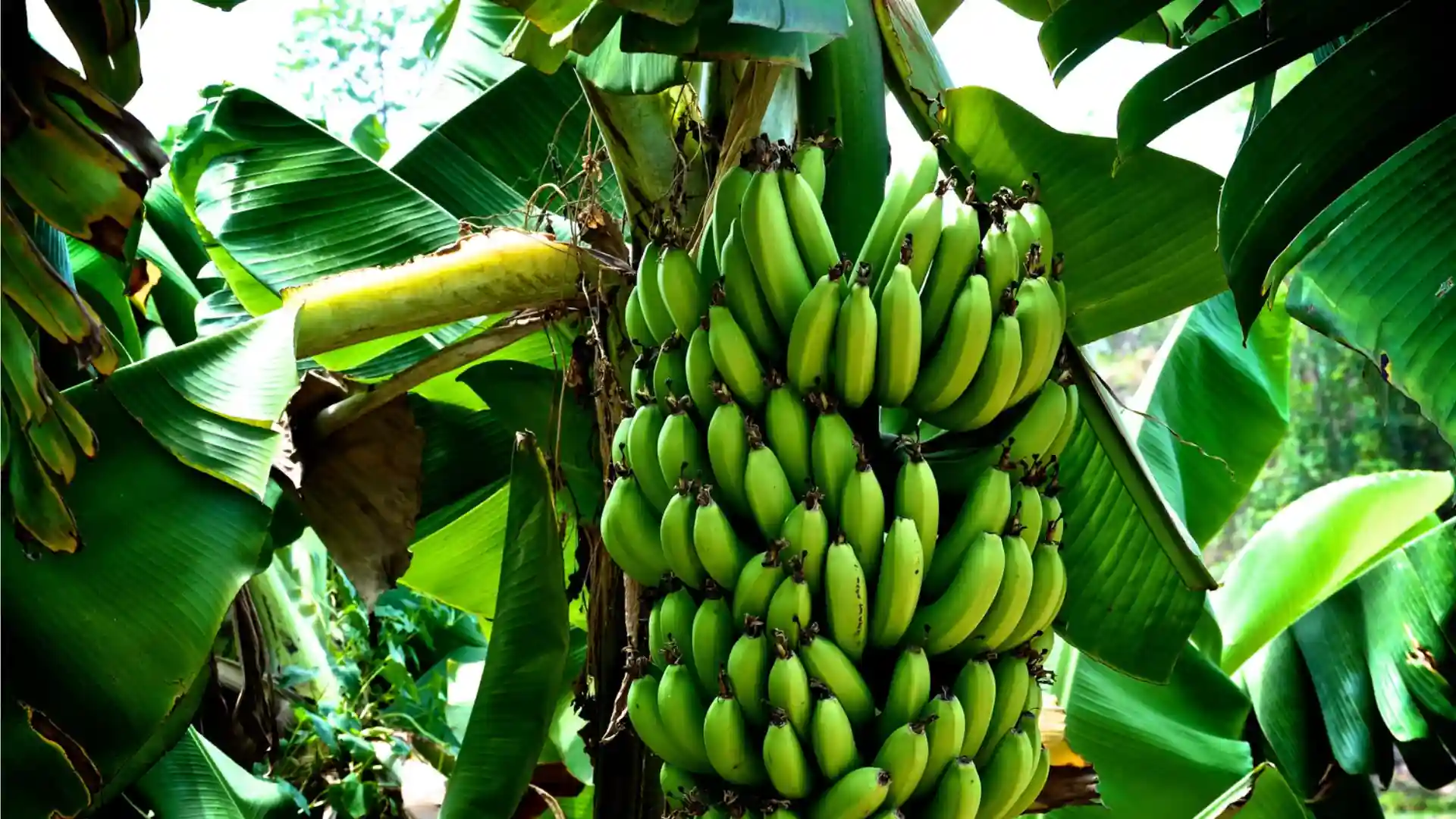
Step 1: Choose the Right Variety
Start by picking a banana tree that suits your space and climate.
Dwarf varieties work well in pots and smaller gardens. Cavendish is great for warmer regions, and Lady Finger is perfect for those who want sweeter fruit.
Step 2: Pick the Perfect Spot
The trees need full sun and shelter from strong winds. Large leaves tear easily in windy conditions.
Pick a spot that gets at least 6 to 8 hours of sunlight daily; a south-facing wall works really well, as it retains heat and reflects it back onto the plant.
Planting near a wall or fence gives natural wind protection without blocking sunlight.
Step 3: Prepare the Soil
Dig a hole about twice the size of the root ball. Fill it with rich, well-draining soil mixed with compost.
They hate sitting in waterlogged ground, so good soil preparation at this stage saves a lot of problems later.
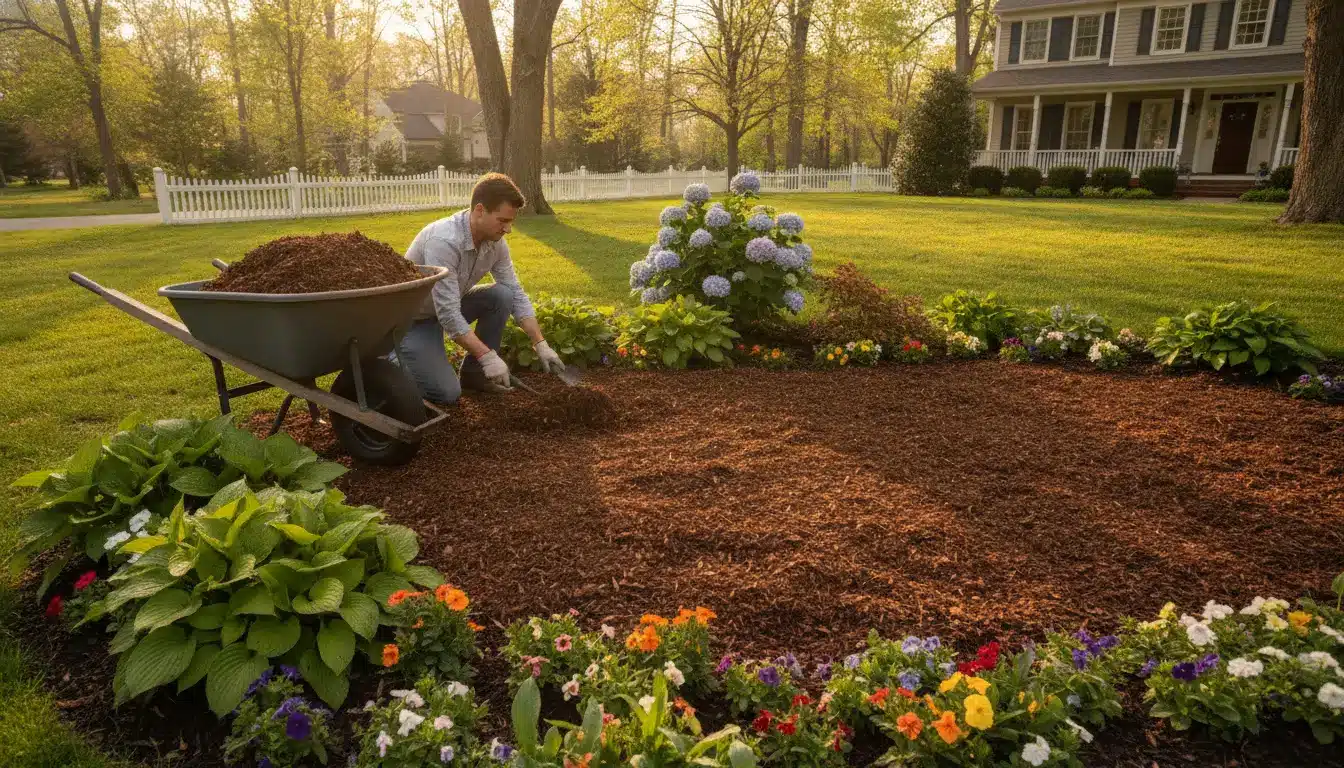
Adding a layer of mulch around the base helps retain moisture and keeps weeds away.
Step 4: Plant it Correctly
Place the plant in the hole so the base sits just at soil level; do not bury it too deep.
Press the soil firmly around the roots to remove air pockets and water it well right after planting.
Plant in the morning so the roots have the whole day to absorb moisture before evening.
Step 5: Water and Feed Regularly
The trees need consistent watering and regular feeding to grow well.
Water two to three times a week during warm months and feed with a balanced fertilizer once a month.
Mixing compost into the soil every few months is a simple and affordable way to naturally boost nutrients.
Taking Care of a Banana Tree
Caring is not complicated, a little attention will be highly effective with these plants, get the daily basics right and your tree will grow stronger every single week.
Sunlight and Temperature
It loves full sun; it needs at least 6-8 hours of direct sunlight every day.
These plants grow best in warm temperatures between 75°F and 85°F and can not handle frost at all.
Even a light freeze can severely damage the leaves, so pick the sunniest, warmest spot in your garden.
Soil
Banana trees are not too particular about soil, but they do have preferences.
They grow best in rich, well-draining soil with a pH between 5.5 and 7. Waterlogged soil is their biggest enemy.
It causes root rot fast. Mix in some compost before planting to give your tree a strong, healthy start from day one.
Watering
Banana trees are thirsty plants; they need deep, regular watering to grow well.
Water your plant two to three times a week in warm months, but never let the roots sit in standing water.
Check the top inch of soil before watering; if it still feels wet, wait another day. Consistency matters more than quantity when it comes to watering.
Fertilizing
It is a heavy feeder; it needs regular nutrients to grow fast and fruit well.
Use a balanced fertilizer, like an 8-10-8 NPK mix, once a month during the growing season. Potassium is especially important for fruit development.
Organic options like compost or banana peel fertilizer work great too. Feed it right, and you will see the difference in growth.
Pruning Banana Tree Plant
Pruning keeps your banana plant healthy and growing strong. It is simple and does not take much time, but do not over-prune; your plant needs its healthy green leaves to absorb sunlight and grow well.
- Remove dead or damaged leaves regularly.
- Cut off dry brown leaves at the base of the stem.
- Once the plant fruits, cut the main stem down to about 2.5 feet.
- Keep only one or two healthy side shoots called “pups” growing at a time.
How to Protect From Pests and Diseases?
Even the healthiest plant can run into problems; many diseases are easy to spot and fix if you catch them early.
Panama Disease
A serious fungal disease that attacks the roots and spreads through the soil.
You will notice yellowing leaves, wilting, and brown streaks inside the stem. Remove infected plants immediately and switch to disease-resistant varieties like Cavendish.
Black Sigatoka
A fungal leaf disease that reduces the plant’s ability to grow well. Dark brown streaks appear on leaves and slowly spread.
Remove affected leaves right away and apply a copper-based fungicide during wet seasons.
Banana Bunchy Top Virus
Spread by aphids, this virus stops your plant from fruiting. Leaves look narrow, stiff, and bunched at the top.
There is no cure, so remove and destroy the infected plant immediately.
Root Rot
It is always caused by overwatering. You will notice soft, mushy roots, yellowing leaves, and very slow growth.
Improve your soil drainage, cut back on watering, trim away the rotted roots, and treat the plant with a fungicide to prevent further damage.
Always check your plant once a week and act fast when something looks off.
From Growth to Harvest
It typically takes 9 to 18 months to produce fruit.
Once you see a large purple flower bud hanging down, you are close. That bud slowly opens up, and small bananas begin to form in clusters called “hands.”
Do not rush the process; let the bananas fill out fully on the plant, and once the fruit turns plump and the skin lightens from dark green to yellow-green, it is ready to harvest.
Cut the whole bunch off in one go and let it ripen indoors at room temperature.
Final Thoughts
Growing a banana tree plant is not so difficult; you pick the right variety, give it good soil, plenty of sun, and regular water.
Keep an eye out for pests and prune when needed, and one day, you will walk out into your garden and see a bunch of bananas hanging there.
Do not let the process stress you out; every gardener makes mistakes at first, which is completely fine.
Got questions or want to share your progress? Drop a comment below.
Frequently Asked Questions (FAQs)
1. Can a Banana Tree Plant Grow in a Pot?
Yes, absolutely. Dwarf varieties grow well in large pots. Just make sure the pot has good drainage holes at the bottom.
2. How Long Does a Banana Tree Plant Live?
Banana plants are perennial and die back after fruiting (typically in 1–2 years per stem), but the rhizome/corm lives much longer through pups.
3. Do Banana Trees Attract Bees?
Yes, banana flowers attract bees and other pollinators. This is actually good for your garden and helps nearby plants too.