The easiest plants for a porch or patio are the ones that do most of the work themselves. Native plants fit that description better than anything at a garden center, and most people have no idea they can grow them in containers.
Native plants evolved in your region alongside your soil, your weather, and your local insects. That means they skip the fertilizer, the pesticide, and the constant watering that hybrid ornamentals demand. Put them in a pot on your porch, water them while they settle in, and they handle the rest.
Tammy Sons, founder of TN Nursery, a third-generation native plant nursery in Altamont, Tennessee, has been growing native plants for more than 35 years. “Almost every time someone tells me their plants aren’t doing well, the answer is over-care,” she says. “They water too much, fertilize, mulch heavy, and treat them like garden-center hybrids. Native plants don’t want any of that. After the first season, walk away.”
Here are five native plants that do well in porch and patio containers, look good all season, and ask almost nothing of you in return.
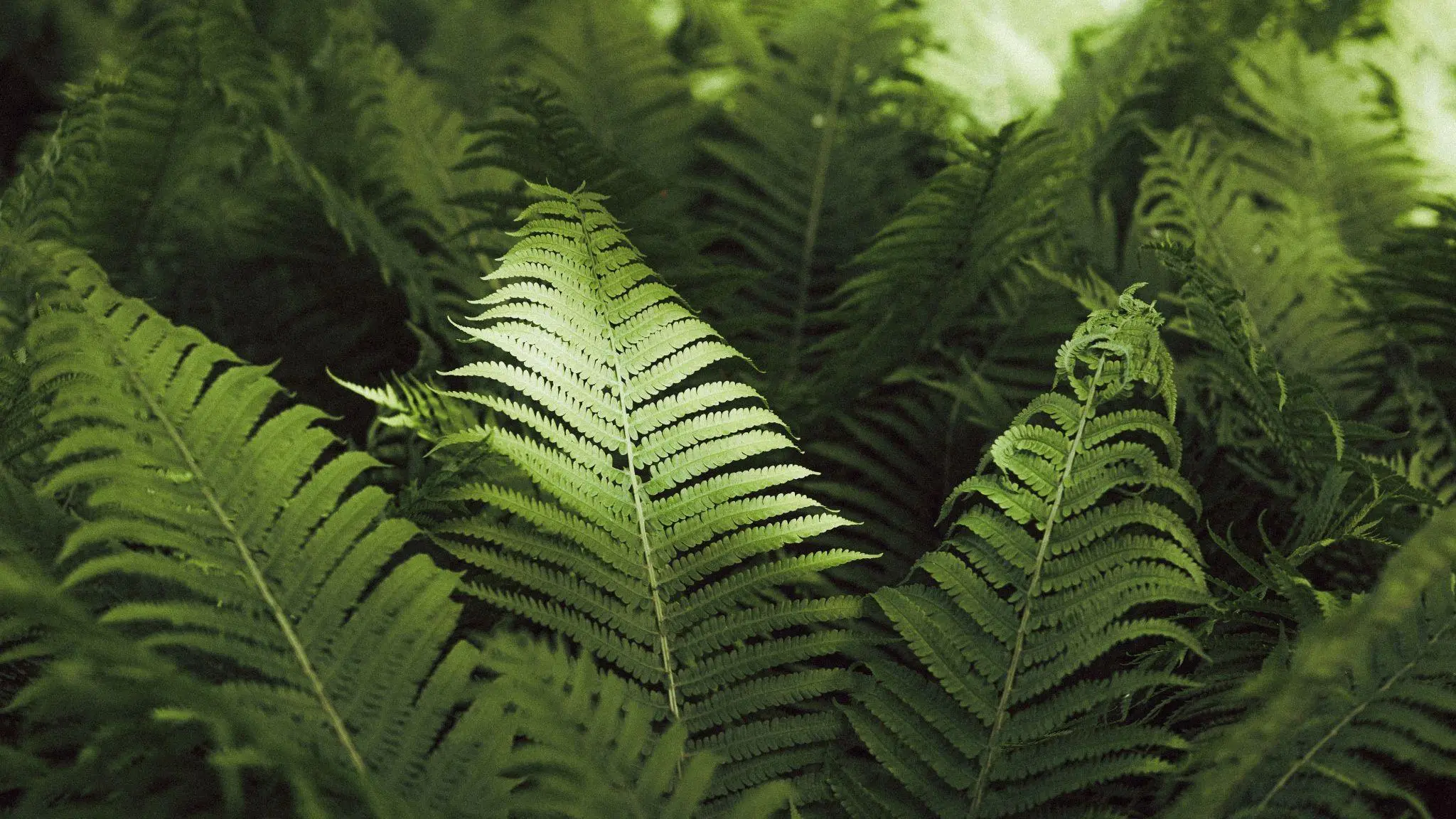
Christmas Fern (Polystichum acrostichoides)
Christmas fern is one of the few native ferns that stays green through winter, which is where the name comes from. It thrives in shade, handles cold, and doesn’t need direct sunlight. That makes it a natural fit for covered porches, north-facing patios, and shaded entryways.
In a container, it needs well-drained potting mix and occasional watering during dry spells. No fertilizer. No pest spray. It grows in a neat, arching rosette that looks polished without any trimming.
If you have a shaded spot that’s been sitting empty because nothing seems to survive there, native ferns are worth trying before anything else. They were made for exactly those conditions.
Purple Coneflower (Echinacea purpurea)
Purple coneflower is one of the most forgiving plants you can grow. It blooms from midsummer through early fall with pink-purple petals radiating from a raised copper-orange cone. Butterflies and bees find it immediately. Once the petals drop, goldfinches show up to eat the seed cones, so it earns its keep across every season.
It needs full sun and well-drained soil. In a deep container (12 inches or more), it will come back year after year. After the first season, leave it alone. Over-watering coneflowers is the fastest way to lose them.
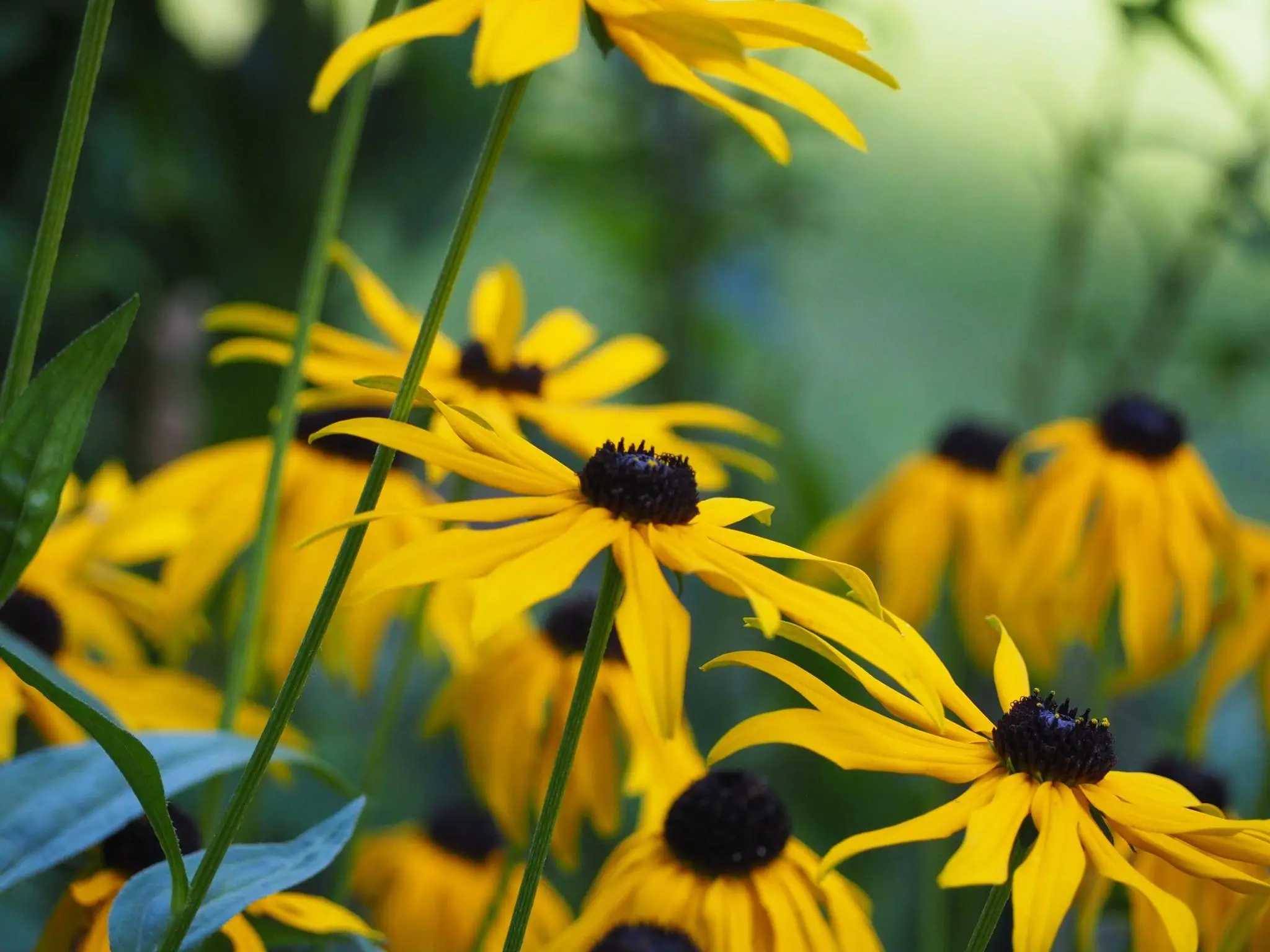
Black-Eyed Susan (Rudbeckia hirta)
If you want the most color for the least effort, black-eyed Susans are hard to beat. Bright golden petals with a dark center, blooming from early summer through fall. They grow 18 to 24 inches tall, work well in a large pot or planter box, and attract pollinators all season long.
They like full sun and tolerate drought once established. Pair them with coneflowers in a grouped container arrangement for a patio planting that looks designed but takes about ten minutes to put together.
Butterfly Milkweed (Asclepias tuberosa)
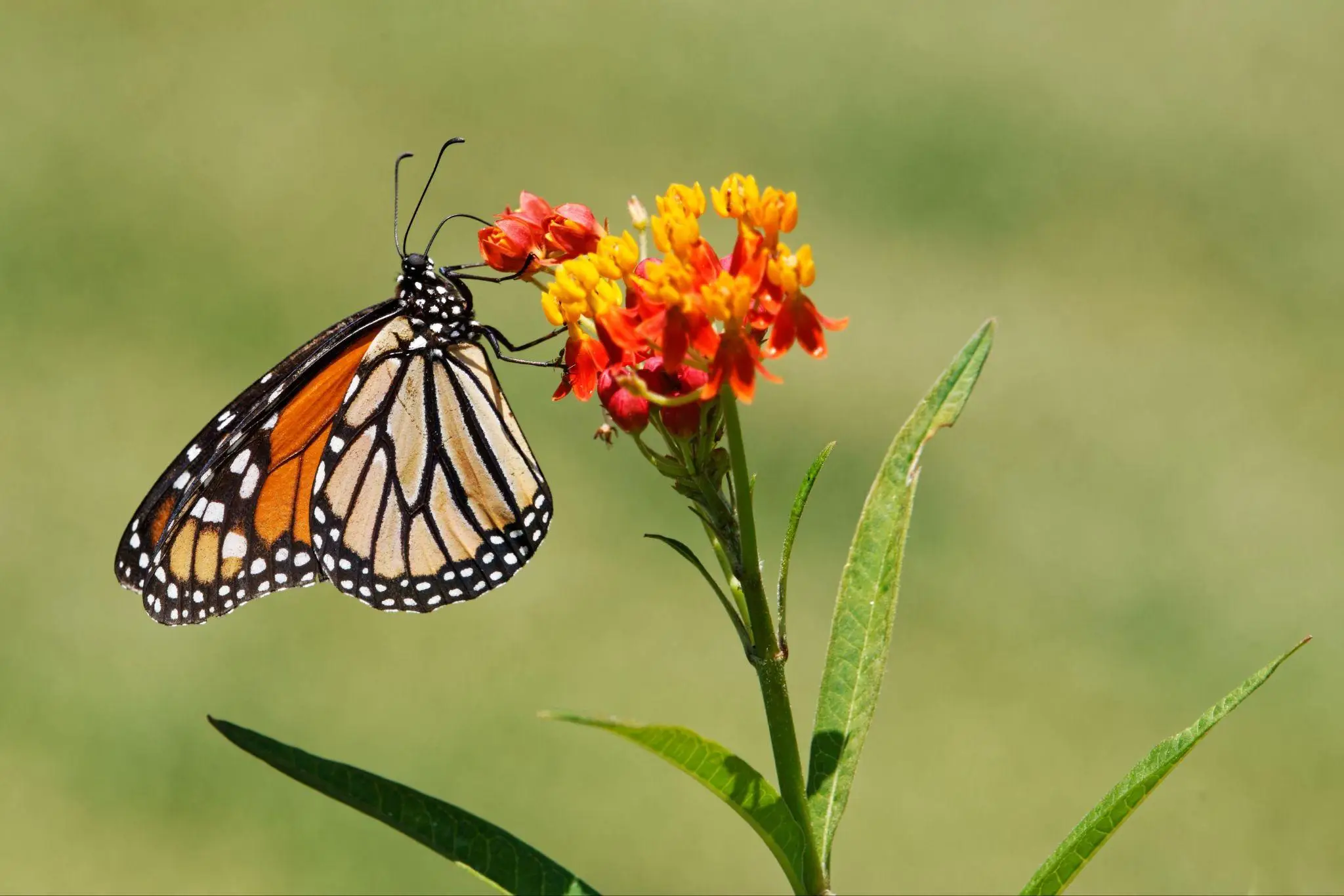
Butterfly milkweed is the showpiece. Vivid orange flower clusters from midsummer into fall, and it’s the only host plant monarch butterflies can lay eggs on. If you want monarchs visiting your patio, this is how you get them.
It does well in containers with good drainage and full sun. The taproot runs deep, so give it a pot at least 14 inches deep. Don’t over-water it. Milkweed is native to dry meadows and roadsides, so it actually performs better when you leave it slightly thirsty.
“One hundred percent of our berry and fruit production depends on pollinators,” Sons says. Even a single milkweed plant on a porch or patio contributes habitat that monarchs cannot find anywhere else.
Wild Geranium (Geranium maculatum)
Wild geranium fills the gap between spring and summer with soft purple blooms from April through June. It handles shade to part shade, making it a good companion for Christmas fern on a covered porch. The foliage stays attractive even after the blooms fade, turning reddish in fall.
It spreads gradually in garden beds but stays well-behaved in a container. Water it while it gets established and leave it alone after that. It comes back stronger every spring.
Why Fall Is Actually the Best Time to Start
If you’re reading this and thinking about putting a few of these on your porch, fall is the ideal window. Roots establish over winter while the plant is dormant, so by spring it has a head start and puts its energy into growth and blooms instead of just trying to survive.
“Most people plant in spring because that’s when they’re thinking about gardens,” Sons says. “But fall is better.” Roots establish over winter while the plant is dormant, and by spring it has a head start on growth and blooms.
The USDA Plant Hardiness Zone Map can help you confirm which native plants are adapted to your region and what winter temperatures they can handle. It’s worth checking your zone before you buy, especially if you’re in a borderline area.
A Few Container Tips
Use the right pot size: Plants with deeper root systems like milkweed and coneflower need at least 12 to 14 inches of depth. Ferns and geraniums do fine in shallower pots.
Drainage matters more than soil quality: Drill holes in the bottom if your pot doesn’t already have them. Most native plant failures in containers come from waterlogged roots, not poor soil.
Skip the fertilizer: These plants evolved without it. Adding fertilizer can push too much leaf growth at the expense of blooms and root development.
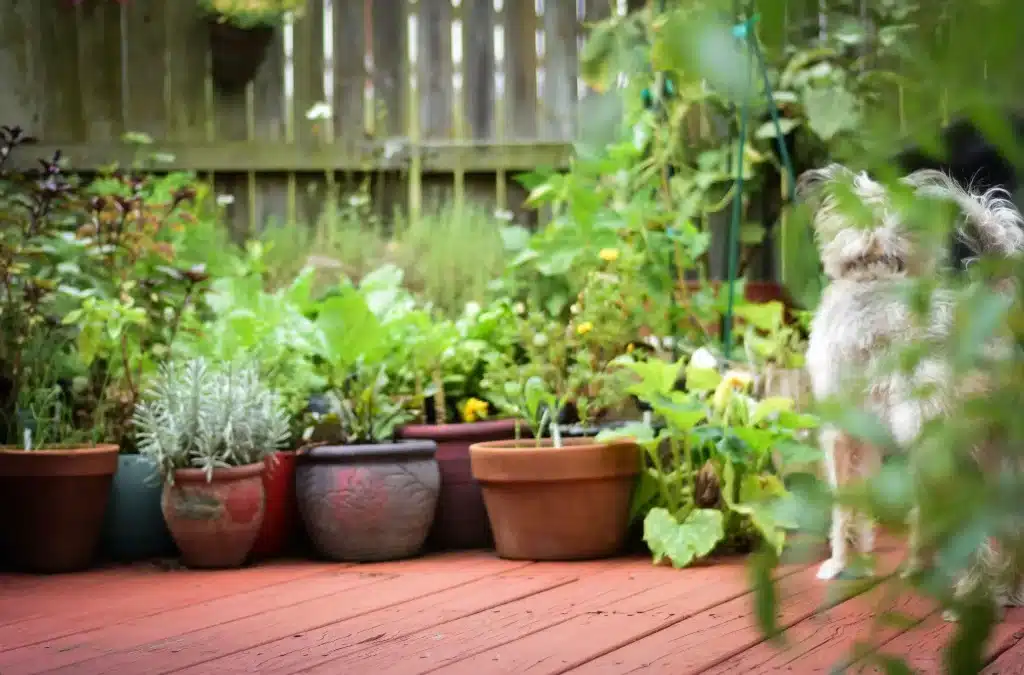
Group your containers: Three or four pots at different heights, mixing ferns with coneflowers and milkweed, creates a composition that feels intentional without needing a landscape designer. Even if you’re already maintaining a green lawn, adding native containers to your porch brings in pollinators that benefit the entire yard.”
The whole point of native plants is that they’re built for your conditions. You’re not fighting your climate or your soil. You’re working with it. And on a porch or patio, that means less fussing and more sitting back and watching the butterflies show up.