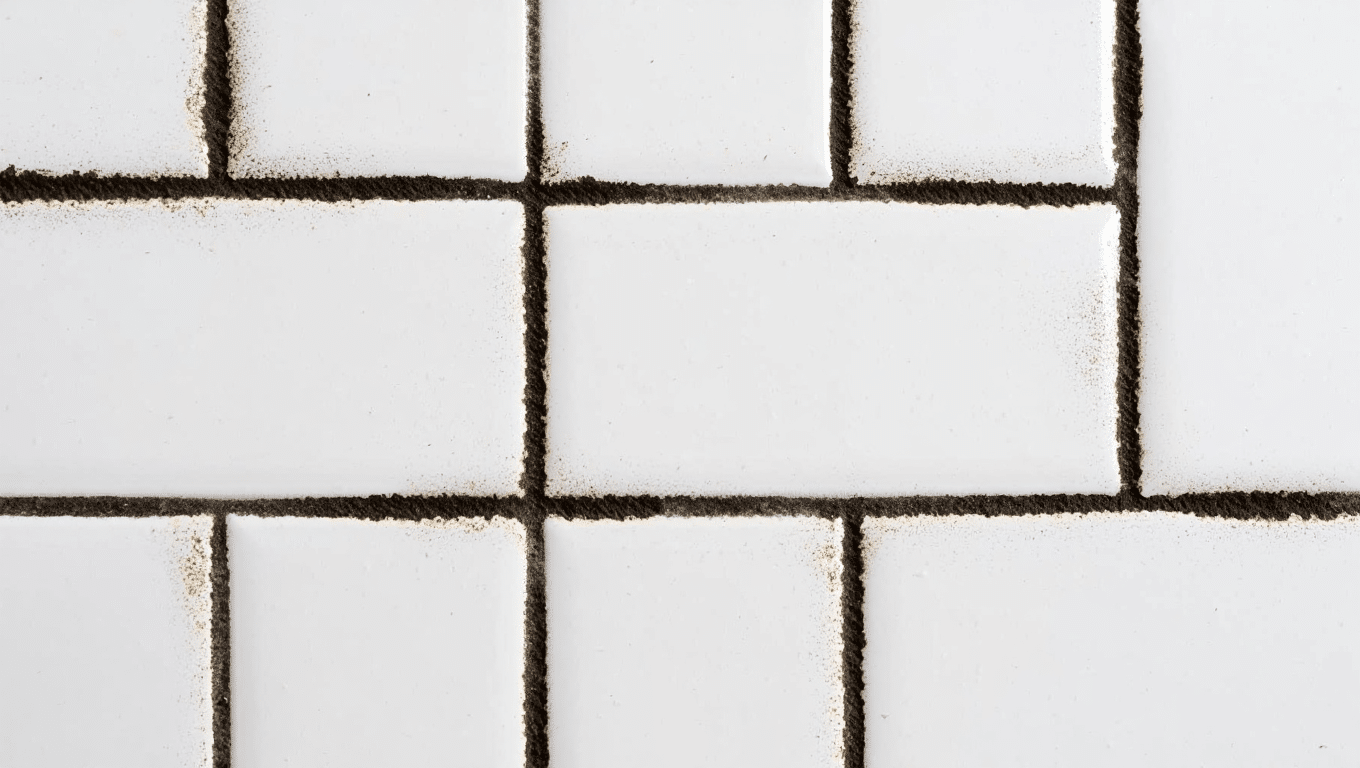
Anyone who has stood in a tile showroom holding two near-identical samples knows the small panic that follows. You like both. You can’t explain why. And somewhere in the back of your mind sits the question of whether you’ll still like your pick once the grout dries and the budget is spent. Tiles are one of the few renovation decisions that stay put for a decade or more, so the worry is fair.
Most of the regret I hear about from readers comes down to a handful of questions people skip at the start. Here are the ones worth answering before you buy.
Do You Need a Different Tile for the Floor and the Wall?
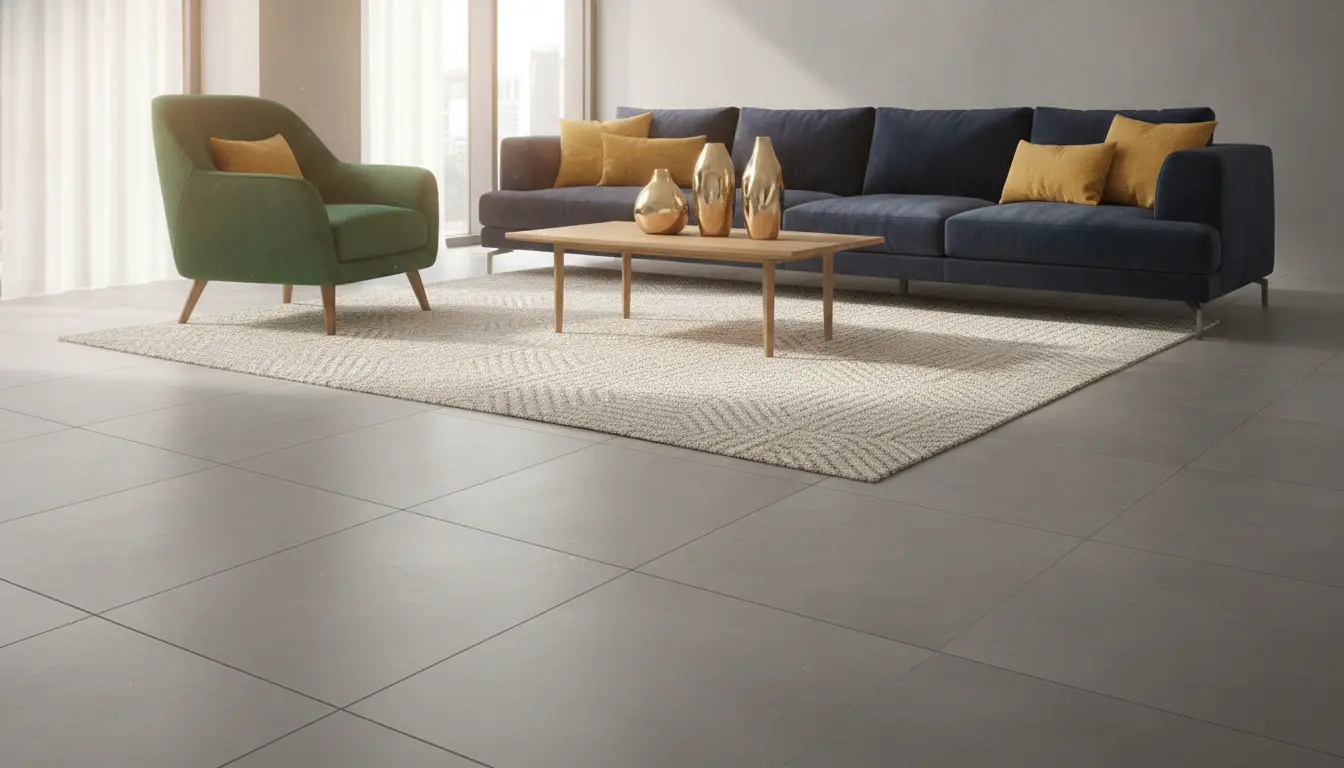
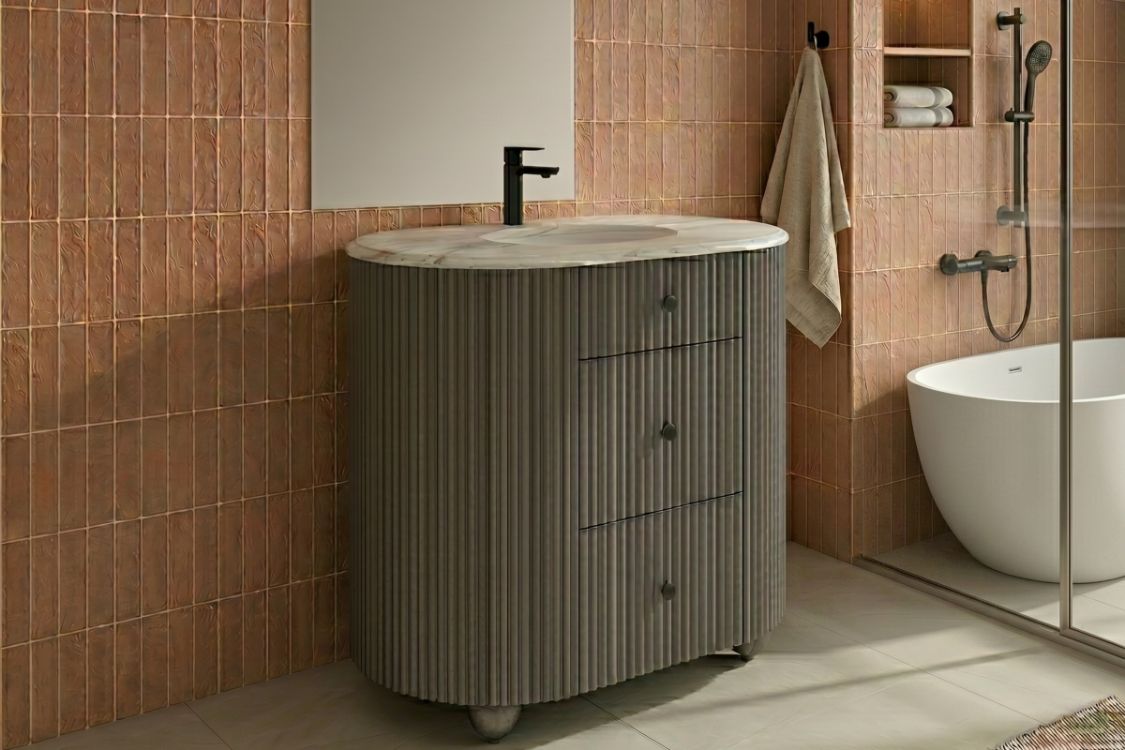
Not always, though the answer depends on where you’re tiling. Floor tiles need a slip rating and enough durability to cope with foot traffic and the odd dropped pan. Wall tiles can be thinner and more delicate, because nothing heavy ever lands on them. You can run the same tile across both surfaces for a calm, continuous look, but check that the one you’ve chosen is rated for floors first. A wall-only tile on the floor is a fast track to cracks.
If you want to see how a single tile reads across a whole room before committing, browsing a wide supplier range helps. Brisbane-based retailer The Tile Collective stocks floor and wall options side by side, which makes it easier to picture one material wrapping a space rather than guessing from a single chip.
Porcelain or Ceramic: Does the Difference Change Anything?
Yes, and it shows up in wet rooms especially. Porcelain is fired hotter and denser, so it absorbs less water and shrugs off heavy use. Ceramic costs less and works beautifully on walls or in low-traffic spots, though it chips more readily underfoot. For a family bathroom or an entry that catches rain, porcelain earns its slightly higher price. For a powder room that sees a guest twice a month, ceramic is plenty.
How Many Samples Should You Order?
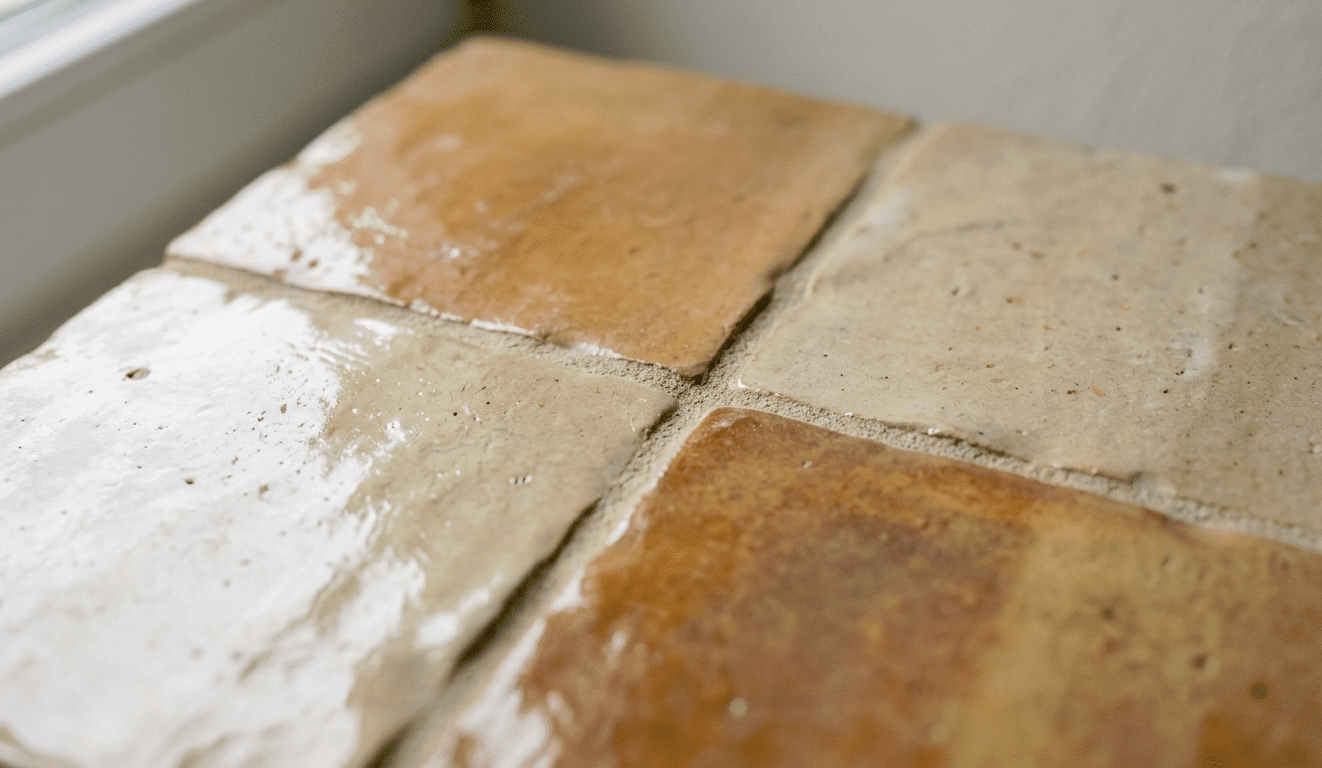
More than you think. Tile colour shifts under different light, and the LED strip in a showroom flatters everything. Take samples home. Prop them against the wall. Look at them in morning light and again under your bathroom bulb at night. A tile that read warm grey in store can turn distinctly lilac once it’s in your hallway. Most suppliers post a small batch of samples for a few dollars, which is far cheaper than re-tiling because the shade was off.
What Size Tile Suits a Small Room?
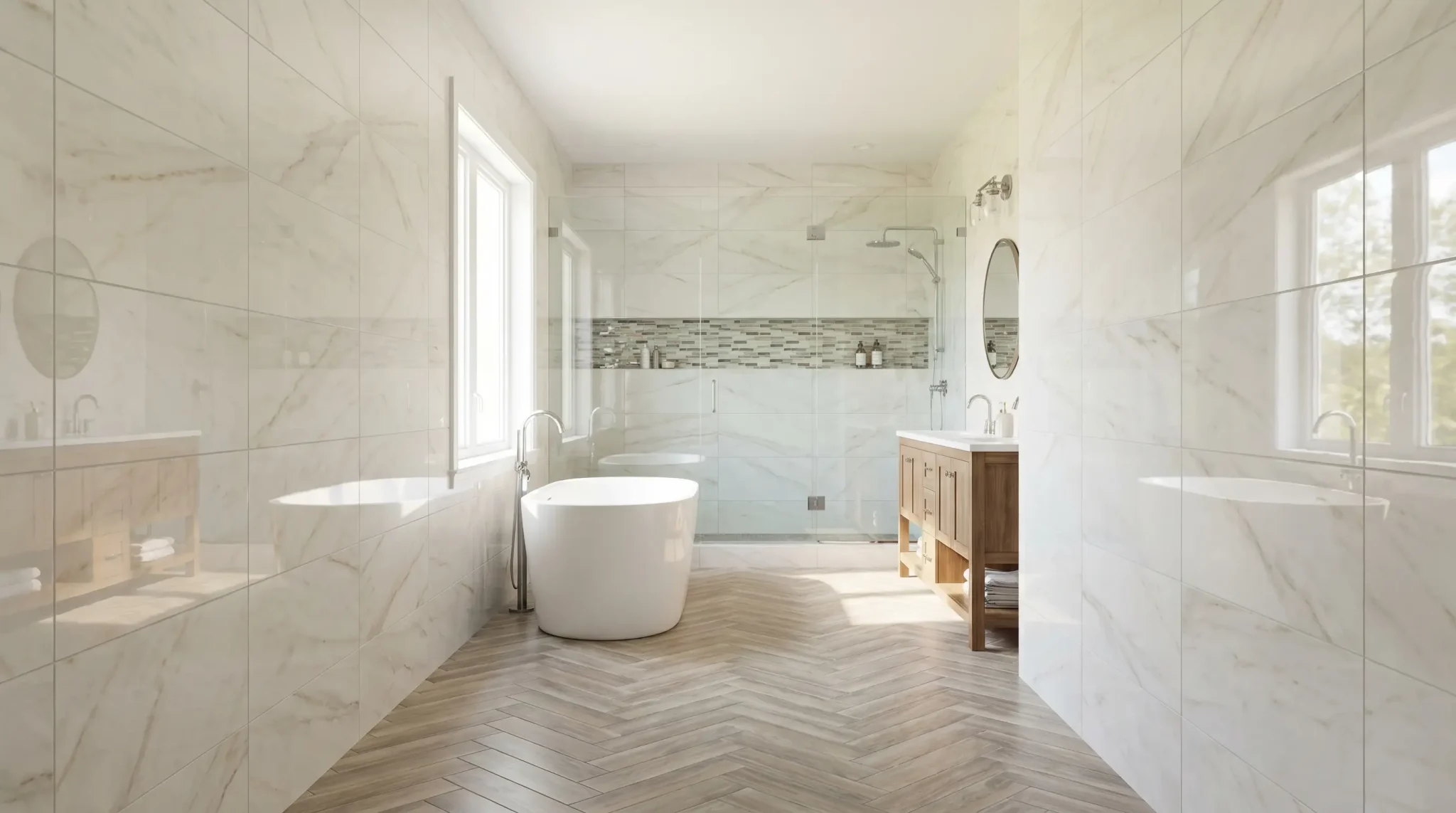
The old rule that small rooms need small tiles has been quietly retired. Larger formats mean fewer grout lines, and fewer grout lines make a compact bathroom feel less busy and more open. Big tiles in a small space can work in your favour. The trade-off is that large tiles need a dead-flat substrate, so factor in a bit more prep if your walls or floor aren’t true.
Are Wood-Look Tiles Worth It or Just a Gimmick?
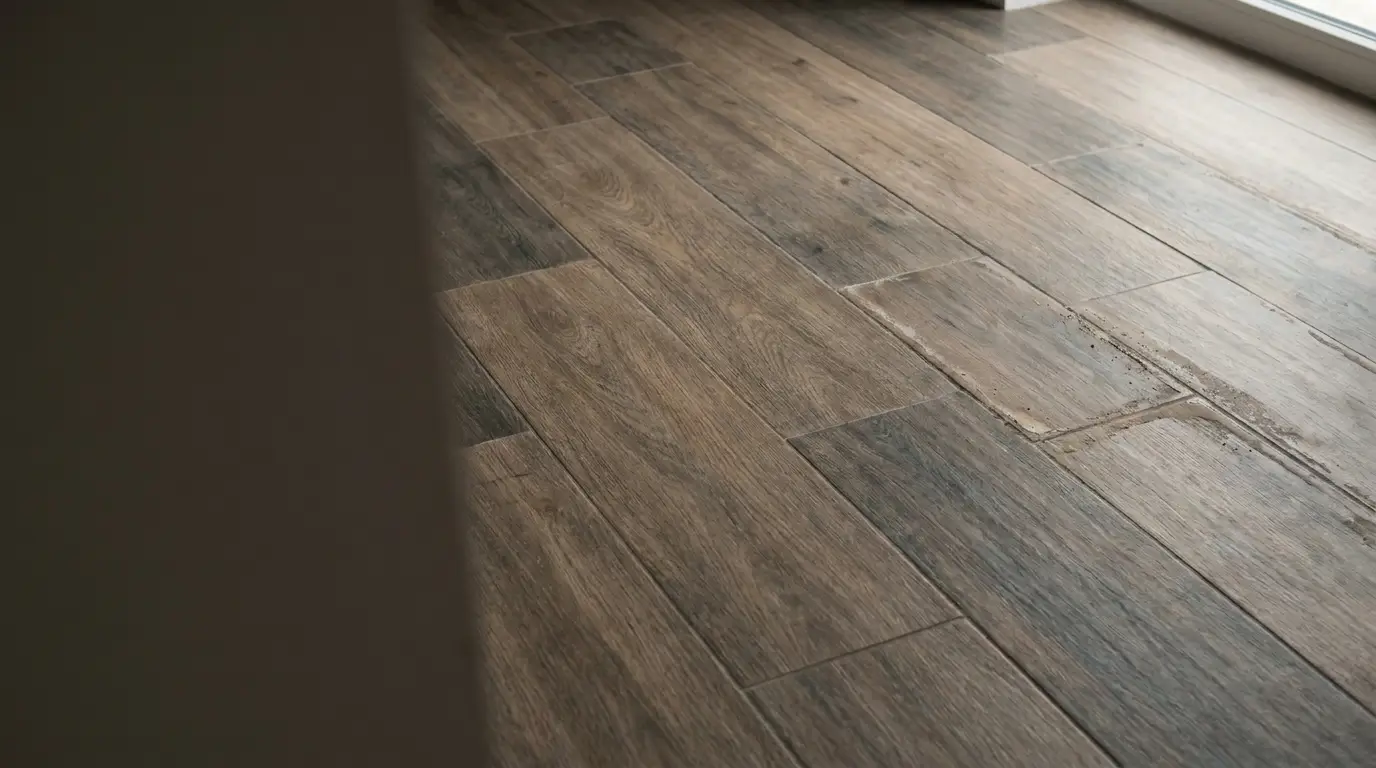
They have come a long way. Modern timber-look porcelain carries the grain and tonal variation of real boards without the swelling and scratching that timber demands near water. For a Hamptons-style laundry or an indoor-outdoor flow where real wood would warp, they solve a real problem. The thing to watch is repetition: cheaper ranges repeat the same three or four printed grains, so the pattern becomes obvious across a big floor. A range with more plank variations reads far closer to the real thing.
Should You Buy Extra?
Always order more than the exact square metreage. Cuts and breakages eat into your count, and dye lots vary between production batches. If you run short and have to reorder months later, the replacement tiles may not match. An extra ten percent now is cheap insurance, and leftover tiles are handy if one cracks years down the line.
When Does It Pay to Ask for Help?
Sooner than most people do. Tilers and showroom staff have watched thousands of these choices play out, and a five-minute chat can flag a problem you’d never spot alone, like a tile that’s lovely but a nightmare to keep clean, or a finish that turns lethal when wet. If a supplier offers a design consult, take it. You’re paying for years of pattern-recognition you don’t have.
None of this needs to turn a renovation into a research project. The point is to slow down at the start and order a few samples before the money’s committed. Tiles you’ve tested in your own light, in the room they’re destined for, rarely surprise you later. The ones bought in a rush under showroom lighting are the ones that nag.