Before you cut anything, pick the right saw.
That one choice can save you from crooked cuts, chipped plywood, wasted boards, and a project that suddenly feels harder than it should.
And this matters. One DIY survey found that 27% of people delay home projects because they do not have the right tools.
You do not need a wall full of saws. You need the right tool for the cut. A circular saw breaks down plywood. A miter saw makes fast, square crosscuts. A jigsaw handles curves and cutouts. A table saw gives you repeatable workshop accuracy.
In this guide, we’ll break down the best tools for cutting wood, what each one is actually good at, and which saw you should buy first.
Quick Guide: Which Wood Cutting Tool Do You Need?
|
If you want to… |
Best Tool |
|
Cut plywood sheets |
Circular saw |
|
Make perfectly straight long cuts |
Circular saw with a guide track |
|
Crosscut framing lumber |
Miter saw |
|
Rip hardwood boards |
Table saw |
|
Cut curves and shapes |
Jigsaw |
|
Trim branches or demolition work |
Reciprocating saw |
|
Fine woodworking and joinery |
Japanese pull saw |
|
Small DIY jobs |
Hand saw |
The best tool depends on the type of cut you’re making. Let’s look at each option in more detail.
Circular Saw: The Most Versatile Wood Cutting Tool
If you could own just one power saw, a circular saw would be the easiest recommendation for most DIYers and homeowners.
It’s affordable, portable, and capable of handling everything from framing timber to plywood, MDF, hardwood, and decking boards. With the right blade installed, a quality circular saw can deliver surprisingly clean cuts.
Best For
- Breaking down plywood
- Cutting framing lumber
- Deck building
- DIY renovations
- Outdoor projects
- Straight rip cuts
- Crosscuts
Advantages
- Affordable
- Portable
- Powerful
- Handles large sheets better than a table saw
- Works on a wide variety of materials
Limitations
A standard circular saw depends heavily on the operator’s ability to follow a line. Even experienced woodworkers can introduce small deviations over long cuts, especially when cutting full sheets of plywood.
This is why many people eventually upgrade their setup.
The Best Upgrade for a Circular Saw
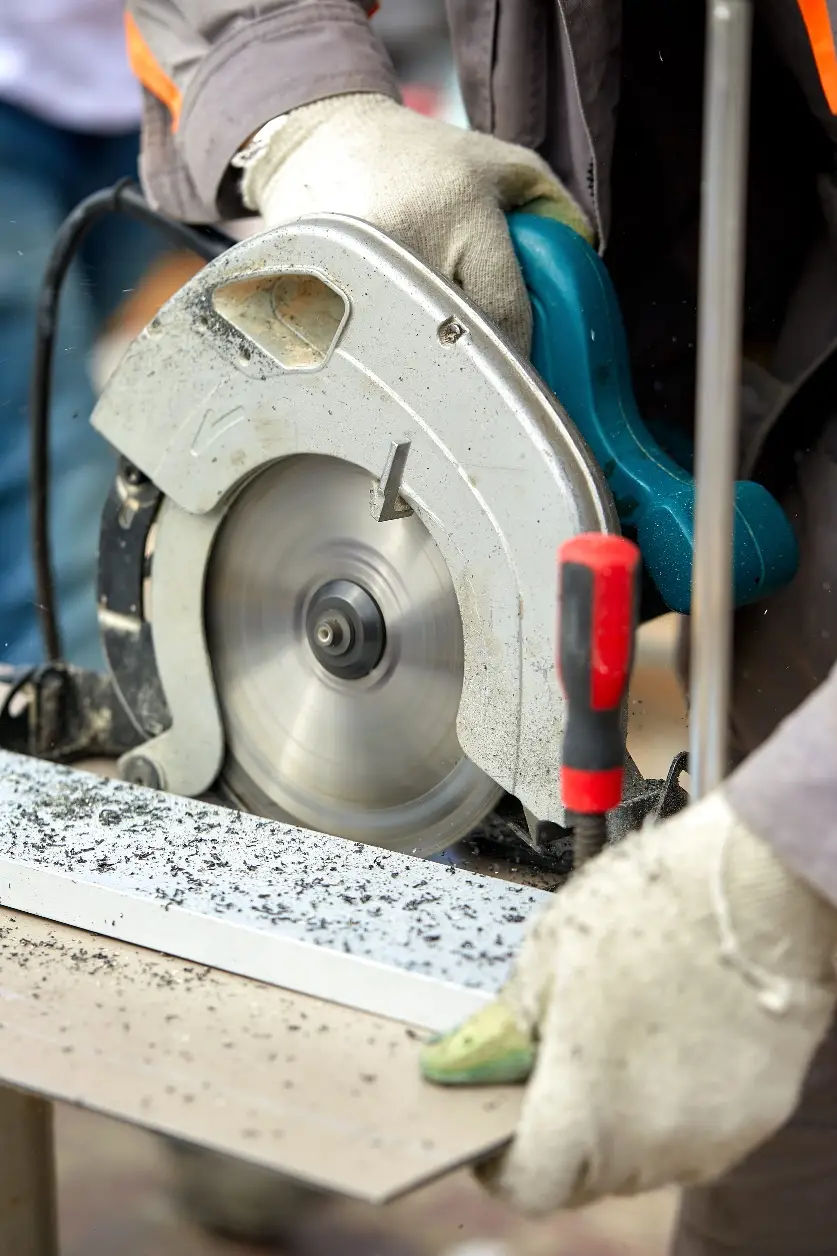
One of the biggest improvements you can make isn’t buying a more expensive saw—it’s adding a quality guide system.
A precision guide track transforms a standard circular saw into a much more accurate cutting tool, helping produce cleaner, straighter cuts with less effort. It’s especially valuable when cutting sheet goods like plywood, MDF, melamine, or large panels that are difficult to manage on a table saw.
For many woodworkers, a guide rail track system offers the best balance between accuracy, portability, and value because it works with the circular saw they already own rather than requiring the purchase of a dedicated track saw.
If you’re looking to improve cut quality without replacing your existing circular saw, the one from TrueTrac (https://truetrac.com/collections/complete-universal-saw-kits) is one of the best guide rail upgrades available. It allows you to make long, straight, repeatable cuts while maintaining the flexibility of your current circular saw setup.
Pro Tip
If you’re cutting cabinets, furniture panels, shelving, or plywood regularly, investing in a guide system often delivers a bigger improvement in finished results than upgrading to a more expensive circular saw.
Miter Saw: The Best Tool for Perfect Crosscuts
When accuracy matters, a miter saw is difficult to beat.
Instead of pushing the saw through the wood, the blade pivots downward, producing clean, square cuts with minimal effort. This makes it the preferred tool for trim carpentry, framing, flooring, and furniture building.
Best For
- Crosscutting lumber
- Baseboards
- Crown molding
- Picture frames
- Decking
- Repetitive cuts
- Angled cuts
Advantages
- Extremely accurate
- Fast to use
- Excellent for repeatable cuts
- Easy for beginners to learn
Limitations
A miter saw is designed for crosscuts rather than ripping boards lengthwise. If you’re cutting large sheets of plywood, you’ll still want a circular saw or table saw.
Table Saw: The Workshop Workhorse
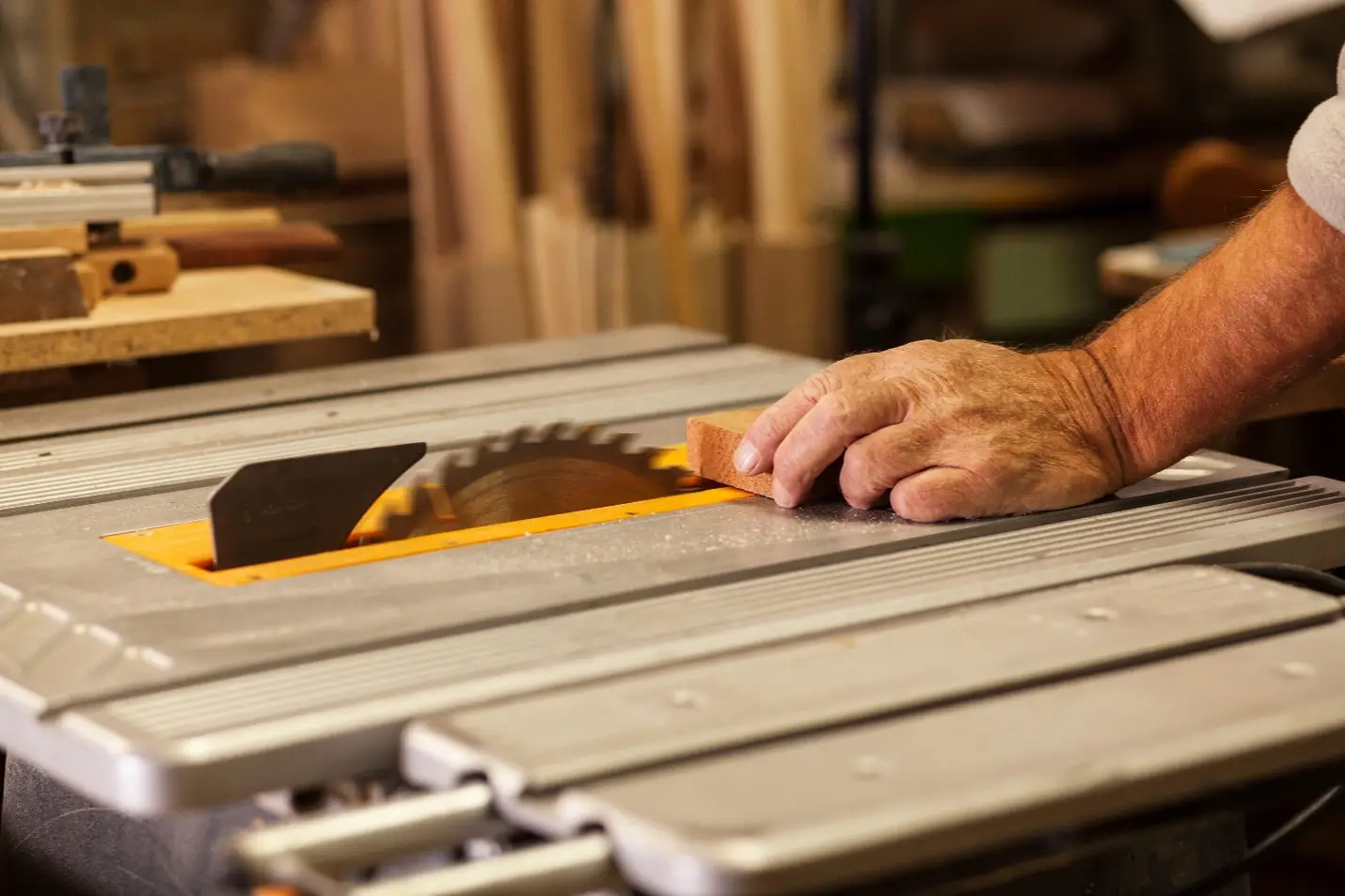
For serious woodworking, few machines are as versatile as a table saw.
The workpiece moves across a stationary blade, making it ideal for long rip cuts, repeatable dimensions, and precision joinery.
Best For
- Ripping hardwood
- Cabinet making
- Furniture building
- Dados (with compatible setups)
- Repeat production work
Advantages
- Outstanding accuracy
- Repeatable fence settings
- Powerful enough for hardwood
- Large accessory ecosystem
Limitations
Table saws require dedicated workshop space and a larger investment than portable saws. They also have a steeper learning curve and demand careful attention to safety.
Jigsaw: The Best Tool for Curves and Detailed Cuts
While circular saws and table saws excel at straight cuts, a jigsaw is the tool you’ll reach for when the project calls for curves, cutouts, or intricate shapes.
The narrow blade moves up and down, allowing it to navigate tight corners and complex patterns that would be impossible with larger saws.
Best For
- Curved cuts
- Sink and countertop cutouts
- Rounded furniture parts
- Craft projects
- Scroll-style cuts
- Cutting openings in installed materials
Advantages
- Easy to control
- Great for beginners
- Inexpensive
- Lightweight and portable
- Can cut wood, plastic, laminate, and thin metal with the correct blade
Limitations
A jigsaw isn’t designed for perfectly straight cuts over long distances. The thin blade can flex, especially in thicker materials, resulting in beveled or wandering cuts.
Pro Tip: Use high-quality blades designed for clean woodworking. Cheap blades often deflect and leave rough edges that require extra sanding.
Table Saw: The Workshop Workhorse
For anyone building cabinets, furniture, or custom woodworking projects, the table saw often becomes the centerpiece of the workshop.
Unlike handheld saws, the blade remains stationary while the wood moves across the table. This provides exceptional accuracy and repeatability.
Best For
- Ripping hardwood
- Cabinet construction
- Furniture making
- Cutting identical pieces
- Joinery
- Sheet goods (with proper support)
Advantages
- Extremely accurate
- Excellent repeatability
- Powerful enough for hardwood
- Supports numerous accessories
- Produces professional-quality results
Limitations
Table saws require more workshop space, cost more than portable saws, and demand careful attention to safety due to exposed blades and the potential for kickback.
If you’re just starting woodworking, a circular saw paired with a quality guide system can often handle many of the same projects before investing in a table saw.
Hand Saws: Still Essential in Every Workshop
Power tools get most of the attention, but hand saws remain incredibly useful.
They’re quiet, inexpensive, require no electricity, and often produce greater control during delicate work.
Japanese Pull Saw
Japanese pull saws cut on the pull stroke rather than the push stroke.
Because the blade remains under tension while cutting, it can be made much thinner, resulting in cleaner cuts with less effort.
Best for:
- Joinery
- Fine woodworking
- Flush trimming
- Precision cuts
Panel Saw
The classic woodworking saw.
Perfect for:
- Rough lumber
- Construction lumber
- Quick cuts around the house
Coping Saw
The coping saw uses a thin blade stretched inside a frame.
Best for:
- Tight curves
- Trim work
- Coping molding
- Intricate shapes
Reciprocating Saw: Built for Demolition
The reciprocating saw isn’t designed for beautiful woodworking.
Instead, it’s built for speed and power when precision isn’t the priority.
You’ll often see contractors using one during remodeling projects.
Best For
- Demolition
- Cutting nails inside wood
- Removing framing
- Tree branches
- Outdoor cleanup
Advantages
- Extremely versatile
- Cuts through mixed materials
- Fast
- Rugged
Limitations
Don’t expect furniture-grade cuts. This is a demolition tool first.
Bandsaw: A Favorite for Fine Woodworking
A bandsaw uses a continuous blade running between two wheels.
It produces smoother curved cuts than a jigsaw and can also resaw thick lumber into thinner boards.
Best For
- Resawing
- Curved furniture parts
- Veneers
- Bowl blanks
- Hardwood shaping
Advantages
- Very accurate
- Smooth cuts
- Excellent for hardwood
- Safer than many larger saws
Limitations
Bandsaws are generally workshop machines rather than portable tools.
Oscillating Multi-Tool: Small Tool, Big Versatility
Every woodworker eventually discovers just how useful an oscillating multi-tool can be.
Its rapid side-to-side blade movement makes it ideal for situations where no other saw fits.
Best For
- Flush cuts
- Door jamb trimming
- Flooring installation
- Small repairs
- Tight spaces
Advantages
- Extremely versatile
- Easy to control
- Minimal kickback
- Great for renovations
Limitations
It’s slower than dedicated saws and isn’t intended for long cuts.
Choosing the Right Blade Is Just as Important as Choosing the Saw
Many people assume poor cuts are caused by the saw itself.
In reality, the blade often makes the biggest difference.
Rip Blades
Designed for cutting along the grain.
Fewer teeth remove material quickly.
Crosscut Blades
Designed to cut across the grain.
Higher tooth counts leave cleaner edges.
Combination Blades
A great all-around choice for general woodworking.
Fine Finish Blades
Ideal for plywood, melamine, MDF, and cabinet work where minimizing tear-out matters.
Carbide-Tipped Blades
Although they cost more upfront, carbide blades stay sharp much longer than standard steel blades and typically deliver cleaner cuts over their lifespan.
Which Tool Is Best for Each Type of Cut?
|
Type of Cut |
Best Tool |
|
Long straight cuts |
Circular saw with guide track |
|
Cabinet panels |
Circular saw with guide track |
|
Ripping hardwood |
Table saw |
|
Crosscuts |
Miter saw |
|
Curves |
Jigsaw |
|
Tight curves |
Bandsaw |
|
Demolition |
Reciprocating saw |
|
Fine joinery |
Japanese pull saw |
|
Flush trimming |
Oscillating multi-tool |
Common Mistakes Beginners Make
Learning woodworking is rewarding, but nearly everyone makes the same mistakes early on.
Buying the Biggest Saw First
A table saw may seem like the obvious first purchase, but many beginners get more value from a quality circular saw.
Using the Wrong Blade
Even an expensive saw performs poorly with a dull or incorrect blade.
Rushing the Cut
Let the blade do the work.
Forcing the saw increases heat, tear-out, and blade wear.
Ignoring Material Support
Unsupported plywood bends under its own weight, pinching blades and ruining cuts.
Measuring Once
Every experienced woodworker has learned this lesson the hard way.
Measure twice.
Cut once.
Which Wood Cutting Tool Should You Buy First?
If you’re building your first workshop, here’s a practical buying order.
1. Circular Saw
The most versatile first purchase.
2. Cordless Drill
Every project needs one.
3. Jigsaw
Adds curves and flexibility.
4. Miter Saw
Excellent once you’re making furniture or trim.
5. Router
Opens the door to joinery and decorative edges.
6. Table Saw
A worthwhile investment when woodworking becomes a regular hobby or business.
Safety Tips Every Woodworker Should Know
No tool is worth risking an injury.
Follow these basic practices every time you work.
- Wear safety glasses.
- Use hearing protection.
- Keep blades sharp.
- Clamp workpieces securely.
- Never reach across moving blades.
- Disconnect power before changing blades.
- Stand slightly to the side during cuts to reduce exposure if kickback occurs.
- Keep your workspace clean and well lit.
- Read your tool’s manual before first use.
Good habits become second nature and make woodworking both safer and more enjoyable.
Frequently Asked Questions
What Is the Best All-Around Tool for Cutting Wood?
For most homeowners and DIYers, a circular saw offers the best balance of versatility, affordability, and cutting capacity. Paired with a quality guide system, it can handle everything from framing lumber to cabinet-grade plywood.
Is a Circular Saw Better Than a Table Saw?
It depends on your projects. Circular saws are portable and excellent for breaking down large sheet goods, while table saws provide unmatched accuracy and repeatability for workshop-based woodworking.
What Saw Gives the Cleanest Cuts?
A sharp blade matched to the material is more important than the saw itself. For straight cuts in plywood and sheet goods, a circular saw with a guide track and a fine-tooth blade produces excellent results.
What Is the Easiest Saw for Beginners?
A circular saw is often the best first power saw because it’s affordable, versatile, and capable of handling a wide range of woodworking and DIY projects.
Can One Saw Do Everything?
Not perfectly. Every saw has strengths. Most woodworkers eventually build a collection of tools that complement one another, starting with a circular saw and expanding as projects become more advanced.