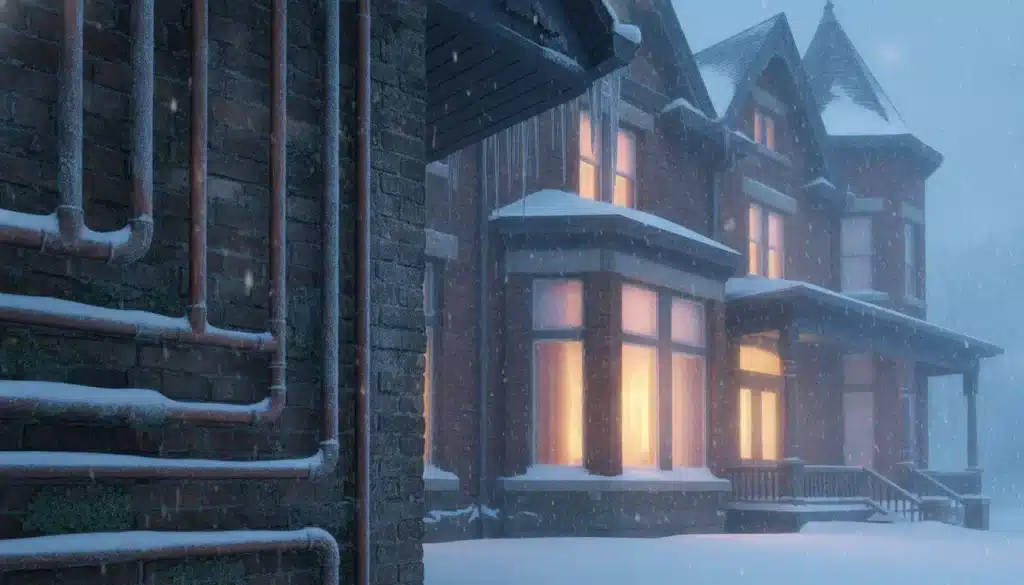
Older homes often have an undeniable architectural and historical appeal, but they sometimes require investments in maintenance and prevention, owing to their vulnerability to problems like freezing and drafts. Statistics indicate that around one in 60 insured homes makes a claim for water or freezing damage every year, with the typical cost of repair falling between $1,381 and $6,350. Pipes are most likely to freeze when temperatures fall below 20ºF, particularly in uninsulated spaces such as attics, basements, exterior walls, and crawl spaces. However, even in the coldest areas, proactive maintenance and smart upgrades can significantly reduce the risk of broken pipes and costly repairs.
What Makes Older Homes More Vulnerable?
Older homes have specific characteristics that boost their freezing risks. These include poor or deteriorated insulation, air leaks around windows, doors, and foundations, plumbing installed in exterior walls, unheated basements and other enclosed areas, and aging pipe materials. When cold air infiltrates a home, its heating system must work harder, increasing energy usage. Many owners who fall in love with a vintage home and purchase it are surprised to discover that these homes are leaky by design. Because they were built during a time in which firewood was the main source of heating, optimal airflow enabled smoke to effectively exit interiors. Fresh air also helps release the humidity caused by cooking and washing, reducing the risk of mold. Today, however, homes face much higher heating costs than in the past, and the growing interest in sustainable energy necessitates adequate insulation.
Discovering the Cause of Drafts
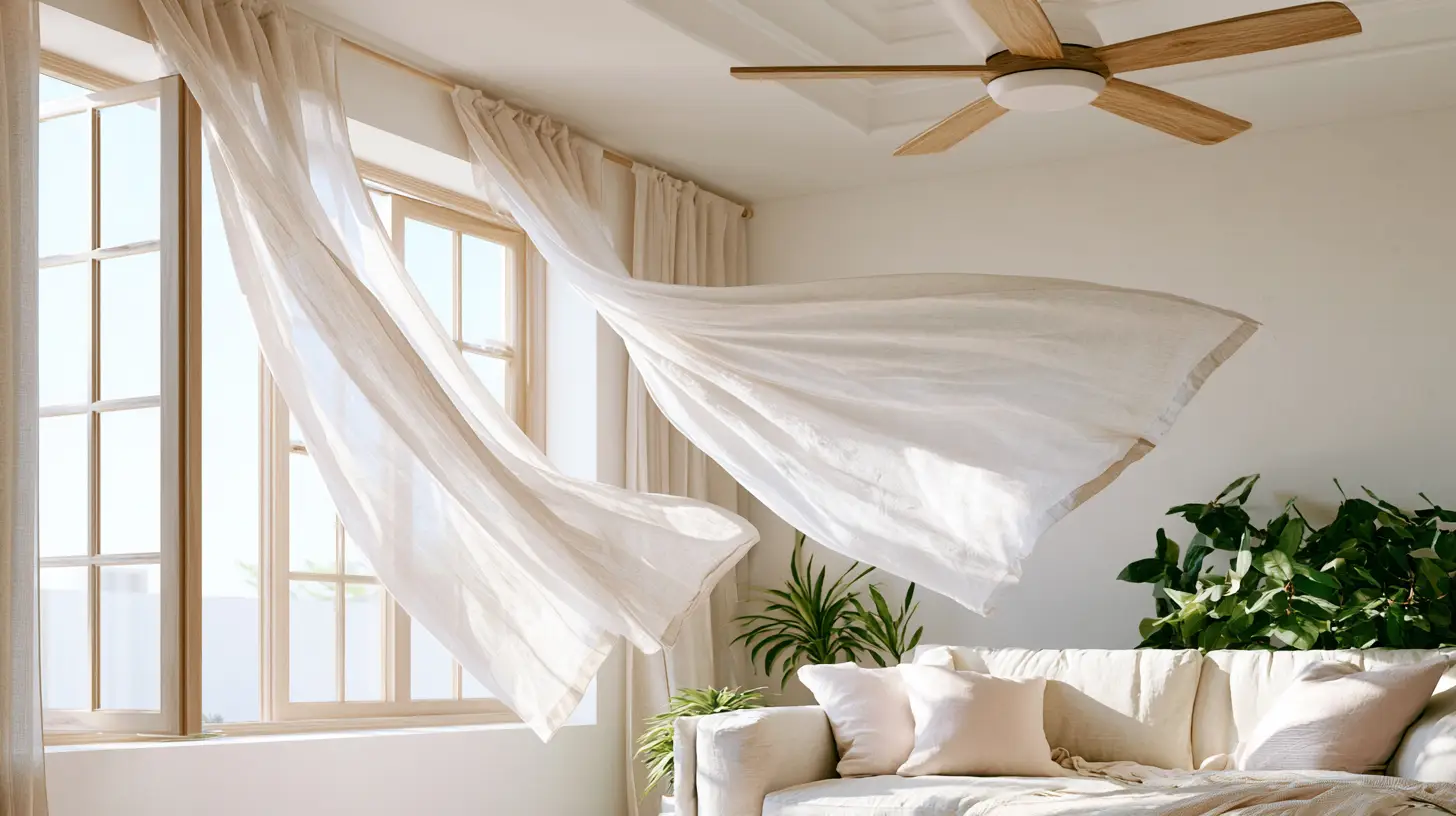
Thorough insulation begins by discovering the origin of drafts. An old but excellent way to do so is with the use of a lit candle. Pass it slowly by areas such as window frames and skirting boards. And watch where the smoke drifts. That is the spot that needs insulation. You can also use a dedicated smoke pen to track down drafts and discover how area is leaking in or out of your home. Finally, a thermal imaging cameria can be used to demonstrate air movement via temperature differences. In order for this method to be effective, hower, there needs to be a reasonable temperature difference between indoors and outdoors.
Insulating Your Home
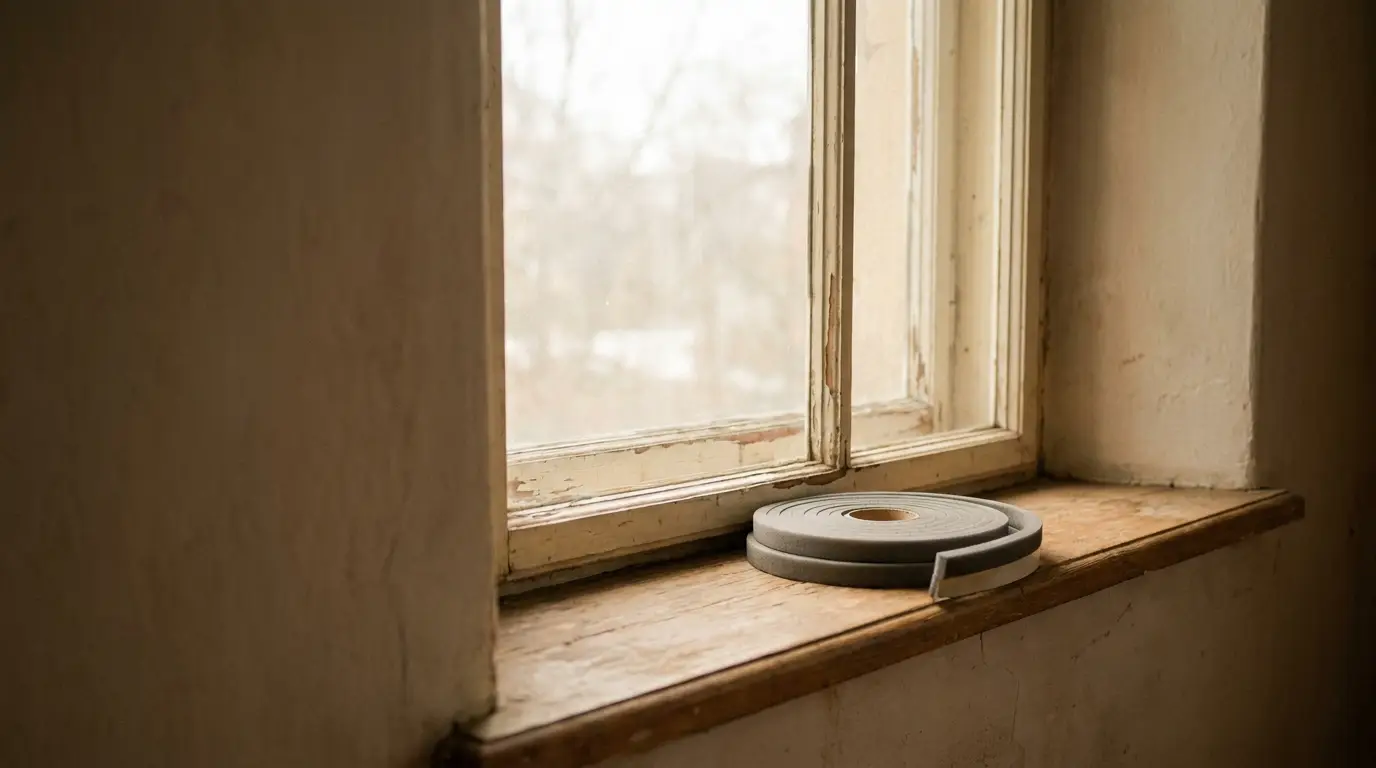
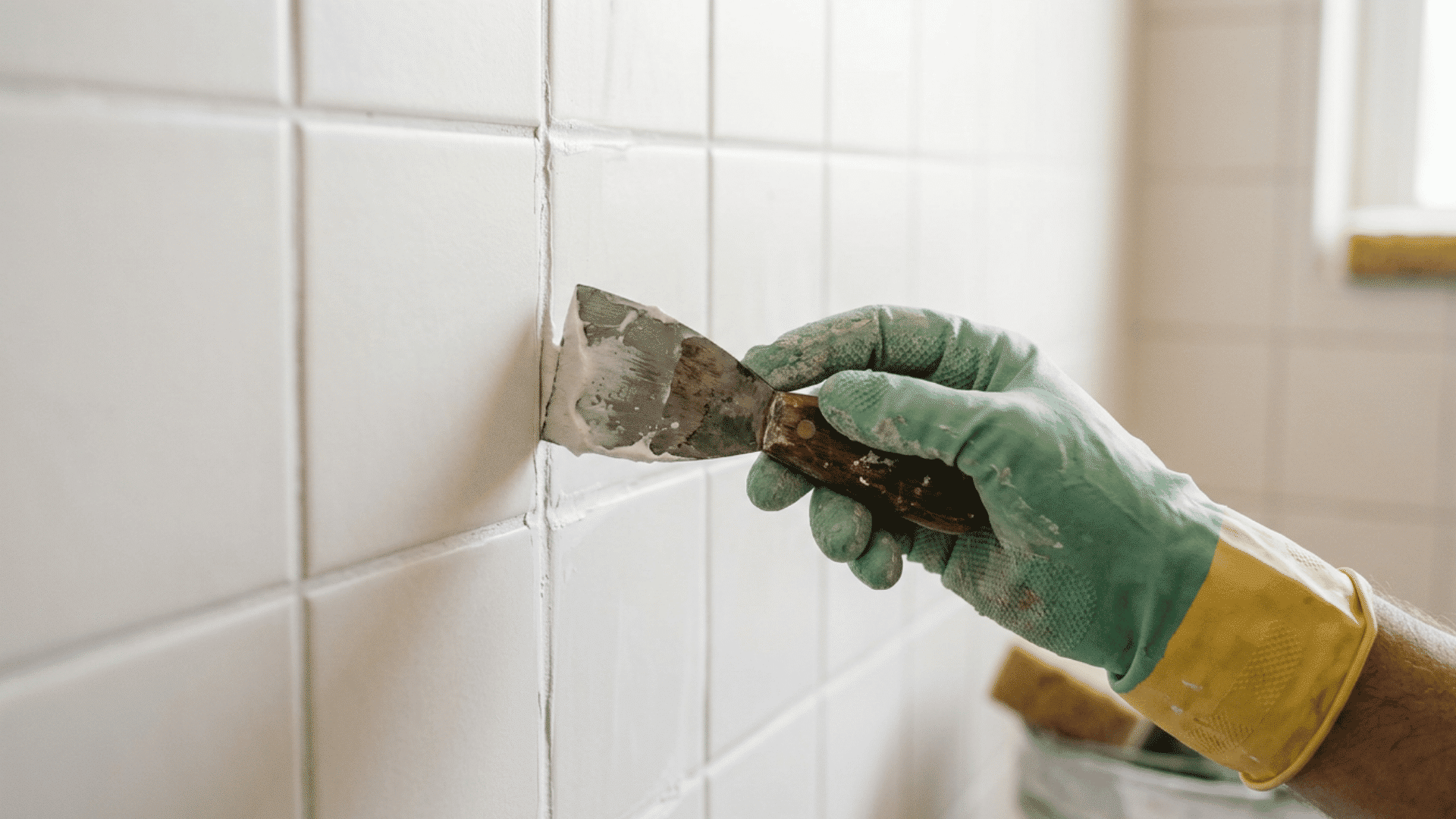
Once you know the source of drafts in your home, you can target it with insulation efforts, including sealing cracks around windows and doors, weatherstripping exterior doors, insulating crawl spaces and attaics, and insulating exterior walls if doing so is practical and affordable. Rim joists in basements, meanwhile, can benefit from insulation, while gaps around plumbing penetratoins should be closed. All these efforts strengthen your home’s thermal envelope, protecting not only homeowners but also their home’s plumbing system.
Protecting Pipes
To protect your plumbing system, start by finding a plumber with experience in vintage homes. They will be able to spot precise problems and suggest strategies for repairing and maintaining pipes in good condition. Many issues can be prevented without breaking one’s budget. Useful strategies include using foam pipe insulation sleeves to reduce heat loss from exposed plumbing or using heat tape or heat cables to gently warm pipes in particularly cold locations. Pipes running through unheated basements, garages, crawl spaces, and attics should be insulated wherever possible. If you have a garden, disconnect hoses to prevent water from freezing in the connected pipes. Shutting off exterior hose bibs is also vital. Finally, consider employing an insulated faucet cover to shield outdoor spigots from freezing temperatures.
Being Vigilant for Signs of Problems
Even when you have taken steps to ensure your insulation is on point and your pipes are in good working order, staying vigilant for problems is key, as addressing them early can help avoid costly repairs in the long run. Signs to watch for include rooms that do not heat or cool properly, reduced water flow, frosty pipes, odd plumbing noises, bulging pipes, and a lack of water at faucets on freezing days. If you notice new drafts, inspect your home again to identify their source. When it comes to pipes, if any issues occur, shut off the main water supply and contact a plumber quickly if you suspect a burst pipe.
Older homes have an undeniable charm, but they also require more stringent preparation for the winter. To keep your home in top condition, combine insulation improvements, plumbing protection, and good winter maintenance habits. Stick to a good maintenance schedule and be on the lookout for signs that insulation or plumbing needs attention.