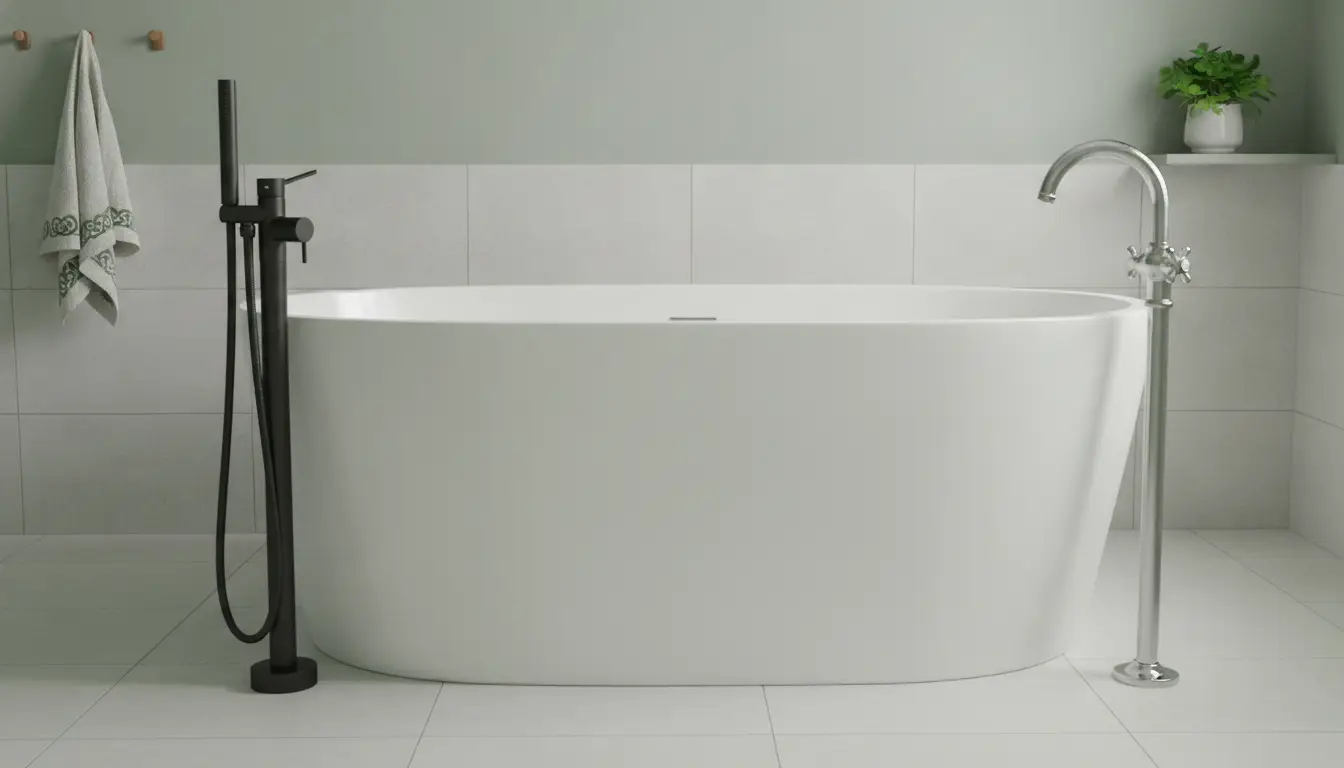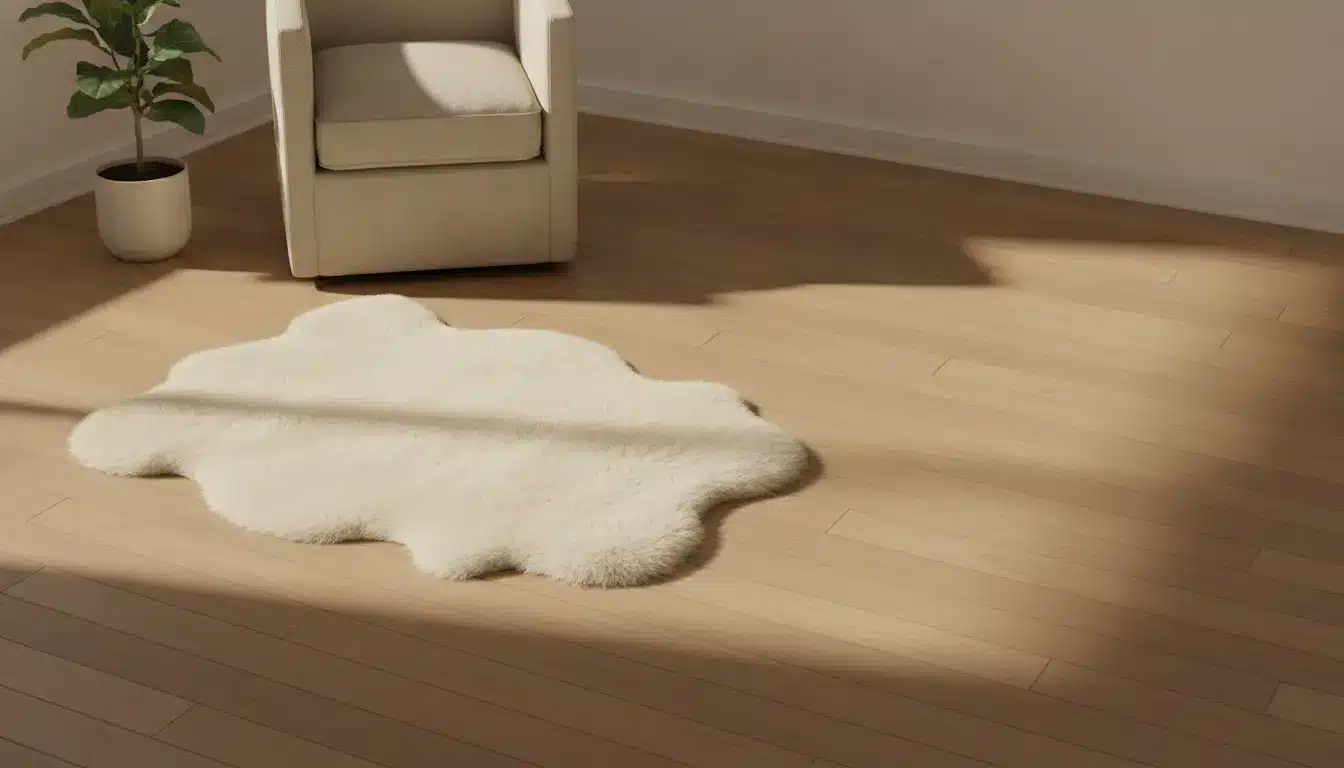
The first night spent in a brand new property is a bit quieter than expected. There isn’t much of the characteristic new smell of the place; the floor is clean, and your footsteps seem to resonate in the halls, which are still untouched, not having a mark anywhere yet. This is what you were dreaming of for months now, starting from choosing a block up to handing over the property. Yet here you are, at 9pm, in the middle of the living room, surrounded by boxes, feeling as if you are in a nice hotel rather than your new property.
This happens because the space is a little bit impersonal due to its newness. However, this situation quickly disappears once it is filled with your possessions. New builds are like a blank canvas for you, giving you an opportunity that most people will never have. So here are some tips for transforming the rooms into a lived-in space.
Why a Blank Slate Beats a Fixer-Upper
There’s a romantic idea that older homes have “character” and new ones don’t. It’s half true. What older homes really have is someone else’s character baked in: the previous owner’s paint choices, their odd renovation from 2004, the wallpaper you’ll spend a weekend steaming off.
Start fresh, and none of that is your problem. Every surface is a decision you get to make rather than one you have to undo. The walls are the colour you chose. The kitchen is laid out the way your family actually cooks. You’re not working against the house; you’re working with it from the first day.
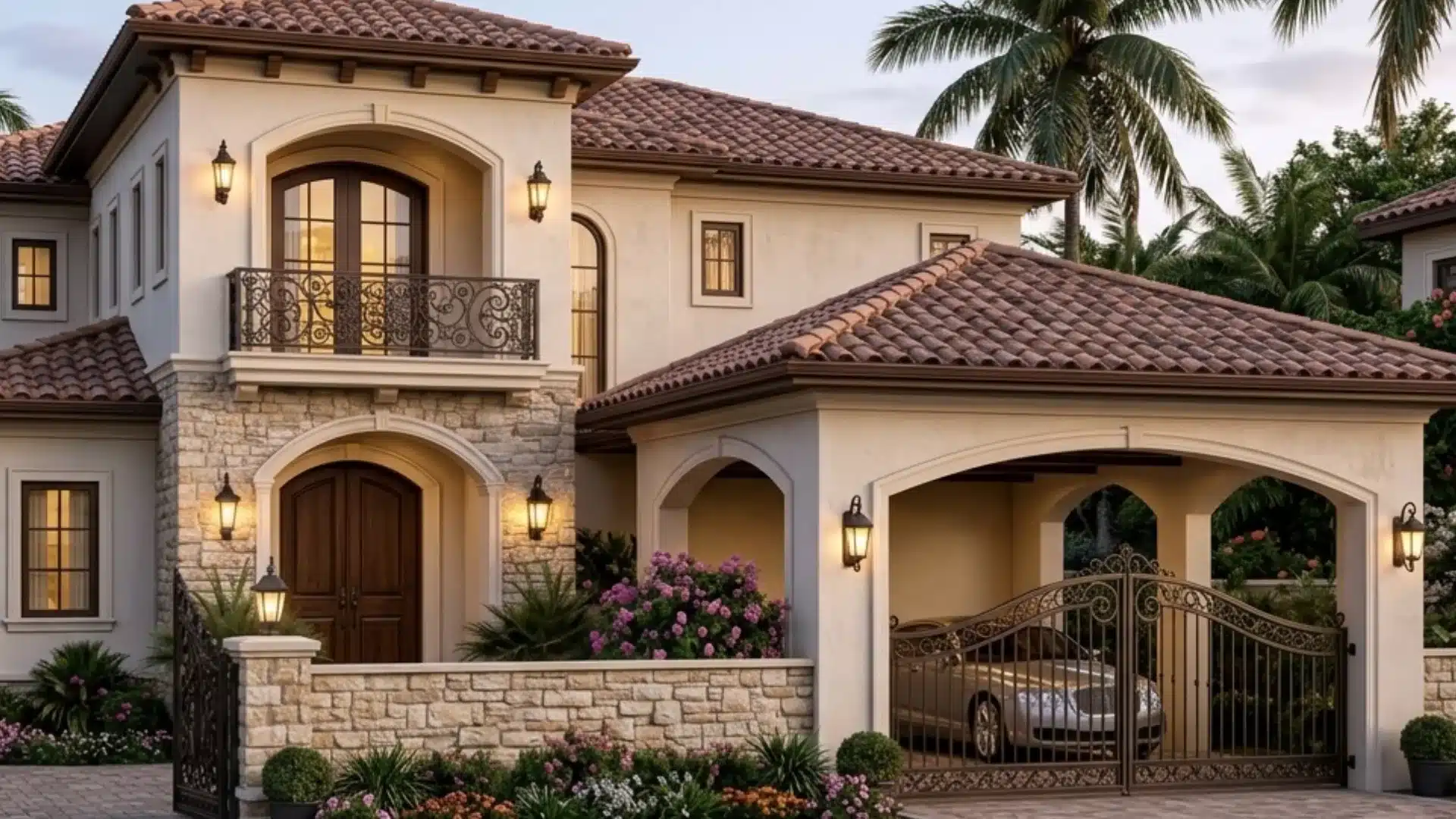
That clean starting point is a big part of why so many people now choose to build rather than renovate. Across Australia, and in New South Wales especially, it’s become common to start from a fresh home on a fresh block, with the big structural calls already sorted, so the part left to you is the fun part. If you’re weighing it up, it’s worth understanding how house and land packages in NSW are typically structured to be lived in and personalised over time, rather than handed over as untouchable showrooms.
So the goal isn’t to fight the newness. It’s to layer warmth back in, one deliberate step at a time.
Start With Light, Not Furnishings
Most people’s instinct is to fill the space. Get the couch in, get the bed built, and call it done. But the fastest way to soften a room full of hard new surfaces isn’t furniture. It’s light.
Builder downlights are efficient and, on their own, a bit clinical. They wash everything in the same flat brightness from the ceiling. Real warmth comes from light at different heights: a table lamp at eye level, a floor lamp in the reading corner, a couple of warm-white bulbs instead of the cooler daylight globes that come standard.
Try this on your first evening before you’ve unpacked a thing. Turn the overheads off, switch on two lamps, and watch the room change. It’s one of the cheapest changes you can make, and it tells you where the cosy corners of your new home want to be.
Bring In Texture Before You Commit to Colour
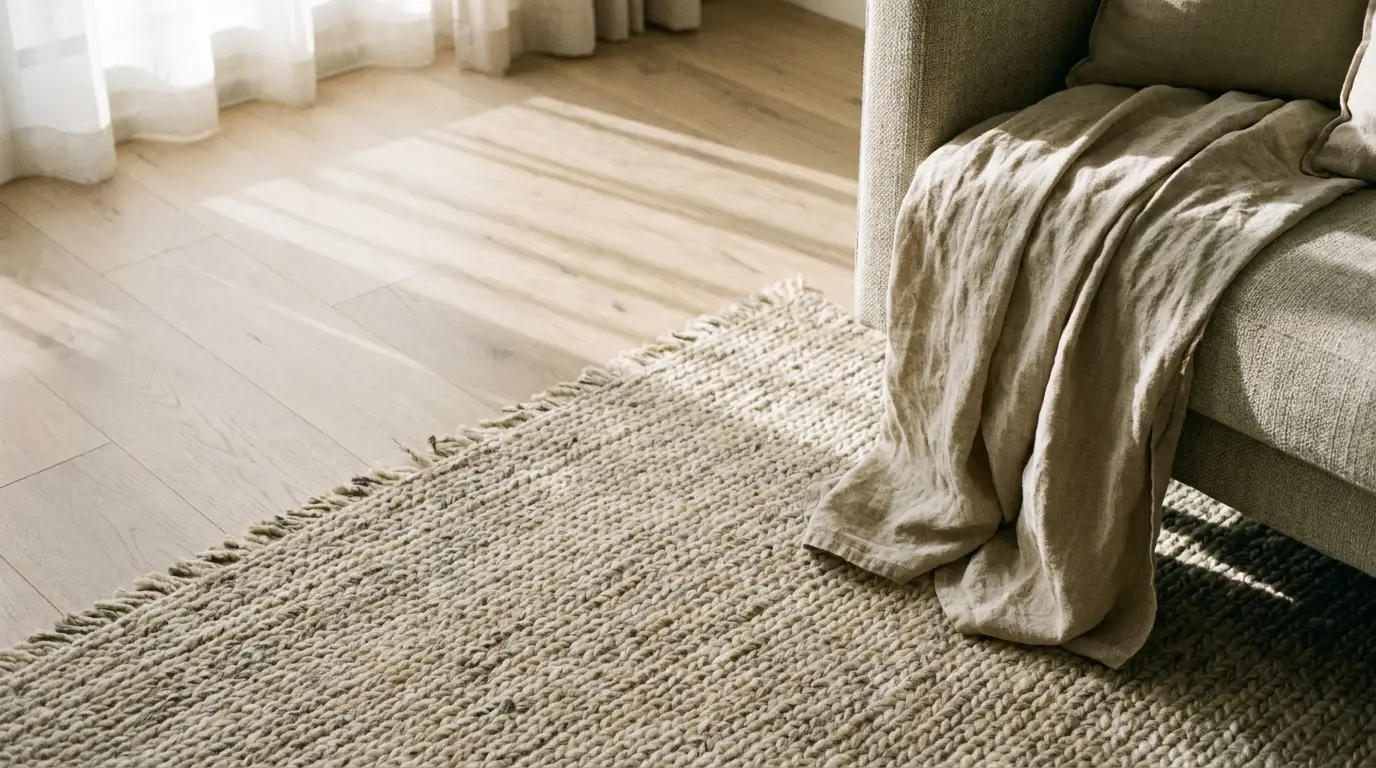
New builds tend to be smooth: painted plasterboard, tiled floors, engineered timber, and glass. Beautiful, but flat to the touch and to the eye. Texture is what your hand and your eye read as “homey”, and it’s easy to add before you’ve locked in any big colour decisions.
A wool rug over hard flooring and a linen throw over the sofa arm, properly thrown rather than folded. A timber bowl on the kitchen bench does the same job. So do woven baskets in place of plastic tubs for the everyday clutter.
None of these ask you to commit to a palette yet, which matters, because you shouldn’t rush colour in a home you haven’t lived in through a full day’s light. Give it a fortnight. Notice how the afternoon sun hits the western rooms and how grey the mornings feel before you decide what goes on the walls.
Give Every Room One Thing That’s Unmistakably Yours
Here’s the difference between a display home and a real one: a display home is tasteful and anonymous. A real home has stuff with stories in it.
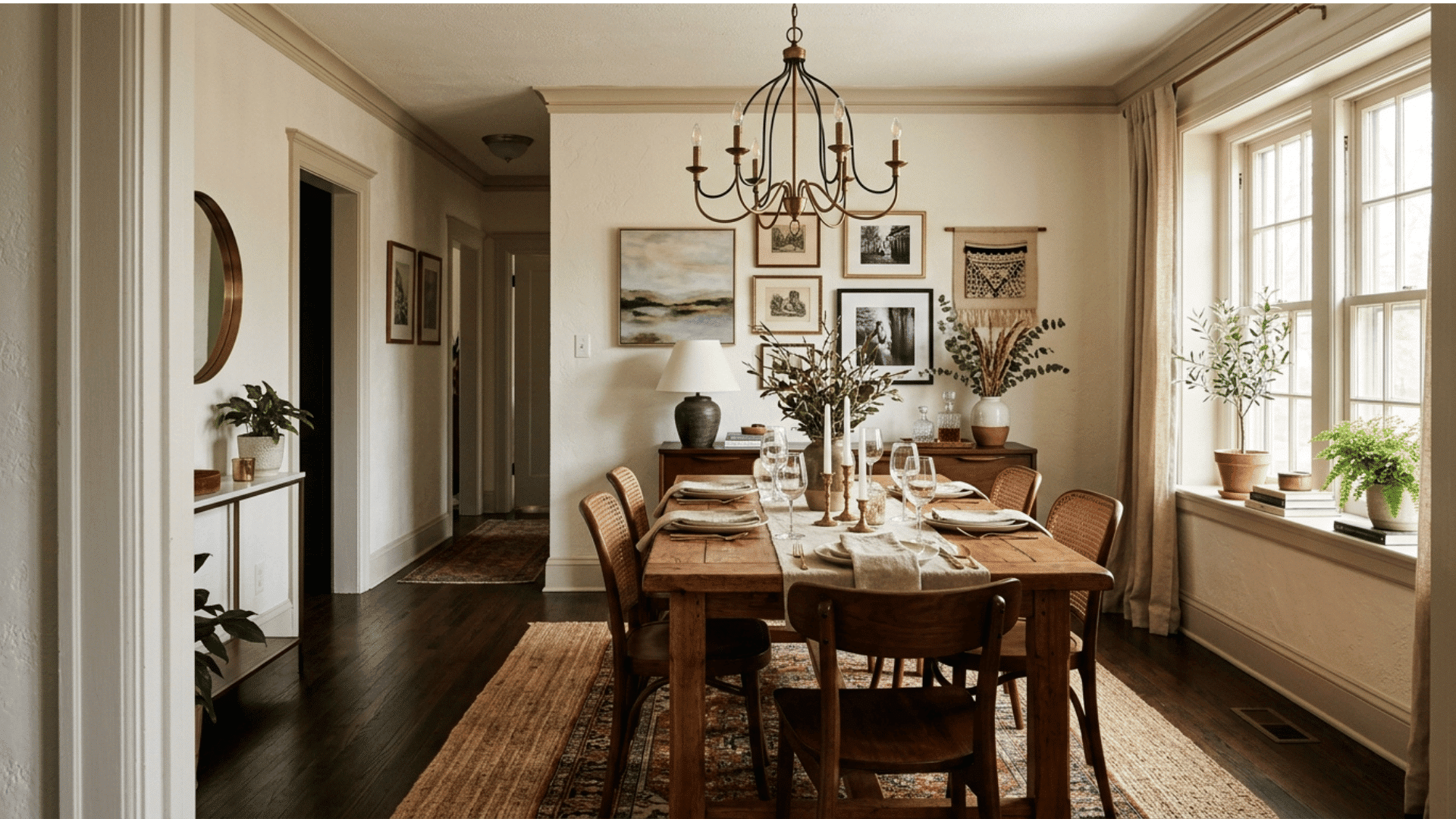
You don’t need much. One personal anchor per room does the work: the framed print you carried through three shared houses, your grandmother’s chair, a shelf of actual books you’ve actually read, and a plant you’ve somehow kept alive since uni. That single object pulls a styled-but-soulless room over the line into somewhere a specific person lives.
Skip the temptation to buy a whole “look” in one shop. Matching sets from the one catalogue are how you end up back at display-home anonymity. The magpie approach (a bit collected, a bit inherited, and a bit splurged on) is what reads as genuine.
Let the Home Earn Its Character Slowly
The pressure to have everything “finished” by the time the last relative visits is real, and it’s worth ignoring. Homes that feel good weren’t styled in a weekend. They accumulated.
Leave a wall bare for a month until you find the right thing for it. Let the garden come in over a season rather than turfing and planting the lot in one exhausting Saturday. A slightly unfinished home you’re slowly shaping feels far more alive than a perfectly complete one you rushed and now can’t change without guilt.
Newness isn’t a flaw to cover up. It’s just an early chapter. The marks, the memories, the way a room shifts as your life does: that’s the character everyone talks about, and you can’t buy it or fake it. You can only live your way into it.
The Real Starting Point
If the blank slate is too much to tackle, avoid spreading yourself thin across all your rooms. Choose just one, generally the living room or the bedroom, and make sure it’s truly “landed”: lighting, texture, and a single piece that reflects you. When you come home to one such room, the rest of your boxes will suddenly not be so intimidating.