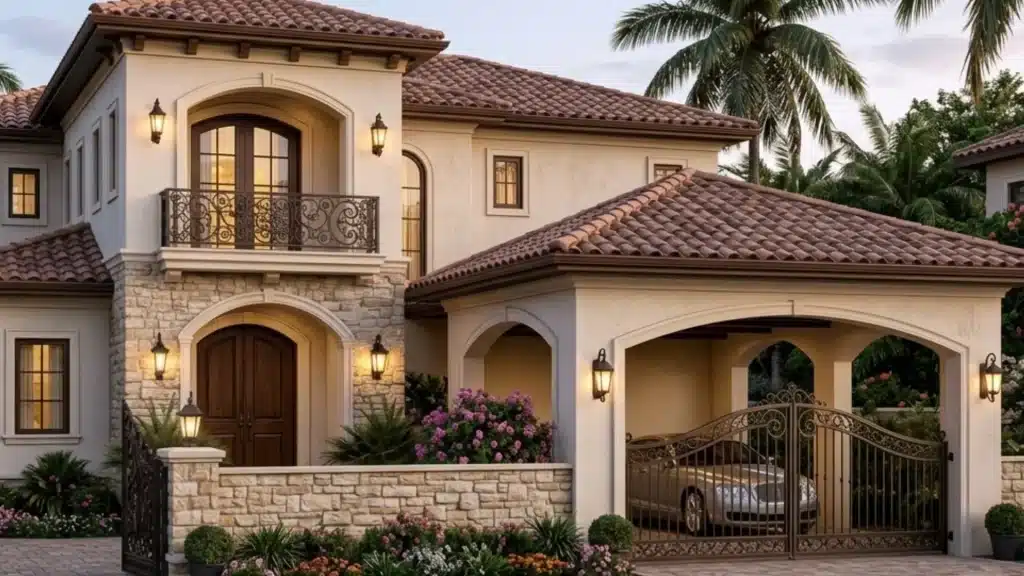
Some homes feel different the moment someone sees them. White walls. Red roof tiles. A shady courtyard tucked behind an arched doorway.
That’s the magic of Spanish-style homes.
The real-life version of that warm, magical house has been around for centuries, drawing on a warm end of the color spectrum that’s just as charming without the animation.
Let’s explore some ideas now.
Features of Spanish-Style Homes
They come from old traditions. Builders in Spain shaped this look centuries ago.
Settlers later brought it to places like California and Florida. These homes blend beauty with function in a special way.
A few key features define this style:
- White stucco walls: They reflect heat and help keep homes cool. They also need little upkeep over time.
- Red clay roof tiles: These tiles add color and last for many years. They handle heat and heavy rain with ease.
- Arched doorways and windows: Arches soften the look of the home. They also let in more natural light.
- Wrought iron details: Iron appears on gates, balconies, and railings. It adds a strong, decorative touch.
- Wooden ceiling beams: These beams bring warmth to indoor spaces. They add a rustic touch to plain ceilings.
- Courtyards at the center: A courtyard offers a private outdoor space. Many families use it to relax or gather.
Some homes have iron balconies. Others use dark wood beams inside. But the heart of the style stays the same. Simple and full of character.
Exterior Spanish Style Homes Design Ideas
The outside of a home sets the first impression. Spanish-style homes use simple materials in smart ways. Each detail plays a part in the overall look.
1. Warm White Stucco Walls
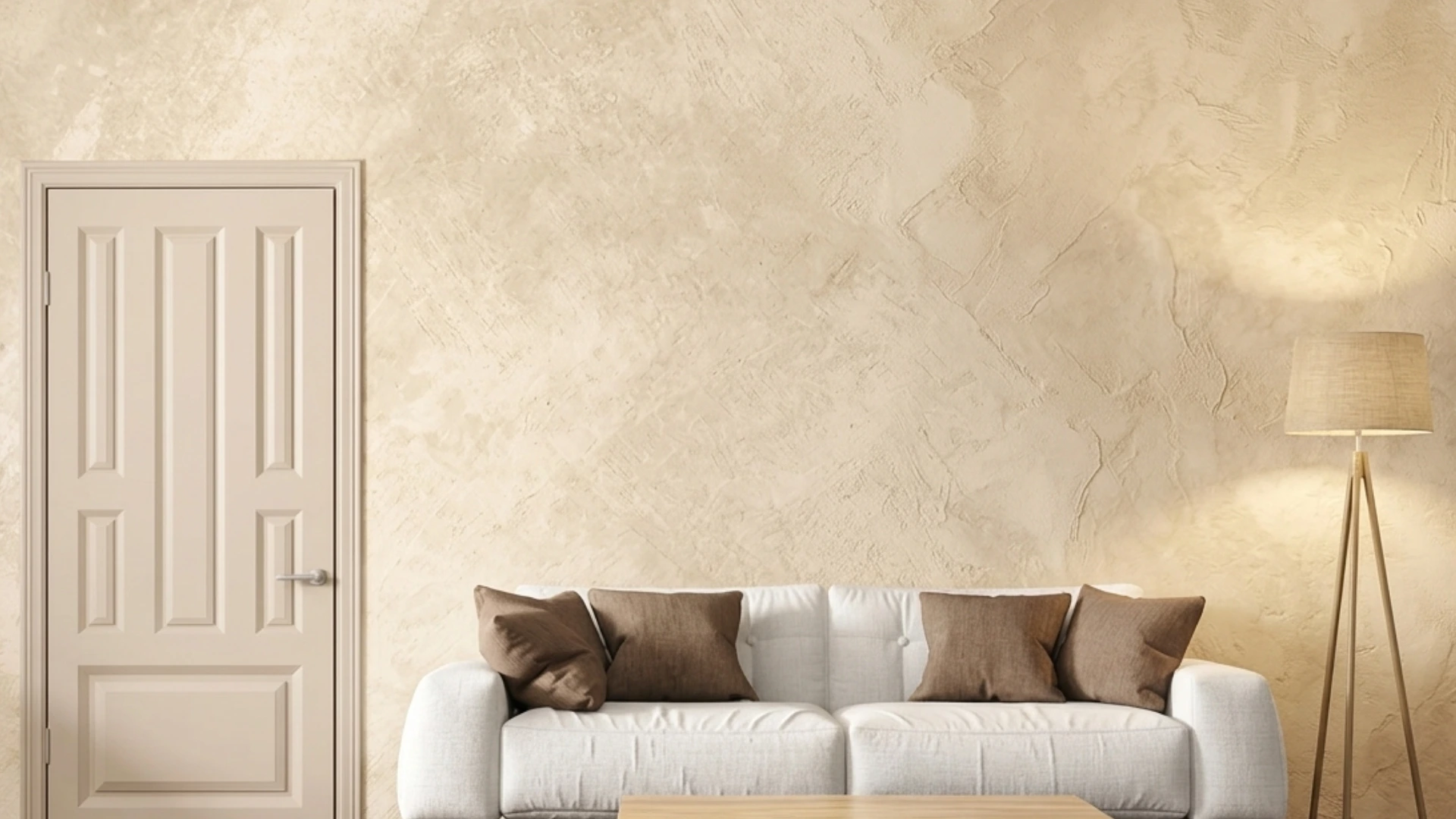
Stucco walls give these homes their soft, sunny look. The white or cream color reflects heat. This keeps rooms cooler in the summer.
Stucco also needs little upkeep over the years. It holds up well against wind and rain. Builders often add a slight texture to the surface.
This gives the walls more depth and character.
2. Red Clay Tile Roofing
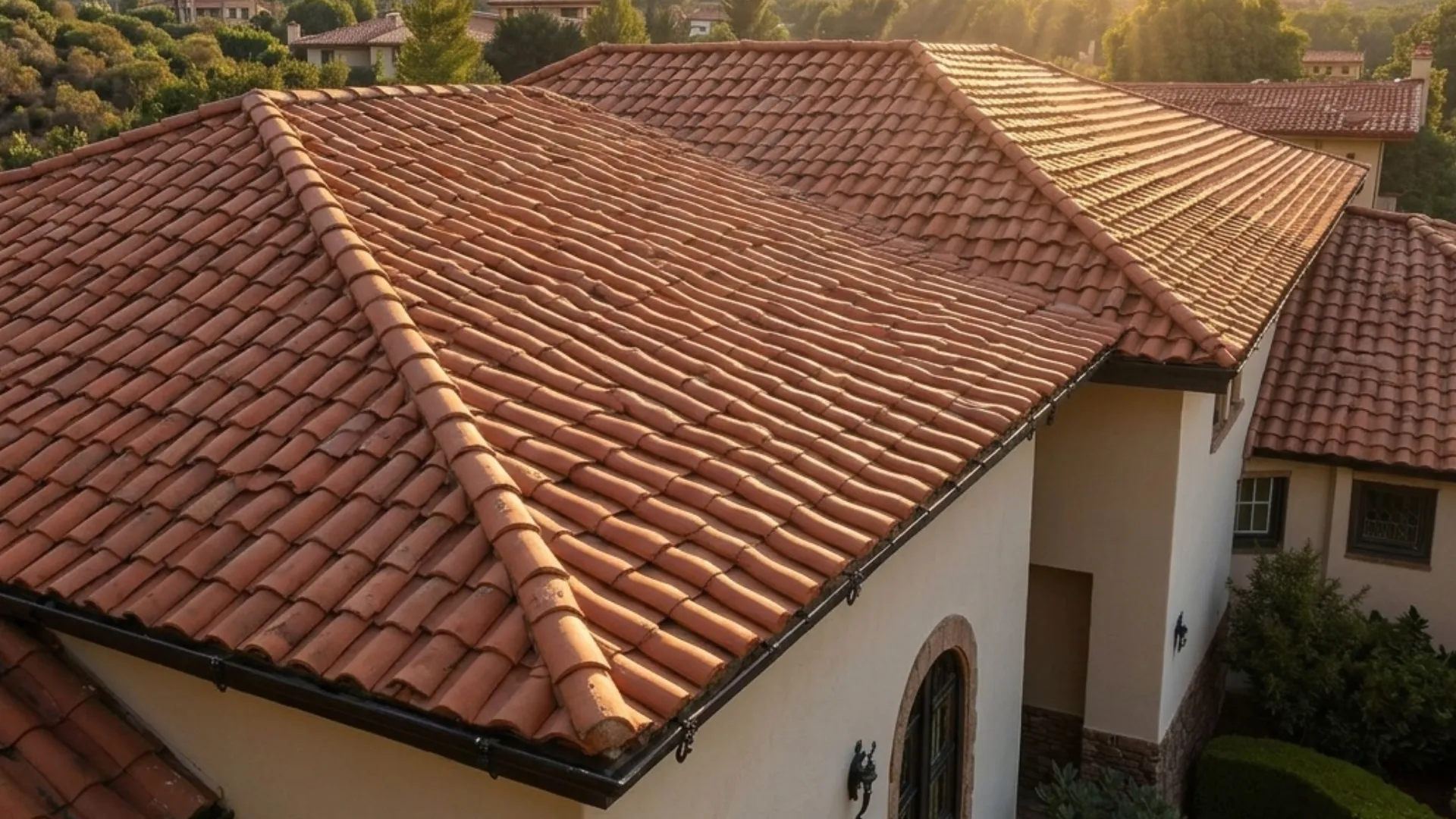
Red clay tiles sit on top of most Spanish-style homes. They add a pop of color against white walls.
These tiles also last a long time. They handle heat and heavy rain with ease. Many builders still choose this roofing style today, especially when weighing roofing options for different house styles.
The curved shape of each tile allows air to flow underneath. This helps release heat from the attic space.
3. Arched Doors and Windows
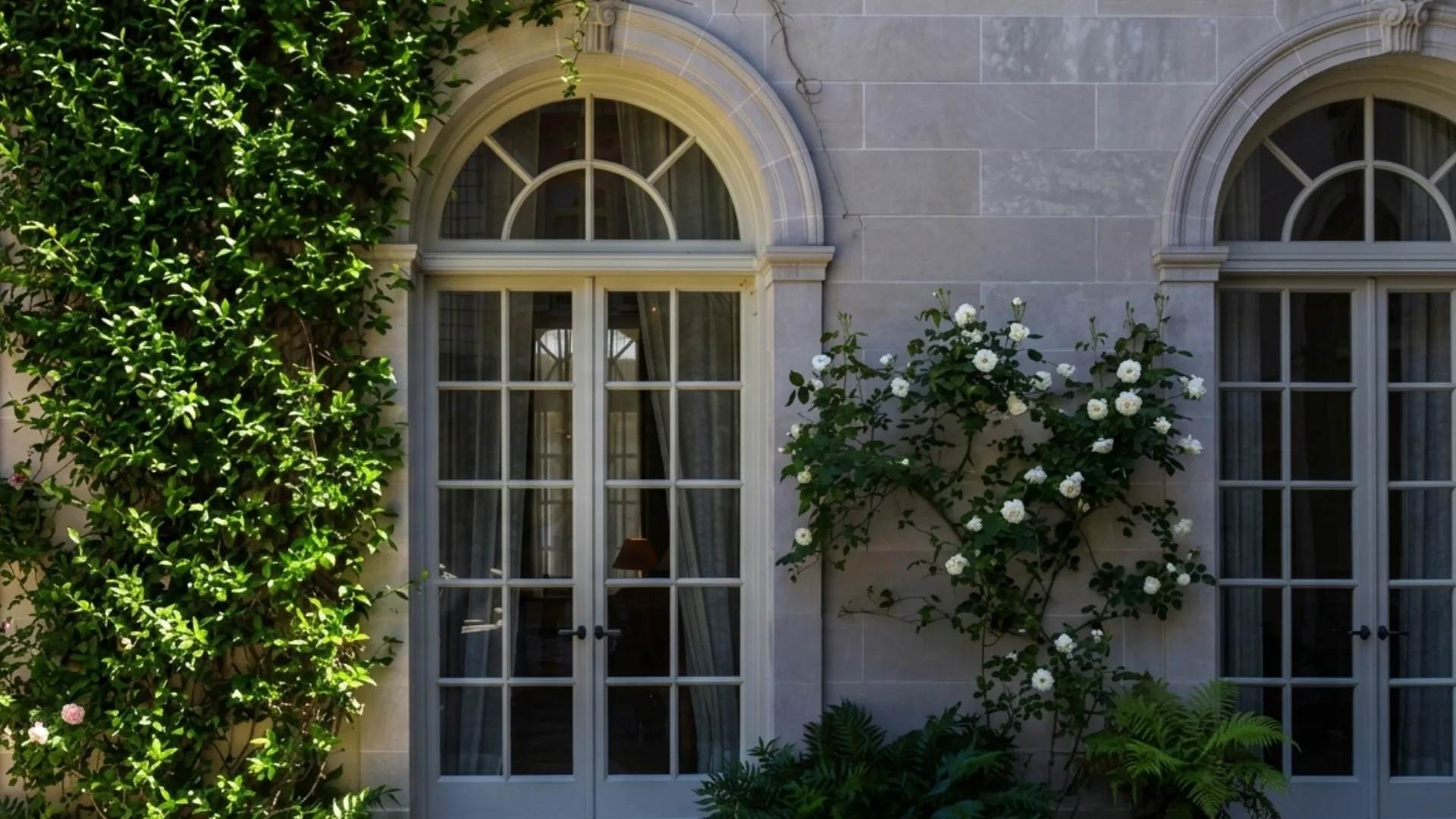
Arches replace sharp corners on doors and windows. This softens the whole front of the home.
Arched openings also let in more light. They give each entry a welcoming feel. Some homes use double arches side by side for a grand look. Others keep it simple with one rounded window near the door.
Either way, the curve draws the eye upward. It breaks up the flat lines of the stucco walls.
4. Carved Wooden Front Doors
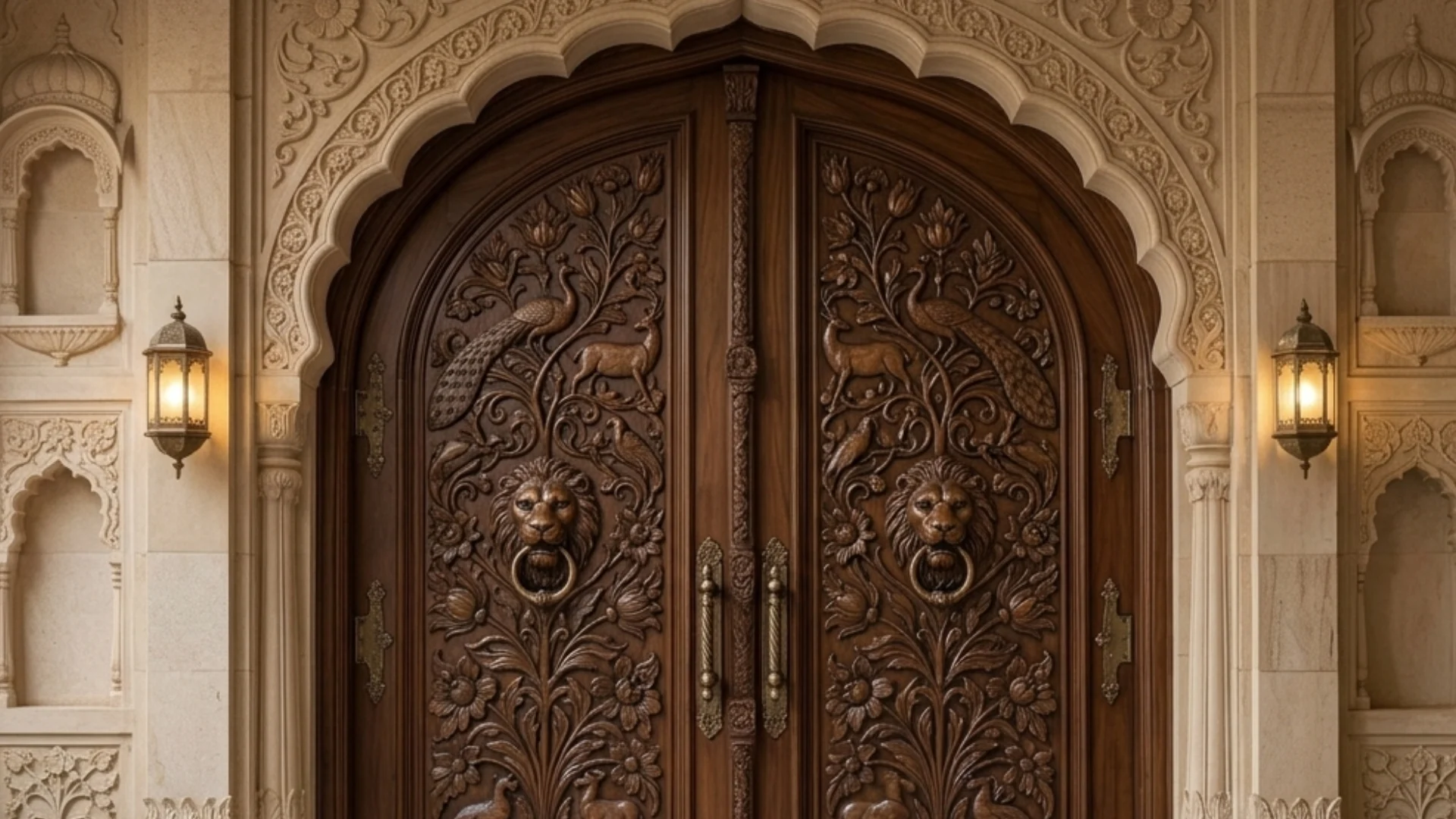
A carved wooden door makes a bold first statement. These doors often have detailed patterns cut into the wood. They add character before a guest even steps inside.
Dark wood tones stand out against white walls. Some doors also feature small iron studs or handles. These metal touches add extra texture and shine.
5. Wrought-Iron Railings and Gates
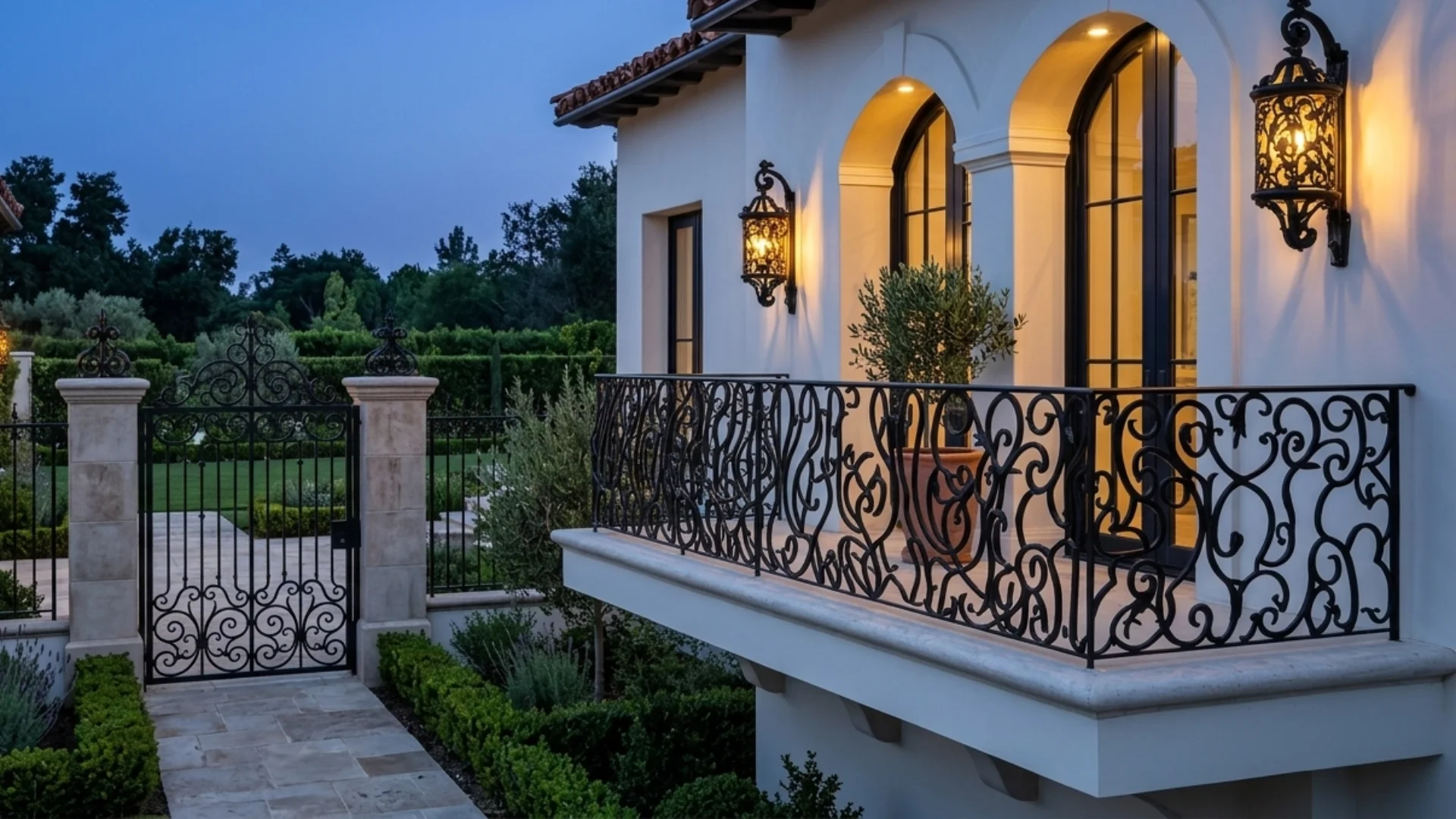
Iron railings add a strong, decorative touch. They appear on balconies, gates, and stair rails.
Black iron contrasts nicely with white stucco. These pieces also add safety without blocking the view. Many railings twist into simple curved patterns.
This keeps the look light instead of heavy. Iron gates at the entrance also set a formal tone.
6. Spanish Tile Stair Risers
Painted tiles on stair risers bring color to plain steps. Each tile often has a unique pattern. This small detail turns stairs into a design feature.
It’s an easy way to add charm outdoors. Blue, yellow, and green tones work well together on risers.
Homeowners can also mix patterns for a bolder look. This small update costs little but changes the whole staircase. It draws attention to a spot most homes overlook.
7. Courtyard with a Fountain
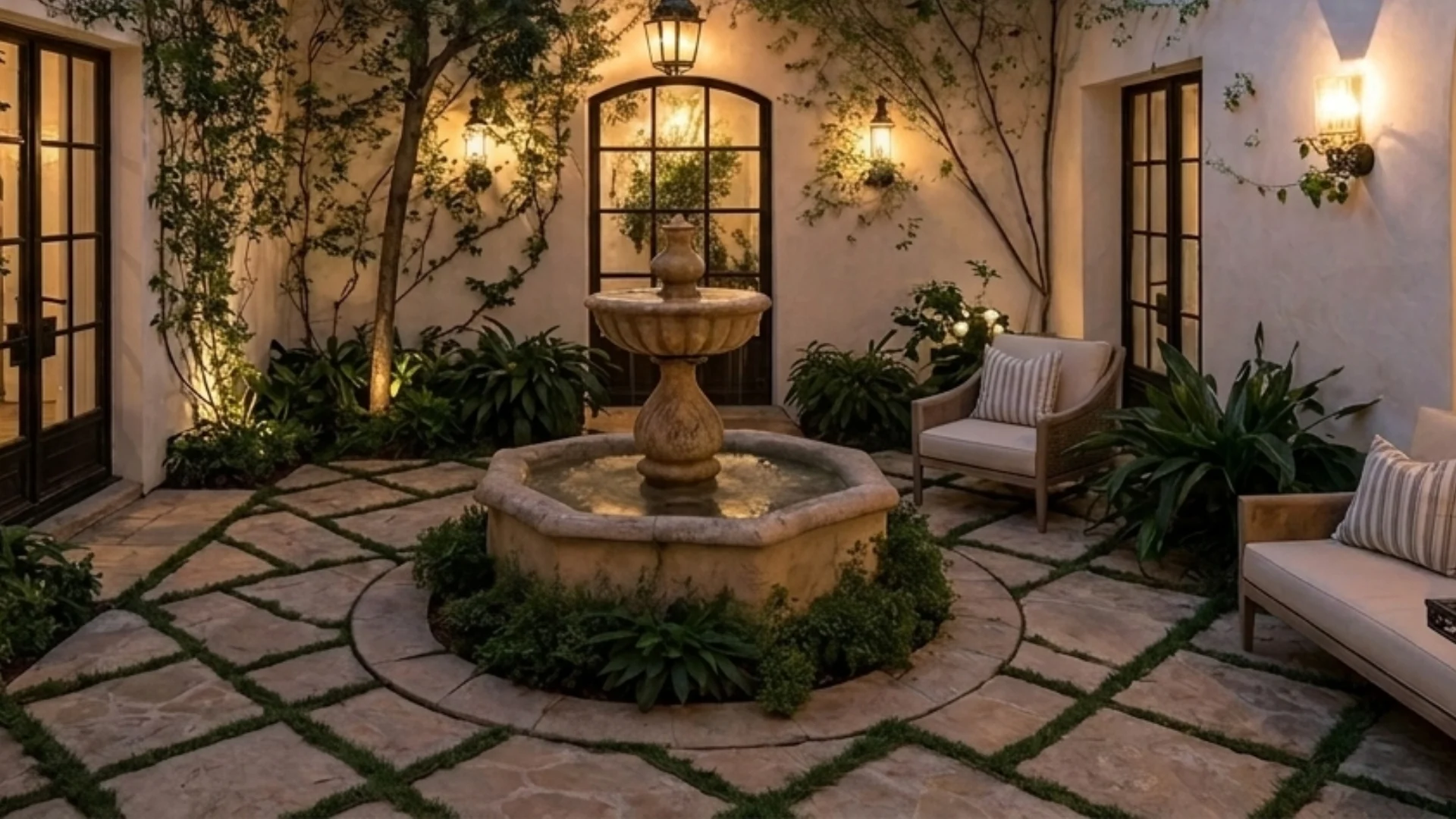
A courtyard sits at the heart of many Spanish-style homes. Add a fountain, and the space feels even more special. The sound of water creates a calm mood.
Courtyards also offer a private outdoor space to relax. Tall plants or small trees often line the courtyard walls.
This adds shade and a touch of green. Tile or stone flooring completes the space. It becomes a favorite spot to sit and unwind.
8. Shaded Pergolas
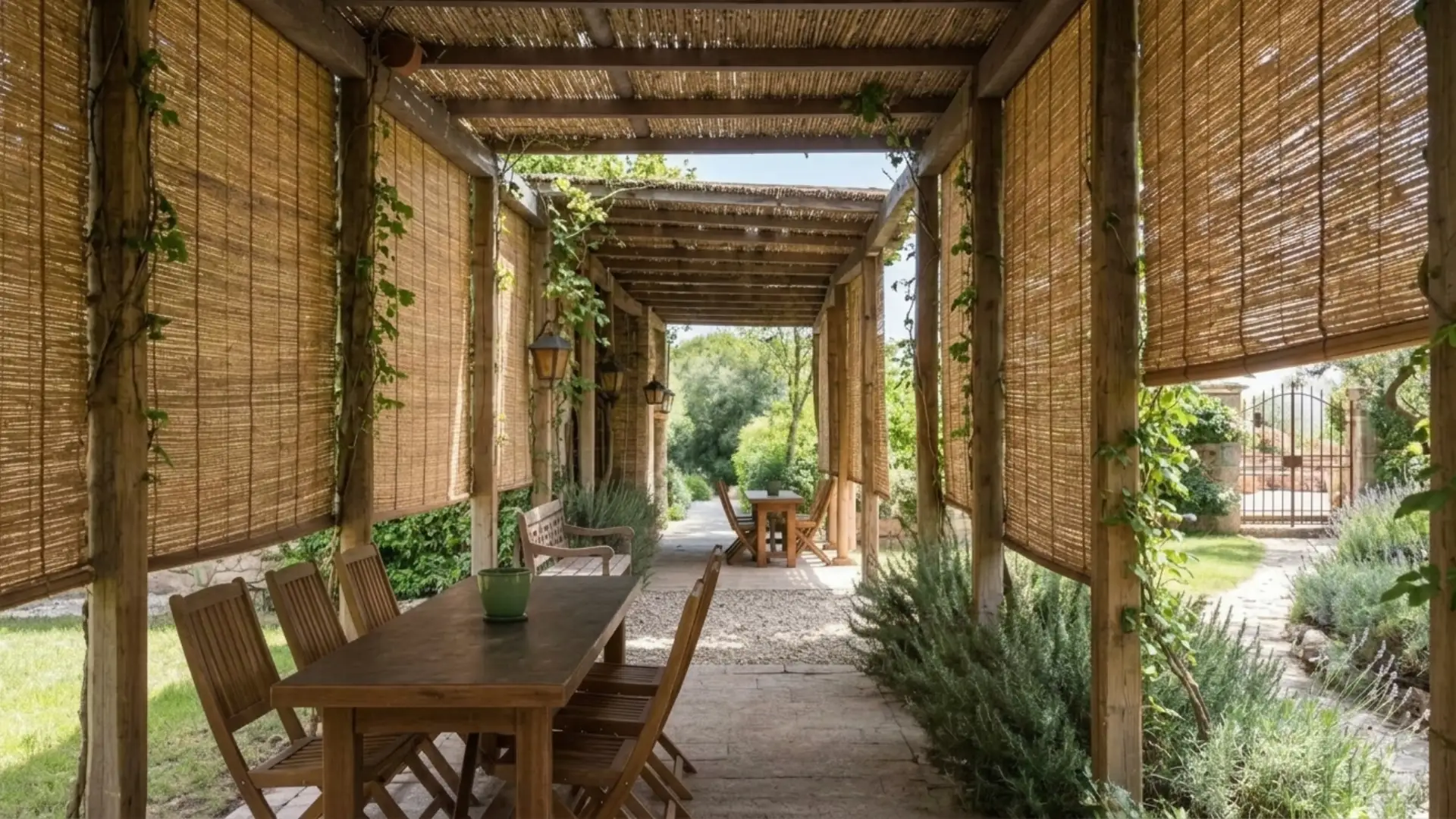
Pergolas add extra shade to outdoor spaces. Wooden beams or iron frames form the structure overhead. Vines or climbing plants often grow across the top.
This creates natural shade that shifts with the seasons. Some homeowners add outdoor curtains for extra privacy. Others string lights through the beams for evening use.
A pergola also frames a patio or seating area nicely. It adds structure without blocking the view of the sky.
9. Mediterranean Landscaping
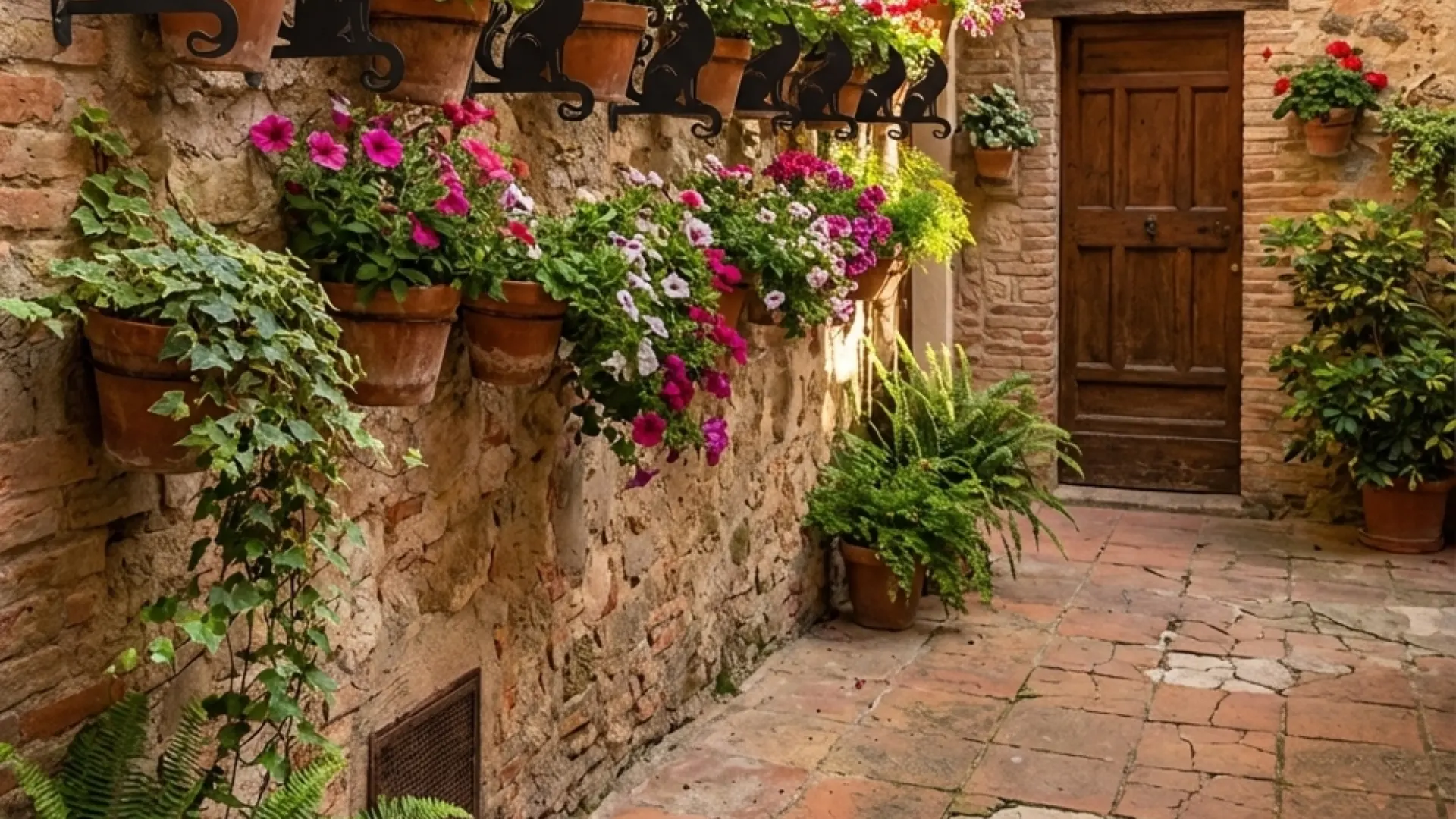
Plants like olive trees and lavender suit this style well. These plants need little water to grow. They also match the warm, earthy colors of the home.
Simple gravel paths often run through the garden. Rosemary and citrus trees are also common choices. They add scent and color to the yard.
This type of landscaping fits dry climates best. It keeps maintenance low while adding natural beauty.
10. Covered Outdoor Seating Areas
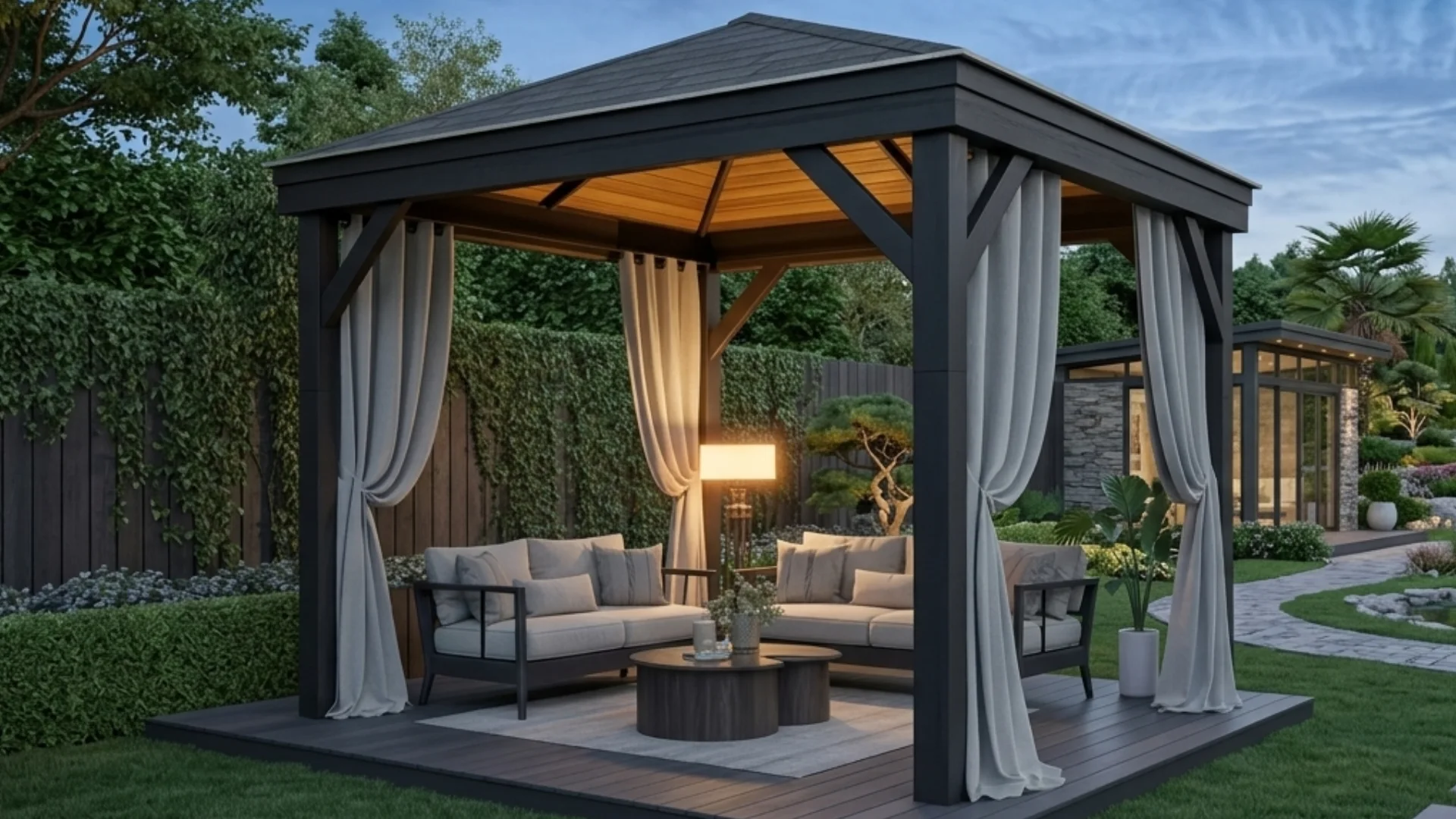
A covered patio lets people enjoy the outdoors in any weather. Wooden beams or tile roofs often shade these spaces. This area works well for meals or quiet evenings.
It extends the living space beyond the home’s walls. Some homeowners add ceiling fans to keep the air moving.
Others hang simple lights for evening gatherings. Comfortable chairs and a small table complete the setup.
Interior Spanish Style Homes Design Ideas
The inside of a home matters just as much as the outside. Spanish-style interiors bring warmth through texture and natural materials.
Simple choices create a cozy, lived-in feel.
11. Exposed Wooden Ceiling Beams
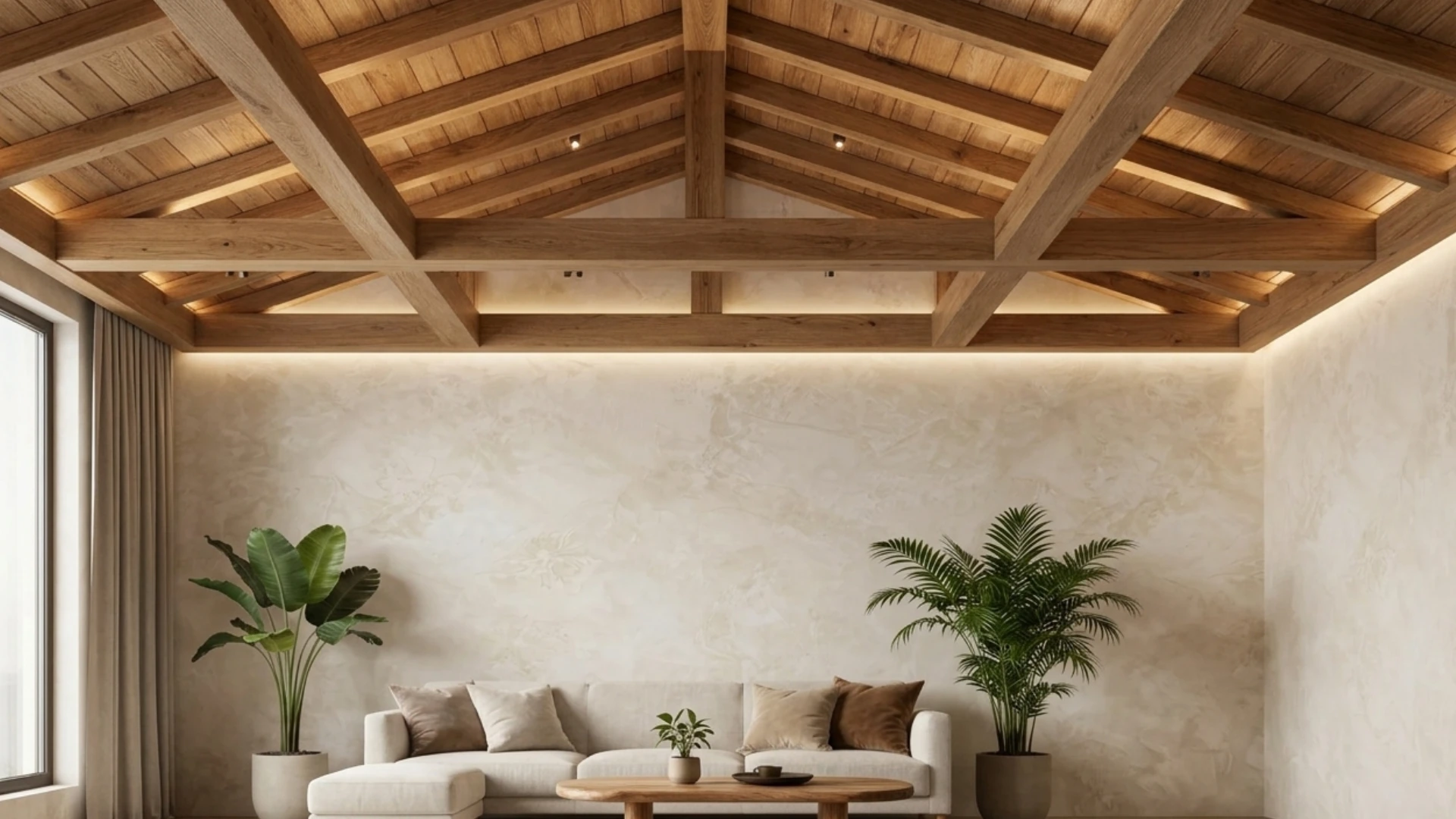
Wooden beams add depth to plain ceilings. These beams often run across the room in a simple pattern. They bring a rustic touch to any space.
Dark wood tones stand out against lighter walls. Some homes leave the beams rough and unfinished. Others sand and stain them for a smoother look.
This makes rooms feel larger and more open.
12. Plaster or Limewashed Walls
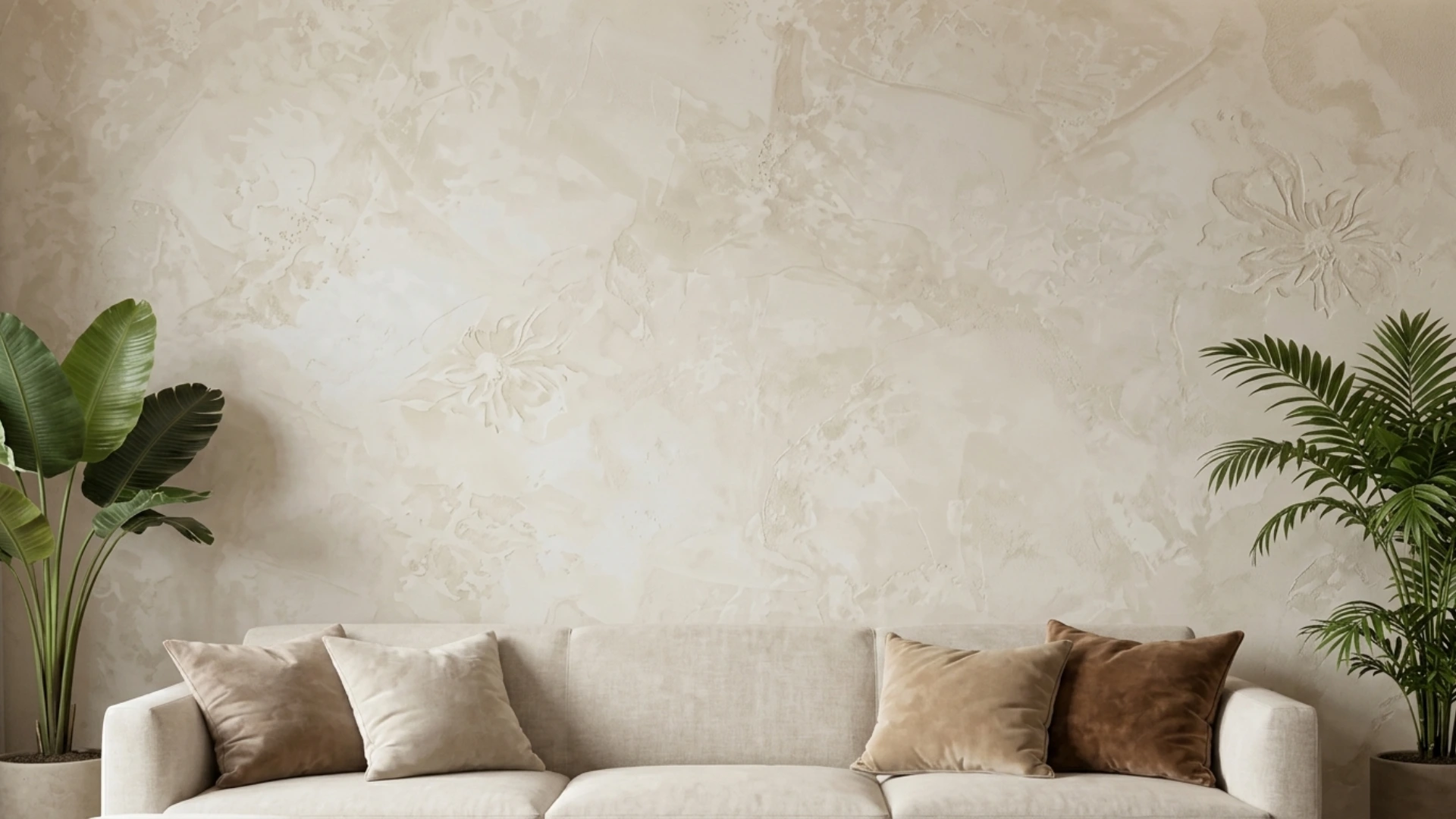
Plaster walls give rooms a soft, textured look.
Limewash adds a similar effect with a chalky finish, a texture worth comparing to smoother plaster finishes for interior walls before deciding what suits a room best.
Both options avoid the flat look of regular paint. Light catches the surface in small, uneven ways.
This creates shadows that change through the day. These wall finishes also feel cool to the touch. That makes them a good fit for warm climates.
13. Terracotta or Saltillo Flooring
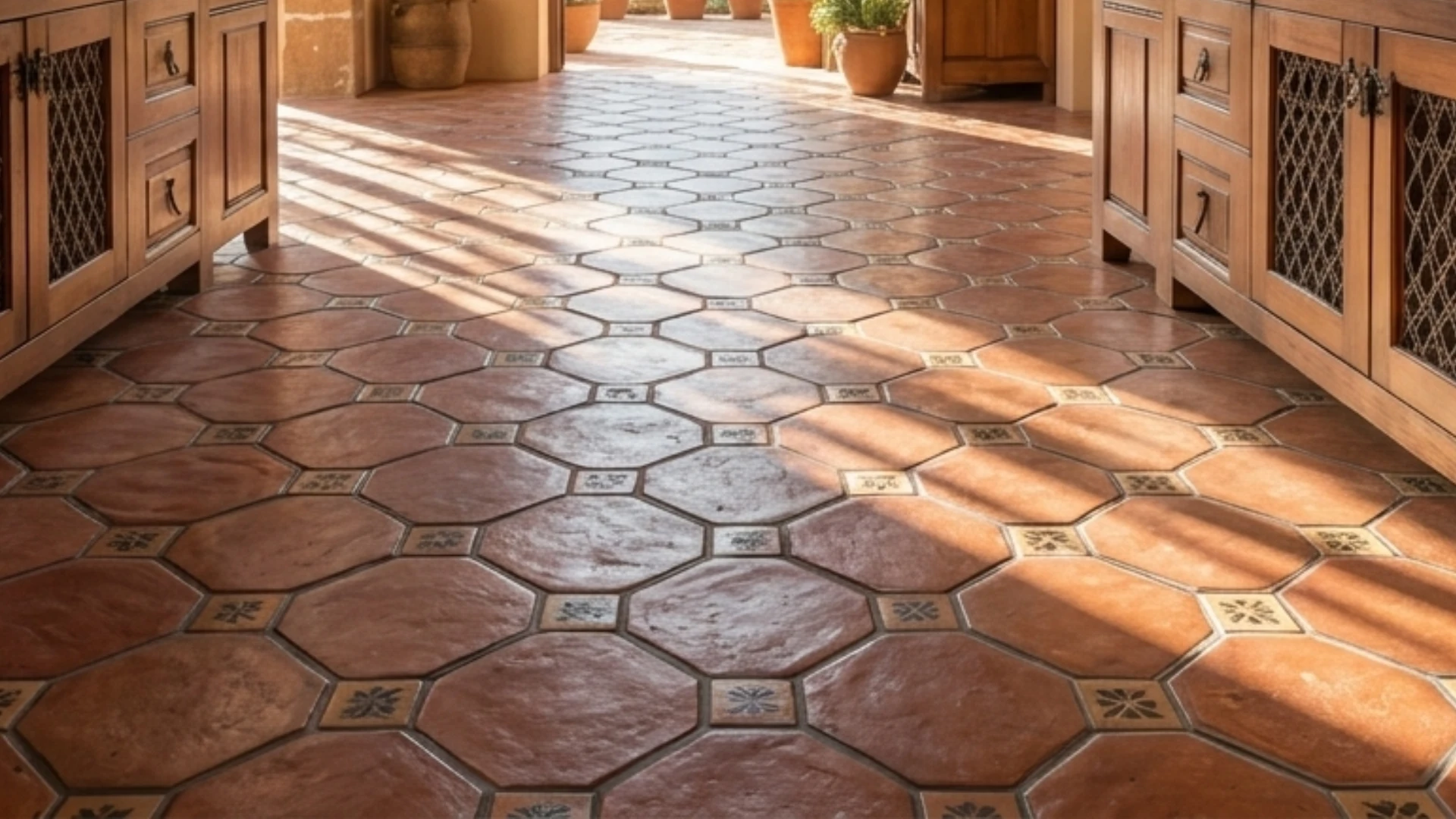
Terracotta and Saltillo tiles bring warmth to the floor. These tiles come in earthy red and orange shades. They stay cool underfoot, even in hot weather.
Each tile often shows small color changes. This gives the floor a natural, handmade look. Many homeowners pair this flooring with simple rugs on top.
14. Decorative Spanish Tile Backsplashes
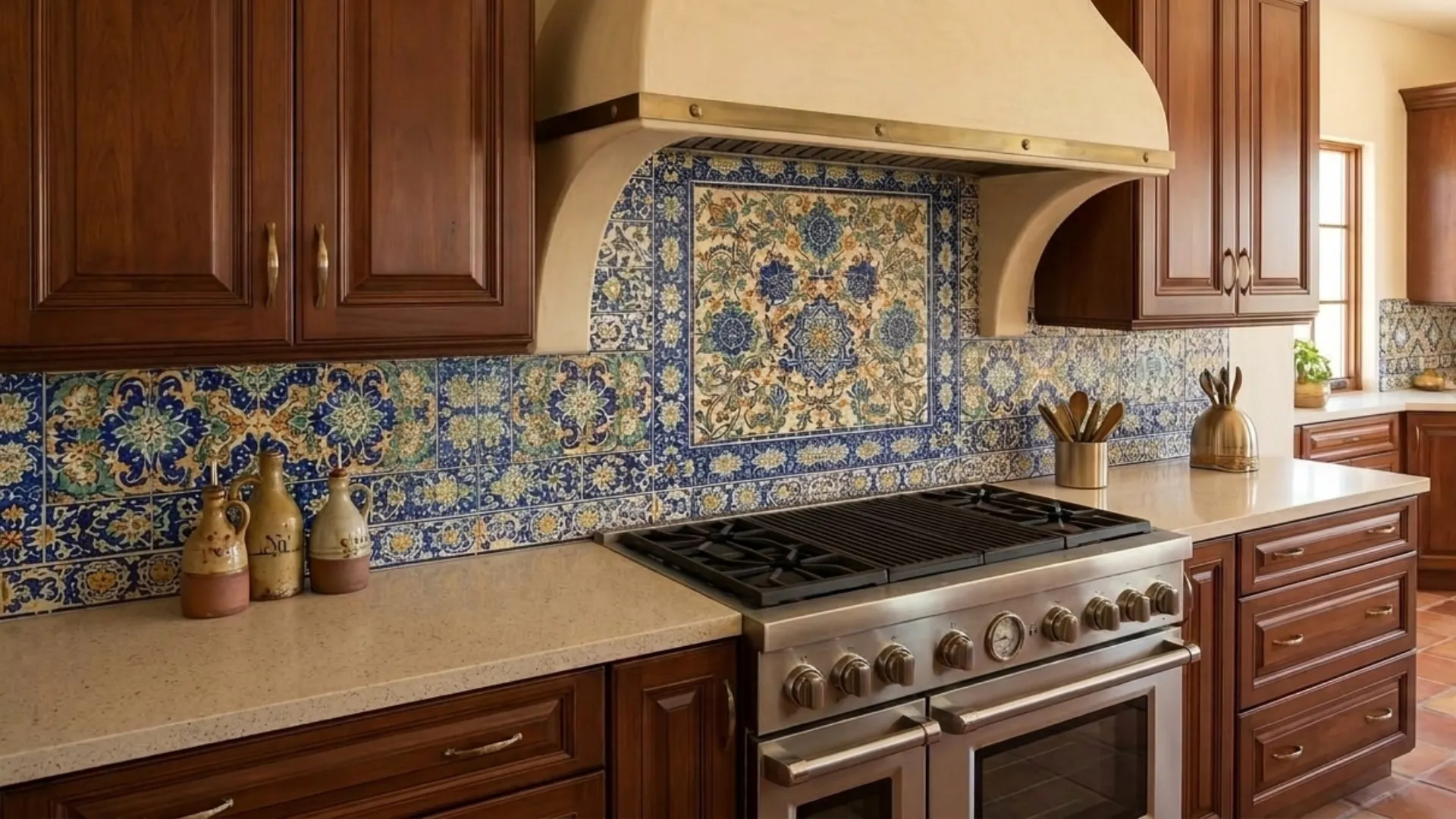
Painted tiles behind sinks and stoves add instant color. These backsplashes often use blue, yellow, or green patterns. Together, they create a bold, eye-catching wall.
This works well in kitchens and bathrooms alike. The tiles also protect walls from water and stains. It’s a small detail that makes a big style statement.
15. Built-In Nichos or Wall Niches
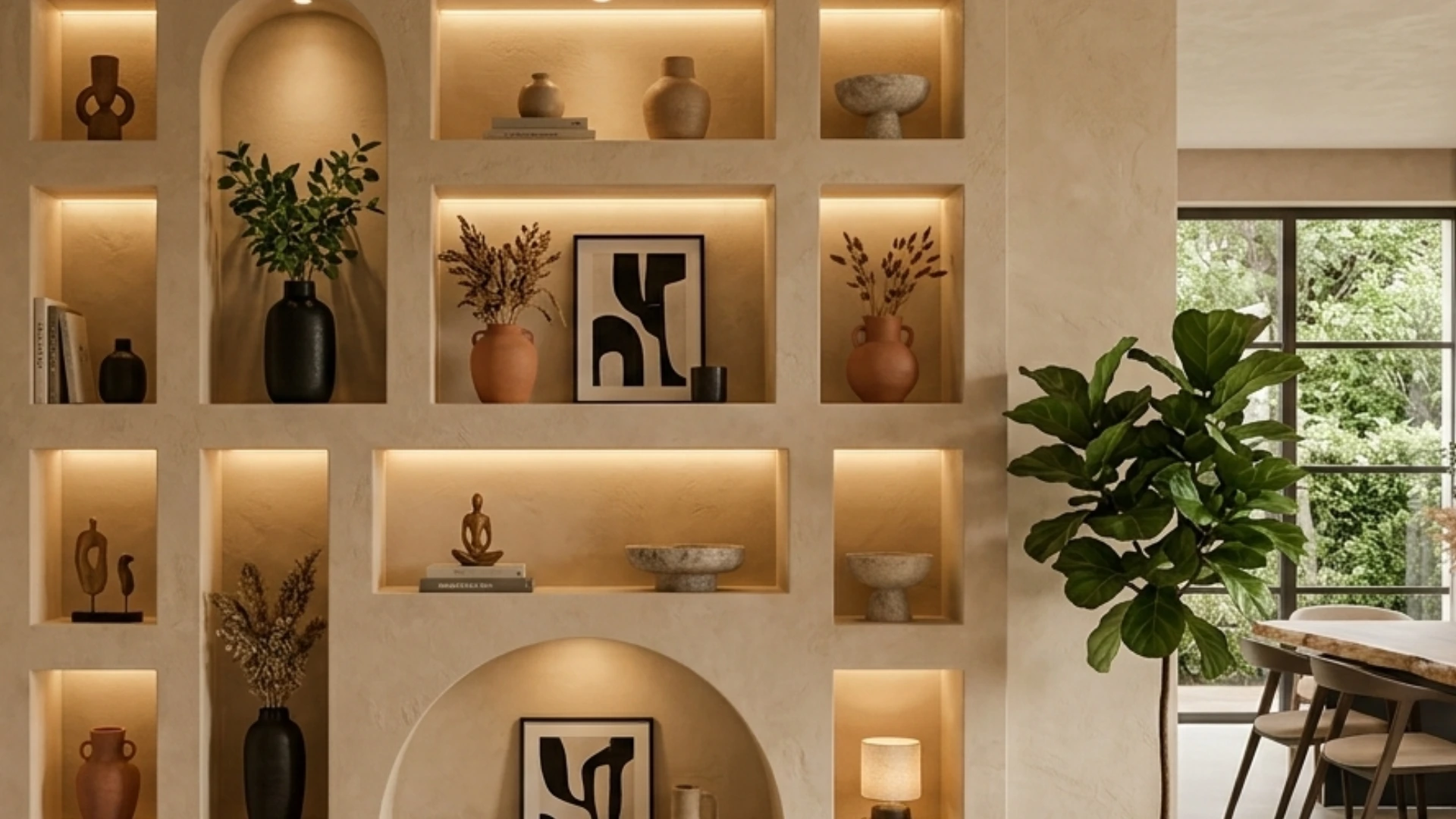
Nichos are small recessed shelves built into walls. They often hold pottery, candles, or small decor pieces.
These niches add depth without taking up floor space. Some homes place them near entryways or hallways. Others use them inside living rooms or bedrooms.
Curved or arched tops often frame each niche. This small detail echoes the arches seen elsewhere in the home. It’s a simple way to add charm to a plain wall.
16. Rustic Wood Furniture
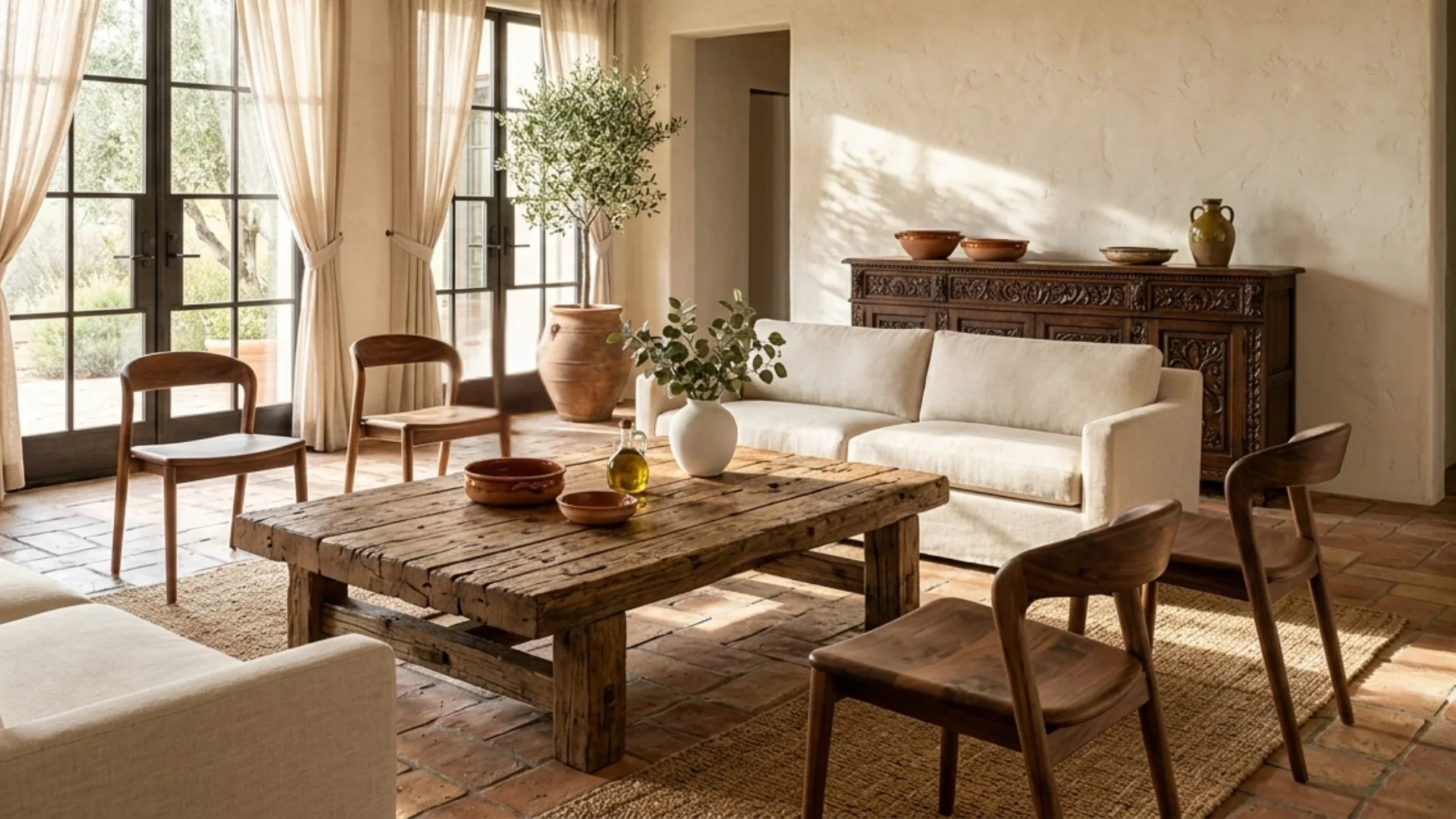
Wood furniture fits naturally into this style. Chairs, tables, and cabinets often use thick, solid wood. Simple shapes work better than fancy details.
This furniture often shows visible grain and texture. Some pieces include hand-carved edges or iron accents. Others stay plain and let the wood speak for itself.
This furniture style holds up well over many years. It also pairs easily with other natural materials in the room.
17. Iron Chandeliers and Wall Sconces
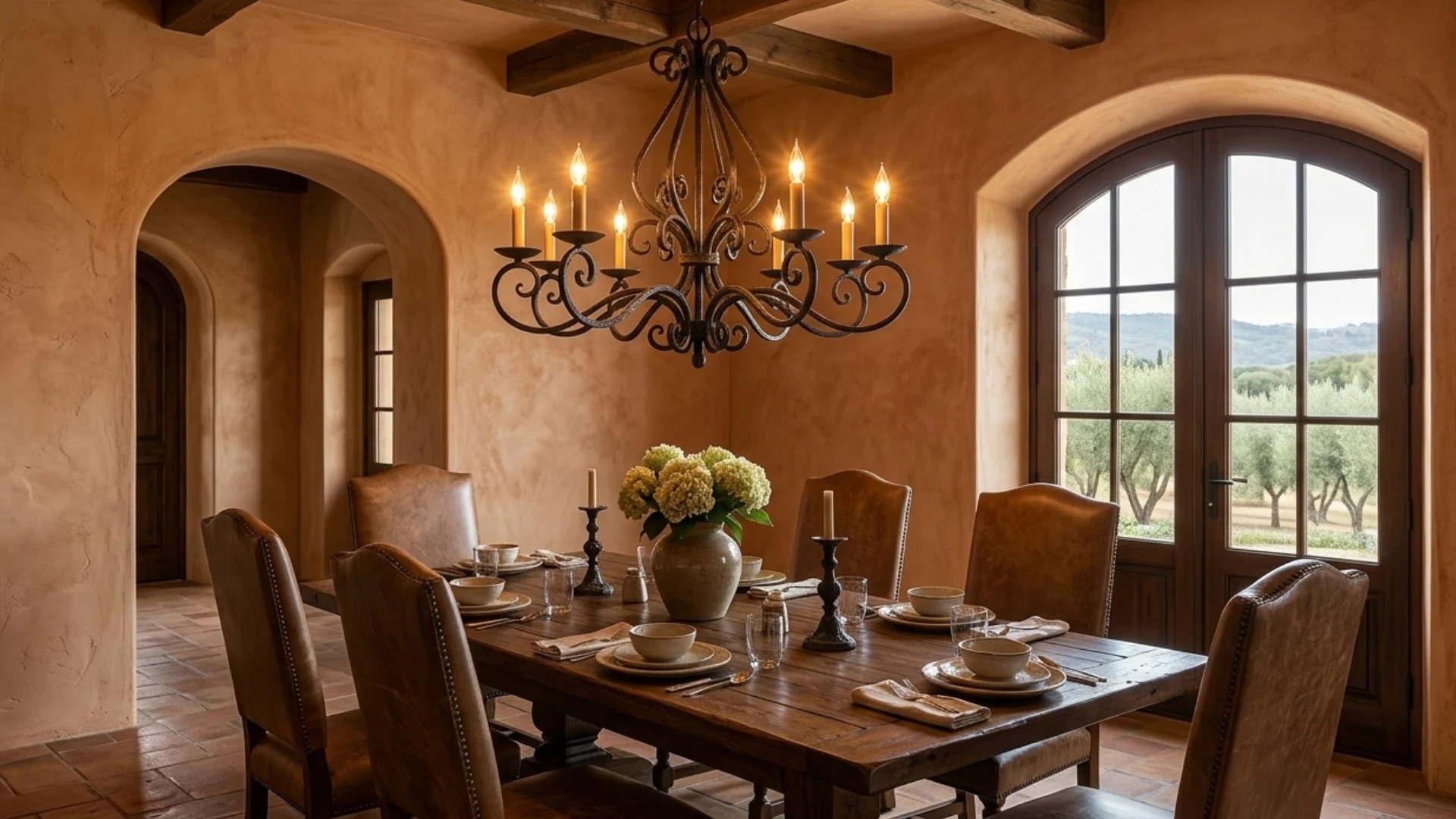
Iron lighting adds a warm glow to any room. Chandeliers often hang in dining rooms or entryways.
Wall sconces work well in hallways and bedrooms. Black iron frames give off an old-world feel. Candle-style bulbs add to that classic look. These fixtures also cast soft shadows on nearby walls.
This creates a cozy mood in the evening. Iron lighting pairs well with wood and plaster finishes.
18. Earthy Color Palettes
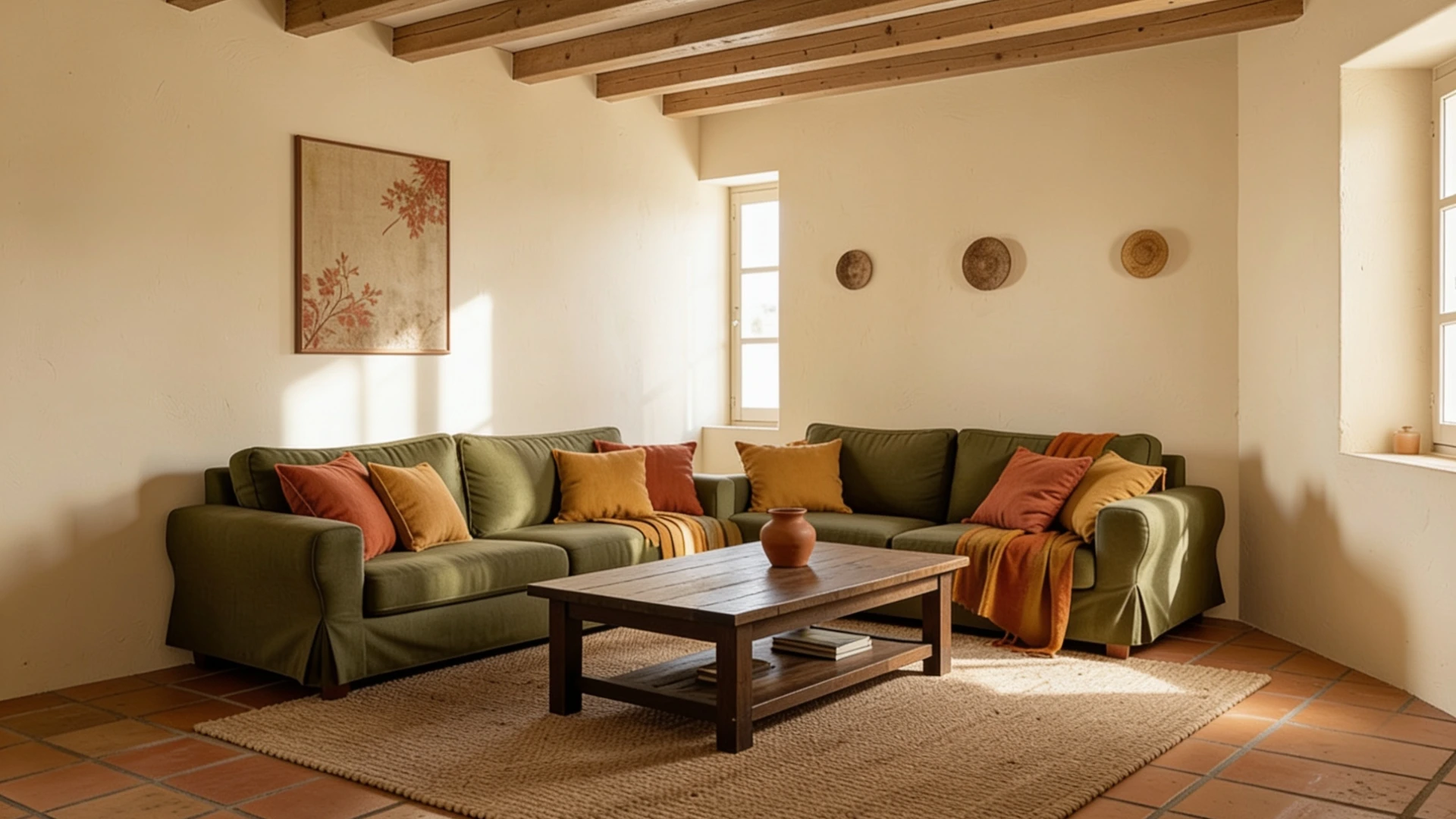
Warm, earthy colors define most Spanish style interiors. Think terracotta, mustard, olive, and deep red tones. These colors echo the natural materials used throughout the home.
Walls often stay neutral to let other colors stand out. Furniture and textiles then bring in these warmer shades. This palette feels grounded and calm.
It also works well in both small and large rooms.
19. Pottery and Handmade Decor
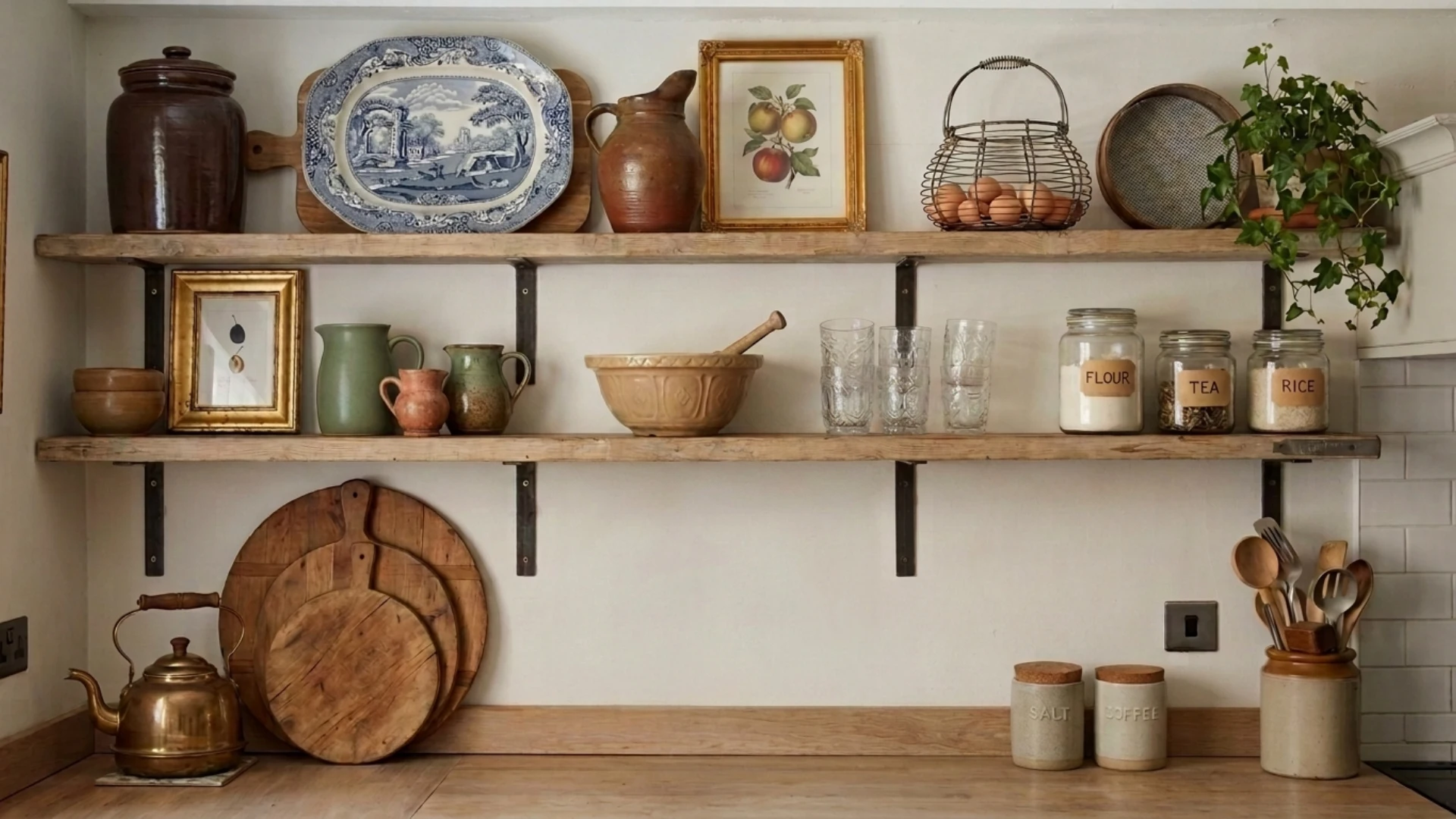
Pottery adds a personal touch to any room. Vases, bowls, and jars often sit on shelves or tables. Handmade pieces show small, natural imperfections. This gives each item a one-of-a-kind feel.
Many homeowners display pottery in warm, earthy tones. Some pieces also feature painted patterns or designs.
This decor style avoids anything too polished or mass-produced. It keeps the home feeling personal and real.
20. Woven Rugs and Natural Fabrics
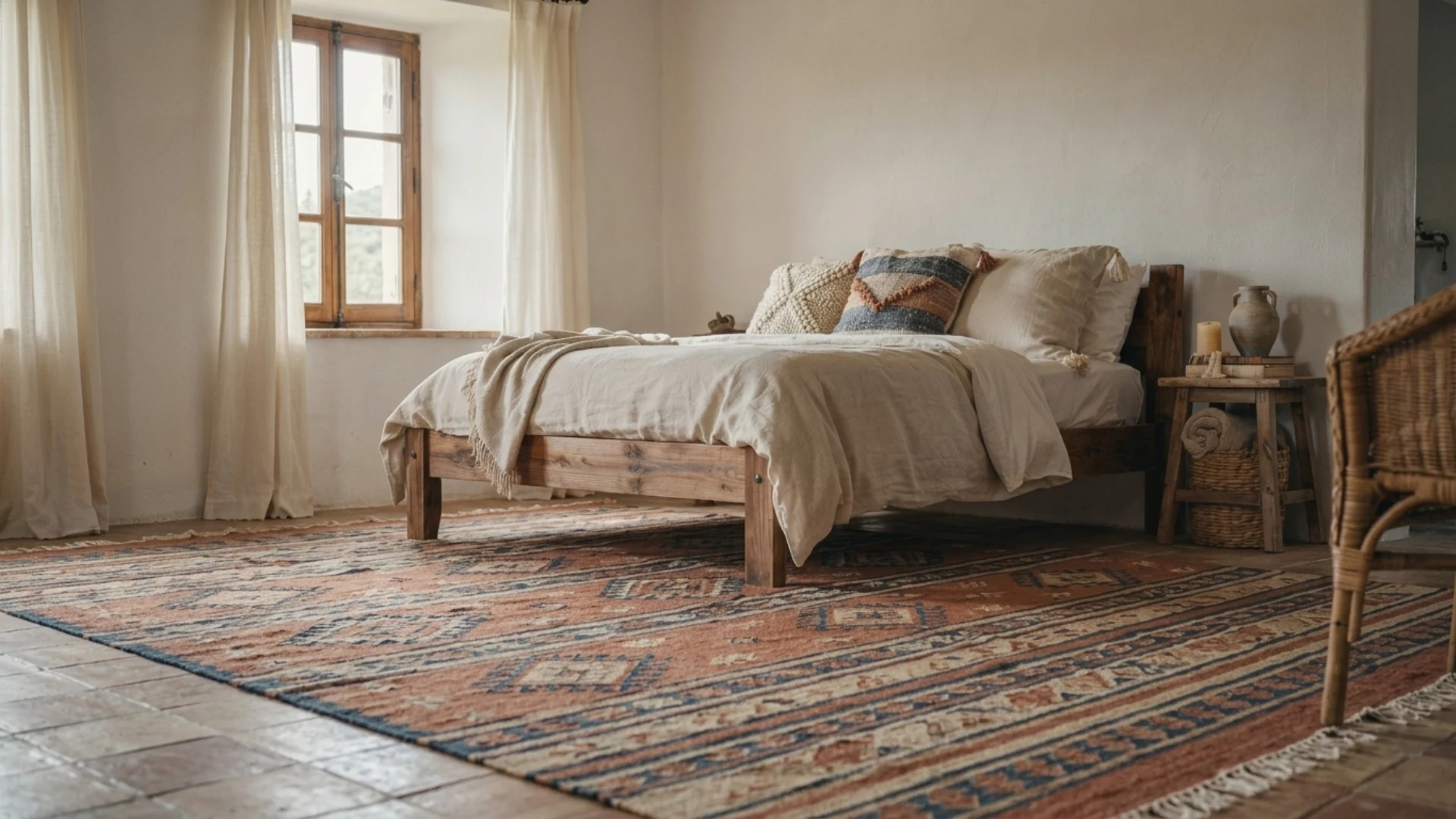
Woven rugs add texture underfoot. These rugs often use wool, cotton, or jute fibers. Natural fabrics also appear in curtains and cushions.
Linen and cotton work well in warm climates. These materials breathe better than synthetic options.
Patterns on rugs and fabrics often stay simple. Stripes or small geometric shapes are common choices. This keeps the room feeling relaxed, not busy.
21. A Statement Plaster Fireplace
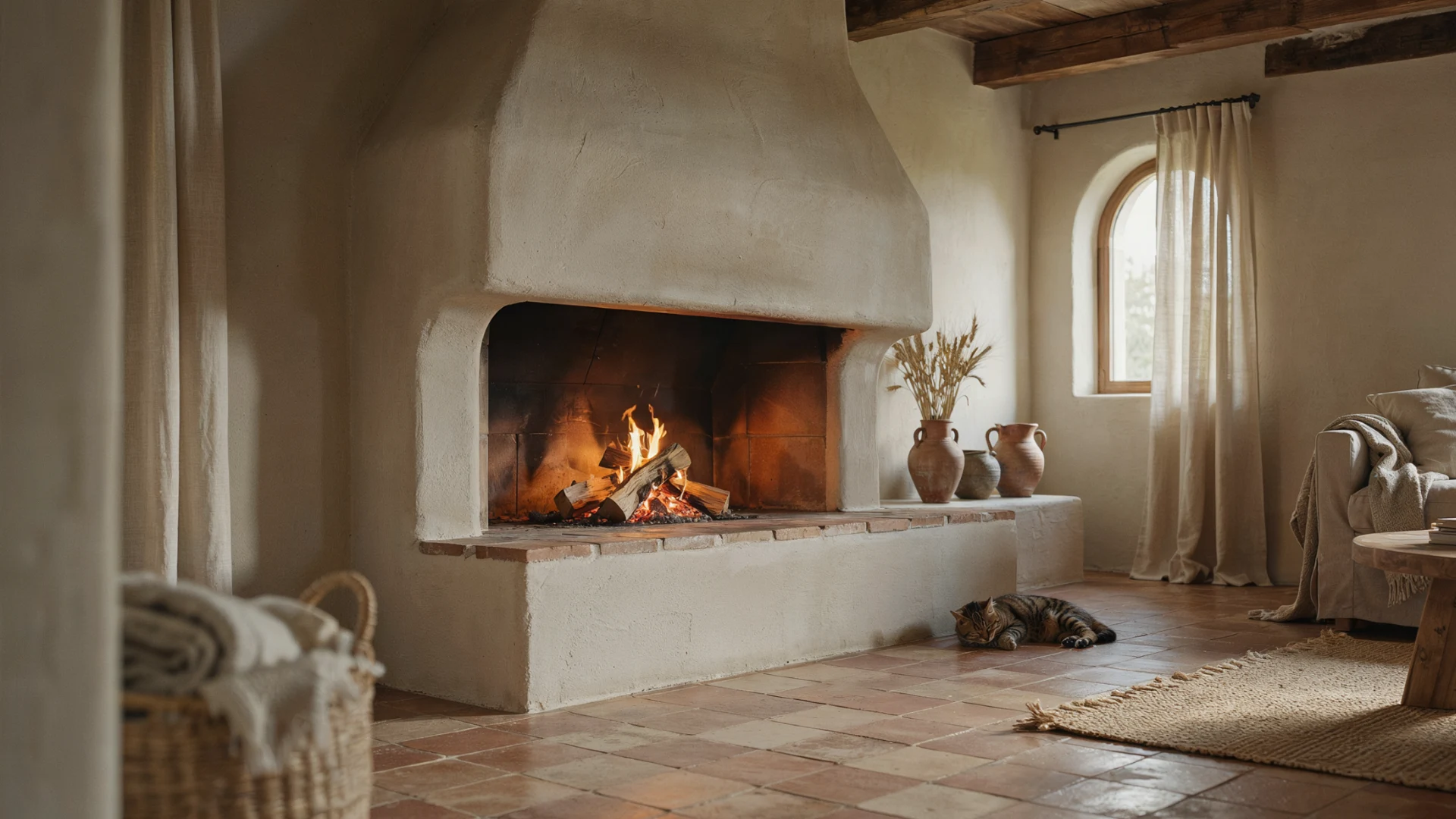
A plaster fireplace becomes the focal point of a room. These fireplaces often have soft, rounded edges.
Some curve into the wall in a beehive shape. Others stay more square with simple lines. The plaster finish matches the walls around it. This creates a smooth, connected look throughout the space.
A fireplace like this adds both warmth and style. It gives any living room a cozy, gathering-spot feel.
What are Hacienda-Style Homes – and How are they Different from Traditional Spanish Style Home
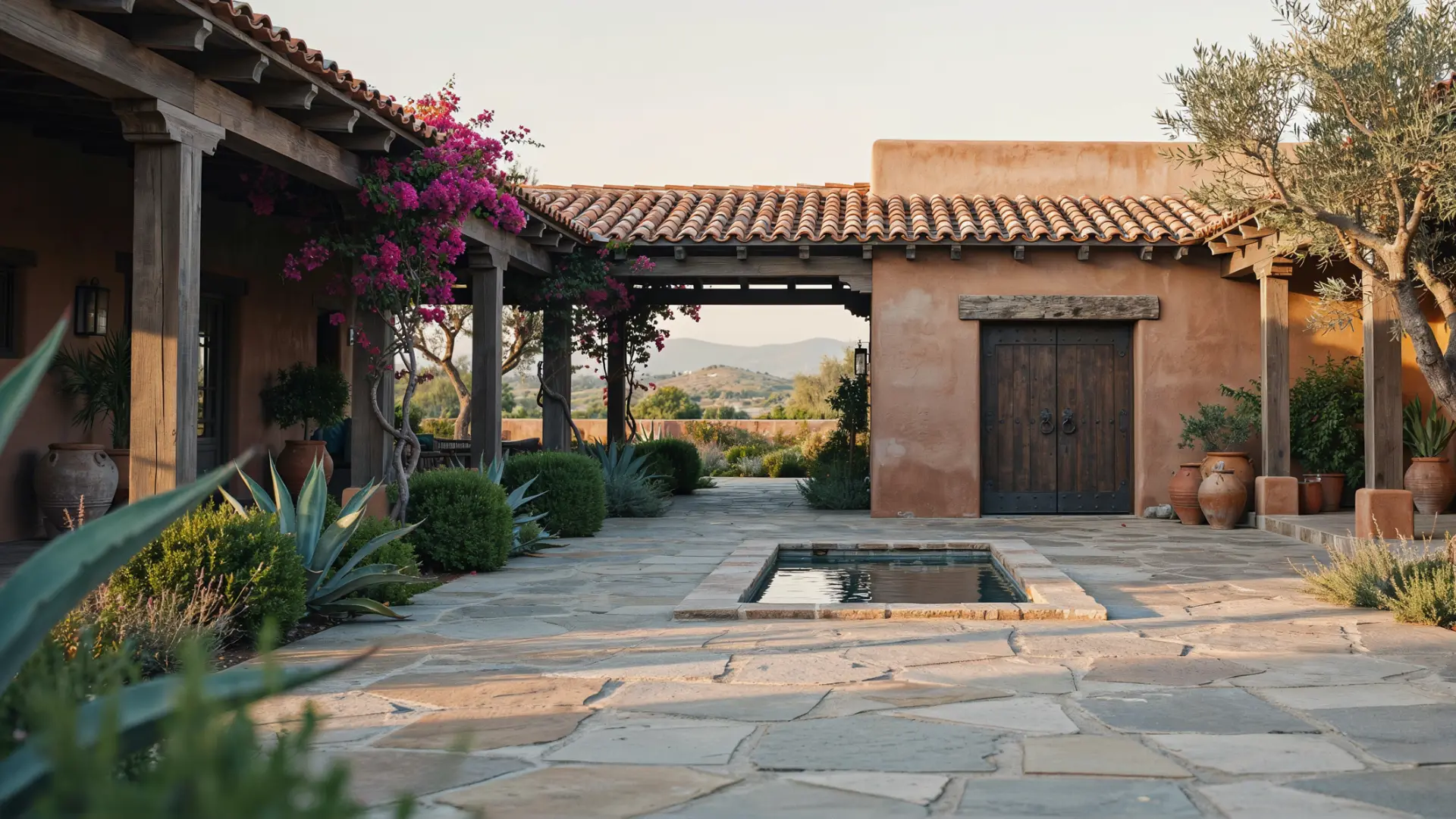
Hacienda-style homes come from old Spanish ranch houses built in Mexico. Wealthy landowners built these homes on large farms and cattle ranches. Workers and families often lived close by.
So the design had to support daily life on the land. That’s why these homes focus on function first. Comfort and open space come right after.
Builders used thick walls to block out heat. Wide porches offered shade during long, hot days. Courtyards gave families a private place to gather. Over time, this style spread beyond Mexico.
Today, people admire hacienda homes for their warmth and history.
| Feature | Spanish Style Homes | Hacienda Style Homes |
|---|---|---|
| Floor plan | Compact, often multi-level | Low, sprawling, single-level |
| Wall material | White or cream stucco | Thick adobe or stucco |
| Roofing | Curved red clay tiles | Simple, low-profile tiles |
| Outdoor space | Small courtyard, often with a fountain | Wide covered porches |
| Gathering space | Courtyard at the center | Central courtyard for daily life |
| Exterior colors | White, cream, warm red tones | Tan, brown, earthy clay tones |
| Doors and shutters | Carved wood, iron accents | Solid wood, simple shutters |
| Original purpose | Urban and suburban homes | Working ranch and farm homes |
Both styles share Spanish roots. But hacienda homes lean more toward open, working spaces. Spanish-style homes focus more on detail and charm.
Wrap Up
Spanish-style homes carry a charm that few designs can match. White walls, red tiles, and quiet courtyards tell a story of history and warmth.
That’s why so many families still choose this look today.
It brings comfort, character, and a true sense of place to any neighborhood.
Frequently Asked Questions
1. Are Spanish-Style Homes Expensive to Build?
Costs vary widely. Custom tiles and ironwork raise prices, but simpler finishes keep budgets manageable.
2. Do Spanish-Style Homes Suit Cold Climates?
Not ideally. This style works best in warm, dry regions like California, Arizona, and Florida.
3. Do Spanish-Style Homes Hold Their Value Well?
Yes, they often do. Their timeless look and sturdy build appeal to many homebuyers.