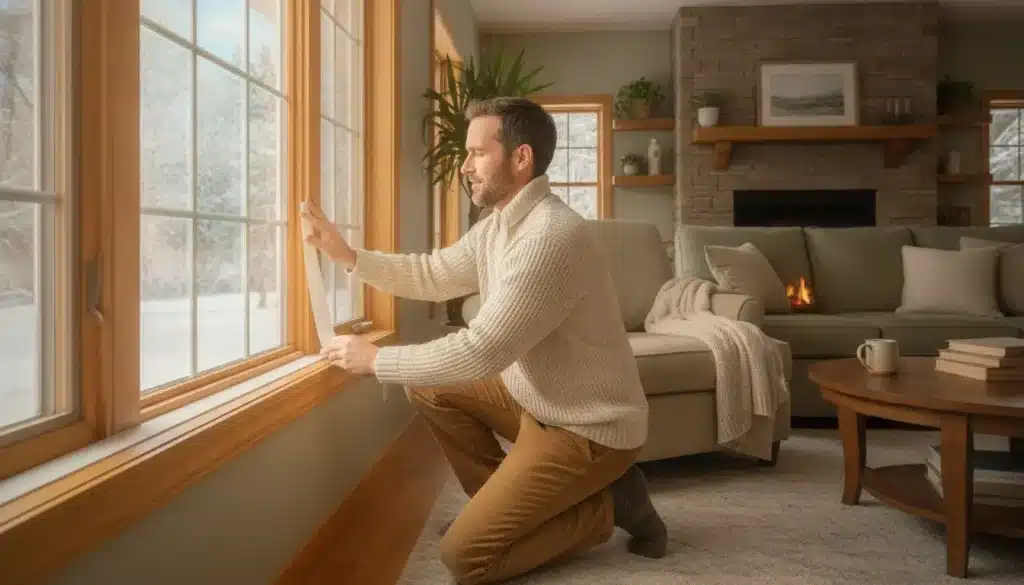
A freshly painted room feels wonderful until winter arrives and a cold draft cuts across the floor. Decor sets the mood, but comfort depends on what happens behind the walls. How a home holds heat, blocks drafts, and manages air is what makes a space genuinely pleasant to live in.

Energy efficiency is where that comfort begins. Specialists such as York Home Performance look at a house as a whole system, not a list of gadgets. This guide explains why that approach works and where the easy wins are hiding.
Why Does Energy Efficiency Affect Comfort?
Because comfort and efficiency are the same problem seen from two angles. A home that leaks heat is both expensive and unpleasant to live in.
Drafts, cold spots, and rooms that never warm up all trace back to air leaks and poor insulation. Fixing them steadies the temperature across the whole house. The reward is a home that feels calm and even, not one you chase around with space heaters. Anyone who has draped a blanket over a leaky window knows the frustration of decorating a room that still feels cold. No cushion or paint color solves a comfort problem that lives in the walls.
Lower bills come along for the ride. Every draft you seal and every gap you insulate means the heating system works less hard. Comfort and savings rise together, which is why efficiency upgrades pay off twice.
Where Do Homes Lose the Most Energy?
In a few predictable places. Knowing them turns a vague worry into a clear to-do list.
- Gaps around windows, doors, and where pipes enter walls.
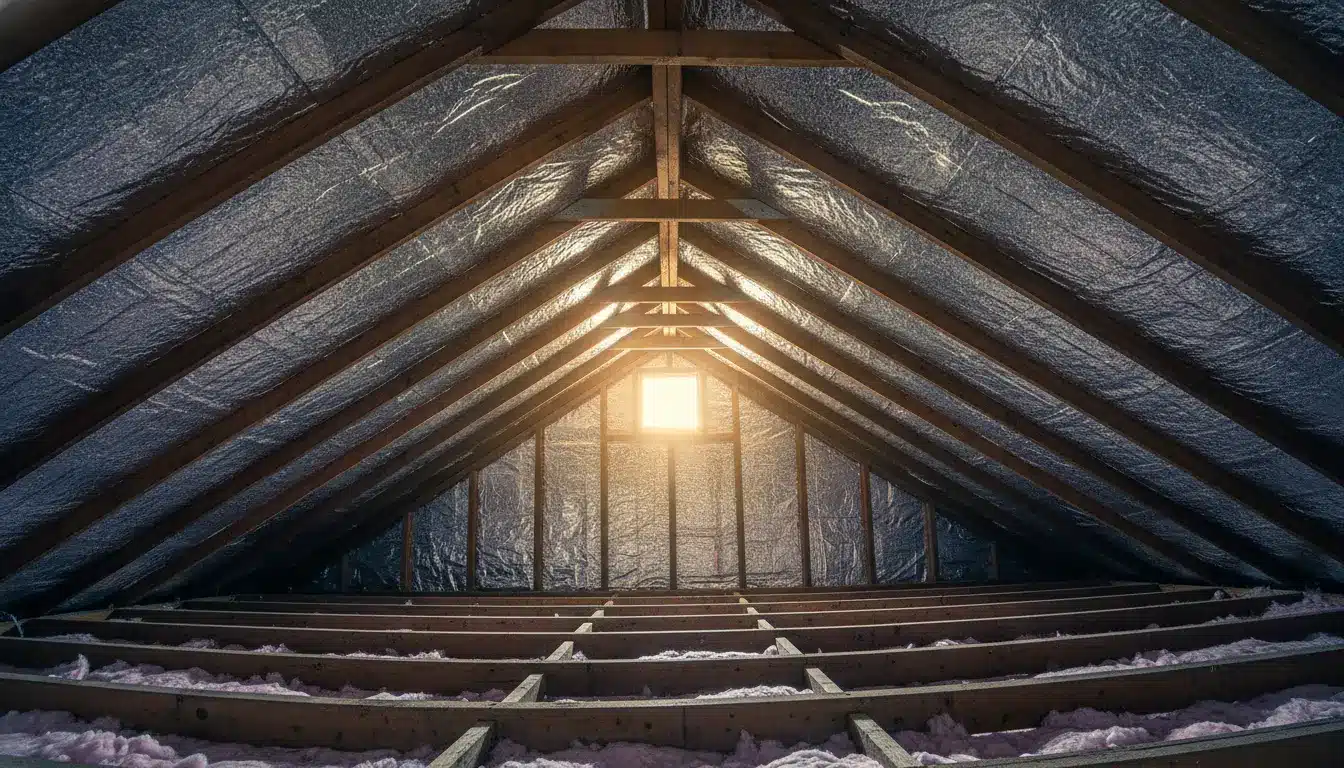
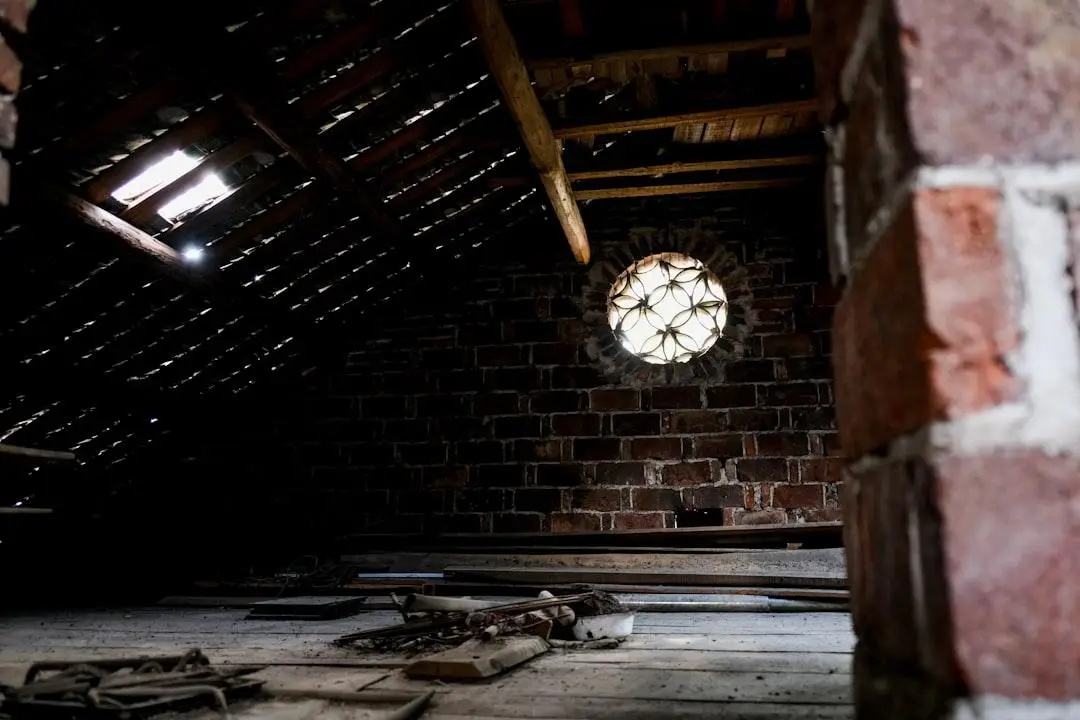
- Under-insulated attics, roofs, and access hatches.
- Old or single-glazed windows that bleed heat.
- Uninsulated floors above unheated spaces.
- Leaky ductwork that wastes heated or cooled air.
Most of these are invisible until you go looking. A whole-home assessment finds them in an afternoon, and the national Save at Home guidance shows how much each fix can save. Tackling the biggest leaks first gives the fastest payback.
What Are the Easiest Efficiency Wins?
The cheap fixes that punch above their weight. You do not need a full renovation to feel a difference.
Start with sealing and draft-proofing, the lowest-cost, highest-impact step in most homes. Add insulation where it is thin, especially in the attic. These small jobs sit comfortably alongside a weekend DIY project and cost far less than people expect.
Do Small Changes Really Add Up?
Yes, more than most homeowners believe. Efficiency is a game of many small gains, not one heroic upgrade.
A tube of sealant here, a draft stopper there, and a topped-up layer of attic insulation together shift a home’s whole feel. Each change is minor, but they compound. The house that results is warmer in winter, cooler in summer, and cheaper year-round.
How Do You Plan Bigger Upgrades?
Treat them as a sequence, not a scramble. The order you tackle things in decides how much you get for your money.
Seal and insulate before you touch the heating system, so you are not paying to heat air that escapes. Once the shell is tight, a smaller, more efficient system can do the same job. When budgeting the work, comparing financing through official consumer tools helps you avoid overpaying on interest.
Bundling upgrades often saves money too. If the walls are open for one job, it is the moment to add insulation or wiring. A little planning turns scattered fixes into one coherent improvement. It also spares you the disruption of tearing the same wall open twice, which is the kind of avoidable cost that quietly wrecks a renovation budget.
A professional assessment is worth the modest fee here. An expert spots the leaks a homeowner walks past every day and ranks the fixes by payback. That outside view keeps you from spending on a shiny upgrade while the real waste hides in the attic.
Does Efficiency Add Value to a Home?
Increasingly, yes. Buyers now ask about running costs, not just square footage.
A home that is cheap to heat and comfortable in every season stands out on the market. Documented upgrades, from new insulation to efficient windows, reassure buyers the way a freshly painted brick exterior does. The comfort you enjoy now becomes a selling point later.
Key Points for a More Efficient Home
- Comfort and lower bills come from the same efficiency fixes.
- Most heat escapes through gaps, thin insulation, and old windows.
- Sealing and draft-proofing are the cheapest, fastest wins.
- Small changes compound into a noticeably warmer home.
- Insulate before upgrading the heating system, not after.
- Efficiency upgrades increasingly add resale value.
Building a Home That Feels as Good as It Looks
The prettiest room falls flat if it is cold and costly to run. Start with the basics behind the walls, seal the leaks, insulate what is thin, and plan bigger upgrades in the right order. Do that, and you get a home that looks great and finally feels great to live in, in every season.
Frequently Asked Questions
What is the cheapest way to make my home more efficient?
Sealing drafts around windows, doors, and gaps is the lowest-cost, highest-impact step. A few tubes of sealant and some draft stoppers make an immediate difference. Topping up attic insulation is the natural next move.
Where do homes lose the most heat?
Mostly through air leaks, thin attic insulation, and old windows. Uninsulated floors and leaky ducts add to the loss. A whole-home assessment pinpoints the worst offenders quickly.
Should I insulate before replacing my heating system?
Yes. Sealing and insulating first means a smaller, cheaper system can do the same job. Upgrading the heating before the shell is tight wastes money on heat that escapes.
Does energy efficiency really raise home value?
It increasingly does, as buyers weigh running costs alongside price. A comfortable, low-bill home stands out and reassures buyers. Documented upgrades make the value easier to prove at sale.