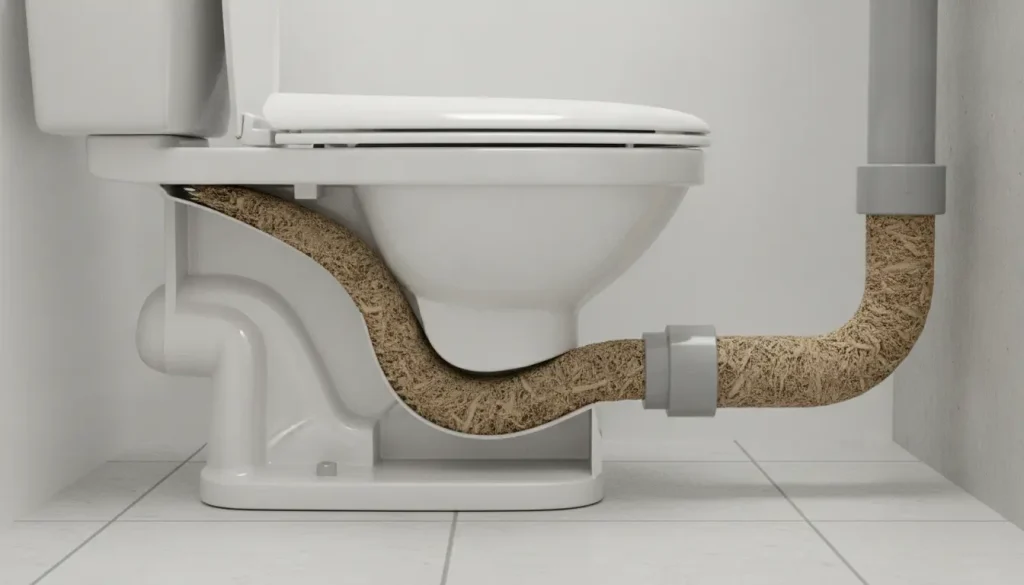
A blocked toilet rarely feels like it came out of nowhere. Most of the time, the problem has been building quietly for weeks or months, helped along by small, ordinary habits that seem harmless in the moment. One extra handful of toilet paper. A “flushable” wipe. Cotton pads. Even the way a household uses low-flow plumbing can make a difference.
That’s why toilet clogs are less about bad luck and more about behaviour. The good news? Once you understand what’s happening inside the bowl, trap, and waste pipe, prevention becomes much easier.
The Slow Build Behind Most Blockages
People often picture a toilet clog as one dramatic event. In reality, many obstructions form gradually. Toilets are designed to move human waste and a reasonable amount of toilet paper through a curved trap and into the drainage system. They are not built to handle bulk, stubborn fibres, grease residues, or items that hold their shape in water.
A single flush might not cause a full blockage. But repeated flushing of the wrong material can narrow the passage over time. Add mineral build-up, older pipework, or a weak flush, and the system has less margin for error.
In busy households, this compounds quickly. Children may use too much paper. Guests may flush things they should bin. In some homes, people rely on chemical cleaners instead of addressing early warning signs. The result is the same: reduced flow, more frequent plunging, and eventually a toilet that stops clearing properly.
The Everyday Habits That Cause Trouble
Overusing Toilet Paper
Toilet paper is meant to break down, but only to a point. Large wads can form dense masses, especially in toilets with older plumbing or weaker flush pressure. This is particularly common when people double-flush paper instead of disposing of excess tissue another way.
Quilted or ultra-thick toilet papers can make matters worse. They feel softer, but they do not always disperse as quickly as standard rolls.
Treating “Flushable” Products as Truly Flushable
This is one of the biggest modern causes of blockages. Wipes, hygiene products, cotton buds, pads, and cleaning sheets are marketed in ways that suggest convenience, but many do not disintegrate like toilet paper. They catch on bends, snag on rough pipe surfaces, and combine with other debris into stubborn clumps.
Even when a wipe leaves your toilet bowl, that does not mean it has cleared the drainage system safely.
Flushing in a Rush
It sounds minor, but timing matters. Flushing too much material at once gives the toilet less chance to move waste efficiently through the trap. In homes with children, it is common to see toys, tissue, or even packaging accidentally dropped into the bowl and flushed before anyone notices.
Ignoring Early Warning Signs
A toilet that bubbles, drains slowly, or needs a second flush is already telling you something. Many homeowners wait until the toilet backs up completely, when the issue could have been dealt with earlier and more cheaply. If recurring symptoms appear, it often helps to get a professional opinion from providers of expert plumbing and drainage services in Essex or a trusted local specialist who can check whether the problem is in the toilet itself or further down the line.
What’s Happening Inside the Pipework?
The Trap Holds More Than Water
Every toilet has a built-in trap: that curved section that retains water to block sewer gases. It also happens to be the point where bulkier material gets stuck first. If paper, wipes, or foreign objects lodge there, they create a partial obstruction. From then on, each flush adds a little more material.
Scale and Residue Reduce Pipe Diameter
In hard water areas, limescale can build up inside the toilet and waste pipes. It is rarely the sole cause of a blockage, but it can make an existing issue much worse by creating a rougher, narrower internal surface. Waste catches more easily, and paper is less likely to wash through cleanly.
Drain Issues Don’t Always Start at the Toilet
Sometimes the toilet is only where the problem becomes visible. A blockage in the main soil pipe or external drain can slow the entire system. In those cases, the toilet may be the first fixture to back up because it sits lowest in the waste network.
Habits That Keep Toilets Clear
Preventing clogs does not require a complete household overhaul. Usually, it comes down to a few consistent practices:
- Flush only waste and reasonable amounts of toilet paper
- Keep wipes, cotton products, and sanitary items out of the toilet
- Watch for slow draining or gurgling after flushing
- Use less paper per flush, especially in low-flow toilets
- Clean regularly to reduce scale and residue build-up
These are simple changes, but they work because they address the root causes rather than the symptoms.
Why Quick Fixes Often Backfire
Chemical Drain Cleaners Can Do More Harm Than Good
When a toilet clogs, many people reach for chemical solutions. The problem is that toilets are different from sinks. If the bowl is already full or the blockage is dense, the cleaner may simply sit there. That can damage seals, create safety hazards, and complicate later repair work.
Repeated Plunging Is Not Always a Solution
A flange plunger can be effective for a minor blockage close to the trap. But if plunging becomes a weekly routine, something deeper is going on. Excessive force can sometimes worsen the issue, especially if the obstruction is caused by a solid object or a blockage further down the line.
When to Stop DIY and Investigate Properly
Persistent Symptoms Point to a Bigger Issue
A one-off clog is usually manageable. Repeated clogs, bad smells, rising water levels, or backups in multiple fixtures suggest something more serious. That could mean:
A Hidden Obstruction
Items flushed months ago can remain lodged and catch debris over time.
External Drain Problems
Leaves, roots, collapsed pipe sections, or built-up waste outside the property can all affect toilet performance indoors.
Ageing Plumbing
Older homes may have pipework that is more vulnerable to rough deposits, poor gradients, or long-term wear.
Small Habits, Big Plumbing Consequences
Toilet clogs are rarely random. More often, they are the predictable result of everyday decisions repeated over time. That is actually useful news, because it means most blockages are preventable.
If you think about your toilet as part of a wider drainage system rather than a disappearing hole, the rules become clearer. Be selective about what goes in. Pay attention when flushing changes. Act early when the signs are small.
A toilet usually gives warning before it fails. The trick is recognising those warnings for what they are: not a temporary annoyance, but a clue that your daily habits may be asking the plumbing to do more than it was ever designed to handle.