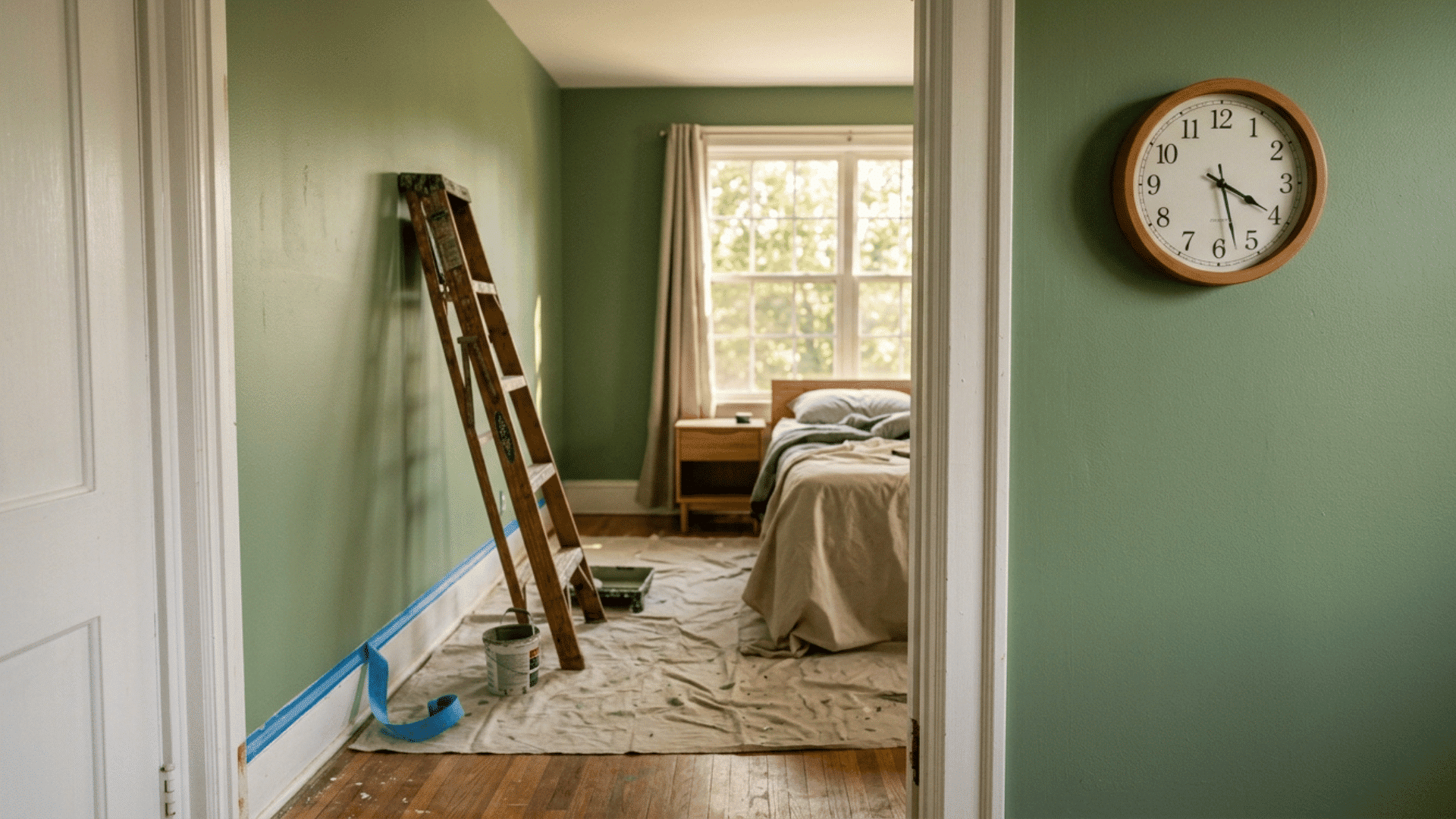
You paint the wall the exact color from the sample card. Then the sun moves across the room, and the color looks nothing like it did an hour ago.
That shift comes down to one number most people never learn to read.
Maybe you have picked a white that turned yellow by afternoon, or a gray that felt cold in one room and warm in another. It happens more than people expect, and it is rarely about the paint brand.
LRV paint ratings are the missing piece: what that number means, how to check it before you buy, and why the same color can look completely different from wall to wall. Let’s find out!
What is LRV in the Context of Paint?
LRV stands for Light Reflectance Value. It measures the percentage of light a paint color bounces back into a room, on a scale from 0 to 100.
Zero means pure black, which absorbs almost all light. A hundred means pure white, which reflects nearly all of it. Most paint colors fall somewhere in between.
Here is a quick way to check the math yourself: subtract the LRV from 100; that gives you the percentage of light the color absorbs.
A color with an LRV of 65 absorbs about 35 percent of the light hitting it.
Paint brands print this number on the back of most sample cards or list it on their websites next to the color name.
How to Read an LRV Paint Number
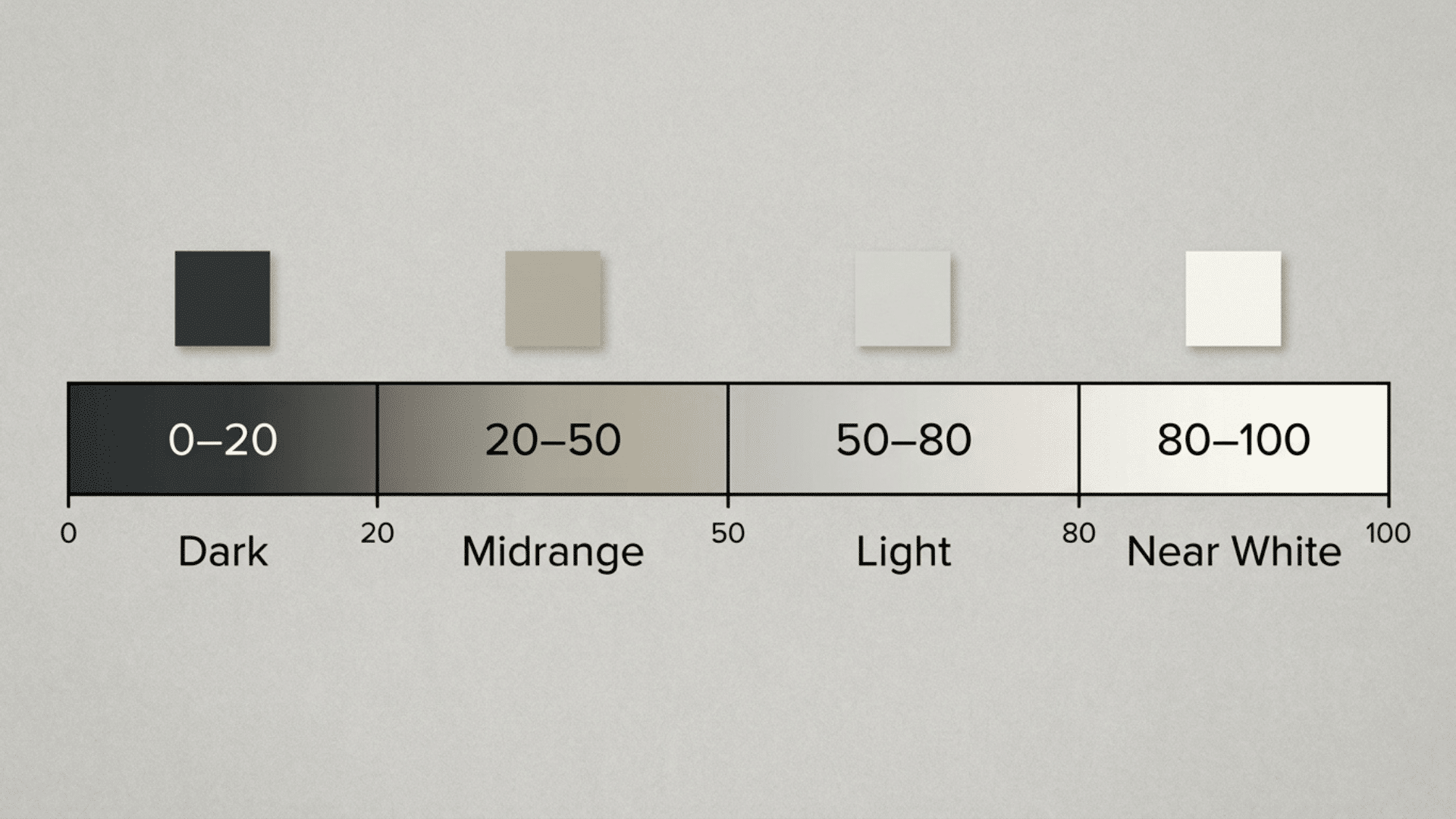
Paint chips print an LRV number without any explanation, leaving buyers to guess what it means before trusting a single wall to it.
Step 1: Locate the Number
Look near the color name on the sample card or on the brand’s website page for that color. It may be labeled “LRV” or simply appear as an unlabeled number with no context.
Step 2: Note the Two End Points
Before placing the number anywhere, remember what the scale itself means.
Zero sits at pure black, 100 at pure white, and every paint color falls somewhere between the two.
Step 3: Place it on the Scale
Below 20 reads as dark. 20 to 50 sits in the midrange. 50 to 80 counts as light. Above 80 reads as near white. This range alone tells you how the color behaves before it meets any wall.
Step 4: Check the Gap Between Numbers
A ten-point difference between two LRVs barely registers to the eye, but a thirty- or forty-point gap reads as a clear jump from one shade family to the next.
Step 5: Read It Against Neighboring Colors
An LRV of 40 looks mid-toned next to a wall at LRV 10, but pale next to one at LRV 70. The number only tells the full story once it’s compared to what sits beside it.
Where to Find a Color’s LRV?
The most trusted place to check is the back of the paint chip itself. Most major brands print the LRV right next to the color name, though a few list it only as a plain number with no label.
If the chip doesn’t show it, the brand’s website usually will.
Search the color name directly on the brand’s site, and the LRV typically appears on that color’s individual page alongside the hex code and coordinating shades.
Fan decks and in-store color books sometimes carry it too, though placement varies by brand. When none of these show a number, a quick call to the brand’s customer service line usually gets you an answer.
How Does Lighting Change an LRV Paint Color?
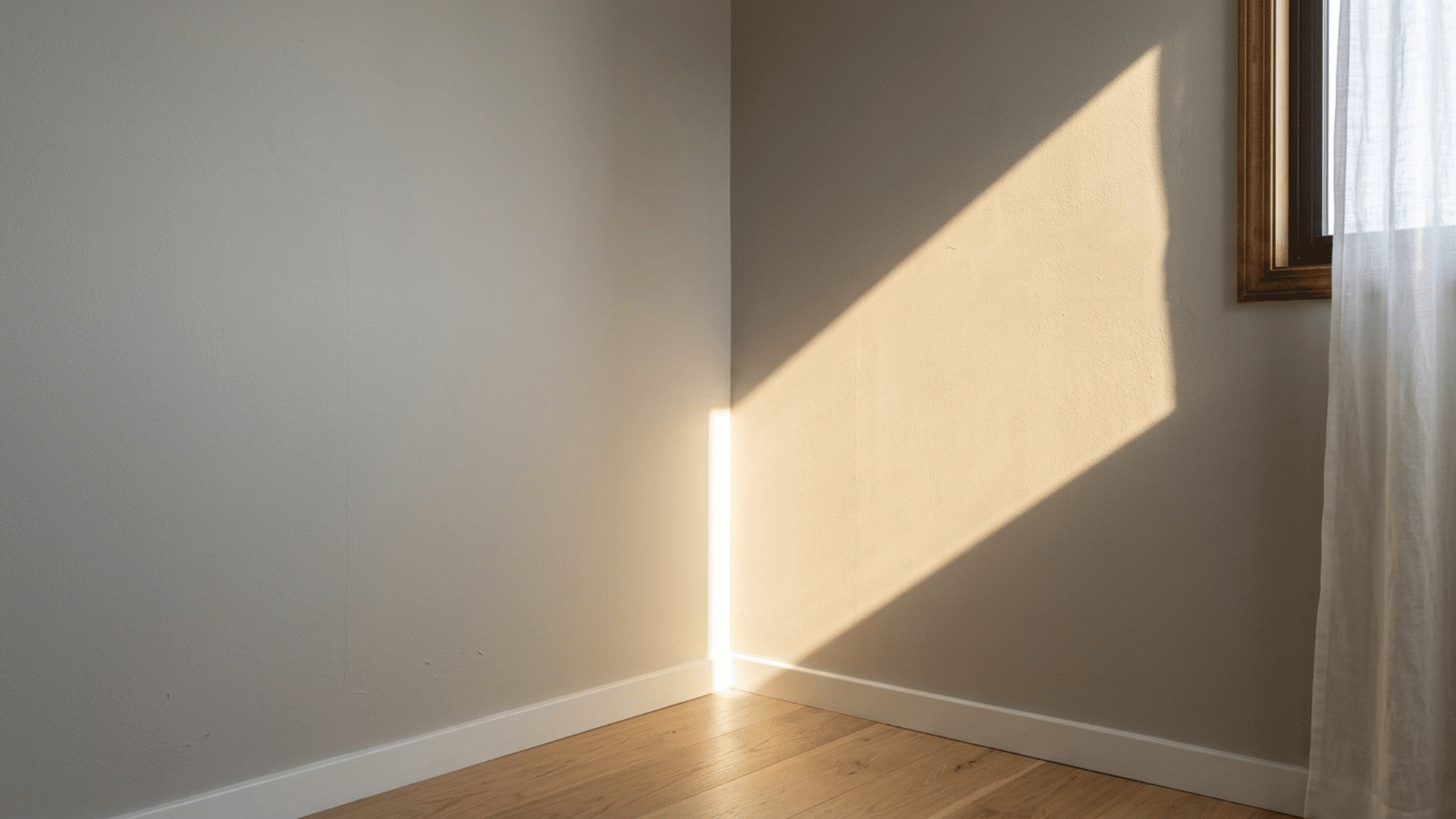
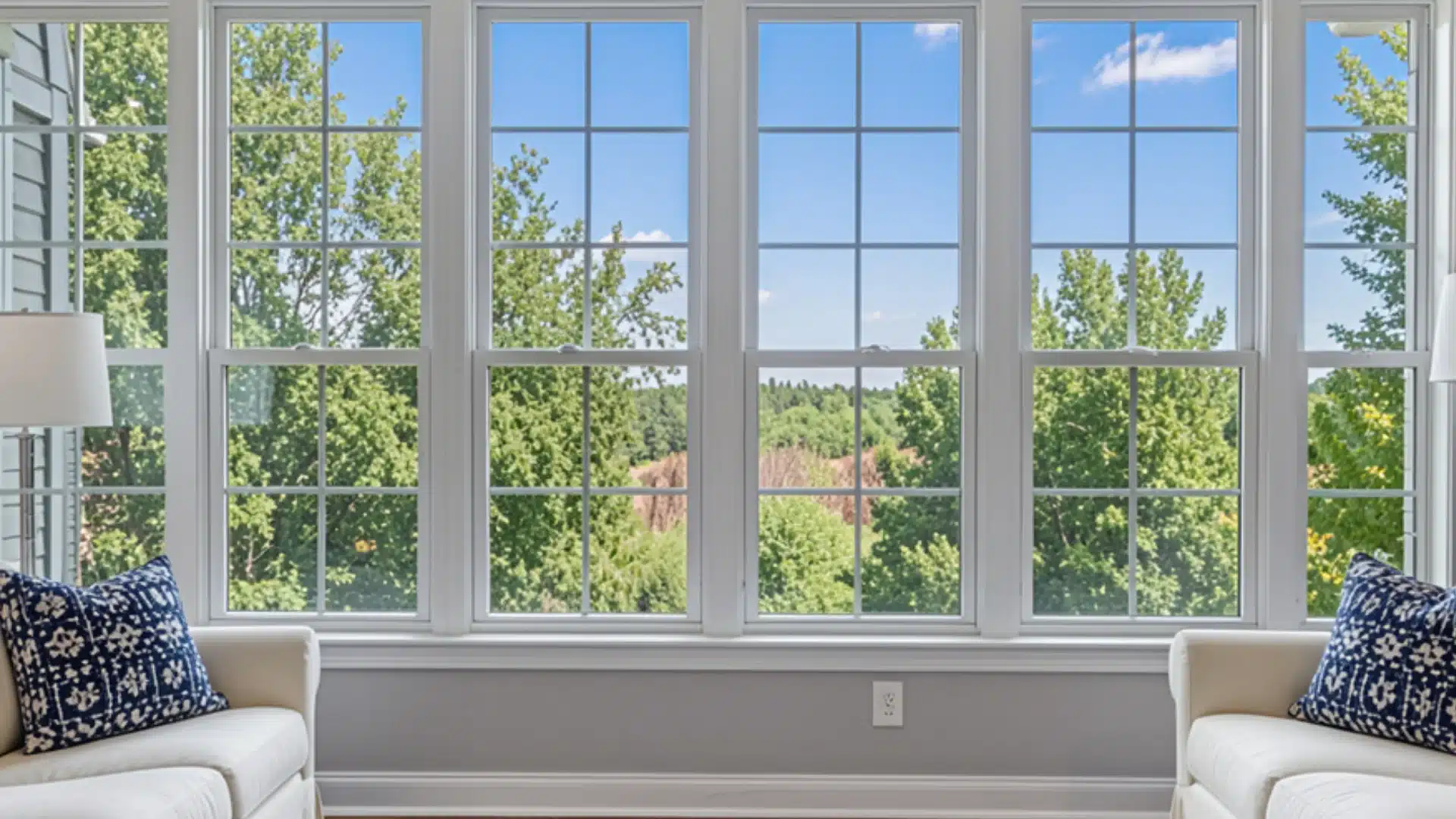
The same LRV number can look brighter or dimmer depending on where light comes from and what kind of light hits the wall.
- North-facing rooms get soft, indirect light, so LRV colors read slightly darker and cooler.
- South-facing rooms get strong, direct light, making the same LRV color look brighter and warmer.
- East-facing rooms catch bright morning light, then cool off by afternoon.
- West-facing rooms stay dim until late afternoon, then pick up warm evening light.
- LED bulbs run cooler than incandescent, making the same LRV color look flatter or slightly bluer.
Does Gloss Level Change LRV?
The LRV number itself doesn’t change with sheen. A flat and a semi-gloss version of the same color will carry the same printed LRV.
What changes is how that light gets reflected. Glossy finishes reflect light more directly, like a mirror, so the color can look brighter and more saturated in strong light. Flat finishes scatter light more evenly, softening the same color.
This is why a semi-gloss trim can look noticeably lighter than a flat wall painted the exact same color and LRV.
The number stays fixed, but the finish determines how obvious it becomes to the eye, worth keeping in mind if you’re ever touching up an eggshell finish and thinking why the patch doesn’t quite disappear.
LRV Vs Chroma: What’s the Difference
People often confuse LRV and chroma because both describe how a color looks, but one measures reflected light while the other measures color intensity.
| Aspect | LRV | Chroma |
|---|---|---|
| What it measures | Percentage of light a color reflects | How intense or saturated a color looks |
| Scale | 0 to 100, dark to light | Low to high, muted to intense |
| What changes it | Amount of white or black mixed in | Amount of pure pigment or gray mixed in |
| Effect on a room | Controls brightness and light bounce | Controls how bold or soft a color feels |
| Example | Pale gray and pale yellow can share an LRV of 75 | The same pale gray can be low chroma, while a bright teal is high chroma |
That distinction matters most with in-between neutrals; it's part of how a color like greige gets defined in the first place, since two grays with the same LRV can still read completely differently depending on chroma.
Best LRV Paint by Room Type
Picking an LRV without matching it to the room’s size, light, or purpose often leaves colors looking flat, cave-like, or overly stark.
- Choose LRV 50 to 65 in small or low-light rooms to keep the space open without washing out into stark white.
- Avoid LRV below 20 in small rooms, since it can make the space feel noticeably tighter.
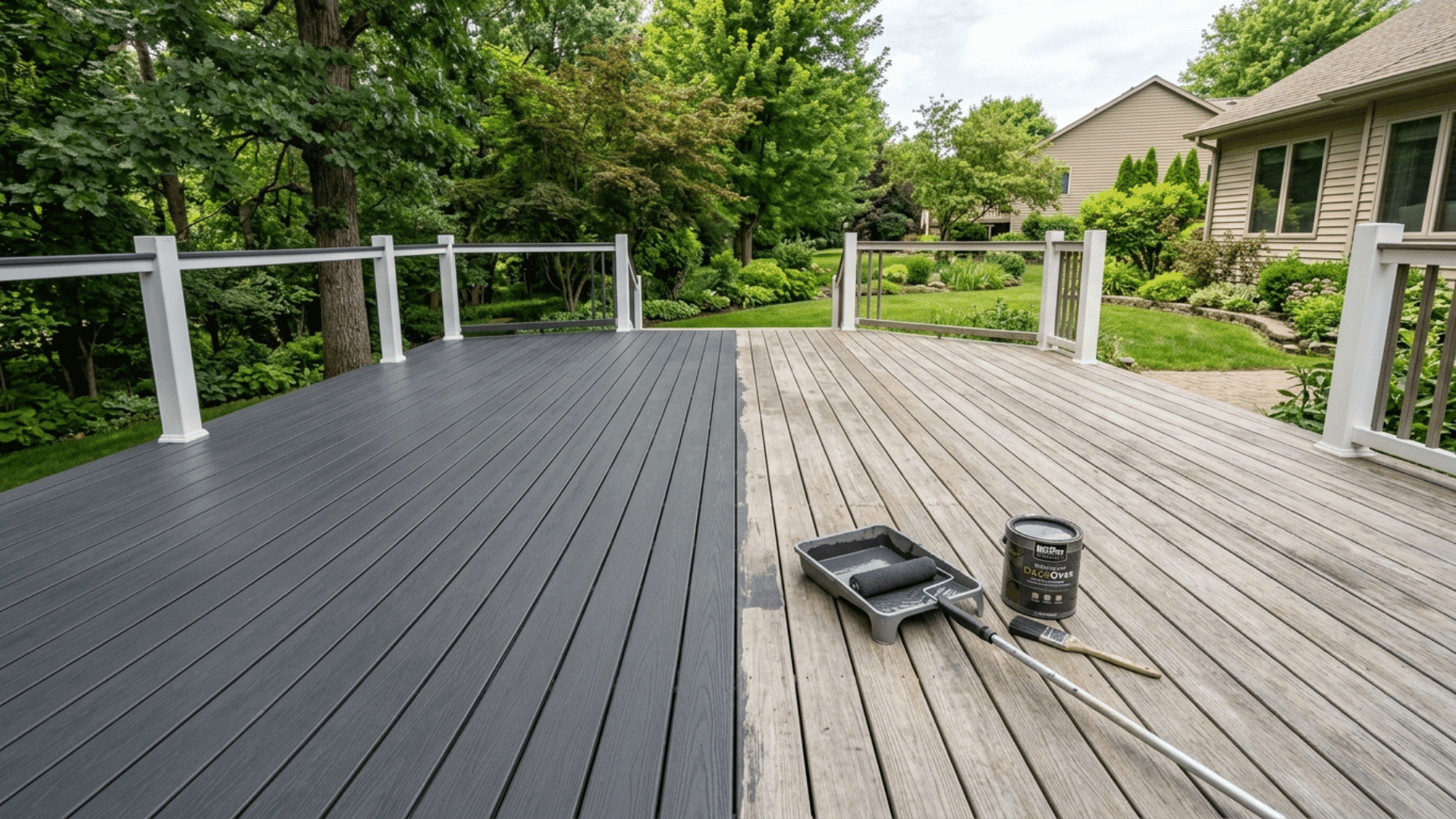
- Use LRV 60 and above on exterior siding to reflect heat and reduce fading over time.
- Keep exterior shutters and doors under LRV 40 so accent colors read clearly against the siding.
- Select LRV 70 or higher for walls in spaces that must meet ADA contrast standards.
- Pair high LRV walls with clearly darker trim to satisfy ADA contrast requirements
Popular Paint Colors by LRV
Benjamin Moore Chantilly Lace carries an LRV of 90, making it one of the brightest whites in the brand’s lineup. It sits close to White Dove, which comes in at 83 and leans warmer due to its creamy undertone.
Hale Navy, also from Benjamin Moore, sits at the opposite end with an LRV around 8.
That low number is why the color appears nearly black in dim light and reveals its blue undertone only under strong, direct sun.
Sherwin-Williams Greek Villa lands at 84, close to White Dove but with a warmer, more neutral base.
Comparing colors like these side by side shows how LRV numbers just a few points apart can still produce noticeably different results depending on undertone.
Note: brands occasionally update their published LRV figures, and different sources round these numbers slightly differently
Key Takeaways
LRV is not decoration on the back of a paint chip. It is the one number that predicts how a color will actually behave once it hits your wall.
Read the LRV paint number before you buy, weigh it against your room’s light direction and gloss level, and never trust a swatch held under store lighting.
Sample the actual color, in the actual room, at different times of day. That single habit prevents more repainting than any color theory ever will.
Frequently Asked Questions
Does LRV Affect How Fast a Paint Color Fades?
Not directly. Fading comes from UV exposure and paint quality, not the LRV number itself. A low LRV color can fade just as fast as a high LRV one if it sits in constant direct sun.
Is the LRV the Same Across Different Paint Brands?
No. Each brand tests and publishes its own LRV for its formulas, so two colors with the same name from different brands can have different LRV values.
Can LRV Help With Home Staging or Resale?
Yes, indirectly. Higher LRV walls tend to appear brighter in listing photos and make rooms look larger, which is why many staging guides recommend LRV 60 or higher for walls.