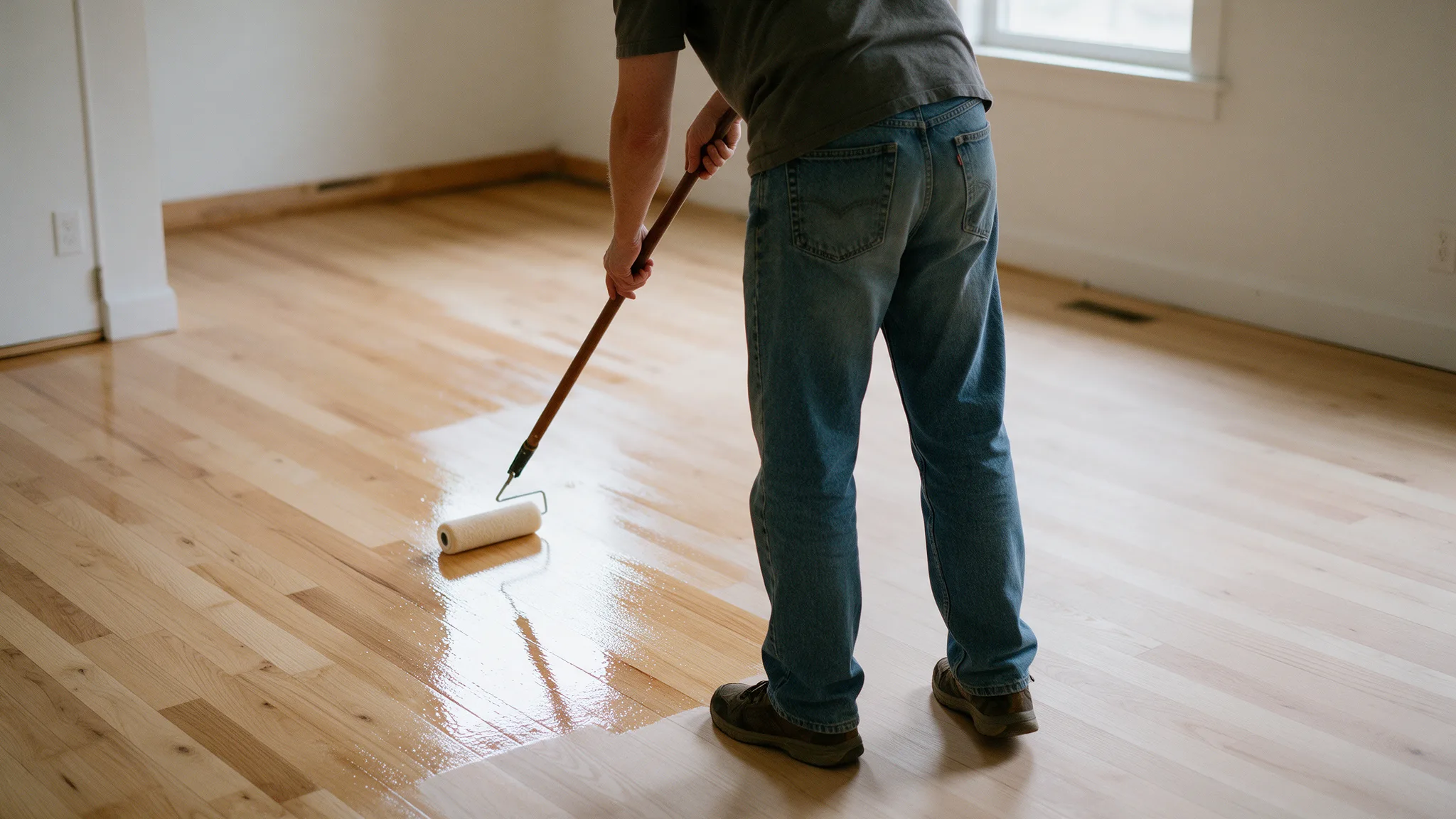
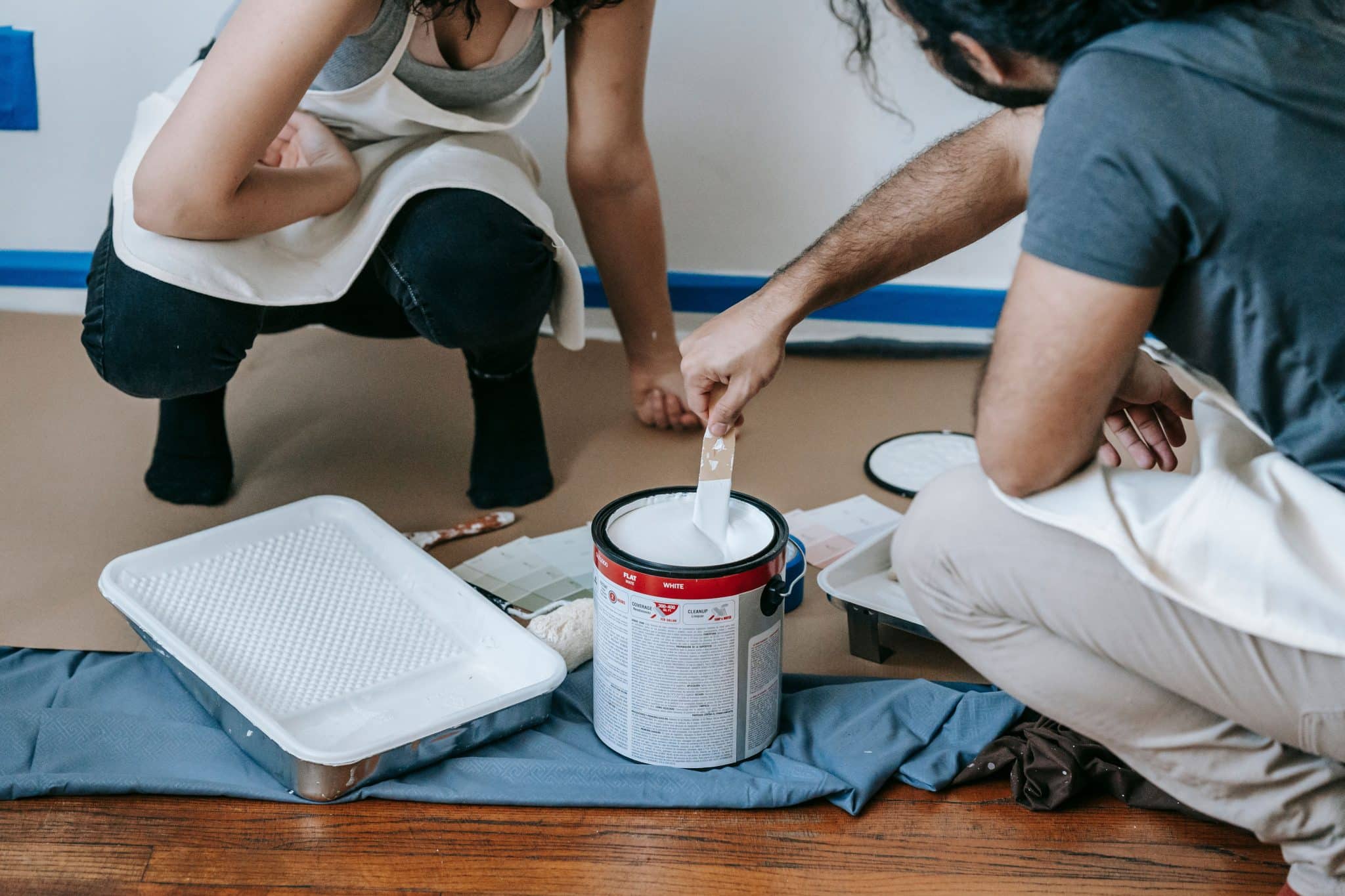
Okay, so mahogany isn’t one color.
It’s a range that runs from a soft pinkish-brown that is seen in freshly cut wood to an almost burgundy shade once it’s aged.
Which end of that range you’re looking at depends on the species, the age of the piece, and how much sun it’s had.
Keep reading because I have covered everything – what mahogany color is, how it compares to other shades and more.
What Color is Mahogany?
Mahogany wood ranges in color from medium brown to deep reddish-brown. The following variables may affect the color:
- The specific mahogany species (e.g., Honduran, Cuban, African)
- Age of the wood
- Exposure to light and air over time
The grain pattern of mahogany is typically straight with occasional ripples or waves. Heartwood is valued for its deep, warm reddish tones, while sapwood is typically paler.
Mahogany Color Specs
| Attribute | Value/Description |
|---|---|
| Hex Code | #C04000 |
| RGB Values | 192, 64, 0 |
| Primary Undertone | Rich red (younger wood) |
| Highlight Tone | Auburn (visible in direct light) |
| Depth Tone | Deep burgundy (in aged mahogany) |
| Base Undertone | Grounded brown |
| Color Family | Warm earth tones |
Is Burgundy the Same as Mahogany?
No, mahogany and burgundy are not interchangeable. At first glance, they appear similar. However, they are two distinct colors.
Mahogany blends brown and red. It feels earthy and cozy – like an age old wooden desk.
Burgundy, on the other hand, is distinct. It blends purple and red, perhaps with a hint of blue and that is why it becomes deeper and colder as a result.
Okay, so when put simply, the main difference is that burgundy leans cool and mahogany leans warm.
Mahogany appears softer as well. Burgundy has a stronger edge and is more noticeable.
Therefore, keep this in mind while choosing a color for your furniture, walls, or hair. While burgundy commands notice, mahogany blends in.
Where does Mahogany Wood Look Best?
I’ve found that mahogany shines in certain settings where its rich color can be the star. Let me show you:
Ideal Settings to Use Mahogany
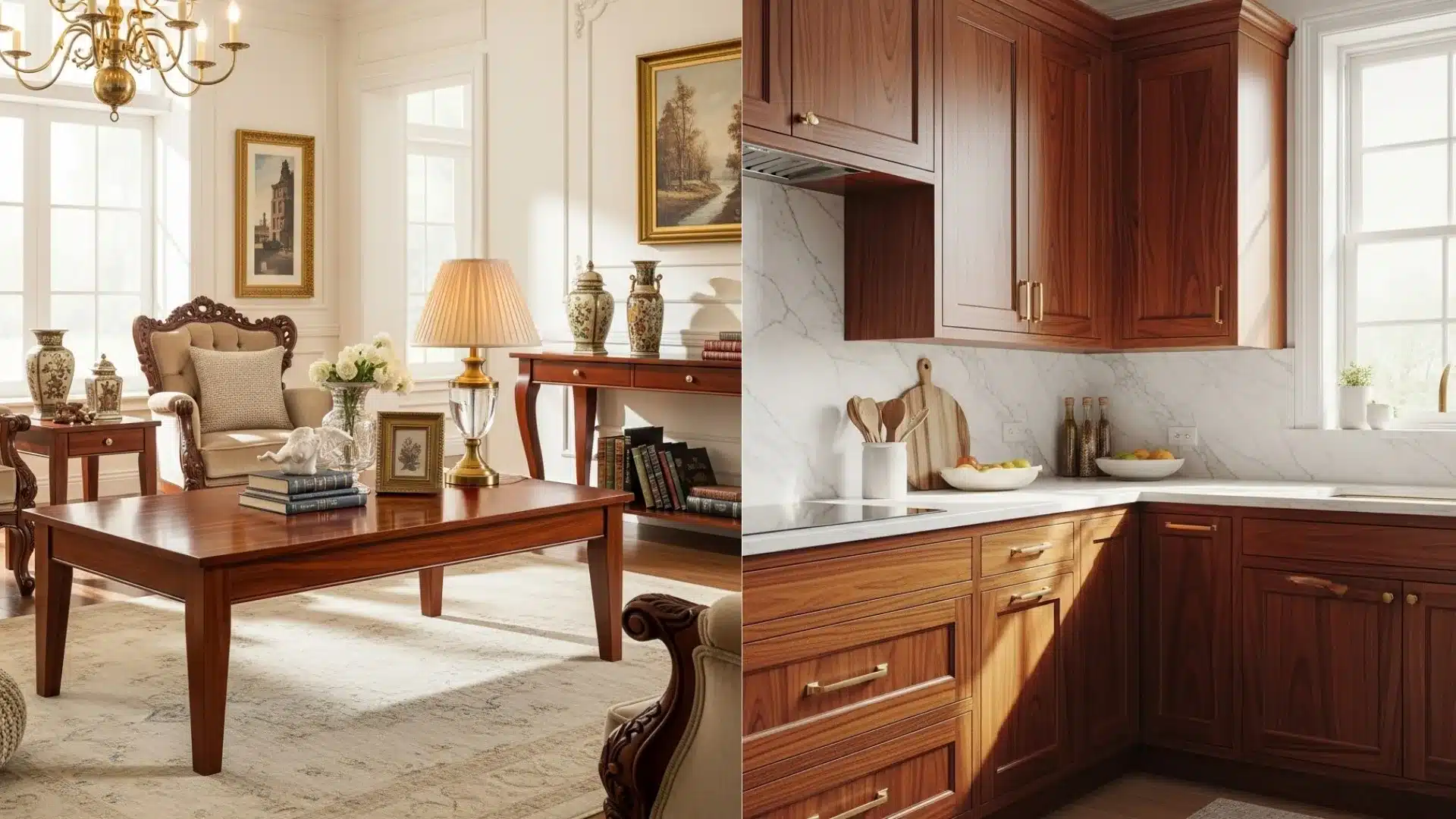
- Luxury interiors where quality matters most.
- Antique furniture pieces that need to make a statement.
- Kitchen and bathroom cabinetry for timeless appeal.
- Musical instruments, especially guitars, where tone and beauty matter.
I’ve seen beautiful results when pairing it with soft muted creams, greys that provide balance, deep navies, and forest greens that complement the natural wood tones.
Interior Styles That Love Mahogany
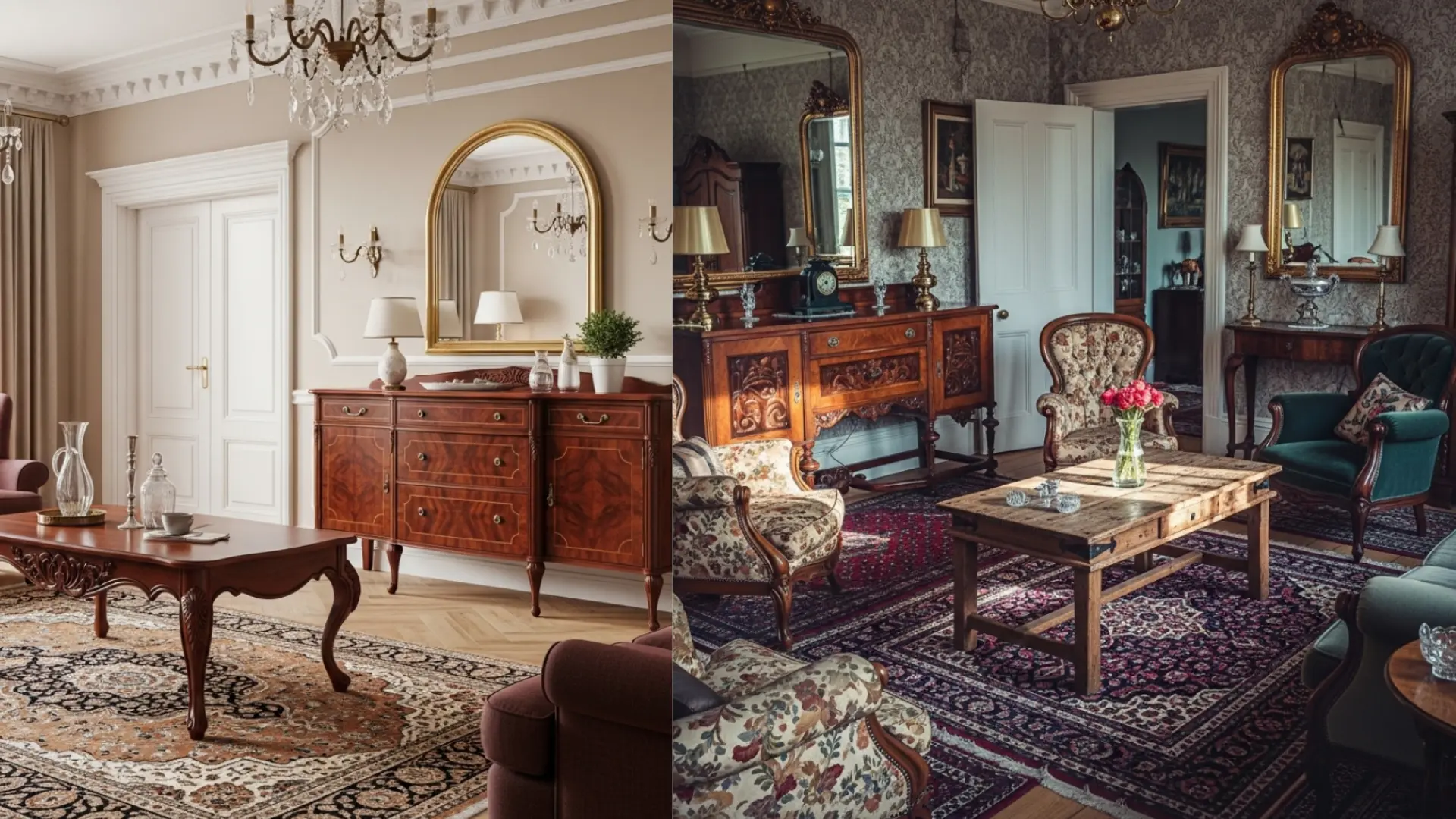
Classic and vintage designs, such as those found in colonial homes, showcase mahogany’s rich, reddish-brown tones and intricate detailing.
Transitional interiors also favor mahogany, blending its traditional warmth with contemporary elements for a balanced, refined look.
This versatile wood remains a favorite for creating spaces that feel both enduring and refined.
Mahogany-Inspired Color Palette Combinations
I love creating color palettes around mahogany because it’s such a versatile base.
The key is balancing its richness with complementary tones that either soften or enhance its natural warmth.
My Favorite Palettes:
- Mahogany + SW Ivory Lace + brass for timeless luxury
- Mahogany + SW Clary Sage + cream for natural harmony
- Mahogany + Benjamin Moore Kendall Charcoal + gold for dramatic class
When I’m coordinating colors, I typically use warm whites or soft grays on walls to let mahogany furniture shine.
For upholstery, I lean toward cream, sage, or deep navy fabrics. Metal finishes work best in warm tones – brass, copper, or oil-rubbed bronze complement mahogany beautifully.
Paint Shades Like Mahogany:
1. Behr Cherry Cola
2. Benjamin Moore Dinner Party
3. Benjamin Moore Barn Red
4. Sherwin Williams Polished Mahogany
Modern and Minimalist Tips:
Using mahogany as a single statement piece always works best. Pair it with clean white walls and simple black metal accents.
But keep other wood tones to a minimum. And always let mahogany be the only warm element in a cool room.
Colors that are Similar to Mahogany
Mahogany isn’t the only color in its family. A few other shades share its warm, reddish-brown look.
Maroon: Maroon is a dark red-brown, just like mahogany. But it’s a bit more subdued. Less orange in the mix.
Chestnut: Chestnut is lighter than mahogany. It still has that reddish-brown base, just softer.
Auburn: Auburn is warm and reddish-brown, too. You’ll often see it used for hair color. It shares mahogany’s earthy tone.
Burnt Orange: This shade is brighter and bolder. It leans more toward orange than mahogany does. But the warmth is the same.
Burnt Sienna: Burnt sienna sits close to burnt orange. It’s intense and earthy, with the same cozy feel.
Cognac: Cognac has that rich, luxurious tone too. Think of aged leather or fine spirits. It shares mahogany’s depth.
So if you love mahogany, you have options. All these shades bring warmth. Each one puts its own spin on it.
How to Get a Mahogany Wood Finish Using Paint?
If you want that rich mahogany look on plain wood, then you don’t need real mahogany to get it. Paint can do the job.
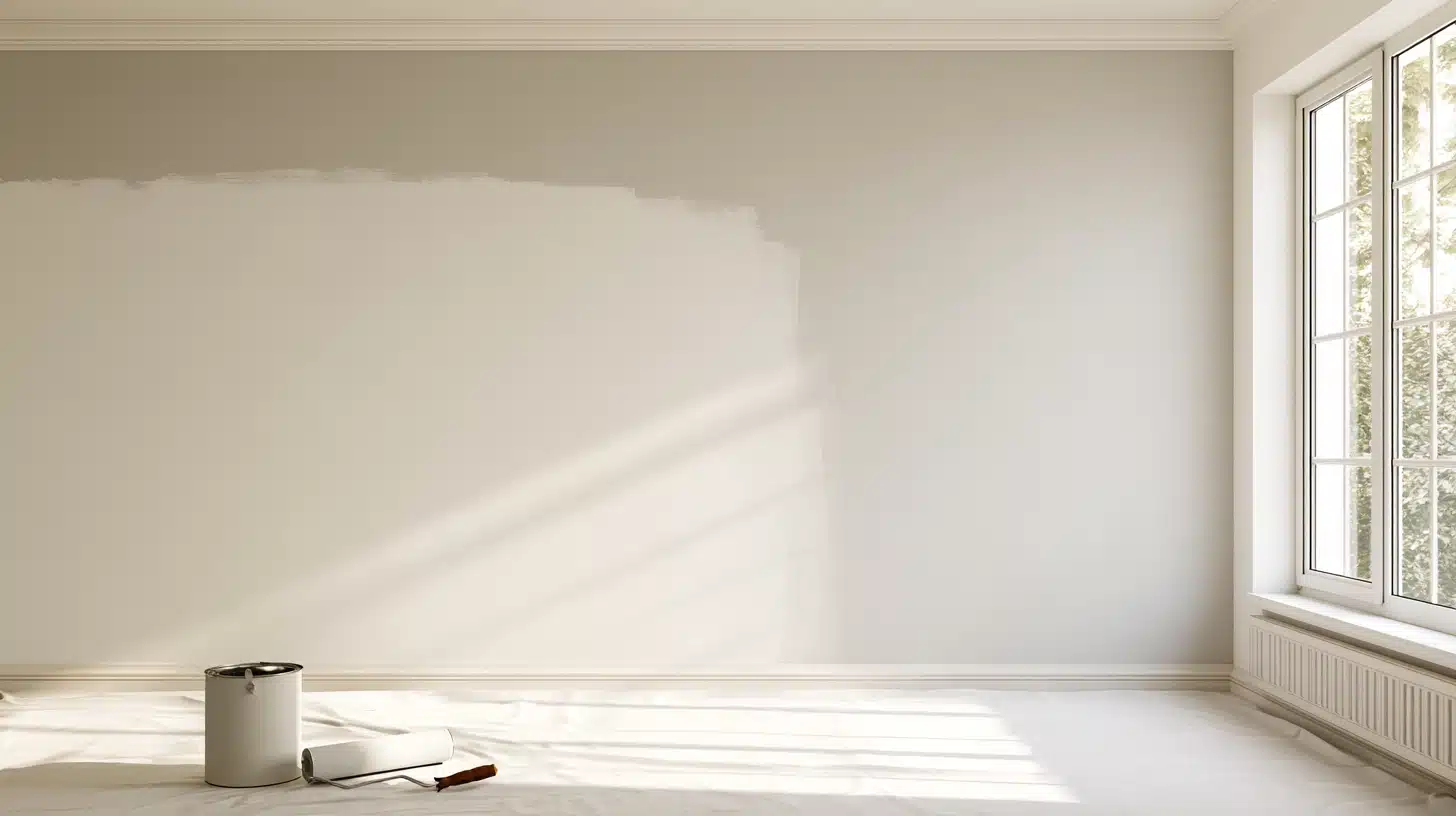
It’s not that hard, actually – just sand, prime, base coat, glaze, seal. If you want the full step-by-step with drying times and product recommendations, the guide to painting acrylic on wood covers the prep and sealing steps in more depth than there’s room for here.
Below are the simple steps:
Step 1: Sand the Wood
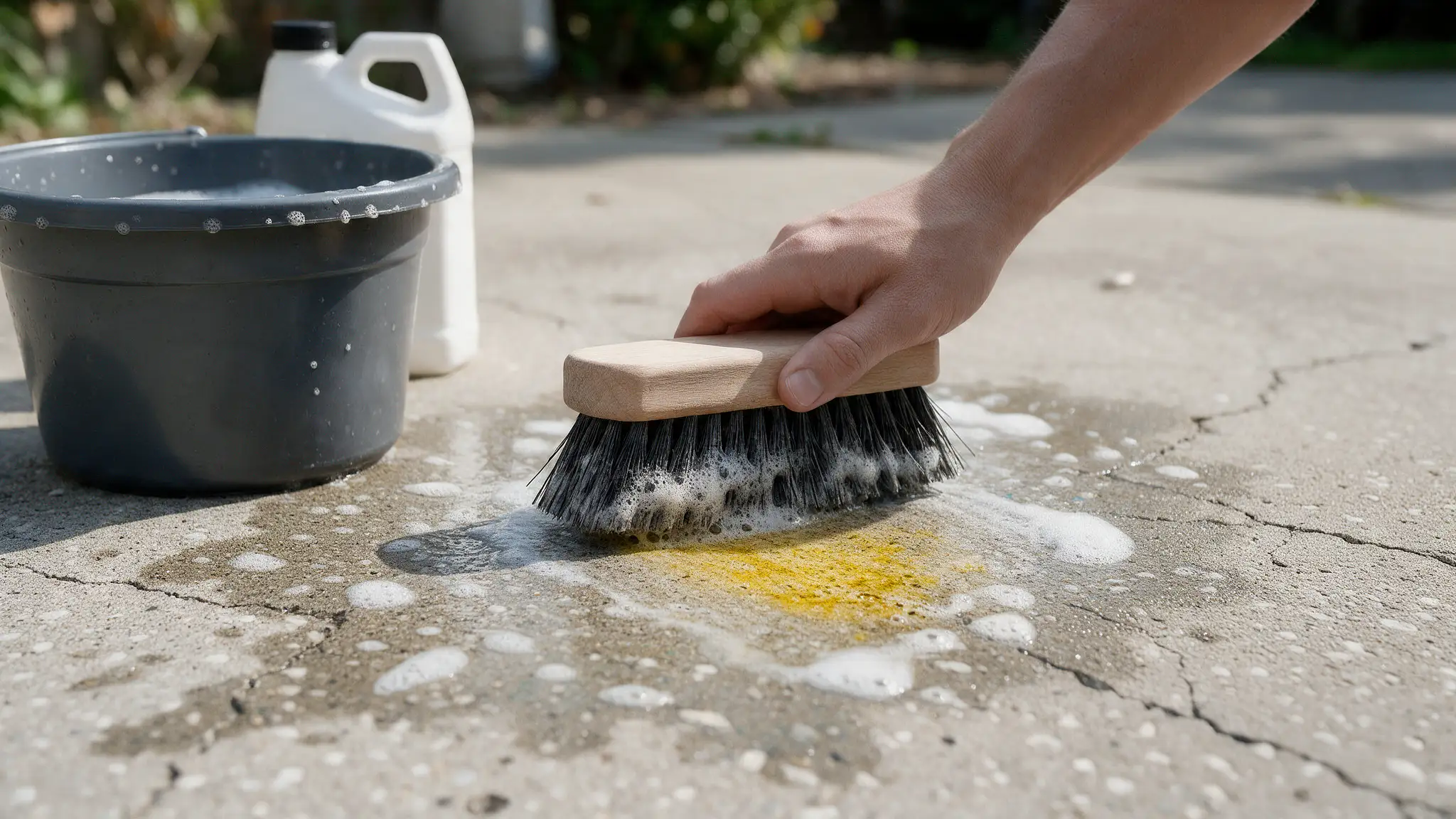
Start with a smooth surface. Sand off any wax or old finish. This helps the paint stick.
Step 2: Apply a Primer
Use a good primer first. It blocks stains and gives you an even base.
Step 3: Add Your Base Color
Paint on a warm reddish-brown shade. This becomes your mahogany base.
Step 4: Add a Glaze
Once the base coat dries, apply a darker glaze on top. Use a circular motion. Wipe off the extra with a clean cloth. Go with the grain. This step adds depth.
Step 5: Let it Dry
Give the glaze a full night to dry. Don’t rush this part.
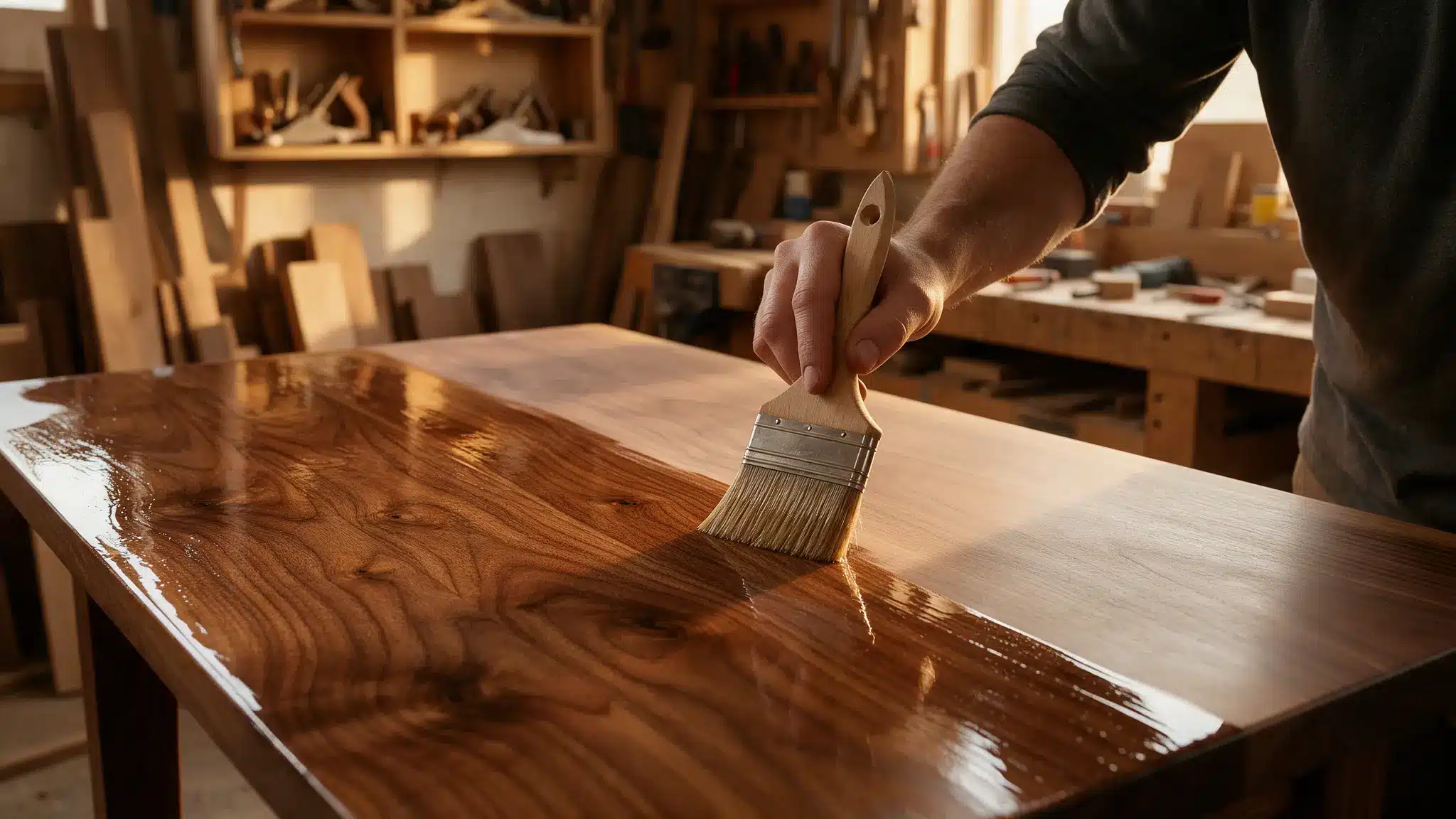
Step 6: Seal it
Finish with a clear topcoat. Lacquer or varnish both work well. This protects your new mahogany look.
It’s done, and with a few coats and some patience, plain wood can look like real mahogany.
Comparing Mahogany with Similar Wood Tones
I’m frequently asked what makes mahogany different from other rich wood tones. Each has a unique personality, and understanding these differences enables me to select the best wood for every project.
Mahogany vs Cherry
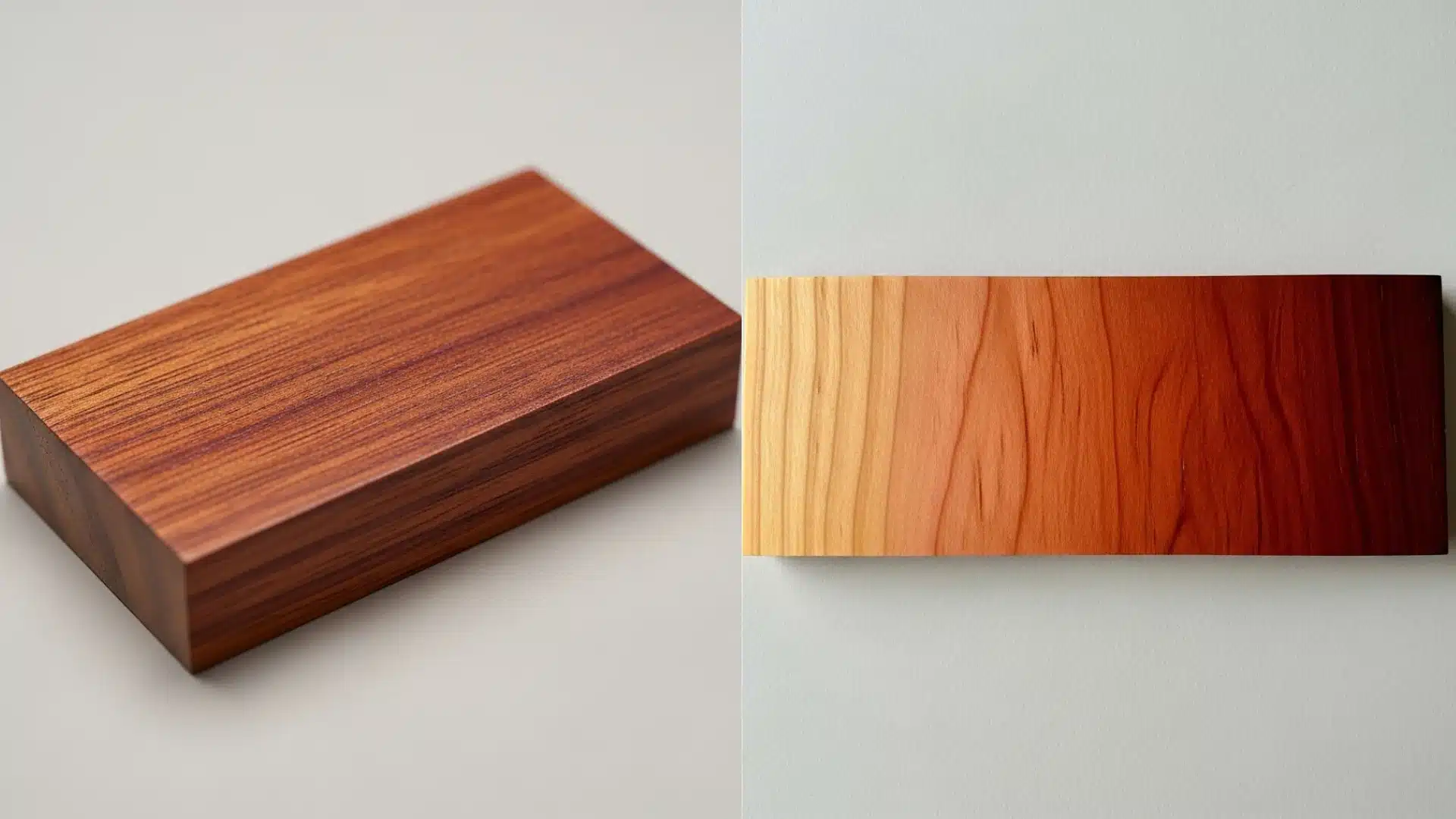
When I work with mahogany, I observe that its deep reddish-brown tones remain constant throughout time, giving my creations a timeless, classic appearance.
Typically, the grain is equal and straight, giving the surface a smooth, continuous appearance.
Cherry, on the other hand, is initially lighter, nearly pinkish-brown, but as it ages, it rapidly darkens and acquires a rich, deep crimson patina.
Cherry’s grain is finer and frequently exhibits more character markings and delicate waves, which give furniture and cabinets greater visual appeal and coziness.
Mahogany vs Walnut
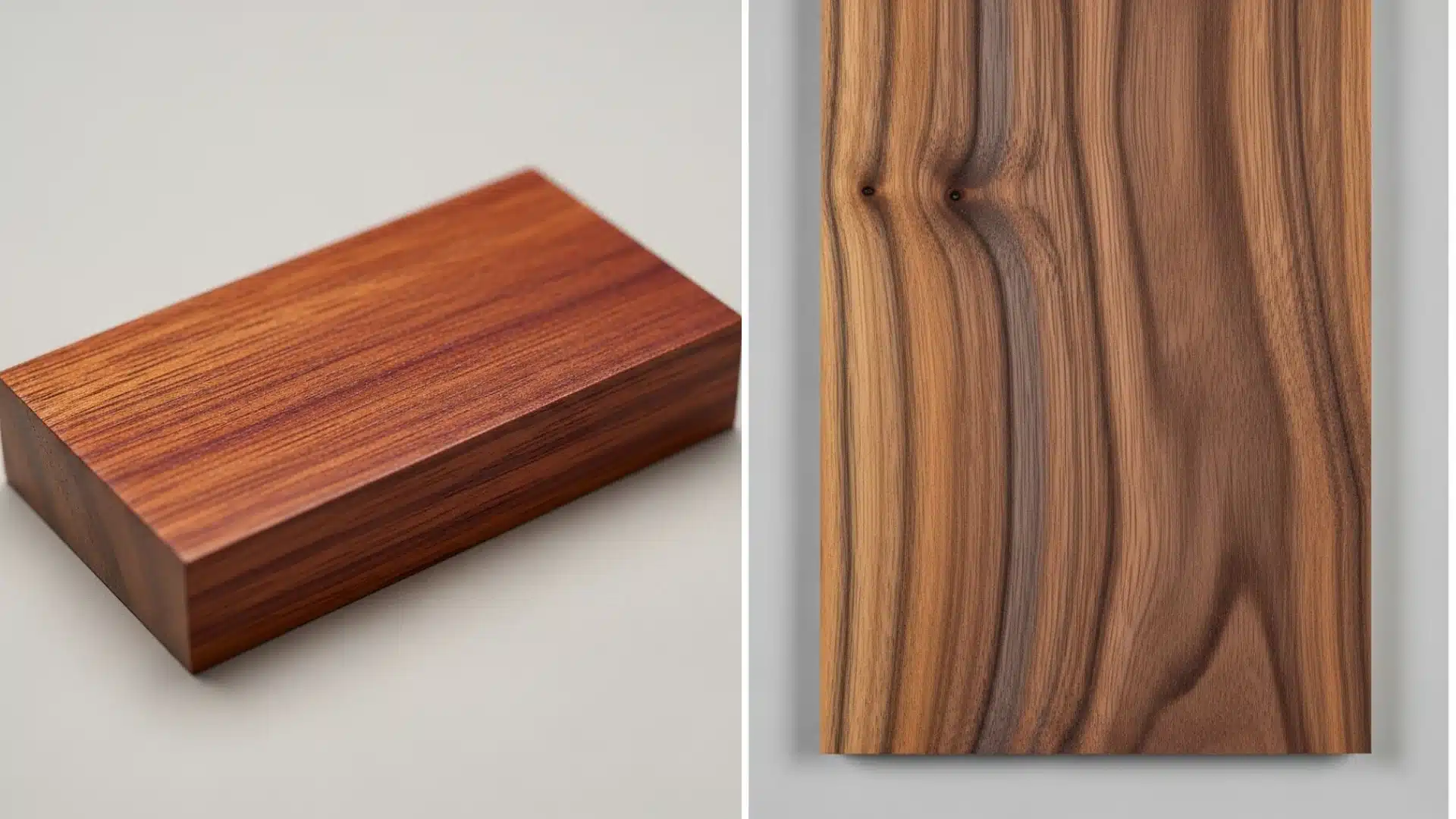
To me, walnut stands out for its rich chocolate-brown color, sometimes with purple undertones, and a grain that’s bold and varied, often swirling or figured.
Mahogany keeps to the red-brown family, offering a more uniform and subdued appearance.
While both are prized for fine woodworking, I find walnut’s dramatic grain and darker hues create a more contemporary or striking piece.
In contrast, mahogany’s even pattern and warm red tones lend a timeless, stately feel.
Mahogany vs Teak
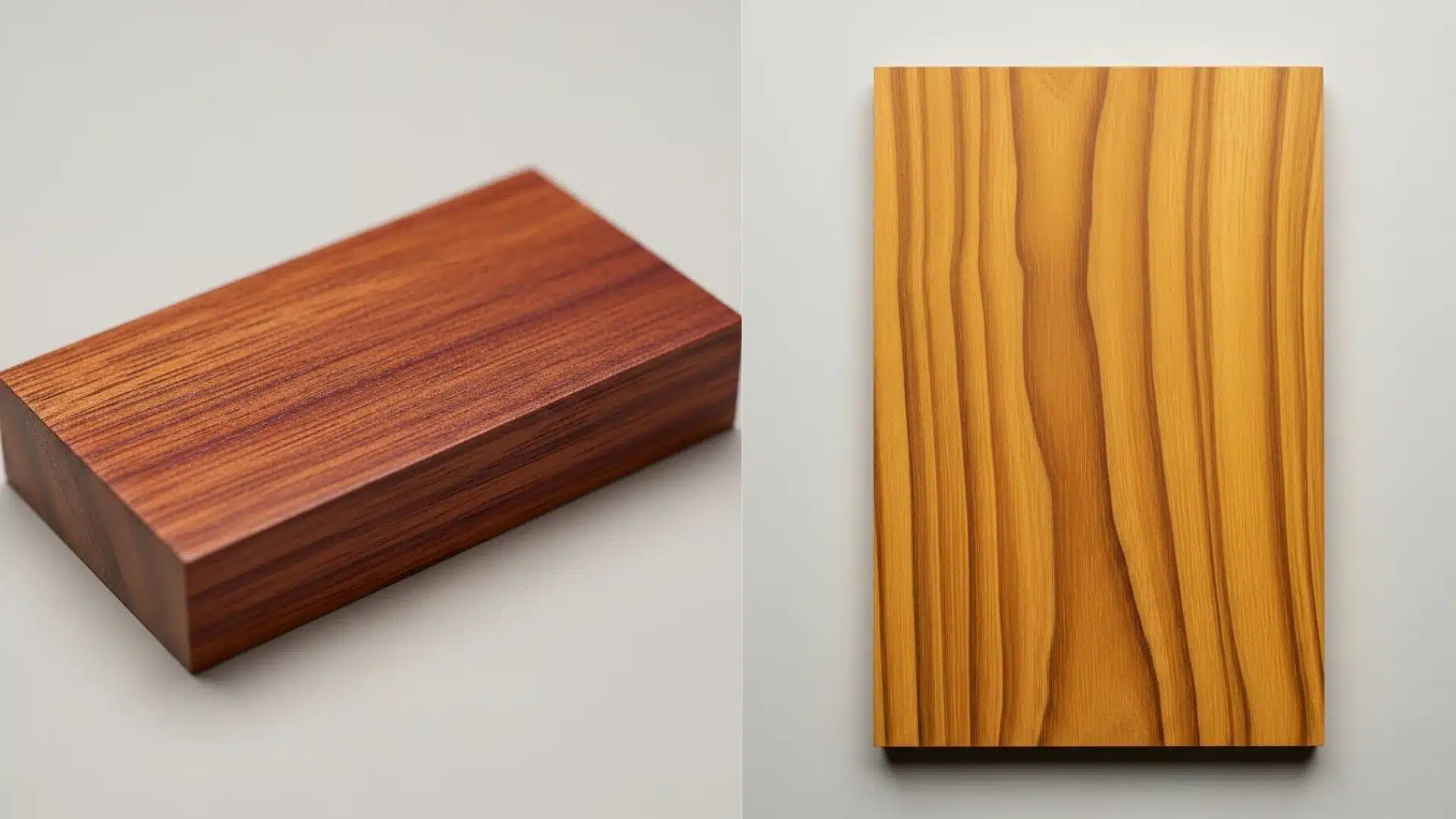
When comparing mahogany and teak, I appreciate teak’s golden-yellow undertones, which eventually weather to a silvery-gray if left unfinished outdoors.
Mahogany, however, maintains its warm red character throughout its life, deepening slightly with age but never losing that signature reddish glow.
Teak’s oily texture and color shift make it ideal for outdoor use, while mahogany’s steady warmth suits classic interiors and heirloom furniture.
Mahogany vs Rosewood
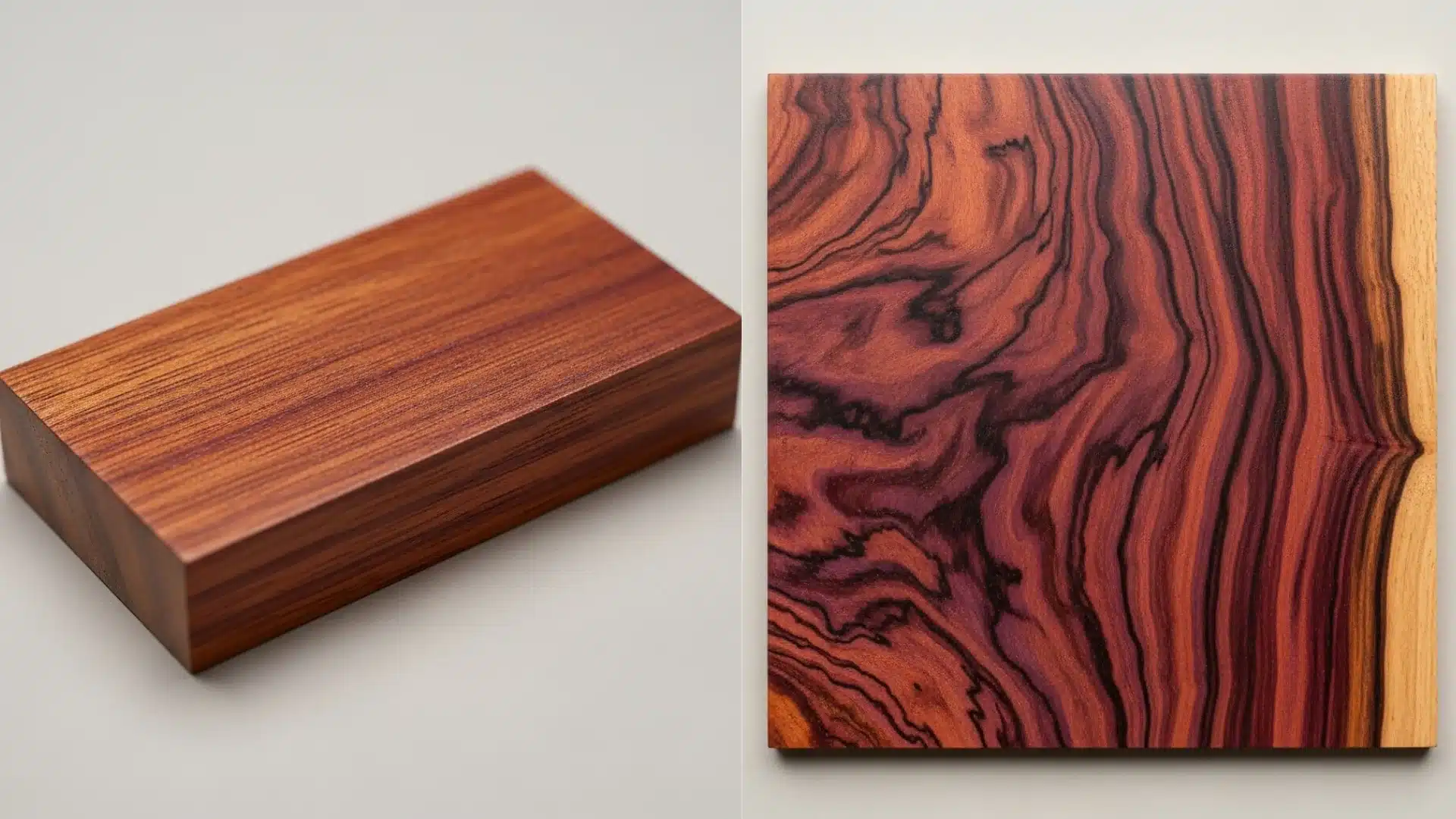
Working with rosewood, I’m always struck by its dramatic, dark purples and blacks running through the grain, creating a bold, exotic appearance.
Mahogany offers more consistent, warmer reddish-brown tones with a straighter grain, giving a refined and elegant look.
While rosewood is chosen for its striking visual impact, especially in musical instruments and luxury items, mahogany’s uniformity and warmth make it my go-to for traditional, high-end furniture.
How to Identify Mahogany Wood?
To identify mahogany wood, look for these key features:
- Color: Reddish to pinkish-brown hues that darken over time to a rich reddish-brown.
- Grain: Straight, fine, and mostly uniform with few knots or voids; may show a subtle wavy or curly pattern.
- Texture: Smooth and slightly oily when polished, displaying a red sheen.
- End Grain: Often shows rows of small reddish-brown slits called “ripple marks” (marginal parenchyma), typical of true mahogany species (Swietenia genus).
- Durability: Known for good stability, workability, and moderate rot resistance.
Real mahogany is denser and more stable than many lookalikes but varies in shade and grain depending on growth conditions.
Common Misconceptions About Mahogany’s Color
Let me clarify some rumors regarding the colour of mahogany.
1. It’s Not Necessarily Deep Red: As mahogany ages naturally and is exposed to light, it typically begins relatively pale, with pinkish or yellowish tones that eventually turn into richer colors.
2. It’s Different from Dark Cherry: Although both woods might seem reddish, mahogany has more consistent brown undertones, while cherry goes pure red as it ages and can get much darker.
3. Lighting Completely Changes its Appearance: Sometimes, the same piece of mahogany seems golden brown in warm light and deep burgundy in chilly lighting, which frequently confuses people.
4. Stain isn’t the Main Color Factor: Many people believe that staining is the primary source of color in mahogany; however, stains just enhance the rich tones that are already present in the wood.
5. Different Species of Mahogany Have Different Color Characteristics: There isn’t a single “mahogany color” that works for all sorts because African, Honduran, and Philippine mahogany each have their own specific color profiles.
Concluding
Mahogany’s color was never going to be a single hex code.
It’s a diverse color which makes it super easy to work with. And its warm character adapts beautifully to both subtle accents and bold statement pieces.
Whether you start with one accent piece or a full cabinetry run, mahogany is one of the few materials that actually improves with age instead of looking boring.
Frequently Asked Questions
1. Is it Possible to Paint Wood to Resemble Mahogany?
Indeed. Apply a clear topcoat after applying a warm base coat and a dark glaze.
2. To Which Color Family Does Mahogany Belong?
The reddish-brown family includes mahogany. It falls between red, brown, and orange tones.
3. Are Burgundy and Mahogany the Same?
No. Mahogany leans warm and brown. Whereas Burgundy has purple undertones and it looks bolder.