Stairs take more wear in a week than most walls take in a year, and standard wall paint peels off the edges of treads fast.
When you’re searching for the best paint for stairs, durability becomes everything.
You need the finish that can handle the daily foot traffic while still looking fresh months later.
Sherwin-Williams offers several excellent options that are specifically designed for high-traffic areas. These paints resist scuffs, clean up easily, and maintain their finish even with constant use.
Let’s look into some options.
Why Stairs Need a Different Paint Than Regular Floors or Walls
Stairs tend to fail at the edges, unlike floors and walls.
Each step contacts the edges first, causing the paint to wear down at the edge initially. Shoes drag grit across that same edge constantly. Treads also flex slightly underfoot, which cracks brittle wall paint.
Floors stay flat and rigid, so they take even, predictable wear. Walls take almost none.
Stairs combine both problems in one surface, plus full foot pressure in the same narrow spots, day after day.
That is why we need different paint for stairs than the regular paint for floor or wall.
What Makes a Paint Suitable for High-Traffic Stairs?
A can that says “durable” on the label doesn’t tell you much. What actually matters is what’s in the formula.
- Strong adhesion, so it grips without lifting at corners.
- A flexible film that moves with the wood instead of cracking.
- High abrasion resistance to survive grit and repeated scrubbing.
- Good block resistance, meaning it won’t stay tacky or lift under pressure.
- Fade resistance if the stairwell catches direct sun.
Miss any one of these and the paint may look fine on day one, then start coming off the surface.
Oil-Based, Latex, or Enamel – Which Paint Type to Choose?
Okay so oil-based paint cures into the hardest film and shrugs off scuffs longest, and this is why it’s still the pick for stair that see heavy daily use. Although there are certain things to know before choosing oil-based, which are longer dry time, stronger odor, and you need good ventilation while it cures.
Waterborne acrylic enamels like Emerald Urethane Trim Enamel close most of that durability gap now and dry fast enough that you’re not locking off the stairs for days.
Plain latex wall paint, even a good one, isn’t built for this at all.
If you want oil-level toughness without the fumes, a urethane-modified acrylic enamel is the middle ground.
One more thing worth knowing before you buy: recoat and cure times vary a lot by product.
Sherwin-Williams lists Duration as usable again about two hours after application, but full cure (the point where the film is at its hardest) takes closer to two to four weeks for most enamels.
So if you walk on it too soon and you’ll leave marks that don’t sand out easily.
Top Sherwin-Williams Paints for Stairs
Which one fits your stairs depends more on the component you’re painting (tread, riser, or railing) than on picking a single best can for the whole staircase.
1. Emerald Urethane Trim Enamel
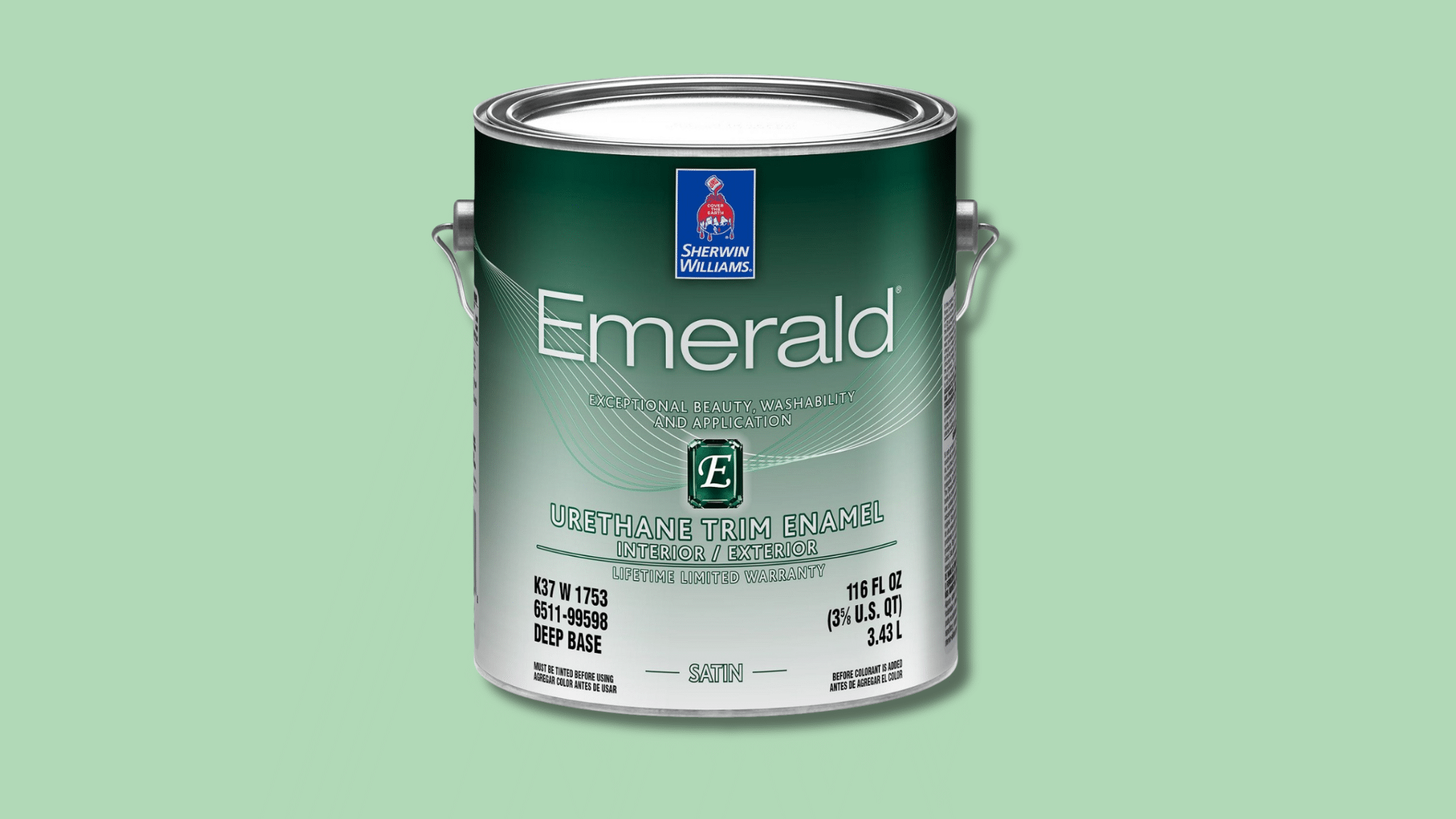
This is the heavy-duty champion for high-wear areas like stairs. It dries to a rock-hard finish that resists scuffs and also cleans up easily.
- Best finishes: Satin and semi-gloss for maximum durability
- Perfect for: Wood stairs or previously painted surfaces
- Key benefit: Low VOC formula with excellent washability
2. Duration Home Interior Acrylic Latex
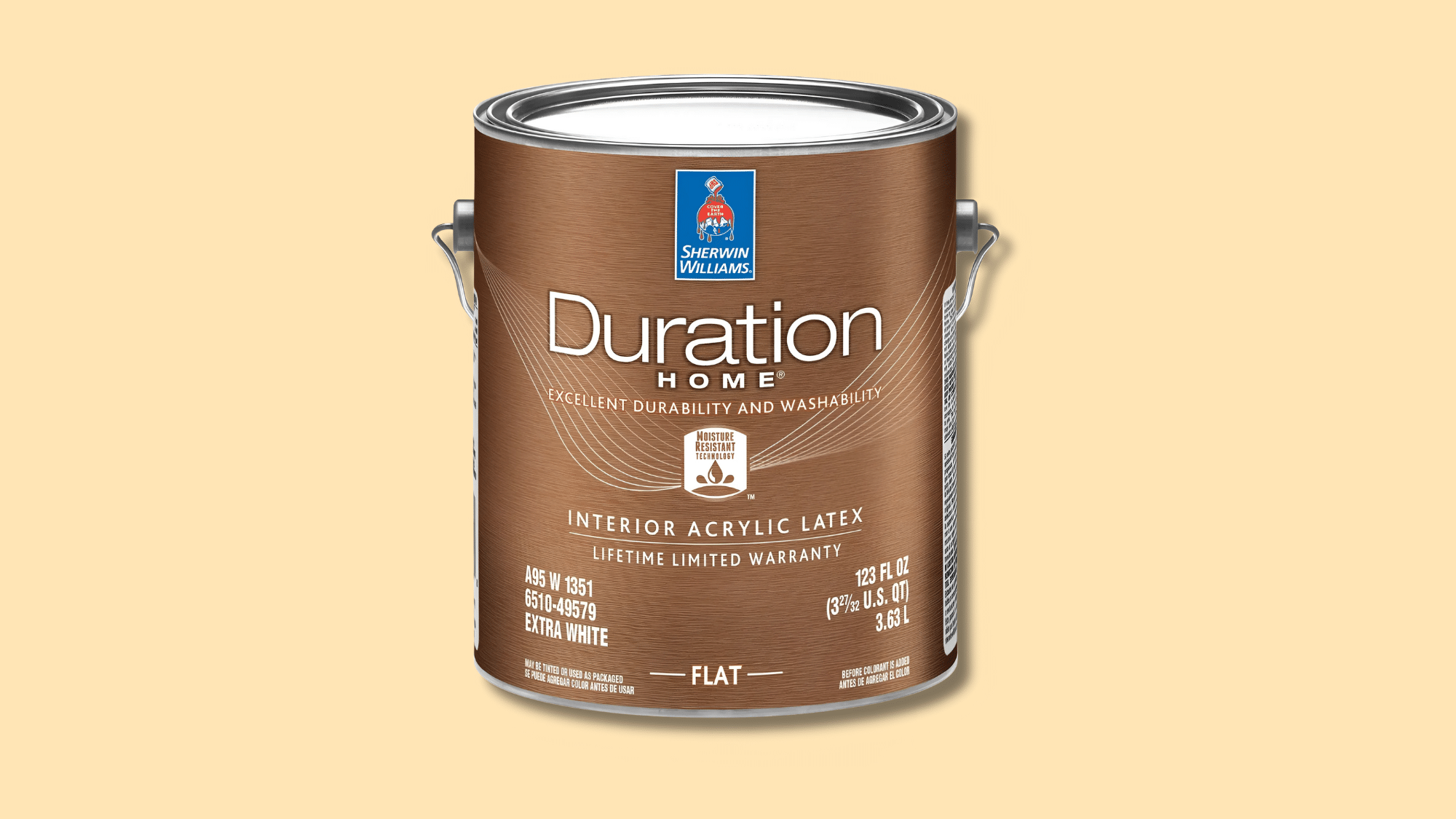
This is for busy families with kids and pets running around. This professional-grade paint blocks stains, resists mildew, and recoats quickly when you need touch-ups.
- Available finishes: Matte, satin, or semi-gloss (satin/semi-gloss recommended)
- Special features: Advanced stain-blocking and fast recoat time
- Ideal for: Active homes with heavy foot traffic
Sherwin-Williams rates the space usable again about two hours after painting, which matters if the stairs are the only way up to the bedrooms.
3. Emerald Interior Acrylic Latex
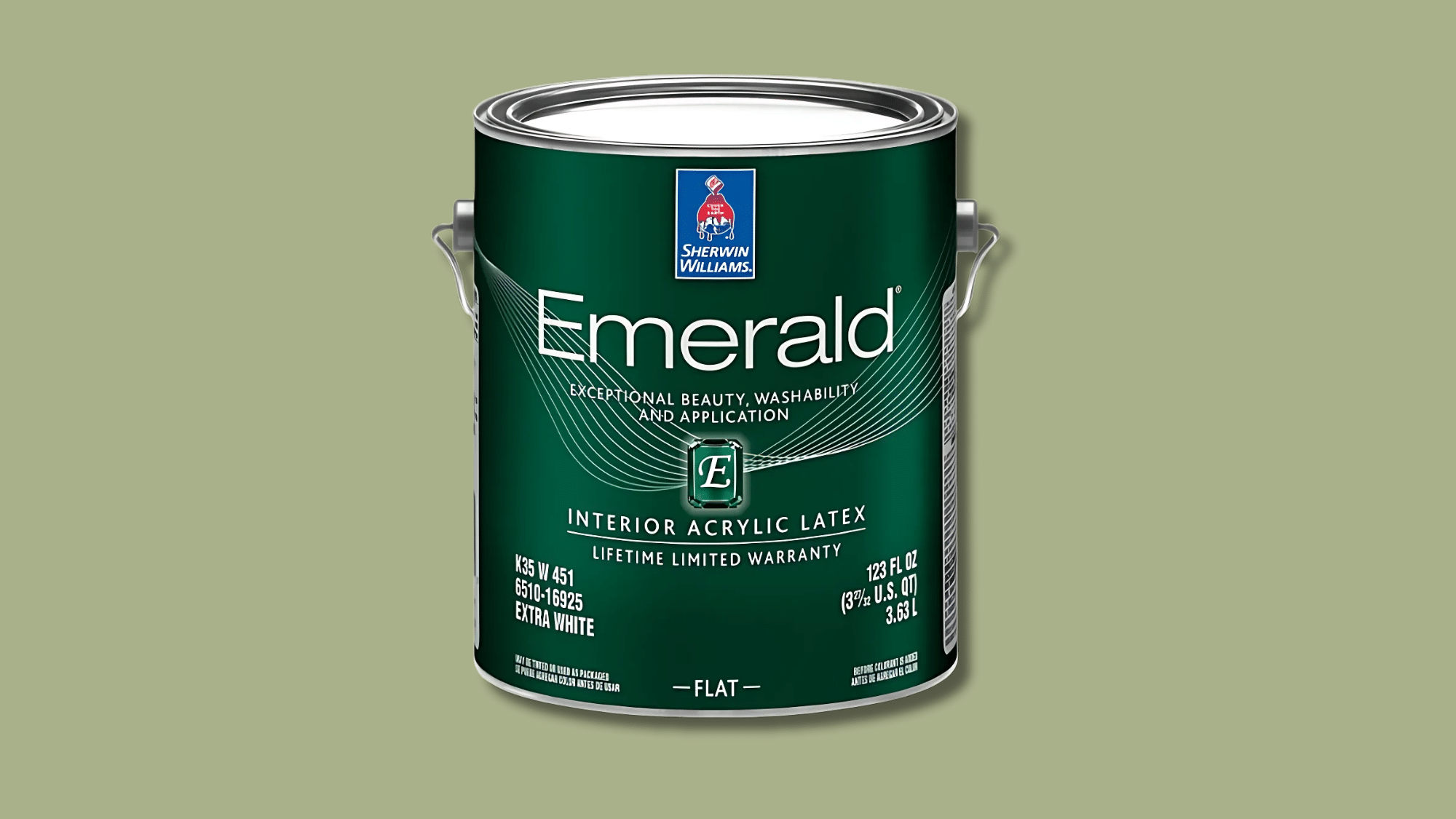
When you want style and strength working together, this is your go-to paint. It keeps colors looking fresh while fighting stains and mold.
- Standout features: Exceptional color retention and mold/mildew inhibitors
- Recommended finish: Satin for durability without excessive shine
- Best choice when: You want premium performance with style
4. Porch & Floor Enamel
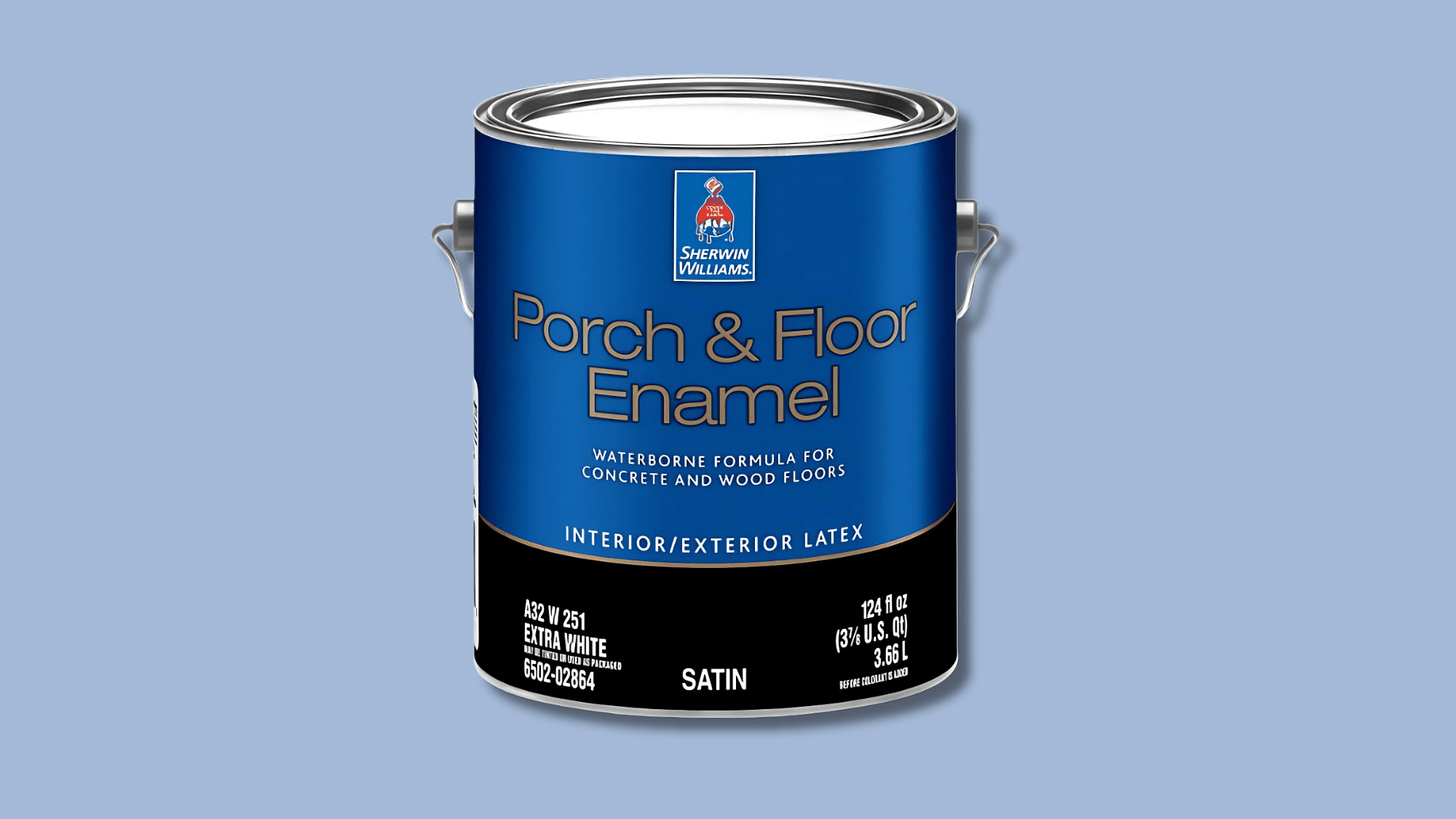
For stairs that take serious punishment in mudrooms or basements, this enamel delivers maximum protection.
It’s built specifically for floors, so it handles heavy foot traffic and offers slip resistance. Ask about the additive that gives it that grip, since it’s what separates a floor enamel from a standard trim paint on a surface where slipping is a real concern.
- Works on: Bare wood or concrete stairs
- Special benefits: Extreme durability and slip-resistant properties
- Use when: Stairs face maximum abuse or harsh conditions
Don’t Skip the Slip Test
A painted tread with a glossier sheen can get slick fast, especially in socks or when it’s wet from tracked-in rain.
If you have kids, pets, or anyone unsteady on their feet, ask your paint dealer about a non-slip additive that mixes into the final coat, or look at textured deck-and-floor formulas built with grit already in them.
Runners and grip strips work too, and they’re the easiest fix if you’ve already painted and don’t want to redo it.
Whatever you pick, don’t finish a tread in a full gloss without adding traction somewhere.
Best Finish for Stair Paint: Satin, Semi-Gloss, or Gloss?
Each finish changes how a stair reads it and how easily you can fix it later. Match the sheen to the part, not the whole staircase
| Finish | Sheen | Best for | Trade-off |
|---|---|---|---|
| Satin | Low | Treads, stairwells | Touch-ups hide well; less scrubbable |
| Semi-Gloss | Medium | Risers, handrails | Wipes clean; repairs can flash |
| Gloss | High | Dark, narrow stairs | Cures hardest; shows every dip |
For more on how each sheen behaves outside of stairs, see our guide on types of paint finishes.
Skip Matte Finish, and Pick a Color That Hides Footprints
Skip matte on treads. It shows every scuff and can’t take repeated cleaning.
Satin is the sweet spot, enough sheen to wipe down, not so much that it turns into a skating rink.
Semi-gloss is more durable but broadcasts every imperfection and gets slippery underfoot.
When it comes to color, mid-tone colors like grays, warm beiges, and muted blues do the best job of hiding dirt and footprints. Avoid pure white or black since they highlight every scuff.
Should You Apply a Protective Clear Coat?
On treads, yes. A clear water-based polyurethane adds a sacrificial layer that takes the abrasion so the color coat doesn’t. It also lets you refresh grip without repainting the whole step.
Skip it on risers, where there’s no wear to protect against.
Choose non-yellowing polycrylic over lighter colors, since oil-based topcoats amber with age.
Two thin coats beat one thick one. Let the paint cure fully first, or the topcoat can cloud and peel.
If you're refinishing wood elsewhere in the house at the same time, our wood sealer comparison covers how these same topcoats behave on furniture.
Application Tips for Longevity (Prep is What Actually Determines This)
Surface Preparation: Cleaning and Sanding
- Clean stairs thoroughly with degreaser to remove dirt, oils, and grime.
- Sand glossy surfaces lightly with 220-grit sandpaper for better adhesion.
- Fill any holes or cracks with wood filler and let it dry completely.
- Vacuum all dust and wipe down with tack cloth before painting.
When and Why to Use Primer
- Always prime bare wood or previously stained stairs.
- Use primer when switching from dark to light colors.
- Skip primer only if using high-quality paint over similar existing paint.
Tips for Smooth Results
- Use a high-quality angled brush for edges and a small roller for flat areas.
- Apply thin, even coats rather than one thick coat.
- Allow full drying time between coats (usually 4-6 hours minimum). For a full breakdown of dry times by paint type and weather, see how long paint takes to dry.
- Paint in good lighting to catch missed spots and drips immediately.
How Long Does Stair Paint Last?
Expect three to five years on treads before a recoat, less on a busy staircase with kids or pets.
Risers and handrails go far longer, often a decade, since nothing grinds against them. A clear topcoat pushes tread life toward the high end. Color choice plays a part too, as mid-tones mask wear longer than stark shades.
Prep quality matters most of all. Skimp on cleaning or priming and even the best paint lifts within a season.
Final Thoughts
A stairway gets more daily contact than almost any other surface in the house.
Pick the right product for the part you’re painting, prep it properly, and it’ll last.
Frequently Asked Questions (FAQ’s)
1. Do I Need to Sand Stairs Before Painting?
Yes. Scuff-sand glossy or old surfaces so the new paint grips properly.
2. Can I Paint over Stained or Varnished Stairs?
Yes, but degloss and use a bonding primer first, or the paint will peel.
3. How Many Coats of Paint Do Stairs Need?
Two thin coats on treads, sometimes three in high-wear or high-traffic spots.
4. Can You Paint Just the Risers and Leave Treads Bare?
Yes. Painted risers with natural wood treads is a popular, low-wear combination.
5. What’s the Best Paint Color to Hide Dirt on Stairs?
Mid-tone greige, taupe, or charcoal hide footprints and dust far better.
6. Will Painted Stairs Get Slippery?
Glossier sheens can, especially in socks or when wet. Adding a non-slip additive to the final coat, or using textured runners on treads, cuts the risk without changing the look much.