Buying or selling property in Hawaii can feel very different from completing a real estate transaction on the mainland. Limited land, island-specific neighborhoods, environmental conditions, condominium rules, and state tax requirements can all influence a deal. Whether someone is purchasing a permanent home, investing in property, or preparing to sell, understanding these differences early can prevent expensive surprises. Successful transactions usually begin with careful research and professionals familiar with Hawaii’s particular real estate landscape.
Understand the Market Before Making a Move
Hawaii is not one uniform real estate market. Conditions can vary considerably between islands and even between communities located relatively close to one another.
A buyer looking at an urban condominium may have completely different priorities from someone considering a rural property or single-family home. Access to employment, beaches, schools, healthcare, shopping, and transportation can all influence demand.
Buyers should research recent comparable sales rather than relying entirely on asking prices. They should also consider homeowners association fees, property taxes, insurance, maintenance expenses, and potential repairs when deciding what they can comfortably afford.
Sellers benefit from similar research. Setting an unrealistic asking price can leave a property sitting on the market, while pricing without understanding local demand could mean accepting less than necessary.
Local knowledge is particularly useful because two visually similar properties may have very different values based on location, views, condition, zoning, or community characteristics.
Prepare for Hawaii-Specific Tax Considerations
Taxes deserve attention well before a seller reaches the closing table, particularly when the owner does not reside in Hawaii.
One important step for an out-of-state owner is understanding Hawaii’s HARPTA withholding law before listing a property. Under Hawaii law, buyers generally must withhold 7.25% of the amount realized when Hawaii real property is sold by a nonresident person and remit the withholding to the state. The system is designed to help ensure compliance with Hawaii income-tax obligations.
The withholding should not automatically be interpreted as the seller’s final tax bill. Depending on the circumstances, exemptions, reduced withholding, or refunds may be available through the appropriate state procedures and forms.
Because residency status, gains, ownership structure, and other details can change the tax picture, sellers should discuss their individual circumstances with an appropriate tax professional before closing rather than making assumptions about how much money they will receive.
Look Beyond the Purchase Price
The listed price is only one component of owning real estate in Hawaii.
Buyers should develop a realistic picture of ongoing expenses. Insurance can be particularly important because risks vary according to location and property type. Maintenance costs also deserve careful consideration, especially when buildings are regularly exposed to humidity, salt air, strong sunlight, wind, and other environmental conditions.
Condominium buyers have additional homework.
Monthly association fees may cover certain shared services and amenities, but buyers should understand exactly what is included. Reviewing budgets, reserve information, governing documents, insurance arrangements, and information about anticipated projects can reveal obligations that are not obvious during a showing.
A property that initially appears affordable can become considerably less attractive once its complete ownership costs are calculated.
Take Property Inspections Seriously

A beautiful ocean view should not distract buyers from what is happening inside the walls or beneath the roof.
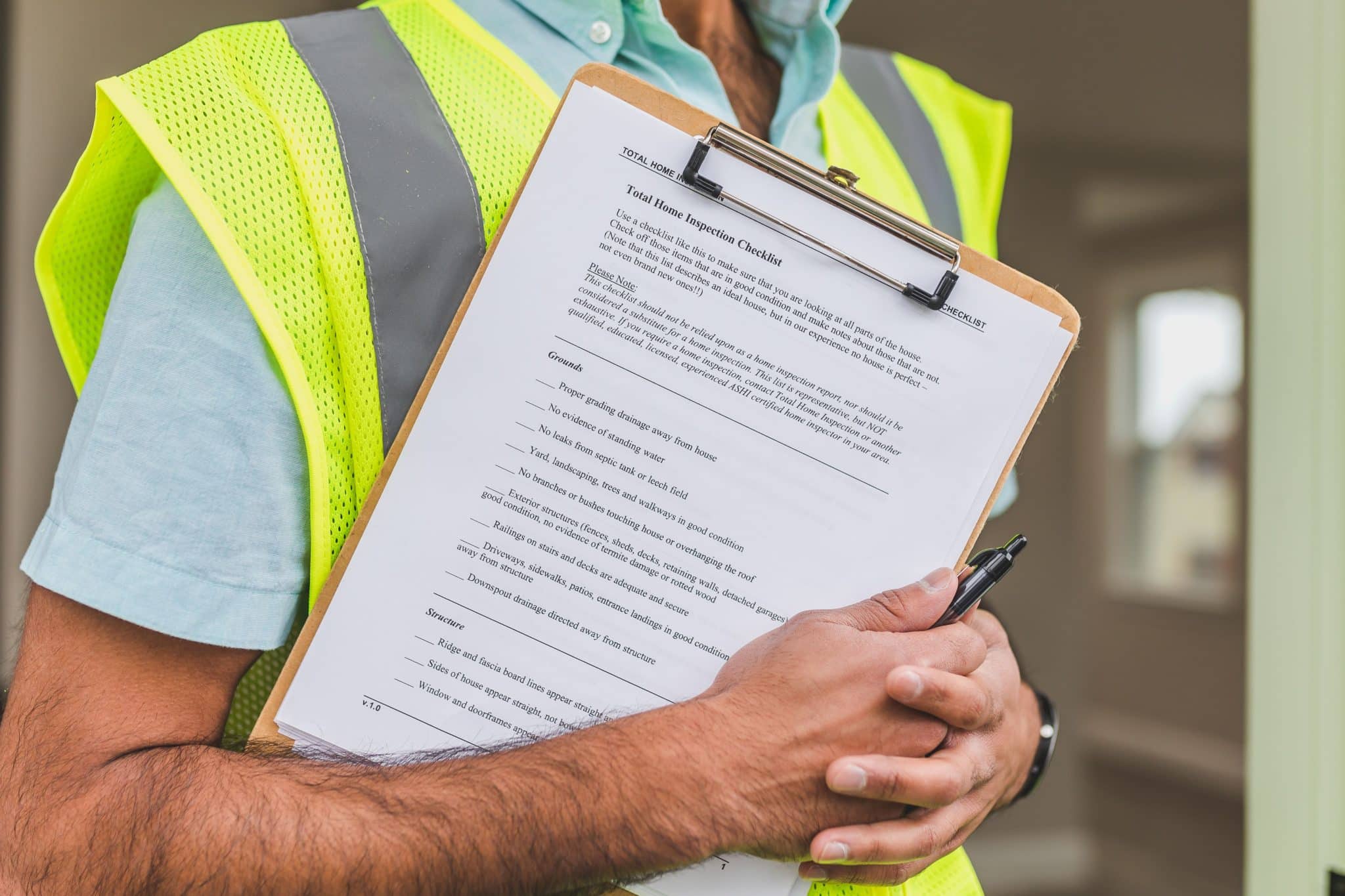
Professional inspections can help identify problems involving plumbing, electrical systems, roofing, moisture, structural components, appliances, or other areas of the property.
Hawaii’s climate makes careful evaluation particularly useful. Moisture, corrosion, pests, and weather exposure can affect buildings differently depending on construction, maintenance, age, and location.
Buyers should also pay attention to drainage, landscaping, retaining structures, and other exterior features when relevant.
An inspection does not necessarily mean walking away whenever a problem appears. Instead, it provides information that can help buyers evaluate repair costs and decide whether the property still makes financial sense.
Sellers can benefit from addressing obvious maintenance problems before listing because unresolved issues may become negotiating points later.
Understand the Rules Attached to the Property
Ownership does not always mean having complete freedom to use a property however you want.
Condominium associations and planned communities may have rules covering renovations, pets, parking, noise, exterior changes, and other activities.
Zoning and land-use regulations can also affect plans for expansion, additional structures, or other modifications.
Investors need to be particularly cautious about assumptions involving rentals. Someone purchasing a property with plans to generate short-term rental income should verify that the intended use is legally permitted rather than relying on an existing online listing or a seller’s informal description.
Buyers should investigate restrictions during due diligence, when they still have an opportunity to evaluate whether the property fits their goals.
Understanding the rules before buying is much easier than discovering afterward that an important plan cannot be carried out.
Make the Property Appealing Before Selling
Presentation can influence how quickly buyers connect with a property.
Sellers do not necessarily need to complete an expensive renovation. Small improvements can sometimes make a substantial difference.
Repair obvious defects, remove unnecessary clutter, clean thoroughly, improve lighting, and make outdoor areas presentable. Fresh paint or minor maintenance may also help when rooms appear worn.
Photography matters because many buyers begin their search online, including people who may currently live outside Hawaii. Clear images should help them understand the home’s layout, condition, outdoor spaces, and notable features.
Sellers should also provide accurate information rather than attempting to hide imperfections.
A well-prepared property does not need to appear flawless. It should make it easy for potential buyers to understand what they are purchasing and imagine how the space could work for them.
Build a Team That Understands Local Transactions
Real estate transactions involve multiple professionals, and Hawaii-specific experience can be particularly valuable.
A knowledgeable real estate professional can help buyers understand neighborhoods, comparable properties, negotiations, and transaction practices. Sellers may benefit from assistance with pricing, marketing, offers, and closing preparation.
Other professionals can become important depending on the transaction.
Inspectors evaluate property condition. Lenders help buyers understand financing. Escrow and title professionals handle essential parts of the transfer process. Attorneys or tax professionals may be needed when legal, ownership, estate, or taxation questions become complicated.
Nonresident sellers should be especially careful about tax planning because withholding requirements can affect expected proceeds at closing.
The objective is not to hire as many people as possible. It is to know when specialized expertise can prevent a costly mistake.
Plan for the Transaction Before Closing Day
Good real estate decisions are usually made long before documents are signed.
Buyers should clarify financing, review disclosures, complete inspections, investigate restrictions, understand recurring expenses, and maintain enough financial flexibility for repairs or unexpected costs.
Sellers should organize ownership documents, prepare the property, understand potential taxes, gather records related to improvements, and estimate their likely net proceeds.
Keeping detailed records can be especially valuable when establishing a property’s tax basis or documenting capital improvements.
Both sides should also avoid treating the closing date as the only deadline that matters. Financing requirements, inspections, document reviews, tax forms, and other transaction steps may have their own timelines.
Buying or selling real estate in Hawaii can involve additional layers of planning, but those details become much more manageable when addressed early. By understanding the market, examining the full cost of ownership, researching property restrictions, preparing for state tax requirements, and working with experienced professionals, buyers and sellers can approach a Hawaii real estate transaction with fewer surprises and greater confidence.