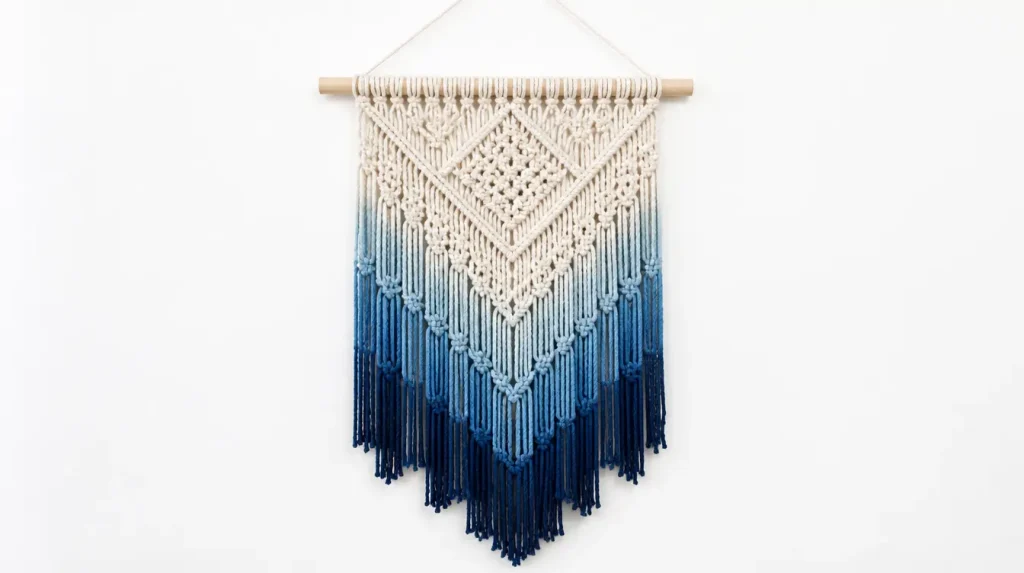
Macrame is a simple craft made by tying cords into different knots to build both decorative and useful pieces.
With the right patterns, you can make everything from wall art and plant hangers to jewelry, home accents, and storage pieces.
Some designs are easy for beginners, while others take more time and practice with the knots. Picking a pattern that matches your skill level and the type of project you want makes the whole process much smoother.
Whether the goal is decorating a room or wearing something handmade, there’s no shortage of designs to try out.
What Do You Need to Start Macrame?
Before picking a pattern, gather the basic supplies first. Bigger or more detailed projects may require a few extra materials, depending on size and purpose.
1. Macrame cord
2. Scissors
3. Measuring tape
4. Wooden dowel, rod, or hoop
5. Comb or fringe brush
6. Beads or rings when needed
Basic Macrame Knots to Learn First
A few basic knots go a long way before jumping into bigger macrame projects. Many designs use these same patterns, and mixing them creates different textures, shapes, and decorative details.
1. Square Knot
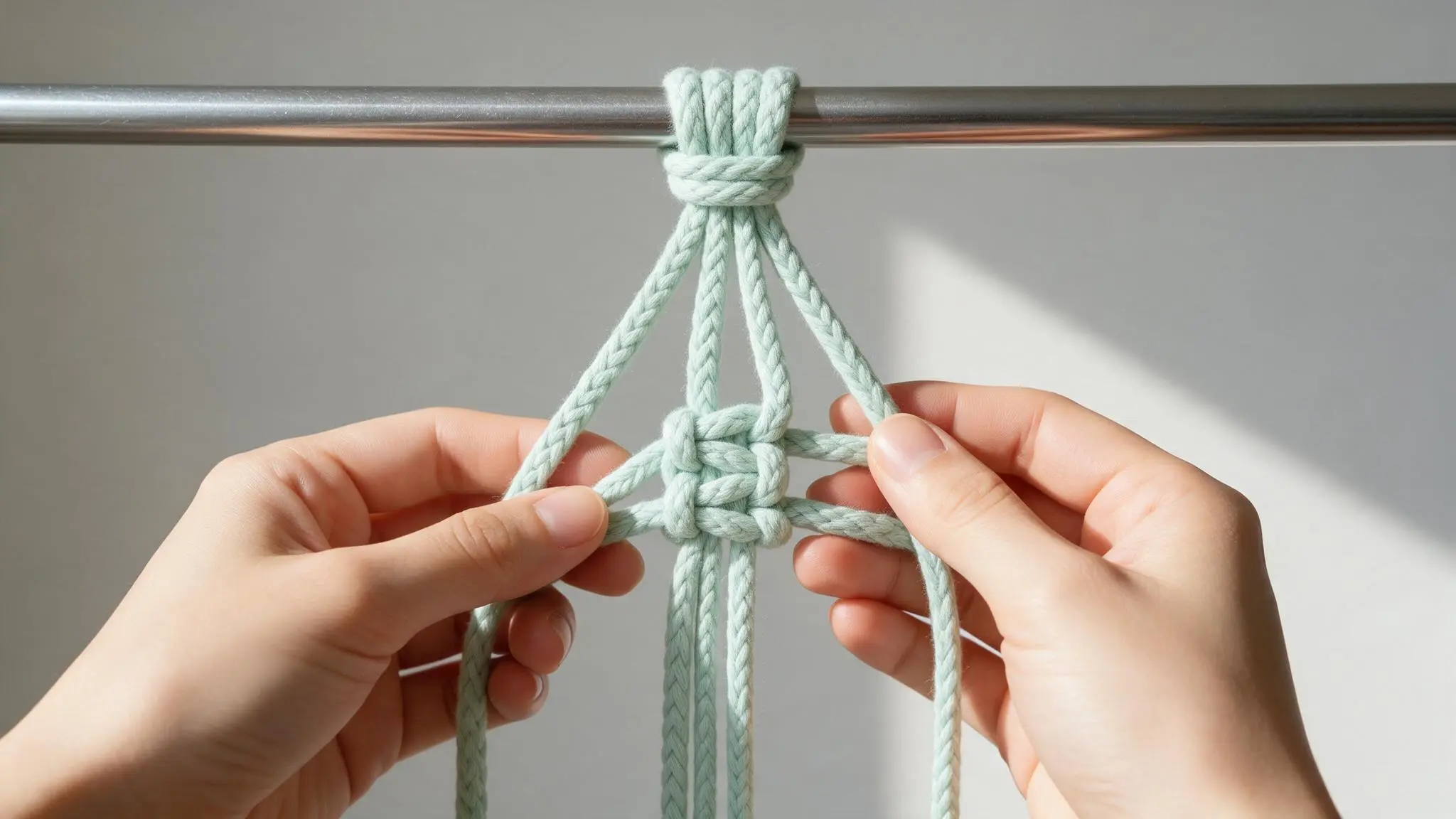
The square knot creates a flat, repeating pattern and is one of the most common knots in macrame.
Wall hangings, plant hangers, bracelets, and other projects often use it. Once it clicks, repeating it easily builds neat, even designs.
2. Spiral Knot
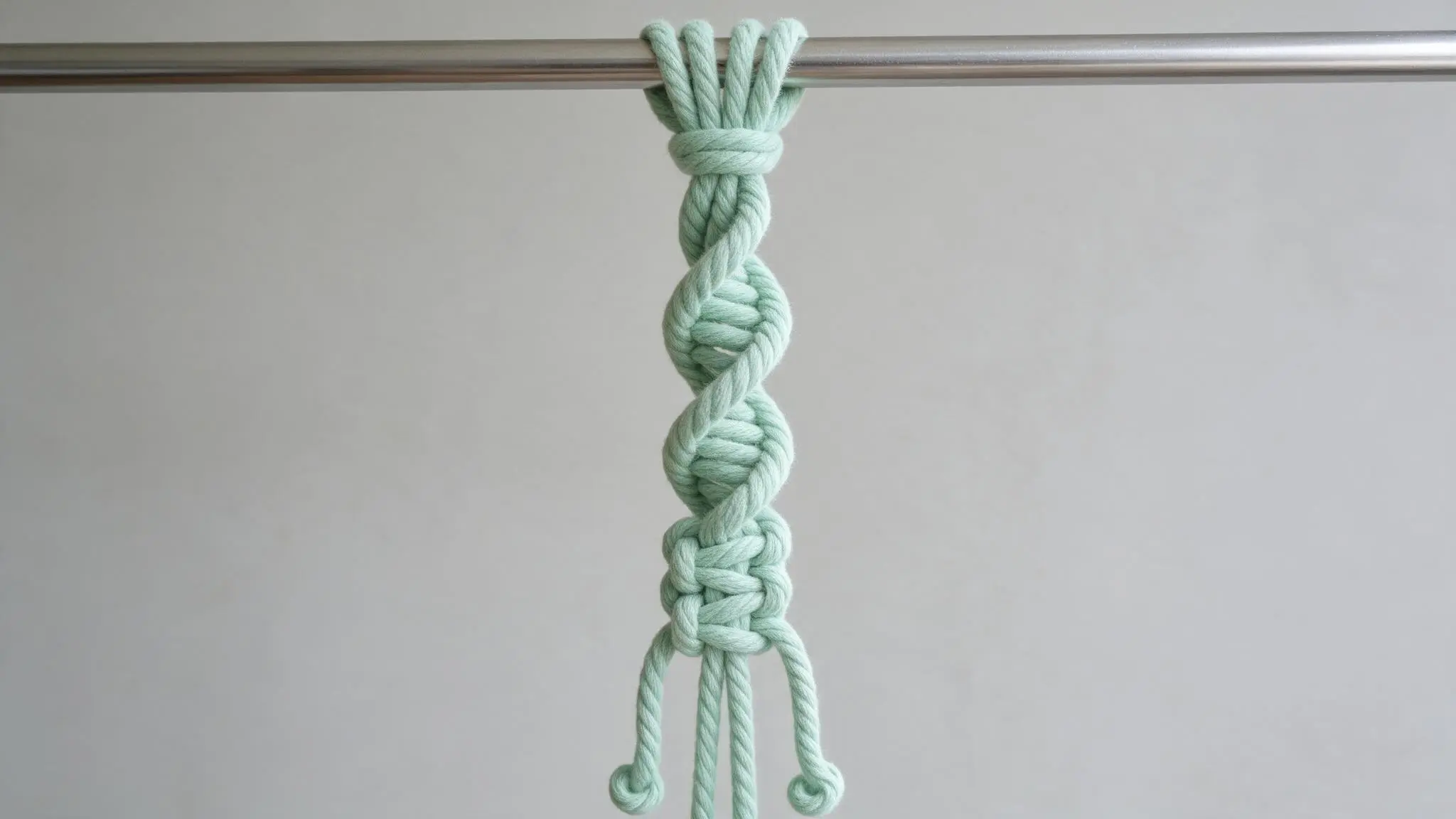
The spiral knot gets its twisted, rope-like look from the way the knots naturally turn around the cords.
This adds movement and texture to a macrame piece without requiring any complicated technique. Plant hangers, bracelets, keychains, and decorative hanging projects all suit this pattern well.
3. Half Hitch Knot
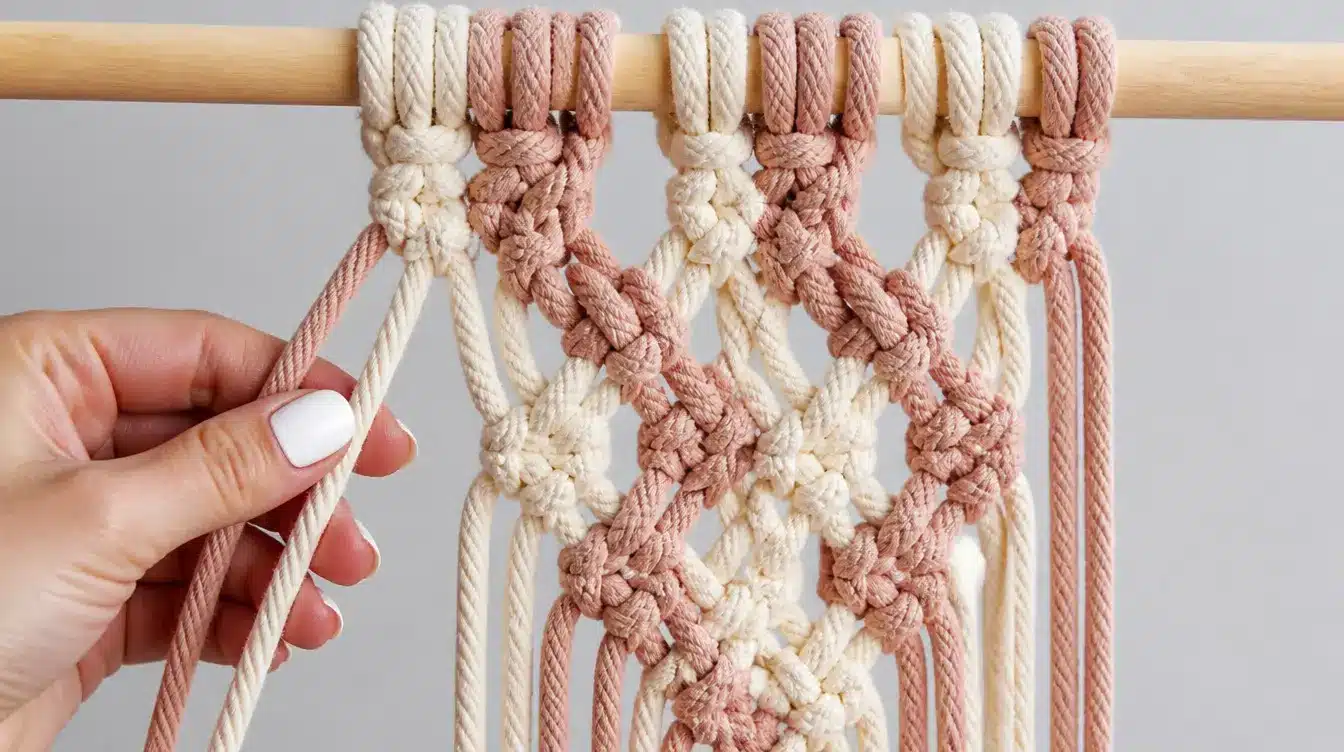
The half hitch knot is behind most of the lines, curves, and detailed shapes in macrame. Different patterns and outlines take shape just by changing the direction of the working cord.
Wall hangings and other projects needing structured decorative details often use this one.
4. Lark’s Head Knot
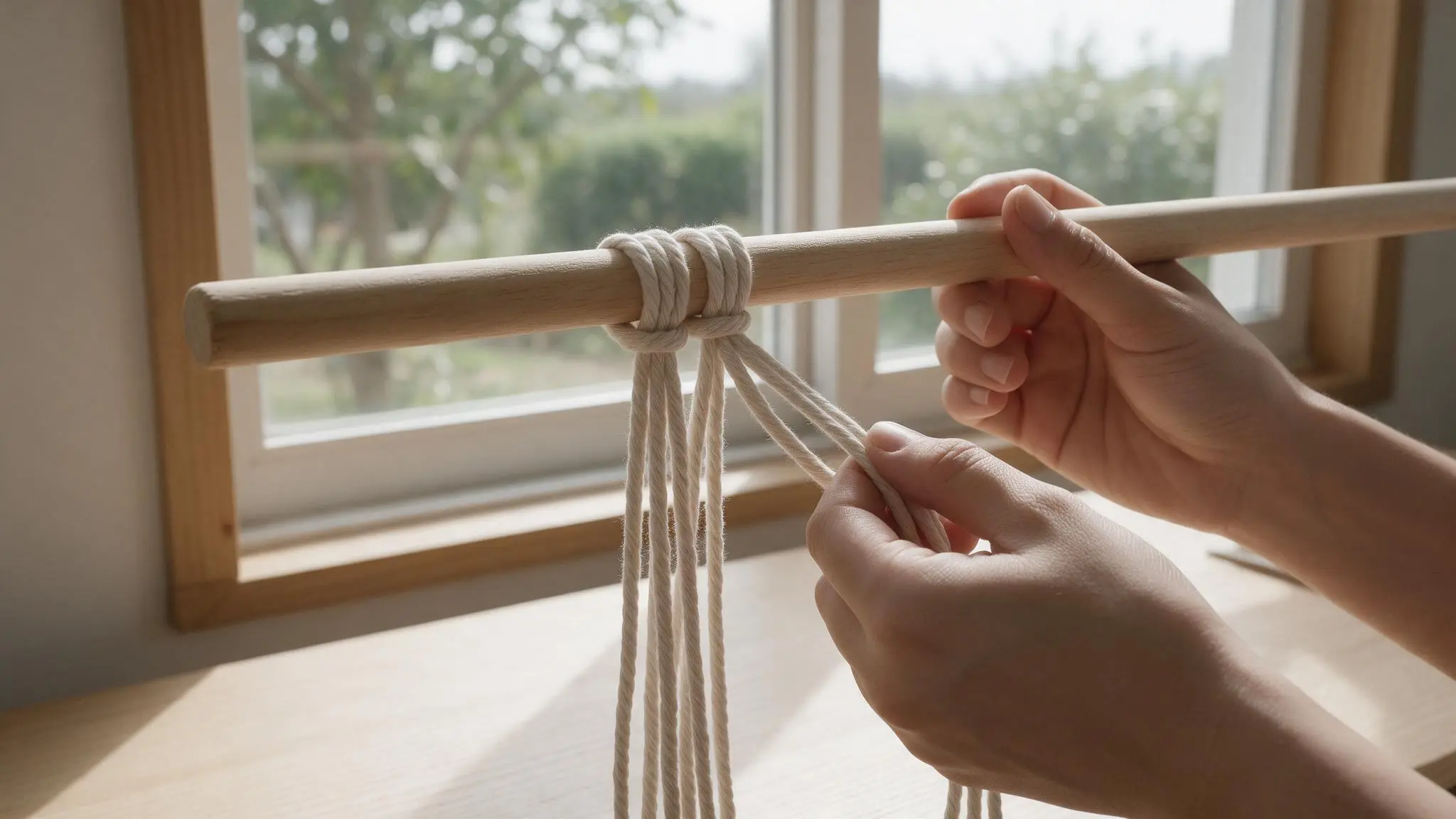
The lark’s head knot is most often used to attach macrame cords to a wooden dowel, ring, or rod.
It provides a secure starting point and is simple enough to learn quickly. Wall hangings, plant hangers, and similar projects often start with this exact knot.
5. Clove Hitch Knot
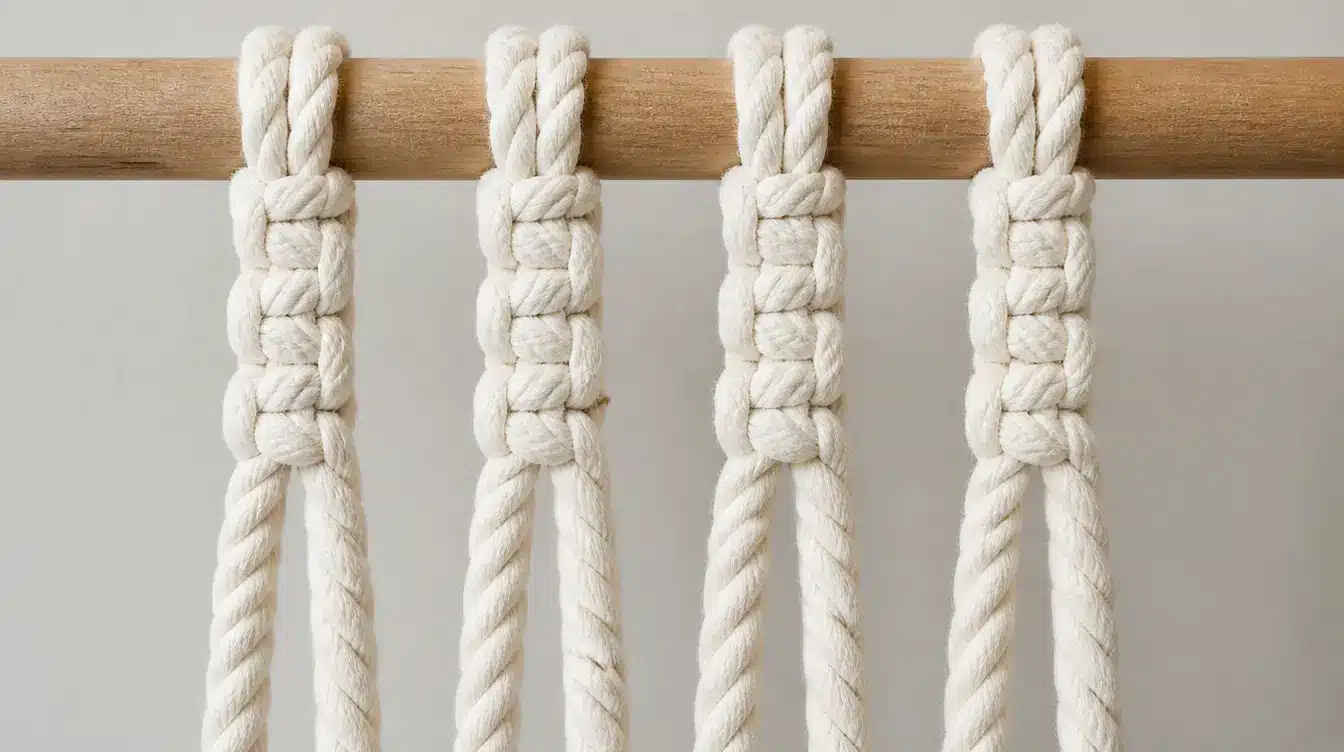
The clove hitch knot is used for straight lines and defined sections in a macrame design. Structure and visual texture build up in the work the more this knot repeats.
Wall hangings and other larger macrame projects use it often for decorative detail.
Macrame Patterns to Try at Home
These patterns cover a mix of wall art, plant displays, accessories, home pieces, and everyday projects, giving plenty of options for the next knotting session.
6. Macrame Wall Hanging
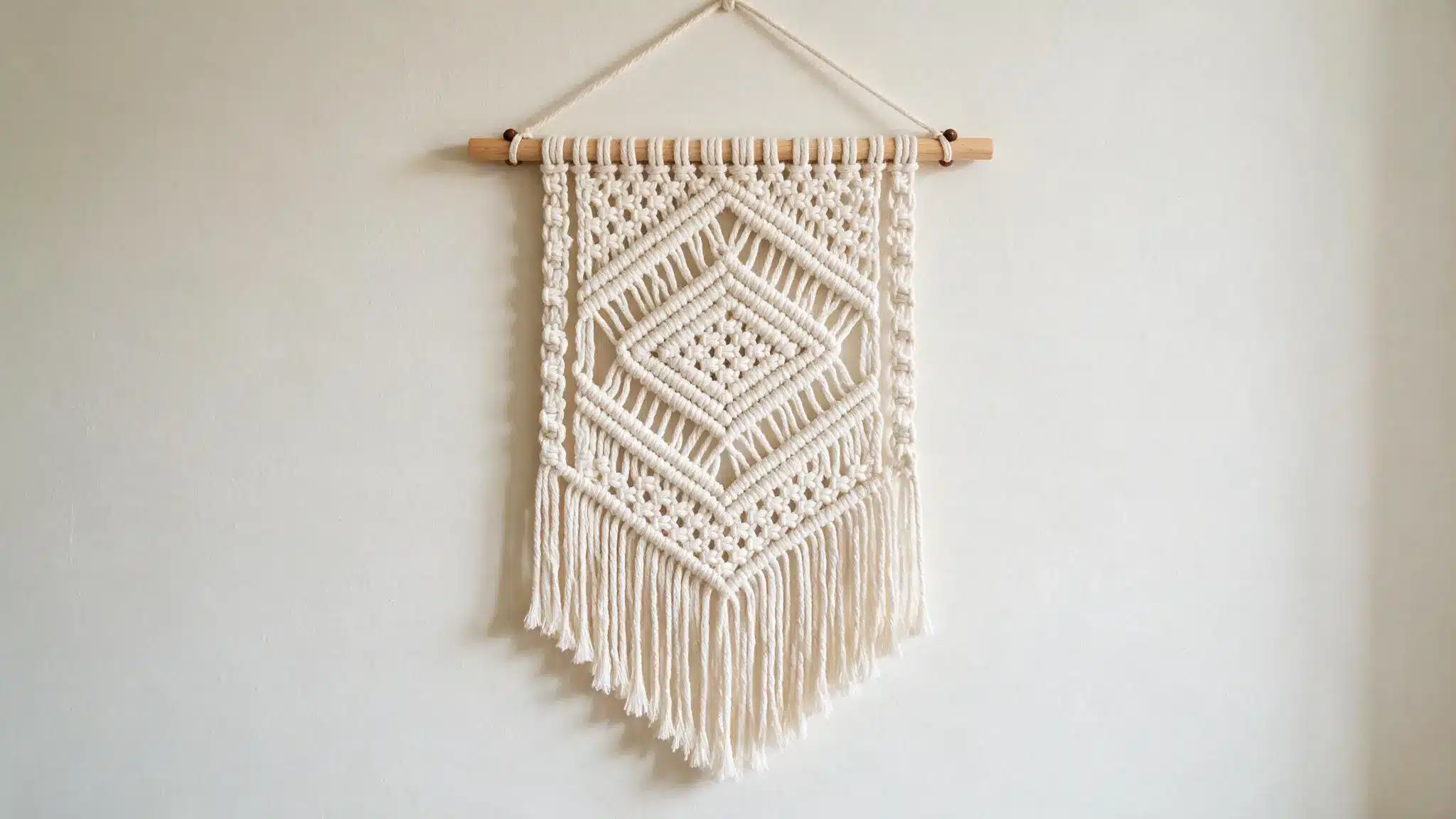
A wall hanging is the best way to bring handmade texture to a blank wall. A small design fits a narrow space just fine, while a bigger pattern creates a stronger focal point.
Cord thickness, knot combinations, and fringe length all shift the final look. A wooden dowel or a real branch finishes things off with a natural touch.
7. Macrame Plant Hanger
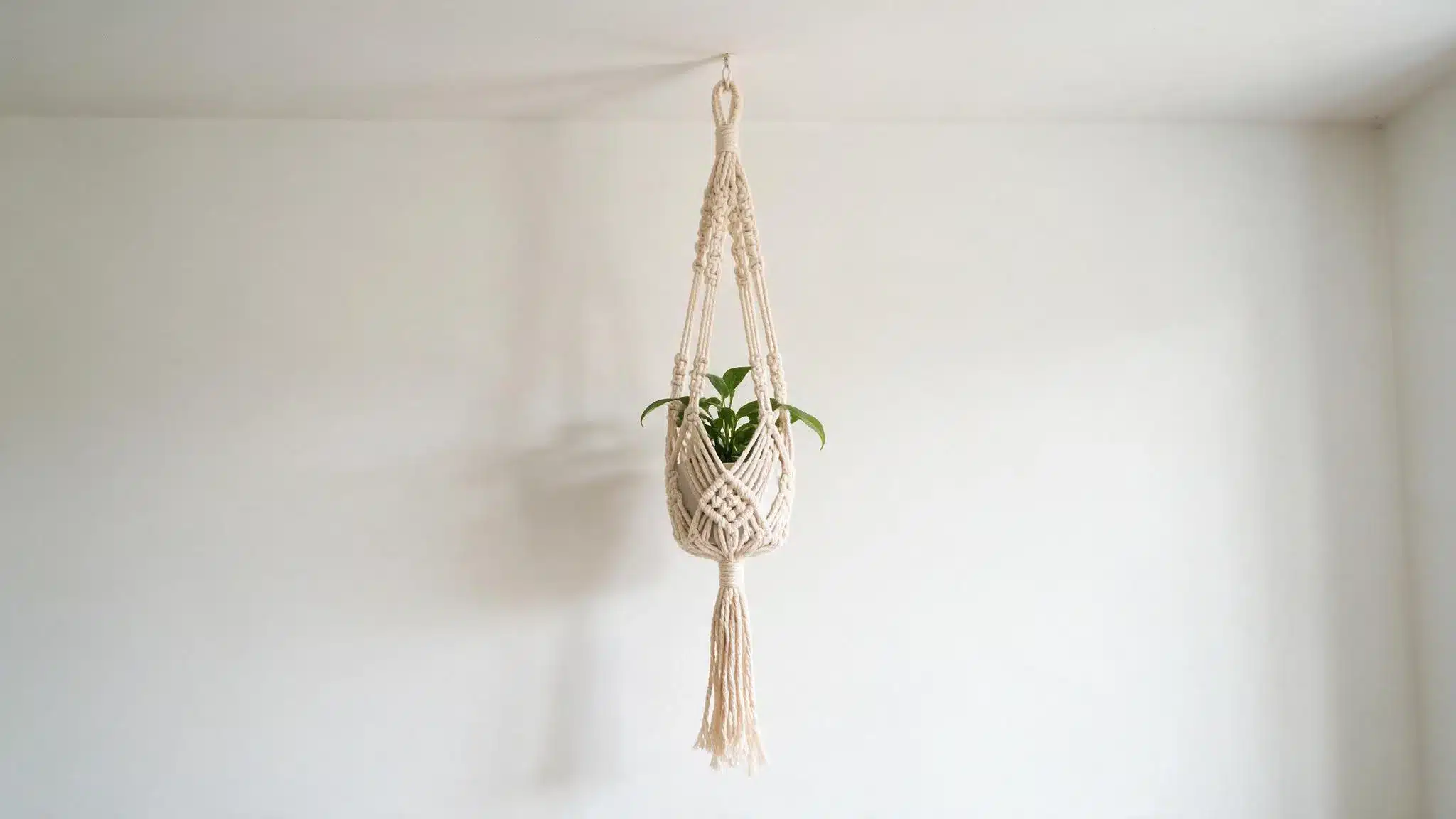
Plants get a decorative spot to hang, and the table or floor gets some breathing room back. Knotted cords usually meet at the top to hold the pot in place.
Beginners can keep it simple, while more experienced crafters might add extra knots and detailed sections throughout.
8. Macrame Dream Catcher
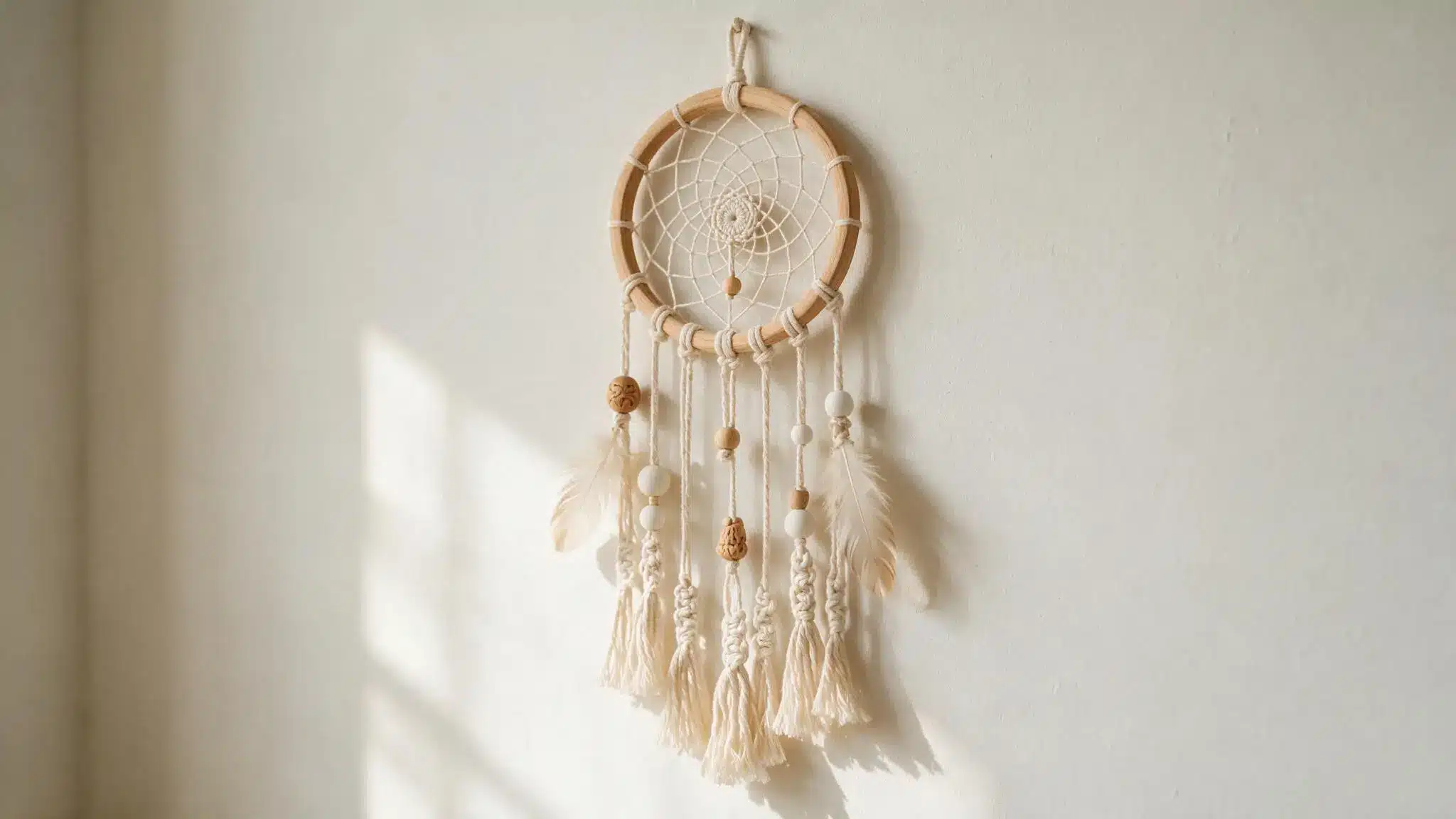
Knotted cord meets a circular hoop and becomes a piece of wall art on its own.
The center can stay simple or fill up with detailed knotwork, fringe, beads, feathers, or other small touches.
Bigger hoops make a bolder statement, while smaller ones fit nicely into bedrooms, reading corners, or tighter wall spaces.
9. Macrame Rainbow
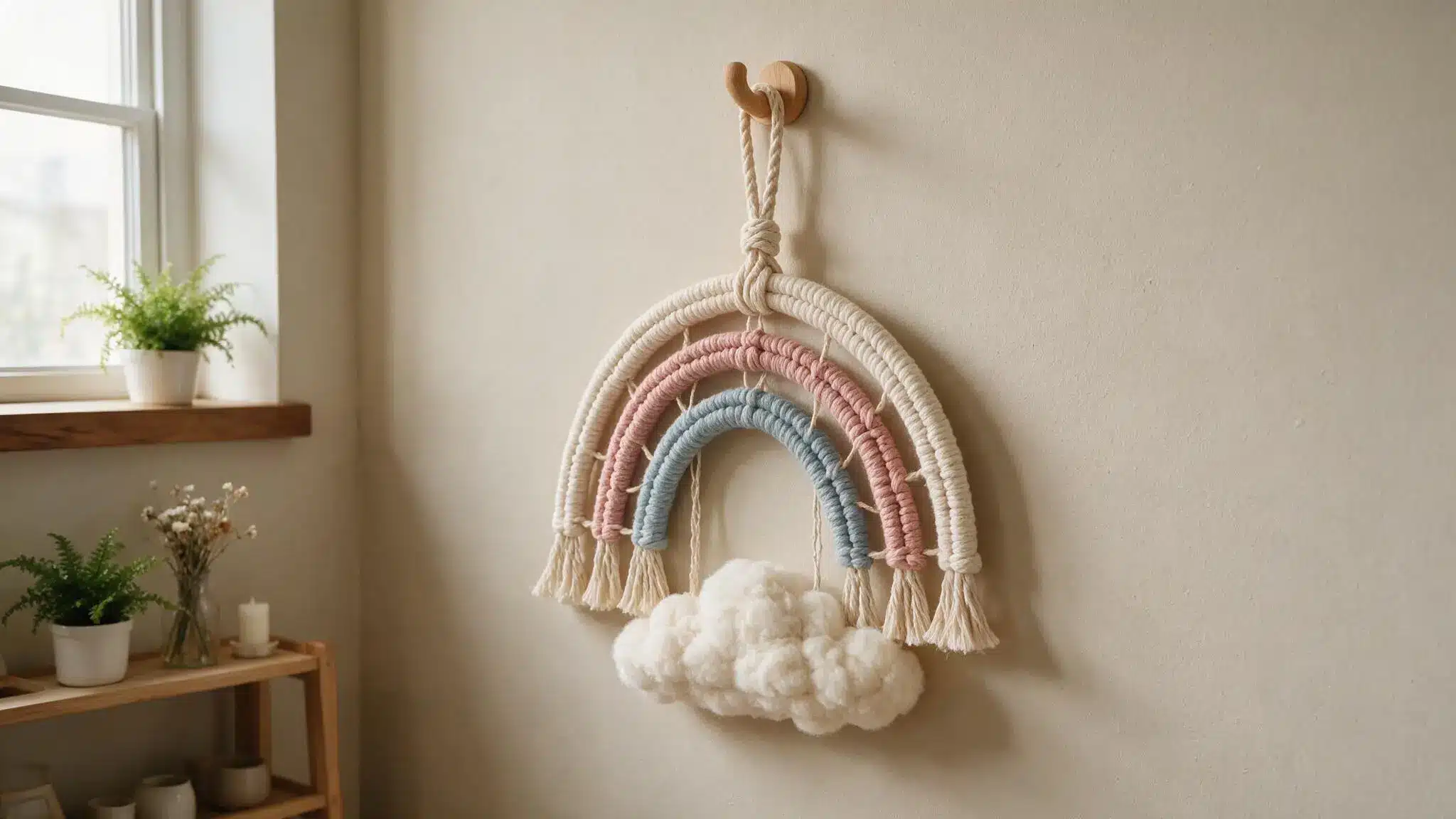
Color takes center stage here, and it works well in a bedroom, nursery, craft room, or any small wall.
Curved rows of cord stack in different colors, usually finished off with fringe along the bottom. Changing the color count and overall size lets you adapt the design to almost any space.
10. Macrame Feather
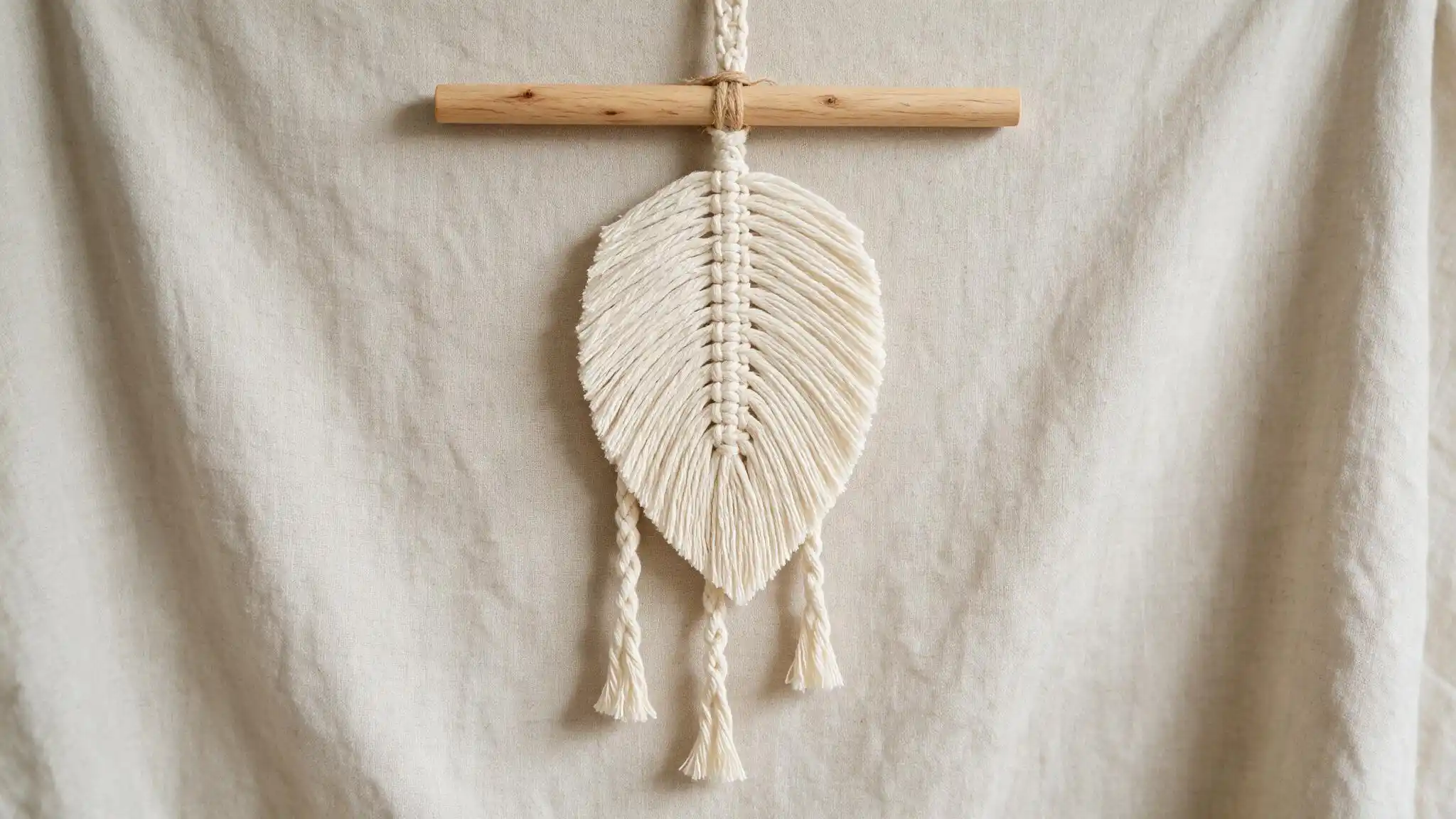
Small and decorative, macrame feathers come together by knotting cord and brushing out the loose strands into a feather shape.
They work well tucked into wall displays, wreaths, baskets, or other bigger macrame pieces.
A few feathers in different sizes and colors, or just one standalone piece, both work fine. A fringe brush shapes the loose cord at the end.
11. Macrame Curtain
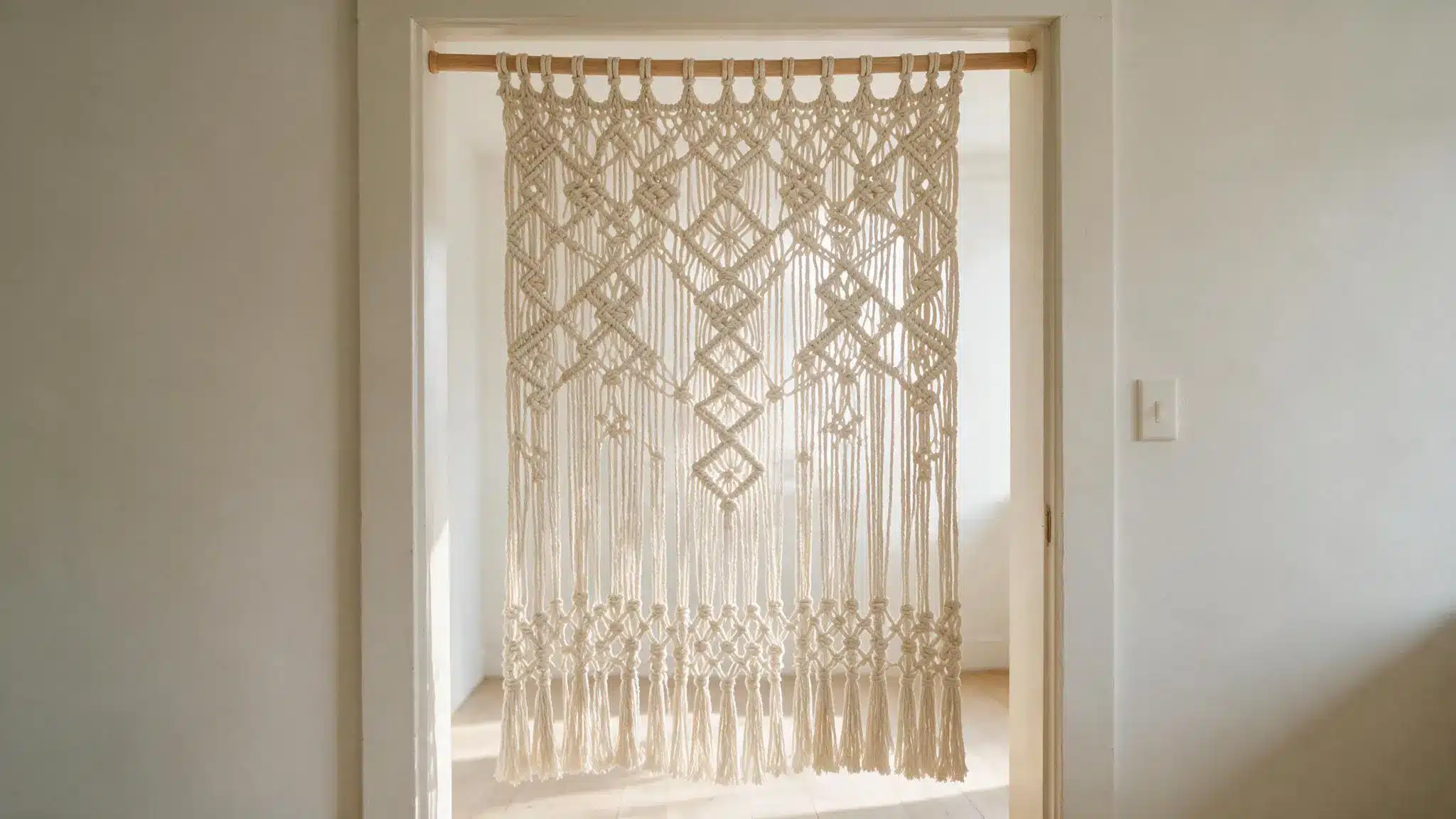
A macrame curtain divides an open space while adding texture and a handmade feel
It works as a doorway cover, room divider, or decorative window treatment, depending on placement.
Since it uses a lot of cord and requires repeated knots across a wide stretch, this one suits crafters already comfortable with longer, more involved projects.
12. Macrame Bracelet
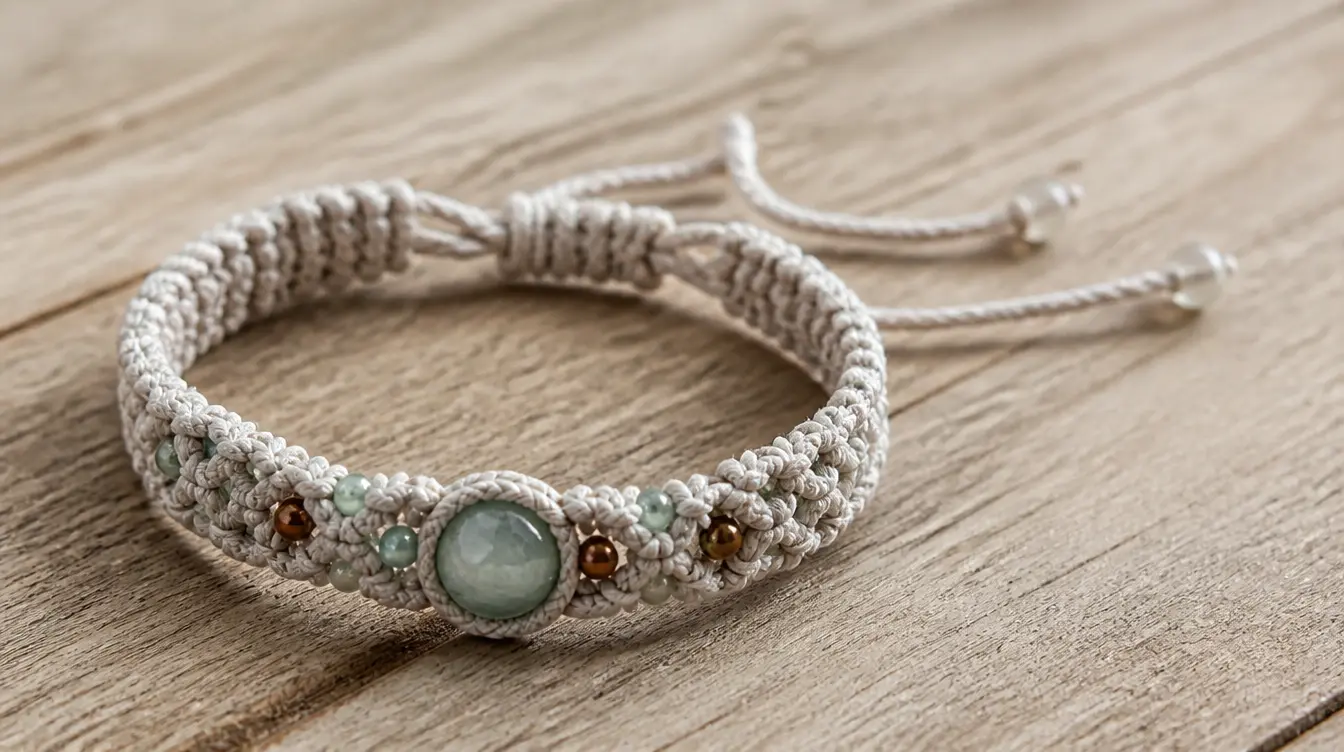
A bracelet keeps things small, letting anyone practice basic knots without burning through a ton of cord.
A simple band works, or beads and extra colors can dress it up further. Making several in matching colors works well for friends or family too, and the small size keeps the project quick to practice.
13. Macrame Necklace
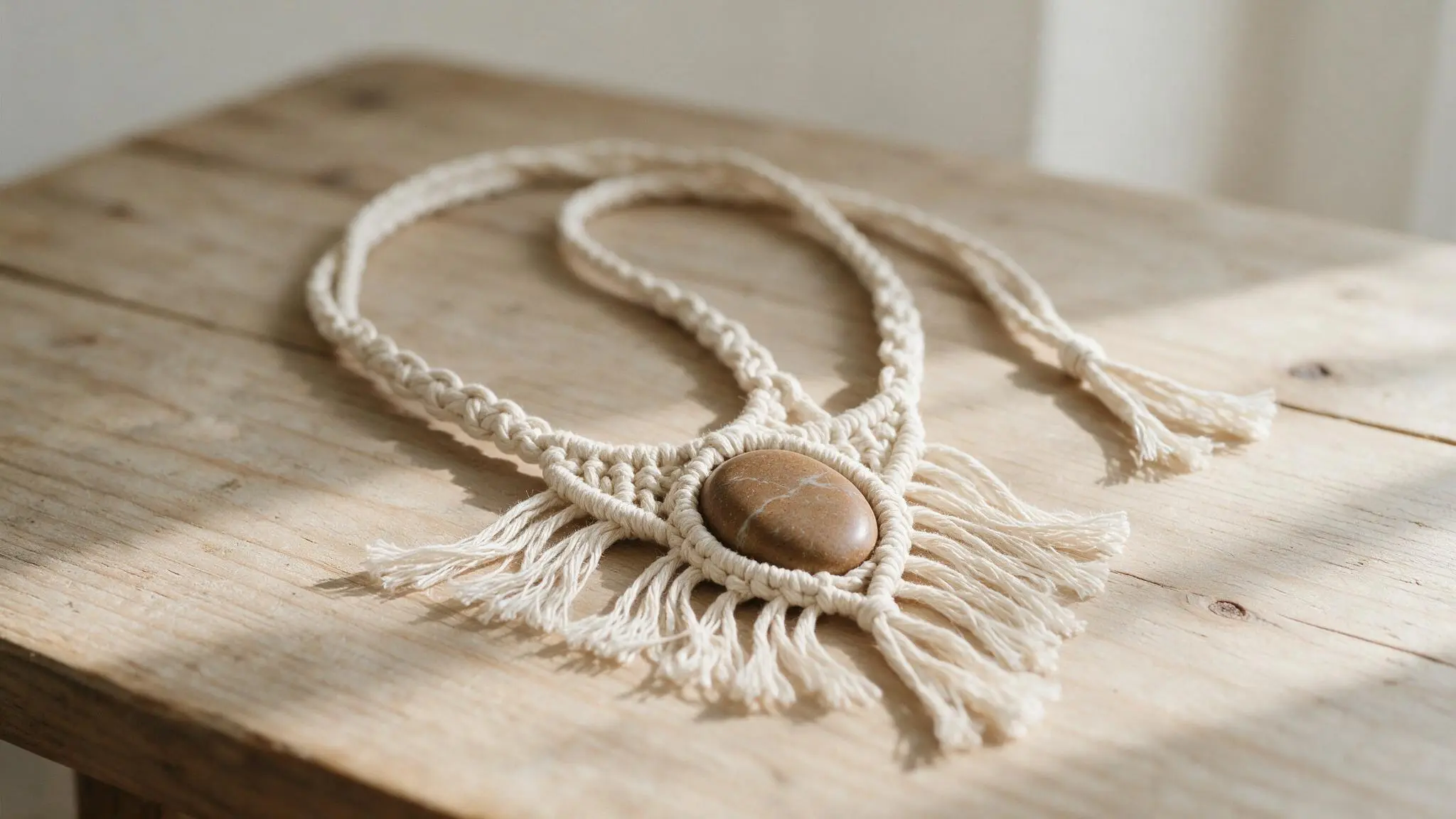
Simple cord turns into a real accessory here, with a more detailed look than most other small projects.
A knotted pendant, some beads or stones, or fringe can all shape the final piece differently.
Cord color and knot pattern shift the whole style, making this an easy one to personalize for casual days or dressier occasions.
14. Macrame Laptop Mat / Placemat
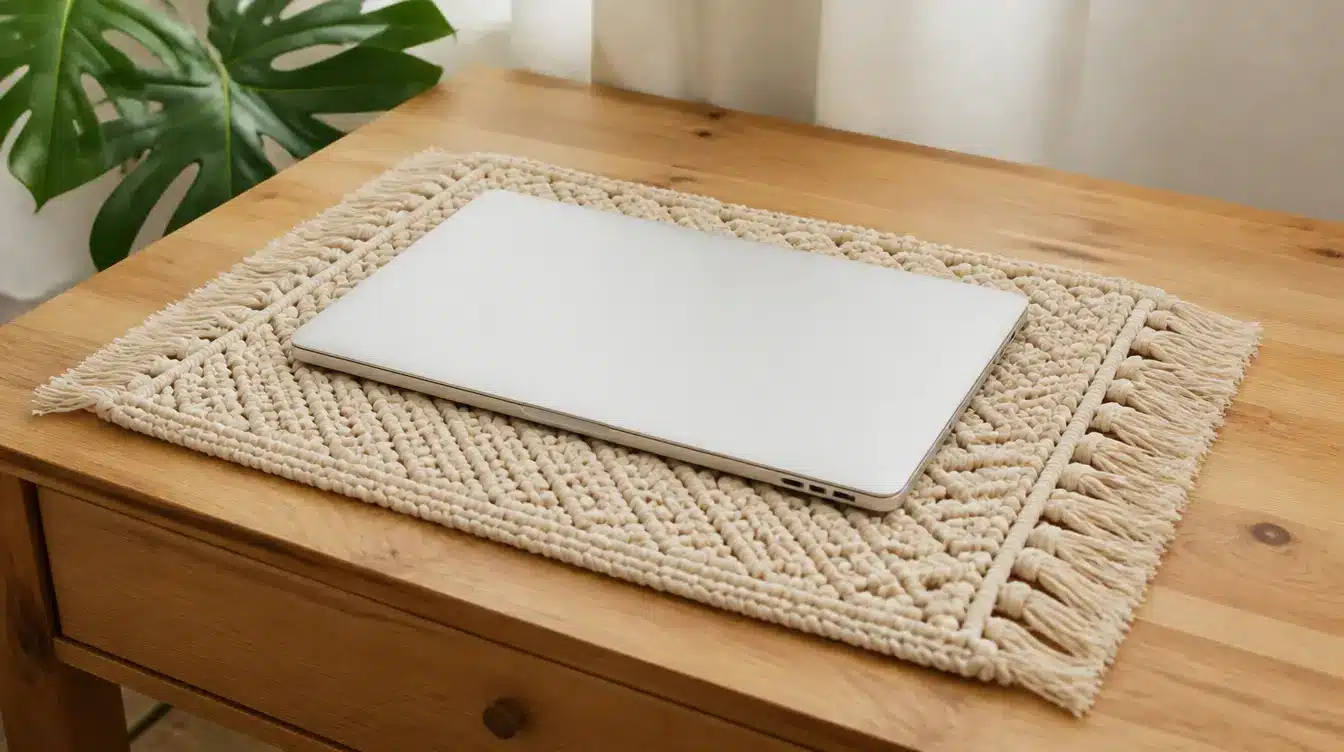
A macrame laptop mat or placemat adds a soft, textured layer beneath your laptop or tableware.
Its woven design can help create a more decorative setup while protecting the surface from minor scratches.
Select a flat pattern with tight knots so the finished piece stays stable during everyday use.
15. Macrame Keychain
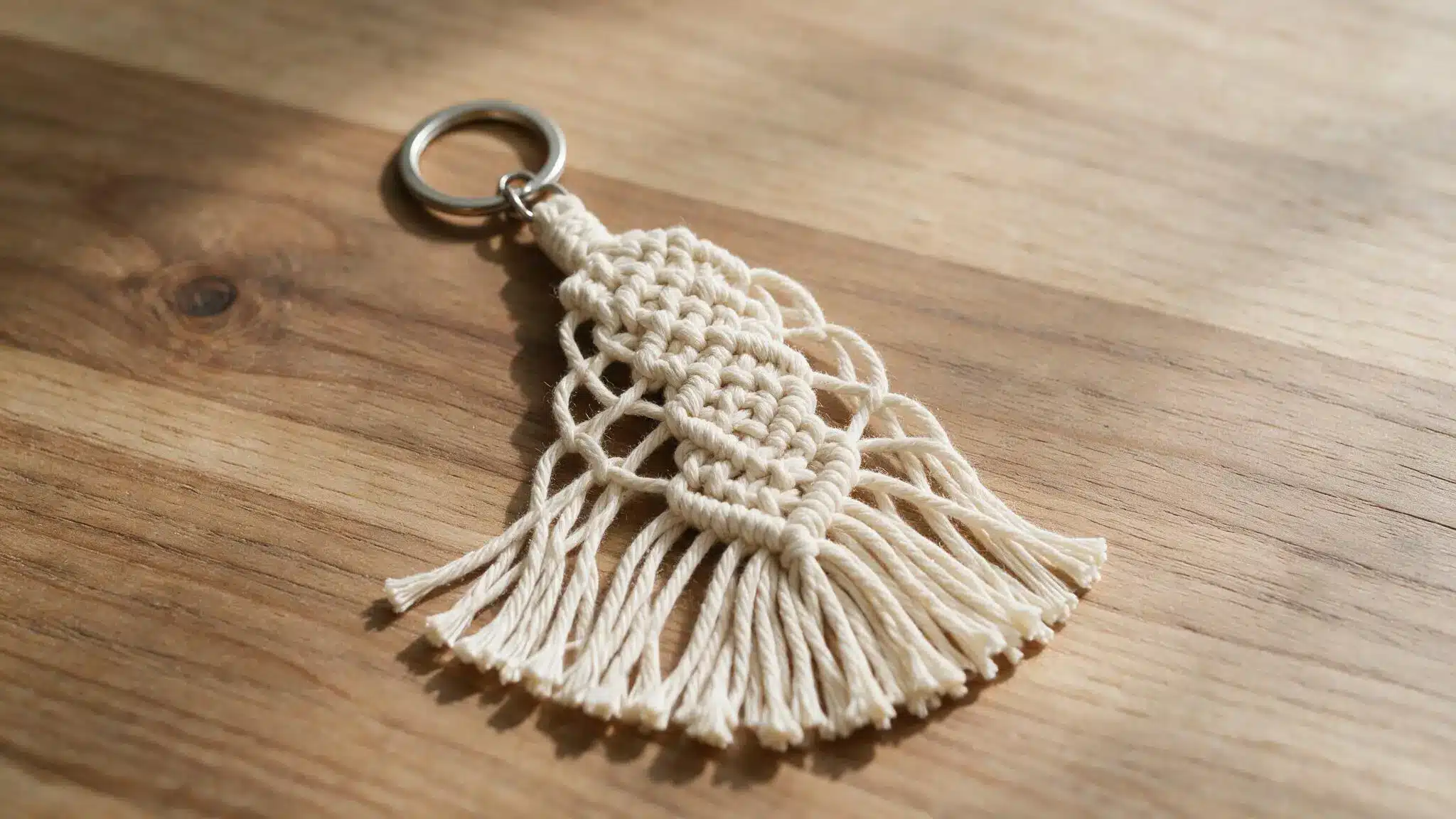
Quick to make and a great way to use up leftover cord, the macrame keychain is a simple project.
A simple knotted design attaches to a keyring, with beads, charms, or fringe adding extra flair if wanted.
The small size makes it easy to carry around, gift to someone, or knock out in a handful of different colors.
16. Macrame Coaster
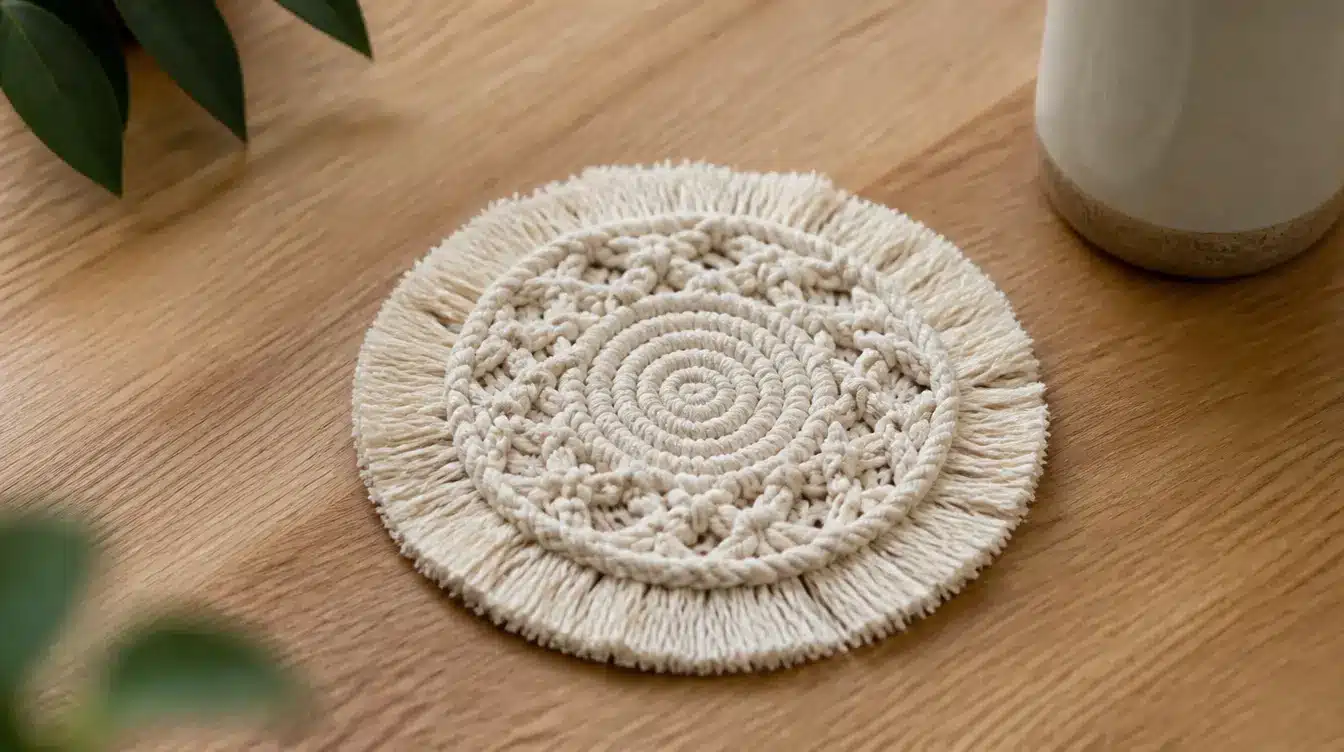
A macrame coaster is decorative knotting put to everyday use. It protects tables from cup and glass marks while adding some handmade texture to a dining or coffee table.
Round, square, or oddly shaped designs all work here. A matching set in one cord color looks clean, or mixed designs give off a more casual feel.
17. Macrame Table Runner
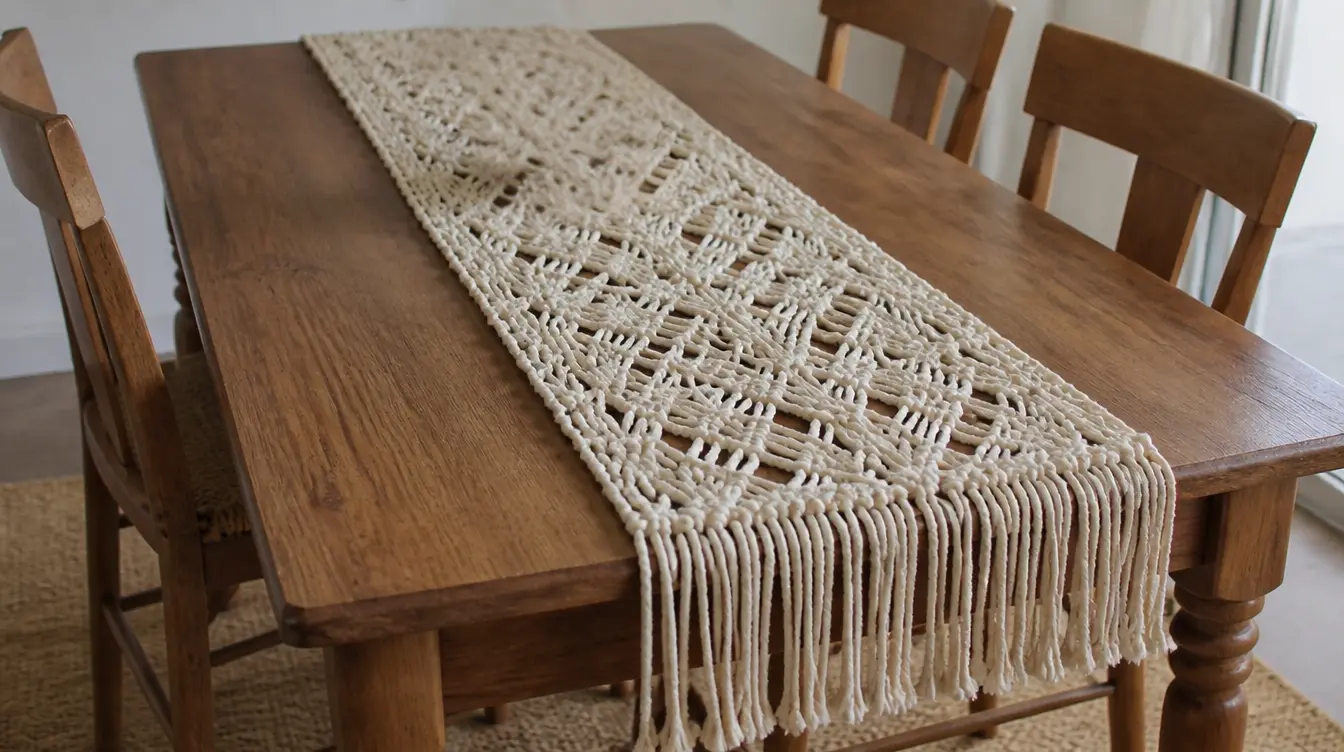
A table runner brings texture to a dining table, console, or sideboard.
Repeating knots run down the center, often finished with fringe or decorative edges along both sides.
Since the finished piece needs to stretch across a larger area, measure the table first and select a pattern that fits its length and width.
18. Macrame Lantern
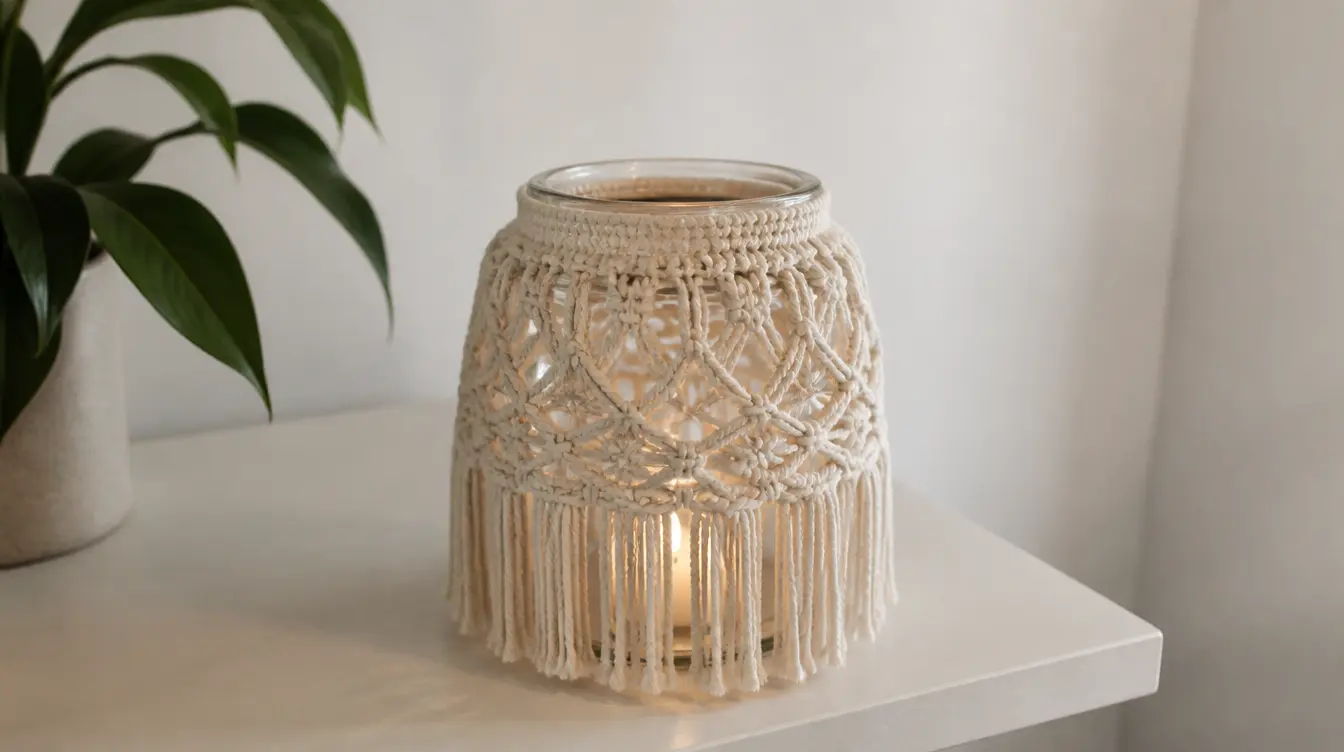
Knotted cord wraps around a lantern, glass holder, or another light source to build a decorative accent piece.
The pattern wraps the outside while leaving enough open space for light to shine through. Placement matters too, especially with candles or anything that generates heat nearby.
19. Macrame Book Holder
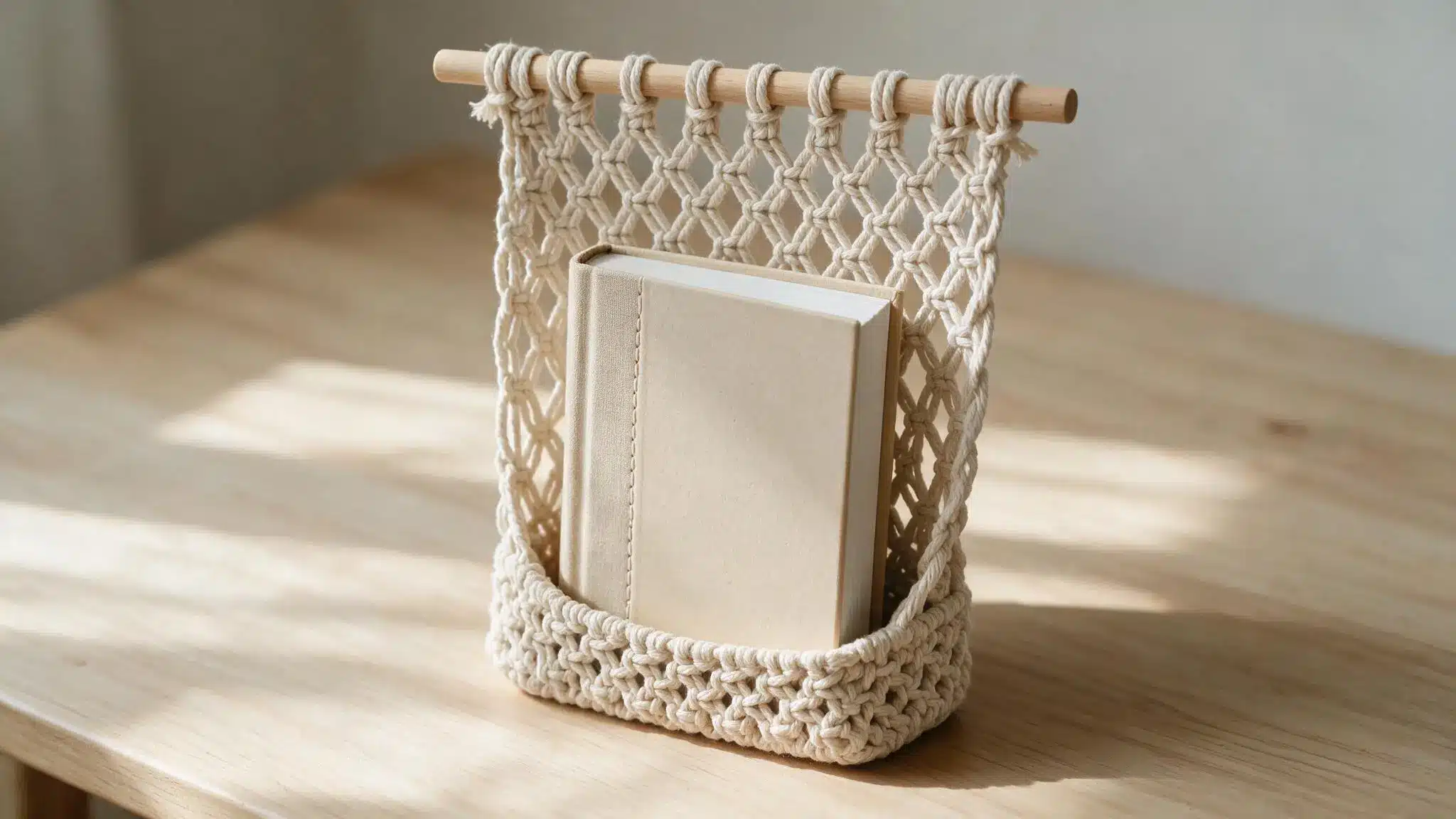
Decorative and useful at once, a macrame book holder suspends a book or magazine right on the wall, and it becomes part of the room’s overall look.
It works well beside a reading chair, in a bedroom, or near a small bookshelf. The holder can also adjust to fit different book sizes.
20. Macrame Fruit Hammock
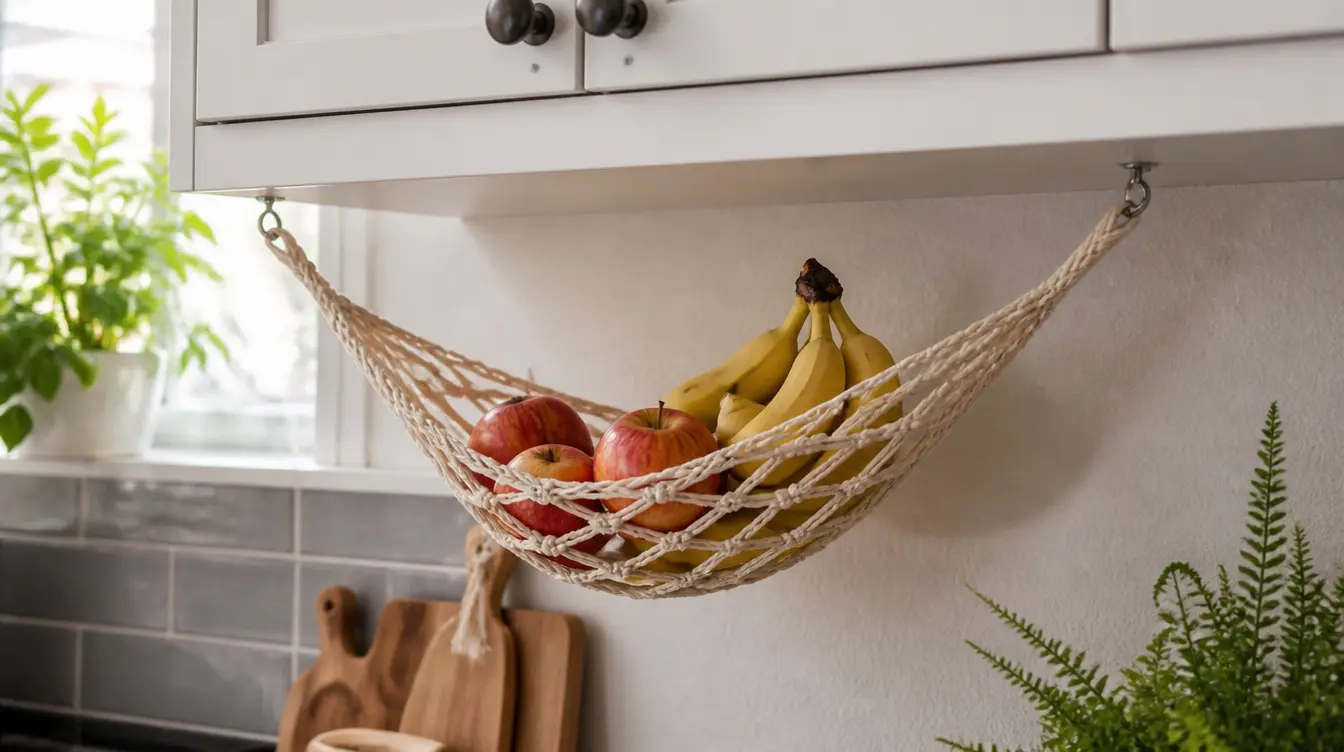
Open storage for fruit and other produce comes together here, keeping everything off the counter while staying visible.
The loose design lets air move freely around the contents, so nothing gets trapped or hidden. Depending on where it’s mounted, it also keeps counter space free for other kitchen tasks.
How to Choose the Right Macrame Pattern
The best pattern comes down to more than how good the finished piece looks; experience, time, materials, and where the piece will actually go all matter.
Skill level matters most early on; beginners are better off with simpler patterns until handling several cords at once feels natural.
Check which knots a pattern actually calls for and practice any unfamiliar ones on their own first.
Think about size too: smaller projects use less cord and less time, so match the pattern to how much time you actually have and what materials you’re willing to track down; some need only cord and basic tools, others call for hoops, beads, or dowels.
And consider where the piece is going, since wall art, jewelry, storage, and plant hangers all need different shapes.
Conclusion
Macrame patterns open up many ways to turn simple cord into decorative, wearable, and useful pieces.
Starting with a project that matches your current skill level, then working up to more detailed designs as knotting gets more comfortable, makes the most sense.
From wall hangings and plant holders to bracelets, coasters, and storage pieces, each pattern offers its own way to practice and create something new.
With basic supplies, a few knots, and the right pattern, there’s a project out there that fits both personal style and available space.
Frequently Asked Questions (FAQs)
1. What is the Easiest Macrame Pattern for Beginners?
Simple keychains, feathers, coasters, and small rainbows are good starting points because they use less cord and let beginners practice basic knots on manageable projects.
2. How Much Cord Do I Need for a Macrame Project?
That depends on the pattern, cord thickness, finished size, and how tightly the knots get packed together. Always check a pattern’s supply list before cutting any cord.
3. Can I Make Macrame without Following a Pattern?
Yes. Once the basic knots feel familiar, experimenting with cord length, color, spacing, and knot placement opens the door to building something completely original.