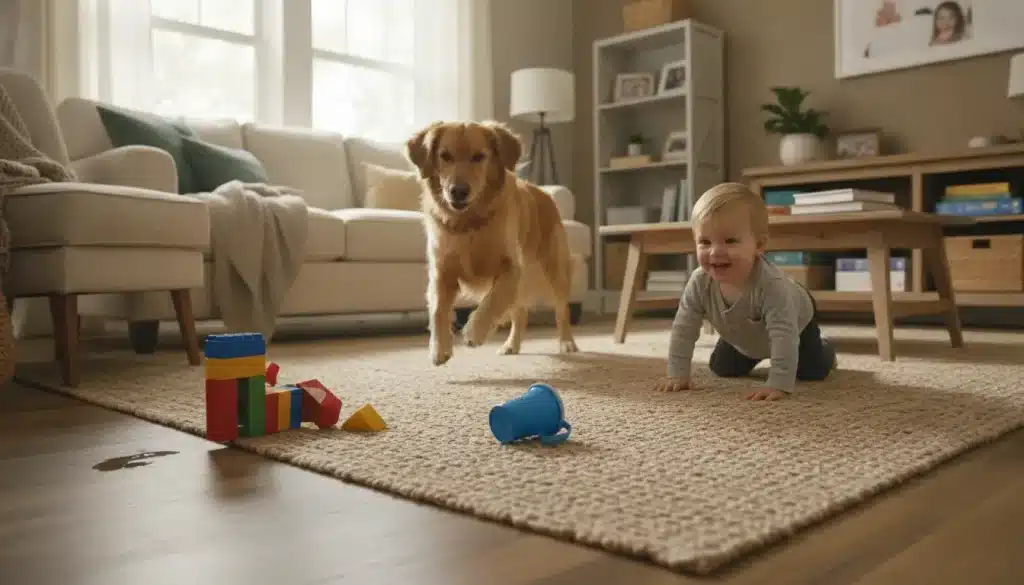
Flooring choices shape how a home functions under real pressure. Pets scratch, kids spill, and daily foot traffic wears down surfaces faster than most homeowners expect. Natural fiber carpets like sisal, jute, and seagrass offer strength that synthetic options often lack, but they require careful selection based on room use and moisture exposure. Wool carpets resist stains naturally, while coir handles heavy traffic without showing wear.
Each material responds differently to cleaning, humidity, and the chaos of family life. Knowing these differences helps homeowners avoid costly replacements and choose flooring that holds up year after year. The right carpet doesn’t just look good on installation day; it survives the mess.
Why Standard Flooring Fails in Active Households
Most flooring fails not because of one big incident, but because of daily wear that adds up. Pet claws can leave visible scratch patterns on softwood floors in many dog-owning households. That fact stands out when selecting durable flooring for pets and kids in a family home. Moisture is the other major problem. Spills and pet accidents that go untreated can sometimes cause subfloor damage over time in non-waterproof installations.
High-traffic zones like entryways and hallways often show visible wear much faster than manufacturer projections suggest for family homes. Without protective sealants, stains can become permanent. Replacing flooring in a 500 square foot area can be a significant expense when the wrong material fails early. That cost alone makes the case for choosing carefully from the beginning. Homeowners need scratch-resistant floors that handle moisture and recover from compression without showing permanent damage.
Material Performance Under Real-World Conditions
Luxury vinyl plank and laminate flooring differ in their resistance to scratching, with luxury vinyl generally performing better in durability tests. That gap matters in homes with pets. Porcelain tile rated PEI 4 or 5 maintains surface integrity through heavy daily foot traffic. These materials handle the constant movement that family life demands. Engineered hardwood with an aluminum oxide finish resists pet claw marks better than traditional polyurethane coatings.
Cork flooring provides cushioning and antimicrobial properties, though it needs resealing every three to five years in areas with higher moisture exposure. Natural fiber carpets sit in a different category. Sisal, jute, and seagrass provide texture and warmth that hard surfaces cannot match. They perform well in low-moisture rooms but require immediate attention when spills occur. Wool carpets resist stains naturally and recover from compression better than synthetic fibers. Coir handles heavy traffic without showing wear patterns that appear quickly in softer materials. For those seeking natural fiber options, Crucial Trading Carpets offer a range of strong materials suited to busy family homes.
Waterproof vs Water-Resistant Ratings
Waterproof flooring, when certified under standards like ASTM F2170, can endure submersion for extended periods without structural damage. Water-resistant options only tolerate surface moisture for a brief period before water seeps through. Tile installations show these differences clearly. The tiles themselves might block moisture, yet the grout lines are often exposed. Applying an epoxy-based sealer over grout lines creates a protective barrier. Skipping this step leaves hidden weak points vulnerable to pet accidents and spills.
Maintenance Requirements for Long-Term Durability
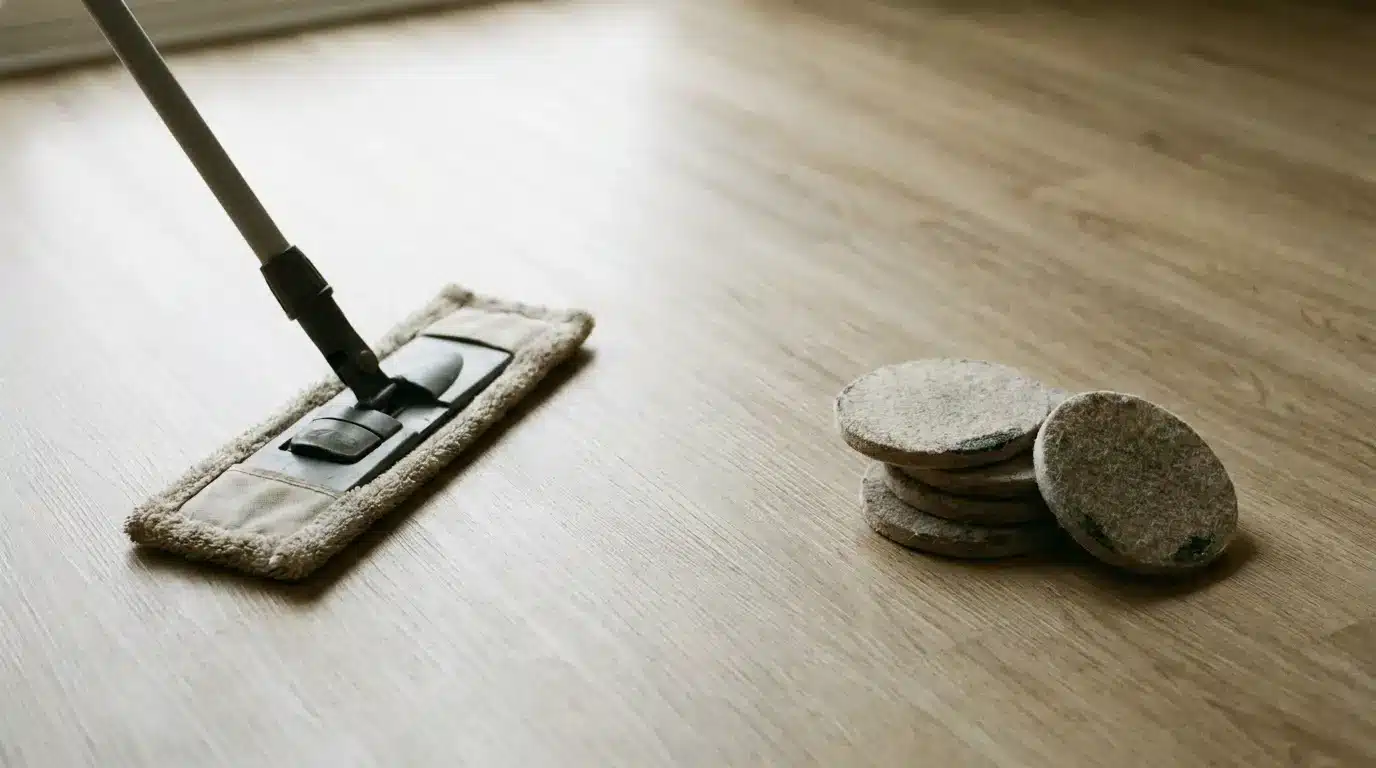
Consistent maintenance extends flooring life more than any single product choice. Weekly dry-mopping is an effective way to remove abrasive dirt particles that cause surface scratching over time. That simple habit protects finishes on vinyl, laminate, and hardwood without any special products. pH-neutral cleaners preserve factory finishes on vinyl and laminate. Harsh chemicals break down surface coatings and accelerate wear.
Natural stone requires regular sealing to maintain stain resistance, particularly in kitchens and bathrooms where moisture is constant. Deep-cleaning carpets every year or so can help extend their usable life in homes with pets. Felt pads under furniture legs prevent indentation damage across all flooring types. These small steps can add years to flooring performance without requiring expensive repairs or early replacement. Homeowners who follow these steps often see longer service life from their floors.
Pet-Specific Cleaning Protocols
Pet accidents pose unique challenges that routine sweeping cannot address. Enzymatic cleaners target organic residue common in these incidents and typically work within several minutes. Acting quickly is important. Immediate blotting helps prevent urine or vomit from seeping through seams or into subfloors. Claw damage is another frequent issue for pet owners. Regular nail trimming can help reduce the depth and visibility of scratches on wood and vinyl. Establishing a set routine that incorporates these steps makes a difference in maintaining scratch-resistant floors.
Installation Factors That Affect Performance
Even the best flooring material fails if installation is handled poorly. High subfloor moisture levels can void most manufacturer warranties and cause buckling over time. Testing moisture before installation is a step many homeowners skip, and it leads to expensive problems later. Floating floor installations need an expansion gap around the perimeter. Without it, seasonal temperature changes cause warping.
Underlayment padding can reduce impact noise in multi-story homes. Proper padding also extends flooring life by absorbing impact from foot traffic. Professional acclimation of flooring materials before installation helps prevent post-installation gaps from forming. This step is especially relevant for natural fiber carpets, which react to humidity and temperature more than synthetic options do.