Your home works hard every single day. Sun, rain, little hands, dusty baseboards, and years of living all leave their mark.
So it makes sense to wonder how often should you paint your house before things start looking tired or worn.
The answer is not one-size-fits-all. It depends on your surfaces, your lifestyle, and honestly, how your home makes you feel when you walk through the door.
Let this be your simple, no-stress guide to figuring out exactly where you stand.
How to Tell if Your House Actually Needs Painting?
Before thinking about timelines, it helps to look at what your walls and surfaces are already telling you.
Your home gives off quiet signals when it is ready for fresh paint. Learning to read those signs saves you money, stress, and the regret of waiting too long.
Signs Your Interior Needs Attention
Walk through your rooms slowly, like you are seeing them for the first time. Ask yourself, “Does this space still feel clean and alive, or does something feel off?”
Here is what to look for inside:
- Walls that look dingy even after wiping them down
- Paint that is peeling, bubbling, or lifting near windows and corners
- Visible scuffs, scratches, or stains that no longer clean off
- Color that has faded unevenly in sunny rooms
- Trim or baseboards with chips and wear marks
These are not just cosmetic concerns. Peeling paint near windows or in bathrooms can sometimes point to moisture collecting behind the surface.
Catching it early keeps the fix simple and affordable.
Signs Your Exterior Needs Attention
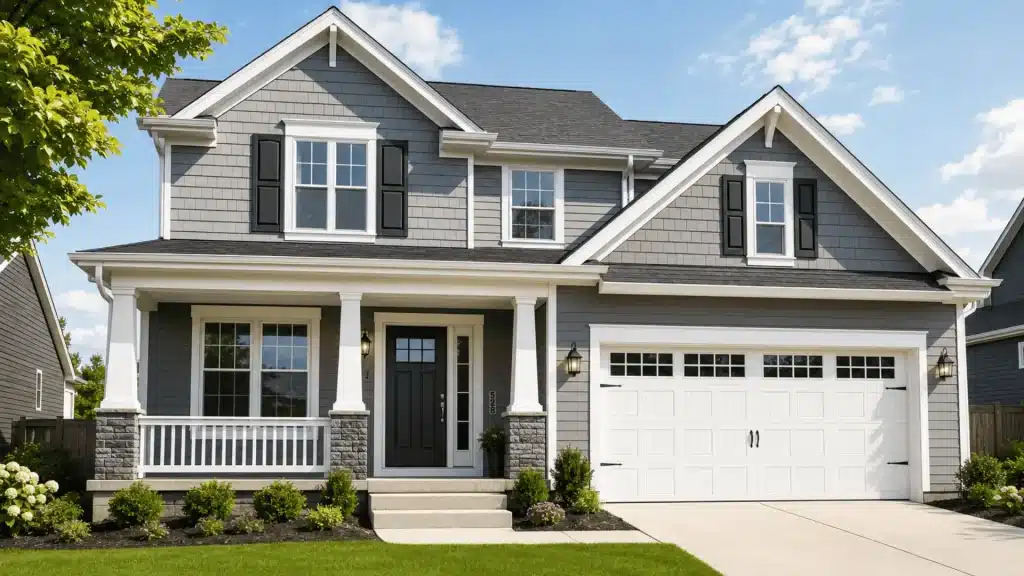
Step outside and take a slow lap around your home. Look closely at the siding, trim, and any painted surfaces near the ground.
Watch for these:
- Paint that is cracking, chipping, or flaking in sheets
- Bare wood showing through in patches
- Fading or discoloration on sun-facing walls
- Caulk that has pulled away from seams or joints
- Mold, mildew, or dark staining along the lower sections
- A chalky residue that rubs off when you run your hand across the surface
That chalky finish, often called “chalking,” is a sign that the paint binder has broken down. At that stage, a new coat is not just about looks. It is about protecting the structure underneath.
The difference between need and necessity comes down to this: need is cosmetic and tied to how your home feels. Necessity is protective and tied to how your home holds up over time. Both matter.
How Often Should You Paint Your House Interior?
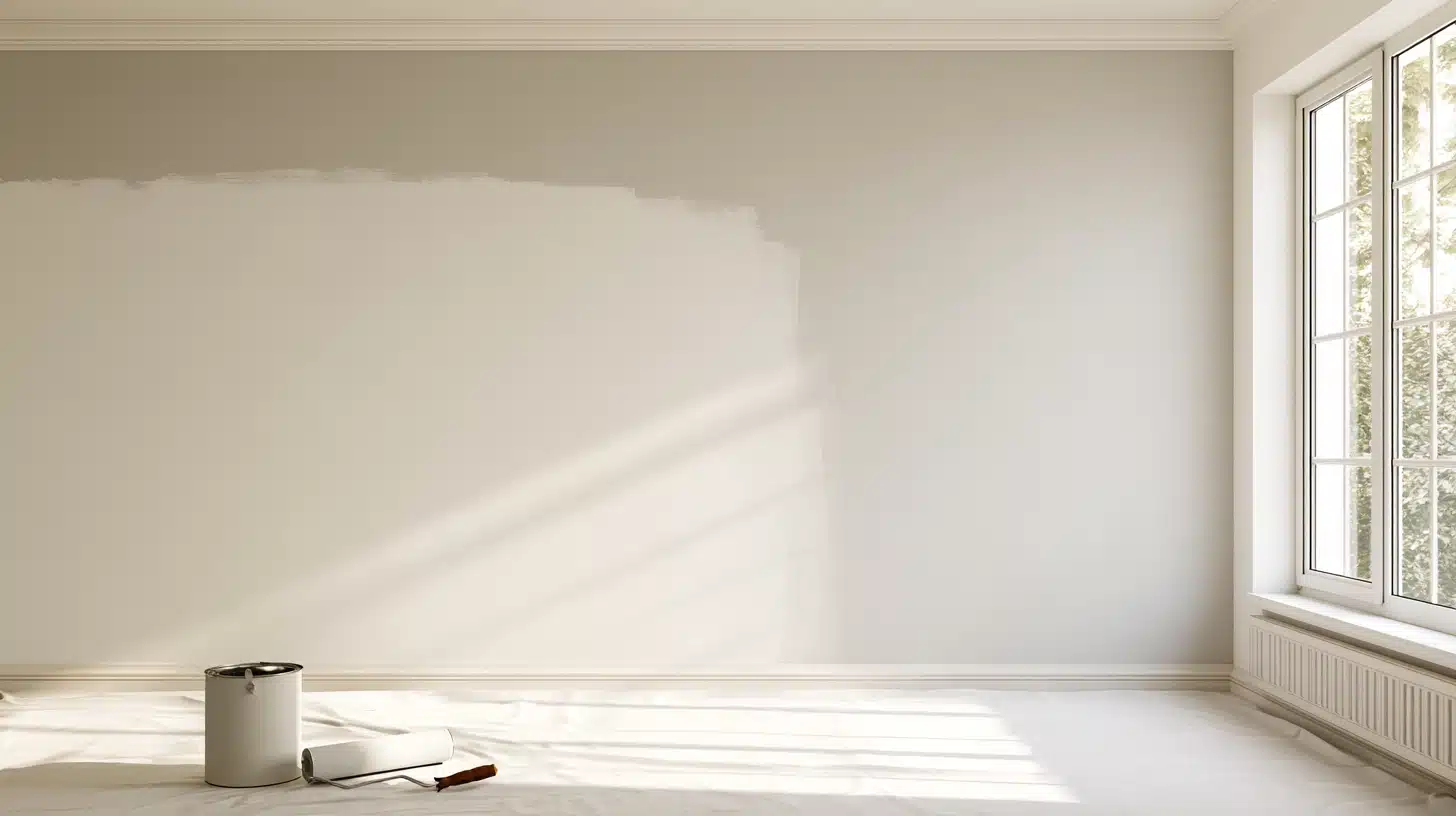
Most interior walls do well with a fresh coat every five to seven years. But that general range shifts depending on which room you are talking about and how much activity it sees.
High Traffic Areas
Kitchens, hallways, kids’ rooms, and living rooms take the most daily wear.
Walls in these spaces tend to need repainting every 3 to 5 years. Grease, humidity, busy hands, and moving furniture all take a toll faster than you might expect.
A good quality washable paint in a satin or eggshell finish can stretch that timeline. The easier it is to wipe clean, the longer it holds up.
Low Traffic Areas
Guest rooms, formal dining rooms, and home offices that do not see much use can often go seven to ten years between coats. If the color still looks true and the surface feels smooth, there is no rush.
Ceilings
Ceilings are easy to overlook until they start looking yellowed or stained.
Most ceilings in well-ventilated homes can go ten years or longer without repainting, unless there has been water damage or smoke exposure.
A Helpful Rule of Thumb for Interiors
- Kitchens and bathrooms: every 3 to 4 years
- Living rooms and bedrooms: every 5 to 7 years
- Hallways and stairwells: every 2 to 4 years, depending on traffic
- Trim and doors: every 4 to 5 years, since these collect the most scuffs
One thing worth mentioning is that switching paint finishes, like going from flat to eggshell in a high-traffic hallway, can make a noticeable difference in how long the paint actually lasts between repaints.
How Often Should You Paint Your House Exterior?
Exterior paint has a harder job than most people realize. It faces heat, cold, rain, UV rays, and seasonal shifts all year long.
Because of that, the timeline is more about material than anything else.
Wood Siding
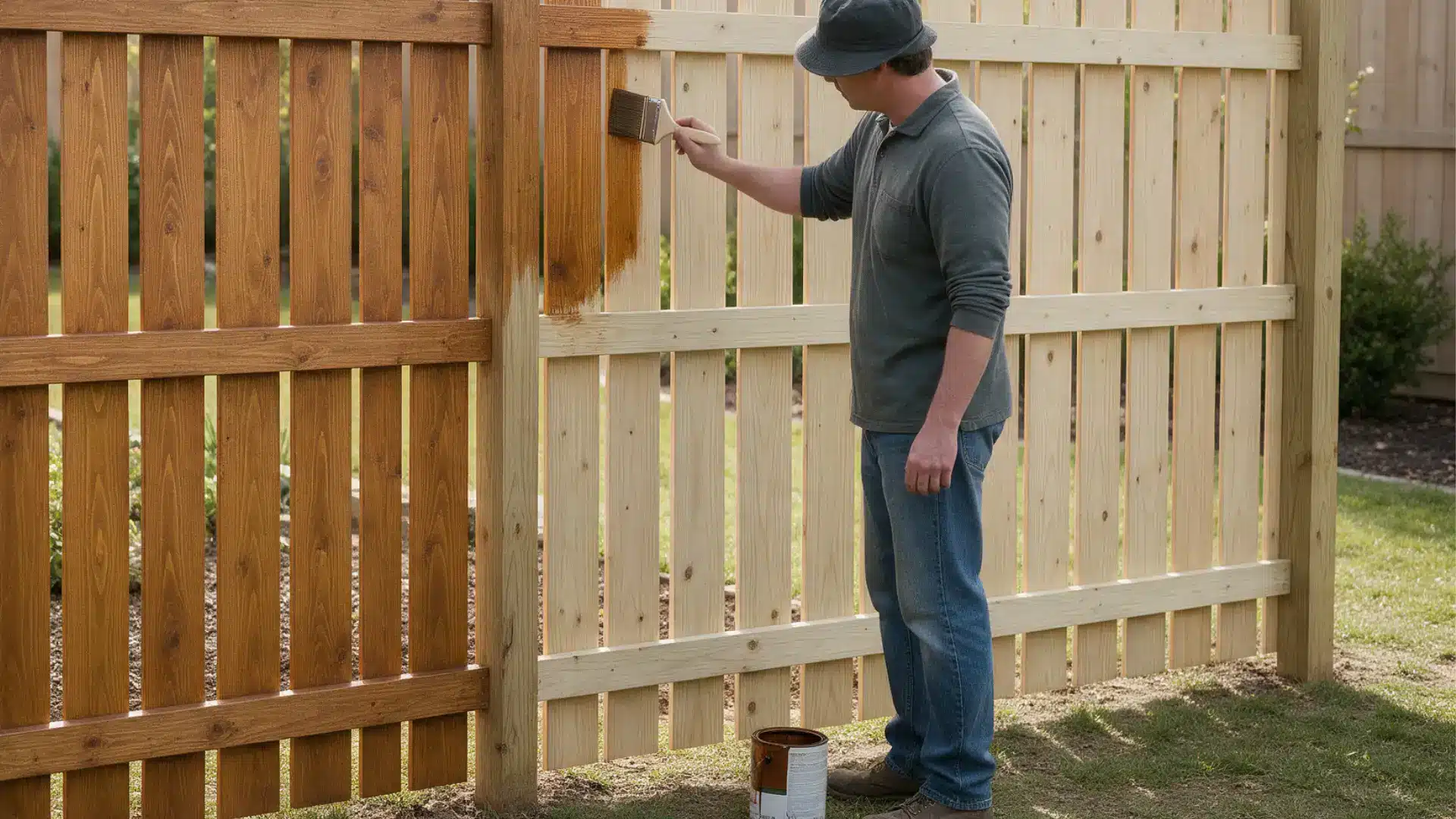
Wood is the most demanding surface to maintain. Painted wood siding generally needs a fresh coat every 3 to 7 years.
In climates with harsh winters or intense summer sun, leaning toward the shorter end of that range is wise.
Wood that is left too long between paintings absorbs moisture, warps, and eventually rots. Fresh paint is genuinely the most affordable way to protect it.
Fiber Cement and Stucco
These materials hold up longer. Fiber cement siding can often go 10 to 15 years between repaints, and stucco is similar, depending on how well the original coat was applied and cured.
Brick and Masonry
Painted brick is a longer commitment. Once painted, it typically needs recoating every 8 to 12 years.
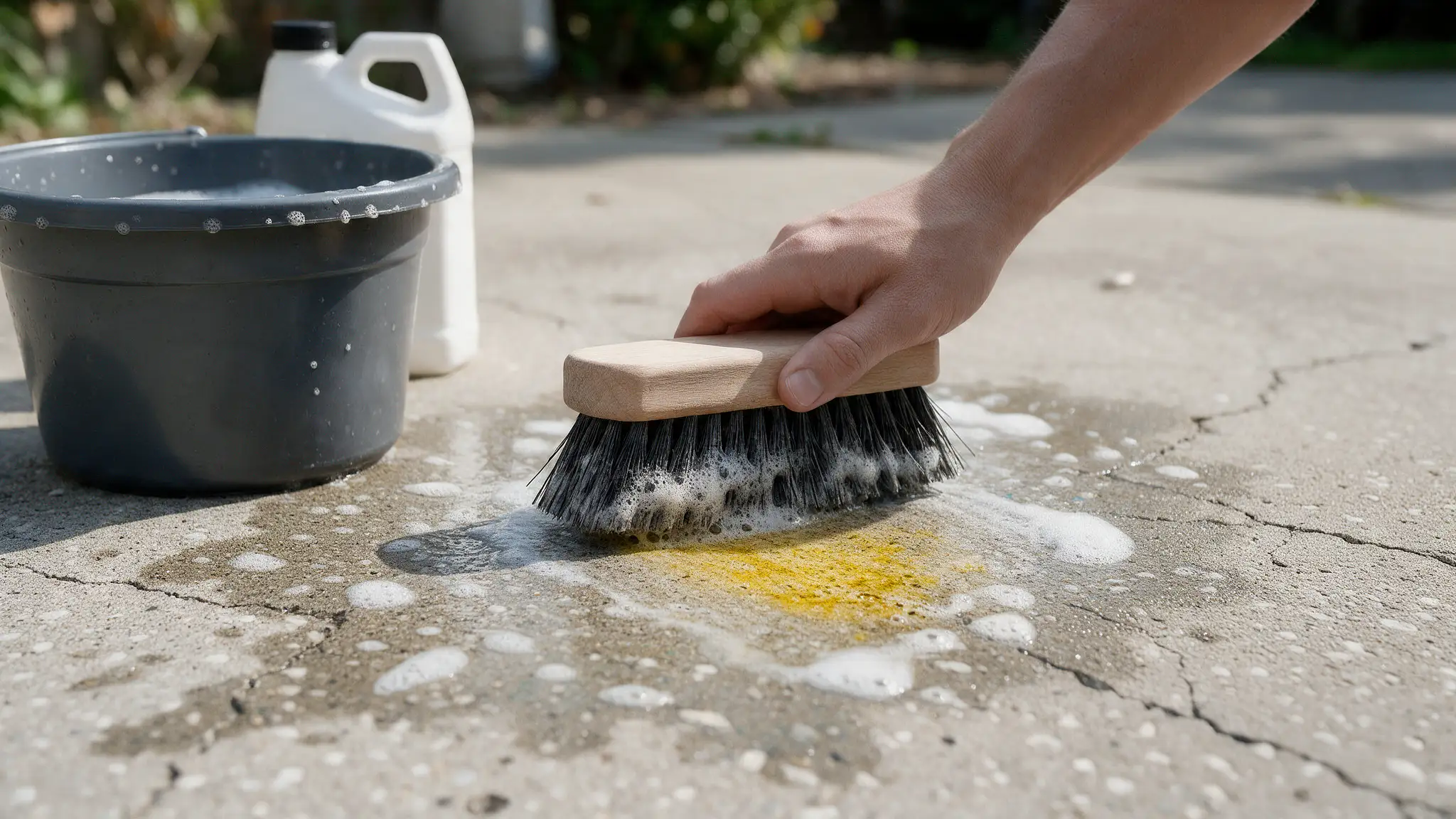
The bigger consideration with brick is surface prep, since moisture trapped under paint on masonry can cause bigger problems down the road.
Trim, Doors, and Shutters
These surfaces get more direct sun and contact than the main siding. Expect to repaint trim, front doors, and shutters every 4 to 6 years.
A faded front door is one of the fastest ways a home can start looking neglected from the street.
Climate Plays an Important Role Here
Homes in coastal areas deal with salt air and humidity. Homes in desert climates face intense UV exposure.
Both conditions break down exterior paint faster than temperate climates, so adjust your timeline accordingly.
A good exterior paint job done with proper preparation, priming, and quality paint can last on the longer end of every range mentioned. Rushing the prep work almost always shortens how long the finish holds.
Conclusion
Knowing how often should you paint your house takes a little observation and a little planning, but it does not have to feel overwhelming.
Pay attention to what your home is showing you, stay ahead of the wear before it becomes damaged, and approach each repaint as an opportunity to make your space feel fresh and cared for.
A well-painted home is not just beautiful. It is protected, comfortable, and genuinely yours.