Italian food has a reputation for being complicated. Long ingredient lists, hard-to-find cheeses, techniques that seem better left to restaurant chefs. It can feel like home cooking just won’t measure up.
Classic Italian cuisine is built on simple, honest ingredients that home cooks have relied on for generations.
This collection of authentic Italian recipes covers everything from hearty pasta dishes to slow-cooked sauces and crispy golden proteins.
Detailing clear steps that make traditional Italian cooking approachable, satisfying, and genuinely delicious.
Essential Ingredients for Italian Cooking
Essential ingredients make or break Italian cooking. The right staples are what separate a good dish from a great one.
- Olive oil forms the base of most sauces and sautés in Italian cooking.
- Fresh herbs like basil, oregano, parsley, and rosemary add depth and brightness to dishes.
- Parmigiano-Reggiano, Pecorino Romano, and mozzarella are the cheeses that appear most often in classic recipes.
- Quality pasta and Arborio rice are pantry must-haves, especially for authentic risottos.
- Regional staples like cured meats, seasonal vegetables, and seafood round out the Italian kitchen.
Tip: Using certified Italian ingredients enhances the authenticity of flavor.
Classic Italian Recipes to Make at Home
From comforting pasta bowls to wood-fired pizzas and slow-braised meats, these recipes cover the full spread of Italian home cooking.
Pasta Recipes
From silky Carbonara to slow-cooked ragù, these pasta dishes cover the classics on which Italian home cooking is built.
1. Spaghetti Alla Carbonara
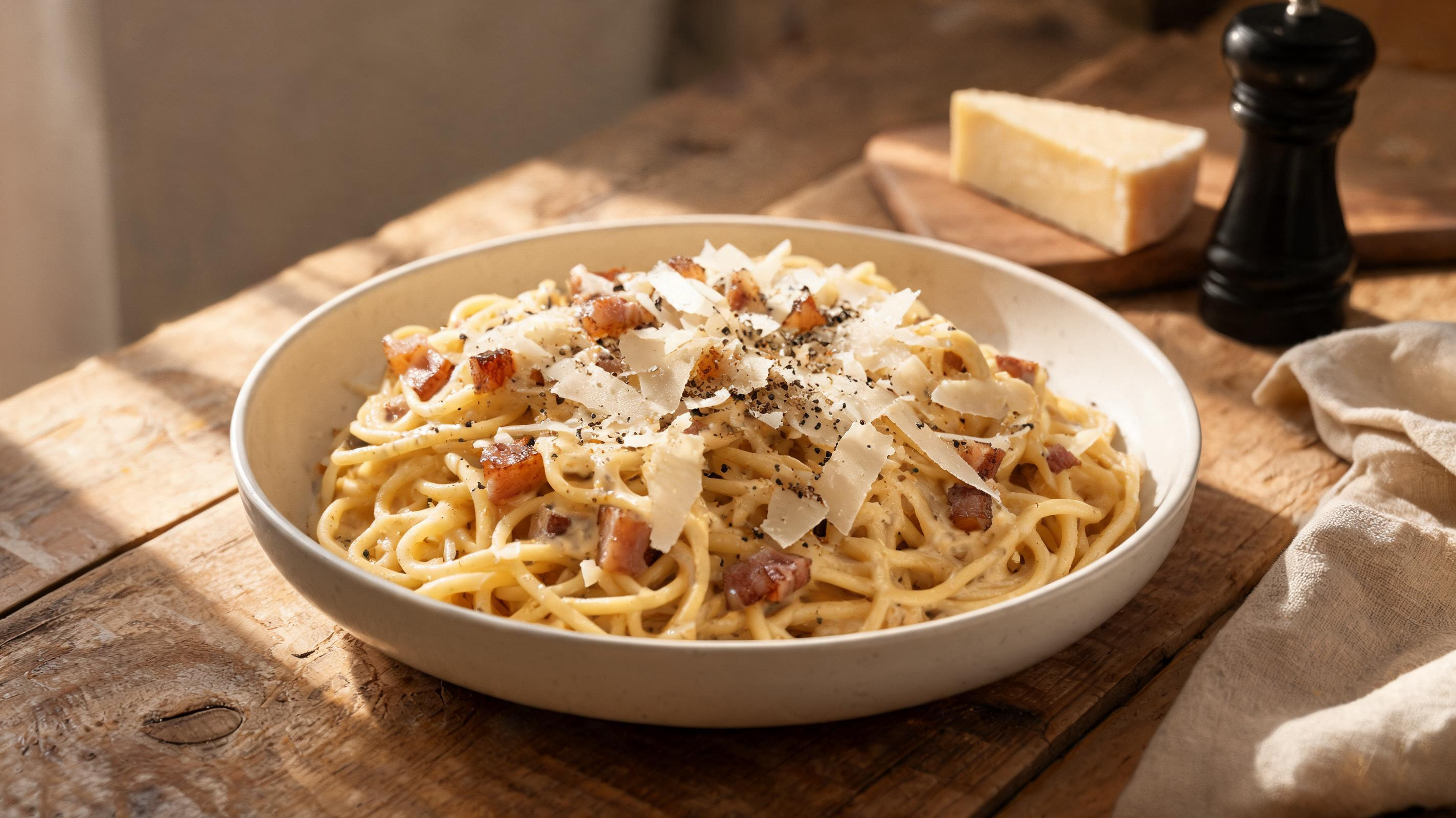
Few pasta dishes have earned the kind of worldwide devotion that Carbonara has.
It comes together with just a handful of ingredients: eggs, Pecorino Romano, guanciale, and black pepper.
The key is technique. The heat from the pasta cooks the egg mixture into a glossy, coating sauce without scrambling it. No cream needed, ever.
2. Pasta all’Amatriciana
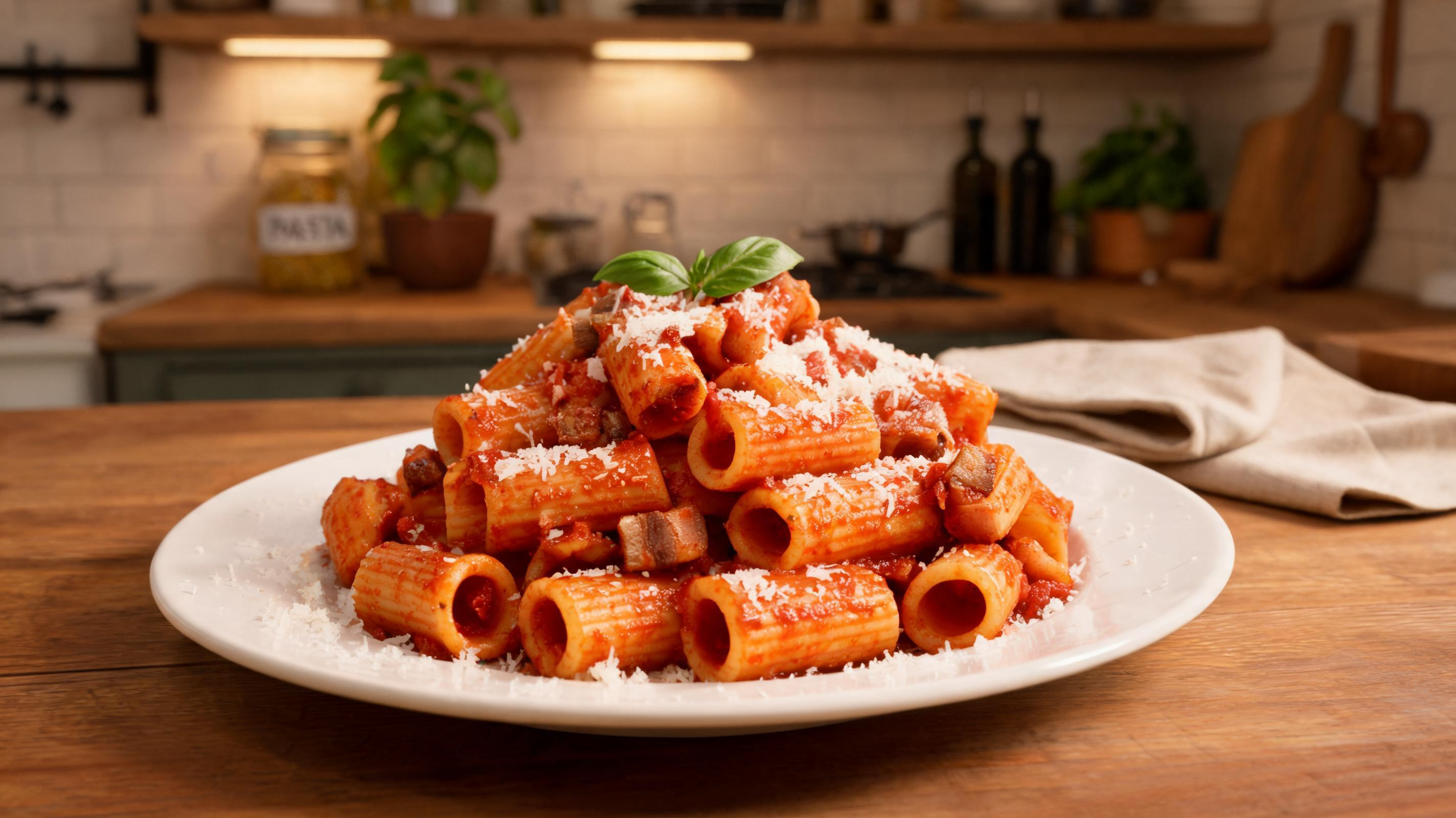
Amatriciana originated in the town of Amatrice and has been a Roman staple ever since.
It pairs a punchy tomato sauce with guanciale and Pecorino Romano for a combination that’s salty, slightly smoky, and deeply satisfying.
Served on bucatini or rigatoni, it’s a no-fuss weeknight dish with serious flavor.
3. Lasagne Alla Bolognese
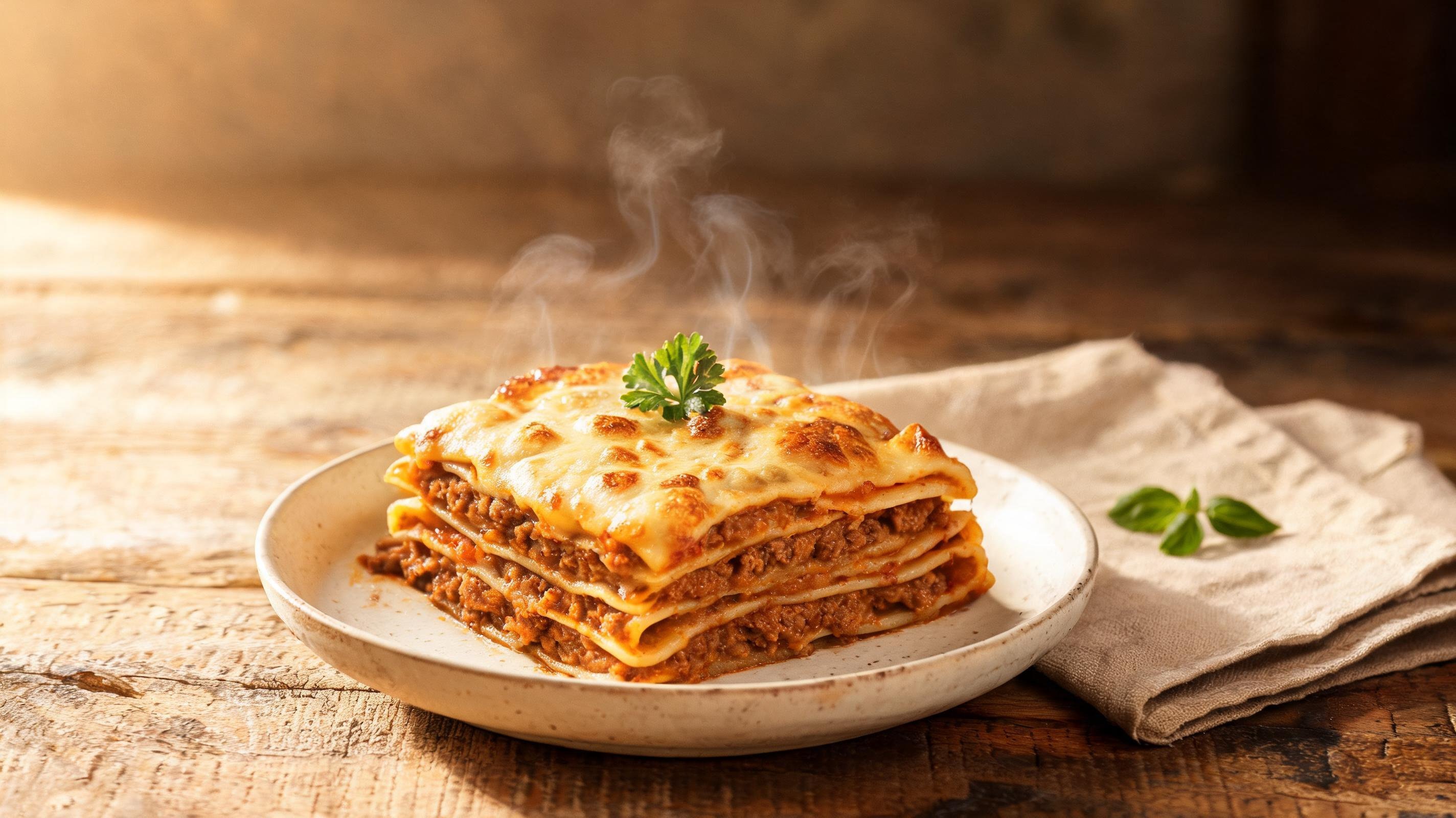
This is the lasagne Italians actually make at home. Layers of slow-cooked meat ragù, silky béchamel, and fresh pasta sheets baked until golden and bubbling.
It takes time, but the result is worth every minute. Bolognese-style lasagne skips the ricotta entirely; the béchamel does all the creamy work here.
4. Penne Arrabbiata
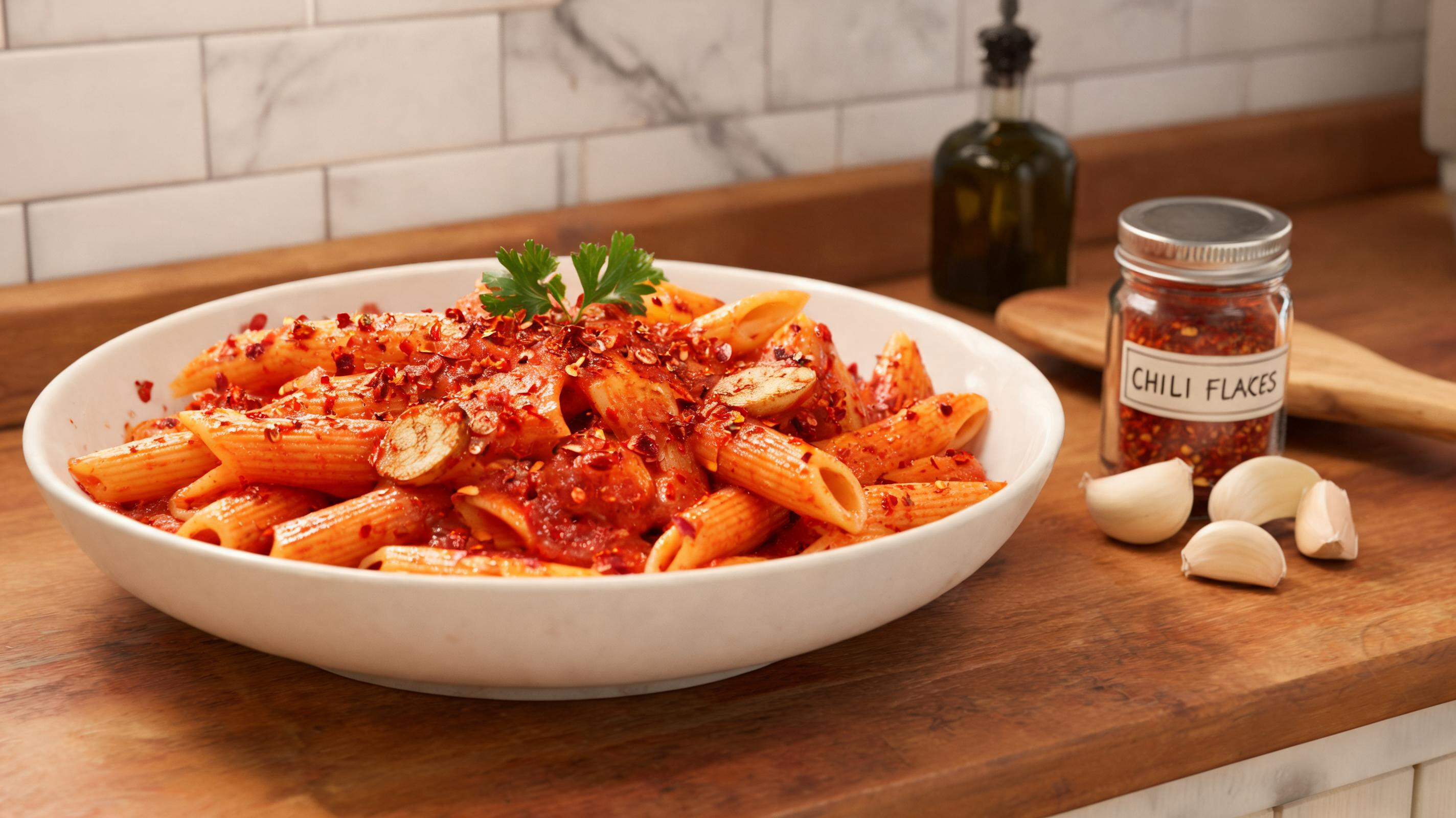
Arrabbiata means “angry” in Italian, and the name fits.
This tomato sauce gets its heat from dried red chili flakes, cooked down with garlic and olive oil into something bold and unapologetic.
Penne is the traditional choice because the tubes trap the sauce inside. It’s fast, fiery, and incredibly satisfying.
5. Fettuccine Alfredo
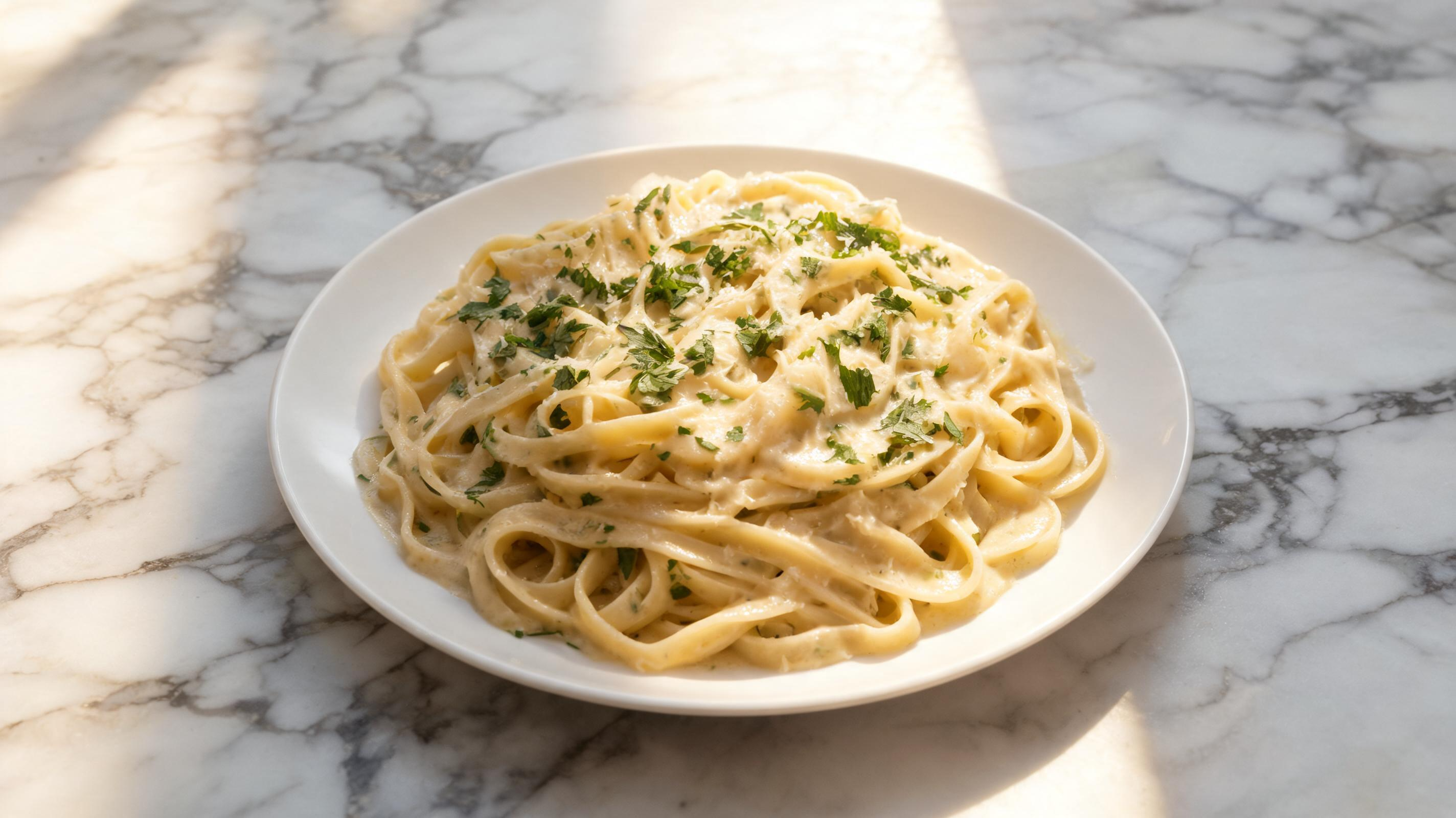
The original Roman version of Alfredo is nothing more than butter, Parmigiano-Reggiano, and pasta water, no cream, no shortcuts.
The magic is in the emulsification. When done right, the result is a sauce that coats every ribbon of fettuccine in something rich, nutty, and deeply comforting.
Simple ingredients, maximum payoff.
6. Orecchiette with Broccoli Rabe
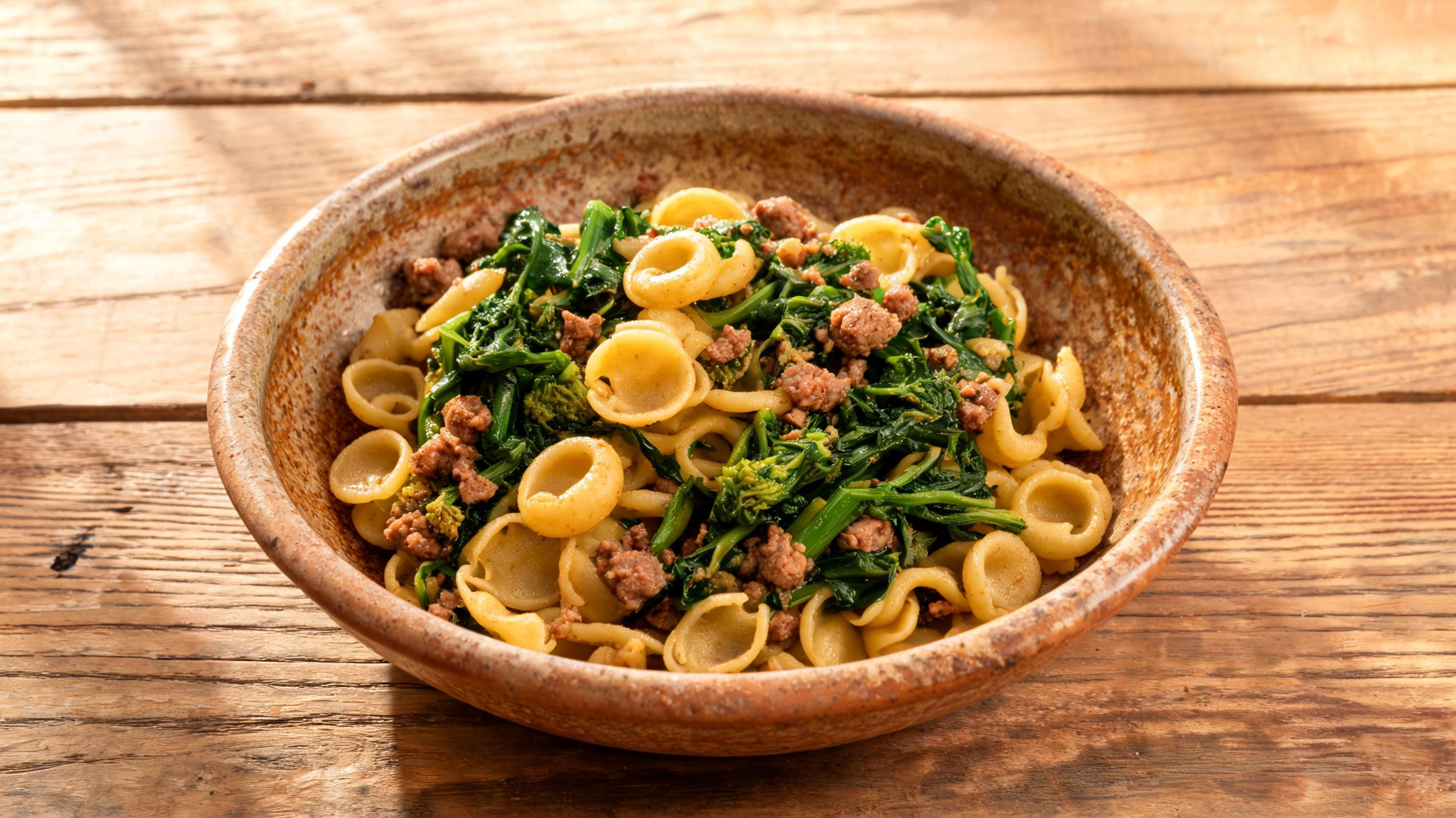
This is Southern Italian cooking at its most honest.
Orecchiette, meaning “little ears,” are the ideal shape for catching the garlicky, olive oil-dressed broccoli rabe that defines this dish.
The greens bring a pleasant bitterness that balances beautifully against the richness of the oil and any crumbled sausage added alongside.
7. Pasta Puttanesca
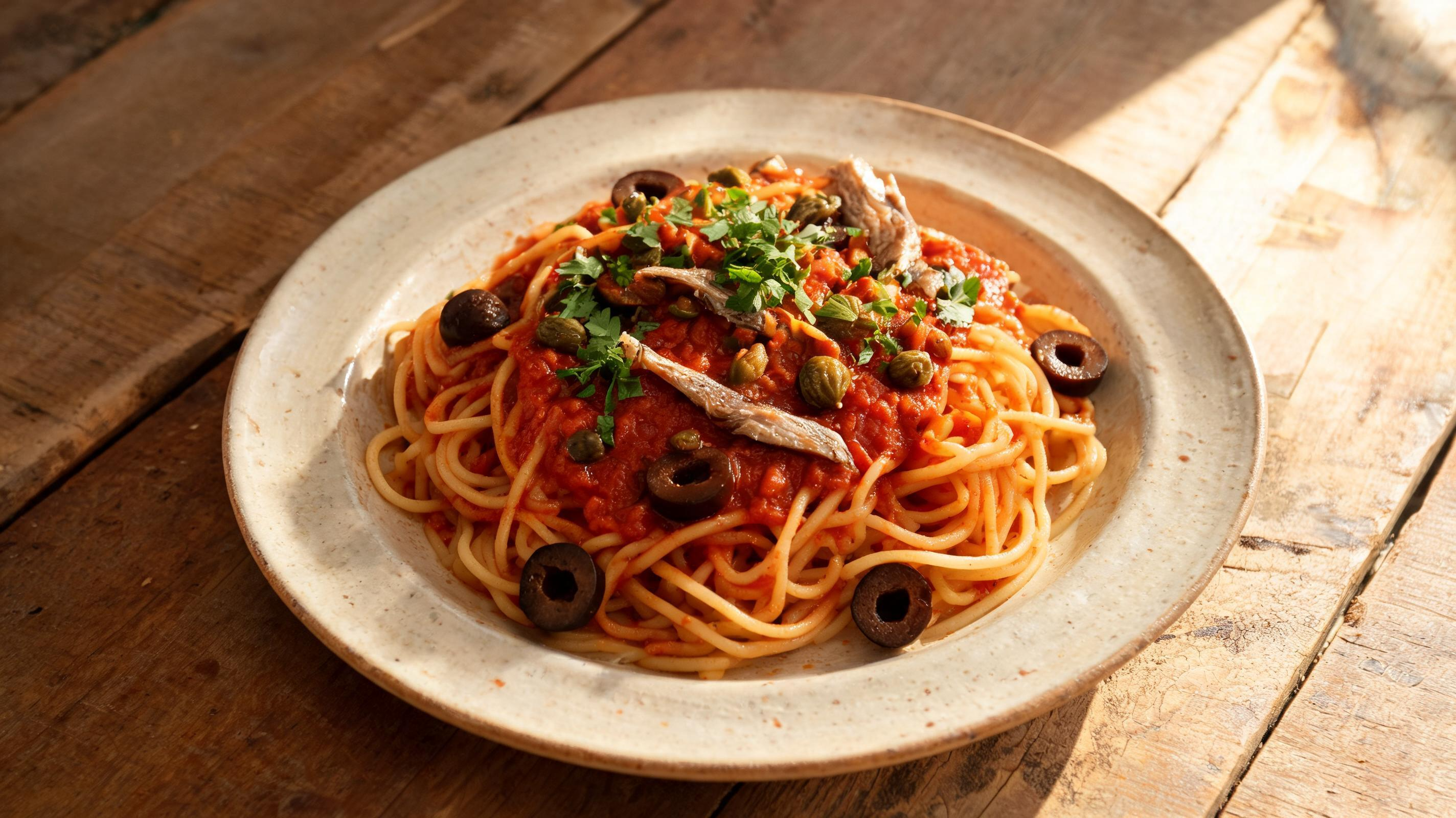
Puttanesca is bold, briny, and packed with personality. Olives, capers, anchovies, garlic, and tomatoes come together in a sauce that needs only 20 minutes on the stove.
The anchovies dissolve into the oil, adding depth rather than fishiness. It’s the kind of pantry pasta that tastes far more complex than it actually is.
8. Tortellini in Brodo
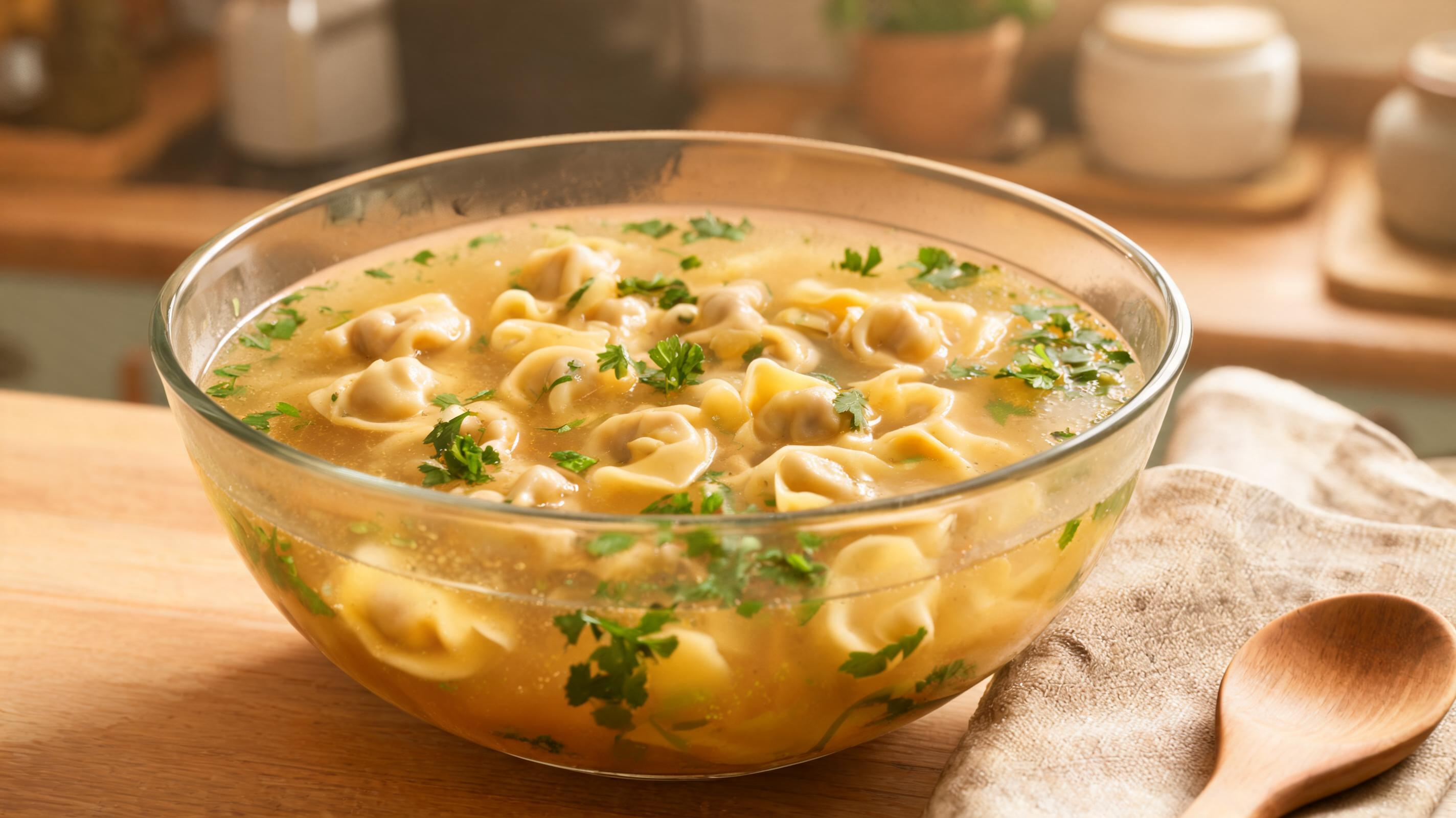
Tortellini in Brodo is Italian comfort food in its purest form.
Small, meat-filled pasta rings float in a clear, golden broth that’s been slowly simmered from chicken or beef bones.
It’s traditionally served at Christmas in Emilia-Romagna, but honestly, it deserves a spot on the table year-round. Subtle, warming, and restorative.
9. Ravioli Ricotta & Spinach
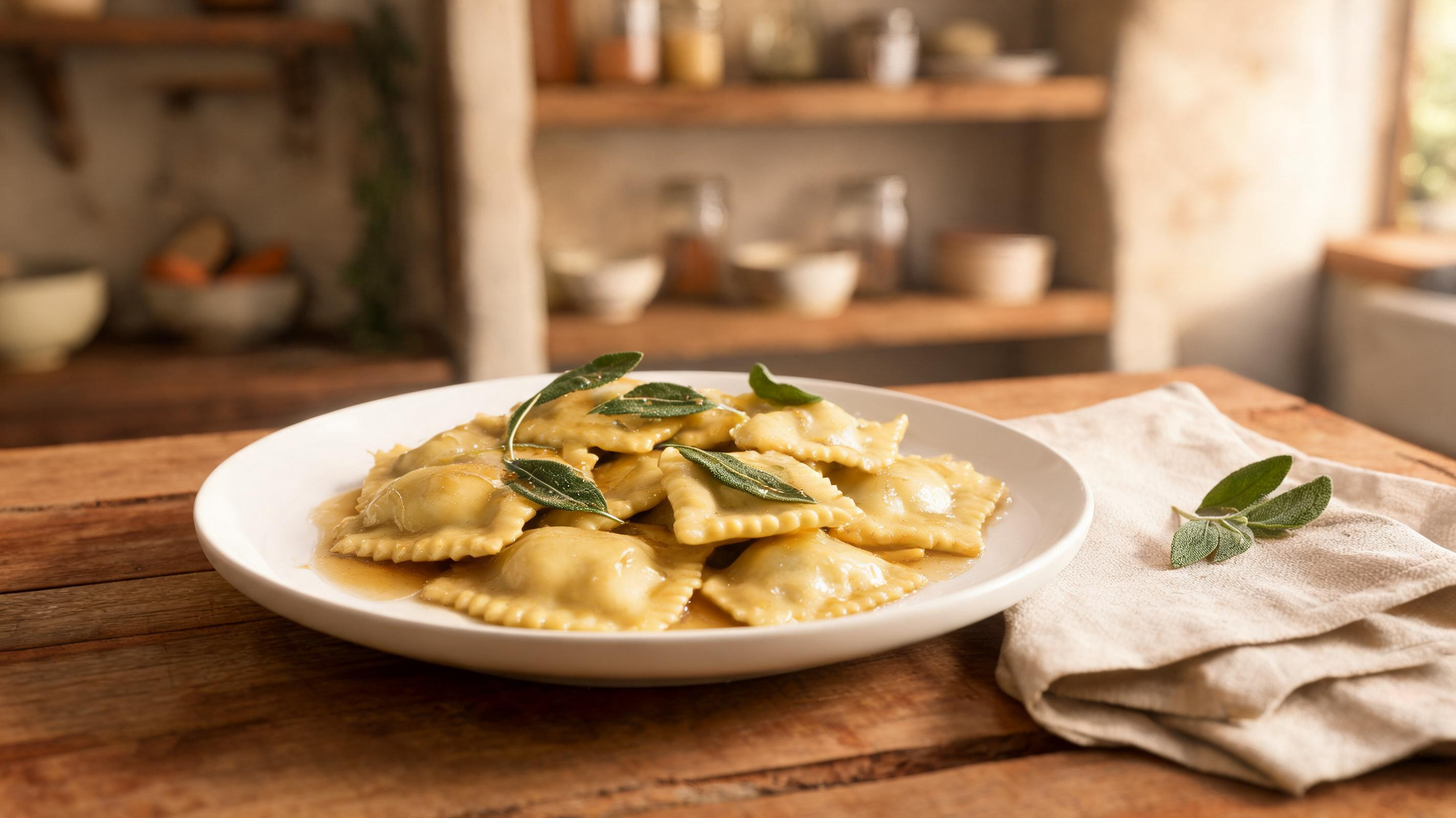
Homemade ravioli stuffed with ricotta and spinach is one of those dishes that looks impressive but is made with a straightforward process. The filling is creamy, mild, and subtly earthy.
Dress it with brown butter and sage, or a light tomato sauce; either way, the delicate pasta pillows carry the filling beautifully without overpowering it.
10. Bucatini all’Amatriciana
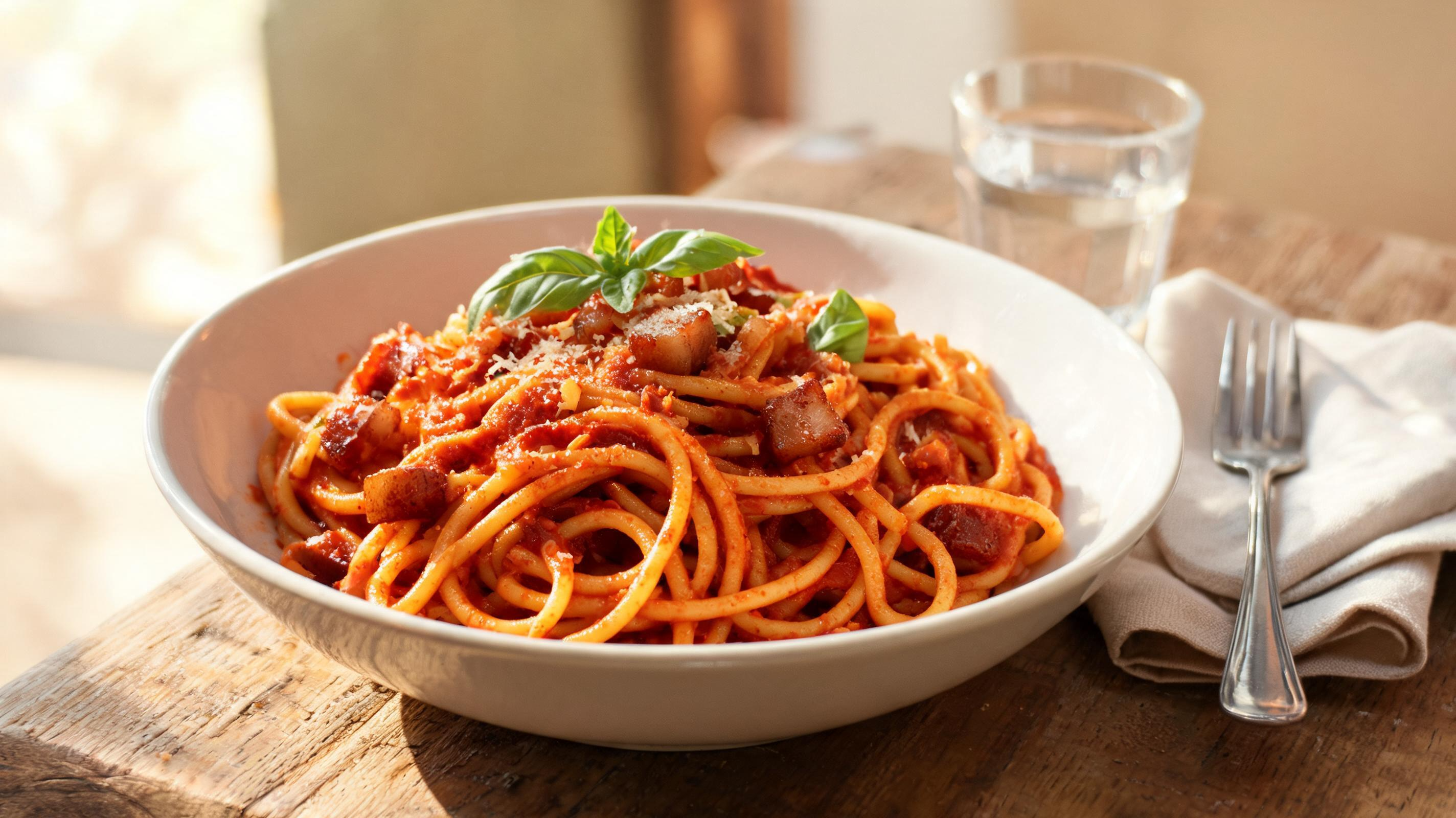
Bucatini all’Amatriciana is similar to its pasta cousin but has a distinct texture.
The thick, hollow bucatini soaks up the tomato and guanciale sauce differently than a flat or solid pasta would.
Each strand delivers a satisfying chew and a burst of saucy flavor. It’s a small difference in shape that makes a big difference in the bowl.
Risotto & Rice Recipes
Creamy, slow-stirred, and deeply satisfying, these risottos bring out the best of Italian rice cookery.
11. Risotto Alla Milanese
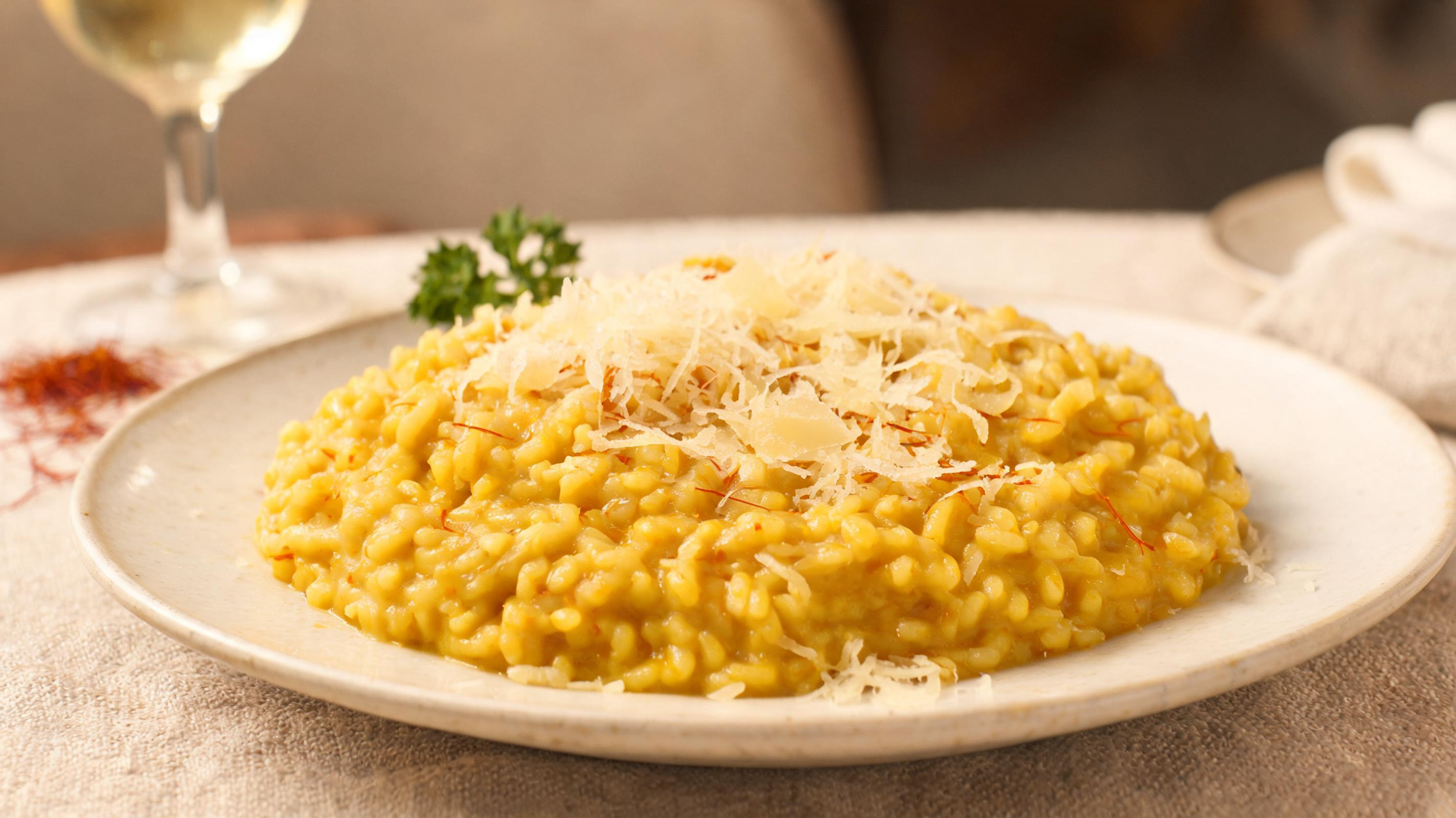
Risotto alla Milanese is Milan’s most iconic contribution to Italian cuisine.
Saffron gives it that unmistakable golden color and a subtle floral depth that no other ingredient can replicate.
It’s made the traditional way, Arborio rice slowly coaxed with warm stock, finished with butter and Parmigiano. Rich, elegant, and genuinely special.
12. Mushroom Risotto
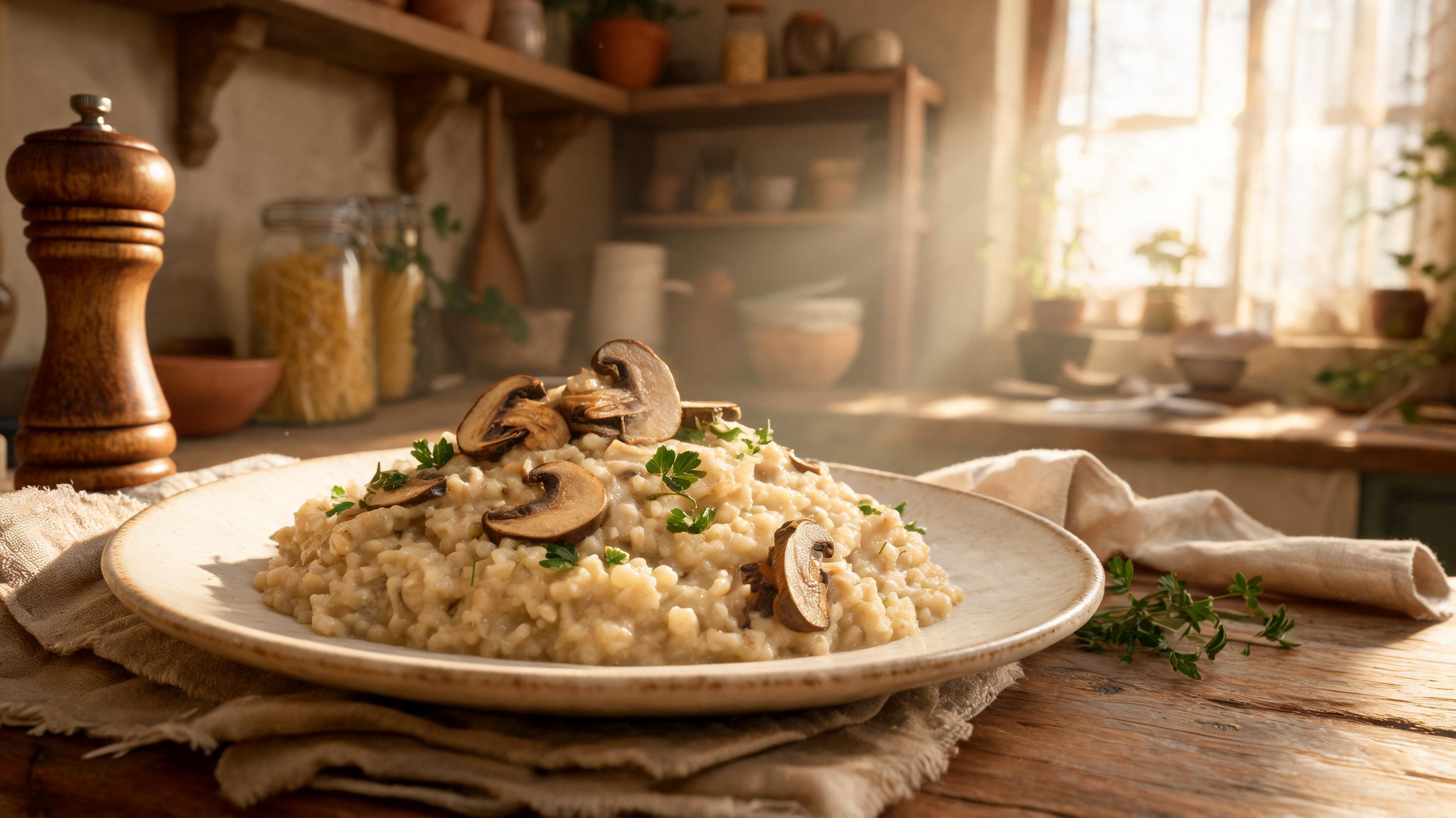
Mushroom risotto is the kind of dish that feels indulgent without being heavy.
A mix of fresh and dried mushrooms, porcini being the gold standard, brings an earthy, savory depth to each spoonful.
The slow addition of warm stock gives the rice its signature creaminess. A finish of cold butter ties everything together.
13. Seafood Risotto
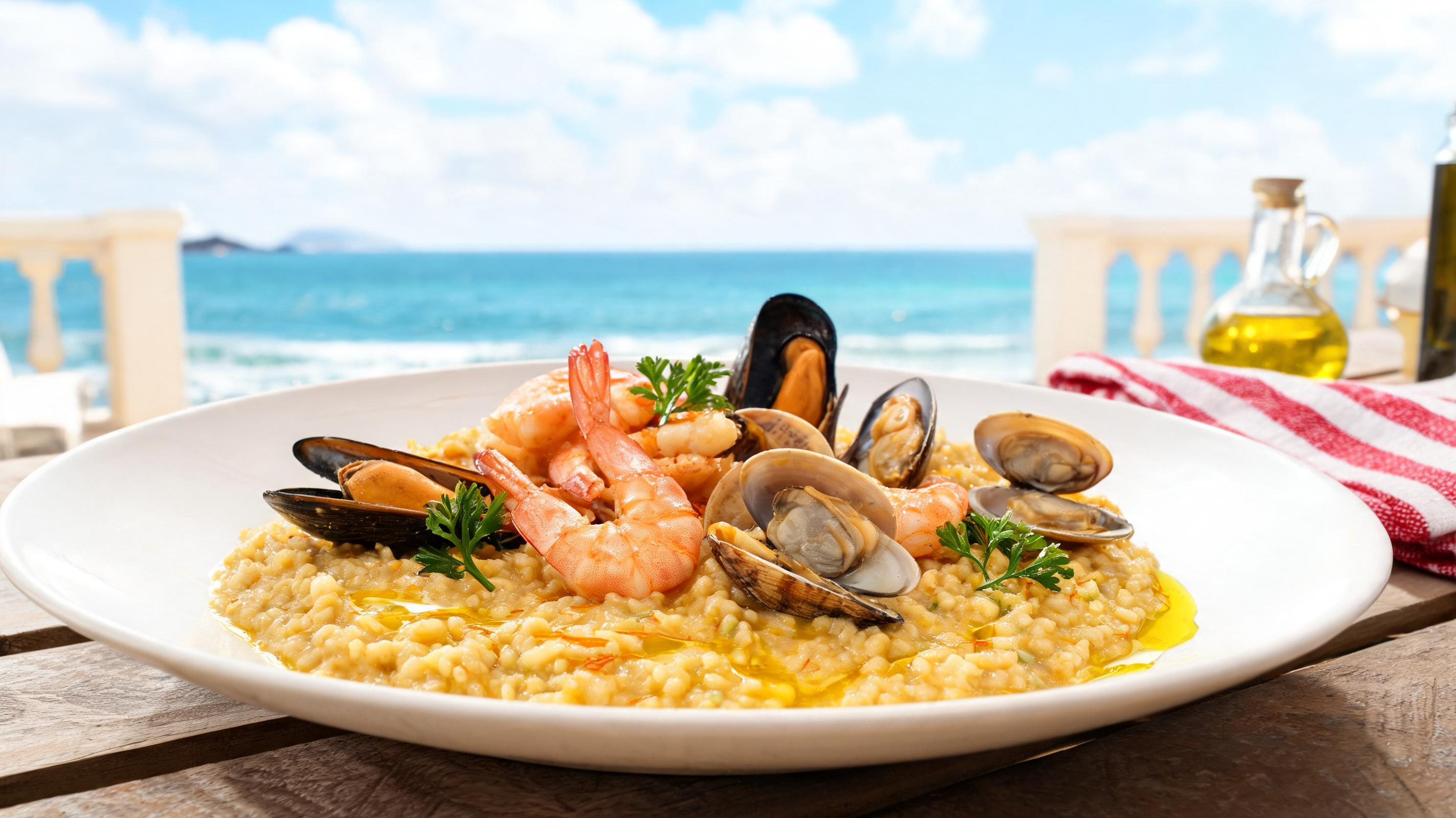
Seafood risotto is a coastal Italian classic, built around whatever is freshest at the market.
Shrimp and mussels are the most common combination, cooked gently to keep them tender.
A splash of white wine and a good fish stock form the flavor base. Unlike meat-based risottos, this one skips the cheese to let the seafood shine.
14. Pumpkin Risotto
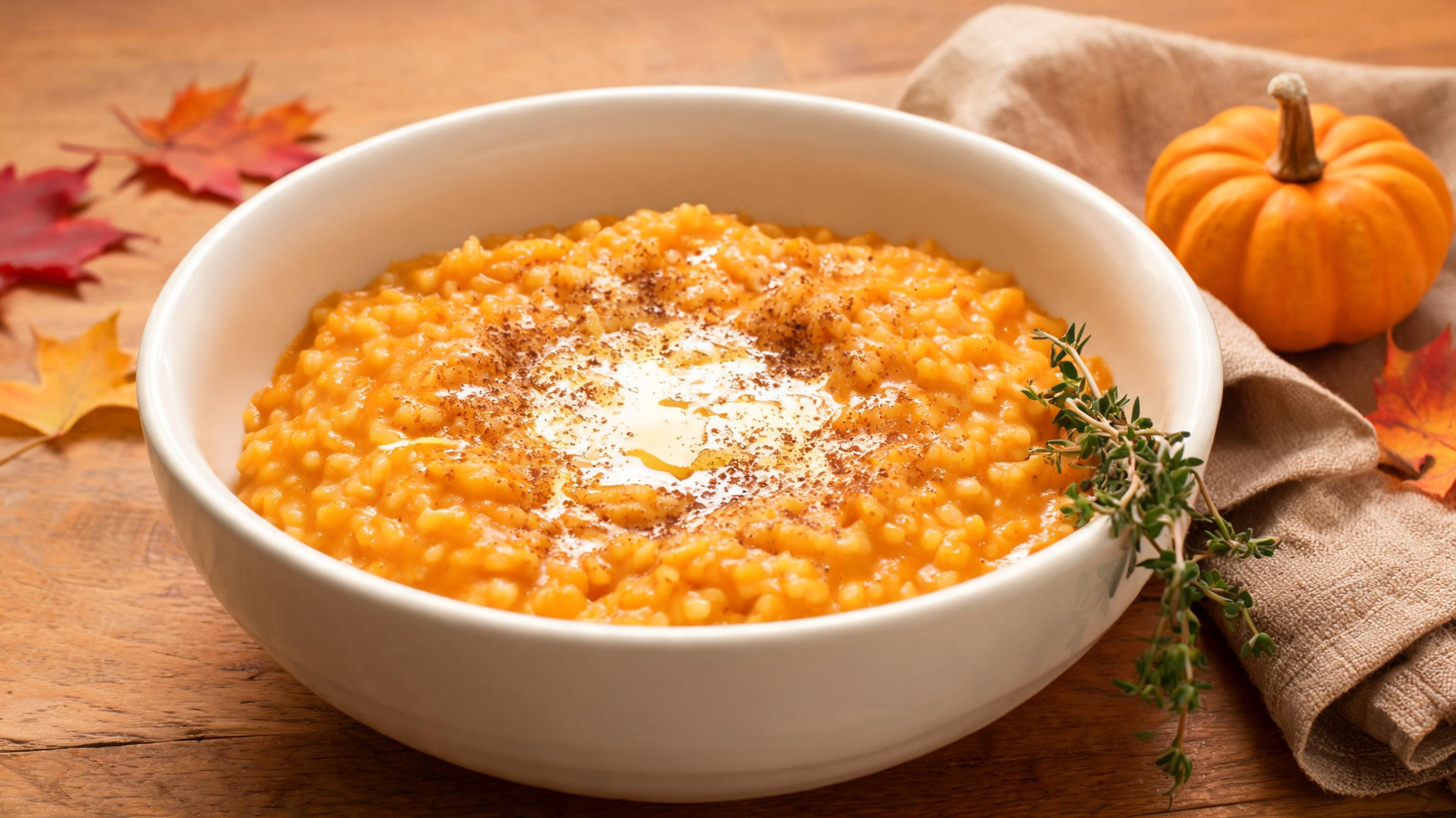
Pumpkin risotto is a celebration of autumn on a plate.
Roasted or pureed pumpkin gets stirred into the rice, giving it a naturally sweet, velvety quality. A little nutmeg, some Parmigiano, and a knob of butter at the finish round it out.
It’s soft, seasonal, and the kind of comfort food that feels a little elegant.
15. Saffron & Pea Risotto
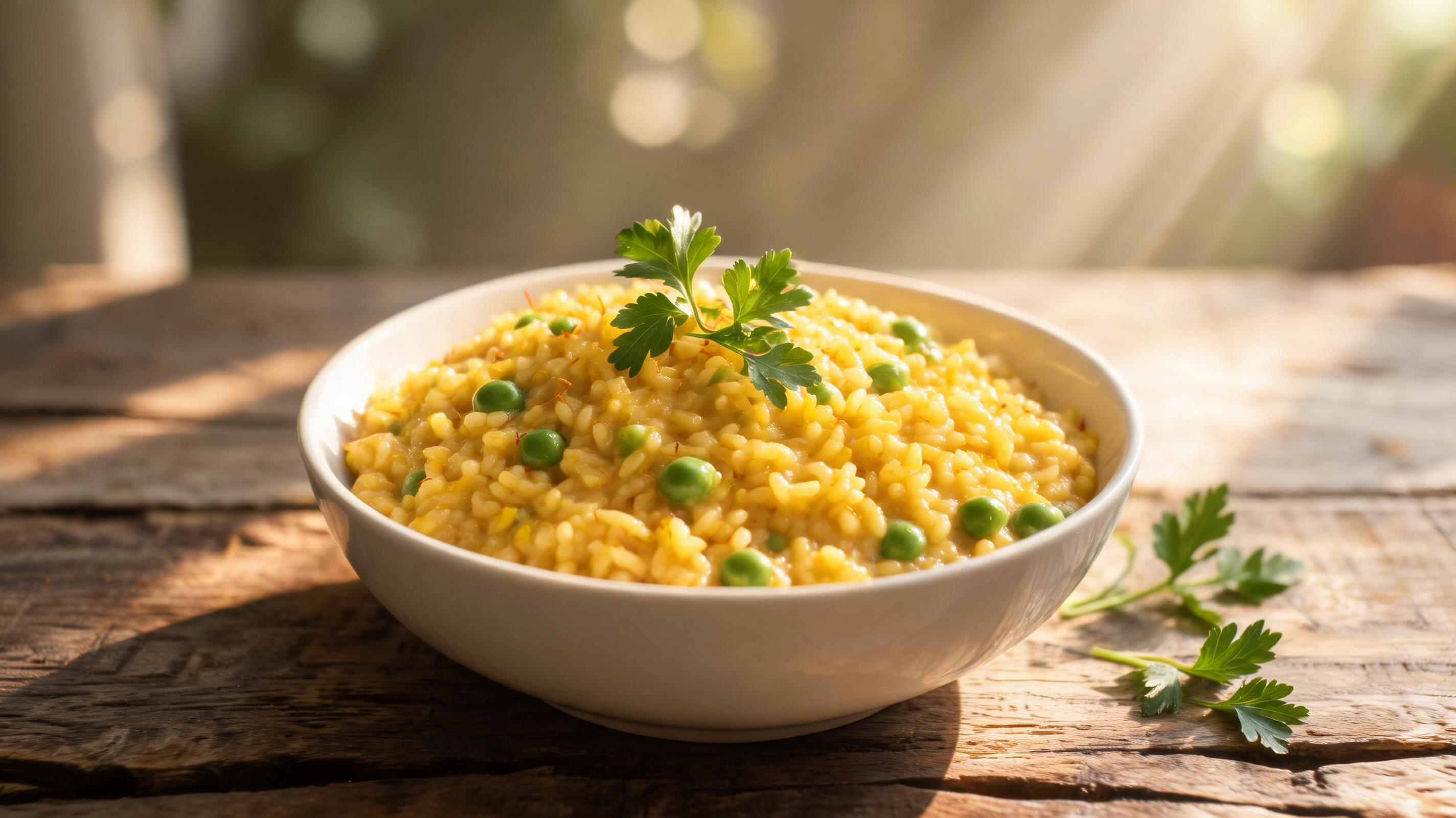
This risotto combines the golden warmth of saffron with the fresh sweetness of peas for a vibrant, satisfying dish.
The peas go in toward the end to stay bright and tender. It’s lighter than most risottos, making it a great choice for spring and early summer.
Colorful, fragrant, and easy enough for a weeknight dinner.
Tip: Add warm stock gradually and stir consistently for the creamiest consistency.
Meat & Secondi Recipes
Braised, roasted, and pan-fried cuts that make up the hearty second course of a traditional Italian meal.
16. Chicken Cacciatore
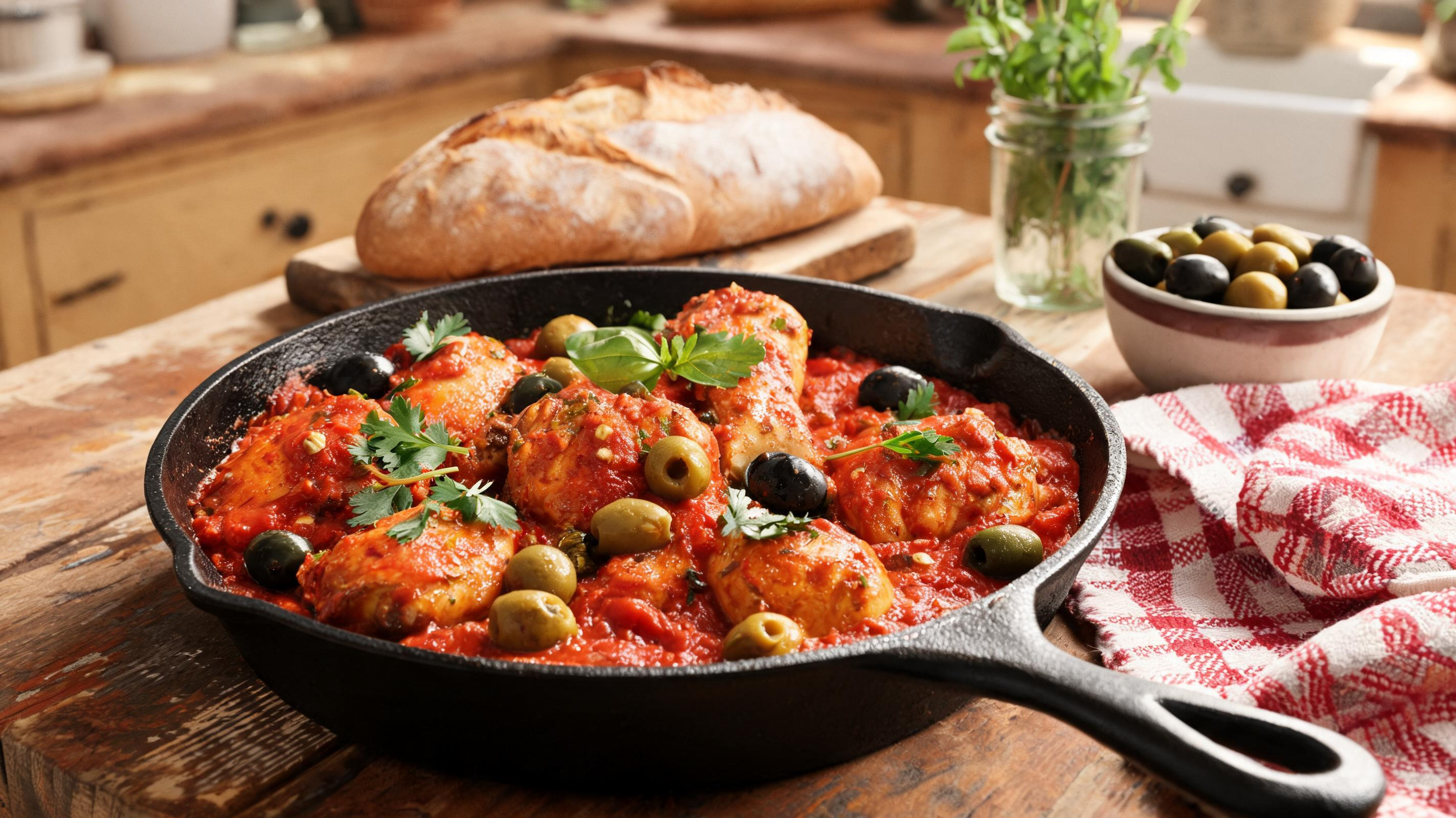
Chicken Cacciatore translates to “hunter’s chicken,” and it’s as rustic and hearty as that name suggests.
Bone-in chicken pieces are braised low and slow in a tomato sauce with olives, capers, and herbs until the meat is fall-off-the-bone tender.
It’s a one-pan dish that gets better the longer it sits, and even better the next day.
17. Osso Buco
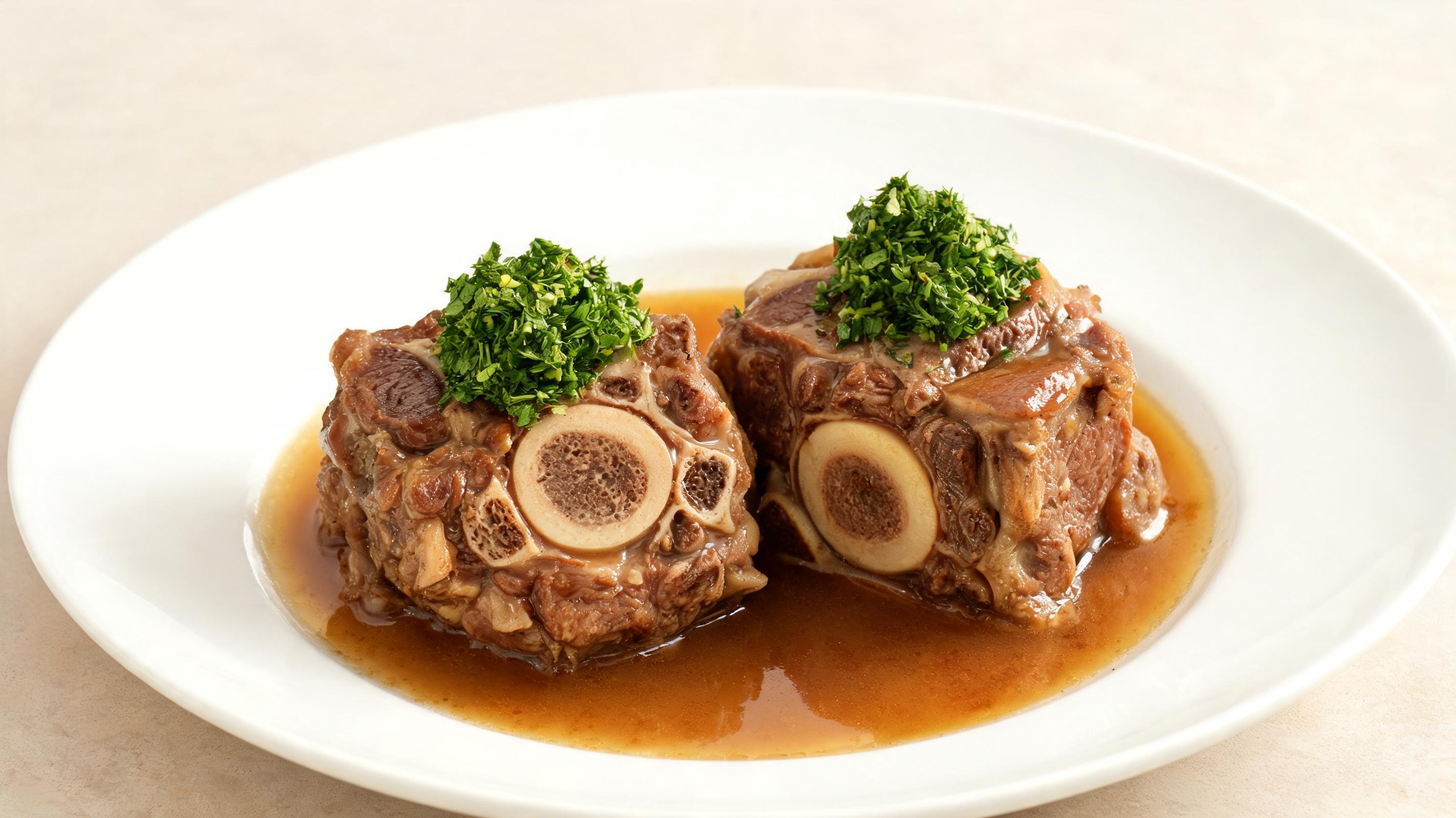
Osso Buco is a Milanese classic and one of the most celebrated meat dishes in all of Italian cooking.
Cross-cut veal shanks are braised in white wine, broth, and aromatics until the meat is meltingly tender and the marrow has softened inside the bone.
Traditionally served with Risotto alla Milanese and topped with bright, herby gremolata.
18. Veal Saltimbocca
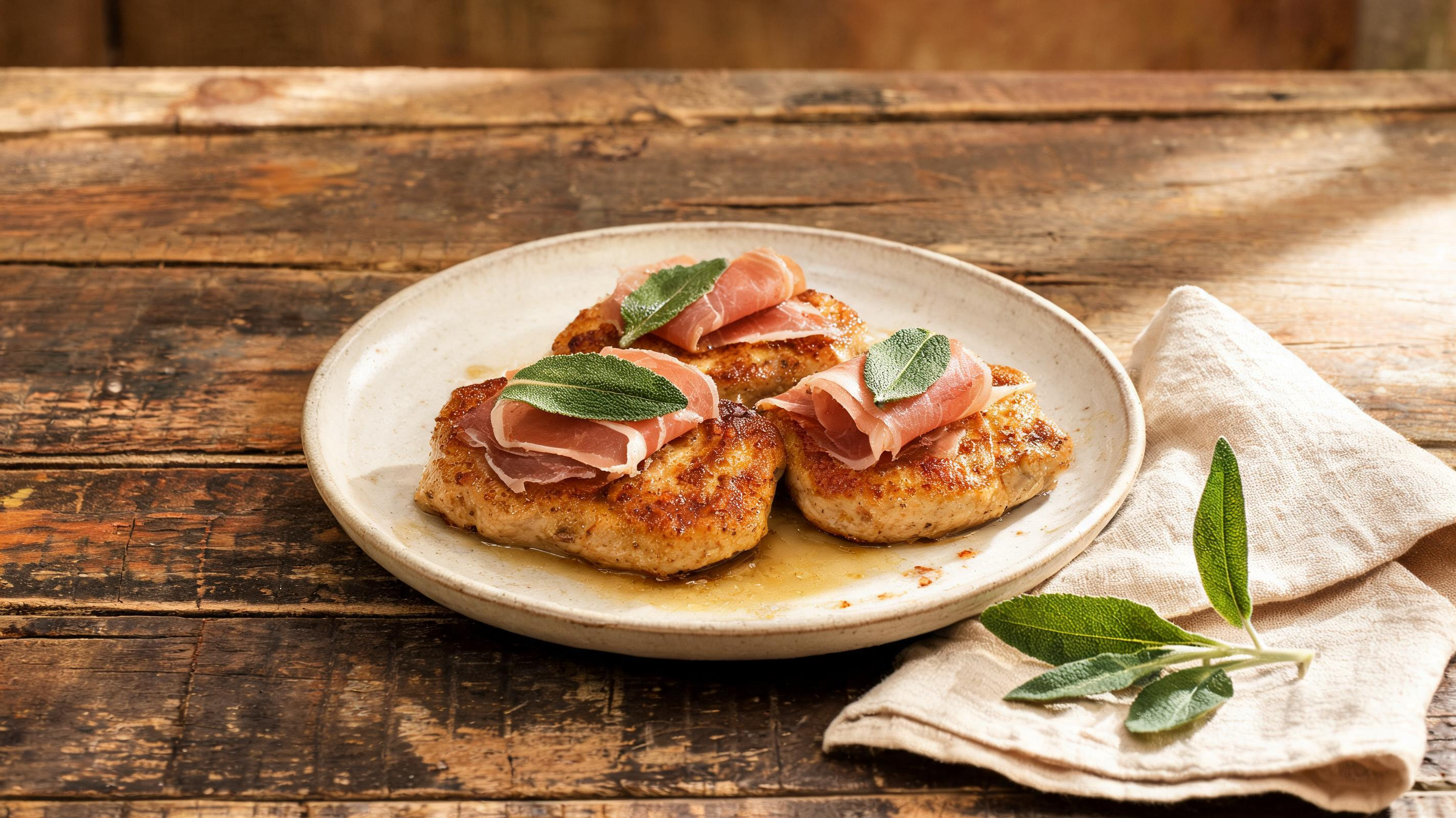
Saltimbocca means “jumps in the mouth”, and this dish delivers on that promise.
Thin veal cutlets are topped with prosciutto and fresh sage, then pan-fried in butter and white wine until golden.
The combination of tender veal, salty cured meat, and aromatic sage is classic Roman cooking at its most straightforward and satisfying.
19. Braised Short Ribs
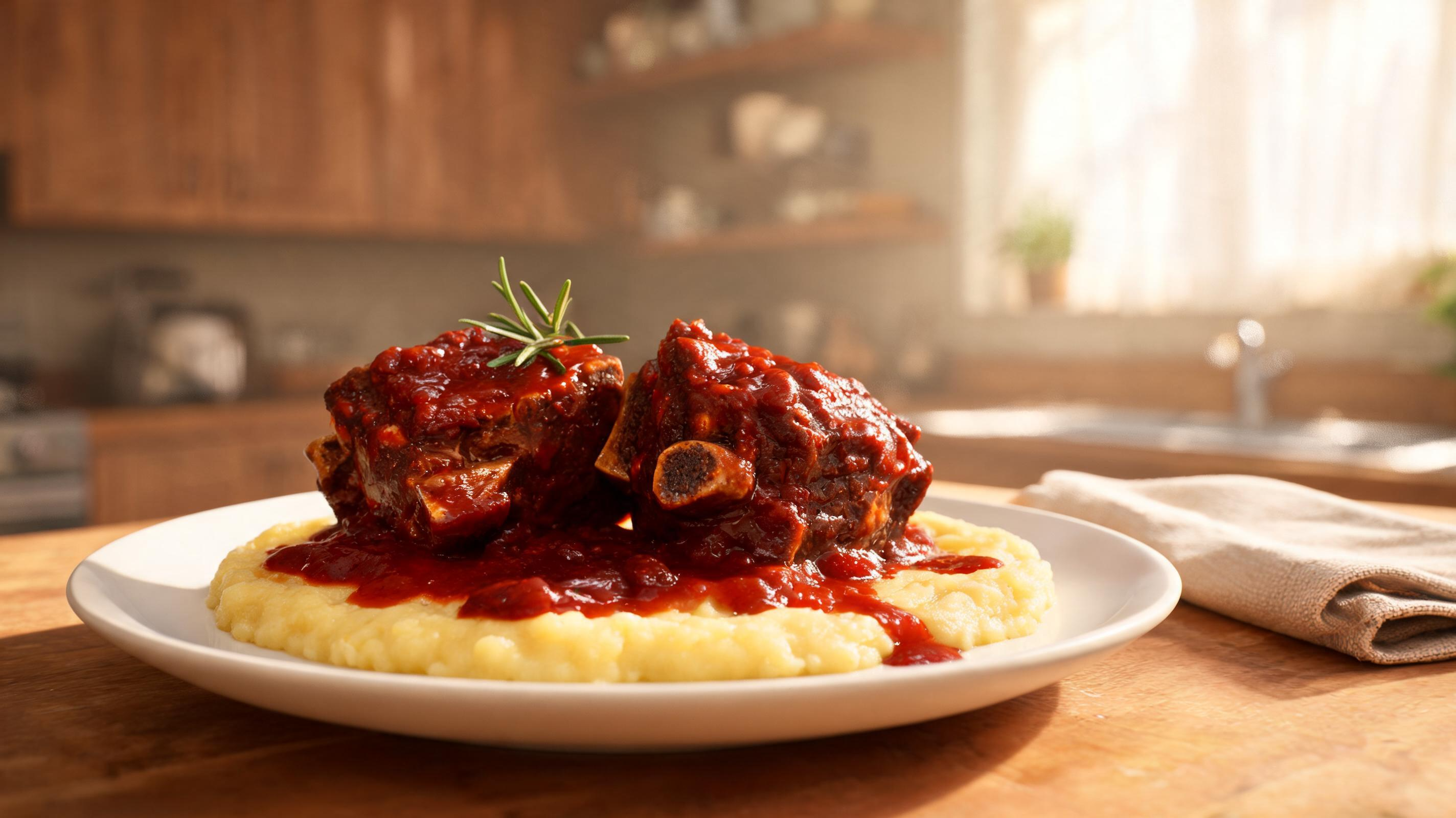
Slow-braised short ribs are not strictly traditional Italian, but they fit right into the spirit of Italian Sunday cooking, long, unhurried, and deeply rewarding.
Cooked down in red wine, tomatoes, and aromatics, the beef becomes fall-apart tender with a rich, glossy sauce.
Serve over polenta or alongside crusty bread to catch every drop.
20. Porchetta
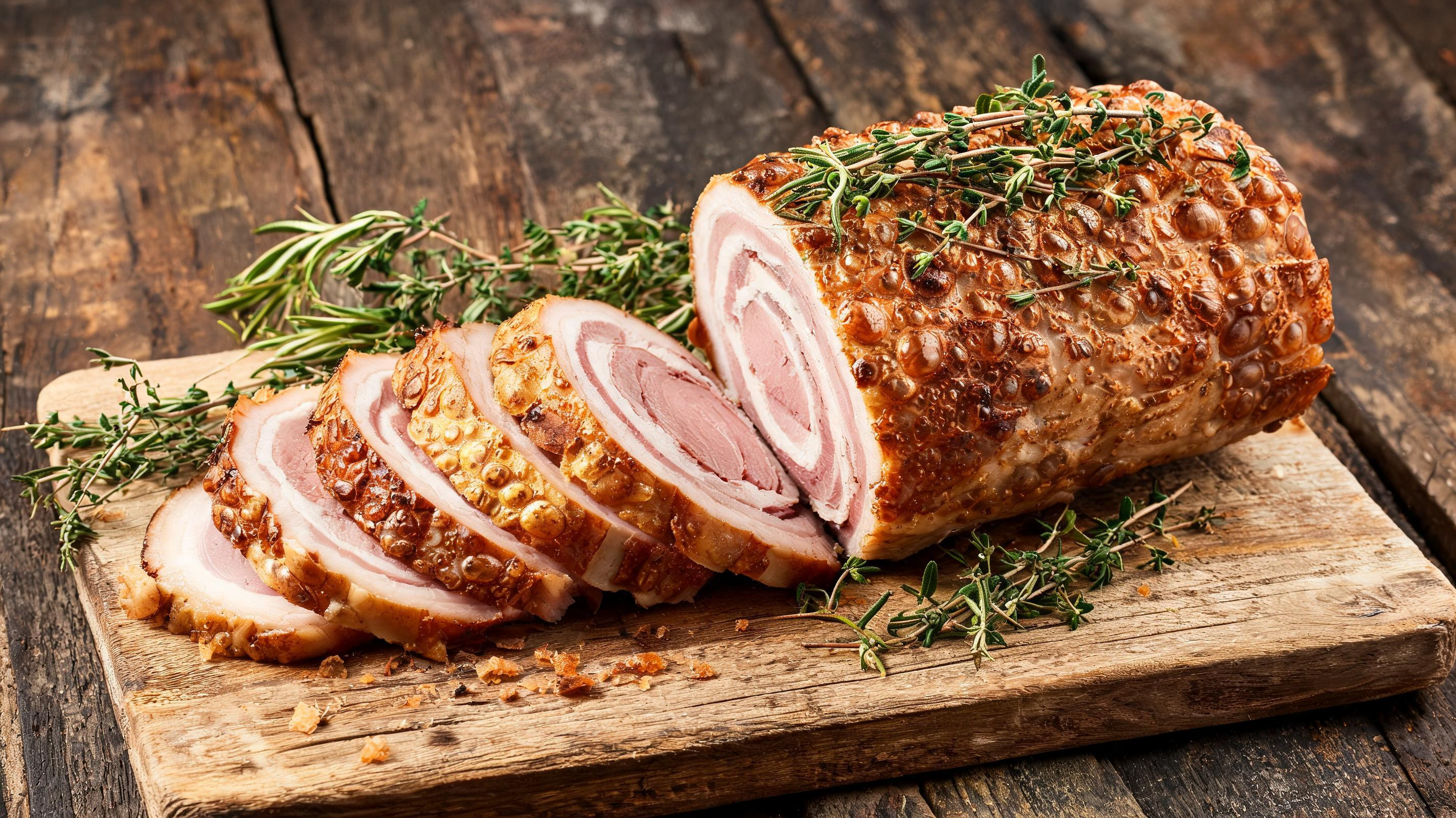
Porchetta is Italian street food royalty. A whole pork belly or shoulder is seasoned heavily with garlic, rosemary, fennel, and black pepper.
Then rolled tight and slow-roasted until the outside is crackling-crisp and the inside is juicy and fragrant.
Sliced thick and piled onto crusty bread, it’s one of the most satisfying things Italian cooking has to offer.
21. Pollo Alla Diavola
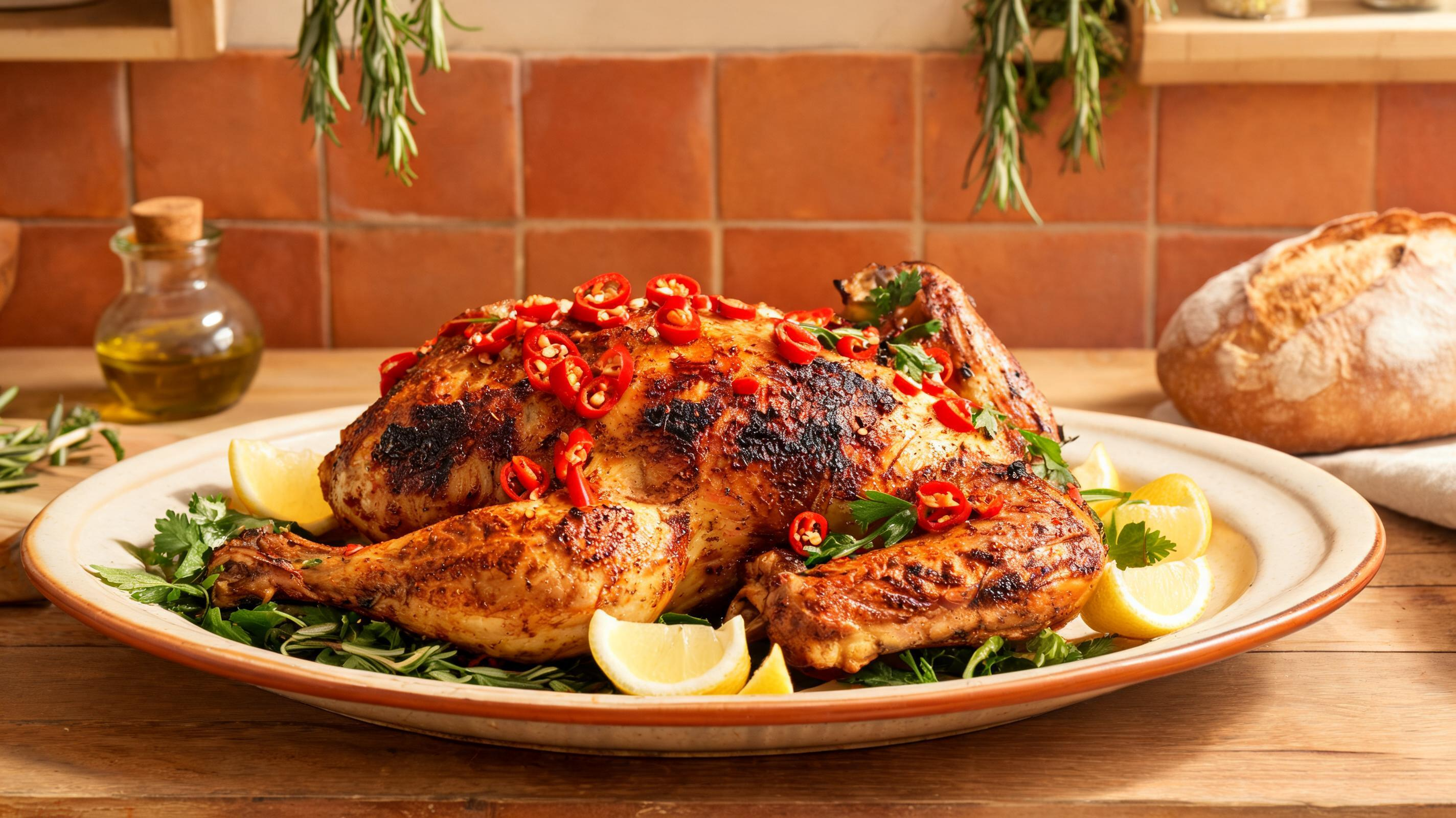
Pollo alla Diavola is spatchcocked chicken marinated in chili, garlic, and olive oil, then roasted or grilled at high heat until the skin is charred and crackling.
The name “devil’s chicken” refers to the heat. But it’s not just about spice.
The high-heat cooking gives the meat incredible texture and a smoky, caramelized depth of flavor.
22. Beef Braciole
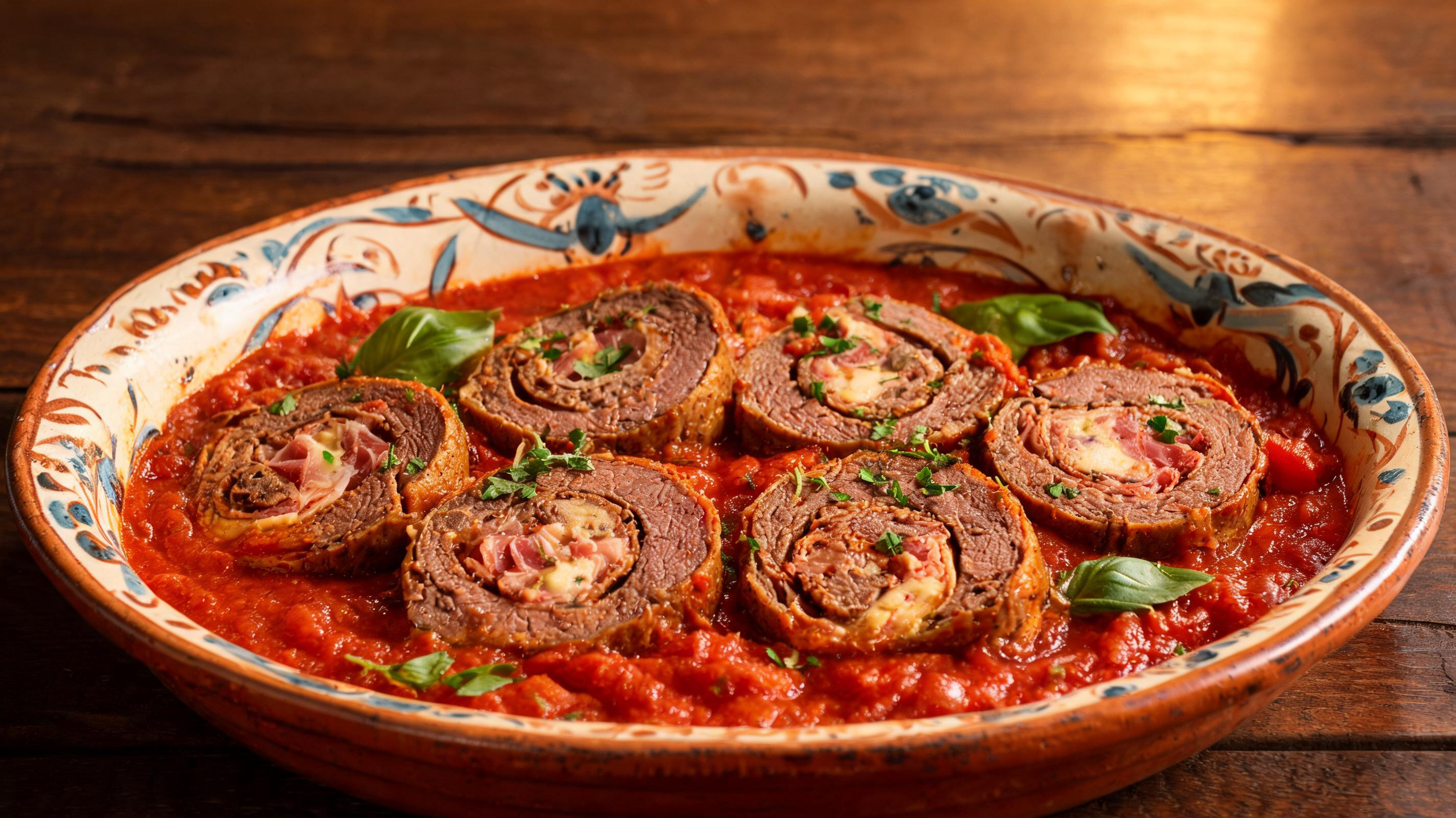
Beef Braciole is a Southern Italian Sunday tradition. Thin slices of beef are rolled around a filling of breadcrumbs, hard-boiled eggs, pine nuts, and herbs.
Then tied and simmered slowly in tomato sauce for hours. The meat absorbs the sauce as it cooks, and the sauce absorbs the flavors from the filling.
Everything benefits from the long, slow cook.
Seafood Recipes
Fresh, simple, and coastal, these dishes let quality fish and shellfish do all the talking.
23. Shrimp Fra Diavolo
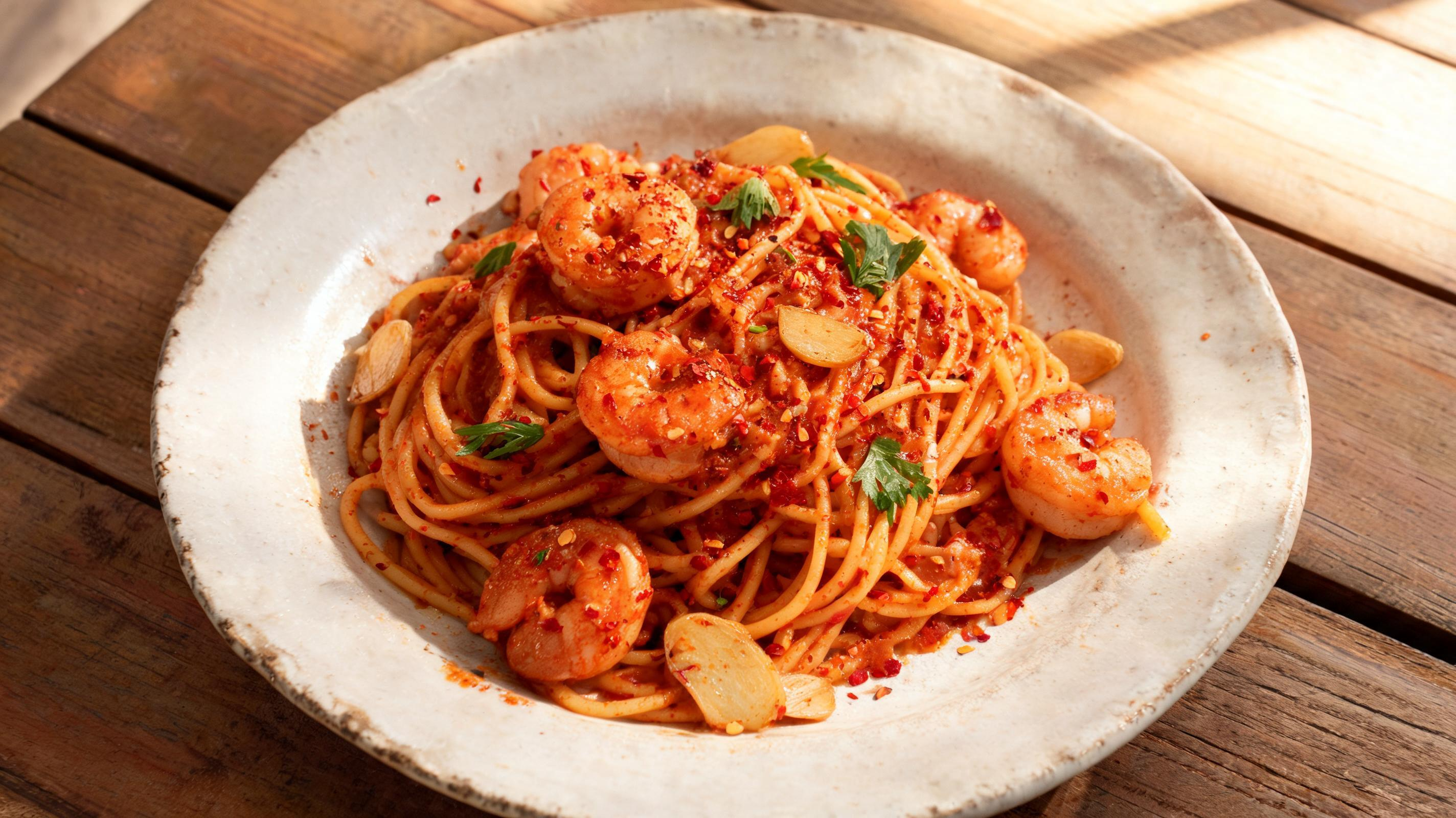
Fra Diavolo, “Brother Devil”, is a spicy tomato sauce that pairs perfectly with plump, tender shrimp.
Red chili flakes bring the heat, while garlic, white wine, and crushed tomatoes build the base.
It comes together quickly, making it an ideal weeknight option. Serve it over linguine or with crusty bread to soak up the sauce.
24. Baccalà Alla Vicentina
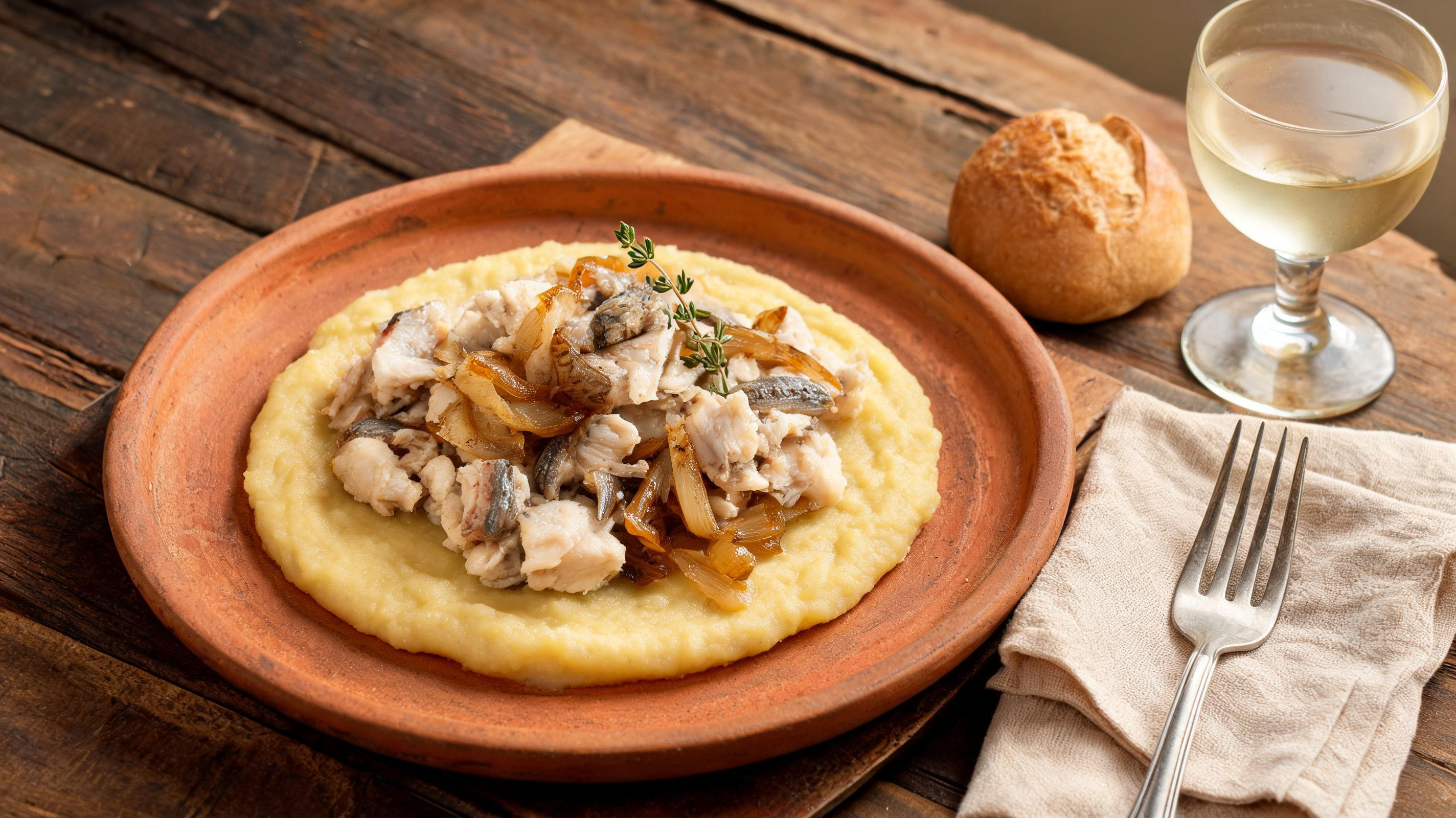
Baccalà alla Vicentina is a slow-cooked salt cod dish from the Veneto region, known for its creamy, almost melting texture.
The cod is layered with onions, anchovies, milk, and olive oil, then baked low and slow for several hours.
The result is rich, savory, and deeply satisfying, traditionally served over soft polenta.
25. Grilled Branzino
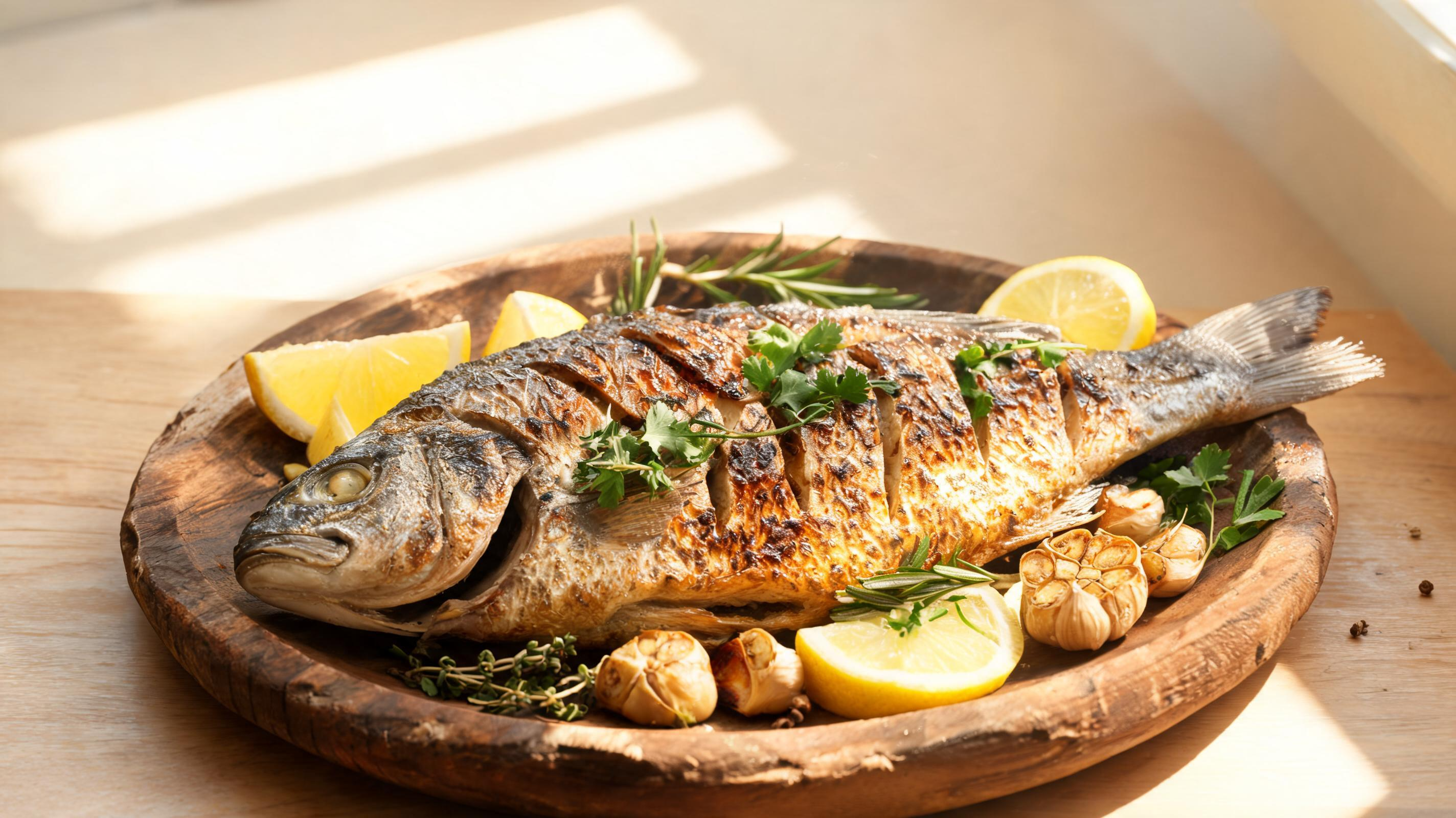
Grilled Branzino is Italian coastal simplicity at its finest. The whole fish is seasoned inside and out with olive oil, lemon, garlic, and fresh herbs.
Then grilled over high heat until the skin is crisp and the flesh is tender and flaky. It needs almost nothing else.
A squeeze of lemon and a drizzle of good olive oil say it all.
26. Seafood Pasta
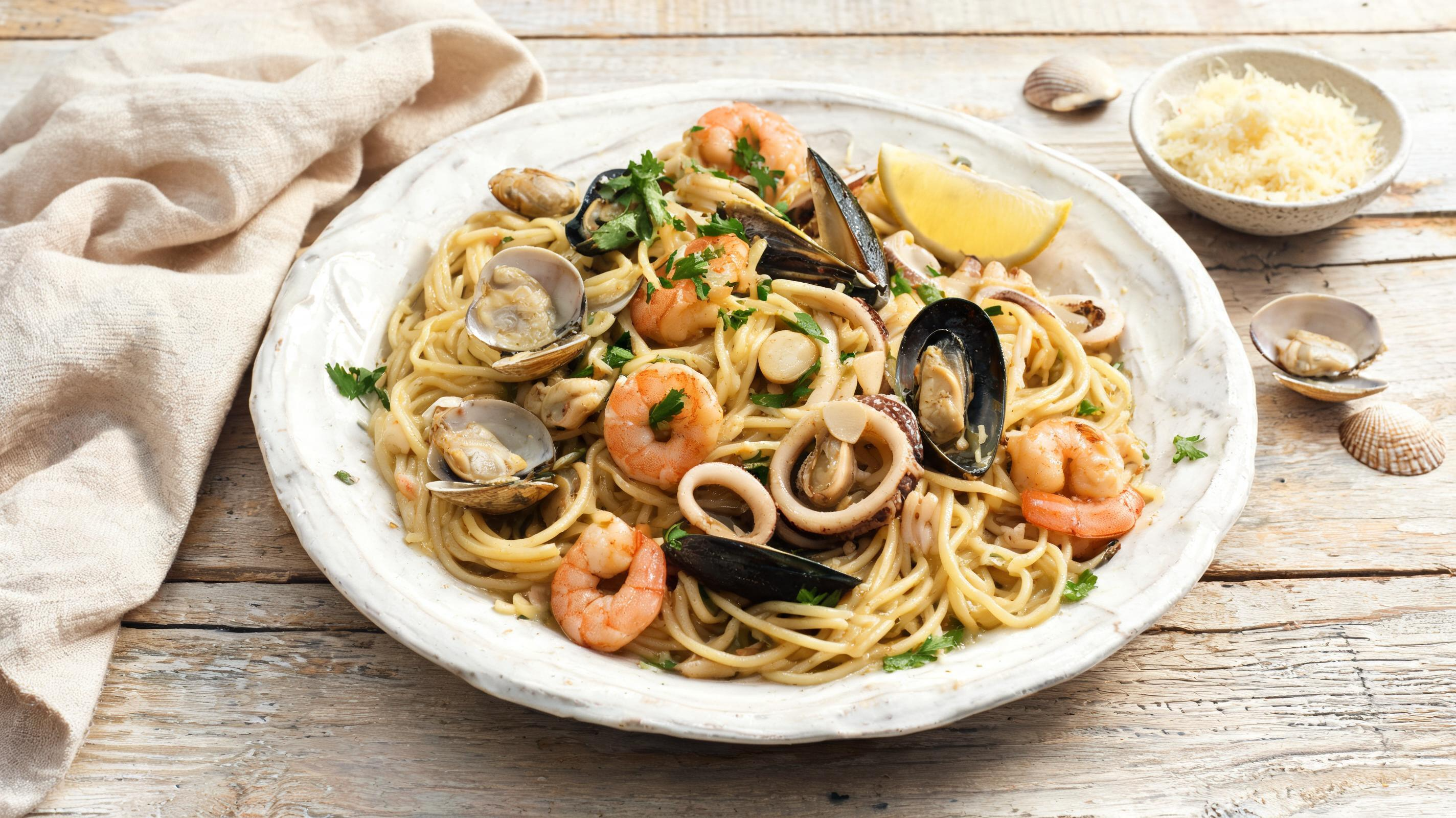
Linguine ai Frutti di Mare is a celebration of the sea on a plate.
Clams, mussels, shrimp, and squid are cooked quickly in white wine, garlic, and olive oil, then tossed with al dente linguine.
No heavy sauce, no cheese, just the clean, briny flavors of fresh shellfish soaking into every strand of pasta. Fresh and fast.
27. Calamari Alla Griglia
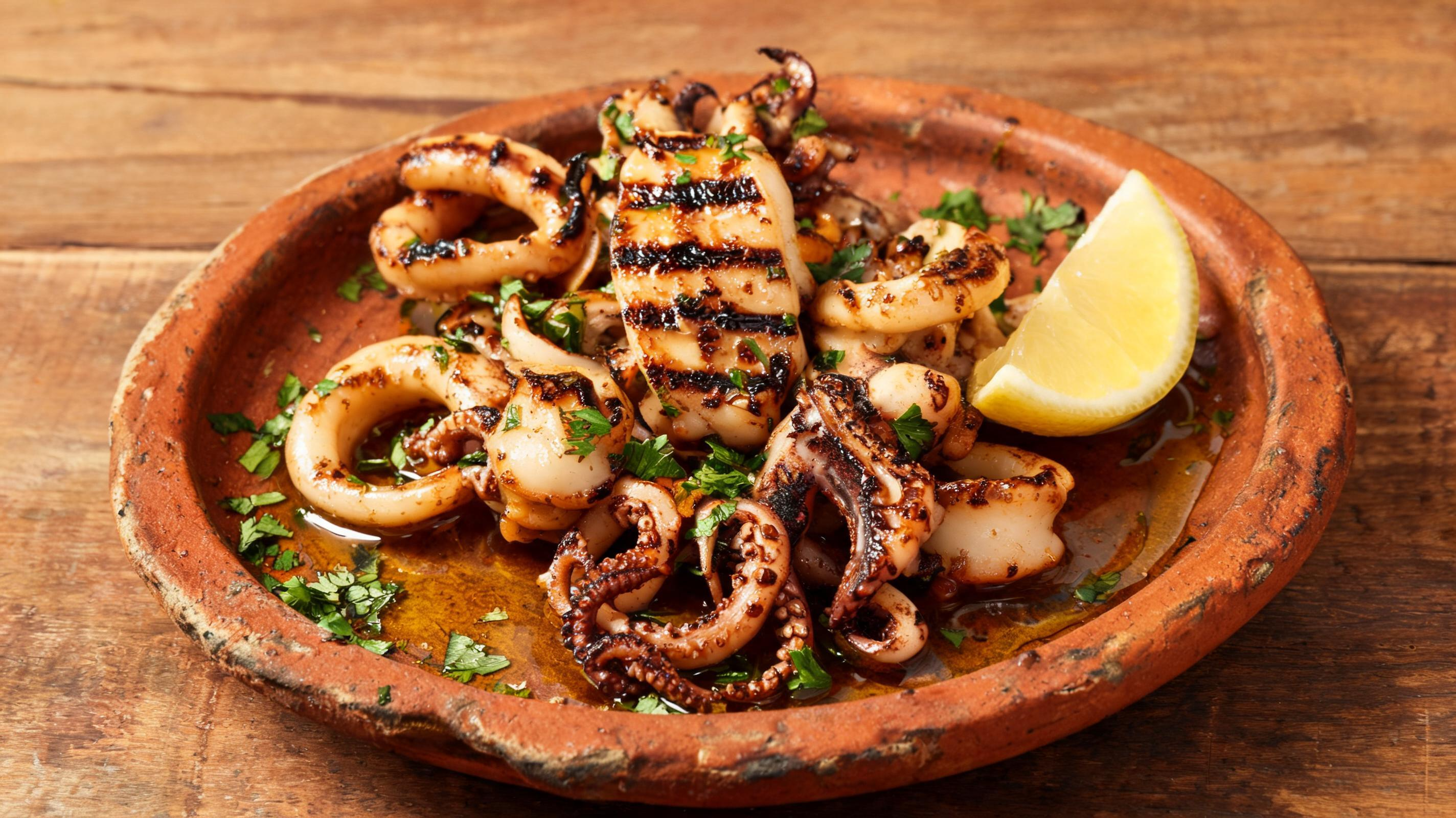
Grilled calamari is one of the easiest seafood dishes in the Italian repertoire, and one of the most satisfying.
Squid is cleaned, scored, and charred quickly over high heat to keep it tender rather than rubbery.
A finish of lemon juice, parsley, and olive oil is all it needs. Served as a starter or alongside grilled vegetables, it always delivers.
Pizza & Baked Dishes
Crispy crusts, bubbling cheese, and golden bakes that bring the best of the Italian oven to the home kitchen.
28. Margherita Pizza
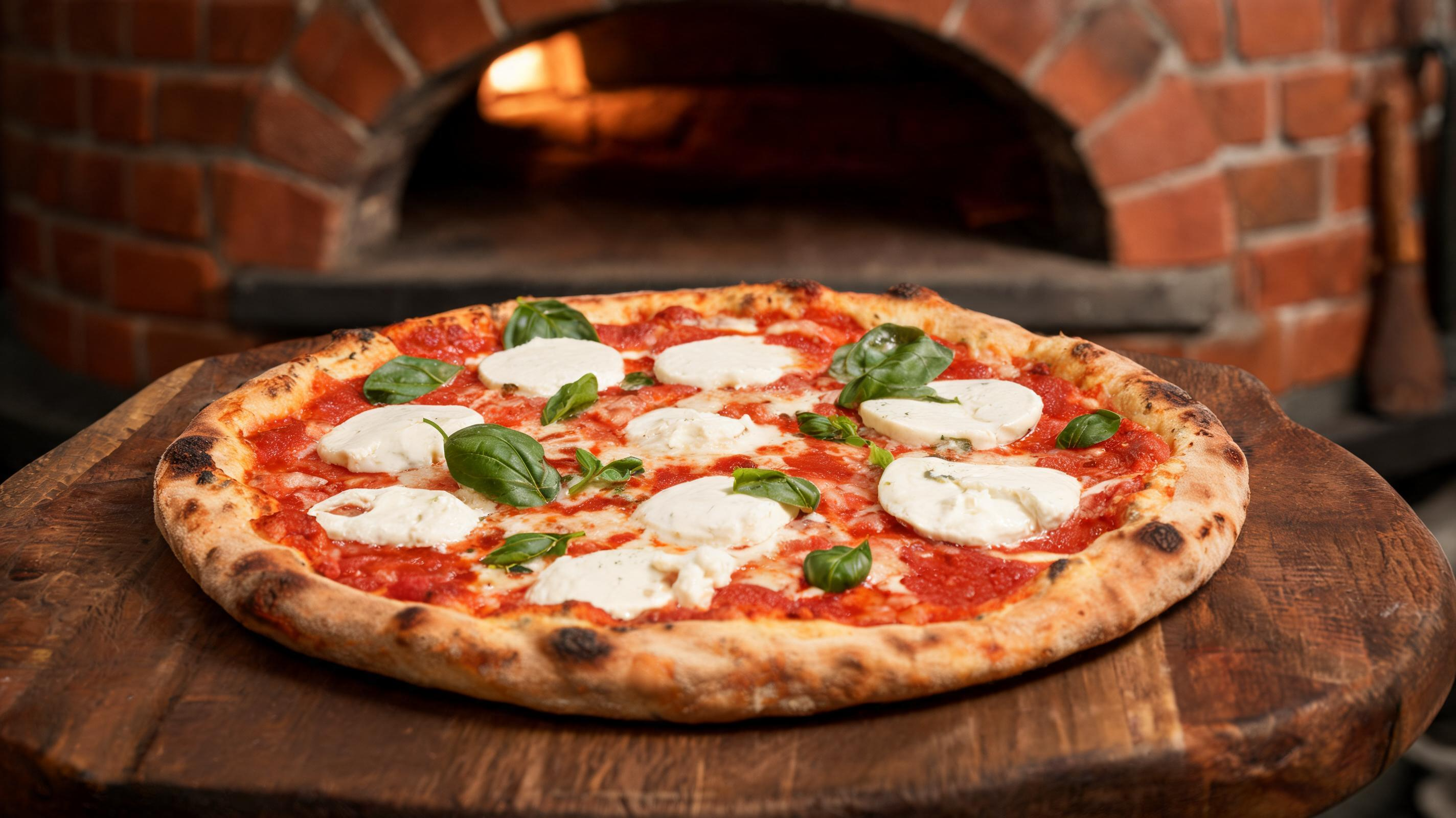
Margherita pizza is the benchmark. Thin, blistered crust topped with San Marzano tomato sauce, fresh mozzarella, and basil leaves, nothing more.
Its simplicity is what makes it so difficult to perfect and so rewarding when done right.
The quality of every ingredient matters here because there is nowhere to hide behind toppings or heavy cheese.
29. Pizza Quattro Stagioni
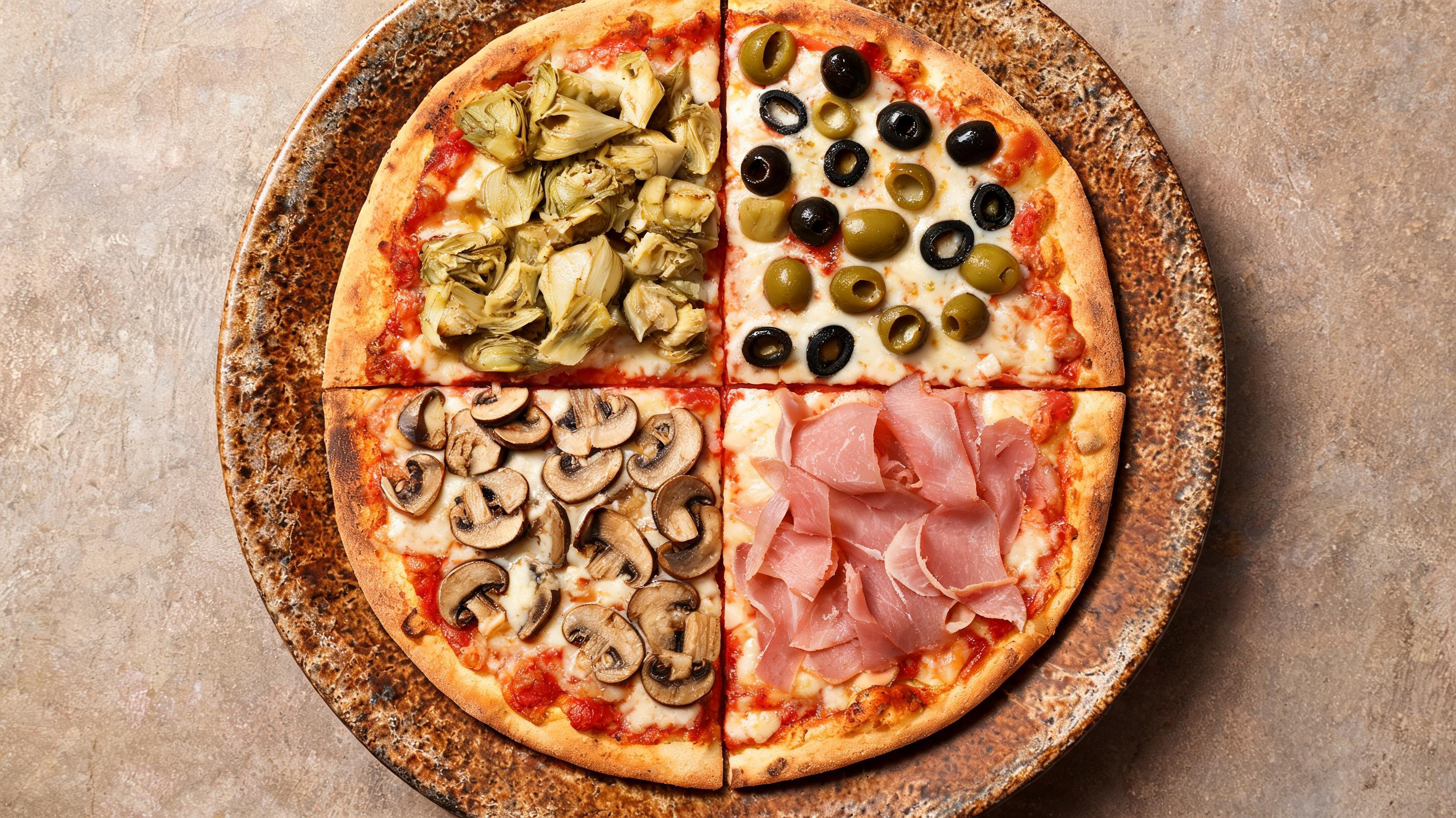
Pizza Quattro Stagioni, “four seasons”, divides the pizza into four sections, each representing a different season through its toppings.
Artichokes, olives, mushrooms, and ham are the traditional quartet, each placed in its own quadrant.
It’s a clever, visually striking pizza that manages to be generous without becoming chaotic. Every slice is slightly different.
30. Baked Ziti al Forno
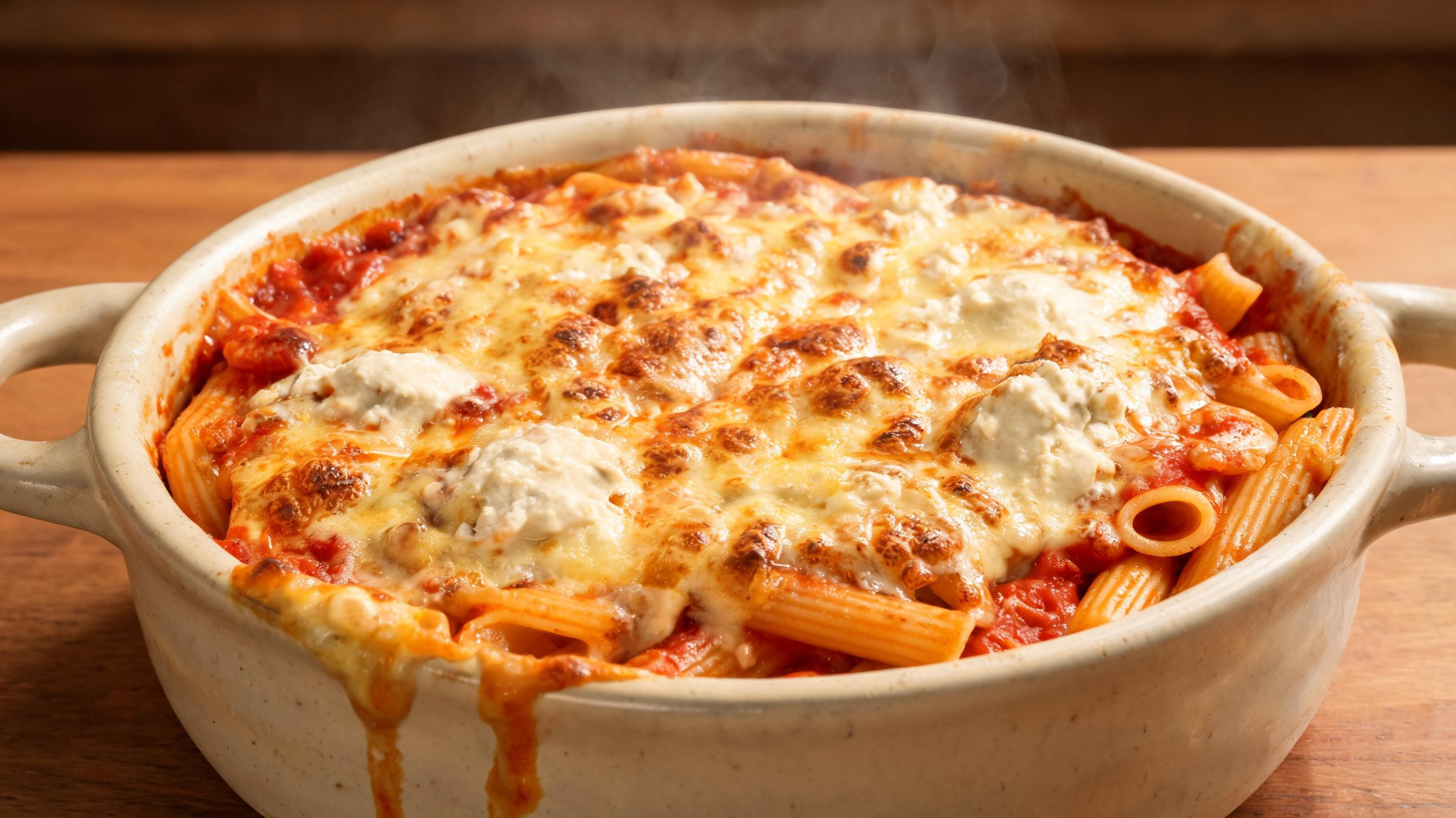
Baked Ziti al Forno is Italian-American comfort food with deep roots in Southern Italian cooking.
Ziti pasta is tossed with tomato sauce, ricotta, and mozzarella, then baked until bubbling and golden on top.
It’s crowd-pleasing, make-ahead friendly, and endlessly satisfying. The crispy, cheesy edges that form around the sides of the baking dish are non-negotiable.
31. Eggplant Parmigiana
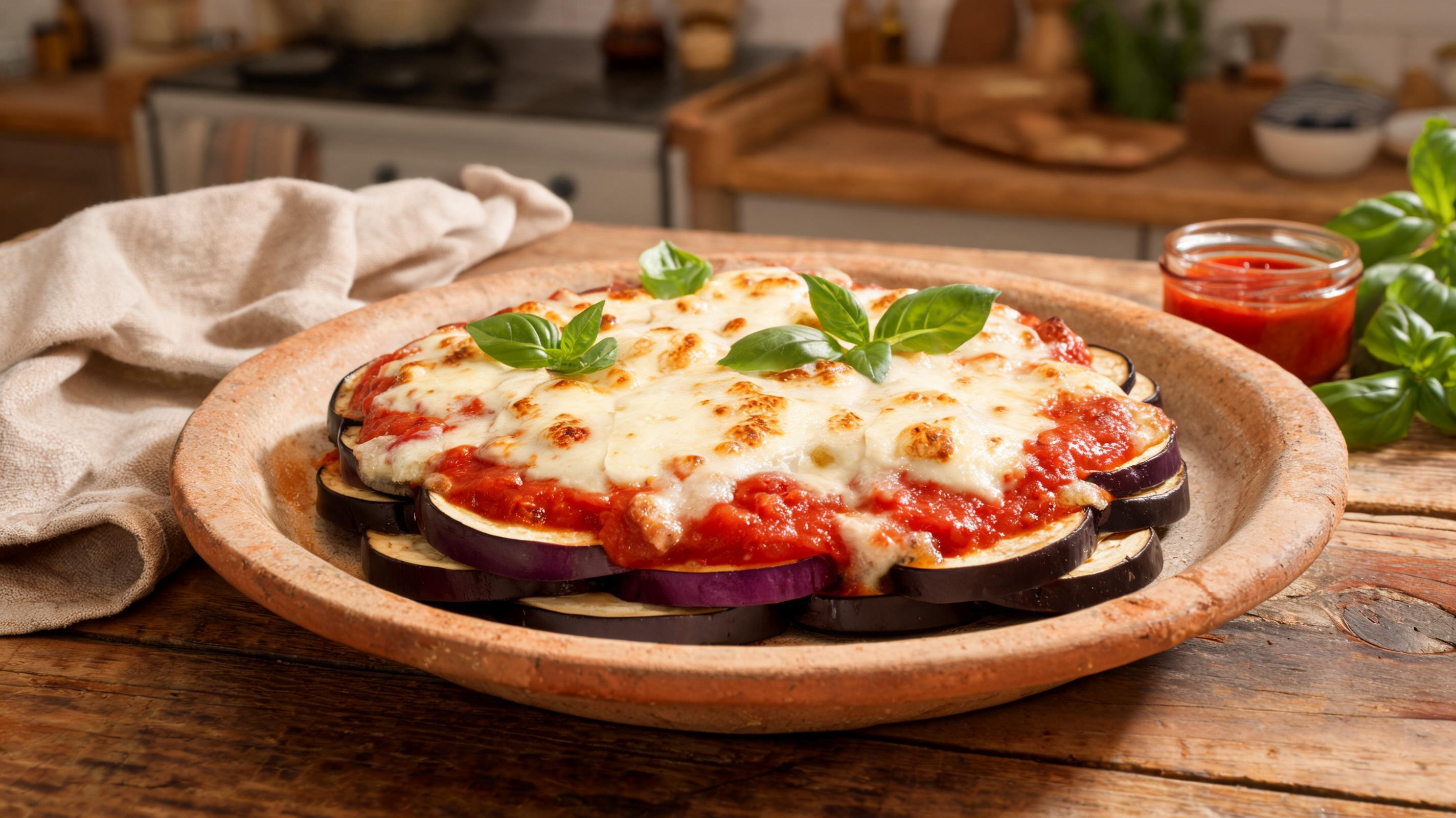
Eggplant Parmigiana, Parmigiana di Melanzane, is a Southern Italian classic that has nothing to do with the breaded, fried versions found elsewhere.
Sliced eggplant is fried until golden, then layered with tomato sauce, mozzarella, and Parmigiano before baking.
The result is rich, saucy, and deeply savory, best served at room temperature, the way Italians do.
32. Focaccia Genovese
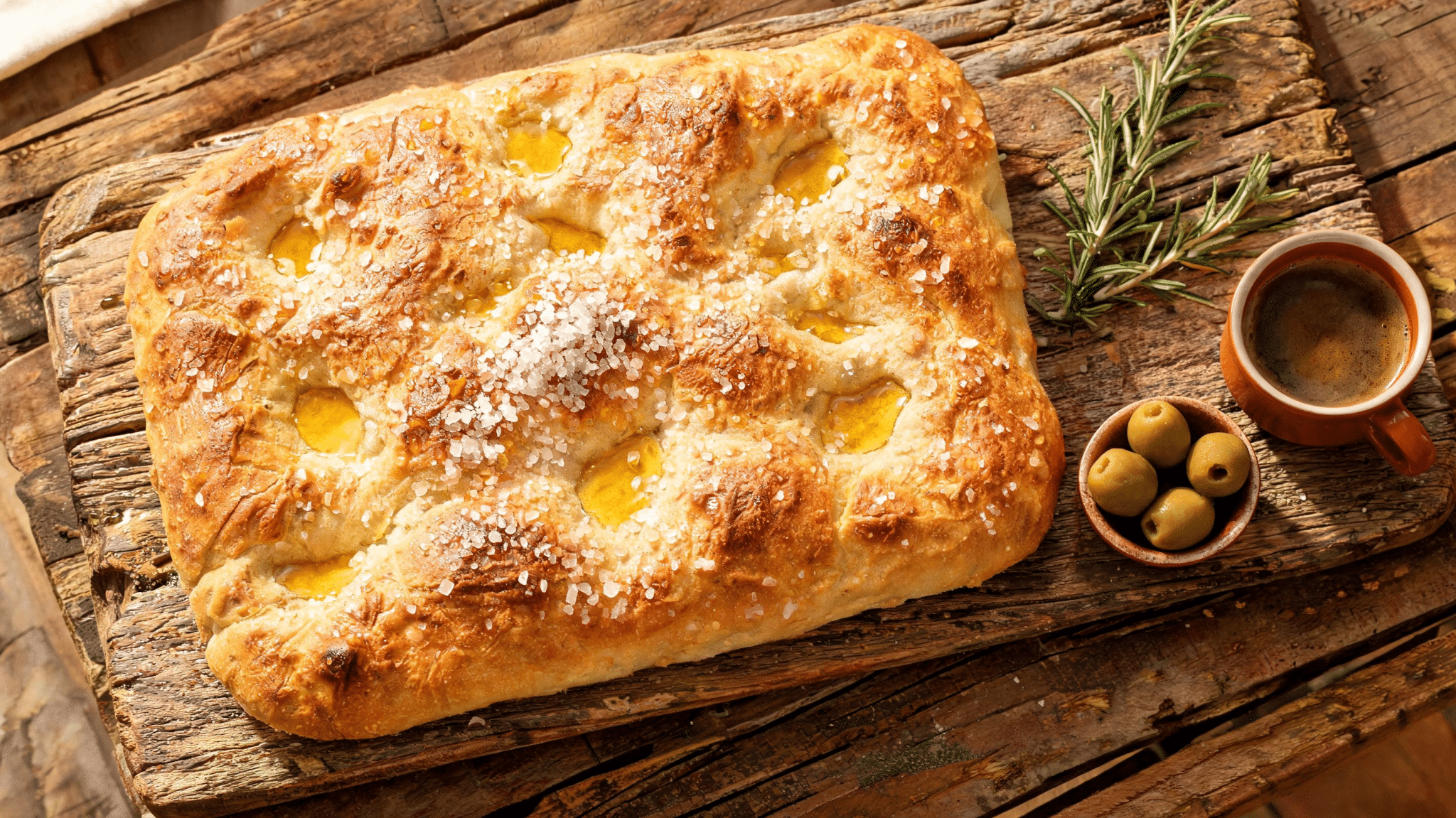
Focaccia Genovese is the original, dimpled, olive oil-drenched, and sprinkled with coarse sea salt.
The dough is soft and pillowy inside with a slightly crisp, golden bottom. It’s a bread that requires time and patience but rewards generously.
In Genoa, it’s eaten for breakfast dipped in cappuccino, though it pairs just as well with everything else.
Vegetarian & Sides
Vibrant, vegetable-forward dishes that hold their own as full meals or alongside anything else on the table.
33. Caprese Salad
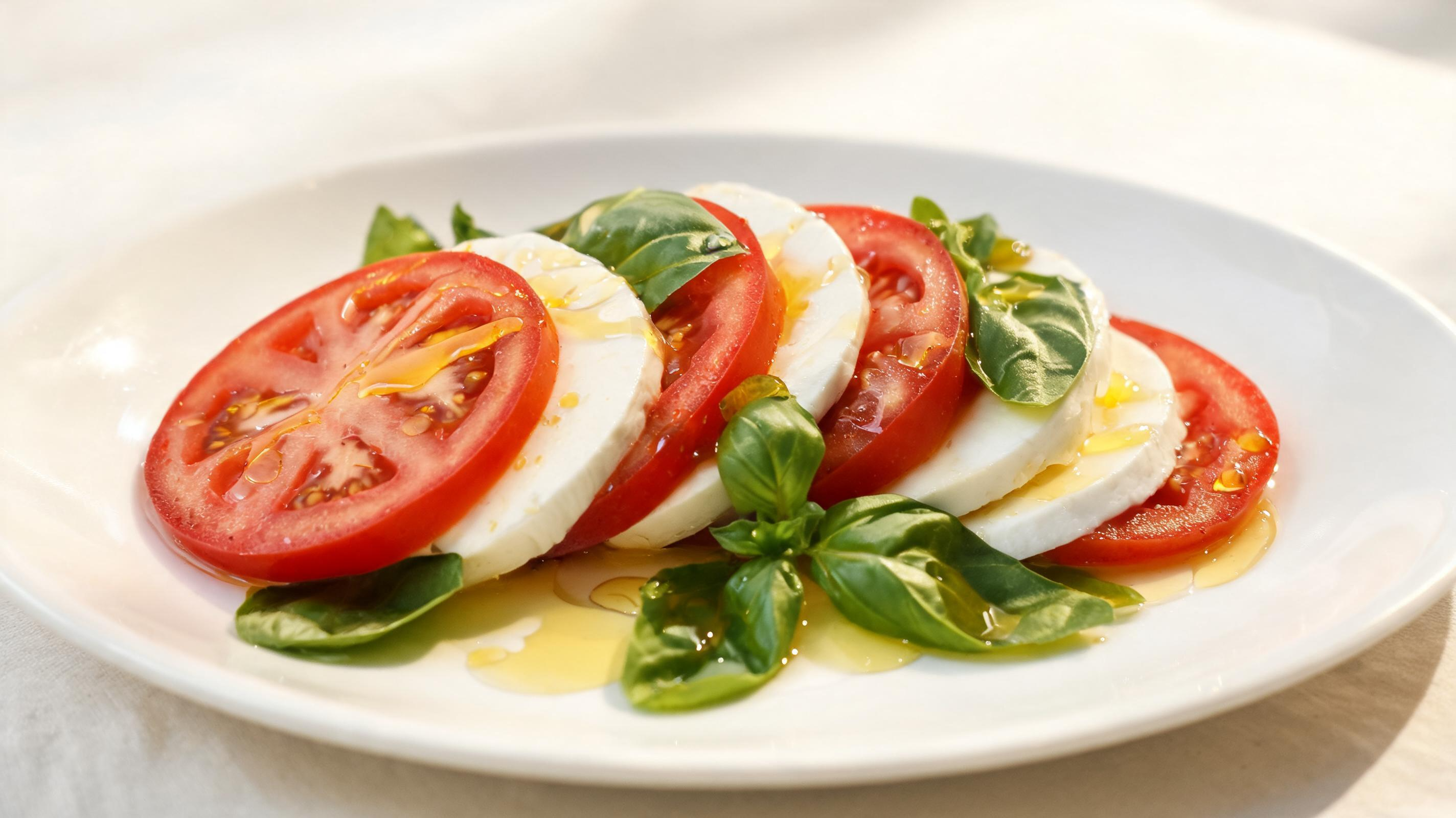
Caprese is less a recipe and more a lesson in restraint. Thick slices of ripe tomato and fresh mozzarella, layered and dressed with good olive oil, flaky salt, and torn basil.
That’s it. The quality of the ingredients does all the work. Use the best tomatoes available, and the result will be far better than anything complicated could ever be.
34. Pasta e Fagioli
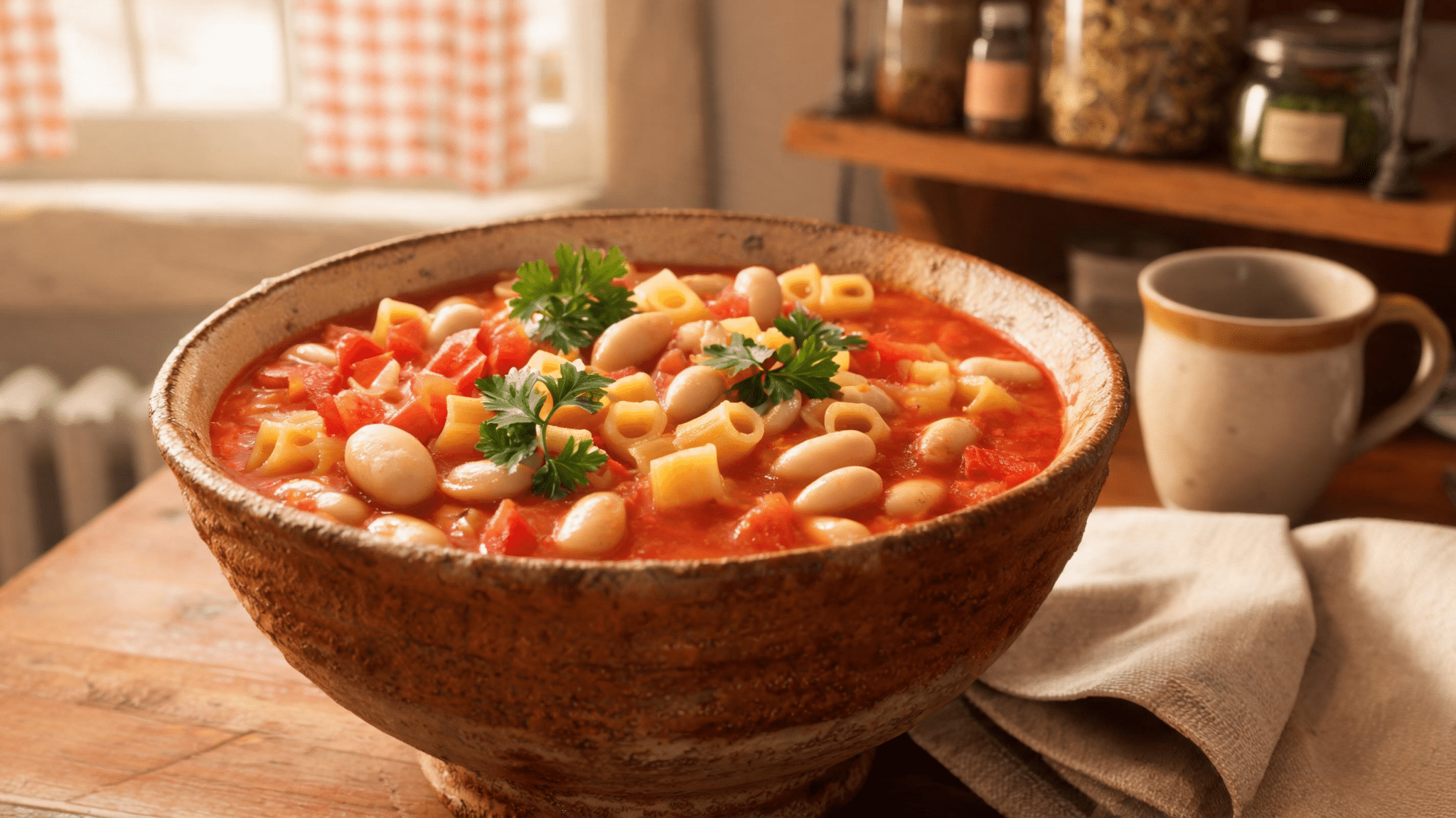
Pasta e Fagioli is one of Italy’s great peasant dishes, humble in origin but enormous in flavor.
Cannellini beans are simmered with tomatoes, garlic, rosemary, and a Parmigiano rind until thick and creamy, then short pasta is cooked directly in the pot.
It lands somewhere between a soup and a stew, and it’s completely, deeply satisfying.
35. Peperonata
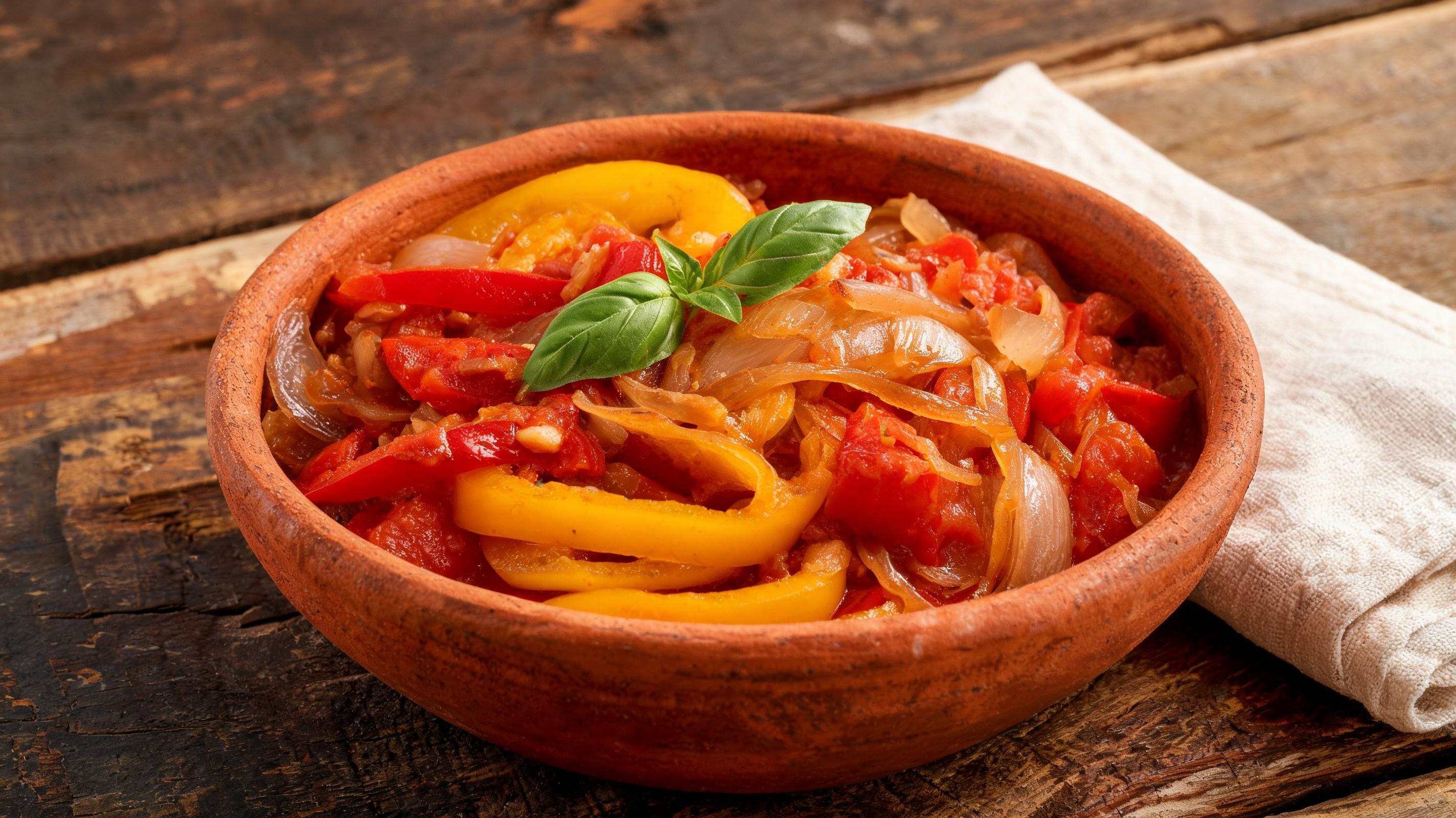
Peperonata is a slow-cooked stew of sweet bell peppers, onions, tomatoes, and olive oil that improves significantly as it sits.
The peppers soften and sweeten over low heat, absorbing the flavors of everything around them.
It works as a side dish, a topping for bruschetta, or as a spooning alongside grilled meats. Versatile, colorful, and genuinely delicious at any temperature.
36. Stuffed Zucchini
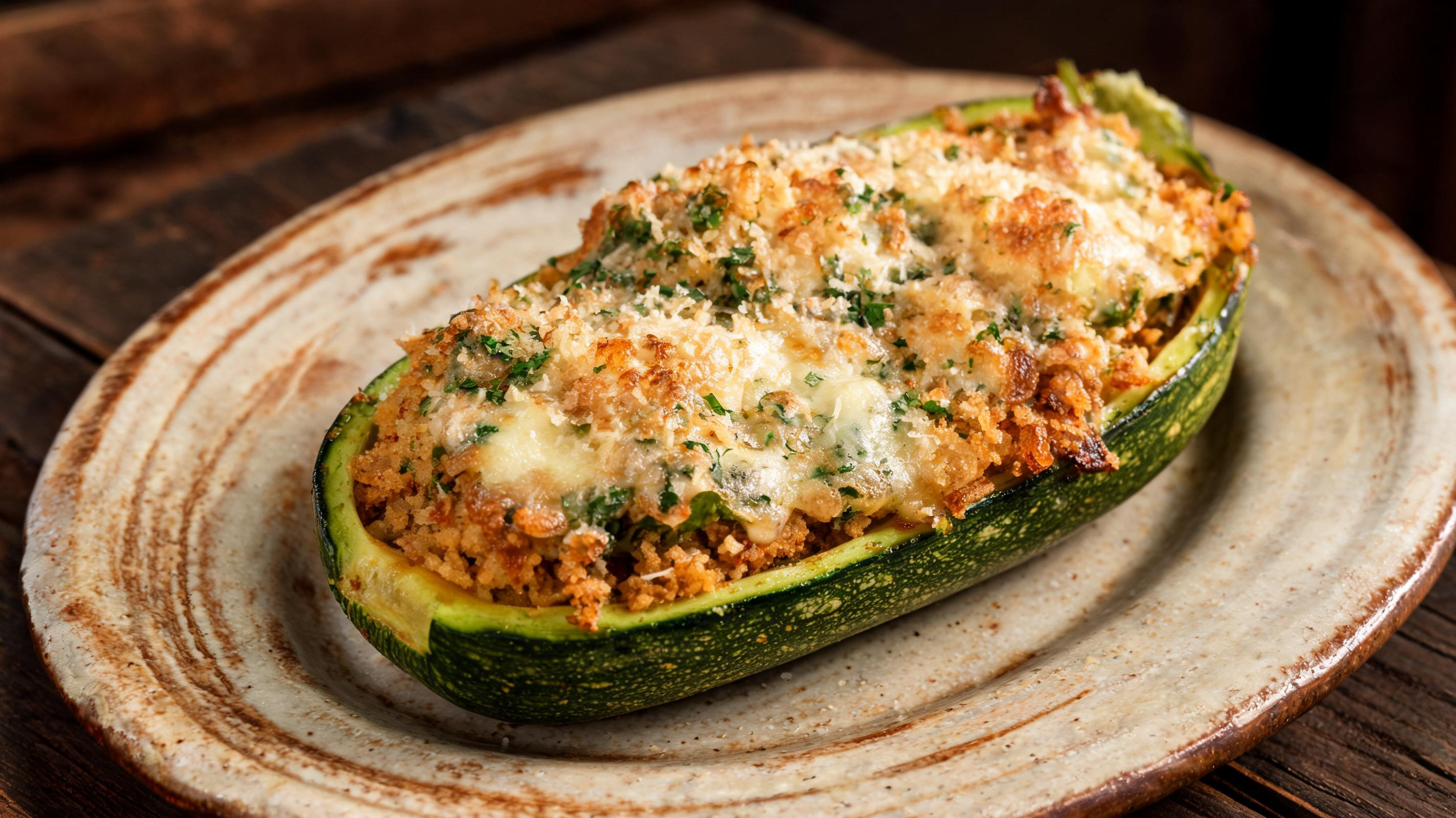
Stuffed zucchini is a clever way to turn a simple vegetable into something worth sitting down for.
The zucchini is hollowed out and filled with a mixture of breadcrumbs, herbs, garlic, and Parmigiano, then baked until tender and golden on top.
It’s light but satisfying, and flexible enough to add meat or stay fully vegetarian depending on preference.
37. Minestrone Soup
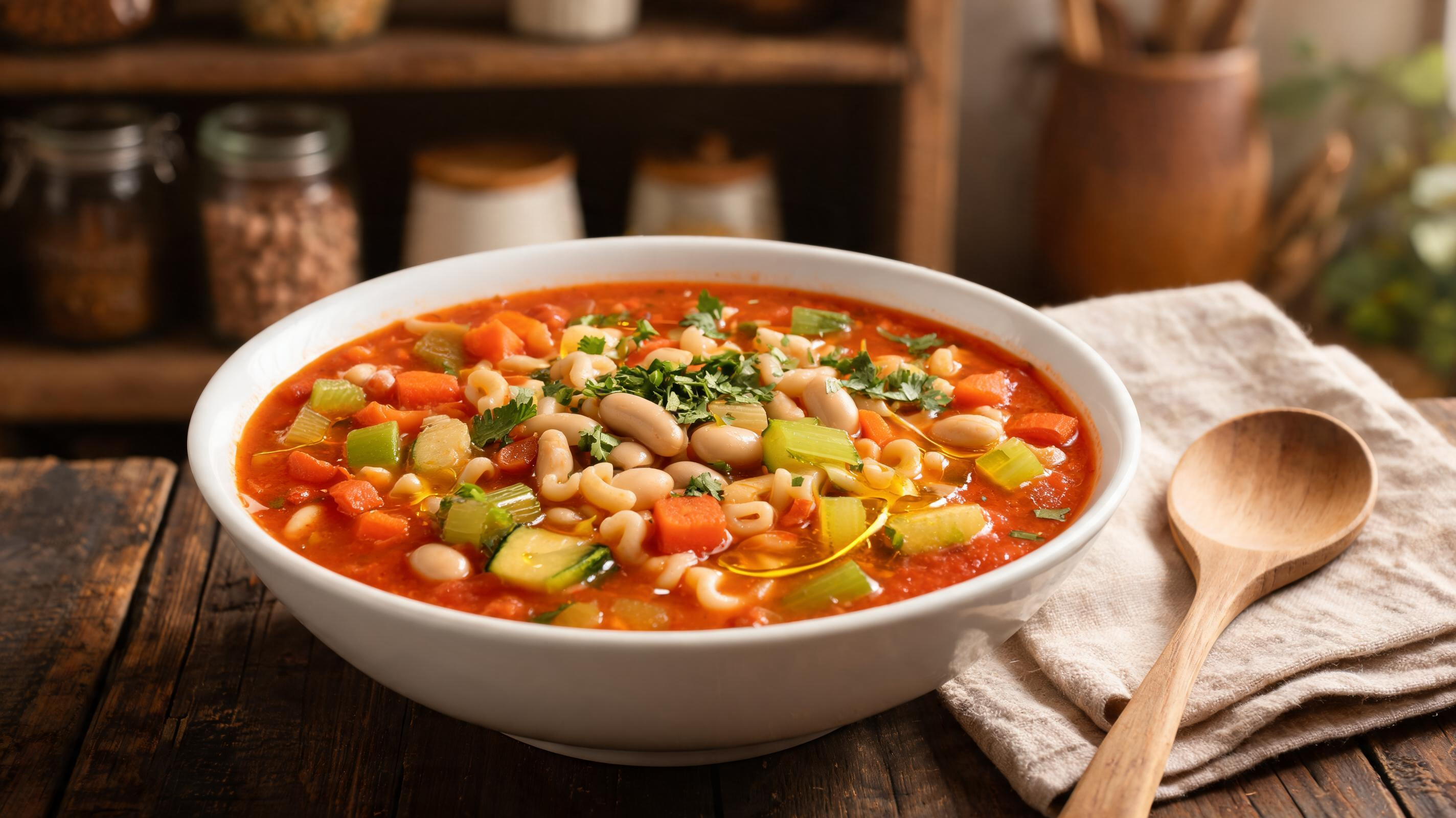
Minestrone is Italy’s answer to the question of what to do with whatever vegetables are in the kitchen. Every region has its version, and every family has its own take.
The constants are a good broth base, seasonal vegetables, beans, and usually some small pasta or rice.
A drizzle of olive oil and a Parmigiano rind stirred in while cooking make all the difference.
Tips for Cooking Italian Recipes at Home
Great Italian cooking comes down to a few key habits. Master these, and every dish gets noticeably better.
- Always Use Fresh Ingredients: Quality matters more in Italian cooking than in almost any other cuisine. Fresh herbs, ripe tomatoes, and good olive oil make a noticeable difference, especially in simple dishes with few components.
- Keep Sauces Simple to Let Ingredients Shine: The best Italian sauces are often the shortest ones. Resist the urge to overcomplicate; four well-chosen ingredients will almost always outperform ten.
- Timing is Crucial for Pasta and Risotto Dishes: Pull pasta just before al dente and finish it in the sauce. For risotto, always use warm stock and never rush the stirring process.
- Don’t Skip the Pasta Water: Starchy pasta water is one of the most useful tools in Italian cooking. A splash added to the sauce helps it cling to the pasta and brings the whole dish together.
- Let Meat Rest Before Serving: Cutting into meat too soon loses all the juices. A few minutes of resting after cooking keep everything tender, moist, and far more flavorful on the plate.
- Use the Right Pasta Shape for The Sauce: Thick, chunky sauces pair with wide or tubular pasta. Light, oil-based sauces suit thin strands. Matching shape to sauce is a small detail that makes a real difference.
- Finish Dishes with Good Olive Oil: A drizzle of high-quality extra-virgin olive oil right before serving adds brightness and depth. It’s a simple step that pulls the whole dish together without adding heaviness.
Italian Meal Structure & Serving Suggestions
Understanding how Italians structure a meal adds context to every dish and makes home dining feel more intentional and complete.
| Course | What It Is | Examples |
|---|---|---|
| Antipasto | Starter before the main meal | Bruschetta, Caprese, cured meats |
| Primo | First course: pasta or rice | Spaghetti Carbonara, Mushroom Risotto |
| Secondo | Main course: meat or seafood | Osso Buco, Grilled Branzino |
| Contorno | Vegetable side served alongside Secondo | Peperonata, roasted vegetables |
| Dolce | Dessert to finish the meal | Tiramisu, Panna Cotta |
| Pairing Tips | What to serve alongside | Italian wines, fresh salads, rustic bread |
Conclusion
Authentic Italian recipes don’t require a professional kitchen or hard-to-find ingredients. They require good produce, a little patience, and respect for simple technique.
From a silky Spaghetti Carbonara to a slow-braised Osso Buco, every recipe in this collection brings classic Italian cuisine closer to the home kitchen, without overcomplicating what makes it great.
Italian cooking rewards those who slow down, taste as they go, and let quality ingredients do the work.
Got a favorite Italian dish from this list? Drop it in the comments below, or share a twist that works in your kitchen. There’s always room for another take on a classic.
Frequently Asked Questions
What Italian Food Can You Eat with GERD?
Low-acid Italian dishes like plain pasta, grilled fish, and herb-seasoned proteins are generally easier on the stomach for GERD sufferers.
What Italian Food is Good for Cholesterol?
Olive oil, legume-based soups, grilled seafood, and vegetable-forward Italian dishes can support heart health as part of a balanced diet.
What is Considered Impolite in Italy?
From asking for substitutions to leaving food on the plate, certain dining habits that seem normal elsewhere can come across as rude in Italy.