Winter can turn even a well-maintained home into a risk zone for frozen pipes. When water inside your pipes freezes, it expands, putting your plumbing at risk of cracks or bursts that can lead to costly damage. Taking steps to prevent frozen pipes protects your home, saves money, and keeps your water running smoothly through the coldest months. These practical tips show exactly how to keep your pipes from freezing and maintain reliable plumbing all winter long.
Why Pipes Freeze and How It Affects Your Home
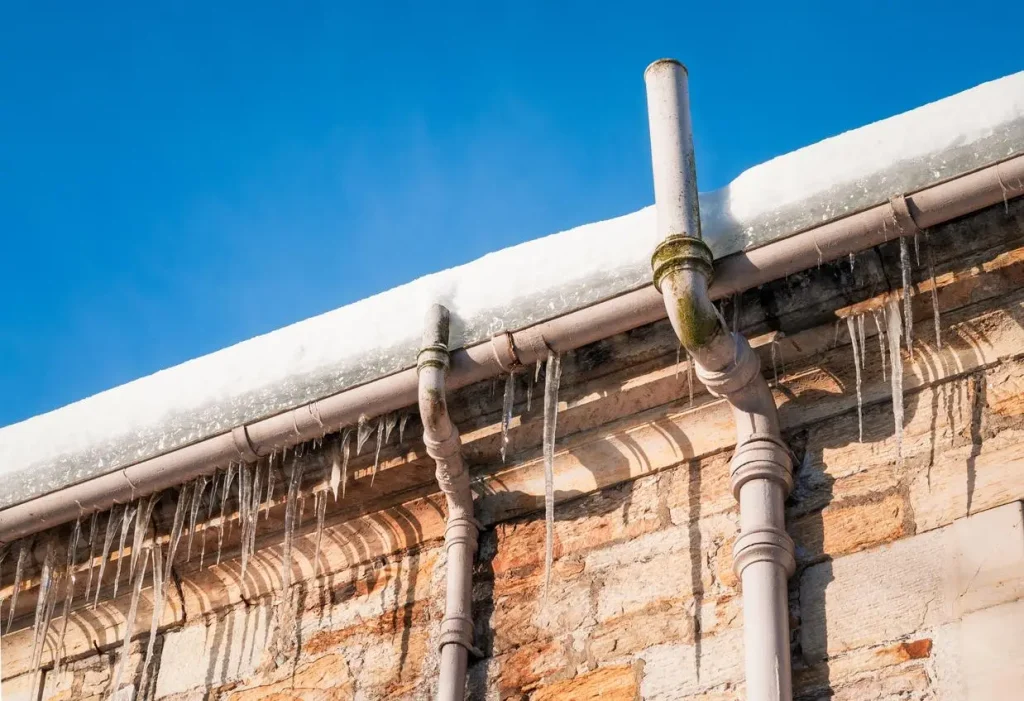
Pipes freeze when water inside them drops below 0°C (32°F). When water freezes, it expands and creates pressure that can crack or burst pipes. These bursts can flood your home, damage foundations, or ruin flooring and walls.
Key risk areas in homes include:
- Pipes in unheated spaces such as basements, attics, and garages
- Exterior walls and crawl spaces
- Pipes under sinks or behind cabinets in colder areas of the house
Identifying the pipes most at risk is an important step in preventing damage. Many homeowners schedule inspections or preventive maintenance with professionals, such as this plumbing company in Georgetown, to make sure vulnerable pipes are properly insulated and ready for winter.
How to Prevent Frozen Pipes: Practical Steps
Knowing how to keep pipes from freezing is easier than dealing with the aftermath. Use these frozen pipes prevention tips to safeguard your home.
1. Insulate Your Pipes
Pipe insulation is one of the most effective ways to prevent freezing.
- Foam sleeves or fiberglass wrap: Cover exposed pipes in basements, crawl spaces, and attics.
- Heat tape: For extremely cold areas, install electric heat tape on pipes. Follow manufacturer instructions carefully to avoid fire hazards.
2. Seal Gaps and Cracks
Cold air entering your home increases the risk of frozen pipes.
- Inspect areas where pipes run near exterior walls or foundations
- Use caulk or spray foam to seal gaps around pipes, vents, and windows
- Check garage doors and attic hatches, which can let in icy drafts
3. Keep Water Flowing
Even a small flow of water can prevent freezing.
- Open faucets slightly to allow a trickle of water through vulnerable pipes
- During extreme cold, let warm water drip from taps connected to pipes most at risk
4. Maintain Warm Indoor Temperatures
Frozen pipes are more likely when your home’s temperature drops below 12°C (55°F).
- Keep your thermostat set to at least 18°C (65°F) in winter, even when you are away
- Ensure heat reaches areas with pipes. Use space heaters cautiously in colder zones
5. Disconnect Outdoor Hoses and Drain Irrigation Lines
Outdoor water sources are highly vulnerable in winter.
- Disconnect hoses and drain water from irrigation systems
- Shut off outdoor faucets if possible or install frost-proof taps
6. Plan for Long Absences
If you are leaving home for an extended period, take these precautions:
- Set the thermostat no lower than 18°C (65°F)
- Shut off the main water supply and drain pipes
- Consider hiring a neighbor or friend to check your home periodically during cold snaps
Winter Plumbing Tips for Extra Protection
Preventing frozen pipes in winter requires a combination of regular maintenance and proactive steps. Here are some additional winter plumbing tips:
- Inspect your water pressure. High water pressure can make leaks worse if a pipe bursts
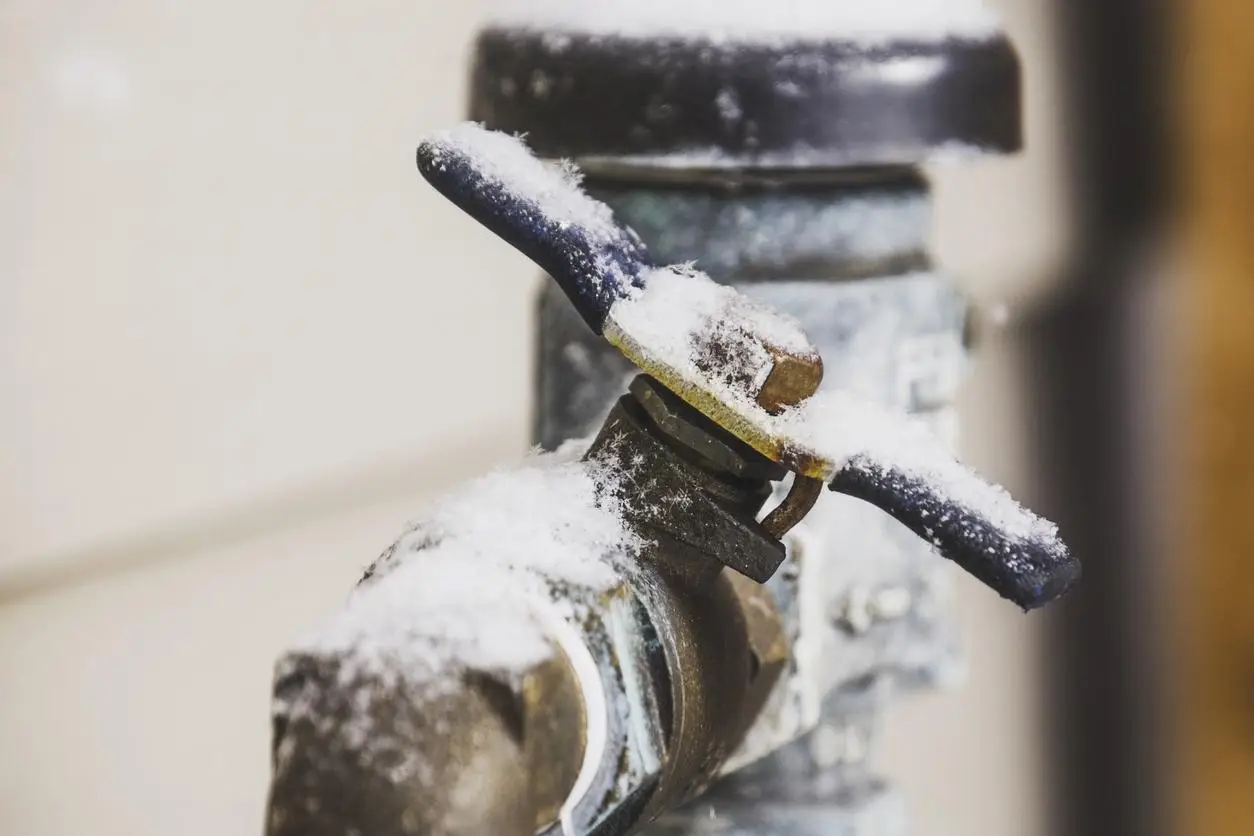
- Know your main water shut-off valve. Quick access can minimize water damage if a pipe bursts
- Keep cabinet doors open. This allows warm air to circulate around pipes under sinks
- Add extra insulation in attics and basements. Thick insulation reduces the likelihood of freezing in colder areas
- Install a pipe heating system for extreme conditions. This is helpful for homes in regions where temperatures frequently fall below -20°C (-4°F)
Signs Your Pipes Are at Risk of Freezing
Being able to spot early warning signs can prevent costly damage. Watch for:
- Frost on exterior walls or pipes
- Strange noises in pipes when water is turned on
- Slow or reduced water flow
If you notice these signs, act immediately. Turn on the faucet, increase indoor temperature, and inspect the pipe’s insulation.
What to Do If a Pipe Freezes
Even with precautions, freezing can still occur. Knowing what to do can save your home.
- Shut off the main water supply to prevent flooding if the pipe bursts.
- Apply gentle heat using a hair dryer, heat lamp, or warm towels. Never use an open flame.
- Call a licensed plumber if the pipe is not accessible, severely frozen, or shows damage.
Attempting to force water through a frozen pipe can cause it to burst and make the problem worse.
Seasonal Maintenance Checklist to Prevent Frozen Pipes
Implementing a winter checklist helps maintain your home and keeps pipes safe:
- Inspect all exposed pipes and insulate them
- Seal any gaps near pipes with foam or caulk
- Drain and disconnect outdoor water sources
- Check your heating system and maintain warm indoor temperatures
- Keep faucets open slightly to maintain water flow
Regular seasonal maintenance is a simple yet highly effective frozen pipes prevention strategy.
Why Location Matters for Frozen Pipes Prevention
Homes in regions with harsh winters face higher risks of frozen pipes. The colder and longer the winter, the more critical it is to implement preventive measures. Local weather conditions, home age, and pipe placement all influence your risk level. Adjusting your prevention strategy according to your location can save thousands in potential repairs.
Keep Your Pipes Safe This Winter
Frozen pipes can be a nightmare, but they are preventable with the right approach. Focus on insulation, proper sealing, maintaining warmth, and proactive water flow. Use these frozen pipes prevention tips as part of your seasonal routine to protect your home.
You can avoid damage and ensure peace of mind during the cold months by understanding how to prevent frozen pipes. Apply these winter plumbing tips, inspect your home regularly, and stay ahead of freezing temperatures.