Bringing New Life to Old Surfaces with Smarter Restoration Tools
Restoration work often requires patience, skill, and the right equipment. Whether you are reviving antique furniture, cleaning rusted metal fixtures, restoring vintage tools, or preserving architectural details, traditional cleaning methods can sometimes cause more harm than good. Sanding, chemical stripping, and abrasive blasting may remove unwanted layers, but they can also damage delicate surfaces and erase valuable details.
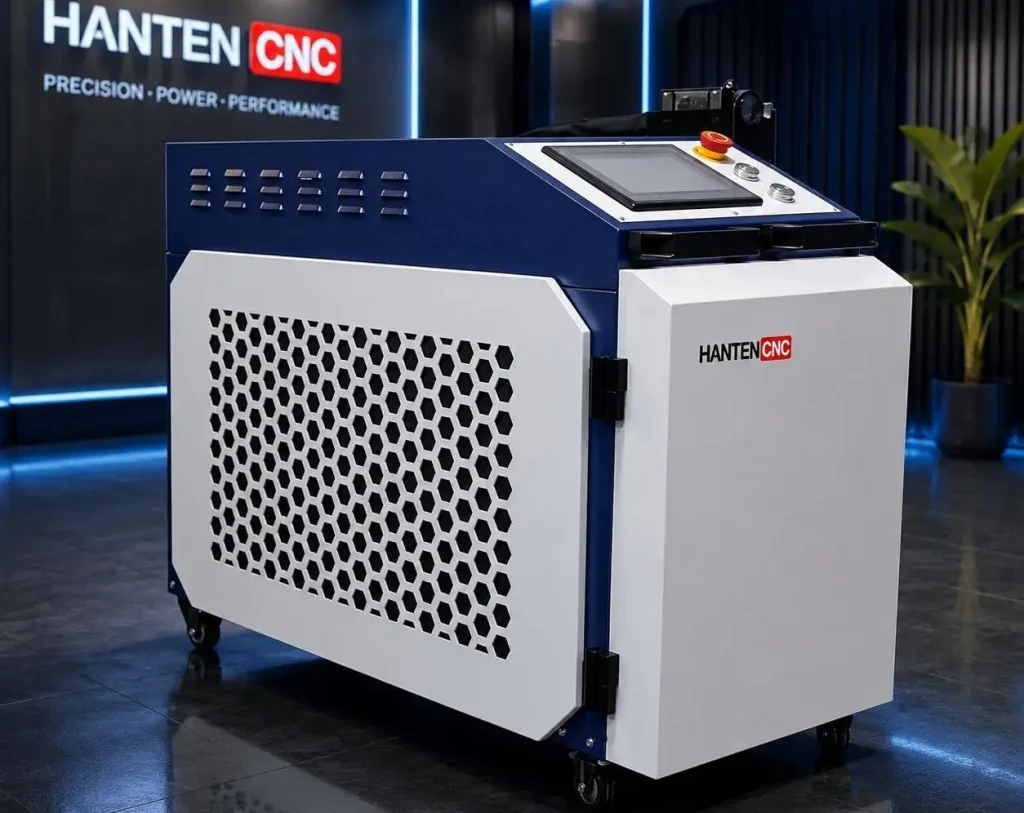
This is where modern laser cleaning technology is changing the restoration process. Compact systems such as the HANTENCNC 300w are becoming increasingly popular among restoration workshops, DIY renovators, and craftspeople who need accurate and controlled cleaning performance. Unlike aggressive grinding or harsh chemical methods, laser cleaning targets contaminants with precision while helping preserve the original material underneath.
For restoration-focused users, this means cleaner projects, less surface damage, and better control over difficult cleaning tasks. From rusty hinges to painted wood accents, laser technology provides a practical alternative that fits both professional workshops and smaller renovation spaces.
Why Precision Matters in Surface Restoration
One of the biggest challenges in restoration projects is removing unwanted layers without harming the original surface. Older materials often become fragile over time, especially wood, copper, brass, cast iron, and decorative stone. Using abrasive tools can scratch, weaken, or permanently alter these surfaces.
Laser cleaning offers a more controlled approach. Instead of scraping or grinding away material, concentrated laser energy breaks down rust, paint, soot, or residue while leaving the base layer largely untouched. This makes it especially valuable for projects involving detailed carvings, antique hardware, or delicate decorative elements.
For example, restoring a vintage metal toolbox with traditional wire brushing may leave visible scratches or uneven patches. Laser cleaning, however, can remove corrosion from tight corners and textured surfaces with greater consistency. The same applies to restoring ornate metal railings, antique locks, or weathered machinery parts.
Another benefit is selective cleaning. Restoration experts often want to remove only one layer while preserving another beneath it. Laser systems make this possible by carefully adjusting power and cleaning intensity. This level of control is extremely useful when working with historical pieces or surfaces that cannot be easily replaced.
A Cleaner Alternative to Harsh Chemicals and Abrasive Methods
Traditional restoration methods frequently involve solvents, chemical strippers, and dusty abrasive processes. While effective, these techniques can create messy workspaces and introduce safety concerns. Chemical products may release strong fumes, while sanding and blasting can generate large amounts of dust and debris.
Laser cleaning greatly reduces these issues. Because the process uses focused light energy rather than physical abrasion, there is less airborne dust and less residue to manage. Many restoration professionals appreciate the cleaner workflow, especially when working indoors or in small workshops.
This cleaner process also helps reduce accidental damage. Chemical strippers can soak into porous surfaces like wood, potentially weakening the material or affecting future finishes. Abrasive blasting can erode soft surfaces and remove fine details. Laser cleaning minimizes direct contact, helping preserve the integrity of the original object.
In furniture restoration, for instance, laser cleaning can help remove old coatings or surface contamination from decorative accents without affecting surrounding details. Metal restoration projects also benefit from cleaner rust removal that avoids deep scratches and unnecessary wear.
For hobbyists and independent renovators, the reduced cleanup can save considerable time. Instead of dealing with piles of sanding dust or chemical disposal, users can focus more on the actual restoration work.
Preserving Antique and Delicate Materials with Greater Control
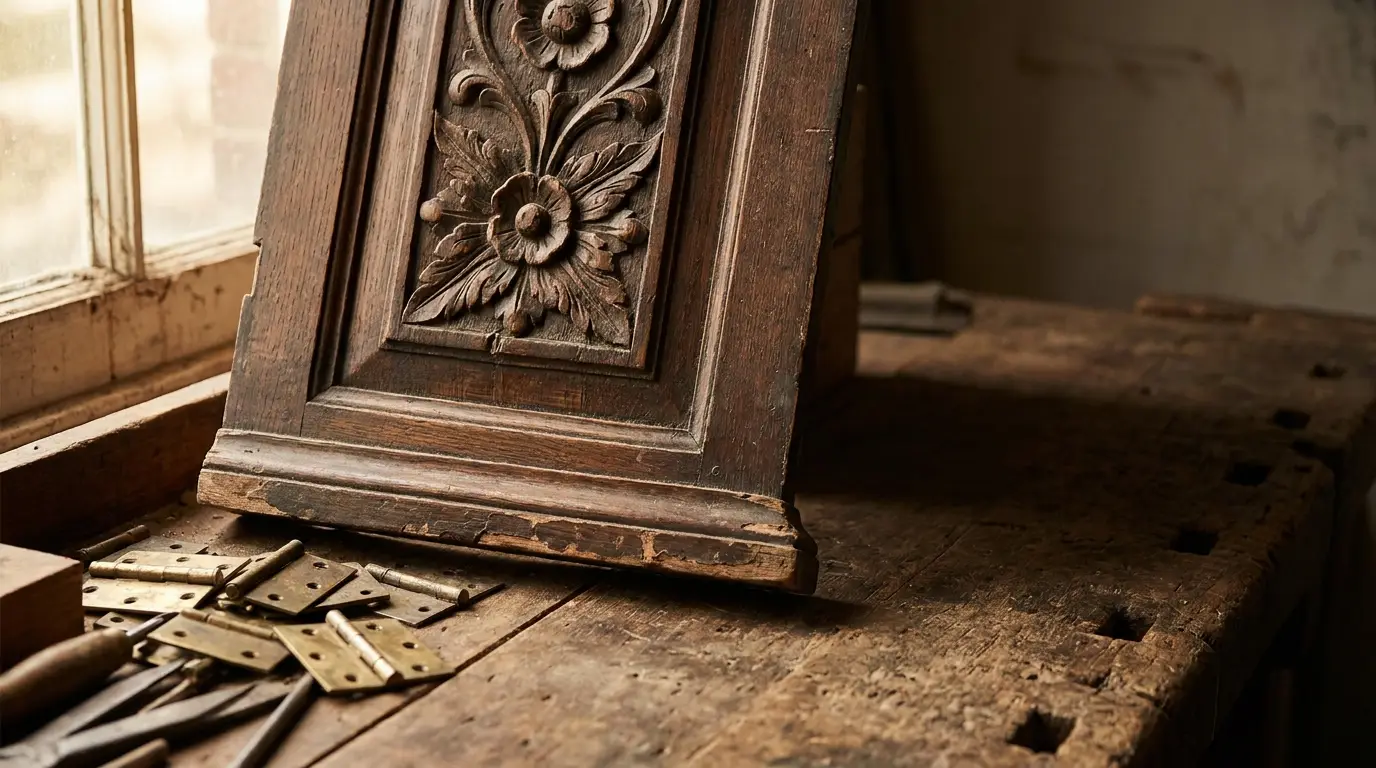
Preservation is often more important than speed in restoration projects. Antique objects carry character, craftsmanship, and historical value that cannot easily be recreated. Using overly aggressive cleaning methods risks destroying the very qualities that make these items special.
Laser cleaning technology helps restorers work more carefully around fragile materials. Decorative engravings, embossed patterns, and aged surfaces can often be cleaned without flattening or distorting fine details. This is particularly useful when restoring collectibles, signage, tools, clocks, or heritage fixtures.
Wood restoration is another area where careful cleaning matters. Old wood surfaces can become sensitive after decades of exposure to moisture, paint layers, smoke, or environmental damage. A laser wood stripping machine can help remove coatings and contaminants with improved precision compared to aggressive scraping or sanding methods. This allows restorers to maintain the natural texture and character of the wood while preparing it for refinishing or preservation.
Laser systems are also useful for restoring mixed-material items. Antique pieces often combine metal, wood, paint, and decorative finishes in a single object. Traditional methods may require multiple cleaning tools and techniques, increasing the risk of uneven results. Laser cleaning offers a more adaptable solution for handling these varied surfaces with better consistency.
Because restoration projects vary widely, adjustable power settings are especially valuable. Users can adapt the cleaning intensity based on the material, contamination level, and sensitivity of the object being restored.
Practical Uses for DIY Workshops and Restoration Studios
Laser cleaning technology is no longer limited to large industrial facilities. Compact and portable systems are making this tool more accessible for smaller workshops, restoration studios, and serious DIY enthusiasts.
One practical application is automotive restoration. Vintage car and motorcycle enthusiasts often struggle with rusted parts, old paint, and oxidation buildup. Laser cleaning can help restore metal surfaces while preserving important structural details. Components such as brackets, engine parts, and trim pieces can often be cleaned more precisely than with traditional abrasive methods.
Furniture restoration is another growing use. Antique cabinets, chairs, and decorative woodwork frequently require delicate cleaning to preserve carvings and original craftsmanship. Laser systems can help remove surface contaminants while reducing the risk of damaging intricate details.
Metal art restoration also benefits from laser cleaning. Sculptures, signs, tools, and decorative ironwork often contain areas that are difficult to reach with sanders or brushes. The focused cleaning beam can access corners and textured areas more effectively, improving overall restoration quality.
Even home renovation projects can benefit from this technology. Old door hardware, fireplace tools, metal fixtures, and architectural details can often be restored rather than replaced. This supports sustainable renovation practices while helping preserve original design elements.
For smaller workshops, the reduced need for consumables such as sandpaper, blasting media, and chemical products can also improve long-term efficiency.
Conclusion
Modern restoration projects demand methods that balance effectiveness with preservation. Whether working on antique furniture, rusted tools, vintage vehicles, or decorative architectural elements, restorers need cleaning solutions that protect original surfaces while delivering reliable results.
Laser cleaning technology offers a practical and precise approach for these challenges. By reducing surface damage, minimizing chemical use, and improving cleaning control, laser systems are helping restorers achieve cleaner and more detailed results. From delicate wood restoration to careful rust removal, this technology supports both professional workshops and passionate DIY renovators seeking smarter restoration methods.
As restoration practices continue evolving, laser cleaning is becoming an increasingly valuable tool for preserving craftsmanship, extending the life of older materials, and bringing forgotten surfaces back to life with accuracy and care.