Slowly but surely, the world is getting tired of the ‘showroom aesthetic’. We’ve had decades of perfectly polished monochrome homes presented as aspirational, and many of us are sick of living in soulless, pristine rooms designed more to look good on social media than to live in. After all, the house you live in should feel like a home!
At the same time, however, nobody wants to live in chaos. If you’re struggling to find the right balance between homely and personalised, and cluttered and chaotic, don’t worry. There are plenty of ways to make your house feel like a home without going full maximalist! Here are some ideas:
Think About What’s Meaningful and Comforting to You
Start by looking at the items you already own and thinking about what makes you feel comfortable. Family photographs, favourite artwork, treasured books, favourite blankets, and canvas prints can all help tell your story in a natural way.
When your surroundings include meaningful details, your home instantly feels less like a blank space and more like somewhere you belong.
Add Warmth with Soft Furnishings
Soft furnishings are one of the easiest ways to make a room cosier. Cushions, throws, rugs and curtains can soften hard edges and add colour, texture and comfort. Even a simple blanket draped over a sofa can make a living room feel more inviting.
Choose fabrics that suit the mood you want to create. Wool, cotton, linen and velvet all bring different textures to a room. Neutral shades can feel calm and restful, while richer colours such as deep green, navy or terracotta can add warmth and character.
Use Lighting to Create Atmosphere
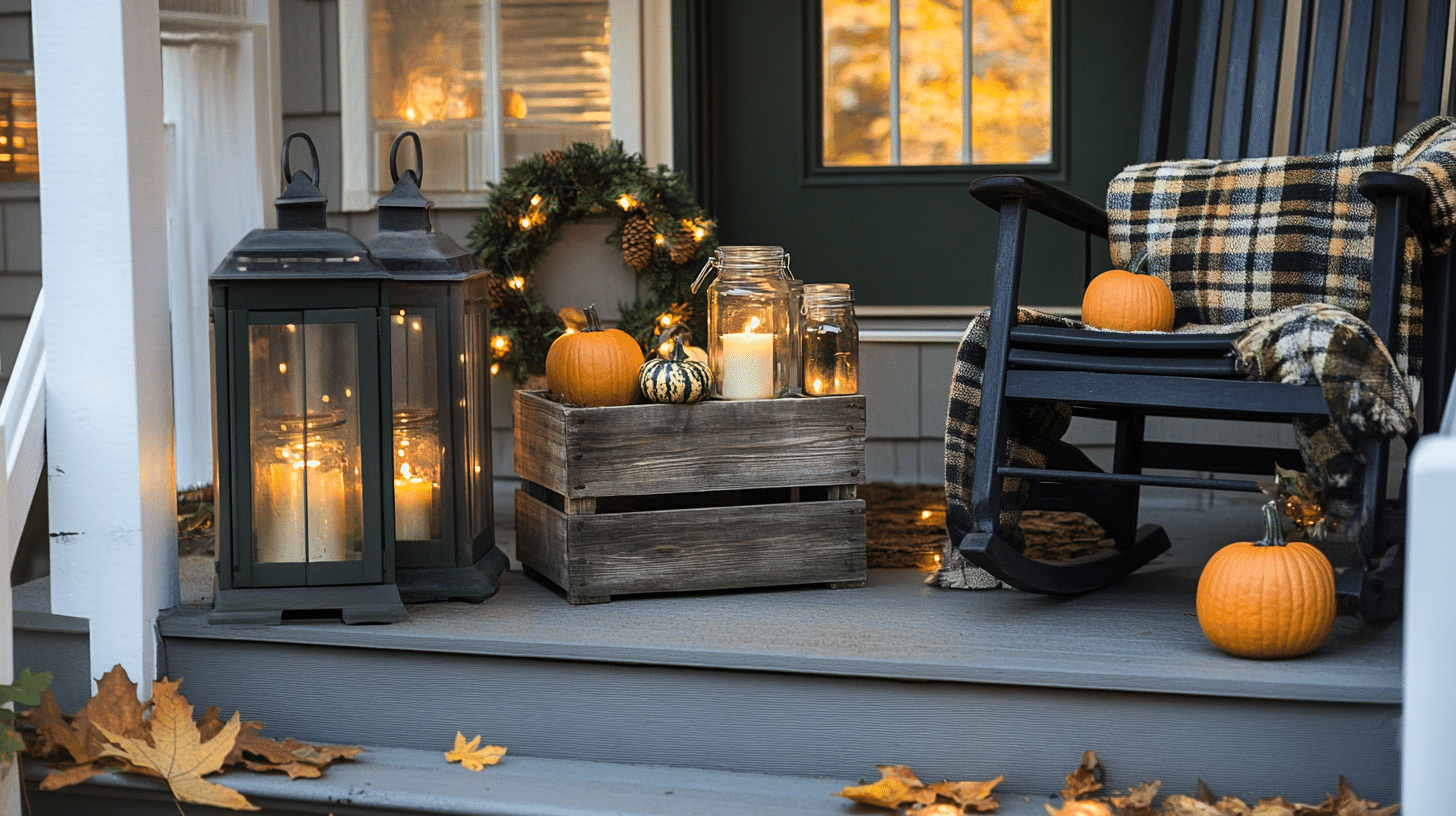
Lighting has a huge impact on how a home feels. Bright overhead lights can be useful, but they often feel harsh if used on their own. Try using a mix of table lamps, floor lamps and wall lights to create a softer, more relaxed atmosphere.
Warm white bulbs are usually better for living spaces and bedrooms than cool-toned ones. Candles can also add a gentle glow in the evening, helping a room feel peaceful and comfortable. The aim is to create layers of light so each space can adapt to different times of day and moods.
Bring Nature Indoors
Plants and flowers can instantly make a house feel more alive. They add colour, freshness and a sense of calm. You do not need to be an expert gardener to enjoy indoor greenery; easy-care plants such as spider plants, pothos, peace lilies and snake plants are good options for beginners.
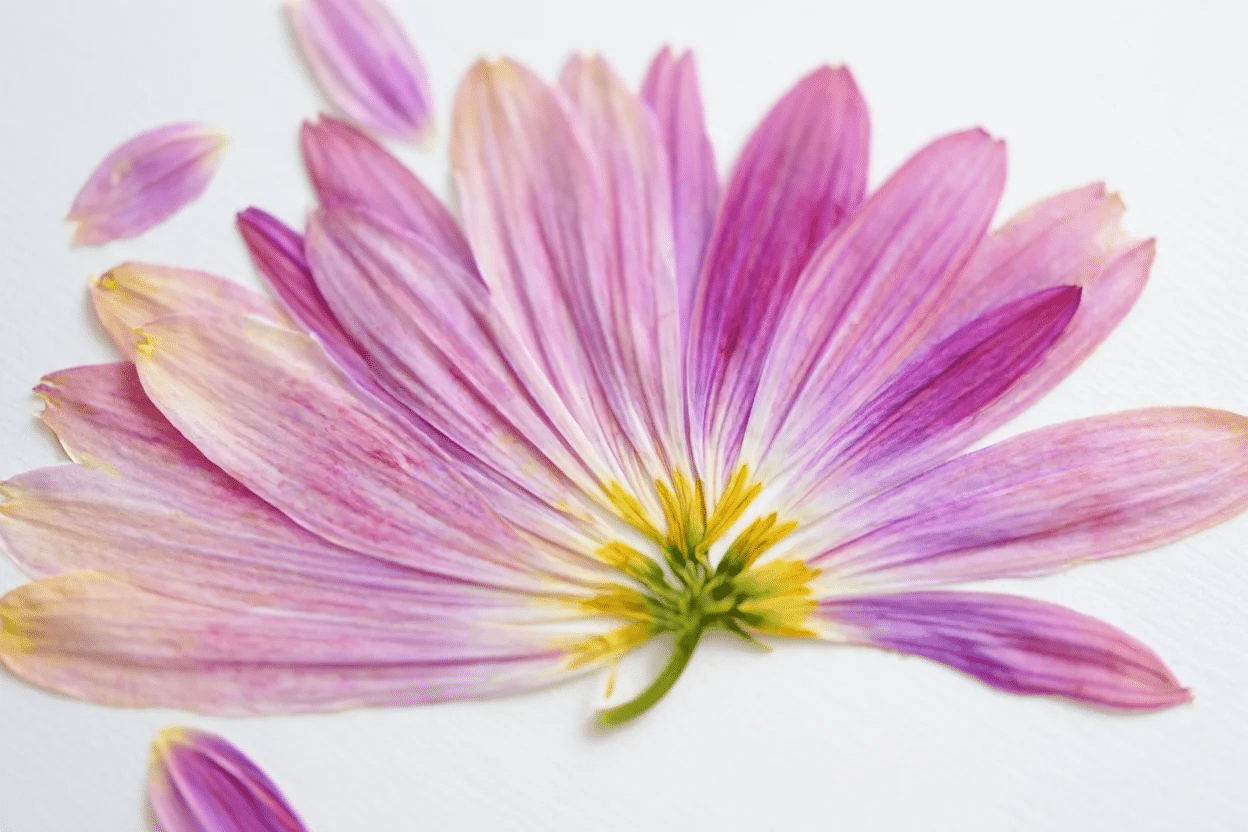
Fresh flowers in a vase can brighten a hallway, kitchen table or bedside cabinet. If you prefer something longer-lasting, dried flowers or natural branches can also add charm and texture.
Create Spaces for Everyday Rituals
A home should support the way you live. Think about the small routines that bring you comfort, such as reading in the evening, enjoying coffee in the morning or cooking at the weekend. Creating dedicated spaces for these rituals can make daily life feel both easier and more enjoyable.
This could be as simple as placing a comfortable chair near a window, organising a tea and coffee station in the kitchen, or keeping your favourite books beside the sofa. These little touches make your home feel personal and practical.
Make It Personal
The most homely spaces are not always the most stylish. They are the ones that feel authentic. Display souvenirs from trips, handmade items, inherited pieces or objects that remind you of happy moments. Mixing old and new can give your home depth and character.
Do not worry too much about following trends. Your home should work for you, not simply look impressive to others.
Focus on Comfort First
Above all, a home should feel comfortable. Choose furniture you enjoy using, bedding that helps you sleep well and layouts that make everyday life easier. When your home supports rest, connection and happiness, it naturally becomes a place you love returning to.
Making your house feel more like a home does not require dramatic change. With warmth, personality, comfort and care, even the simplest spaces can become truly special.