Pressure washing has become an essential service for maintaining property value and curb appeal, particularly in climates like Austin’s, where humidity, algae, and mold thrive year-round. Yet a common misconception persists: that more pressure equals a better clean. In reality, many surfaces, from cedar siding to clay tile roofs, can be permanently damaged by high-pressure water jets. This article explores the technical distinctions between traditional pressure washing and soft washing, a low-pressure chemical cleaning method that achieves superior results without erosion or etching.
For homeowners seeking a balanced approach, finding a trusted pressure washing team in Austin can make the difference between a restored surface and a costly replacement.
The Hidden Dangers of High Pressure on Building Materials
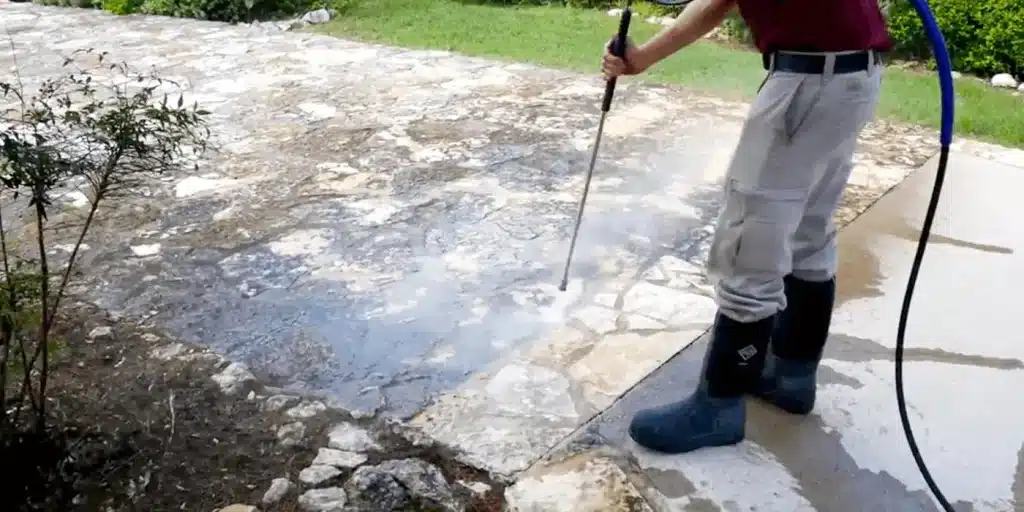
Many assume that water under extreme pressure is harmless because “it’s just water.” In fact, commercial pressure washers generate between 2,500 and 4,000 pounds per square inch (PSI), enough to strip paint, gouge wood, and force moisture behind vinyl siding.
When high-pressure spray is directed at mortar joints, brick faces, or stucco, the result can be immediate fracturing or accelerated spalling over time. Even concrete, often considered indestructible, can develop surface pitting when narrow nozzles are used improperly.
A trusted pressure washing team in Austin understands these thresholds and adjusts equipment accordingly, often opting for wider fan tips or reduced pressure settings to match the substrate’s tolerance. The takeaway is simple: brute force is rarely the answer in professional cleaning.
How Soft Washing Works at a Chemical Level
Soft washing relies on a carefully diluted blend of sodium hypochlorite (bleach), surfactants, and water. The active ingredient, typically 1–2% hypochlorite concentration for residential applications, oxidizes organic matter at the cellular level.
Algae, mold, mildew, and even lichen are broken down not by impact but by a chemical reaction that disrupts their cell walls. Surfactants help the solution cling to vertical surfaces long enough to work, often 5–10 minutes, before a low-pressure rinse (under 500 PSI) removes both the dead organisms and the cleaning agent.
This method also penetrates porous surfaces like unseeded concrete or cedar shake, eliminating roots and spores that high-pressure washing merely shears off at the surface level. Without this chemical step, regrowth occurs within weeks rather than years.
Roof Cleaning – A Case Study in Pressure Sensitivity
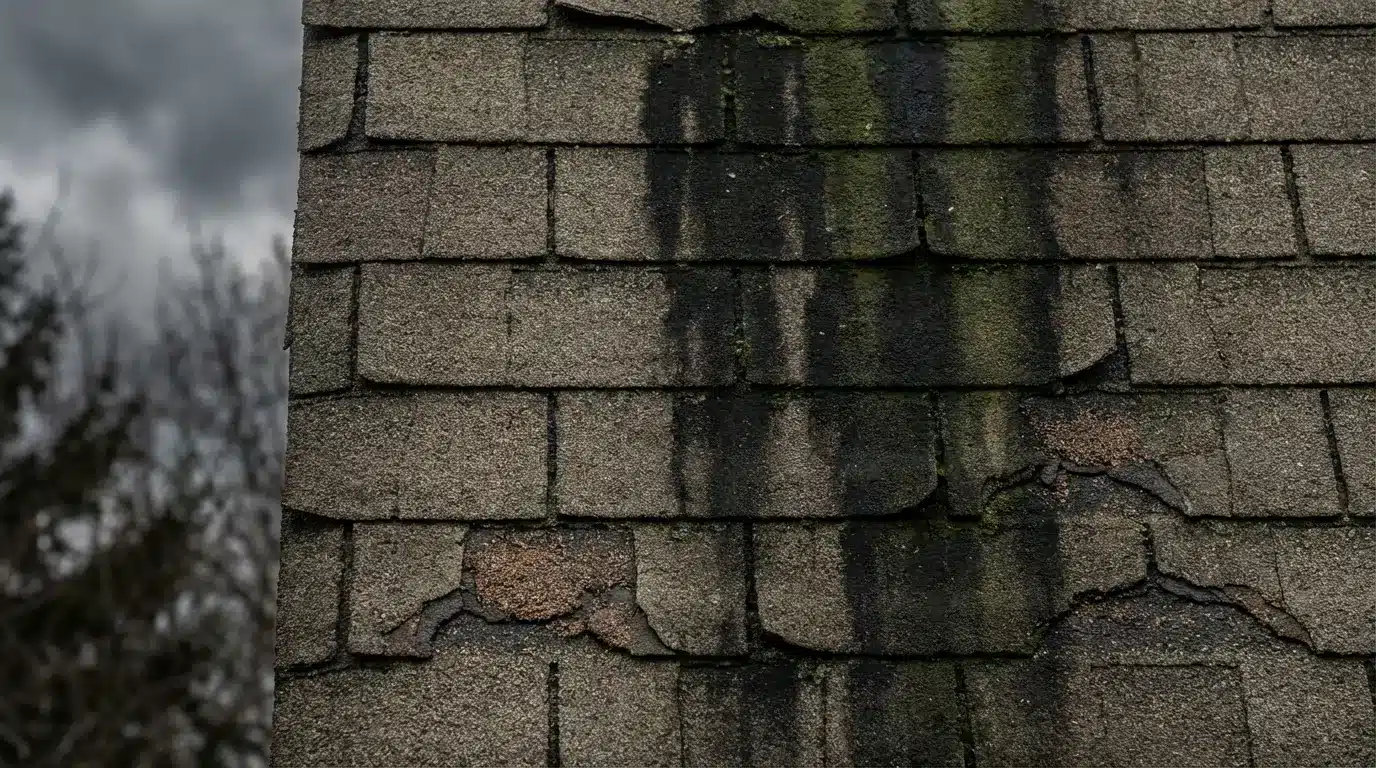
Asphalt shingles represent one of the most common pressure-washing failures. Loose granules protect the shingle from UV radiation; a 2,000 PSI stream aimed at a roof can dislodge thousands of granules in seconds, reducing the roof’s lifespan by a decade or more.
Manufacturers like GAF and CertainTeed explicitly void warranties if high-pressure washing is used. Soft washing, by contrast, restores roofs without mechanical abrasion. The solution is applied from the ground using a low-pressure diaphragm pump, allowed to dwell, and rinsed gently.
In Austin’s warm, damp conditions, Gloeocapsa magma, a black-staining cyanobacteria, is particularly common on north-facing roof slopes. Soft washing eradicates it entirely, whereas pressure washing often spreads the bacteria to adjacent areas. For tile or metal roofs, the same principle applies: chemicals do the work, not water force.
Equipment Differences That Matter for Property Safety
Professional soft washing systems differ fundamentally from standard pressure washers. Downstream injectors pull cleaning solution into the water stream after the pump, preventing seal damage and ensuring dilution occurs at the nozzle.
Dedicated soft wash rigs use diaphragm pumps rated for harsh chemicals, along with 100–200 feet of chemical-resistant hose. Operators must also employ proportioners or metering valves to maintain consistent ratios, as too much hypochlorite can damage plants or discolor painted surfaces, while too little fails to kill deep-seated mold.
In contrast, a hardware-store pressure washer paired with a “turbo nozzle” is a recipe for disaster on anything other than concrete driveways. A trusted pressure washing team in Austin will typically carry multiple setups: a hot water pressure unit for grease removal, a cold water unit for flatwork, and a dedicated soft wash trailer for houses, roofs, and fences. The equipment choice signals the operator’s expertise.
Environmental and Vegetation Precautions
Even with low pressure, runoff management is critical. Sodium hypochlorite breaks down into salt and water when exposed to sunlight and organic material, but during the application process, it can harm landscaping. Professionals pre-wet shrubs, flowers, and grass with fresh water, then apply the cleaning solution, and finally rinse plants again.
Some teams also use polymer-based shields or portable catchment systems near sensitive gardens. In Austin, where native plants like Texas sage and lantana are drought-tolerant but chemically sensitive, this step is non-negotiable.
Furthermore, responsible operators avoid allowing runoff into storm drains by timing jobs before rain events and using neutralizers if needed. Homeowners attempting DIY soft washing often skip these precautions, resulting in brown patches that last an entire growing season.
Heading 6: When High Pressure Is Actually the Right Tool
Soft washing is not a universal solution. Certain applications demand high pressure: preparing concrete for staining or sealing, removing chewing gum from sidewalks, stripping paint from masonry, or cleaning heavy equipment. The key is matching the PSI to the task.
For example, 3,000 PSI with a rotating nozzle (0-degree or 15-degree tip) is appropriate for oil-stained garage floors but would destroy wood decking. Experienced crews will also adjust flow rate (gallons per minute, or GPM) because pressure alone doesn’t determine cleaning power—GPM drives the scouring action.
A 4 GPM machine at 2,000 PSI cleans faster than a 2 GPM machine at 3,000 PSI. Ultimately, the decision between soft washing and pressure washing should be based on surface type, contamination level, and desired longevity of the clean, not on which method sounds more “powerful.”
Conclusion
The evolution of exterior cleaning has moved past the “blast it until it’s clean” era. Understanding the chemistry of oxidation, the vulnerability of building materials, and the appropriate use of equipment separates professional results from property damage.
Whether addressing organic staining on vinyl siding, black streaks on a composition roof, or mildew on a cedar fence, the most effective and safest approach nearly always involves reducing pressure and increasing chemical efficacy.
For Austin residents facing the region’s persistent biological growth, relying on a trusted pressure washing team in Austin ensures that every surface receives the correct method, soft wash for delicate areas, high pressure only where warranted. In doing so, homeowners protect their investment, extend the life of their exteriors, and achieve a clean that lasts months longer than any DIY attempt. The next time you see a streaked sidewalk or a darkened roof, remember: sometimes the gentlest touch delivers the most powerful result.