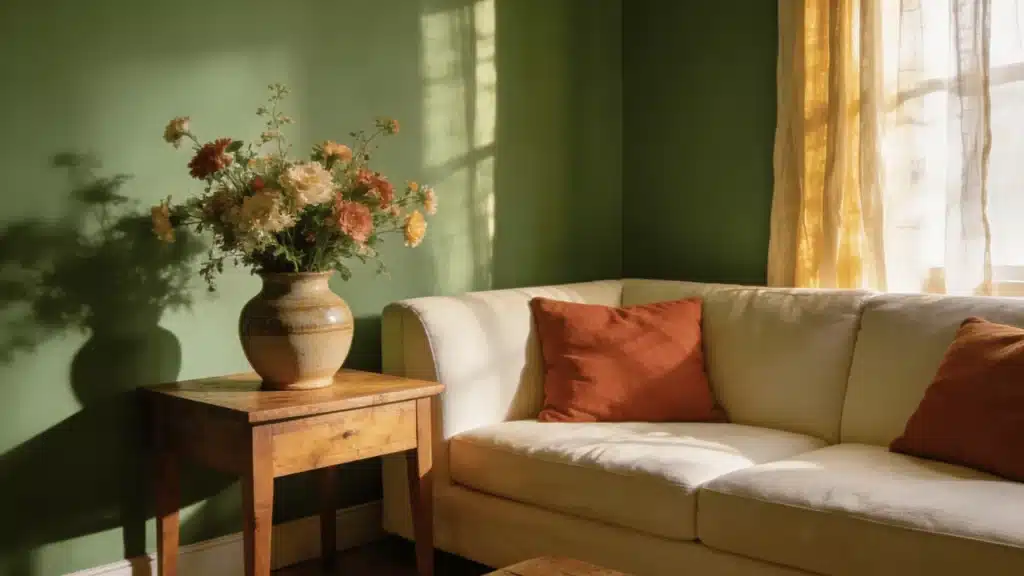
I once had a client who painted her living room sage green over a weekend. The color was perfect.
But when she stepped back, something felt off.
The furniture, the curtains, and the cushions none of it seemed to belong together anymore. We covered a similar situation when we talked about what colors go with orange, and green brings the same kind of challenge.
Figuring out what colors go with green is exactly where most people get stuck, and I have seen it happen more times than I can count.
Green is one of the most versatile colors in any space, but it needs the right companions to truly work.
Once you have those pairings figured out, pulling a room together becomes a lot easier.
Quick Color Pairing Cheat Sheet
Before we get into the details, here is a simple reference you can save and come back to.
| Green Shade | Best Color Pairings |
|---|---|
| Light Green | White, Beige, Yellow |
| Olive | Brown, Terracotta, Cream |
| Emerald | Gold, Navy, Coral |
| Mint | Peach, Gray, Light Blue |
| Sage | White, Warm Gray, Dusty Rose |
| Forest Green | Cream, Camel, Rust |
Green Color and its Tones
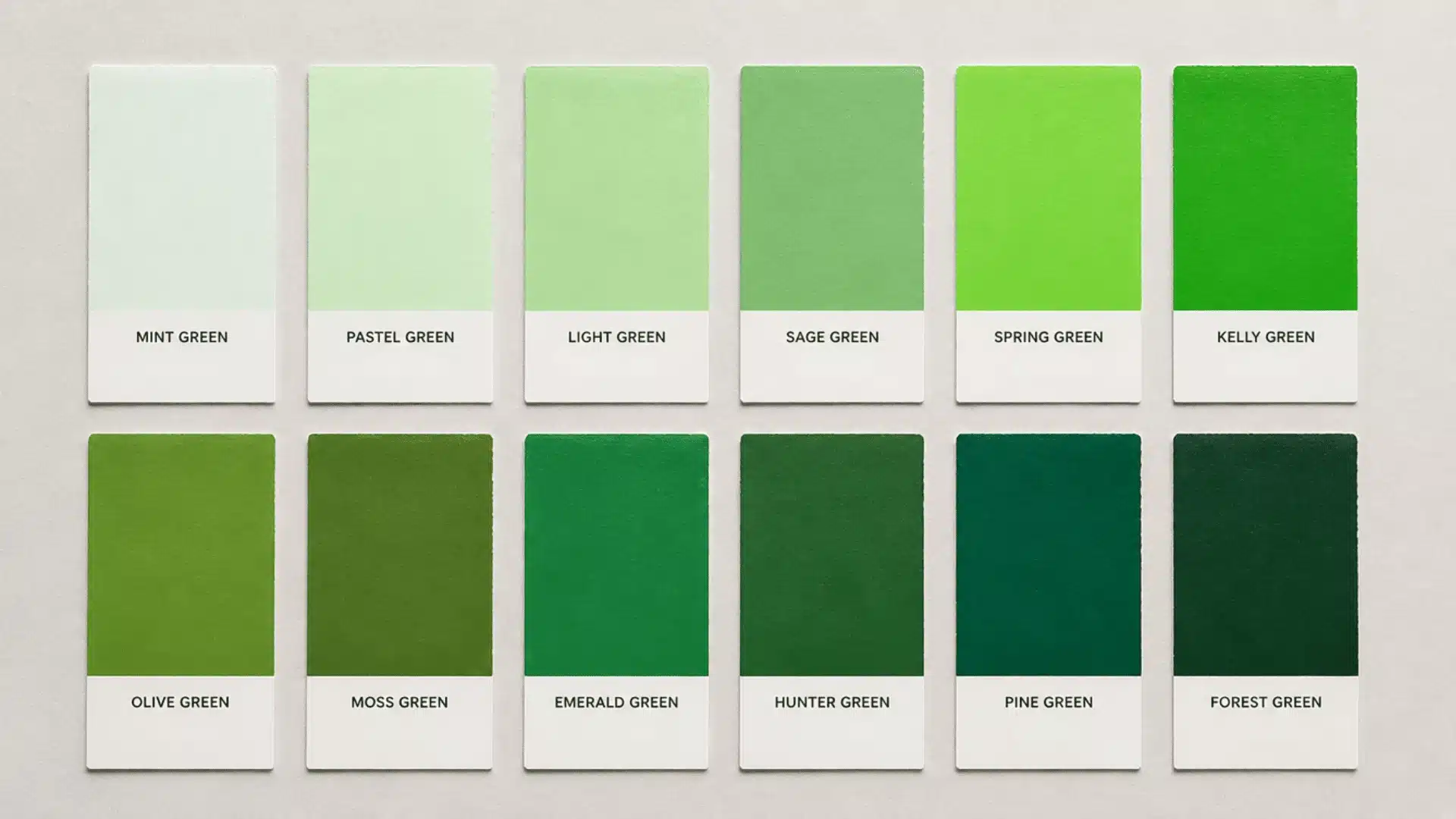
Green is not a single color.
It covers a wide range of shades, and each one behaves differently when placed next to other colors.
The Psychology of Green
Green has long been associated with nature, calm, and a sense of growth.
It is one of the few colors that does not feel aggressive or overly stimulating in a room, which is part of why it works so well in living spaces and bedrooms.
In fashion, it reads as natural and grounded. That quiet quality is also what makes it so easy to pair with a wide range of other colors.
Shades of Green
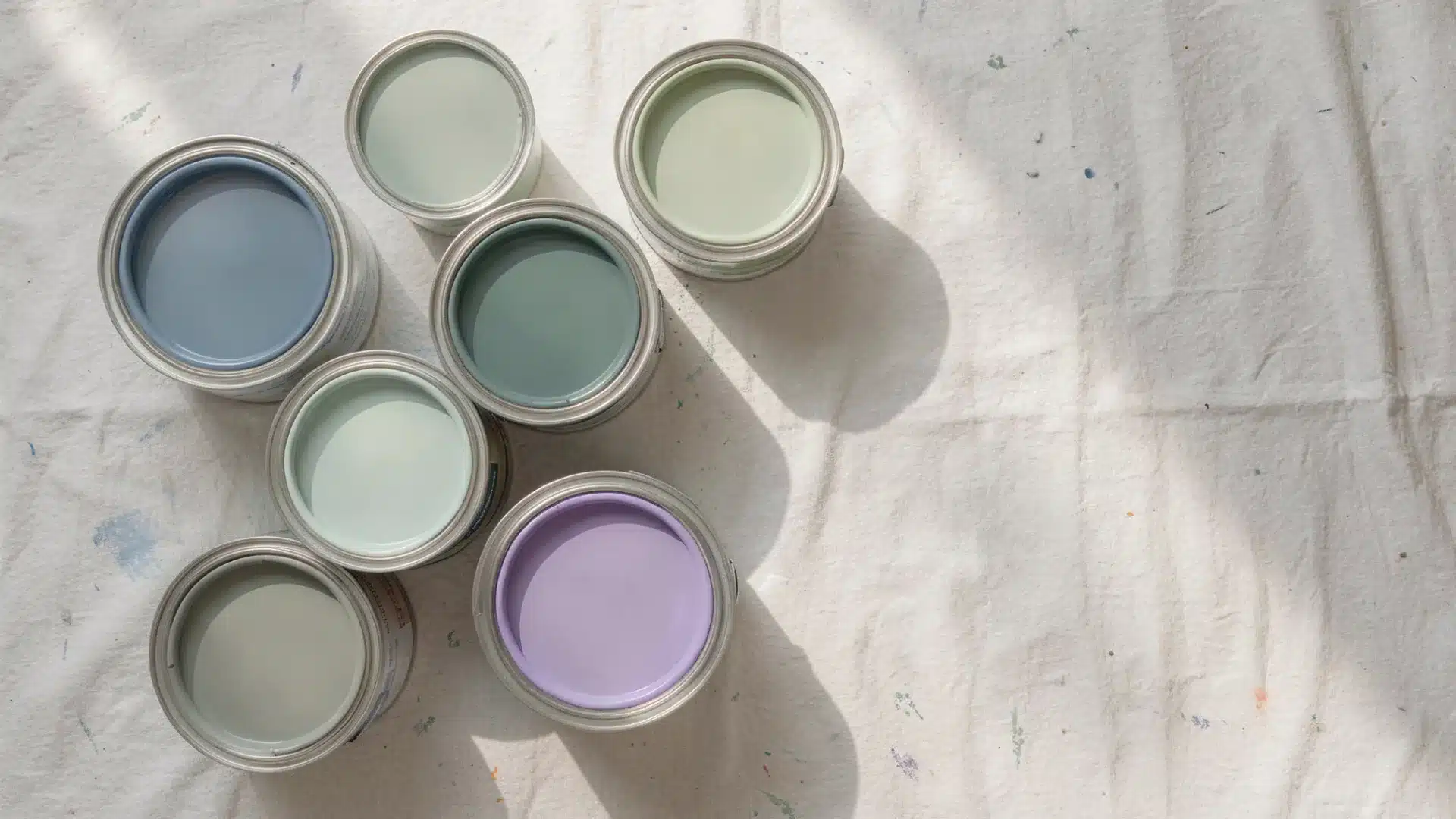
The green family includes light green, mint, sage, olive, emerald, and forest green. Each sits at a different point on the color spectrum and carries its own mood.
Light green and mint feel fresh and open. Sage reads as soft and muted. Olive pulls toward yellow and brown. Emerald is deep and saturated. Forest green is dark, grounded, and rich.
One thing I always tell people when they are starting out: identify your exact shade before shopping for anything else. Saying “I want green” is not enough.
Knowing whether you are working with sage or olive or emerald changes every decision that follows.
Why Tone Matters
This is where most people go wrong.
Green is not just light or dark. It is also either warm or cool. Warm greens like olive and sage lean toward yellow and brown undertones. Cool greens like mint and emerald lean toward blue.
If you pair a warm green with cool-toned furniture or accessories, the combination can feel slightly off without you being able to pinpoint exactly why.
Matching the temperature of your green to your other colors makes everything look more considered.
If you are still deciding on your shade, you at least must know the basics of how to choose paint color before moving forward with any pairings.
Colors that Go with Green
These pairings apply across home interiors, fashion, painting, and design. The goal here is practical guidance, not just color theory.
White, Beige, and Gray
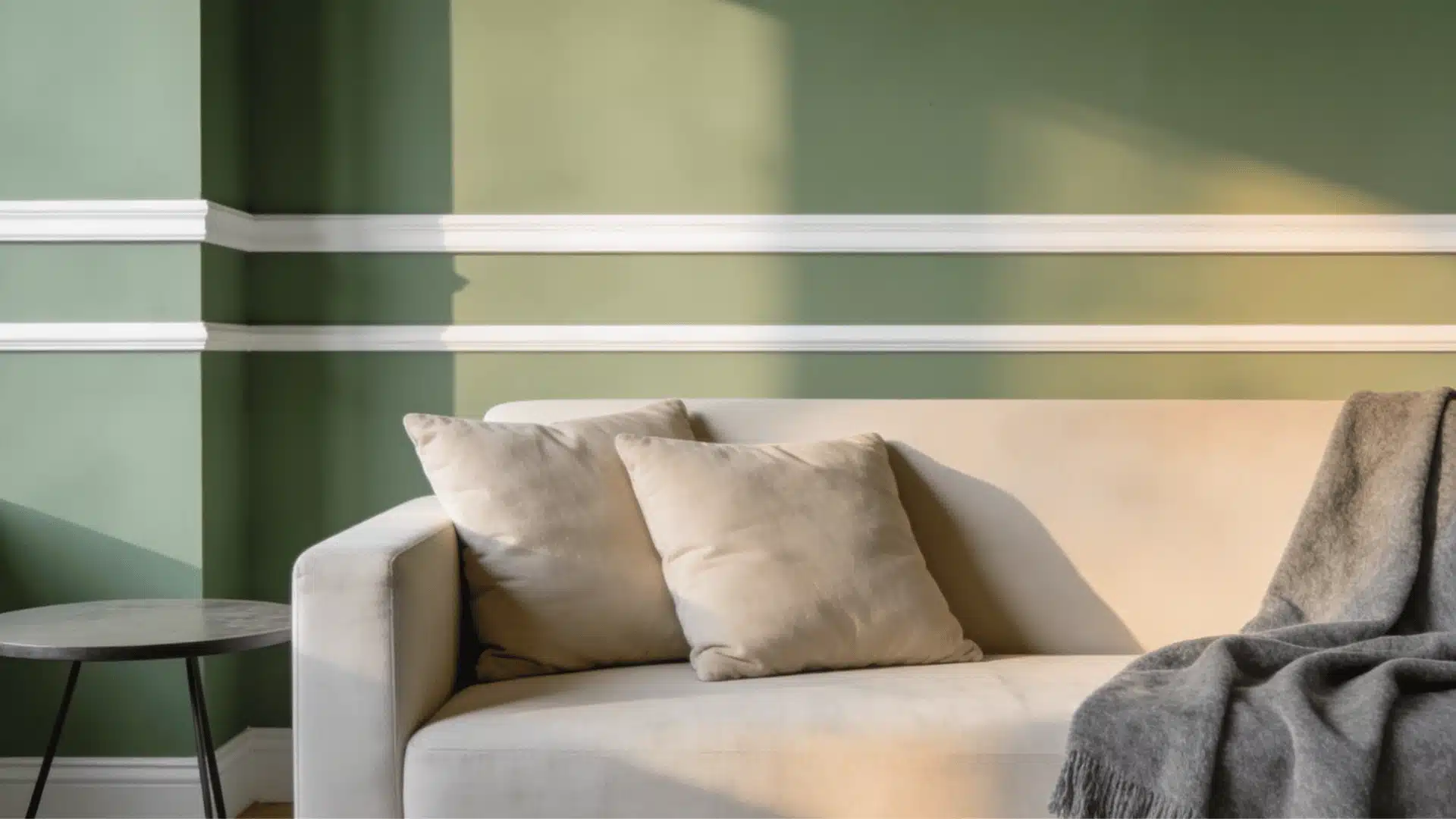
These are neutral colors and the most dependable partners for green. They give the green room to stand out without anything competing with it.
Sage walls with white trim deliver a clean result without requiring much else to change in the room.
Beige works best with warm greens, while gray pairs more naturally with cooler shades like mint or emerald.
Bright white can make warm greens look slightly yellow in certain lighting. If your green has yellow or brown undertones, off-white or a warm cream will read more naturally beside it.
Blue and Teal
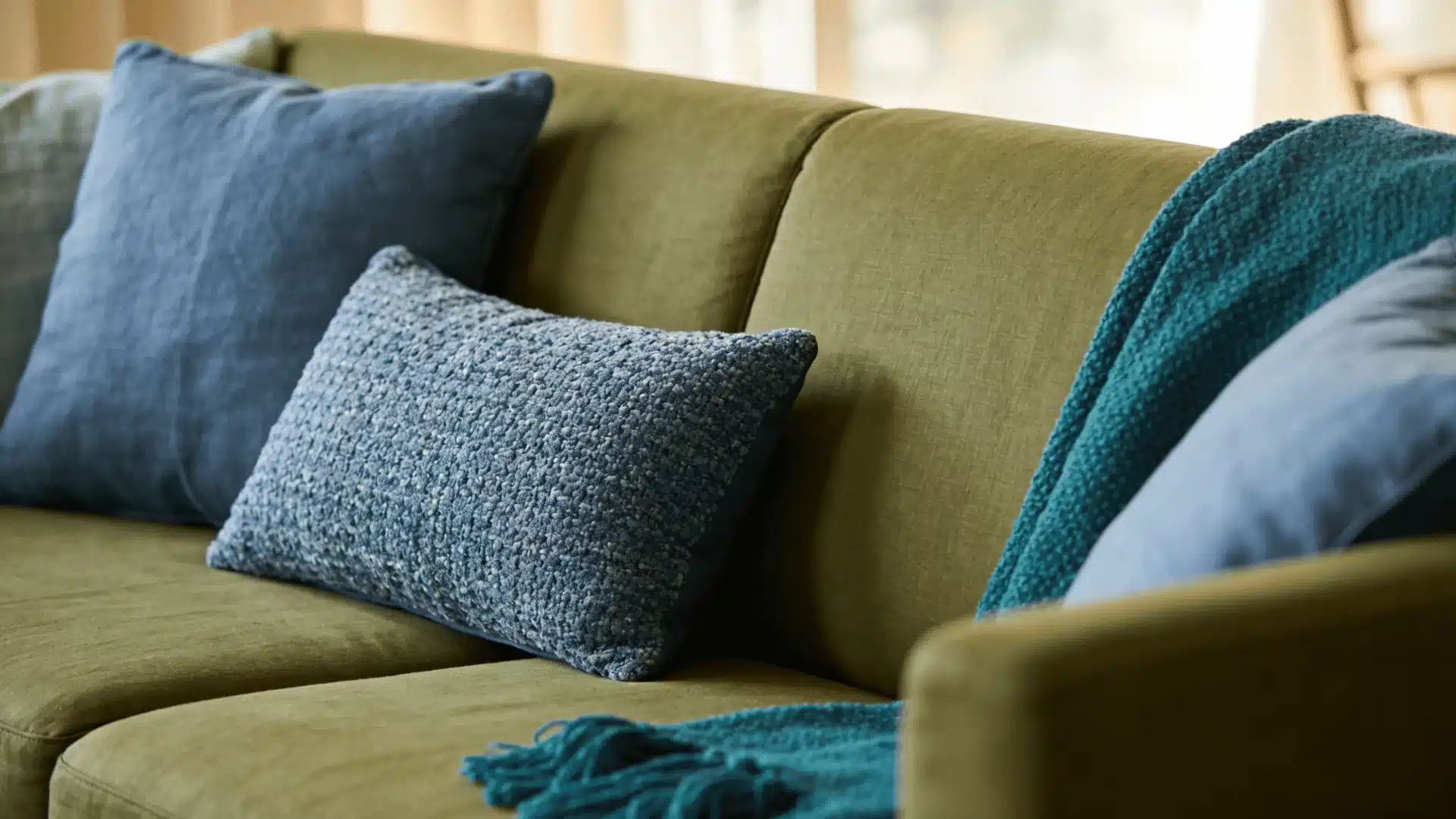
Blue and teal are analogous colors, sitting directly next to green on the color wheel. They share enough undertones with green to create harmony without becoming too matchy.
A sage and dusty blue living room feels cohesive because both colors carry similar muted qualities.
Layering these through soft furnishings like cushions, throws, and rugs rather than committing both to larger surfaces keeps the look flexible and easy to adjust.
Vary the depth of each shade. A deep forest green with a lighter blue creates visual interest. Two equally saturated colors side by side tend to flatten the look.
Brown, Terracotta, and Mustard
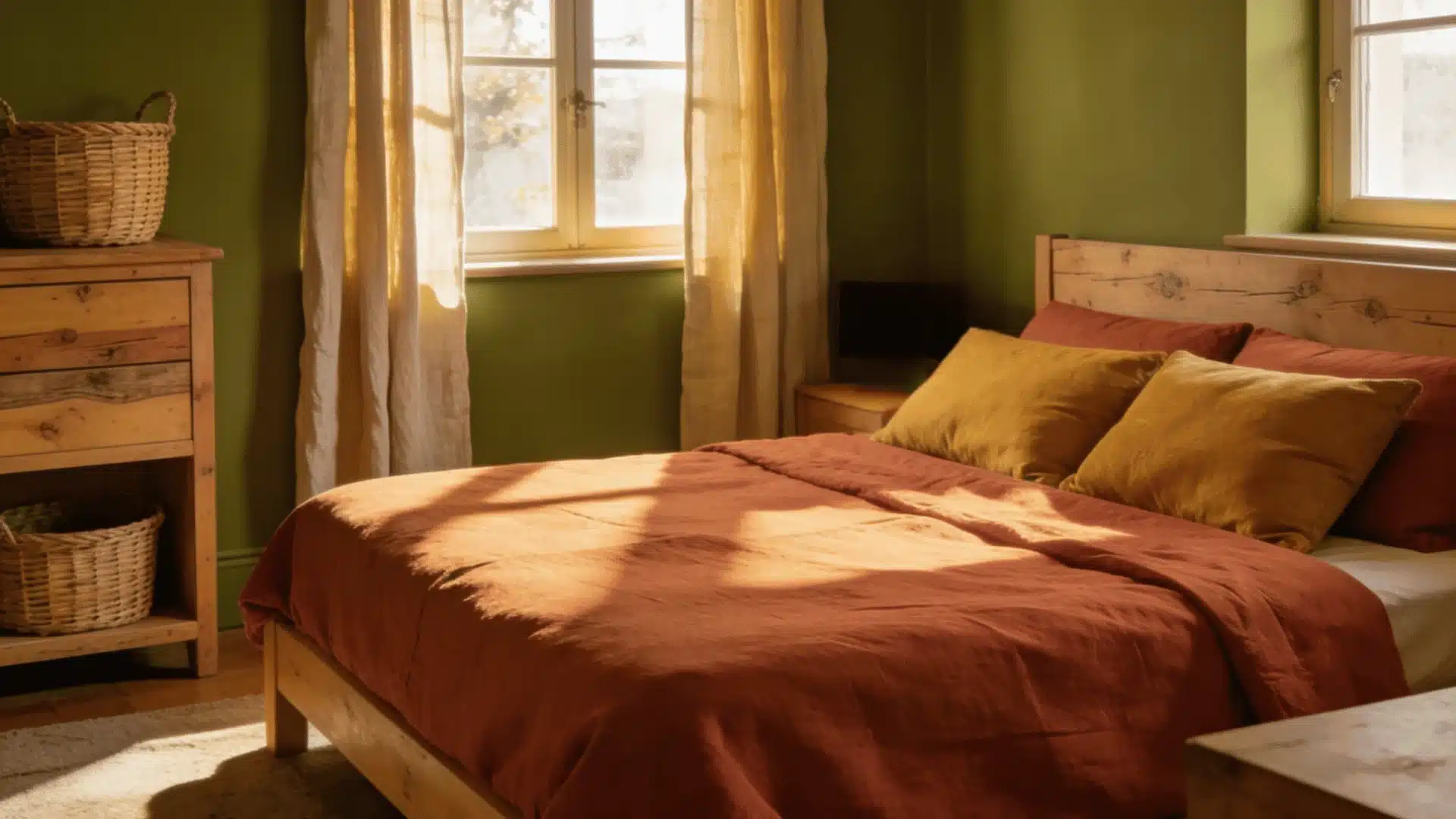
These are earth tones and work particularly well with warm greens like olive and sage.
The combination draws from nature, which is part of why it feels comfortable and familiar in a room.
An olive sofa with a terracotta rug and warm wood side tables creates a layered, grounded look.
Adding natural materials like rattan, linen, or unfinished wood brings the whole palette together more convincingly than relying on color alone.
Mustard works best alongside forest green or sage rather than lighter greens, where the yellow tones in both colors can clash.
Red, Pink, and Coral
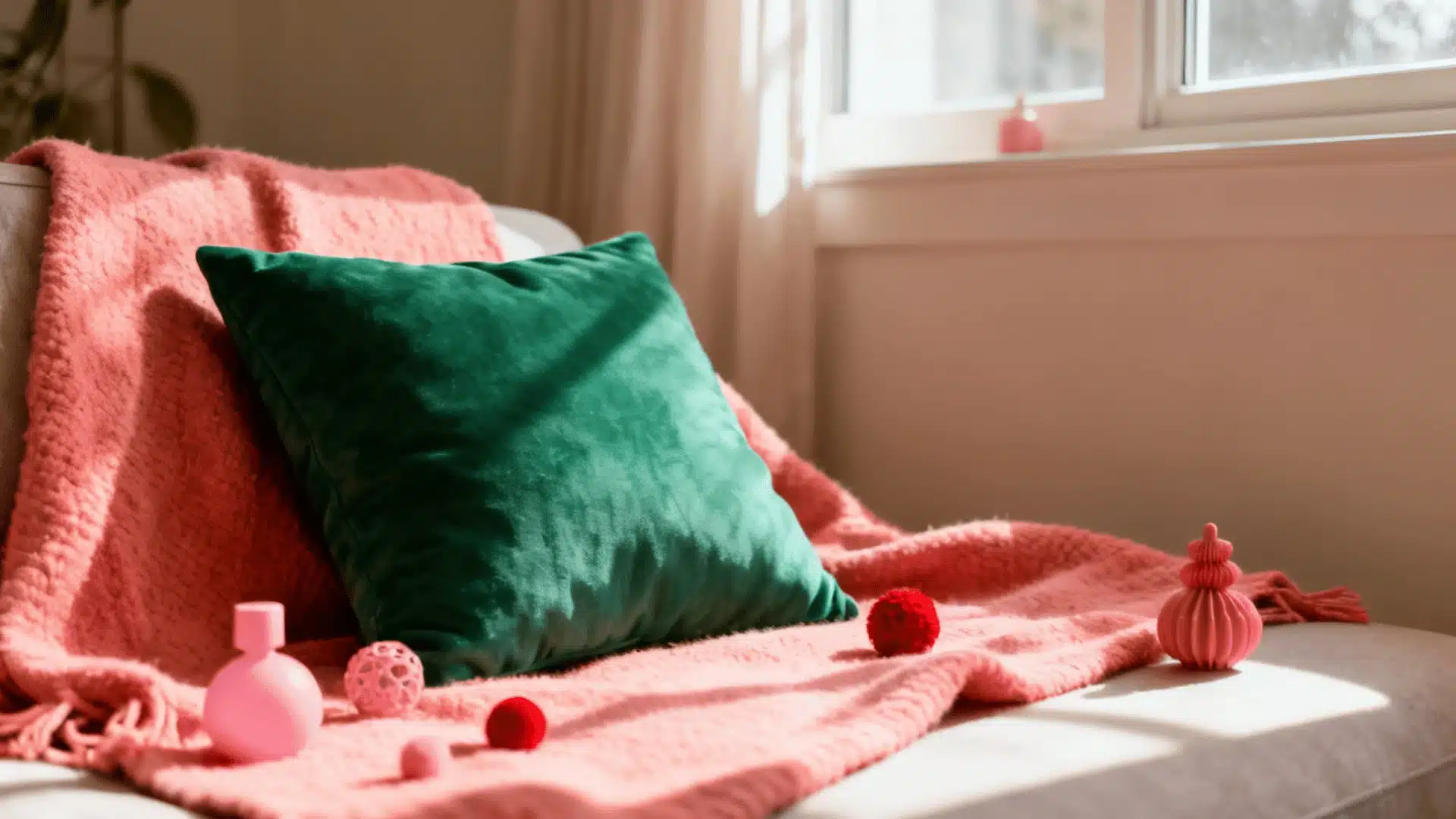
These are complementary colors, sitting opposite green on the color wheel. They create contrast and visual energy when used alongside green.
An emerald cushion against a coral throw. A sage room with terracotta accent pieces.
Treat one color as the clear lead and use the complementary shade in smaller amounts through accessories, artwork, or a single statement piece.
Gold, Bronze, and Copper
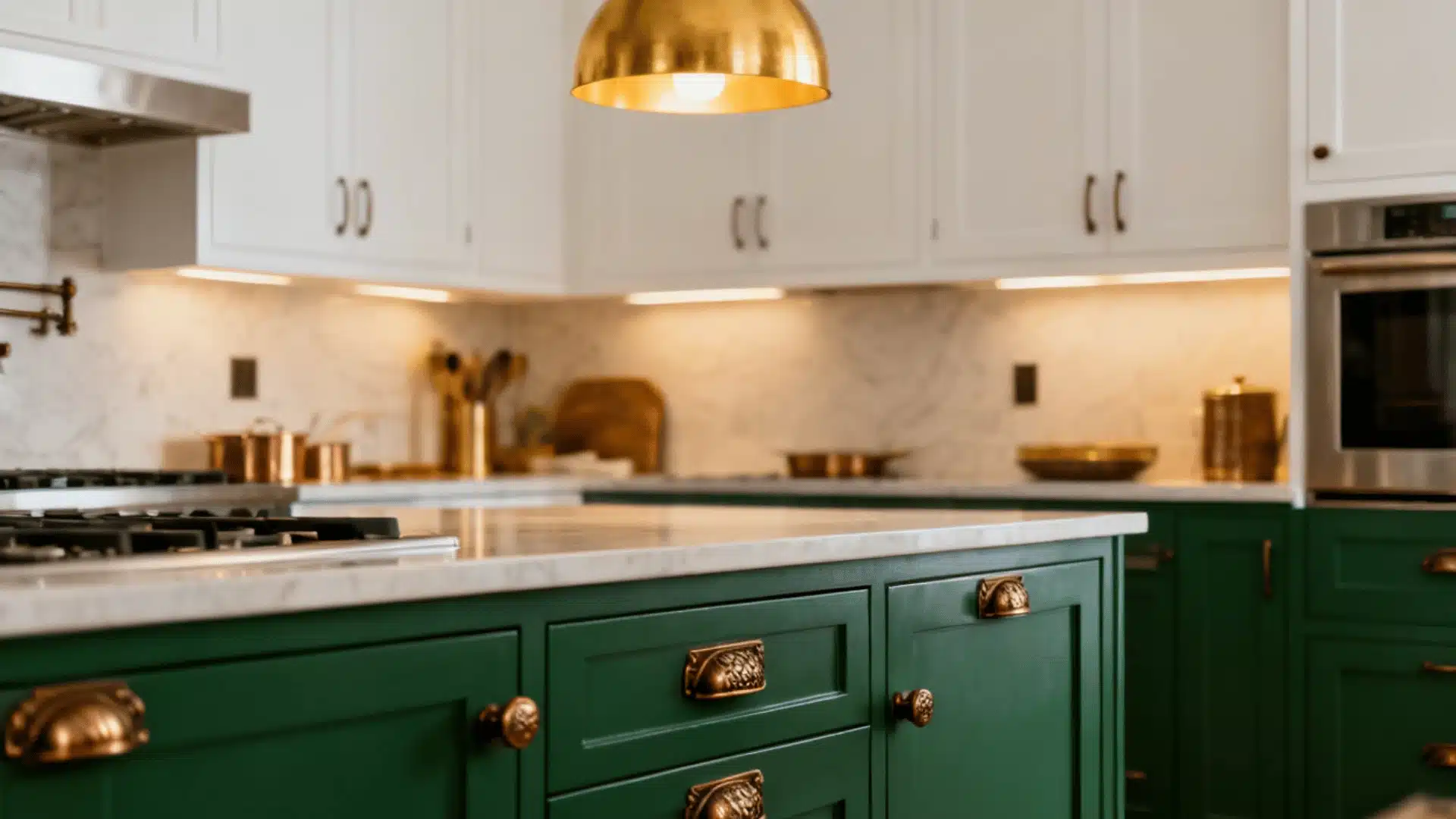
These are warm metallics and add richness to green pairings. Most greens carry some warmth in their undertones, and these metallics bring that quality out.
Emerald and gold create a natural balance between the cool depth of the green and the warmth of the metal. Bronze and copper work well with olive or forest green for a more earthy, textured result.
Silver is a cooler metallic and tends to work better with mint or other cool greens where the tones align.
Keeping metallics as accents rather than dominant elements almost always produces a better result.
A gold lamp or copper cabinet hardware is usually enough to add depth without overpowering the green.
Using Green in Home Decor
Green can go in many directions in a home depending on the shade and how it is used. Here is how it tends to play out across different rooms.
Green Walls
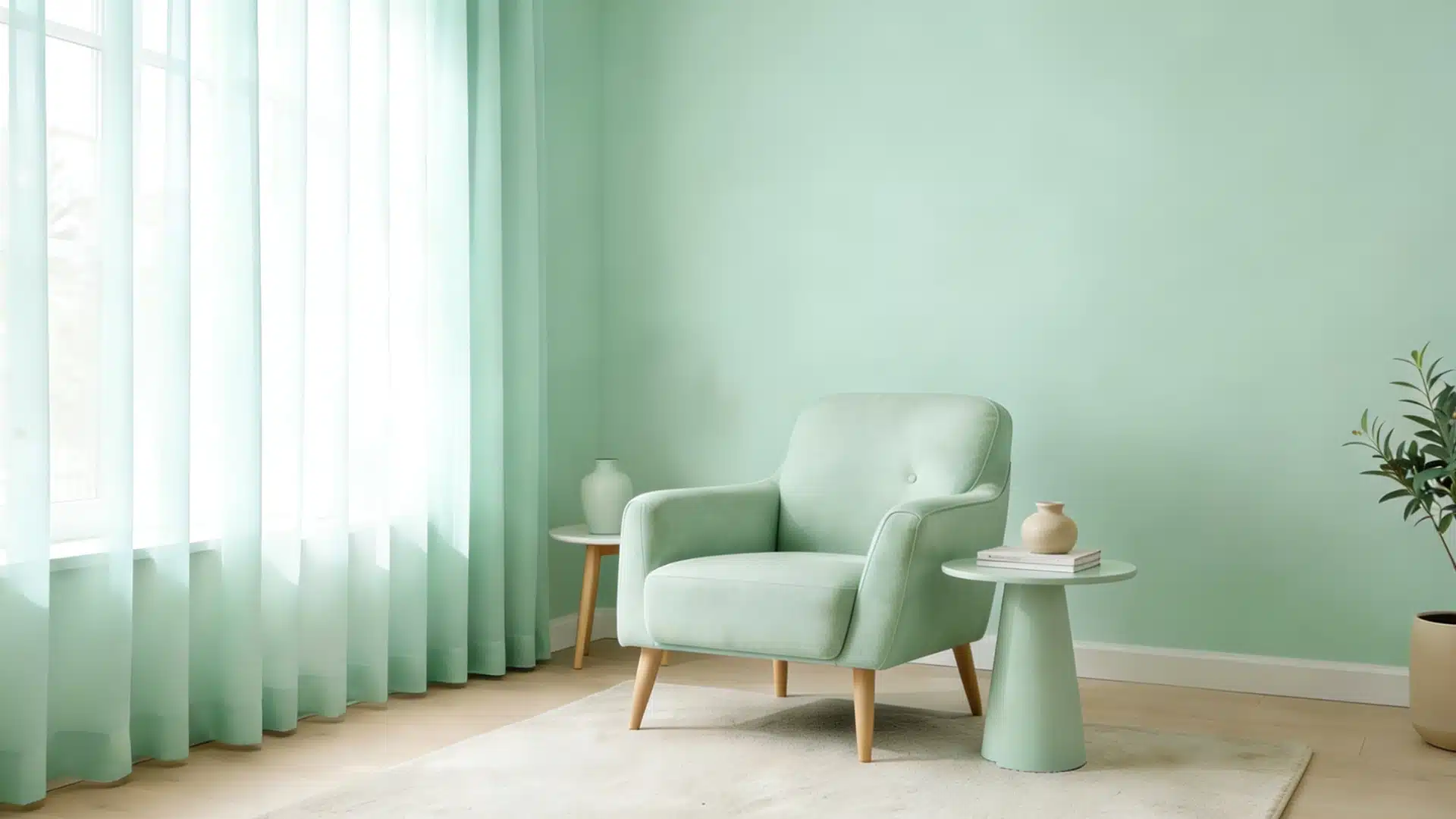
Sage and light green feel soft and restful on walls. Darker shades like forest green or emerald work better as an accent wall or in smaller rooms like a powder room.
Testing paint samples at different times of day is a step I consider non-negotiable with green.
A sage that looks soft in the store may appear more yellow under warm artificial light or cooler near a north-facing window.
Living Rooms
Green walls pair well with natural wood furniture, cream sofas, and woven textures like jute or rattan.
Terracotta or mustard cushions add warmth. A green sofa or armchair works just as well if the walls are neutral.
Kitchens
Sage or olive lower cabinets paired with white uppers and warm wood countertops holds up well in everyday use. Brass or gold hardware reinforces the warmth already in the green.
Bedrooms
Sage or mint walls with white bedding and warm wood furniture keep the space calm. Olive or forest green suits a warmer, cozier feel.
Seasonal Pairings
Lighter greens suit spring and summer alongside white, peach, and yellow.
Olive and forest green shift naturally into autumn and winter with rust, mustard, and cream. Two or three accessory swaps are usually enough to refresh the look entirely.
Using Green in Fashion
Pairing green in fashion follows the same color principles as interiors, but applies differently in practice.
In a room, you work with fixed surfaces. In an outfit, proportions shift every time, which gives you far more room to experiment.
For casual looks, sage and light green are the most wearable starting points. Olive trousers with a cream sweatshirt and white sneakers come together without much effort.
For formal occasions, emerald and forest green carry more presence. An emerald blouse with navy trousers and gold jewelry works well for an evening setting.
Green accessories, a bag, belt, or scarf, pair well against neutral outfits and add color without requiring a full wardrobe shift.
Conclusion
Green is one of those colors that rewards a little planning. Once you understand what colors go with green, the right pairing does not just make the green look better.
It makes the whole room, or the whole outfit, feel like it belongs together.
In my own work, the spaces that come together most successfully are rarely the ones with the most colors. They are the ones where each color was chosen with the others in mind.
Start with the cheat sheet, identify your shade of green, and let that guide your next decision.
Everything else tends to fall into place from there.
Frequently Asked Questions (FAQ’s)
1. Can Green Be Paired with Bright Colors?
Yes. Keep green as the dominant color and use the bright shade as an accent in cushions, artwork, or accessories.
2. Which Green Shade Works Best for Small Spaces?
Light green and sage reflect more natural light and make a small room feel more open than darker shades tend to.
3. Are Metallics Safe with All Greens?
Mostly yes. Gold and copper suit warm greens like olive and emerald. Silver works better alongside cooler greens like mint.