Animal stories have long been a favorite in children’s literature. From adventurous bears and curious foxes to brave lions and friendly elephants, animal characters help bring stories to life in ways children easily understand and enjoy.
For many kids, animal books become some of the first stories they truly connect with. These books mix imagination, adventure, and meaningful lessons, making reading both fun and memorable. Whether read at bedtime or explored independently, animal stories often play an important role in building a child’s relationship with books.
What Makes Animal Stories So Appealing to Children
Children are naturally fascinated by animals. They see animals in everyday life, in cartoons, in toys, and in nature, which makes these characters feel familiar and exciting.
Animal-centered stories appeal to young readers because they:
● Turn everyday situations into imaginative adventures
● Present emotions in ways children can easily understand
● Encourage empathy and kindness toward others
● Spark curiosity about wildlife and the natural world
When animals take on human traits in stories—talking, thinking, or solving problems—children are able to explore ideas and feelings in a safe and engaging way.
Beloved Animal Books That Stand the Test of Time
Some of the most memorable children’s stories feature animal characters as their heroes. These books continue to be read by new generations because they combine adventure with meaningful lessons.
A few well-known titles include:
Winnie-the-Pooh – A.A. Milne
The gentle adventures of Pooh Bear and his friends in the Hundred Acre Wood teach children about friendship, patience, and imagination.
Charlotte’s Web – E.B. White
This touching story about a spider and a pig shows how kindness and loyalty can make a lasting difference.
The Tale of Peter Rabbit – Beatrix Potter
Peter’s playful but risky adventure in Mr. McGregor’s garden remains one of the most beloved animal stories ever written.
The Jungle Book – Rudyard Kipling
Through the story of Mowgli and the animals of the jungle, children discover lessons about courage, identity, and belonging.
These stories show how animal characters can make important themes easier for children to grasp.
Personalized Animal Adventures Make Reading Even More Engaging
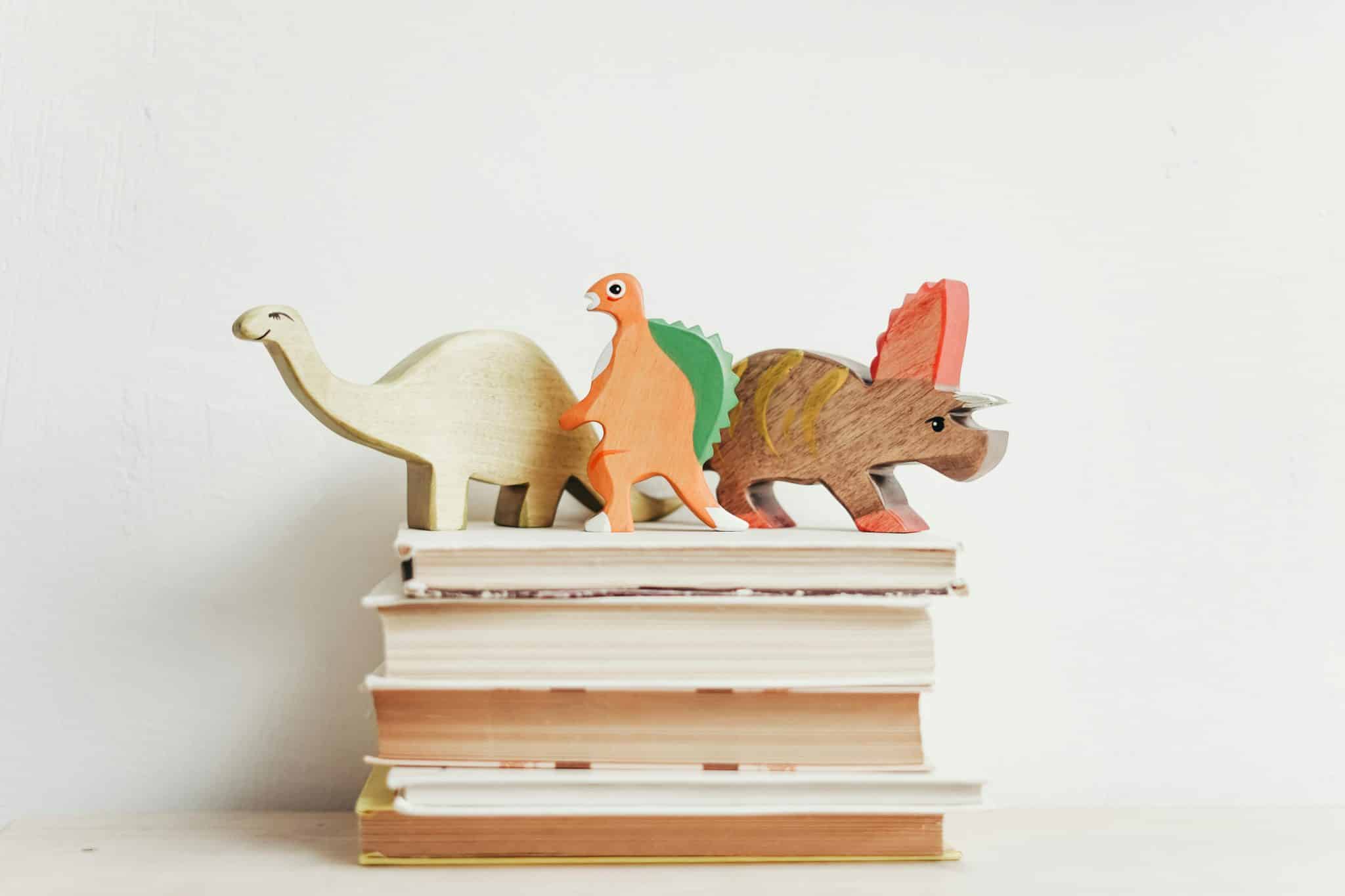
While classic books remain popular, many families are also discovering the excitement of personalized children’s books.
Personalized animal books for kids place children directly inside the narrative. Instead of simply reading about the hero, kids become the main character themselves. Seeing their own name and likeness in a story can make reading feel much more engaging.
Some companies now create personalized animal-themed stories where children explore magical worlds filled with friendly creatures. For instance, WonderWraps offers customized children’s books that allow kids to become the central character in imaginative adventures alongside animals, often learning lessons about friendship, bravery, and kindness along the way.
For children who may not naturally gravitate toward books, this type of storytelling can make reading feel more exciting and personal.
How Animal Books Support Learning and Development
Animal stories do more than entertain young readers. They also help support several important areas of childhood development.
Emotional growth
Animal characters often experience situations that mirror real-life feelings such as fear, joy, jealousy, or courage. Watching these characters navigate challenges helps children understand their own emotions.
Interest in nature and wildlife
Books featuring animals frequently inspire children to learn more about real animals and their environments. This curiosity can lead to a deeper appreciation for nature.
Language development
Animal stories often include descriptive language, dialogue, and repeated patterns that help children expand vocabulary and improve comprehension.
Creative thinking
Imagining talking animals, magical forests, and adventurous journeys encourages children to think creatively and build storytelling skills of their own.
Tips for Choosing Animal Books for Kids
When selecting animal stories for children, it helps to choose books that match their age and interests.
Parents and caregivers can consider:
● Books with colorful illustrations for younger readers
● Stories with positive themes such as friendship, teamwork, and curiosity
● Engaging narratives that encourage children to ask questions or imagine new adventures
A combination of classic titles and newer interactive or personalized books can help keep reading experiences fresh and exciting.
Helping Children Build a Lifelong Reading Habit
Encouraging children to enjoy books early in life can have lasting benefits. When reading feels enjoyable rather than forced, kids are more likely to continue exploring stories as they grow.
Animal books are especially powerful because they blend imagination, emotion, and adventure in ways children easily understand. Whether they are following the journey of a mischievous rabbit, a thoughtful spider, or even themselves in a personalized story, these books help make reading a positive and memorable experience.
For many young readers, their love of books begins with a story about animals—and the adventures those characters bring to life.