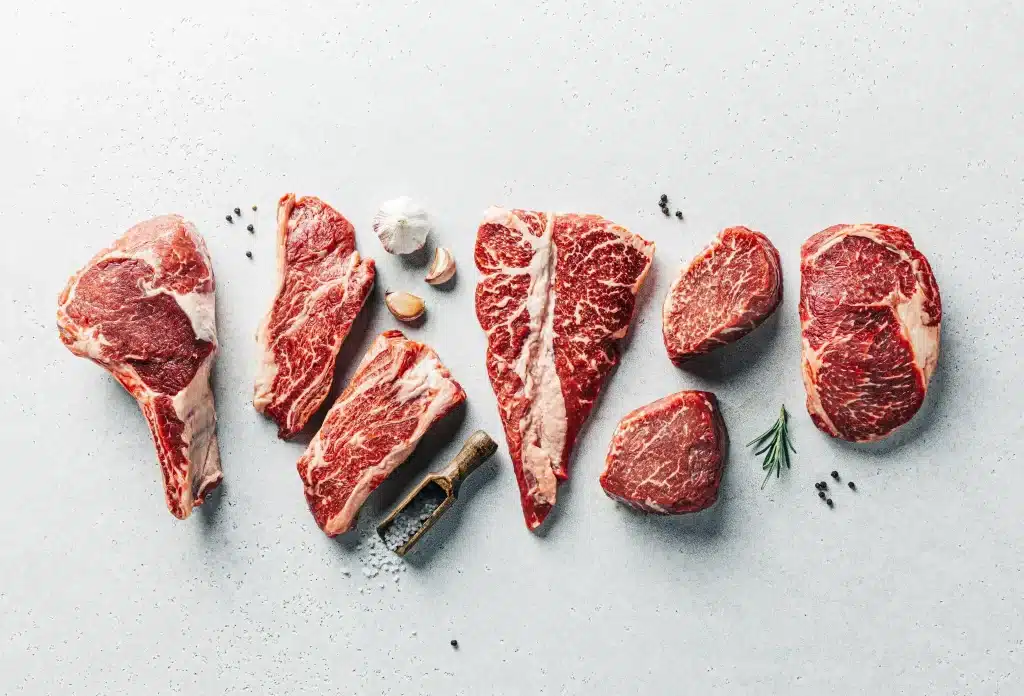
Ever wonder why that steak from your local grocery store just doesn’t taste as good as the one from your favorite butcher or online meat delivery service? You’re not imagining things.
There’s a real, noticeable difference, and it all comes down to how the meat is handled, aged, and prepared before it reaches your kitchen.
I know the struggle of standing in the meat section, trying to figure out which package will actually taste good on the grill. Let’s dig into why supermarket meat often falls short and what makes delivered or butcher shop meat worth the extra step.
The Aging Game Makes All the Difference
Here’s something most people don’t know: all beef sold in the US goes through an aging process. It’s not optional. The question is how long and what method is used.
The average supermarket ages beef anywhere from 5 to 17 days, while
high end beef will be aged for 30 days, at least. That extra time makes a huge difference in both tenderness and flavor.
Most grocery stores use wet-aging, where
beef is aged in a vacuum-sealed bag to retain its moisture. This method is faster and cheaper, which is exactly why supermarkets love it. The meat sits sealed in plastic with its own juices, and while it does become more tender,
wet aging has no impact on flavor.
Compare that to dry-aging, where meat hangs in a climate-controlled room for weeks or even months.
Dry aging tenderizes beef and changes the flavor profile, giving your beef an intense, nutty flavor. The process is expensive and requires special equipment, which is why
dry-aged beef is seldom available outside of steak restaurants and upscale butcher shops or groceries.
When you order from The Meat Box or similar online meat delivery services, you’re often getting meat that’s been properly aged to maximize both tenderness and taste.
Freshness and Processing Matter More Than You Think
The journey your meat takes from farm to table dramatically affects its quality.
Butchers know where their meat came from, when it was slaughtered, and exactly what the quality is, while supermarkets buy in bulk from a central office and distribute it to stores.
Meat from butcher shops is often cut fresh to order or prepped in the morning, while supermarket meats are processed and packaged in a factory, then shipped to stores to sit on shelves until purchased, losing vitamins and minerals over time. That sitting time matters more than you’d think.
Due to its high nutrient substance concentration, meat is highly susceptible to spoilage and contamination, and the freshness degrades because microbial spoilage and biochemical reactions occur during storage. The longer meat sits around, the more its quality declines.
Think about it like this: when you’re buying meat at the grocery store, you have no idea how long it’s been sitting in that package. It could have been cut days or even weeks ago. With a butcher or online delivery service, you’re getting meat that was cut much more recently, sometimes even to your specifications.
How New Zealanders Do It
New Zealand has really figured out the online meat delivery game. Services have popped up across the country that bring quality meat straight to your door, and they’re changing how Kiwis shop for protein.
The Meat Box, for instance, delivers fresh-cut, restaurant-quality meat nationwide in stay-chilled boxes. They work directly with passionate farmers to source the best cuts, ensuring everything arrives fresh and ready to cook. Other services like Meat Direct and Online Meats follow similar models, cutting out the middleman and connecting consumers directly with quality suppliers.
What makes the New Zealand approach interesting is the emphasis on traceability and local sourcing. Many of these online butchers can tell you exactly which farm your meat came from, how the animals were raised, and what makes their product different from what you’d find at the supermarket.
The convenience factor is huge too. Instead of fighting the crowds at the grocery store and hoping you’re picking a decent cut, you can browse cuts online, read detailed descriptions, and have everything delivered to your doorstep in packaging designed to keep it perfectly fresh.
Quality Grades Tell the Whole Story
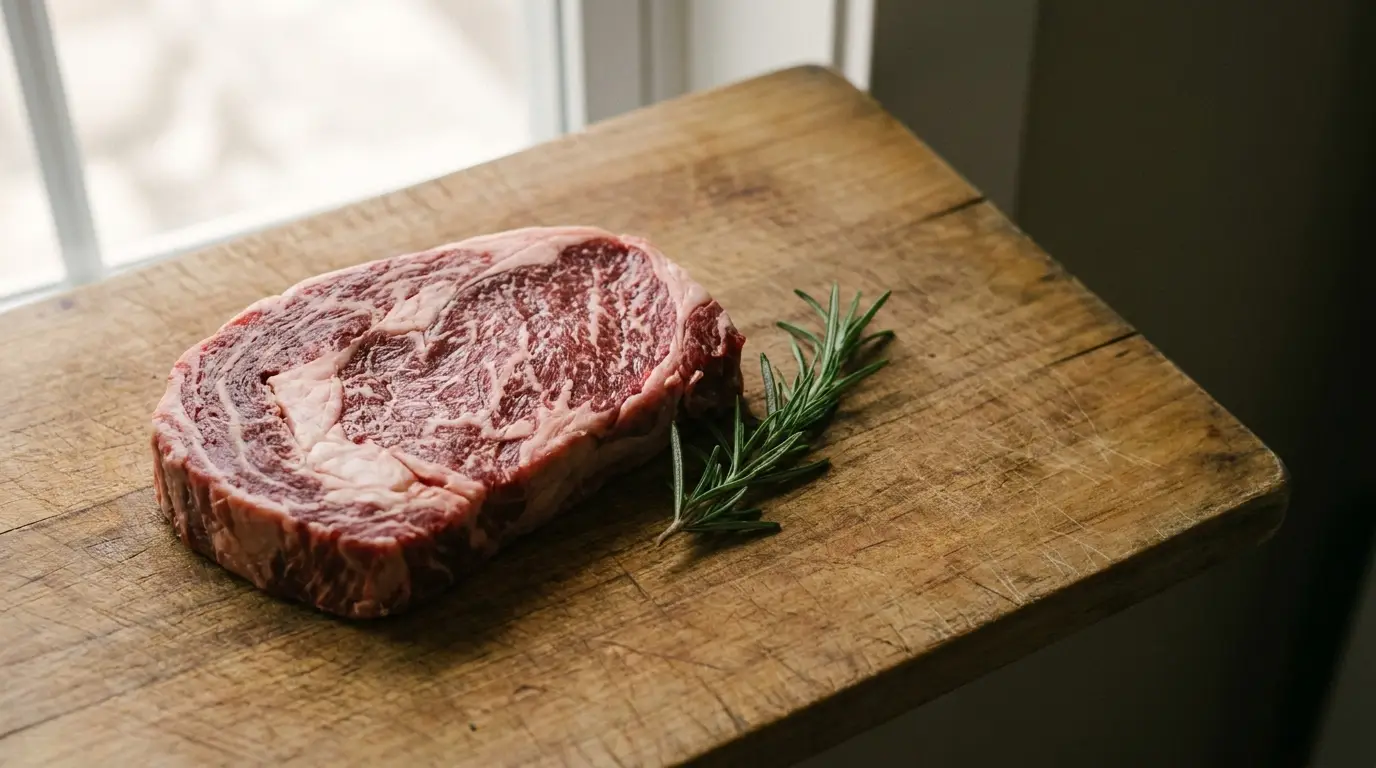
Not all meat is created equal, and USDA quality grades exist to help consumers understand what they’re buying.
Beef grades follow official standards developed and maintained by the USDA’s Agricultural Marketing Service for tenderness, juiciness and flavor. The grades you’ll see most often are Prime, Choice, and Select.
Select beef is very uniform in quality and normally leaner than the higher grades, but because it has less marbling, it may lack some of the juiciness and flavor of the higher grades. Unfortunately, Select is what you’ll find most often at budget supermarkets.
Higher-end butchers and online meat delivery services typically carry Choice or Prime grades, which have significantly more marbling. That marbling isn’t just fat, it’s what gives meat its flavor and keeps it juicy during cooking. When you compare a Select grade supermarket steak to a Choice or Prime cut from a quality butcher, the difference is obvious the moment you take your first bite.
The Hidden Problem with Additives
Here’s something that might surprise you:
packaged supermarket meat often contains additives and preservatives like sodium nitrite and nitrate to preserve color and prevent bacterial growth, which have been linked to potential health risks when consumed excessively.
Those bright red steaks sitting under the grocery store lights? They might look fresh, but
supermarket meat is often packed in plastic wrap and stored for long periods, sometimes using gas flushing to maintain color and freshness. The color you’re seeing isn’t necessarily an indicator of actual freshness.
Butcher meat and quality online delivery services skip these additives. The meat might not look quite as picture-perfect in the package, but that’s actually a good sign. You’re getting meat in its more natural state, without chemical interventions to make it look appealing longer than it should.
If you’re interested in making thoughtful choices about what comes into your home, you might enjoy this article about window styles that can improve your home’s energy efficiency, another way to make smart decisions for your household.
What Science Says About Meat Quality
Research on meat freshness has shown that multiple factors contribute to deteriorating quality over time. Temperature control, handling practices, and time from processing all play crucial roles in maintaining meat quality.
Meat is highly susceptible to spoilage and contamination due to its rich nutritional composition, with freshness degrading because microbial spoilage and biochemical reactions occur during storage as carbohydrates, proteins and fats decompose into acetaldehyde, hydrogen sulfide and ammonia.
The supermarket supply chain, with its multiple stops and longer storage times, simply has more opportunities for quality degradation. When meat goes from processor to distribution center to store to your cart, that’s a lot of time and temperature changes.
Compare that to a direct-to-consumer model where meat is cut, packaged, and shipped directly to you. Fewer steps mean fresher meat and better quality control throughout the process.
The Bottom Line on Taste
So why does supermarket meat taste different? It’s a combination of shorter aging periods, longer time in storage, lower quality grades, potential additives, and a supply chain that prioritizes cost savings over quality.
When you order from a quality butcher or online meat delivery service, you’re paying a bit more, but you’re getting meat that’s been properly aged, sourced from known farms, cut more recently, and handled with care throughout the process. That translates directly to better flavor, better texture, and a better eating experience.
Next time you’re planning a special dinner, consider skipping the grocery store meat section. Your taste buds will thank you, and you might just find that cooking at home can rival your favorite steakhouse. The difference really is that noticeable once you make the switch.