Retirement used to look like one thing: move into a smaller house, settle into a quiet community, and hope your savings stretch far enough.
But something’s happening across NSW that’s turning that script upside down. Retirees are building liveable sheds on their properties, and they’re discovering a housing solution that’s more affordable, more flexible, and more practical than anything traditional retirement planning prepared them for.
If you’ve been wondering how to make retirement work without draining your nest egg or downsizing into something that doesn’t quite feel like home, this might be the answer you’ve been looking for. Liveable sheds are changing the way Australians think about housing in their golden years, and it’s worth understanding why.
What Makes a Shed Liveable in NSW
Let’s start with what we’re actually talking about here.
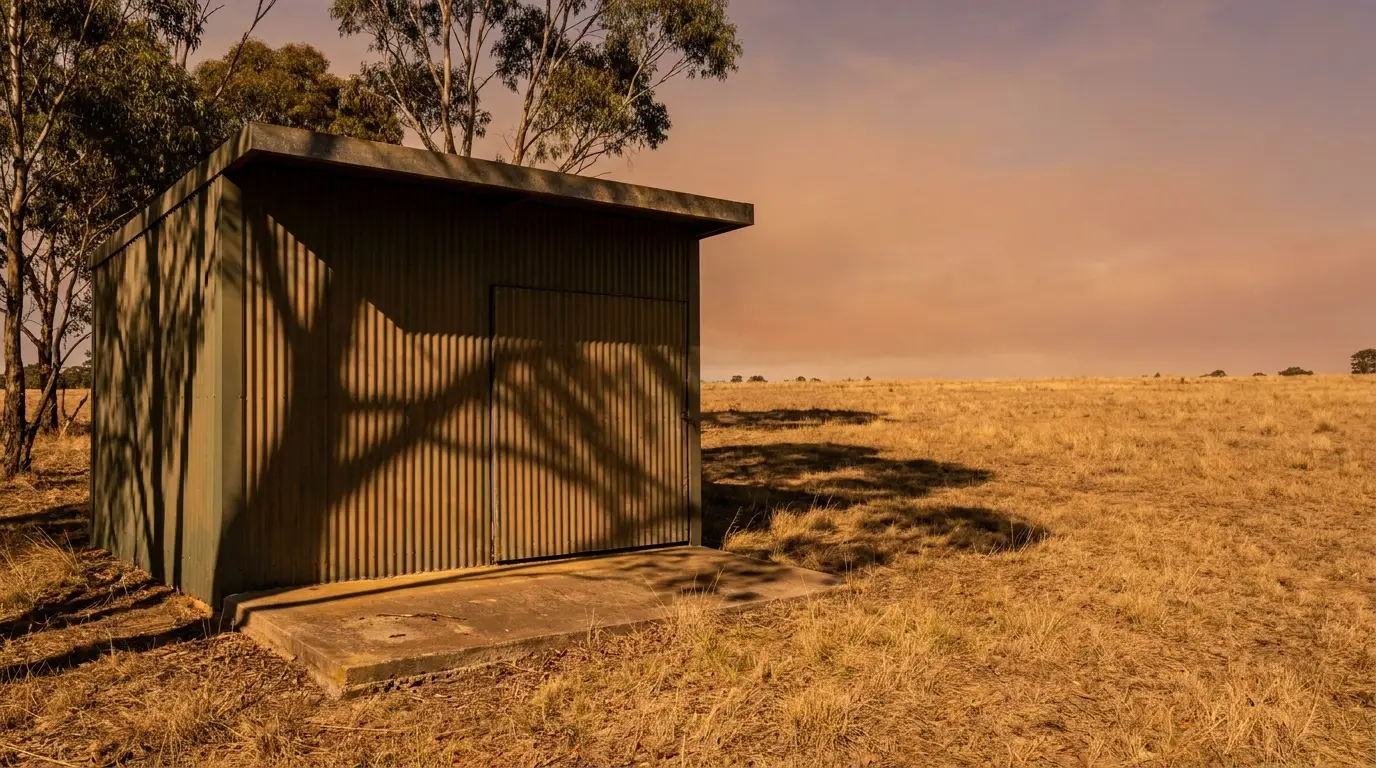
A liveable shed is a steel framed dwelling that is designed and approved for people to live in, classified as a Class 1a building under the National Construction Code. These aren’t your grandfather’s tool sheds. We’re talking about engineered structures built to the same standards as traditional homes.
These structures are designed and engineered to suit your unique property and purpose, utilizing a traditional portal frame shed structure with Colorbond finishes that blend seamlessly into rustic Australian landscapes. The key difference from standard sheds lies in the foundation design.
The foundation for shed homes must meet Building Code of Australia criteria deeming it safe to live in.
In NSW, these structures can serve multiple purposes. Some retirees are using them as sheds for independent living spaces while their main home stays occupied. Others are converting them into granny flats for aging parents or adult children who need affordable housing. The versatility is part of what makes them so appealing.
Liveable sheds are quickly becoming a popular choice for cost-effective, independent housing and can be transformed into cosy dwellings, teenager retreats, guest houses or rural weekenders. The beauty is in the adaptability.
Why Retirement Finances Are Driving the Shed Trend
Here’s where things get real.
Home ownership among 30-34-year-olds fell from 64% in 1971 to 50% in 2021, and among those nearing retirement, home ownership also declined with rates for 50-54-year-olds decreasing from 80% in 1996 to 72% in 2021. The traditional retirement assumption that you’ll own your home outright is becoming less common.
Meanwhile, construction costs keep climbing.
The average cost of building a house in Australia has increased by 59.5% over the past 15 years, rising from $200,802 in 2004-05 to $320,238 in 2018-19. For retirees on fixed incomes, building a traditional home or even buying into a retirement village can mean watching decades of savings disappear.
Liveable sheds offer a different equation.
Liveable sheds offer an affordable and often expedited housing option, with the ability to customise size and interior to suit your needs. You’re looking at a fraction of the cost of traditional construction, often with faster build times and more control over the final product.
The Australian housing crisis isn’t sparing retirees either. Housing affordability continues to challenge Australians across all age groups, making creative solutions like liveable sheds increasingly necessary.
Housing affordability is at its worst level on record and is not forecast to improve before 2029, with strong demand in the rental sector fueled by post-COVID population growth of 651,000 persons in 2023.
The Practical Side of Building a Liveable Shed for Retirement
Let’s talk logistics. In NSW, you can’t just plop a shed on vacant land and call it a day.
A granny flat can only be built on a property where there is already an existing main house, as vacant land is not eligible for a secondary dwelling approval. This actually works in retirees’ favor if they already own property.
The size regulations are straightforward.
In NSW, the maximum size for a granny flat is 60 square metres of internal living space, a rule that is strict across both CDC and most DA pathways. That might sound small, but smart design can make 60 square meters feel spacious and functional. Think open-plan living, built-in storage, and multipurpose spaces.
What about approvals?
In NSW, granny flats can be built as complying developments without needing council approval if specific site and design requirements are met. This streamlined process means less red tape and faster construction times compared to traditional builds.
Many retirees are taking the owner-builder route to save even more.
Working as an owner builder enables customers to work at their own pace whilst choosing the style and level of finish as they go, with a Class 1a liveable shed from suppliers giving owner builders a perfect foundation to work from. You don’t need to be a contractor yourself. You manage the project and hire tradespeople as needed, which keeps costs down and gives you total control.
What This Means for Aging Demographics
Australia’s aging population is reshaping housing needs across the country.
The proportion of people aged 65 and over is expected to increase from 15% in 2017 to 22% by 2057, driving the need for more specialized senior care options. But here’s the thing: not every retiree wants or needs a retirement village or aged care facility.
The average age at retirement for people aged 45 years and over who retired in 2024-25 was 63.8 years, with men averaging 64.9 years and women 62.7 years. Many of these folks are healthy, active, and want independence. They’re not ready to give up their gardens, their communities, or their autonomy.
Liveable sheds let retirees age in place on their own terms. You can stay on your property, maintain your lifestyle, and have a home that’s easier to manage than a full-sized house. If health needs change down the line, you’re still in a familiar environment with family nearby.
The financial benefits extend beyond construction costs too.
Renting out your granny flat provides a new, regular monthly income, with expectations to earn anywhere between $400-$800 per week in NSW, and adding a granny flat to your property can increase its worth by up to 30%. For retirees worried about outliving their savings, that’s a game changer.
Making It Work: Real Considerations for Retirees
I won’t sugarcoat it. Building a liveable shed for retirement isn’t without challenges. You need to think about accessibility from day one. Wide doorways, step-free entries, and bathroom grab bars aren’t just nice to have. They’re essential for aging safely in place. If you’re looking for inspiration on creating functional, beautiful spaces, window styles and design elements can make a huge difference in how your space feels.
Insulation matters more than you might think. Australian summers are brutal, and winters can be chilly depending on where you are in NSW.
Additional features like insulation, ventilation and electrical fittings can be incorporated to enhance functionality and comfort. Don’t skimp on climate control. Your comfort and health depend on it.
Consider location on your property carefully. Do you want privacy, or do you want to be close to the main house? How will you access utilities? Where will guests park? These practical questions need answers before you break ground.
And think long-term. What works at 65 might not work at 85. Building with future needs in mind means you won’t have to renovate later when you’re less able or less financially flexible.
The Bigger Picture for Australian Retirement
This shed trend is part of a larger shift in how Australians approach retirement housing.
More individuals within the over-50s housing market are entering retirement as renters, with rising costs of homeownership coupled with inflation and economic uncertainties driving many to seek secure, long-term rental options. The old model isn’t working for everyone anymore.
Liveable sheds represent a middle path. They’re not as expensive as traditional homes, not as restrictive as retirement villages, and not as precarious as renting. They offer security, affordability, and flexibility in one package.
For families, they solve multiple problems at once. Parents get independent living arrangements without moving away. Adult children get affordable housing options in an impossible market. Properties gain value and rental income potential. It’s a rare win-win-win situation.
The trend also reflects changing attitudes about what retirement should look like. Today’s retirees don’t want to be shuffled off to age-segregated communities. They want to stay connected to their neighborhoods, families, and lives they’ve built. Liveable sheds make that possible without financial ruin.
Taking the First Step
If you’re approaching retirement and feeling anxious about housing costs, you’re not alone. The numbers can be intimidating. But liveable sheds offer a real, practical alternative that’s already working for thousands of NSW residents.
Start by assessing your property. Do you have space for a secondary dwelling? Check your local council’s requirements for granny flats and complying development. Most NSW properties in residential zones qualify if they meet minimum lot size and setback requirements.
Get quotes from several shed companies that specialize in liveable structures. Ask about their experience with Class 1a buildings and their understanding of NSW regulations. Look at examples of completed projects. Talk to owners if you can.
Consider your timeline. If you’re still a few years from retirement, starting the planning process now gives you breathing room to make smart decisions without pressure. If you’re already retired, don’t let age discourage you. Many retirees successfully complete these projects in their 70s and beyond.
Most importantly, think about what you actually need in a living space. Retirement is the perfect time to pare down to essentials and design something that truly fits your lifestyle. That’s the real beauty of liveable sheds. They’re not one-size-fits-all. They’re whatever you make them.
The retirement landscape is changing. Liveable sheds in NSW are leading that change, offering affordable, flexible housing solutions that traditional retirement planning never accounted for. For retirees willing to think outside the traditional housing box, they might just be the answer to making retirement work financially and practically.
Your retirement doesn’t have to drain your savings or force you into housing situations that don’t feel right. Sometimes the best solution is simpler, more affordable, and sitting right in your own backyard.