Why Functionality Must Always Be Included in Interior Design
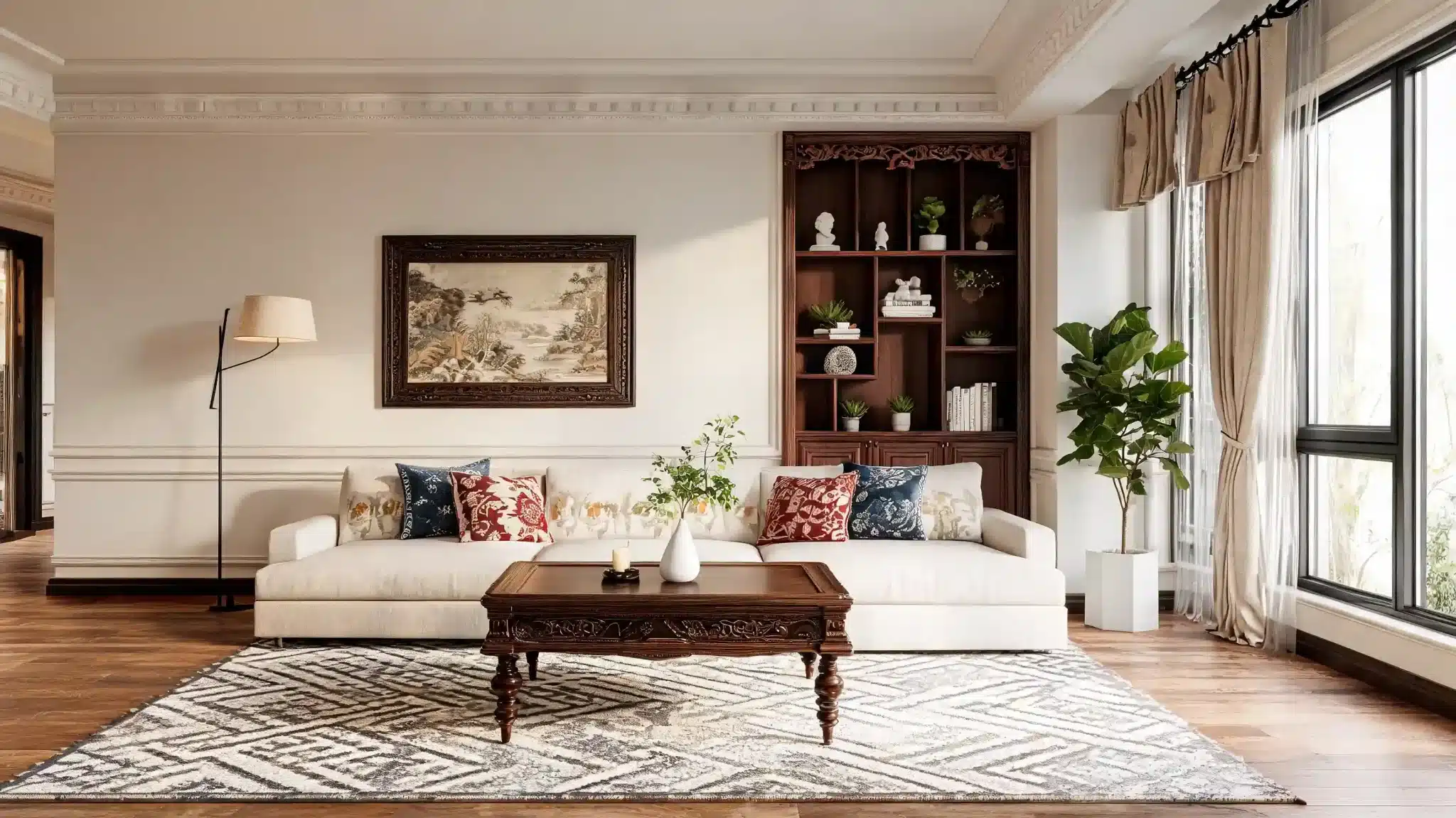
It’s easy to get lost in the visual aspect of interior design. Social media feeds are awash with beautiful homes, perfectly color-coordinated rooms, and furniture styled with magazine cover precision. Of course, aesthetics are very important, but a room that looks great but does not function well becomes tiresome soon.
The best interiors are not just made to be looked at. They are meant to be lived in.
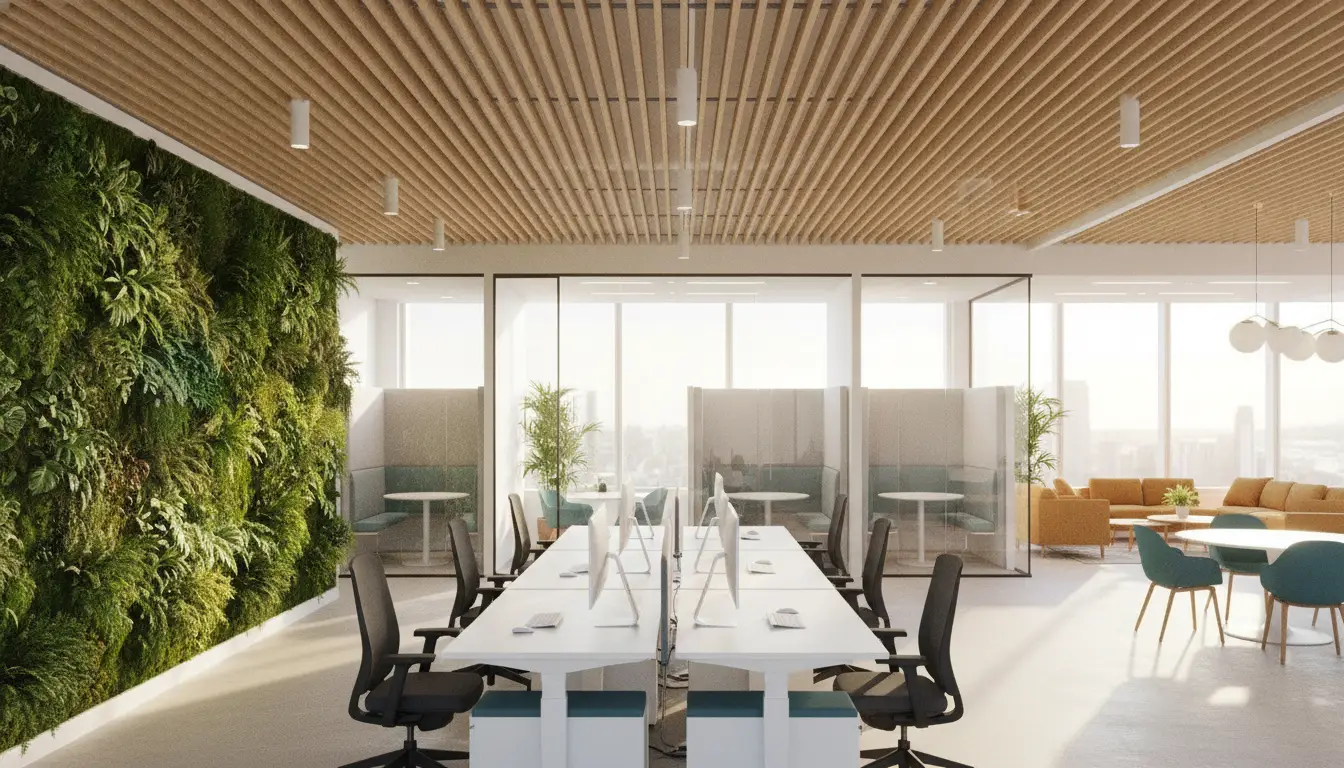
Whether you’re decorating a home, apartment, office, or commercial space, functionality should never be sacrificed. It’s the element that determines whether a design succeeds or fails in everyday life, in many ways.
Practicality doesn’t Always Equal Loveliness
Many people have experienced a space that’s beautiful but frustrating to use.
Maybe there’s a beautiful coffee table that gets in the way all the time, a stylish chair that isn’t comfy to sit in, or a kitchen arrangement that adds extra steps when preparing meals. Those design decisions may photograph well, but they can lead to daily frustrations for those who actually use the space.
In a well-designed interior, there is a balance between form and function. If one of the two gets too much weight over the other, the entire experience suffers.
There is a Job for Every Room
One of the easiest ways to begin interior design is to ask a simple question: What is this room for?
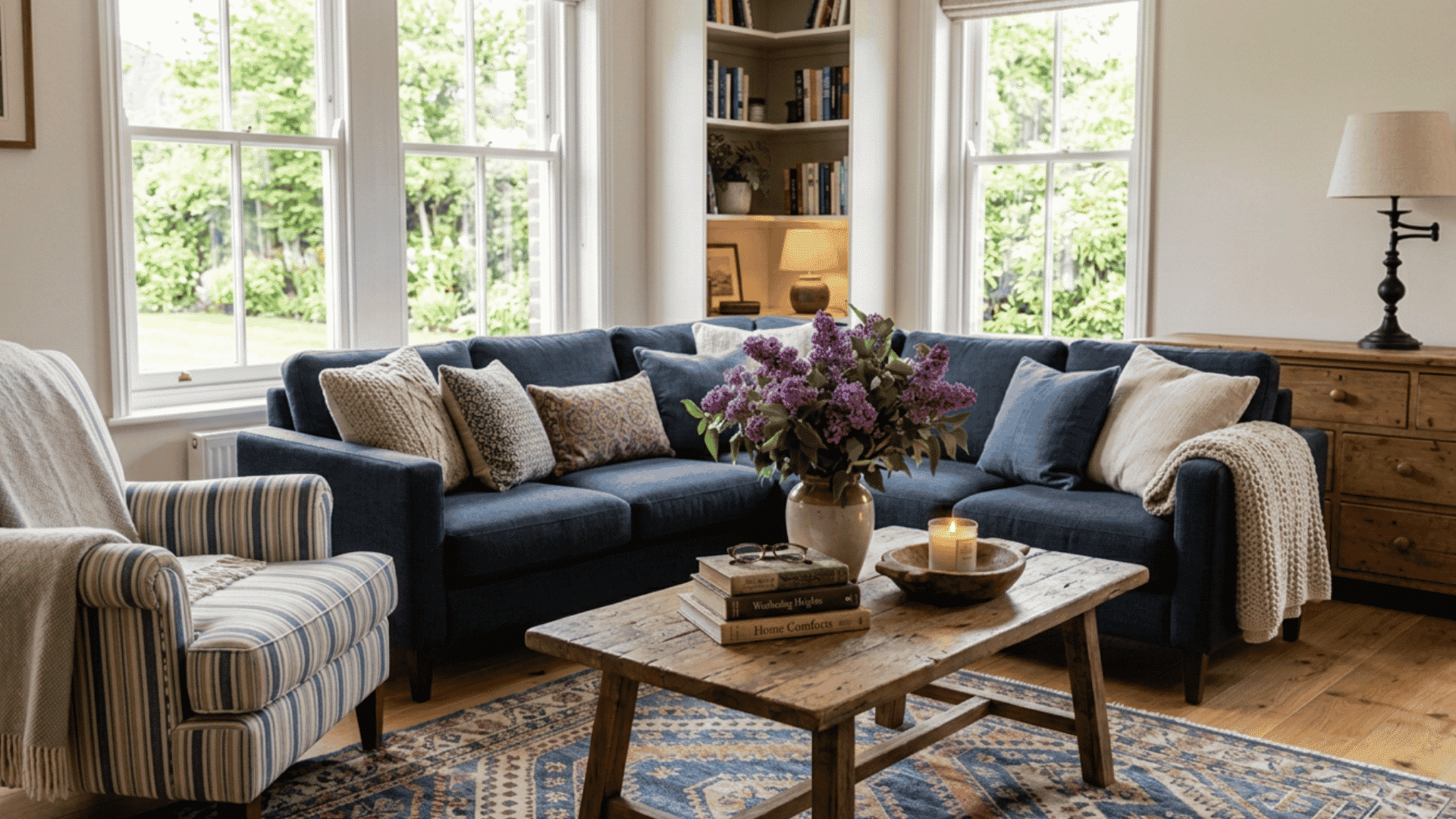
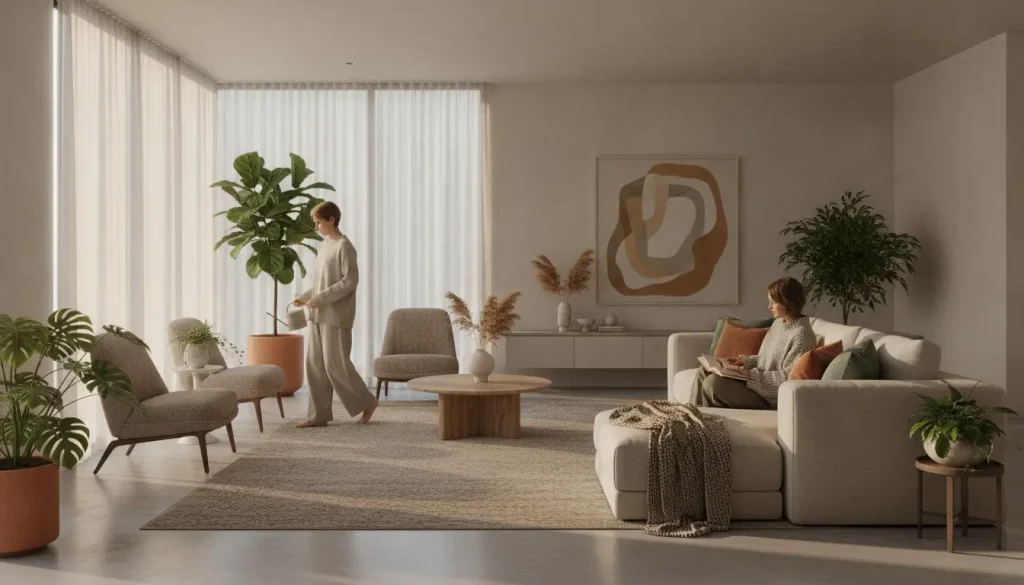
A living room might need to double for family get-togethers, movie nights, reading, and entertaining friends. A home office needs to encourage focus and productivity. A kitchen needs to be efficient for cooking meals, but it is often also the social center.
The way a space will be used should influence everything from furniture placement and storage solutions to lighting and traffic flow.
Design rooms to feel more natural and intuitive by allowing functionality to drive the design process.
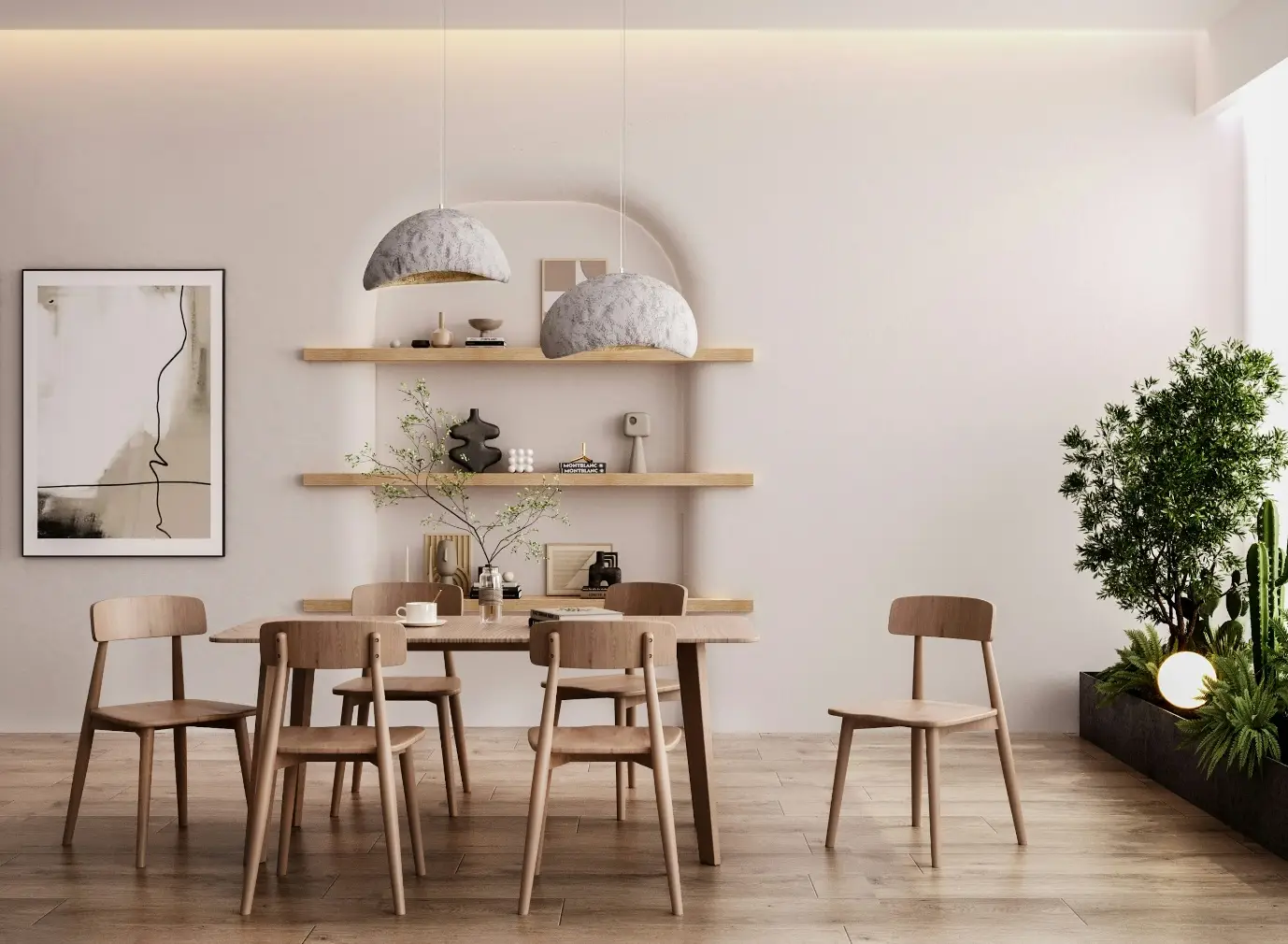
Better Design Means Less Everyday Frustration
Many of the best design features go unnoticed because they just work.
Cleverly designed storage keeps the clutter at bay. Lighting can make tasks easier. People need clear pathways on which they can move comfortably through a space. Durable materials withstand daily wear and tear.
These are details that might not jump out at first glance but are crucial to the way people feel about a room over time.
Good design doesn’t build barriers; it eliminates them.
Features Comfort
Comfort is often overlooked when you’re talking about functional design.
Furniture should fit the way people really live, not make them fit a style. Sofas should be comfortable enough for a long conversation. Dining chairs should invite guests to linger over a meal. Bedrooms are for sleeping and relaxing.
A room that looks impressive but is uncomfortable is rarely a favorite place to spend time.
The best interiors are the ones that make people want to use and enjoy them naturally.
Security Is Part of the Design Discussion
Security is becoming more and more a part of functionality as homes and commercial spaces evolve.
Design today is about more than just form and function. Many property owners now integrate security features that do not take away from the overall design of a building. Think about a magnetic door lock. Apart from offering secure access control, they have a sleek, modern look that suits any contemporary interior.
When security solutions are integrated thoughtfully, they can enhance functionality without detracting from the aesthetic of a space.
Flexible Spaces Stand the Test of Time
One reason some interiors remain relevant for years is flexibility; others can feel dated quickly.
The needs of people are changing. Families grow, careers change, hobbies develop, and lifestyles evolve. Rooms that can be adapted to such changes tend to have a much longer lifespan of usefulness.
You can change interiors to suit the people inside them using modular furniture, flexible layouts, and multi-purpose spaces. This flexibility is often one of the smartest investments in any design project.
The best interiors look easy.
Great interior design always looks easy.
People can move around naturally in the space. The tasks are easy to do. The room facilitates daily routines rather than complicating them. It all feels exactly where it should be. This level of functionality is achieved through careful planning, but it results in an environment that functions as well as it looks.
Built to Last Design
Trends are fleeting, functionality is eternal.
The colors, materials, and decorative styles may change over time, but the need for practical, comfortable, and efficient spaces never goes away. By balancing aesthetics with functionality, homeowners and designers can create interiors that look impressive while continuing to serve their purpose for years to come.
Not always are the best-designed spaces are the best to photograph. These are the people who make life easier, more comfortable, and more enjoyable for the people who use them.