Anyone who has picked up a hammer knows that a home is more than walls and furniture. It is a group of systems working together to support your lifestyle, which we hope is comfortable, safe, and efficient. Everything from the water supply to the power flow, having the right supplies, parts, and knowledge will get you through small fixes, large upgrades, and emergency repairs.
Understanding what you need to know about your home systems and maintaining them is the purpose of this blog. So, let’s begin.
Core Home Systems Every DIYer Should Know
Your house operates on plumbing, electricity, comfort, and storage. Knowing these systems will make your life and home repairs easier.
Plumbing: The Lifeline of Every Home
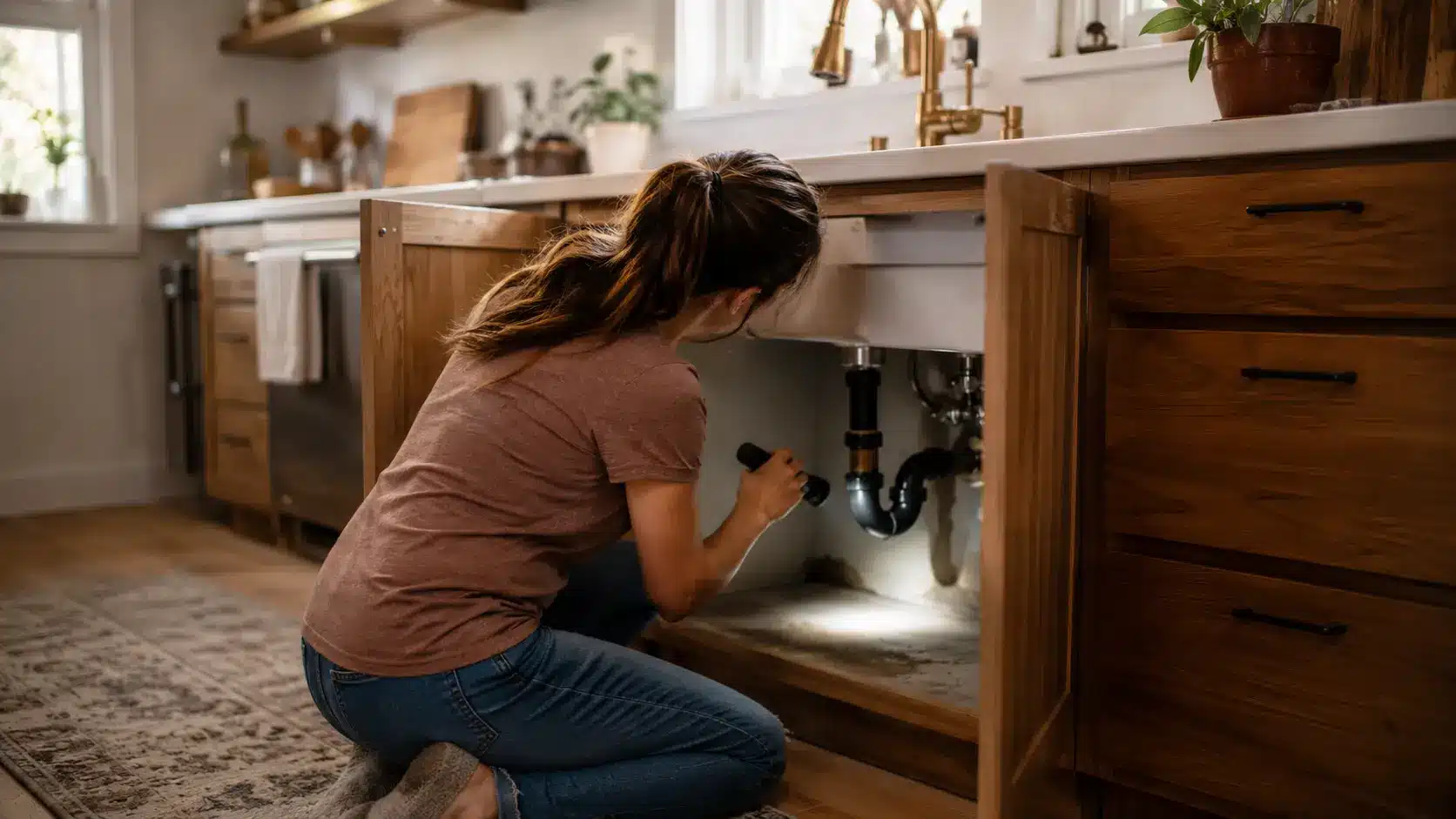
Water is non-negotiable, and a sound plumbing system sits at the center of a functioning home. You might think that even a minor setback, such as a drip in the faucet, does not matter. The fact is that minor events add up and lead to something big.
In fact, the EPA claims that an estimated 1 trillion gallons of water are wasted from household leaks in the U.S. every year.
Here are some plumbing supply essentials you should have in your home:
- Replacement Faucet Parts: Handles, valves, cartridges, etc., so you can do simple plumbing fixes in a couple of minutes.
- Pipe Wrenches and Sealant Tape: For tightening or resealing joints.
- Some Basic Fittings and Connectors: To do small pipe fixes, so you can do minor pipe repairs without calling your contractor.
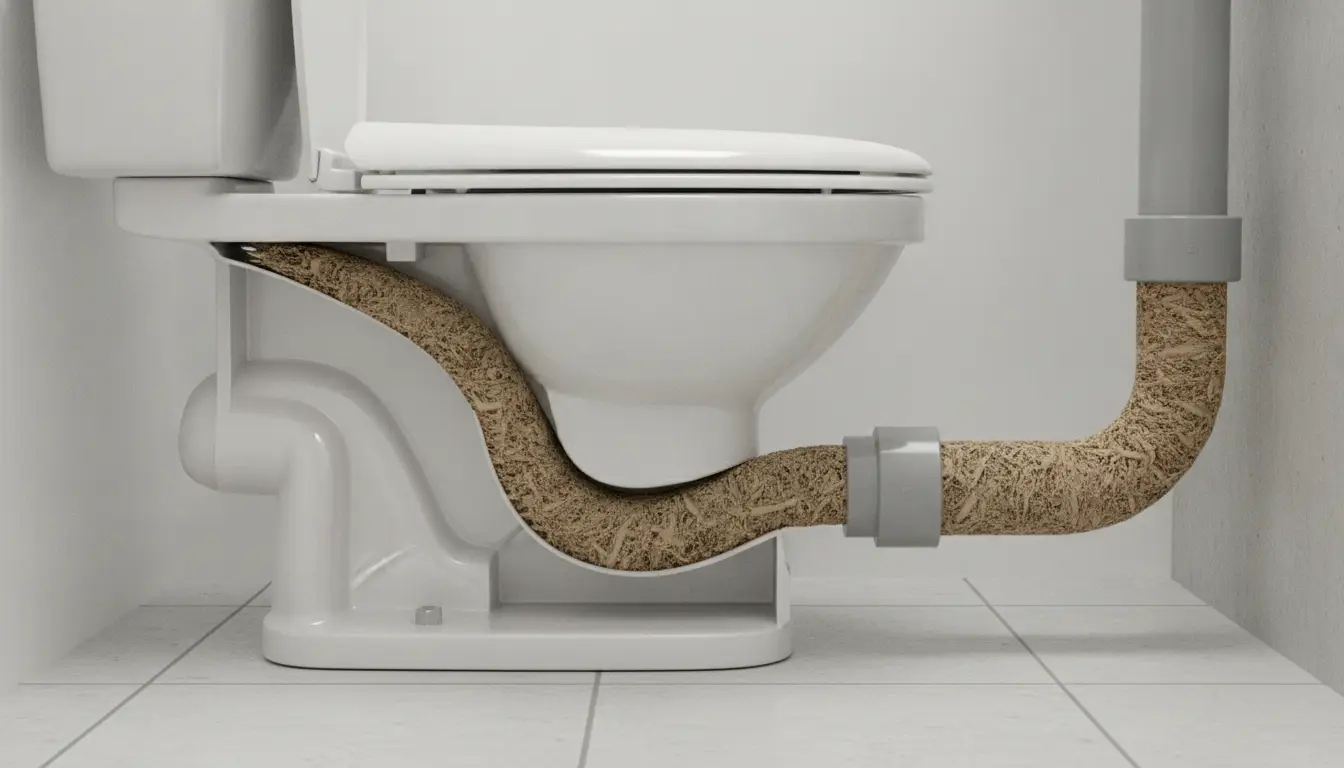
- Plunger and Drain Snake: To remove those miscellaneous bottled-up substances from it and free up your sink, shower, or drain, without calling a plumber.
Pro TipBefore choosing any plumbing supply part, consider choosing a quality option from a trusted plumbing supply store; in the long run, you will actually save money on repairs. |
|---|
Electrical Systems: Powering Your DIY World
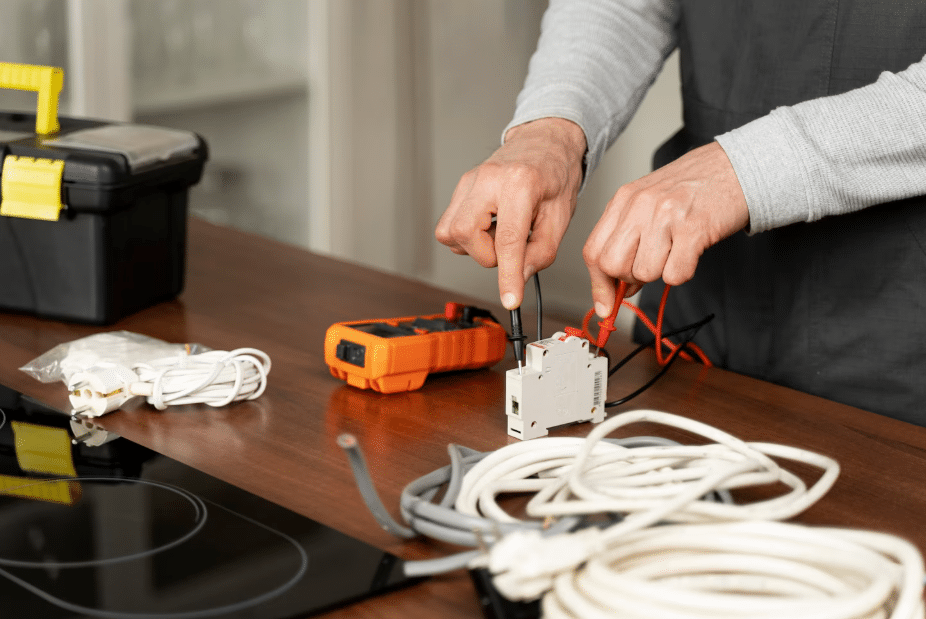
Electricity can be the invisible force behind nearly everything in your home. Lights and outlets may look simple, but the issue of power reliability has gotten complicated with the electronics, appliances, and home offices of today.
One of the most convenient upgrades that DIYers do not always think about is installing a digital phase shifter. Since phase shifters are more advanced than basic setups, they will deliver steady and balanced power to tools and equipment that are sensitive to power consumption.
This is important because when power fluctuates (due to dips and surges), it can shorten the lifespan of your electronics and your workshop or job site equipment.
Reasons any DIYer would want to install a digital phase shifter:
- To mitigate uneven load on power loads, which can damage the device or system
- To provide a home’s garage workshop with safety and efficiency
- To alleviate downtime caused by electrical signals
- To avoid running a standard appliance in conjunction with a more heavy-duty tool
Heating and Cooling: Comfort You Do Not Notice (Until it is Gone)
Your HVAC unit is working the hardest when you need it most. Doing regular maintenance is half the battle toward avoiding the expense associated with a malfunctioning HVAC system.
The U.S. Department of Energy states that maintenance done regularly can reduce a typical heating or cooling bill by 5-15%.
HVAC maintenance tasks you can do yourself:
- Change air filters every one to three months
- Clear vents and ducts of debris to ensure maximum airflow
- Check the insulation around doors and windows
- Remove any debris (branches, leaves, grass, etc.) from outside condenser units
Pro TipArrange for a service visit by a professional regularly (yearly), but between services, you can pretty much do all basic maintenance using a vacuum, a few screwdrivers, and a filter or two. |
|---|
Storage and Organizing: The Key to Efficient Workflow
Clutter is more than just unappealing aesthetics. It can also slow you down. A garage or utility area that is in disarray means a headache for even the simplest repair. Research has found that 50% of homeowners say their garage is the most disorganized place in their house.
Storage Improvements You Can Make Yourself:
- Install pegboards for your tools.
- Use stackable bins for parts related to plumbing supplies and for small hardware.
- Install shelves on the wall for power tools and seasonal items.
- Label all items for easy access.
Pro TipPlace your most important items into a “go-to repair box.” You can include things like plumbing tape, faucet parts, fuses, batteries, and flashlights. This will save you time in the event of an emergency. |
|---|
Bottom Line
The real power of a DIYer is not skill, it is preparation. Having the appropriate plumbing supplies, using your HVAC system, and acquiring tools like a digital phase shifter sets you on course to make your home more than just livable. You are fortifying your home for efficiency, resilience, and responsiveness.
Thus, as you tighten a faucet, clean up your garage, and plug in your shop, keep in mind that the essential systems of a home allow an effective flow. The trick is to approach your home in such a way as to manage it without too much stress.
FAQs
Should I keep plumbing supplies on hand if I can always call a plumber?
Absolutely. Small repairs, like a leaky faucet or loose joint, could take minutes to complete once you have the right parts. You will likely spend more and waste water by waiting for the plumber to fix it.
What is the easiest home systems task for a beginner?
Changing faucet parts or changing air filters. They are beginner-friendly, inexpensive, and will make an immediate difference in efficiency.