A musty smell can make an otherwise clean, welcoming home feel neglected. Opening the windows or lighting a candle may improve the room for an hour, but an odor that returns usually has a source that still needs attention. Damp materials, poor ventilation, hidden leaks, and neglected drains are among the most common places to investigate.
Start by noticing where the smell is strongest and when it appears. An odor concentrated near a bathroom, kitchen, laundry area, or basement may point toward moisture or plumbing rather than dusty upholstery. Persistent musty odours often point to buildup inside your drains, making it a good idea to call the best drain cleaning company in Cougar Mountain for a professional inspection.
That does not mean every stale-smelling room has a serious plumbing defect. The goal is to narrow down the cause instead of masking it with fragrance. A careful inspection can often reveal whether the problem comes from everyday humidity, a forgotten spill, or water entering somewhere it should not.
Begin With the Rooms That Hold the Most Moisture
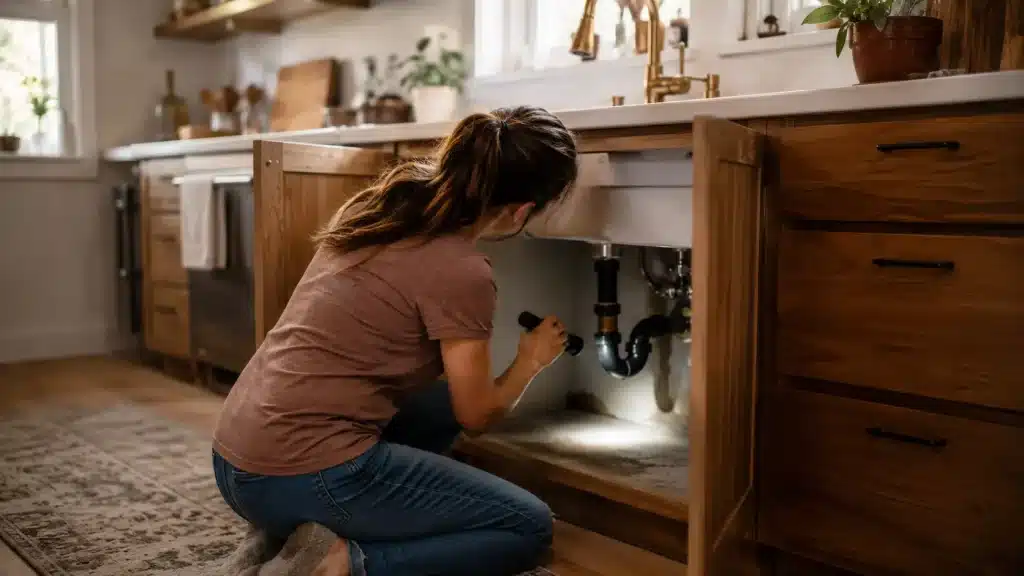
Bathrooms, kitchens, laundry rooms, and basements should be checked first because they regularly produce or contain moisture. Look beneath sinks, behind appliances, around toilets, and beside tubs for discoloration or swollen materials. Even a small drip can keep the inside of a cabinet damp enough to create a stale odor.
Touch exposed surfaces rather than relying only on sight. Cabinet bases, drywall near supply lines, and flooring around fixtures may feel cool or slightly soft before a leak becomes obvious. Check caulk around sinks and showers as well. Cracked sealant allows water to reach areas that dry slowly and are difficult to clean.
Running exhaust fans for several minutes after cooking or bathing can help with ordinary condensation. When the smell remains after the room has dried, continue looking for a more specific source.
Check Drains That Are Rarely Used
A drain does more than carry wastewater away. Its trap holds a small amount of water that helps prevent sewer gases from entering the room. In a guest bathroom, basement shower, utility sink, or other seldom-used fixture, that water may evaporate.
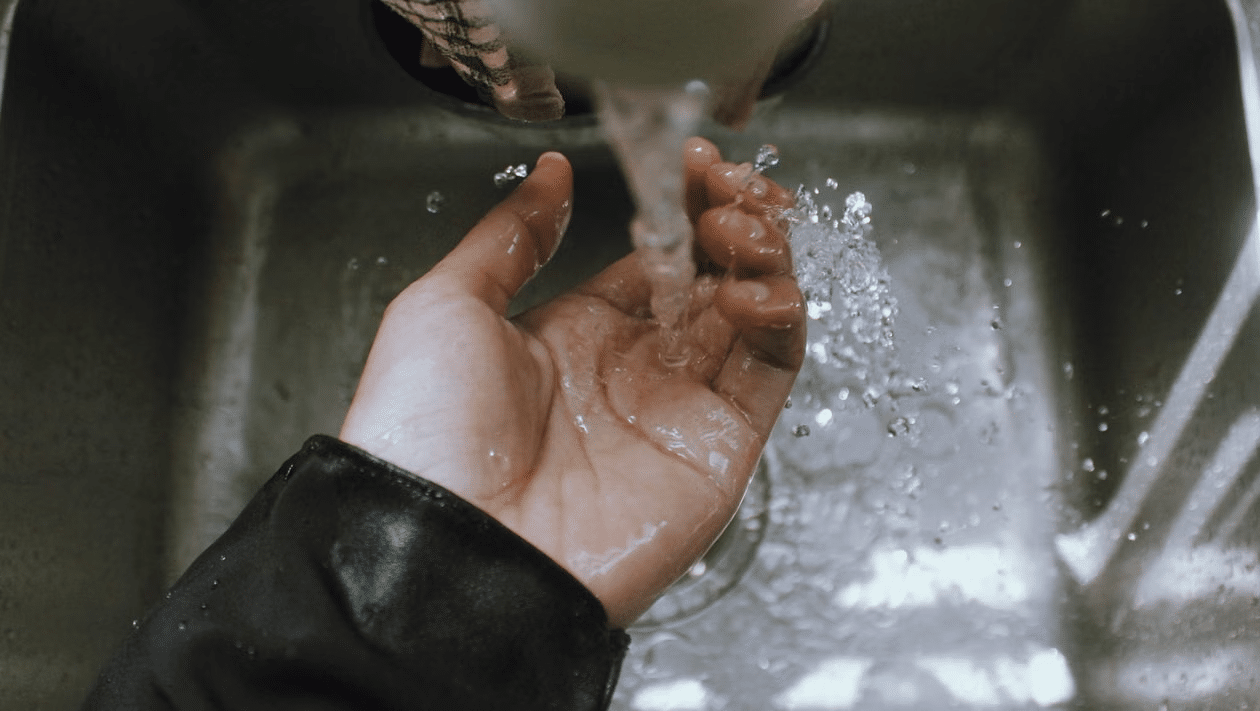
Running water for a short period can refill the trap. If the smell disappears afterward, dryness was probably the cause. When it returns quickly, residue inside the pipe or a problem with the drainage system may be involved.
Kitchen drains can develop odors when grease, soap, and food particles collect along the pipe walls. Bathroom lines tend to hold soap residue, hair, and organic material. Surface cleaning may freshen the opening without removing buildup farther inside.
Avoid repeatedly pouring harsh chemicals into a slow or smelly fixture. Some products may damage older piping, and they rarely explain why the condition keeps returning.
Look for Clues Beyond the Smell
Odor alone may be difficult to interpret, so consider what else is happening in the same area. A combination of symptoms usually provides a clearer direction than one sign by itself.
Watch for:
- Water stains beneath a sink or on the ceiling below a bathroom
- Bubbling paint, loose wallpaper, or peeling trim
- Flooring that feels raised, soft, or unusually cool
- Condensation that remains long after cooking or showering
- Several fixtures draining more slowly than usual
- Gurgling sounds after a toilet flushes
- Dark spotting around windows, vents, or cabinet seams
These details help separate an indoor humidity problem from a hidden leak or drainage concern. Photographing changes over several days can also show whether a stain is spreading.
Do Not Forget Upholstery, Rugs, and Stored Fabrics
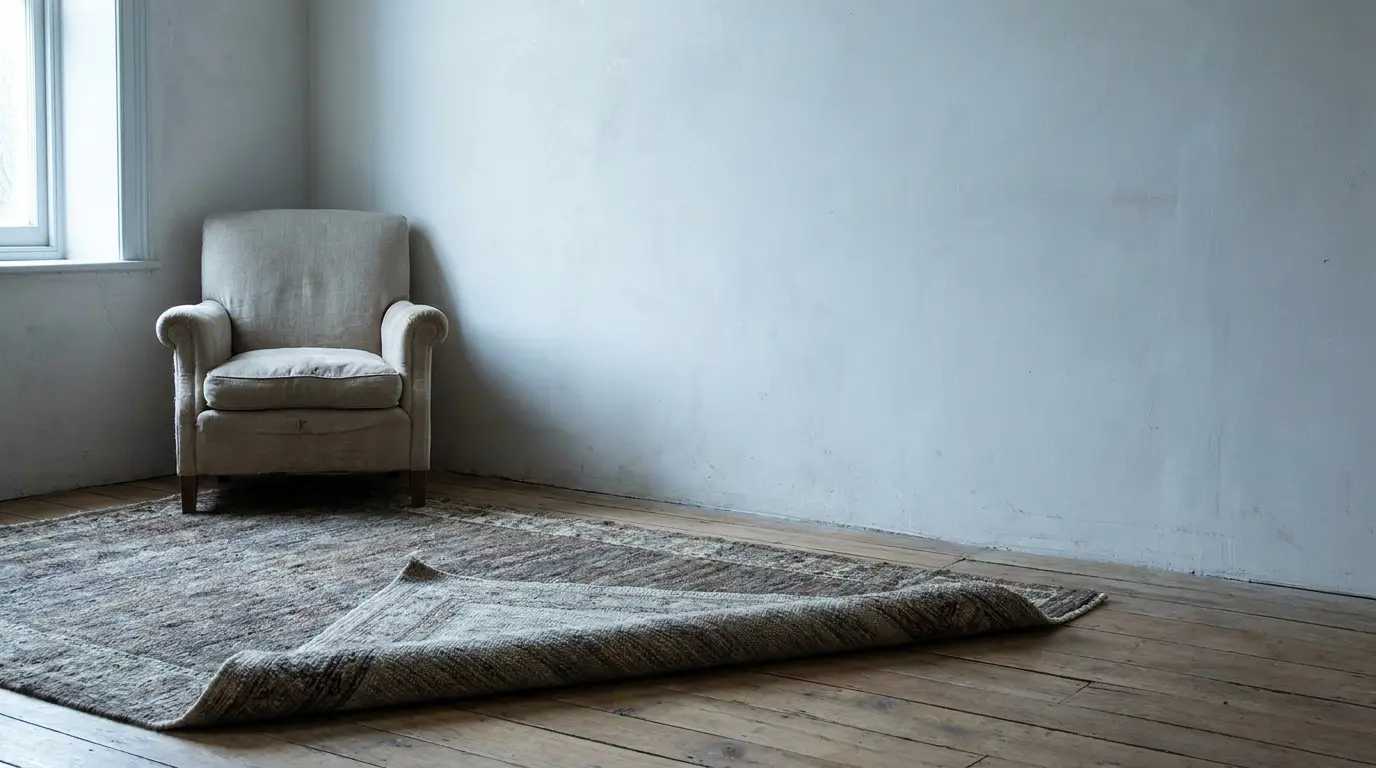
Not every musty odor begins inside a wall. Textiles absorb moisture and hold smells long after the surrounding room appears dry. Rugs near exterior doors, upholstered furniture against a cool wall, and linens stored in enclosed cabinets deserve a closer look.
Lift rugs and inspect both the backing and the floor beneath. Move furniture several inches away from the wall to check for condensation or spotting. Wash removable covers according to their care labels, then allow each item to dry completely before returning it.
Closets benefit from steady airflow. Avoid packing garments tightly against an exterior wall, especially in rooms that remain cool. Cardboard boxes can absorb moisture from concrete floors, so use shelving or moisture-resistant containers in basements and garages.
If a fabric smells stale again soon after cleaning, the surrounding space may still be damp. Treating the material without correcting that condition will produce only temporary results.
Inspect the Basement and Crawl Space
Lower levels often reveal moisture problems before finished rooms do. Rainwater can enter through foundation cracks, poorly sealed penetrations, blocked exterior drains, or soil that slopes toward the house.
Walk through the basement after wet weather. Check corners, walls near downspouts, pipe openings, and the area around floor drains. Efflorescence, which appears as a pale mineral deposit on masonry, can indicate that moisture has moved through the surface. A dehumidifier may reduce indoor humidity, but it will not stop active water entry.
Crawl spaces should be inspected cautiously because access, wiring, pests, and damaged materials may create hazards. A strong odor rising through floor openings or utility penetrations is a reason to arrange a professional assessment rather than relying on air fresheners upstairs.
Know When Cleaning Is Not Enough
Ordinary dust, damp towels, and a dry trap can usually be handled through routine maintenance. Recurring smells accompanied by slow drainage, leaks, wall damage, or sewer-like odors require more attention.
A plumber can examine visible connections, test drainage performance, and determine whether buildup or damage lies deeper in the system. Ben’s Plumbing uses diagnostic methods suited to the symptoms rather than assuming that every odor has the same cause. That distinction matters because cleaning a drain will not correct a leaking supply line, faulty seal, or damaged pipe.
Contact a professional promptly when wastewater backs up, multiple fixtures are affected, or moisture appears near electrical components. Those conditions can become more disruptive if they are left unresolved.
Remove the Cause Before Refreshing the Room
Once the moisture or drainage issue has been corrected, clean the affected area thoroughly and allow it to dry. Replace materials that remain soft, stained, or difficult to sanitize. Fresh paint should be the final step, not a cover for damp drywall.
Ventilation, routine drain care, and periodic checks beneath fixtures can help keep odors from returning. Pay particular attention after heavy rain, long trips, appliance replacement, or renovation work that may disturb plumbing connections.
A home that smells fresh does not need to be filled with fragrance. It needs dry materials, clear drains, adequate airflow, and prompt attention when something changes. Finding the source may take more effort than masking the odor, but it protects both the comfort of the room and the condition of the house.