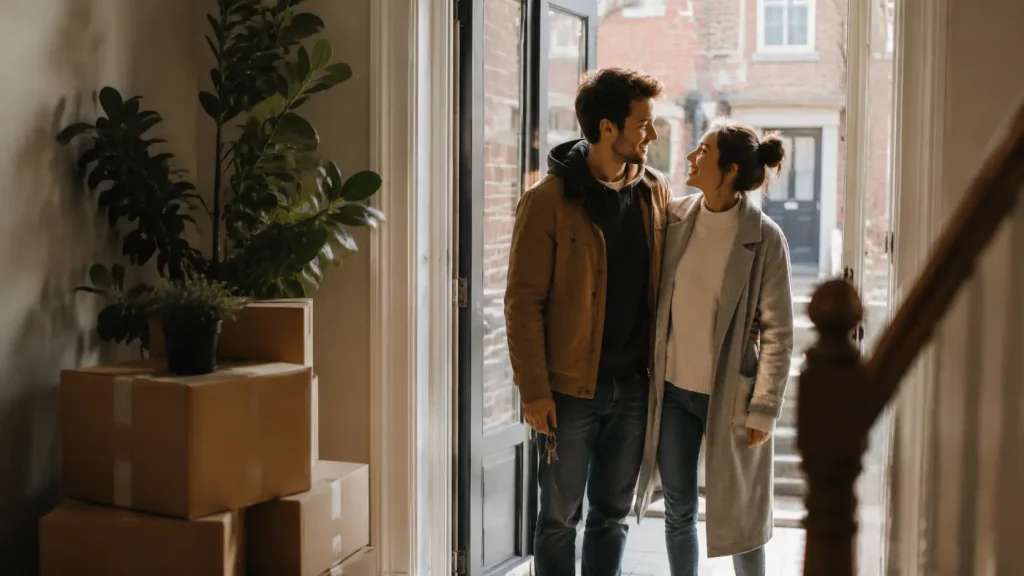
The boxes are inside. The truck is gone. You are standing in a home that does not feel like yours yet.
I have moved three times in ten years. Each time I learned the same lesson the hard way. The first month decides how the next five years feel. Handle the right tasks in the right order and you save money, stress, and at least one emergency call.
Most people do it backwards. They hang art on day two and change the locks in month six. Here is the order that actually works.
Week 1: Lock Down Your Security
Ask yourself one question. How many copies of your front door key exist right now?
You cannot answer that. Nobody can. The previous owner made copies. So did their tenants, their contractor, their dog walker, and the neighbour who watered the plants. Every one of those keys still opens your door.
Toronto Police reported 6,092 break-and-enter incidents in 2025. That works out to more than 16 per day. The number dropped 11% from 2024, which is good news. It still means someone in this city gets a bad morning every 90 minutes.
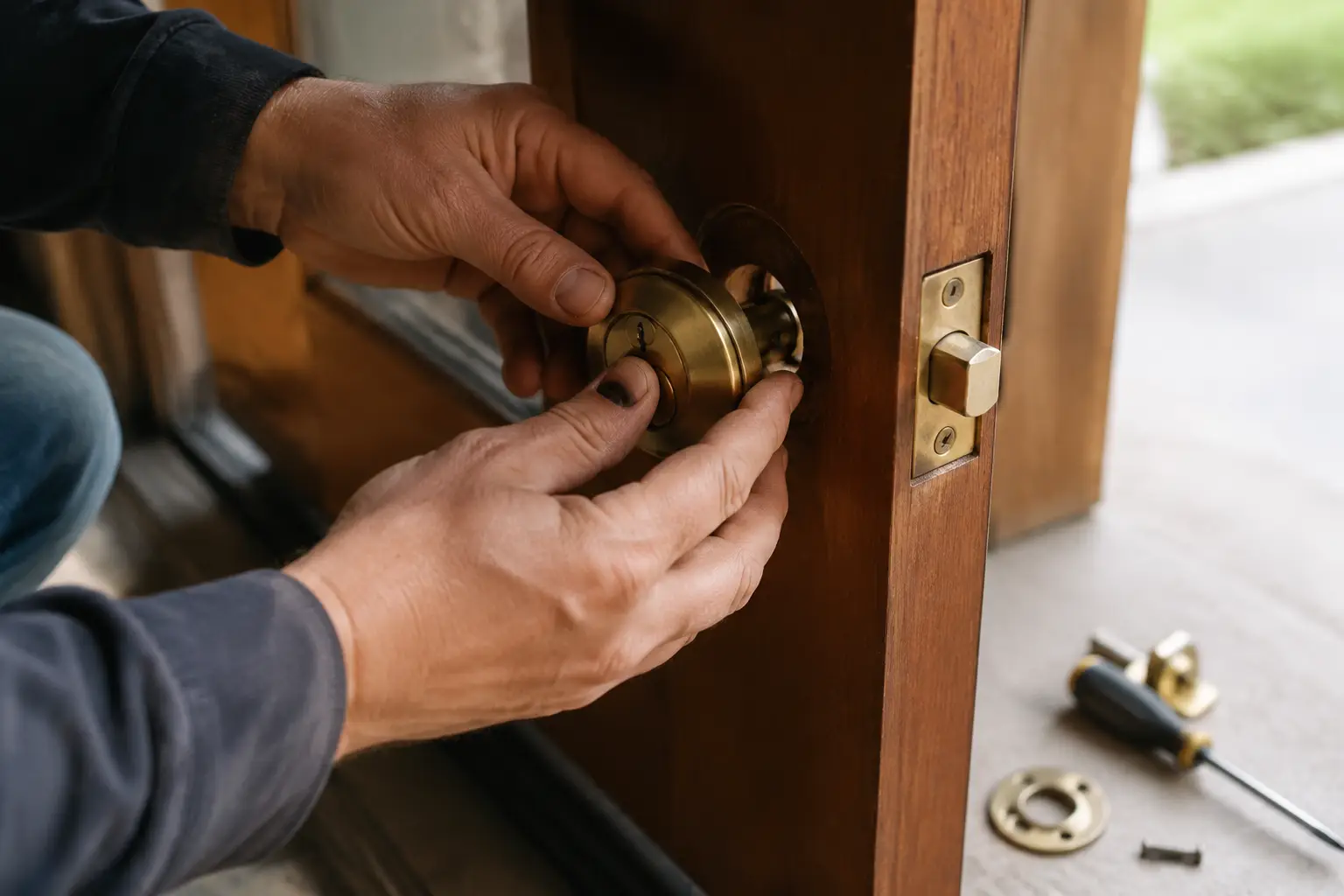
Change or rekey every exterior lock in your first week. You have two options. Rekeying keeps your existing hardware and swaps the internal pins so old keys stop working. It costs less and works well if your locks are in good shape. Full replacement makes sense when the hardware is old, worn, or builder-grade. A certified residential locksmith like Lock-Up Services can rekey or replace locks the same week you move in, and they can tell you which option your doors actually need.
While the locksmith is there, walk the house together. Check the window locks. Ask about a deadbolt upgrade if your door only has a knob lock. A knob lock alone is not real security. I did not know that until a locksmith showed me how fast one opens.
Three more tasks for week one. Test every smoke and carbon monoxide detector. Find your water shut-off valve and your breaker panel before you need them at 2 a.m. Photograph the electrical panel labels so you have them on your phone.
Weeks 1 to 2: The Paperwork Nobody Warns You About
Ontario gives you deadlines. Miss them and you pay.
You have 6 days to update the address on your driver’s licence. You have 30 days for your health card. Both updates are free through Service Ontario, and you can do them online in one session. Do them together in week one and forget about it.
Then handle the utilities. Toronto Hydro accounts transfer online in about ten minutes. Enbridge handles gas. Set up your Toronto water and solid waste account, then look up your collection schedule on the city website. Toronto alternates garbage and recycling weeks, and every new resident on my street has put out the wrong bin at least once. I did too.
One more move that pays off. Canada Post mail forwarding costs about $70 for a year within the province. That year of forwarded mail becomes your checklist. Every envelope that arrives with a yellow sticker is one more account that still has your old address.
Weeks 2 to 3: Clean and Fix Before the Furniture Settles
Here is the window most people waste. Right now your rooms are still half empty. This is the only time deep cleaning is easy.
Clean the inside of every cabinet before your dishes go in. Wash the walls before the couch blocks them. Replace the furnace filter, because you have no idea when the previous owner last did. A standard filter costs $15 at any hardware store and takes two minutes to swap.
Walk the house with a notepad and test everything. Every tap, every window, every door. Sticky door latches and loose handles feel minor now. They get worse, and they are cheapest to fix before you have settled in. Small fixes done in week three stop being weekend projects in year two.
Weeks 3 to 4: Decorate Without the Expensive Mistakes
Now the fun part. And the part where most new homeowners burn money.
The most common decorating mistake I see is buying first and thinking second. You order three framed prints online. They arrive. They are too small for the wall, or the colours fight the sofa, and now you own $200 of art that lives in a closet. Print shops do not take returns on custom work.
The fix costs nothing. Preview before you print. Test your art digitally before you spend a dollar on it. Free PSD mockup libraries like Excellent Mockups let you drop a poster design into a realistic bedroom or living room scene first. You see the size, the frame, and the colours in context before anything goes to the printer. Ten minutes of previewing beats a month of staring at art you regret.
A few sizing rules make the preview even more useful. Hang art so its centre sits at about 145 cm from the floor, which is average eye level. Above a sofa or bed, the art should span roughly two thirds of the furniture width. Leave 15 to 25 cm between the furniture and the frame bottom. Start with one anchor wall and finish it before touching the others. A finished wall makes a house feel like a home faster than ten half-done corners.
And keep the first month cheap on decor. Live in the space for a few weeks before committing to big pieces. The wall you thought needed a gallery might turn out to be where the bookshelf belongs.
Week 4: Learn Your Neighbourhood
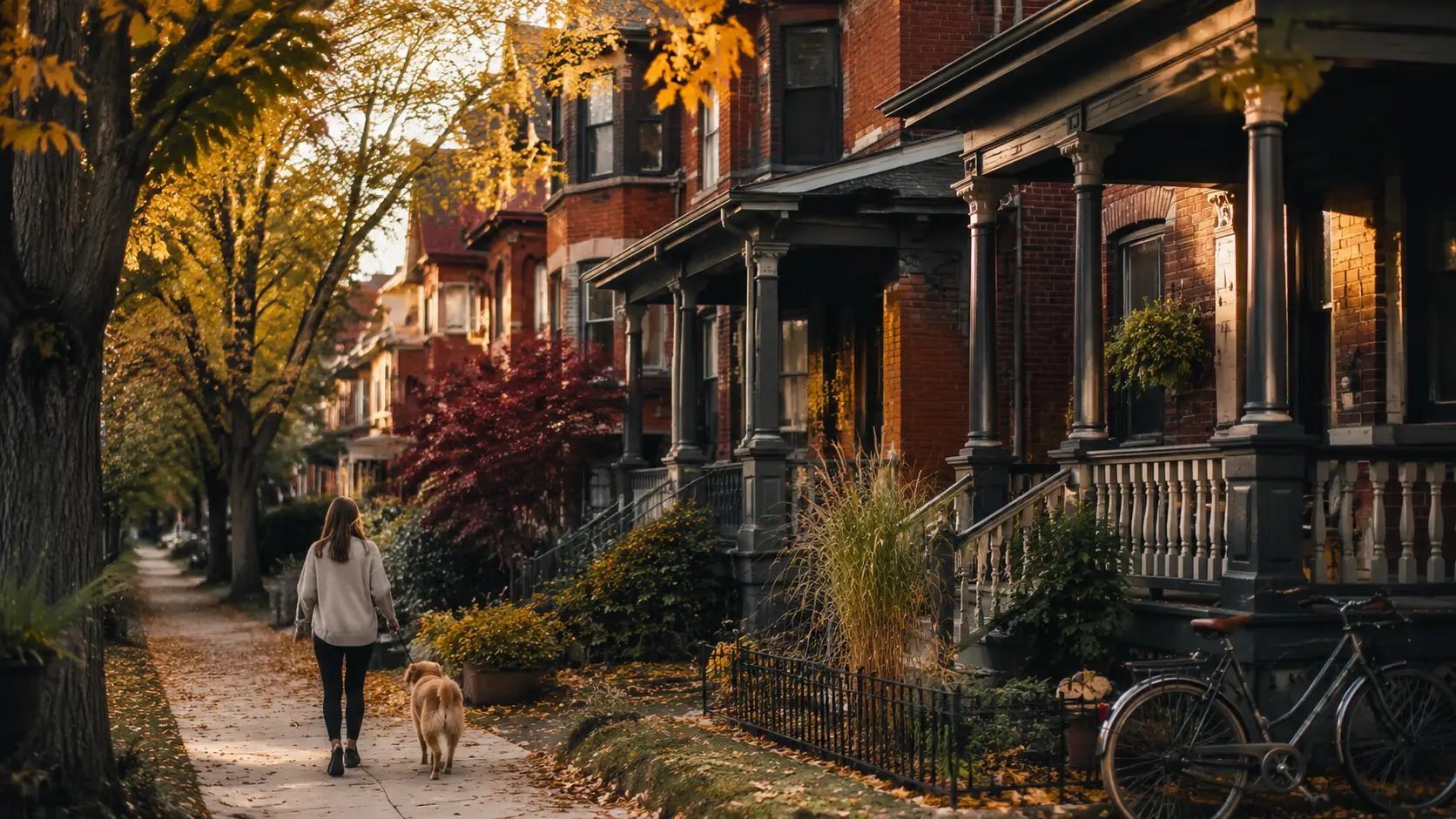
Your home extends past the property line. Week four is for the streets around it.
Sort out parking first. Many Toronto streets need a permit for overnight parking, and the fine for skipping it stings. Check your street on the city’s parking permit page before your first ticket teaches you the rule.
Then find three places. Your library branch, because a Toronto Public Library card is free and gets you museum passes. Your closest hardware store, because you will be there weekly for the first two months. And your neighbours, because the best home security system in this city is still the person next door who notices a stranger on your porch.
If you plan any renovation work, check whether it needs a city permit before you start. A quick lookup now beats a stop-work order later.
The Order Matters More Than the Speed
Thirty days is enough. But only if you run the sequence right.
Security in week one, because the risk is real from day one. Paperwork in weeks one and two, because Ontario’s deadlines do not wait. Cleaning and repairs in week three, while the rooms are still empty. Decorating last, once you know how you actually live in the space.
I have watched friends reverse this order. They had gallery walls up before they knew who else had a key to their front door. Do not be that homeowner. Lock the doors, file the papers, fix the small stuff, then make it beautiful.
Welcome to the neighbourhood.
Sources:
- Toronto Police Service 2025 crime statistics (break-and-enter data, via TPS public reporting)
- City of Toronto, collection schedules and parking permits: toronto.ca