Choosing paint colours for your home can feel like a mix of excitement and mild panic. There’s a lot to think about, how the colour will look in different lights, how it connects with other rooms, and whether it actually feels right once it’s up on the wall. The good news is that getting it right doesn’t have to be stressful. A few simple do’s and don’ts can help you make decisions you’ll still love years from now.
Do’s
Painting and decorating is such a subjective thing, the end result all comes down to what you prefer. But, there are some things you can do to make your homes interior look amazing, these are some of the “do’s” we recommend:
Ask yourself the big picture questions first
First things first, always start with the end goal in mind. Remember, the interior of your home has to match your preference because you’re the one who has to live with it. So, you need to try and consider what the end design will look like in your mind and if in reality that’s actually possible.
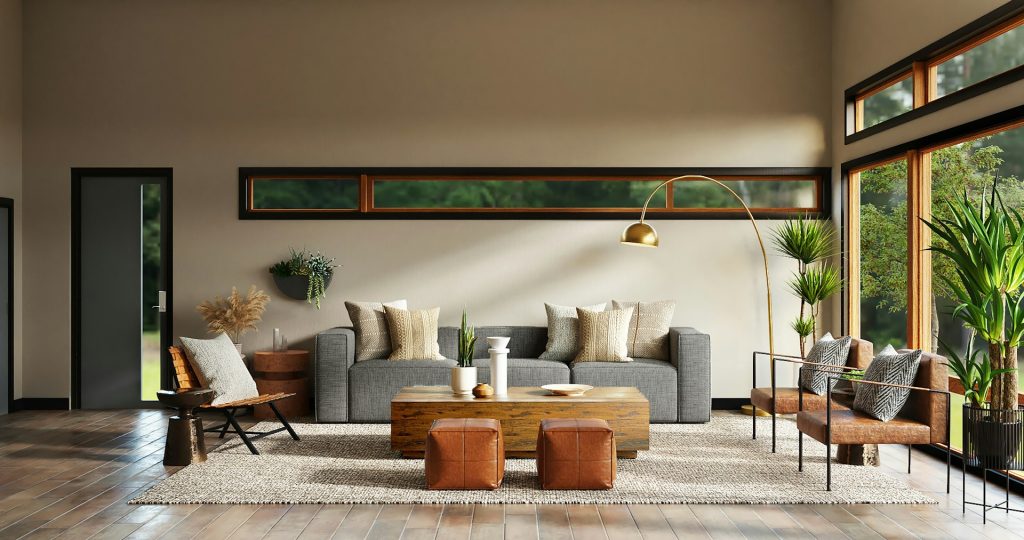
Think about things like how you want the room to feel, whether or not you want it to seem more spacious or if the atmosphere needs to be calming. Also, consider the furniture that’s going to go in that area, what style is has and what colour it is. Trying to make the colours of your walls match your furniture is ideal.
Let the purpose of each room shape your paint choices
Every room has its own role, so let that guide your choices. A soft, neutral tone might suit a bedroom where you want to unwind, while something warmer or bolder could bring energy into a kitchen or living area. Think about how you use each space, and pick colours that help set the right mood.
Spend time in the room before picking a shade
Colours can look completely different depending on the light. Before committing, paint a few swatches and check how they look throughout the day. Natural light, shadows, and even the colour of your lamps can change how paint appears. Take your time to see which one feels best. This might sound quite extra but trust us, it will ensure that the colour you choose matches every part of the day.
Choose paint colours (almost) last, after major finishes
If you’re doing a complete revamp of the interior of your home, then do the painting last and choose colours then. It’s tempting to start with paint, but hold off until your main finishes are sorted. Flooring, furniture, benchtops, and fabrics should come first because they can limit or influence your colour options. Once everything else is in place, you can find a paint that ties it all together.
Coordinate colours between connected rooms
Open-plan homes or adjoining spaces look best when the colours flow naturally. You don’t have to use the same colour everywhere, but aim for tones that complement each other. It keeps your home feeling balanced and connected rather than choppy or disjointed.
Don’ts
All right, now that we no what to do, we need to cover what not to do. Here are some of the “don’ts” that we would recommend you avoid:
Paint a dark room bright white
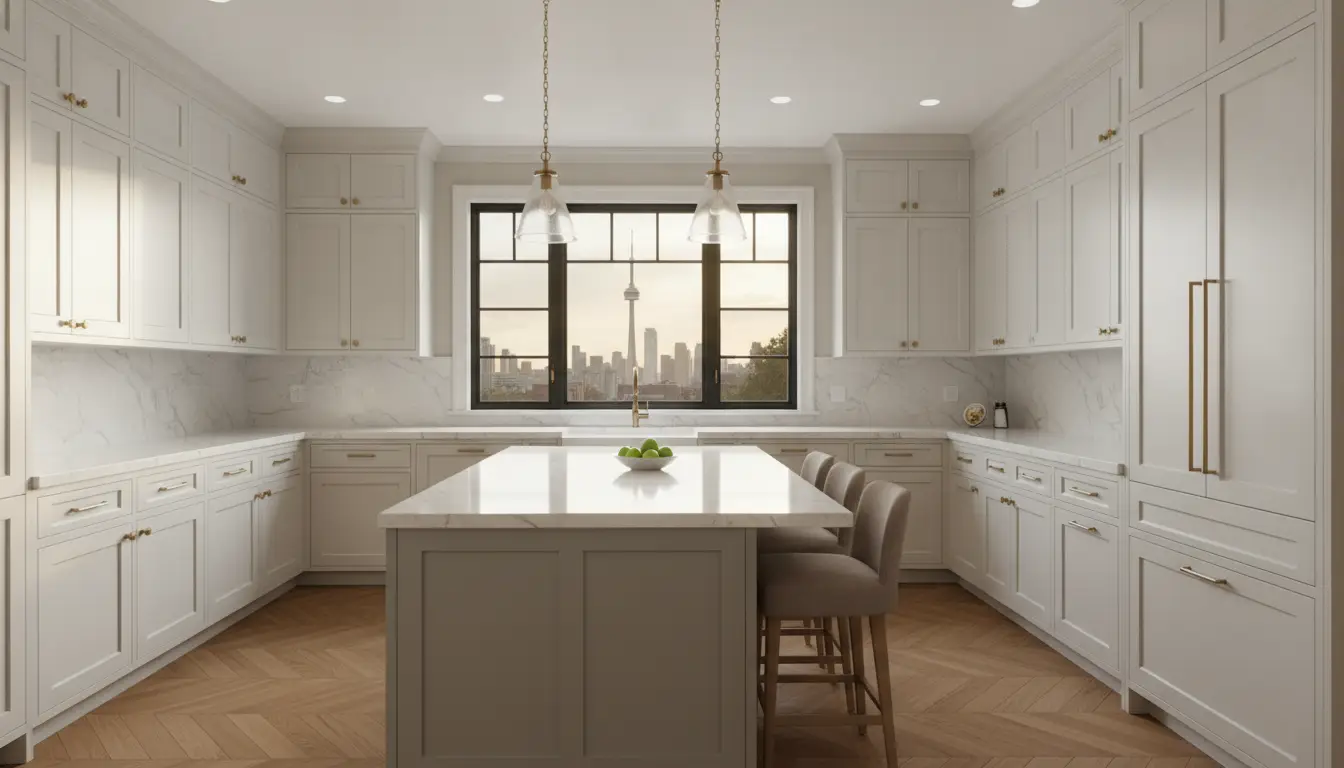
White is often the first choice for small or dark spaces, but it doesn’t always work the way people expect. Without plenty of natural light, bright white can make a room feel cold or flat. Instead, try warmer neutrals or soft mid-tones. They’ll reflect enough light to keep things bright while adding warmth and depth to the space.
Ignore permanent fixtures like floors and tile
Before you fall in love with a paint sample, take a look at what’s already in the room. The colour of your flooring, tiles, or benchtops can influence how paint appears on the walls. If you have warm-toned timber floors, a cool grey might clash. Similarly, cool tiles can make warm walls look muddy. Paying attention to these fixed features will help your paint colour work for thaty space.
Forget the ceilings, trim, and doors
The finer details pull a room together. Think of it as the “cherry on top”. Freshly painted trims, ceilings, and doors can make a space feel complete and tidy. Don’t overlook these finishing touches, as they help frame your walls and give your paint job a professional edge. Even a slight contrast in colour can create a clean, polished look.
Call a professional
If all these do’s and don’ts are too complicated and overwhelming for you and you would rather have a professional paint the interior of your home, give DC Decorators & Painters Brisbane a call and all them to do it. As experts in interior design and painting, they’ll know exactly how to get your homes interior looking exactly the way you envisioned it.
Final thoughts
Painting your home’s interior is as much about feeling as it is about colour. By thinking about how you use each room, what tones make you comfortable, and how everything connects, you’ll end up with a space that feels right for you. Take your time, test your options, and remember, the best colour choices are the ones that make you love coming home.