Indoor gardening can be a rewarding experience, but excess humidity can be a serious problem for plants, leading to mold growth, fungal diseases, mildew, and many other problems. If you want to keep your indoor garden healthy and productive, controlling humidity is a priority. In this article, we will discuss in detail how to manage excess humidity and what professional solutions you can adopt to help you stay productive.
Each plant has its own specific humidity requirements, but in general, all plants have an average humidity level of 40 to 60 percent, which is considered ideal. Seedlings and tropical plants like a little more humidity, but when it comes to flowering plants, they do best with a little more moderate level. And if we are talking about vegetables, then that balanced moisture environment is very important for them. If the humidity level goes above 70, then the chances of powdery mildew, leaf rot, and fungal infections increase.
Causes of Excess Humidity in Indoor Gardens
There are a few reasons for the increase in humidity in an indoor garden. The most important factor is overwatering, and the biggest reason for this is ourselves, because we have to control overwatering ourselves. Then, poor ventilation. When ventilation is not proper, the vapors that are formed in the environment return due to the process of condensation.Then next reason is high plant density. When the plant density increases indoors in a closed environment, then they are processing a large amount of transpiration, due to which water loss is not at this speed.
Improve Air Circulation
The air circulation controls humidity in the best way, so for this you can install a fan system, use an exhaust or open windows that cross the air every time you install it in two doors, then the continuous airflow pulls out the moist air and brings in fresh dryer air from outside, which prevents fungal growth.
Use a grow room dehumidifier
The most effective solution to control humidity is to use a grow room dehumidifier. This is a very unique type of device that absorbs excess moisture from the room and keeps the humidity level of the room stable.
For humidity maintenance, dehumidifiers are available in many types of size in the market. If you only want to use plants in the room for a few days, then you use a compact model for it. But if you want to work on a lot of plants and a very large area in a proper way, then you use heavy-duty units for it. If the plant density is also high, then it will work for that too. So, while choosing a device, it is necessary to consider the room size and daily moisture intake. A high-quality grow room dehumidifier not only prevents mold growth but also optimizes plant growth.
Control Plant Density
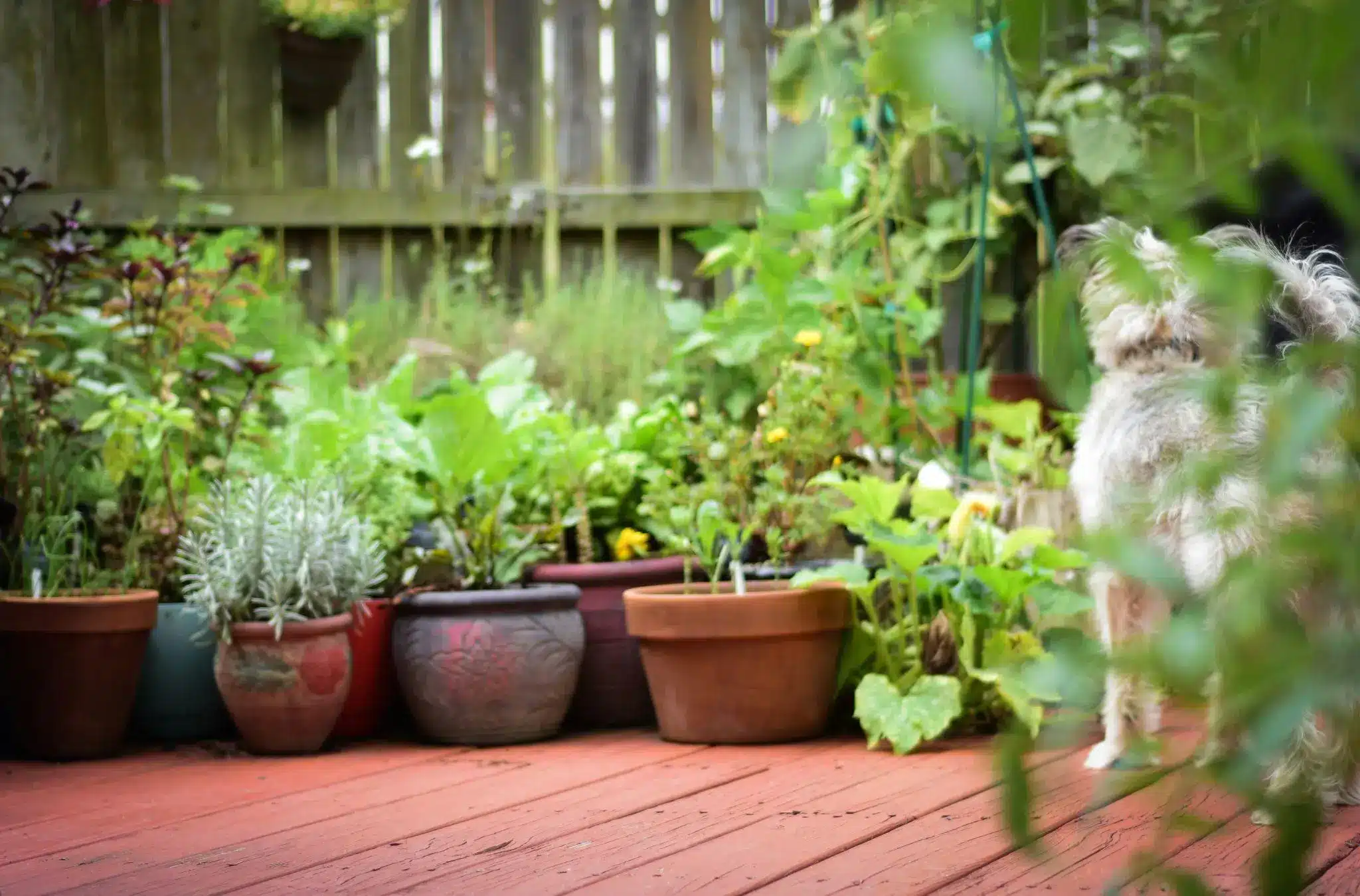
If the plants are too close to each other and the room is not getting proper circulation, then you must consider this and reduce the density of the plants. Therefore, it is better to remove the plants that are not necessary so that the remaining plants are properly ventilated. Due to this, when air circulation is not done properly, your important plants are also damaged. This does not give you any benefit in that you will get more investment in less space, but rather, it causes your main disadvantage, as it creates dense moisture, which is a very important cause of fungal problems.
Monitor Humidity with Hygrometer
Humidity Control comes when you start monitoring accurately and working on it. Install a digital hygrometer that shows real-time humidity readings. There are some advanced models that can track both temperature and humidity. With regular monitoring, you can easily determine what is going wrong and when you can take timely action.
Conclusion
Excess humidity in the indoor-garden is a very common challenge that gardeners often have to face. This problem can be controlled only through proper cleaning and smart tools. Improving air circulation, optimizing watering practices, and using modern irrigation systems are very important for long-term success.
If you want to keep your indoor garden disease-free and productive, then you must manage humidity and never ignore it. A balanced environment is the foundation of a healthy indoor garden.