One small mistake can turn a healthy Chinese Money Plant into a droopy, yellow-leafed mess faster than most people expect.
This popular houseplant is actually pretty easy to maintain once you understand what it needs.
If you already own one, or you’re thinking about bringing one home, learning proper chinese money plant care can help your plant grow healthier and stronger.
From watering schedules and sunlight needs to choosing the right soil, a few simple adjustments can make a huge difference in how well your plant grows indoors.
Chinese Money Plant: Origins and Key Facts
The Chinese Money Plant is a small indoor plant known for its bright green, coin-shaped leaves. Its scientific name is Pilea peperomioides.
This plant is popular for its ease of care, which is why so many plant lovers enjoy keeping it indoors.
One fun fact about this plant is that it grows tiny baby plants around the base, and people often share them with their friends and family. That’s why it’s also called the “friendship plant.”
Many people believe it brings good luck, and its coin-shaped leaves symbolize money and success, making it a lucky plant.
Although it needs minimal care but few small mistakes can quickly affect how it grows.
Must-Have Tools and Materials for Caring Chinese Money Plant
Here are some of the basic gardening tools that will help you take care of your money plant and keep it healthy and strong for a longer period:
| Tools and Materials | Purpose |
|---|---|
| Pot with Drainage Holes | Prevents excess water buildup |
| Well-Draining Soil Mix | Improves drainage and airflow |
| Watering Can | Water the plant evenly |
| Small Scissors | Trims damaged leaves |
| Sharp Knife | Separates baby plants |
| Garden Snips | Helps with clean pruning |
| Spray Bottle | Mists or cleans leaves |
| Gardening Gloves | Protects hands while gardening |
| Small Trowel | Helps with repotting |
| Soft Cloth | Cleans dusty leaves |
Tips to Care for Your Chinese Money Plant
These simple care habits go a long way in keeping your Chinese money plant looking fresh, full, and healthy all year round.
1. Always Choose the Perfect Pot
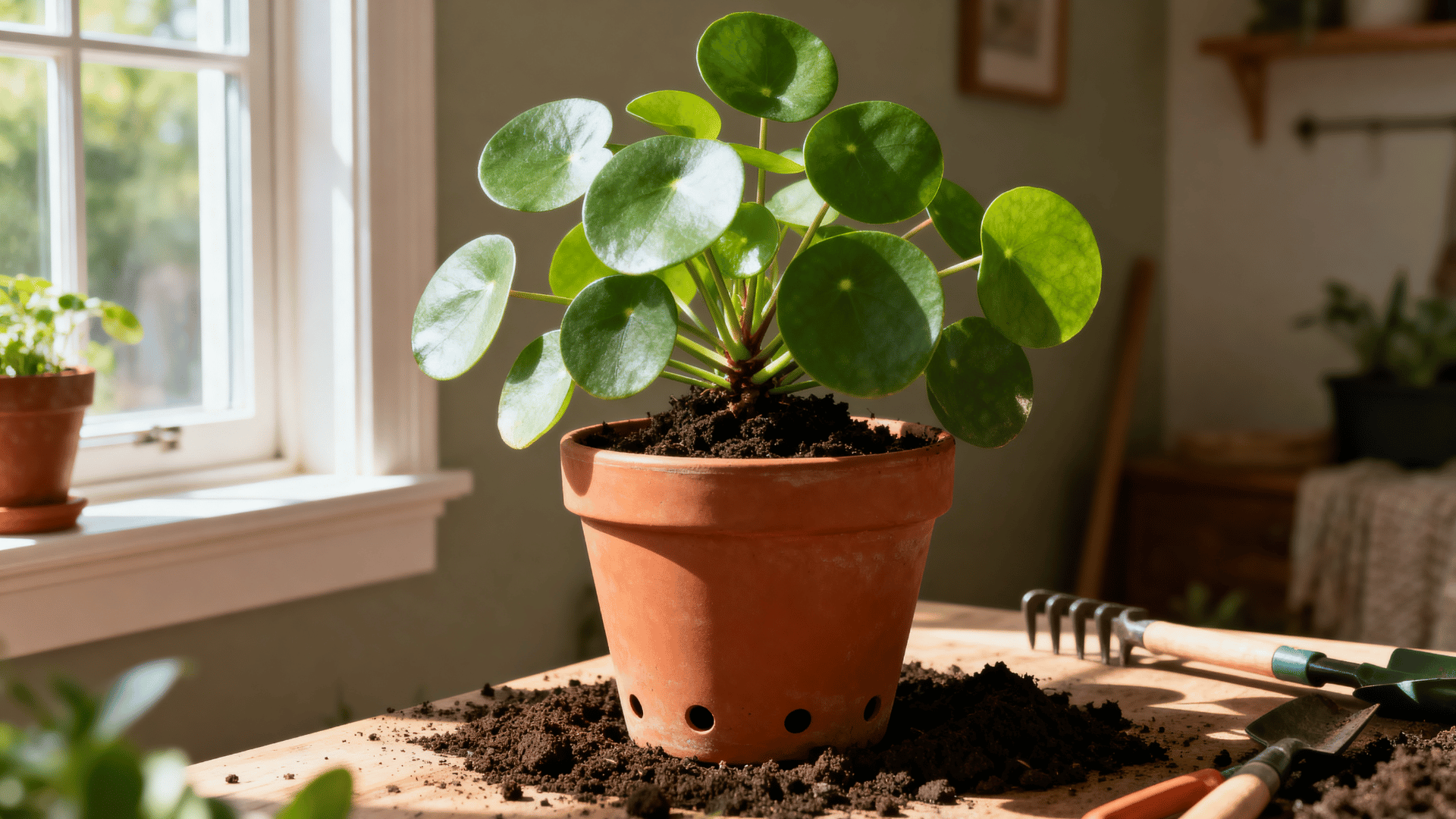
Start by checking the pot your plant came in. It needs a pot with drainage holes at the bottom so excess water can drain easily. Choose a pot that is only a little bigger than the plant’s root ball.
A very large pot may hold too much soil and water, which can keep the roots wet for too long.
Terracotta pots are a good option because they help absorb extra moisture from the soil.
2. Use the Right Soil Mix
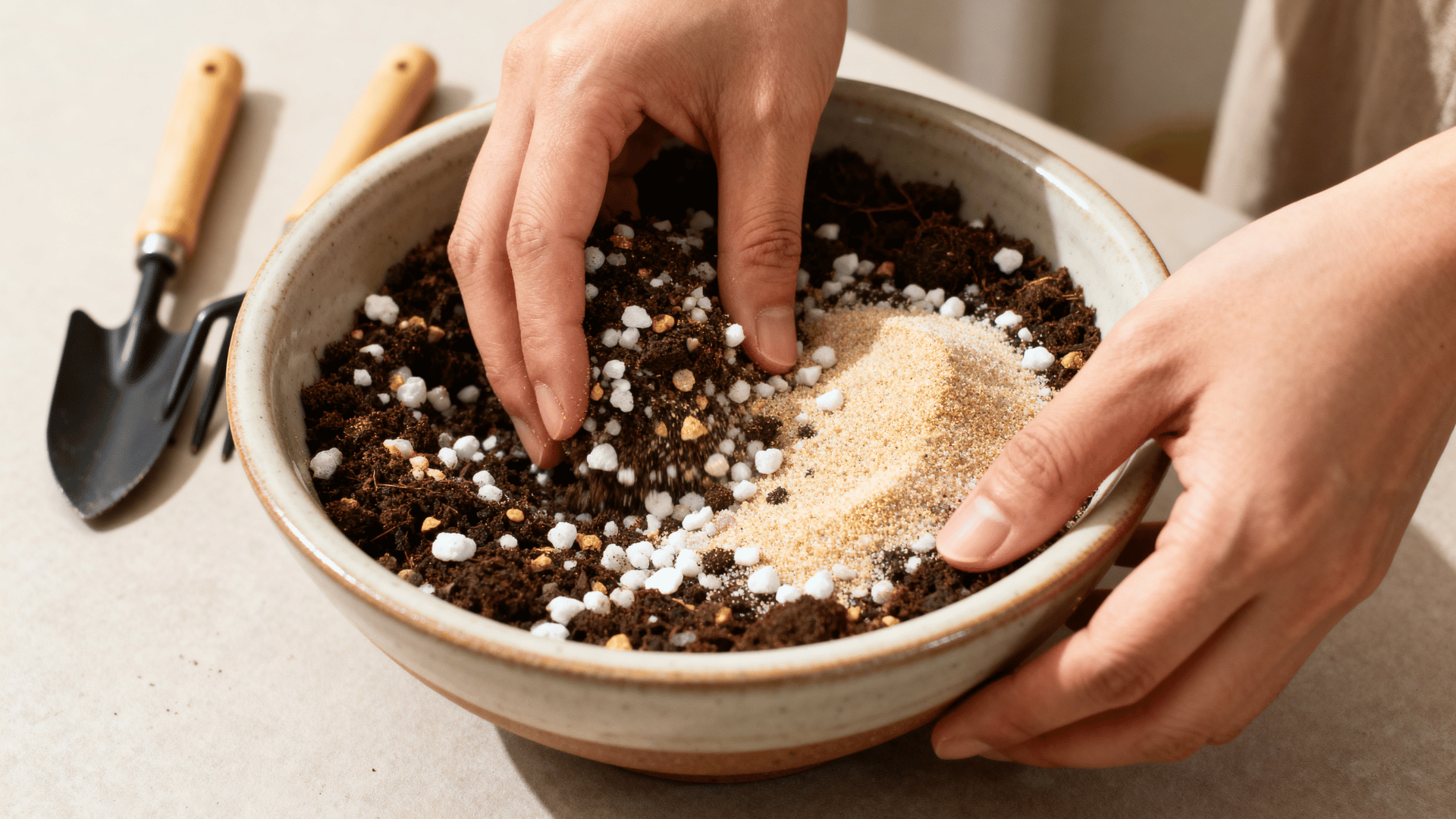
After choosing the pot, make sure the plant has the right soil. Money plants grow best in light, well-draining soil. Heavy soil can hold too much water, weakening the roots.
A simple indoor potting mix works well as long as it drains well. You can also mix in a little perlite or sand to keep the soil loose and airy.
This helps the roots breathe and keeps the plant healthier.
Some popular ready-made options you can use are Miracle-Gro Indoor Potting Mix, FoxFarm Ocean Forest Potting Soil, and Espoma Organic Potting Mix, all of which drain well and work great for Chinese money plants.
3. Place It in Bright Indirect Light
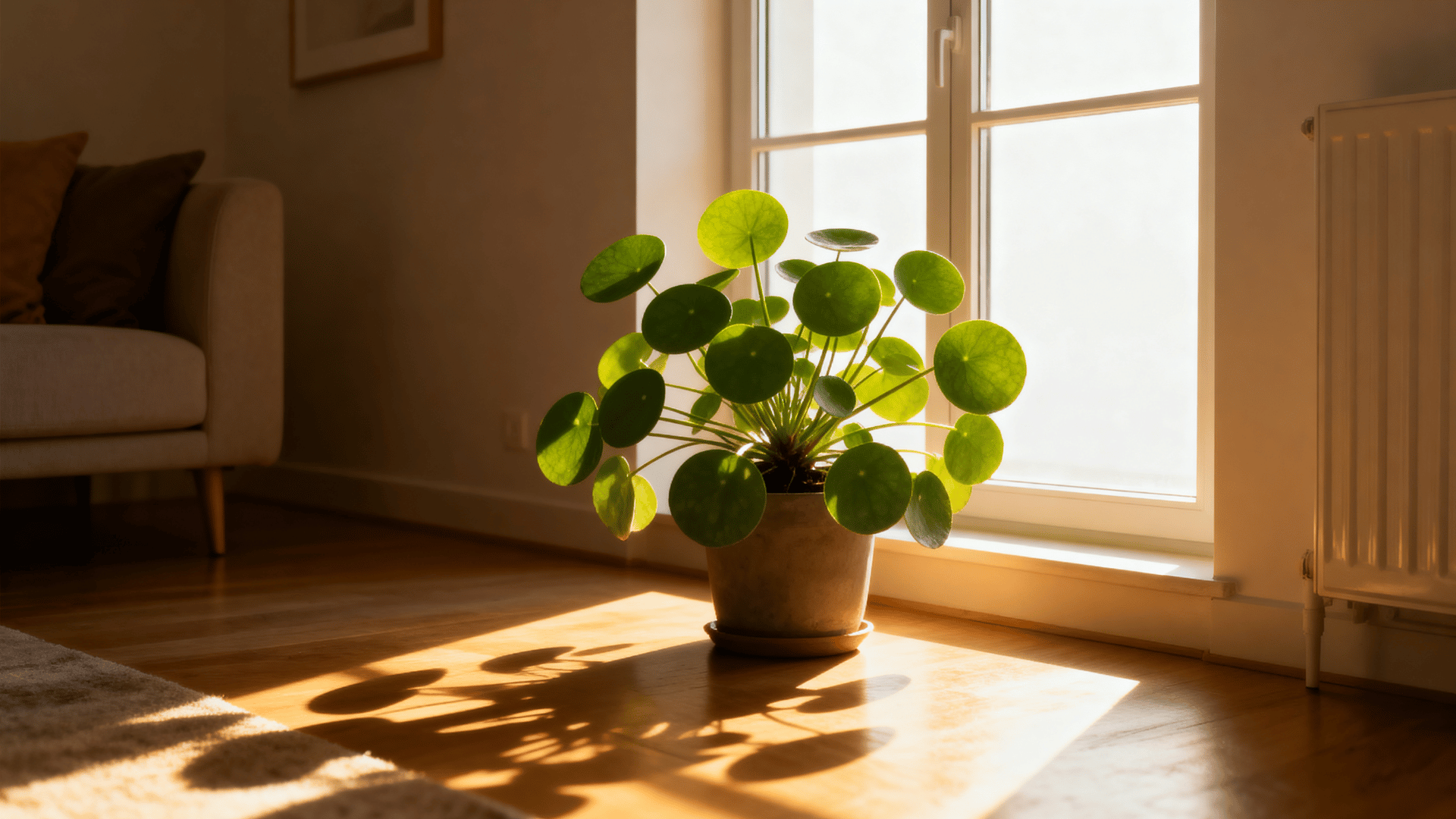
Once the pot and soil are ready, choose the right spot for your plant. It likes bright, indirect light. This means it should get plenty of light, but not harsh sunlight directly on its leaves.
A spot near a window is usually good, especially if the sunlight is soft. Avoid strong afternoon sun because it can burn the leaves.
If the plant starts leaning toward the light, rotate the pot every few days to keep it growing evenly.
4. Water Your Plant Correctly
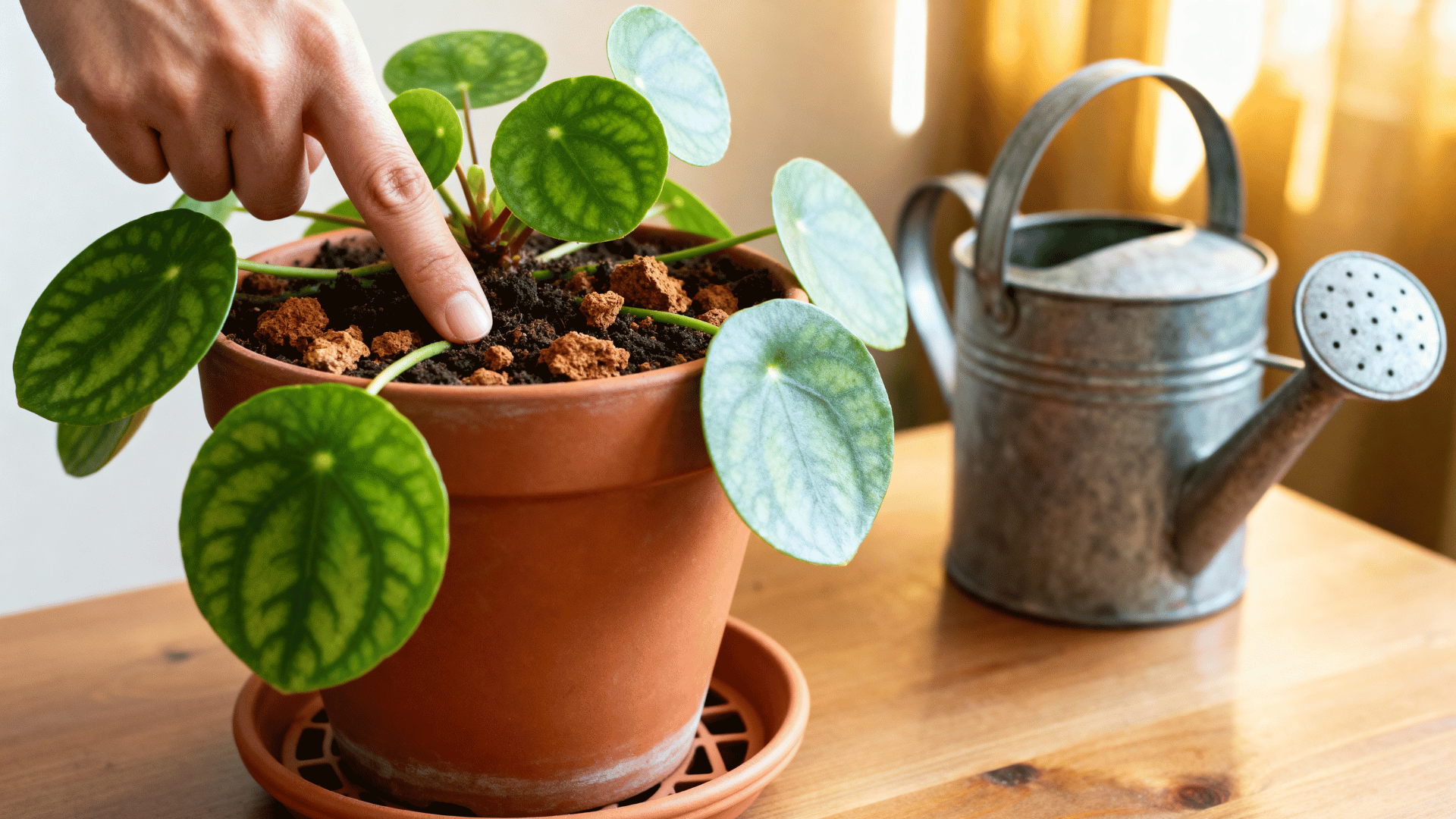
Water your Chinese money plant with ½ to 1 cup of water every 7 to 10 days in summer and every 14 to 21 days in winter, adjusting based on pot size and soil dryness.
Touch the top layer of soil before watering. If it feels dry, water the plant until extra water drains from the bottom. If it still feels damp, wait a few more days.
Yellow leaves, soft stems, or wet soil for many days can be signs of overwatering.
5. Use Fertilizer for Growth
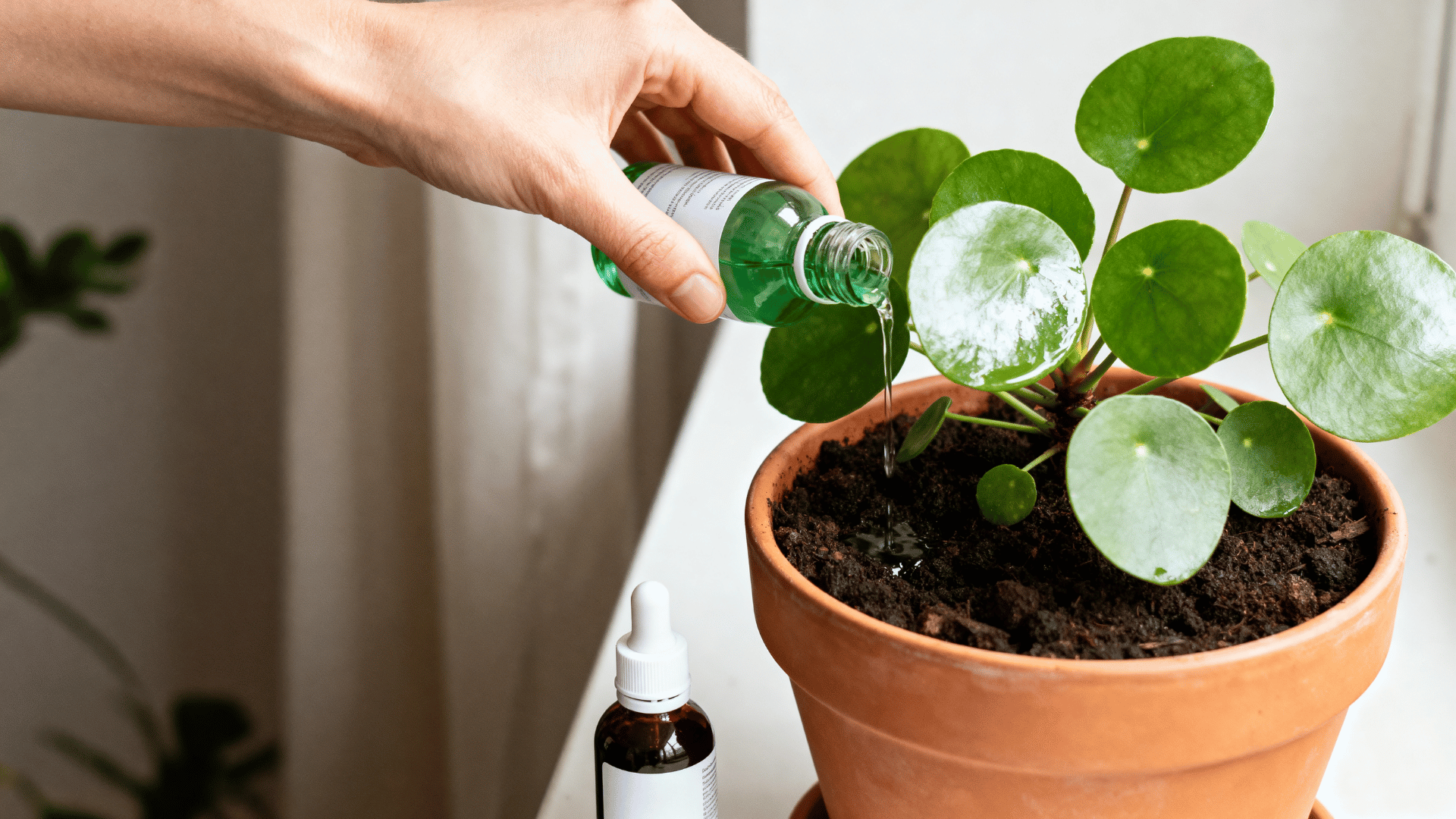
Once your plant settles into its new spot, you can feed it during the growing season. Spring and summer are the best times to fertilize because the plant grows more actively.
Use a balanced liquid fertilizer once a month, but keep it light. Too much fertilizer can harm the roots and damage the leaves.
In winter, the plant grows slowly, so it usually does not need much feeding.
A balanced liquid fertilizer, such as Miracle-Gro Indoor Plant Food, Espoma Organic Indoor Plant Food, or Jack’s Classic All Purpose Fertilizer, works well for Chinese money plants during the growing season.
6. Prevent Pest Issues
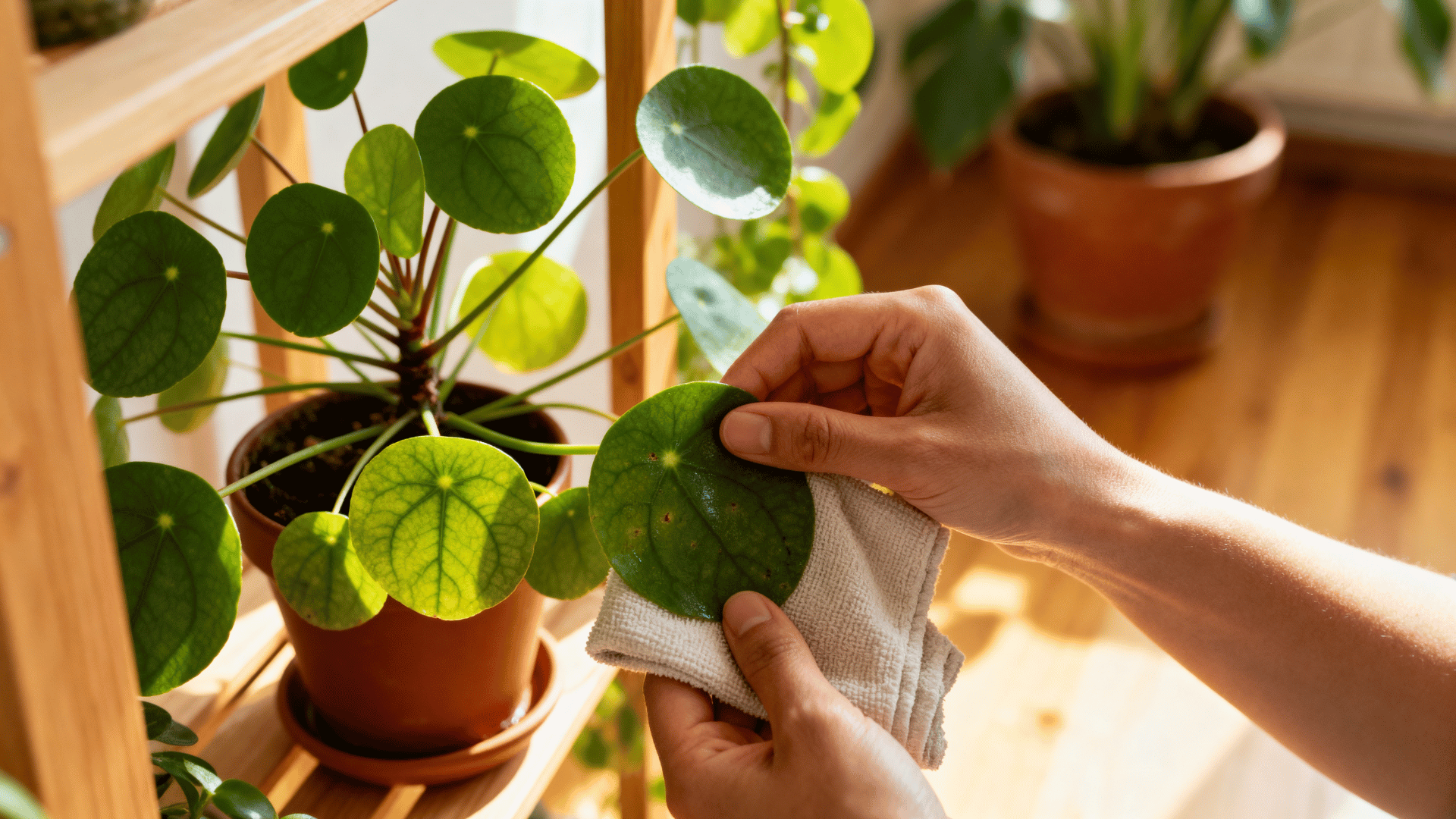
Keep an eye on your plant while it grows. It can sometimes attract tiny pests, such as spider mites or mealybugs. Checking the leaves often helps you catch problems early.
Wipe the leaves gently with a soft cloth to remove dust. Good airflow, clean leaves, and proper watering can help prevent pests.
If you notice tiny bugs or sticky marks, use a mild insect soap before the problem spreads.
7. Baby Plant (Pups) Care
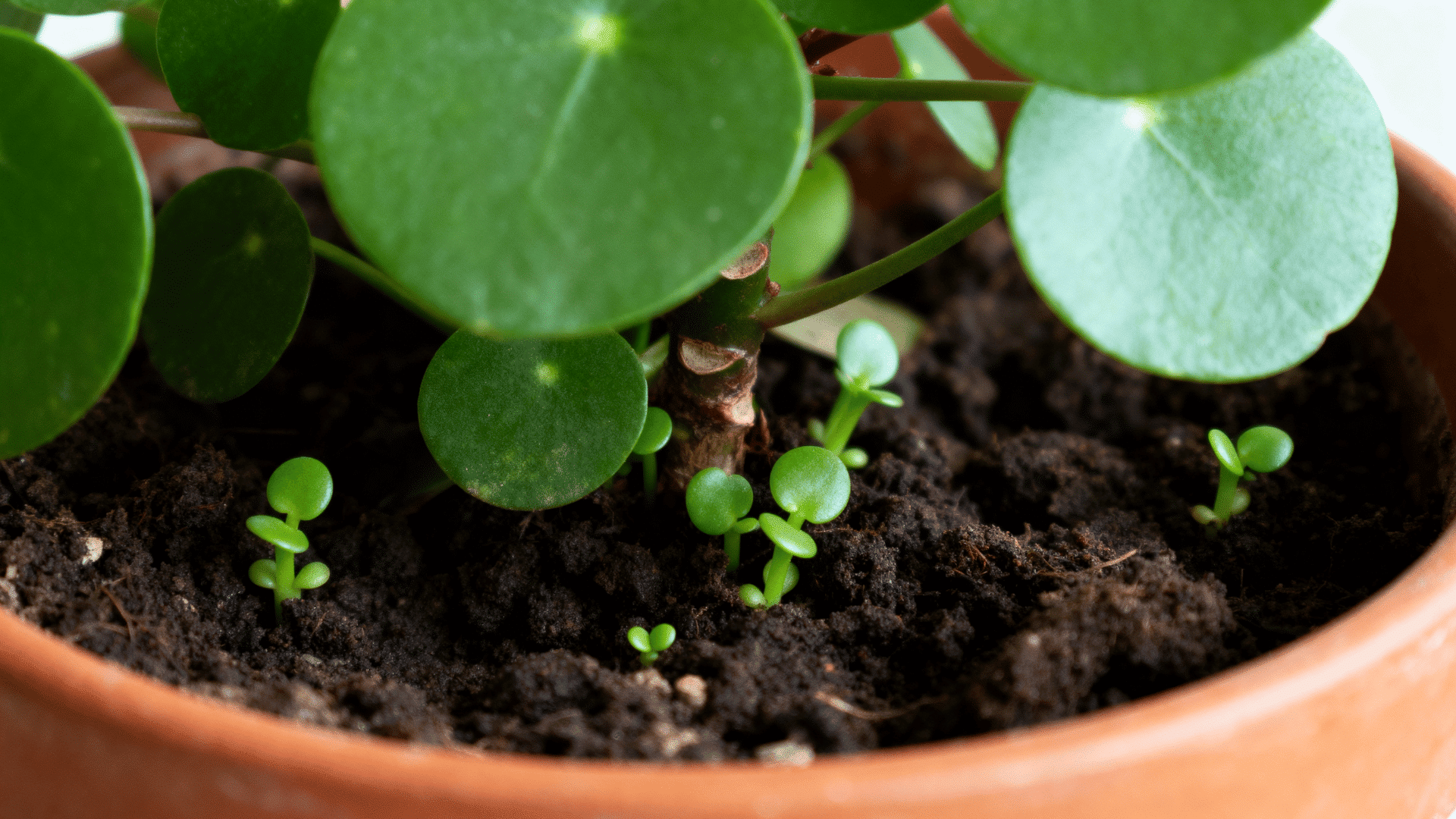
After your plant is healthy and growing well, it may start producing small baby plants around the base. These baby plants are called pups. This is when propagation can begin.
Do not remove the pup too early. Wait until it has a few healthy leaves and is around 2 to 3 inches tall.
If it still looks tiny or weak, leave it attached to the mother plant for a little longer.
8. Propagating and Separating Baby Plant Pups
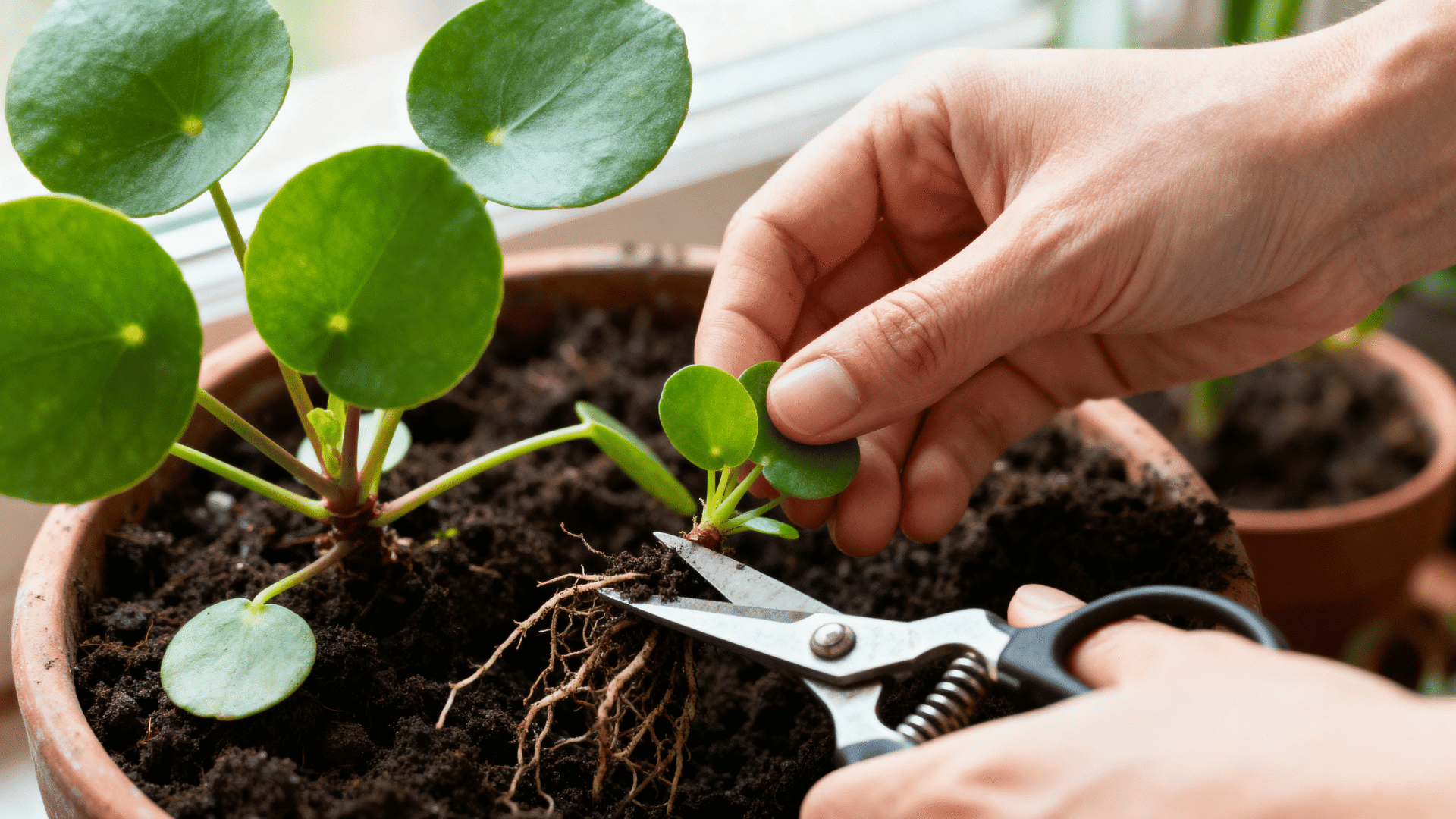
Once your plant is healthy and growing well, it may produce small baby plants around the base called pups. Wait until the pup has a few healthy leaves and is about 2 to 3 inches tall before removing it.
Gently move the soil aside to find where the pup connects to the mother plant. Do not pull it out forcefully, as this can damage the roots.
Carefully cut the pup close to the main plant while keeping some roots attached so it can grow successfully in its new pot.
Its a Wrap
Learning proper chinese money plant care can completely change how your plant grows and looks indoors.
With the right watering routine, sunlight, and soil setup, even beginners can grow a healthy plant that keeps producing beautiful new leaves or pups.
Start applying these care tips today and check your plant’s current setup right now, because one small change could be the difference between slow and healthy growth.