If you have tired furniture, give it a second life through a new paint job. This creative transformation makes a huge difference, but you may face roadblocks caused by harsh chemical strippers. A messy process with toxic fumes can create a significant hurdle, especially when your goal is a safe and healthy home. Here’s how to strip furniture paint the DIY way, without chemicals.
Preparing for Success
Beautiful furniture finishes involve patience and preparation. While rushing is tempting, it’s crucial to use the right method.
Start by evaluating the materials to determine whether the furniture is veneered or solid wood. If it has veneered wood, you must be more careful because it’s delicate. Experts say each piece could be 6 millimeters thick or smaller, making deep sanding or recoating less feasible. Aggressive sanding could wear the thin surface and cause permanent damage.
Here are a few more ways to ensure your preparation is successful:
- Lead testing: Older furniture may contain lead-based paint. Use a lead test kit with color-changing swabs to check.
- Ventilation: Take your furniture outside to maximize ventilation. If you must work indoors, open as many windows as possible.
- Safety gear: Use safety goggles, thick work gloves and N95 masks to protect your body.
How to Remove Paint From Furniture Without Chemicals
Chemical-free furniture paint removal can still deliver the results you want. The good news is that numerous solutions can get the job done. Focused heat, simple friction and plant-based solvents introduce numerous solutions for your next project.
Heat-Based Methods
Heat guns are a standard thermal method, as they warm paint and let you scrape it away. This procedure is fast and effective, especially when your furniture has thick layers of paint. Heat guns work well with solid wood pieces, whether oak or maple. However, it may be less ideal for thin wood veneer, as it can melt the glue holding it together.
Infrared paint removers are another nontoxic alternative to chemical strippers. These devices use lower temperatures than heat guns, making them slightly safer for your household. Instead, they rely on radiation to strip paint from the bottom to the top. The result is faster removal with a lower risk of lead paint vaporization.
Mechanical Methods
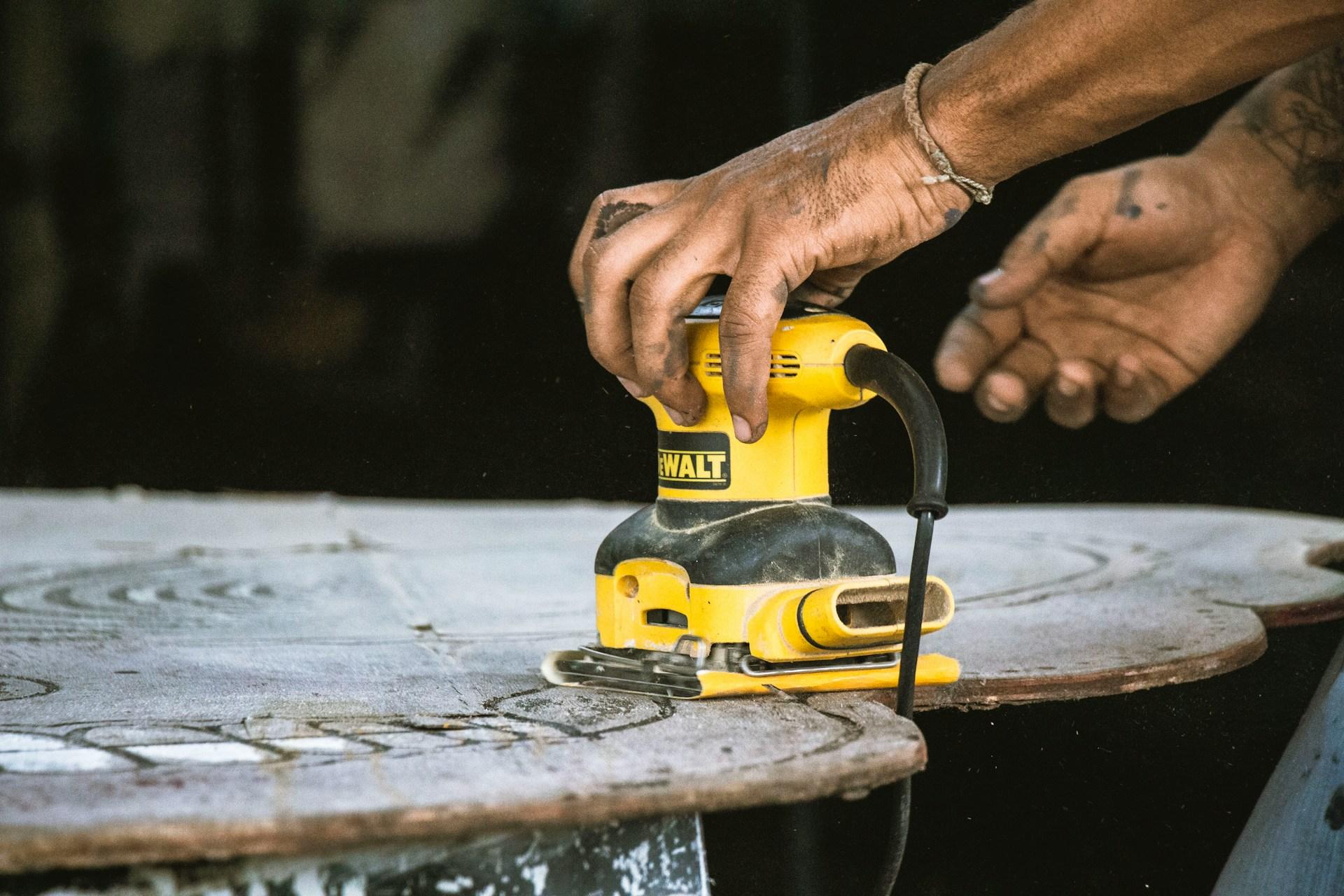
Mechanical options typically include sanders due to their efficiency. They can quickly remove thin paint layers, creating smooth surfaces for refinishing. The best type for your project depends on your needs.
For example, experts say random orbital sanders allow sanding in all directions and can handle general projects. Meanwhile, profile sanders are fitting for moldings and precision-shaped surfaces.
|
Sander Type |
Best For |
Pros |
Cons |
|---|---|---|---|
|
Random orbital |
Large and flat surfaces |
Fast, efficient and versatile |
Difficult in corners |
|
Profile |
Curved and molded shapes |
Preserves detail and reaches difficult areas |
Inefficient on flat surfaces |
|
Detail |
Tight corners and small surfaces |
Great for corners and for control |
Slow and less powerful |
|
Belt |
Aggressively stripping thick paint |
Powerfully levels uneven surfaces |
More easily damages wood |
Household Solutions
Safe and eco-friendly solutions are terrific nontoxic paint stripper alternatives. You may already have the ingredients in your cupboards to remove paint safely.
The boiling water and baking soda combination is among the most accessible strategies. You simmer small wood items and hardware in a pot of water before adding the sodium bicarbonate. Be cautious, as baking soda can scratch the sealant on hardwood if left on too long.
Vinegar solutions are also beneficial due to their affordability and nontoxic nature. For this approach, you’ll heat white distilled vinegar on the stove. Then, use a paintbrush to apply the hot vinegar on the surface of your furniture. Once the paint softens or bubbles, you can scrape it away.
The Benefits of Chemical-Free Furniture Paint Removal
From sanders to heat guns, these solutions make your home safer and smell better. Here are four benefits of removing paint from furniture without chemicals.
1. Improving Indoor Air Quality
Chemical strippers release high levels of volatile organic compounds, which can cause health problems like cancer. Meanwhile, chemical-free methods keep your home free of synthetic fumes. Ultimately, you get a more pleasant and breathable environment.
2. Being Mindful of Family and Pets
Your personal health is essential when choosing paint removal products. However, you should also be mindful of how chemicals circulate through the home. Even residues can linger and pose a risk to toddler hands or pet paws. Nontoxic methods are safer and bring peace of mind.
3. Eliminating Hazardous Waste
Cleanup is an overlooked hassle of paint removal. Chemical strippers and old paint can create hazardous sludge that is too dangerous for the trash can. Instead, chemical-free methods are easier to clean with a broom or vacuum cleaner.
4. Treating Wood Gently
Your goal should be to remove paint and keep the wood intact. Unfortunately, traditional chemical strippers can be too aggressive, resulting in raised grains and discoloration. Sanding paint off furniture or using heat guns allows for more targeted action.
Using Effective Nontoxic Paint Stripper Alternatives
Old dressers and side tables deserve a second chance through paint stripping. While this process can be daunting, you can do it with chemical-free methods. By choosing one of these techniques, you’re making a conscious choice for better indoor air quality and proper wood treatment.