Building an Accessory Dwelling Unit (ADU) has become one of the most practical ways for homeowners to expand livable space without purchasing a new property.
An ADU can serve many purposes: rental income, guest housing, a private office, or long-term accommodation for family members. Because of this flexibility, interest in ADUs continues to grow across many regions.
Understanding how to build an ADU is essential before starting any project. It is not just a construction task, but a full development process that includes legal requirements, budgeting, design, engineering, and coordination with multiple professionals.
Each stage influences the final result, and missing even one step can lead to delays or unexpected costs. Many homeowners initially assume the process is simple.
However, the reality of building an ADU is closer to building a small home from scratch, just with tighter constraints and stricter regulations.
Because ADUs vary by property size, location, and intended use, every project presents unique challenges, but the core workflow remains consistent.
ADU Building: Permits, Contractors, and Timelines
The process of building an ADU begins long before construction starts. The first and most important step is confirming that the property is eligible for an ADU under local zoning laws.
Without proper planning, an ADU project can quickly be delayed by permit issues or design revisions. That is why early preparation is critical.
Key steps in ADU building include:
- Zoning and feasibility analysis: Determines whether the property can legally support an ADU.
- Conceptual design: Establishes layout, structure, and basic functionality.
- Engineering and technical review: Ensures structural safety and compliance with building codes.
- Permit submission and approval: Official authorization required before construction begins.
- Contractor selection and scheduling: Choosing experienced professionals ensures smoother execution.
Timelines for ADU building depend on complexity, local regulations, and contractor availability. On average, the process may take several months to over a year.
At this stage, working with experienced professionals like custom ADU builders can significantly improve efficiency by helping manage design, permits, and construction coordination in one workflow.
A typical ADU building process includes:
- Planning and design phase
- Permitting phase
- Site preparation phase
- Construction phase
- Interior finishing phase
- Final inspection and occupancy approval
Each phase must be completed in sequence, meaning delays in early stages can affect the entire project timeline.
ADU Plans Cost: What to Expect for Design and Blueprints
One of the first financial steps in any project is understanding the ADU plans cost. Before any physical construction begins, homeowners must invest in architectural and engineering documentation.
The ADU plans cost depends on design complexity, customization level, and local requirements.
Typical components included in ADU plans cost are:
- Architectural drawings: Define structure layout, room placement, and overall design concept.
- Structural engineering: Ensures the building meets safety standards and building codes.
- Site evaluation: Analyzes property conditions and optimal placement.
- Permit-ready documentation: Required paperwork for city approval.
- Revisions andupdates: Adjustments based on feedback or regulatory requirements.
The ADU plan costs are often underestimated, but they are among the most important investments in the entire project.
Additional factors influencing ADU plans’ cost include:
- Size and complexity of the unit
- Level of customization
- Local zoning rules
- Experience of the design team
- Site limitations and terrain conditions
A well-developed plan reduces risk during construction and prevents expensive modifications later.
Proper planning improves:
- Construction accuracy and efficiency
- Budget predictability
- Permit approval speed
- Contractor coordination
- Overall success of the ADU building
Average ADU Size: Small, Medium, and Large Options
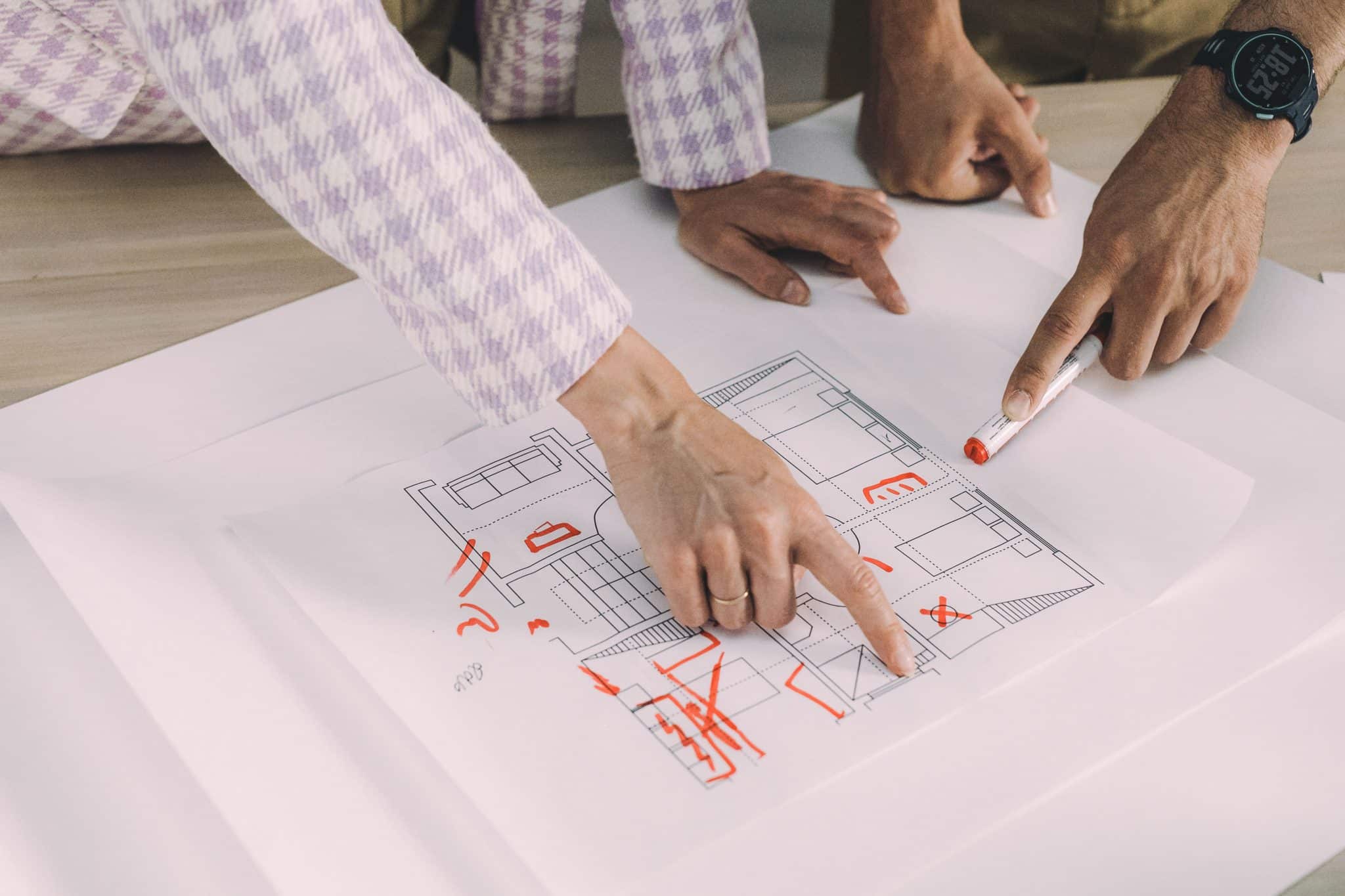
Understanding average ADU size is one of the most important early decisions in the planning process because it affects cost, layout, and functionality.
The average ADU size typically falls into three categories:
- Small ADUs (300-500 sq ft): Compact studio-style units designed for single occupancy or guest use.
- Medium ADUs (500-800 sq ft): One-bedroom layouts offering a balance between comfort and efficiency.
- Large ADUs (800-1,200+ sq ft): Full residential units suitable for families or long-term rental use.
Choosing the right average ADU size depends on several key factors:
- Available lot space
- Budget limitations
- Intended purpose of the ADU
- Local zoning restrictions
- Long-term property strategy
Smaller units are more affordable and quicker to build, while larger units provide more comfort and higher rental income potential.
Many homeowners begin researching how to build an ADU without realizing that choosing the size is one of the most influential decisions in the entire process.
Benefits of selecting the right average ADU size include:
- Balanced construction budget
- Improved livability and comfort
- Easier permitting process
- Better long-term flexibility
- Stronger return on investment
Average Cost to Build an ADU by Type and Region
The average cost to build an ADU varies significantly depending on structure type, geographic location, and construction complexity.
Different ADU types include:
- Detached ADUs: Independent structures with higher construction costs due to full building requirements.
- Garage conversions: More cost-effective option using an existing structure.
- Attached ADUs: Extensions connected to the main home.
- Basement ADUs: Require waterproofing and structural modifications.
Regional differences also heavily influence the average cost to build an ADU:
- Urban high-cost regions: Higher labor, permits, and material costs increase total expenses.
- Suburban areas: Balanced pricing with moderate construction costs.
- Rural regions: Lower labor costs but potentially higher material transport expenses.
The average cost to build an ADU typically includes:
- Site preparation and grading
- Foundation work
- Framing and structural construction
- Plumbing and electrical systems
- Interior finishing
- Permits and inspections
Understanding the average cost to build an ADU is essential for setting realistic expectations and avoiding financial surprises during construction.
Budgeting for Unexpected ADU Construction Expenses
Even with careful planning, unexpected costs are a normal part of construction. That is why budgeting is a key part of successfully building an ADU.
Unexpected expenses can arise from hidden structural damage discovered during demolition, soil instability or foundation adjustments, utility system upgrades or replacements, permit changes or additional requirements, and material price fluctuations. Proper financial preparation helps reduce stress when these situations occur.
Effective ADU building budgeting starts with setting aside a contingency fund for unforeseen costs. Detailed site inspections before construction begins help identify potential risks early, while flexible material selection allows cost adjustments without major redesigns.
Maintaining ongoing communication with contractors ensures issues are caught and addressed quickly. A phased budgeting approach is also recommended, as it breaks total costs into structured stages and keeps spending manageable throughout the project.
Learning how to build an ADU requires understanding every stage of the process – from early planning and design to final construction and inspection. It is not a simple renovation but a structured development project that combines legal, financial, and technical considerations.
Key elements such as ADU plans, ADU costs, average ADU size, and the average cost to build an ADU all play an important role in shaping the outcome.
A successful ADU project depends on careful planning and research, realistic budgeting and cost estimation, proper permitting and approvals, smart design decisions, and experienced professionals managing construction.
When executed correctly, an ADU becomes more than additional space – it becomes a long-term investment that increases property value, improves flexibility, and enhances overall quality of life.