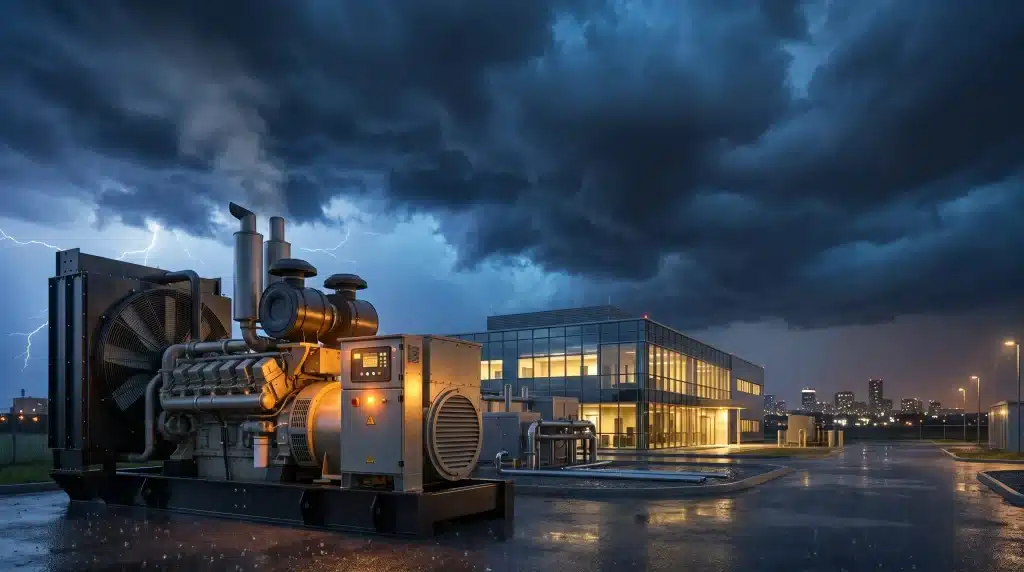
Reliable access to electricity has long been taken for granted in many parts of the world. Yet for modern businesses, the assumption of uninterrupted power is increasingly being challenged. From unexpected outages and grid instability to rising demand and climate-related disruptions, organisations are facing a more uncertain energy landscape. In response, reliable backup power is moving from a contingency measure to a core operational requirement.
The growing dependence on digital systems has intensified the impact of even short interruptions. Data centres, manufacturing facilities, hospitals and logistics networks all rely on continuous electricity to function effectively. A brief outage can halt production lines, disrupt communications and lead to significant financial losses. As a result, businesses are reassessing how they manage energy risks and ensure continuity in the face of disruption.
This shift is evident in the way organisations are investing in resilient infrastructure. Backup power systems are no longer viewed as optional add-ons but as integral components of operational strategy. In many cases, companies are deploying high-capacity solutions designed to support entire facilities, with configurations built around equipment like a 500kva generator to maintain stability during prolonged outages and ensure that critical systems remain functional.
The Rising Complexity of Power Supply Challenges
The challenges associated with power supply are becoming more complex. Ageing infrastructure in some regions is struggling to keep pace with growing demand, while extreme weather events are placing additional strain on energy networks. At the same time, the transition towards renewable energy sources, while essential for long-term sustainability, introduces variability that must be carefully managed.
For businesses, these factors create an environment where predictability is no longer guaranteed. Power disruptions can occur with little warning, and their duration can be difficult to anticipate. This uncertainty has prompted organisations to adopt a more proactive approach, focusing on resilience rather than relying solely on external supply.
The interconnected nature of modern operations further amplifies the impact of outages. A disruption in one part of the system can have cascading effects, affecting suppliers, partners and customers. This interconnectedness underscores the importance of robust backup solutions that can maintain continuity across complex networks.
Operational Continuity and Risk Mitigation
At its core, the adoption of backup power is about ensuring operational continuity. Businesses must be able to maintain critical functions even when primary power sources fail. This is particularly important in sectors where downtime can have serious consequences, such as healthcare, finance and telecommunications.
Risk mitigation is a key driver behind investment in backup systems. By reducing the likelihood and impact of disruptions, organisations can protect revenue streams, maintain customer confidence and avoid costly recovery efforts. This approach aligns with broader trends in risk management, where proactive measures are prioritised over reactive responses.
Backup power systems also play a role in compliance and regulatory requirements. In some industries, organisations are required to demonstrate that they have adequate contingency measures in place. This includes the ability to sustain operations during outages and recover quickly from disruptions.
Financial Considerations and Long-Term Value
The financial implications of power disruptions are significant. Direct costs can include lost production, equipment damage and emergency repairs, while indirect costs may arise from reputational harm and reduced customer trust. In competitive markets, even a short interruption can have lasting effects.
Investing in reliable backup power requires careful consideration of both initial costs and ongoing maintenance. However, many organisations view this expenditure as a necessary investment in long-term stability. The cost of implementing backup systems is often outweighed by the potential losses associated with unplanned downtime.
Energy efficiency is also becoming an important factor. Modern backup systems are designed to operate more efficiently, reducing fuel consumption and environmental impact. This aligns with broader efforts to balance reliability with sustainability.
Technological Advancements in Backup Solutions
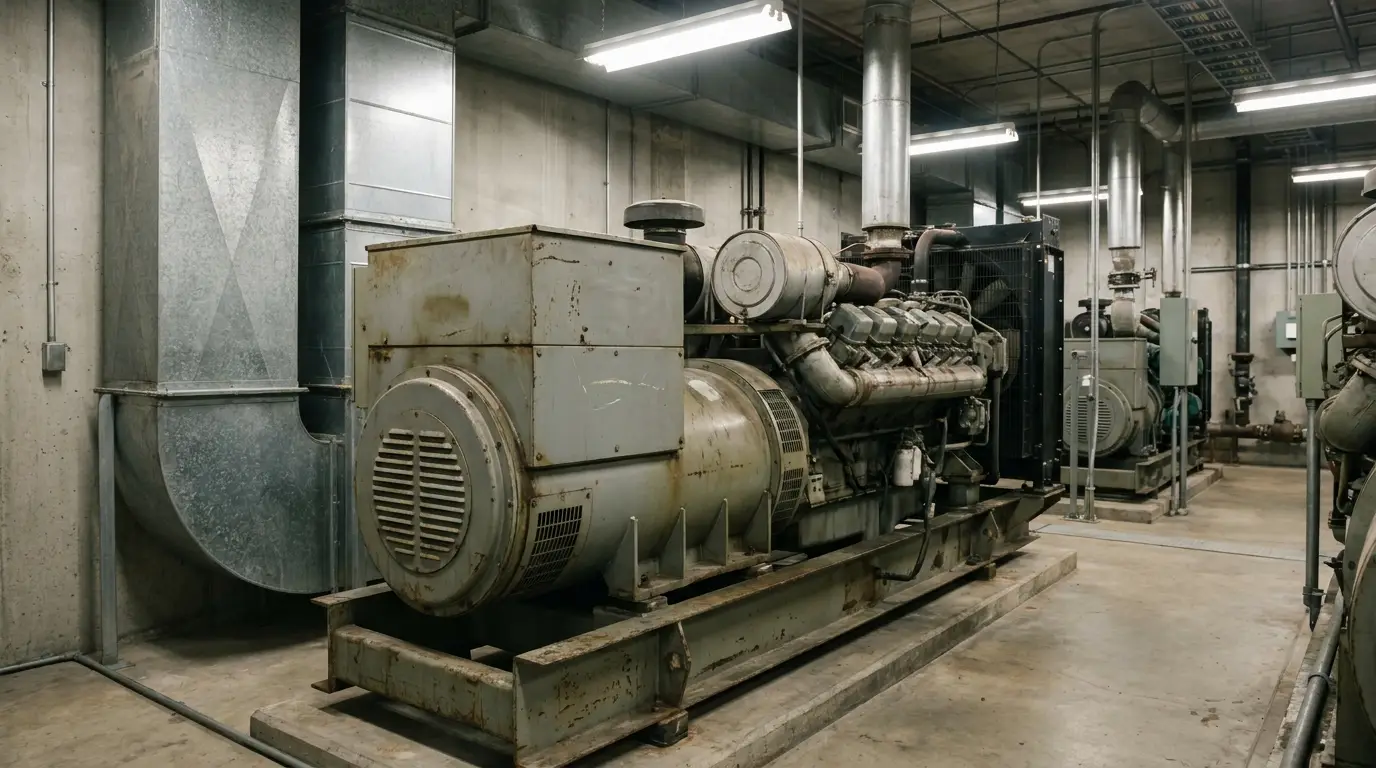
Advances in technology are enhancing the capabilities of backup power systems. Modern generators are more efficient, reliable and easier to integrate with existing infrastructure. They can be paired with uninterruptible power supply systems to provide seamless transitions during outages, ensuring that there is no interruption to critical operations.
Monitoring and automation have also improved significantly. Real-time monitoring systems allow organisations to track performance and identify potential issues before they escalate. Automated controls enable rapid response to power disruptions, reducing the need for manual intervention and minimising downtime.
In addition, hybrid solutions are emerging that combine traditional generators with renewable energy sources and energy storage systems. These approaches offer greater flexibility and can help organisations meet both resilience and sustainability goals.
The Role of Planning and Preparedness
Effective use of backup power requires careful planning and preparation. Organisations must assess their energy needs, identify critical systems and determine the appropriate capacity for their backup solutions. This involves understanding both current requirements and potential future demands.
Regular testing and maintenance are essential to ensure that systems function as intended when needed. Backup equipment must be kept in good working condition, and staff must be trained to respond effectively in the event of an outage. Without these measures, even the most advanced systems may fail to deliver the expected benefits.
Contingency planning extends beyond equipment to include communication and coordination. Clear procedures help ensure that all parts of the organisation can respond quickly and effectively, reducing the impact of disruptions.
Sector-Specific Considerations
Different industries face unique challenges when it comes to power reliability. In healthcare, uninterrupted power is critical for patient safety, supporting life-saving equipment and essential services. In manufacturing, outages can disrupt production processes and lead to significant financial losses.
Data centres require continuous power to maintain operations and protect sensitive information. Even a brief interruption can result in data loss and service disruption, with far-reaching consequences. As a result, these facilities often employ multiple layers of backup systems to ensure maximum reliability.
Retail and hospitality sectors also depend on stable power supply to maintain customer service and operational efficiency. From point-of-sale systems to lighting and climate control, electricity is essential for delivering a consistent experience.
Environmental and Sustainability Considerations
While reliability remains the primary focus, environmental considerations are increasingly influencing how organisations approach backup power. There is growing interest in solutions that reduce emissions and support sustainability goals.
This has led to the development of cleaner technologies and the integration of renewable energy sources. By combining traditional backup systems with solar or wind power, organisations can reduce their reliance on fossil fuels while maintaining resilience.
Regulatory frameworks are also evolving to encourage more sustainable practices. Businesses must navigate these requirements while ensuring that their backup solutions remain effective and compliant.