A Homeowner’s Guide to Keeping Your Basement Dry Year-Round
A dry basement is something most homeowners don’t think about until there’s a problem. One heavy rainstorm, a musty smell, or a small puddle on the floor is often all it takes to realize how important that space really is.
Whether your basement is finished, partially finished, or used for storage, keeping it dry is essential for protecting your home’s structure and maintaining a healthy living environment. The good news is that with a few simple habits and regular maintenance, you can prevent most moisture issues before they start.
This guide will walk you through practical, year-round steps to keep your basement dry and worry-free.
Why Basements Are Prone to Moisture
Basements sit below ground level, surrounded by soil that naturally holds water. After rainfall or snowmelt, that moisture builds up around your foundation.
Over time, water can find its way inside through:
- Small cracks in the foundation
- Porous concrete walls
- Gaps around windows or pipes
- Floor and wall joints
Even if you don’t see standing water, excess moisture can still lead to mold, odors, and long-term damage.
The Key to a Dry Basement: Prevention
Keeping your basement dry is less about reacting to problems and more about preventing them. By controlling how water moves around your home, you reduce the chances of it ever getting inside.
Here’s how to stay ahead of it.
1. Keep Water Away from Your Foundation
The most important step in basement moisture control is managing water outside your home.
Start with your gutters and downspouts:
- Clean gutters regularly to prevent overflow
- Check for leaks or sagging sections
- Extend downspouts at least 6 feet away from your home
Next, look at the grading around your house. The ground should slope away from your foundation so water naturally drains outward instead of pooling near your basement walls.
These simple adjustments can dramatically reduce the amount of water pressure your foundation has to handle.
2. Seal Cracks Before They Become Problems
Small cracks in your foundation are common, but they should never be ignored. Even tiny openings can allow water to seep in during heavy rain.
Regularly inspect your basement walls and floors for:
- Hairline cracks
- Gaps near pipes or utility lines
- Signs of water staining
For minor cracks, waterproof sealants or epoxy injections can help prevent moisture intrusion. Larger or growing cracks should be evaluated by a professional to avoid structural issues.
3. Manage Indoor Humidity
Not all basement moisture comes from outside water. High humidity levels can create a damp environment even when there are no visible leaks.
Signs of excess humidity include:
- Condensation on windows or pipes
- A musty smell
- Damp-feeling air
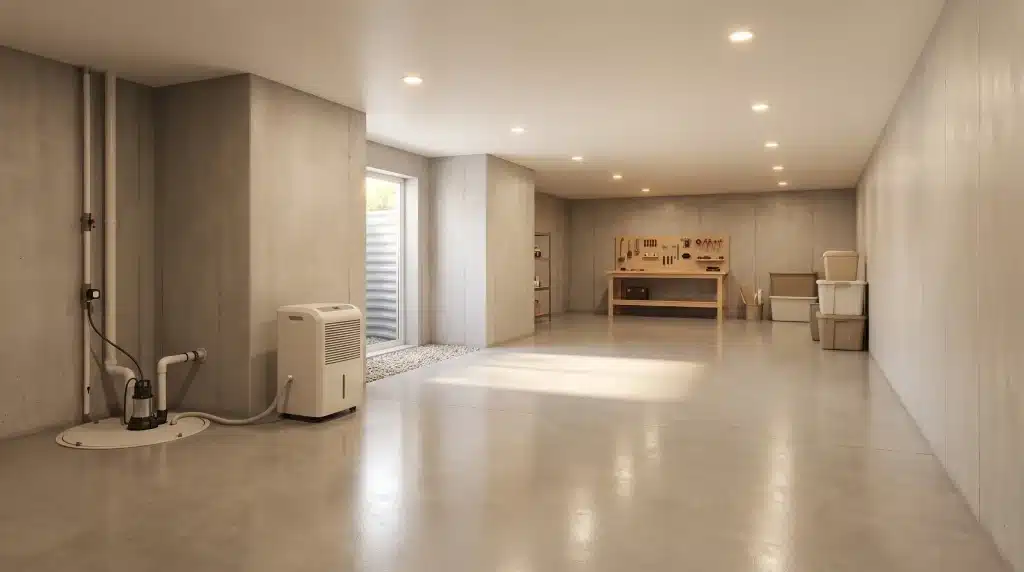
Using a dehumidifier can help maintain a comfortable moisture level and prevent mold growth. Proper ventilation also plays an important role, especially in finished basements.
4. Maintain Your Sump Pump System
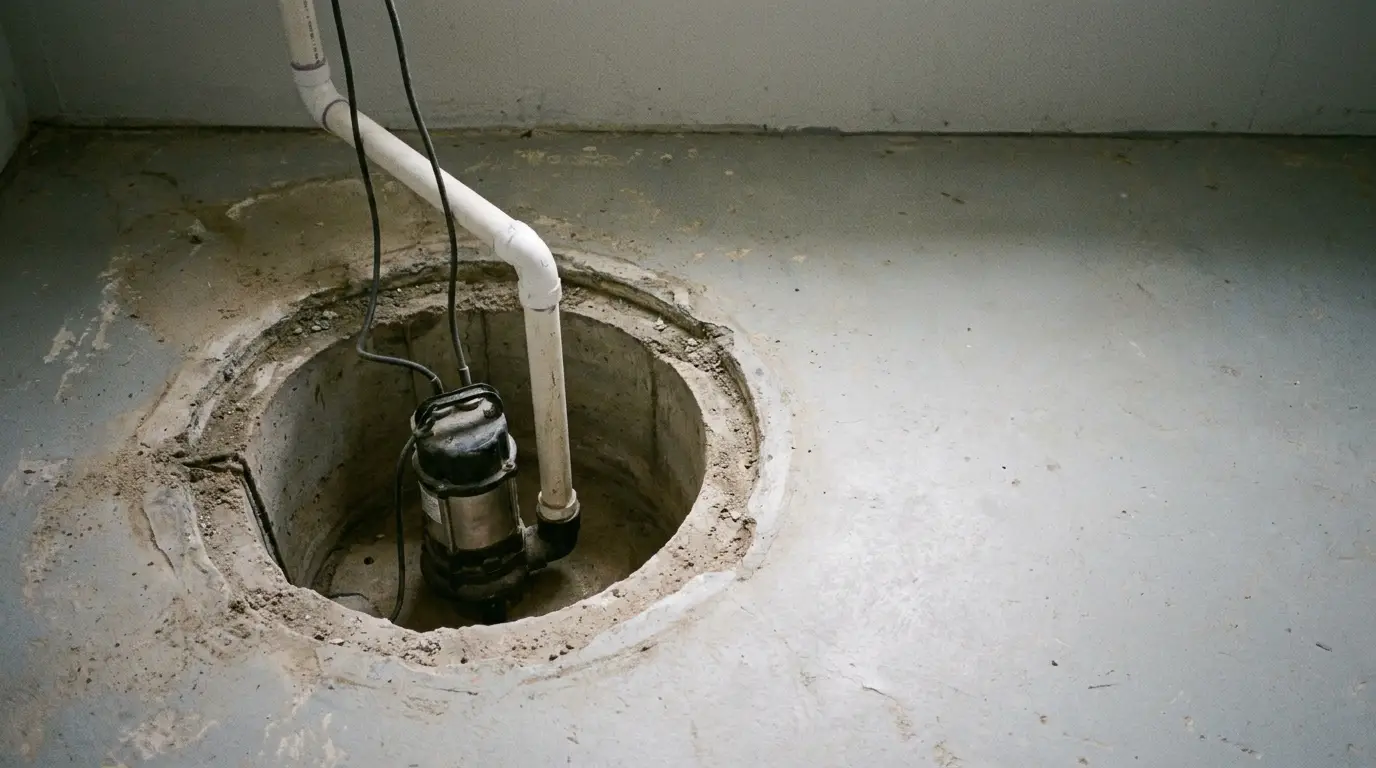
If your home has a sump pump, it is one of the most effective tools for preventing basement flooding.
To keep it working properly:
- Test it regularly by pouring water into the pit
- Make sure the discharge line is clear and directing water away
- Check for unusual noises or delayed activation
It is also a good idea to have a backup system in place, especially if you live in an area prone to heavy rain or power outages.
5. Protect Basement Windows and Openings
Basement windows and window wells are common weak points when it comes to water intrusion.
To reduce risk:
- Install window well covers to keep out rain and debris
- Ensure proper drainage at the bottom of each well
- Seal any gaps around window frames
Taking these precautions can prevent water from entering during storms and protect your basement from sudden leaks.
6. Stay Ahead with Seasonal Maintenance
Each season brings different challenges, so adjusting your maintenance routine throughout the year can help you stay proactive.
Spring:
Melting snow and frequent rain can increase groundwater levels. Inspect for leaks and test your sump pump.
Summer:
Focus on humidity control. Use a dehumidifier and ensure proper airflow.
Fall:
Clear leaves from gutters and prepare for increased rainfall.
Winter:
Watch for condensation caused by temperature differences and check for any signs of freezing or expansion cracks.
7. Know When to Bring in a Professional
While many preventative steps can be handled on your own, some situations require expert attention.
If you notice:
- Recurring leaks after rain
- Standing water in your basement
- Large or widening foundation cracks
- Persistent moisture despite your efforts
It may be time to consult a professional.
A company like Blue Umbrella Waterproofing can identify the underlying cause of the problem and recommend long-term solutions such as drainage systems, sump pump upgrades, or foundation repairs.
Small Steps, Long-Term Protection
Keeping your basement dry does not require constant attention, but it does require consistency. Small maintenance habits add up over time and can prevent major issues before they begin.
By focusing on drainage, sealing vulnerabilities, and managing moisture, you can protect your home’s foundation and create a safer, healthier environment.
Whether you plan to finish your basement or simply want to protect your home’s structure, staying proactive ensures that your basement remains a dry and dependable part of your home all year long.