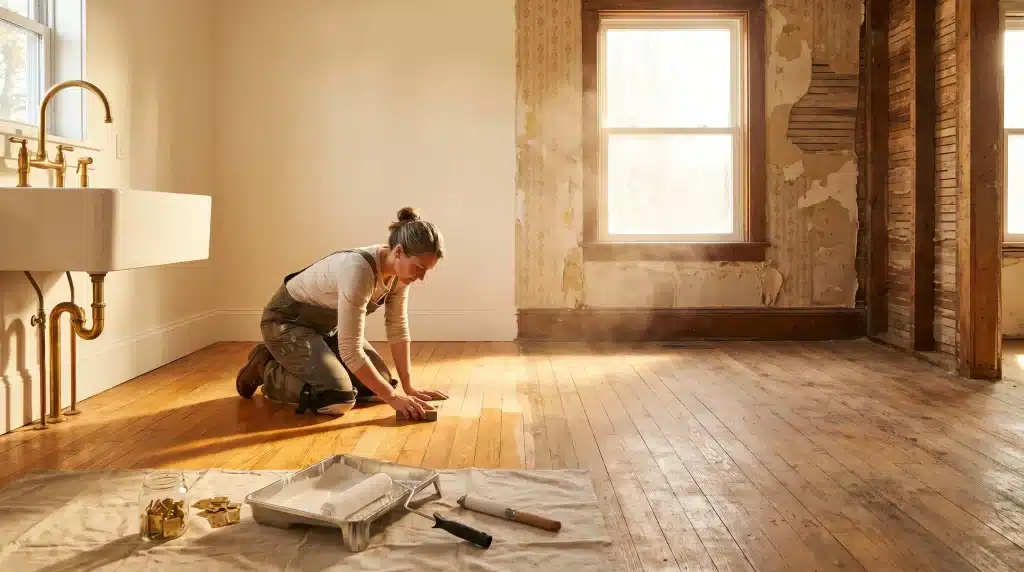
There’s a specific kind of magic that happens when you walk into a house that everyone else has written off. You see past the peeling linoleum and that lingering smell of damp wood.
Honestly, you see the potential for a farmhouse sink, the original oak floors hiding under old carpet, and the way the light hits the breakfast nook in the morning. For those of us who love a good project, the fixer-upper life is more than just a hobby. It’s a way to claim a piece of history and make it ours.
But as any seasoned DIY enthusiast knows, that magic often comes with a side of reality. We talk a lot about the beauty of the “after” photo, but we don’t always talk about the grit it takes to get there. It’s those unexpected plumbing leaks at two in the morning or the discovery that a previous owner used duct tape as a structural solution. These moments test our patience and our bank accounts.
Have you ever found yourself staring at a wall you just painted, wondering where the budget for the next room is going to come from? I’ve been there, sitting on a dusty floor with the hum of the laptop at midnight, trying to make the numbers work.
Living intentionally and beautifully on a budget requires a certain kind of financial gymnastics. To keep the dream of the perfect farmhouse alive, we’ve got to look at the big picture. It’s not just about finding a deal on a vintage hutch or learning how to install shiplap yourself. It’s about protecting the lifestyle you’re building.
And that means looking at every corner of your budget to see where you can save.
Sometimes, the savings we find in one area are what allow us to splurge on that perfect brass faucet in another. One of the most overlooked parts of this journey is how we manage our overhead. You know, when you’re pouring your soul and your savings into a home, you start to look at every monthly bill with fresh eyes. Do you ever stop to think how much your fixed costs are eating into your renovation fund?
You realize that keeping your household running smoothly is about more than just home maintenance. It extends to how you handle your transportation, too. Finding a better rate on your car insurance is the secret to funding your next mudroom makeover. It sounds simple, but those extra dollars every month add up quickly when you’re buying paint and lumber. And that’s the point.
But why stop at the house?
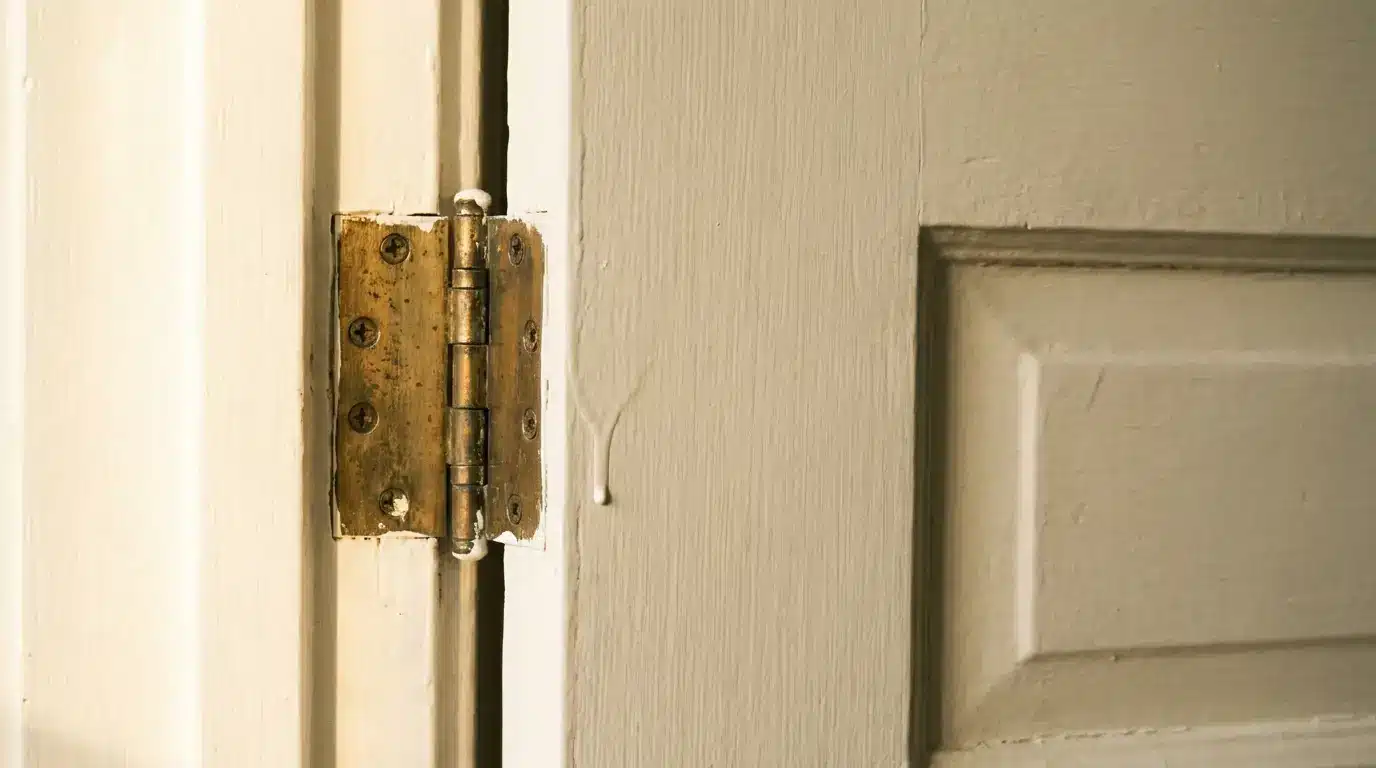
The philosophy of the painted hinge is rooted in the idea that beauty doesn’t have to be expensive. It just has to be intentional. We apply this to our walls and our furniture, so maybe it only makes sense that we’d apply it to our financial safety nets too. Being a smart homeowner means being a smart consumer across the board. It’s about realizing that every dollar saved on a fixed expense is a dollar you can reinvest in your sanctuary.
When we talk about protection, we usually think about sturdy locks and a good roof. But true protection for a DIY lifestyle is about resilience. It’s about having the breathing room to handle the “oops” moments that come with renovation. If you’re constantly stretched thin, a broken water heater feels like a catastrophe. But if you’ve been diligent about trimming the fat from your recurring costs, that same broken heater is just a temporary setback. It’s just a bump in the road.
So, how do we keep the momentum going when things get tough?
This journey of turning a house into a home is a marathon, not a sprint. It requires us to be resourceful in ways we never imagined. We learn how to sand, prime, and negotiate. We learn that a little bit of research goes a long way. Whether you’re researching the best way to distress a kitchen island or looking for a more competitive insurance quote, the goal is the same. You’re building a life that feels authentic and sustainable. I guess it’s all about balance.
We often get caught up in the aesthetics of the farmhouse look. We want the neutral palettes and natural textures. But the heart of the farmhouse spirit is actually about stewardship. It’s about taking care of what you have and being wise with your resources. It’s about the satisfaction of a job well done and the peace of mind that comes with knowing your family is covered.
As you look around your current project, take a moment to appreciate how far you’ve come.
Every sanded board and every painted hinge is a testament to your hard work. By staying mindful of the practical side of things, like your budget and your protections, you ensure that you can keep creating for years to come.
The fixer-upper life is beautiful, messy, and rewarding. It’s worth every bit of the effort we put into protecting it.