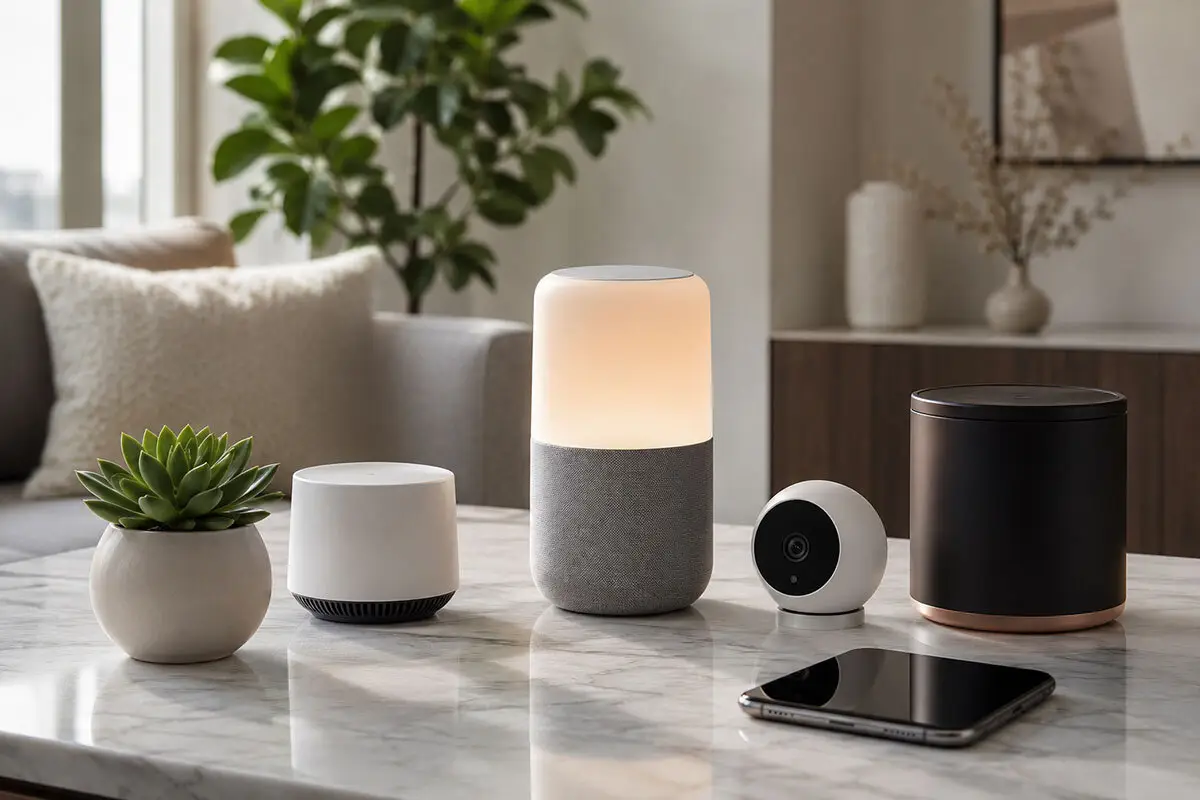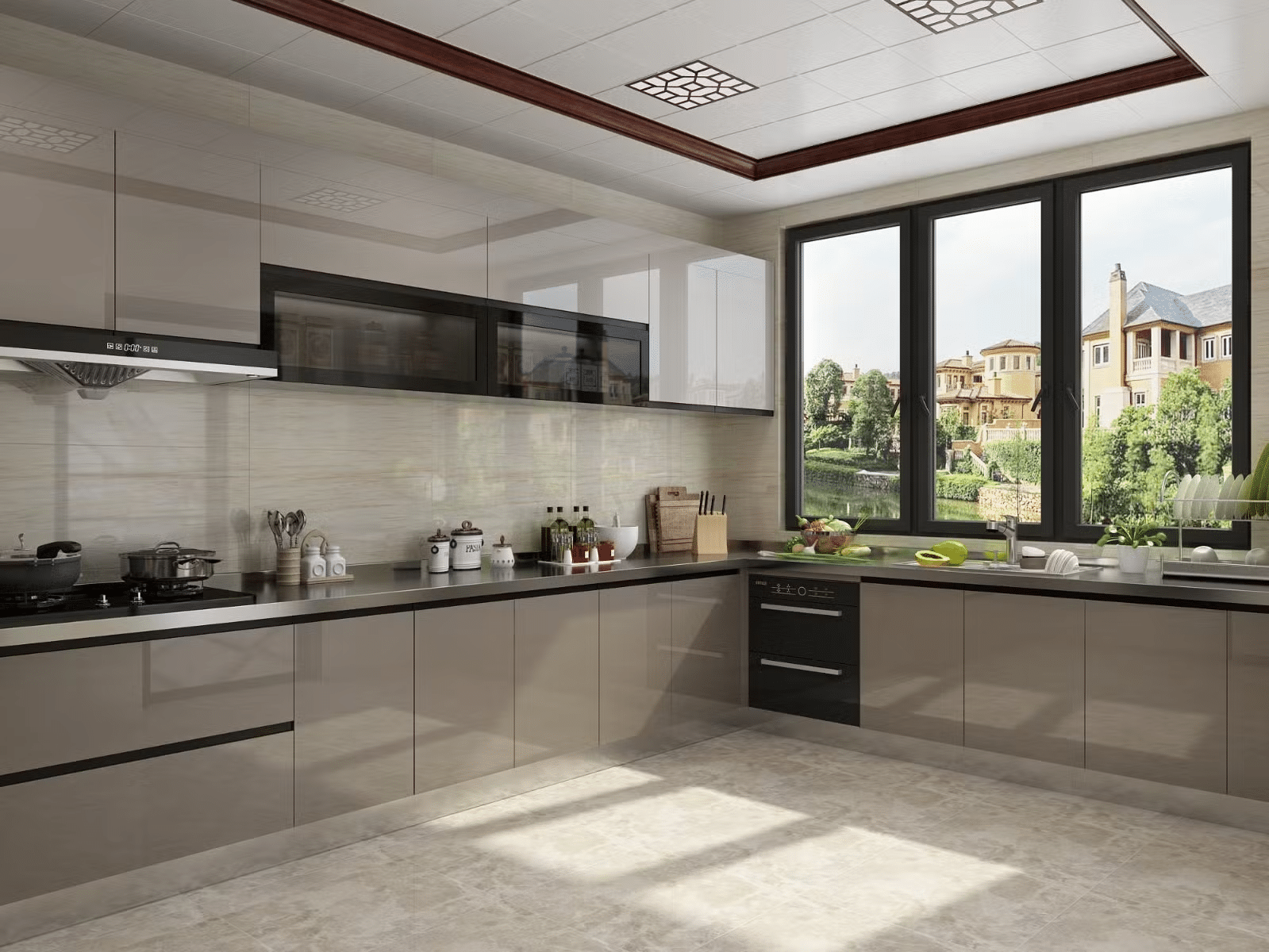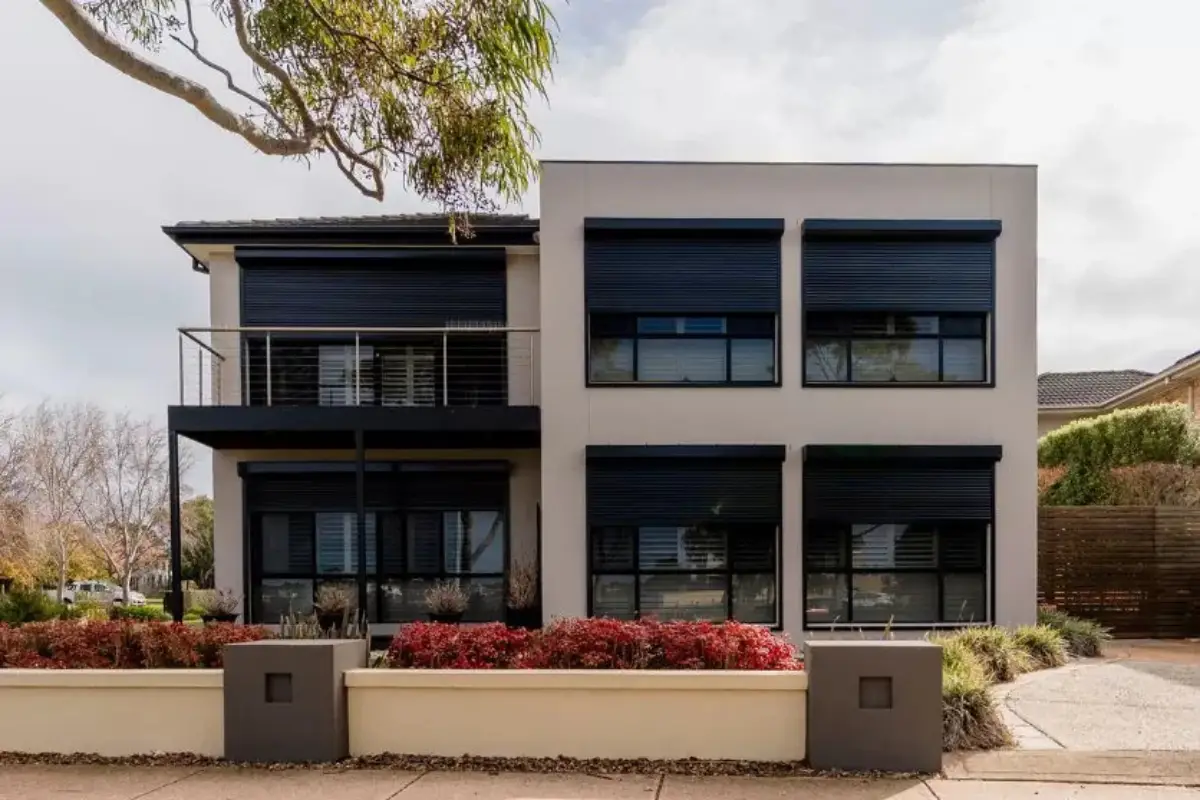
Homes stopped feeling restful without people fully noticing when it happened. Rooms became crowded with furniture, screens stayed running constantly, lighting turned harsher, and everyday routines started feeling rushed from the second somebody woke up. Even beautifully designed homes can feel mentally exhausting once every space pushes stimulation, multitasking, noise, and clutter all day long. And all of this is a huge reason why slower living habits are starting to influence home improvement projects.
Homeowners want spaces that help daily life feel calmer instead of more overwhelming. Comfortable layouts, softer lighting, quieter corners, practical storage, and rooms built around real routines are becoming more important than flashy design trends that only look good temporarily.
Slower Bathrooms
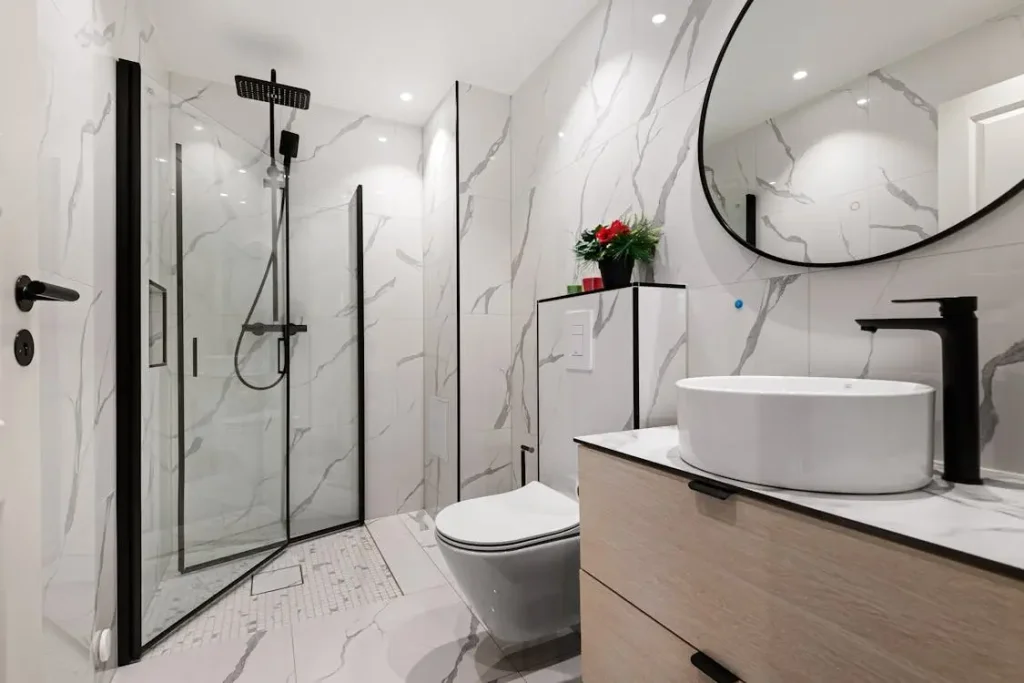
Bathrooms dictate the beginning and end of the day more than people usually realize. A cramped vanity, harsh overhead lighting, crowded counters, and poor storage immediately make mornings feel rushed before the day even properly starts. The same thing happens at night, once the bathroom still feels bright, cluttered, and overstimulating right before bed. Many older bathrooms were designed around fitting everything into one space instead of creating an environment that actually supports slower routines.
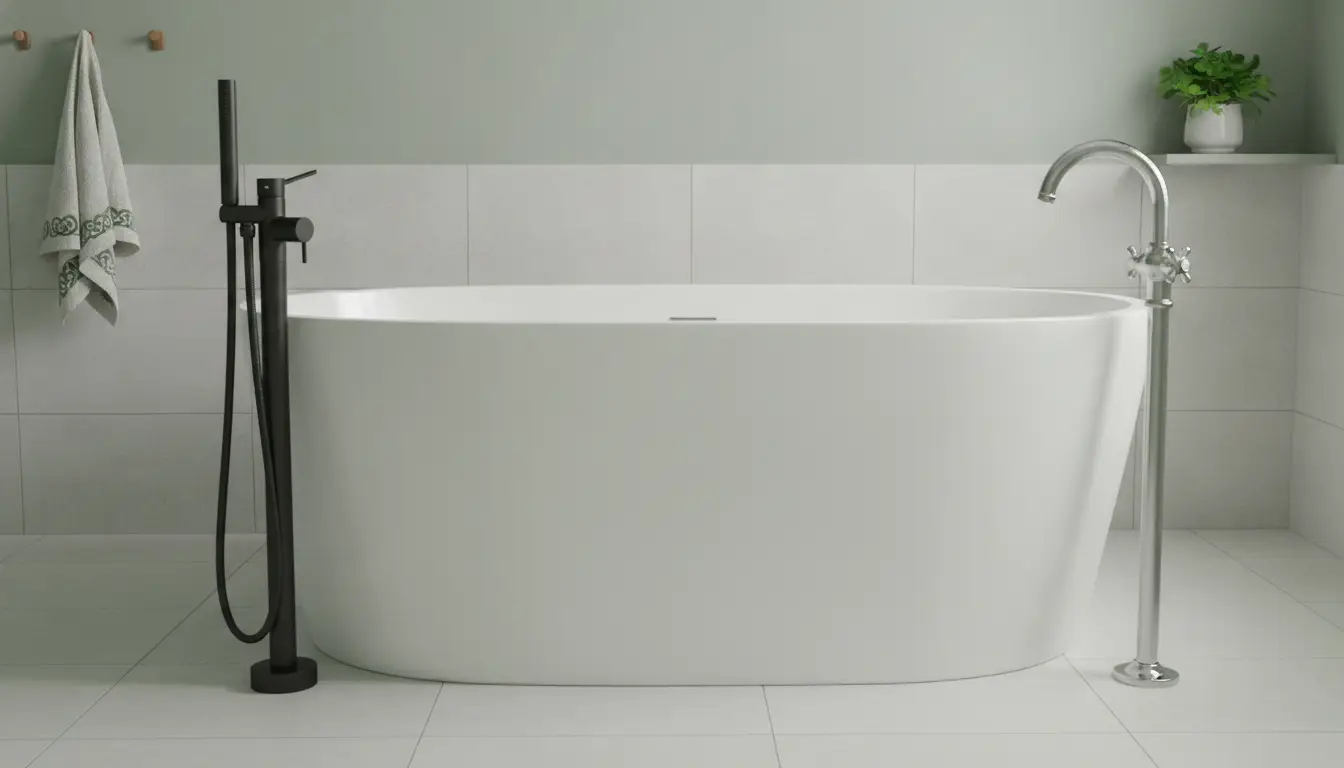
Calmer bathroom layouts are becoming a major focus in modern home updates. Larger showers with easier movement, layered lighting instead of one harsh ceiling fixture, hidden storage, floating vanities, and warmer finishes help bathrooms feel quieter almost instantly. Many homeowners now work with bathroom remodeling experts to redesign bathrooms around comfort and flow rather than squeezing in decorative features that add more visual clutter. Upgrades like built-in wall niches, matte finishes, wider mirrors, and softer color palettes help create a space where mornings feel less frantic and nighttime routines feel much easier to settle into naturally.
Rest-Focused Bedrooms
Bedrooms slowly turned into extension spaces for work, entertainment, scrolling, and constant stimulation over the years. Televisions stayed on late into the night, charging cables covered nightstands, bright lighting kept rooms feeling alert, and furniture layouts often left bedrooms feeling visually busy instead of restful. A lot of people started struggling with sleep quality without realizing the room itself was contributing to the problem every single night.
Rest-focused bedroom design is pushing things in the opposite direction now. Softer lighting, calmer layouts, breathable fabrics, and reduced screen presence are becoming much more common because people want bedrooms that actually help the body slow down naturally. Upholstered headboards soften sound inside the room, blackout curtains reduce overstimulation from outdoor lighting, and layered bedding creates a more comfortable atmosphere overall. Many homeowners are even moving televisions completely out of bedrooms or hiding technology more intentionally so the space stops feeling connected to work, notifications, and nonstop digital noise before sleep.
Built-In Storage
Clutter creates constant low-level stress even when people stop consciously noticing it. Piles of shoes near entryways, overflowing shelves, packed countertops, tangled cords, and random storage bins scattered throughout the house slowly make rooms feel mentally crowded. A lot of homeowners spent years trying to organize clutter without realizing the actual problem was that the house simply lacked enough practical storage built around real daily routines.
Built-in storage helps remove that visual pressure in a much cleaner way because everything finally has somewhere intentional to go. Window benches with hidden compartments, floor-to-ceiling shelving, mudroom storage walls, under-stair cabinetry, and custom closet systems all help reduce the feeling that belongings are constantly spilling into living spaces. The biggest difference is emotional more than decorative. Rooms start feeling calmer because the eye is no longer processing clutter everywhere at once.
Simpler Furniture Layouts
Overcrowded furniture layouts quietly create tension throughout a home because movement starts feeling restricted everywhere. Huge sectionals block pathways, oversized decor fills corners unnecessarily, and rooms become packed with furniture pieces that add visual weight without improving comfort. Many homes accidentally started feeling much smaller over time because too many objects competed for space and attention at once.
Simplified furniture layouts help restore breathing room throughout the house almost immediately. Better spacing between pieces improves movement naturally while allowing rooms to feel lighter and calmer overall. Homeowners are choosing fewer furniture items with better functionality instead of filling every wall and corner automatically. Chairs get placed near natural light instead of against random walls, pathways stay open, and rooms stop feeling visually compressed.
Quiet Corners
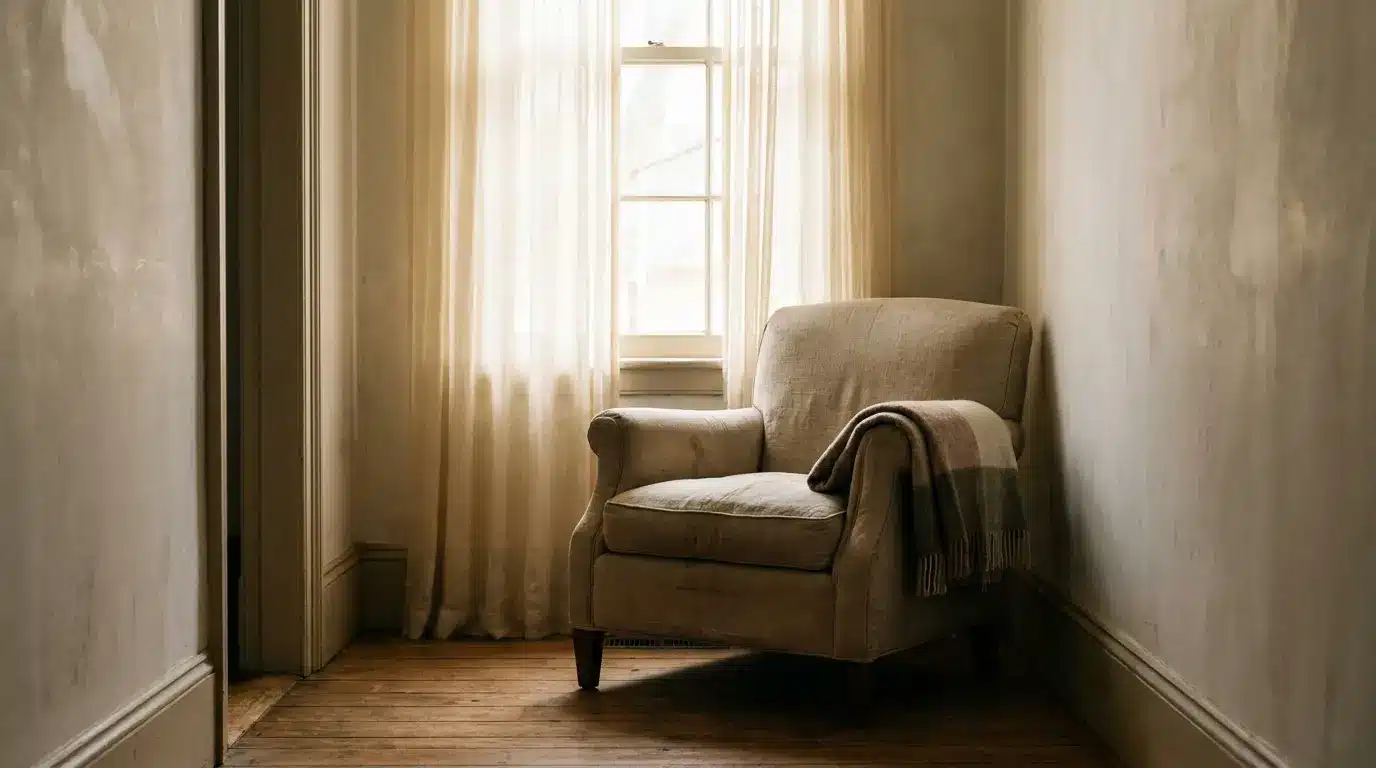
Constant noise inside a home wears people down much faster than they realize. Televisions stay running in the background, phones buzz nonstop, kitchen activity spreads through open layouts, and every room slowly starts feeling connected to stimulation all day long. Even homes that look calm visually can still feel mentally loud once there is nowhere to sit quietly without distractions constantly pulling attention somewhere else.
Quiet corners are now an important part of slower living-focused home updates. A single chair beside a shaded window, a small reading nook tucked near built-in shelving, or a soft bench placed in a quieter hallway can completely shift how a house feels daily. Homeowners are intentionally carving out small, low-stimulation spaces where people can think, journal, read, or simply sit without another screen competing for attention.
Relaxed Outdoor Areas
Outdoor spaces are becoming deeply connected to slower living habits because people want somewhere to disconnect without needing to leave home completely. A lot of patios and backyards used to focus heavily on entertaining large groups or creating dramatic visual impact, yet many homeowners rarely used those spaces during ordinary weeks. The layout often looked impressive, but never actually supported quiet everyday routines comfortably.
Relaxed outdoor updates focus much more on atmosphere now. Covered seating areas, softer landscaping, layered greenery, outdoor reading spots, and quieter patio layouts help exterior spaces feel calming instead of overly busy. Homeowners are creating outdoor environments where coffee mornings, slower weekends, and evening conversations happen naturally without the space feeling staged or overly decorative. Additions like pergolas, shaded corners, softer outdoor lighting, or gravel pathways can completely change how the backyard feels emotionally.
Spare Room Retreats
Unused rooms collect clutter in many homes because nobody ever decides what those spaces are actually supposed to become. Spare bedrooms often turn into random storage areas filled with old furniture, boxes, exercise equipment, and things people do not want visible elsewhere in the house. The room exists physically, yet it contributes nothing positive to daily routines or emotional comfort inside the home.
That is changing as slower living habits influence home design much more intentionally. Spare rooms are becoming private retreat spaces designed around quiet activities and personal downtime instead of storage overflow. Some homeowners create reading rooms with oversized chairs and softer lighting, while others turn extra rooms into journaling spaces, music corners, meditation rooms, or hobby areas completely separate from work and screens.
Home improvement projects inspired by slower living habits are changing homes into spaces that feel calmer and much easier to exist in every day. All of these choices help reduce the mental overload that many people started feeling in overstimulating homes.