There is a particular kind of grief that comes when you are about to move out of a home you have made.
Not the home you bought, in the polished real-estate sense. The home you made. The wall you painted three times to find the right white. The dresser you chalk-painted on your back deck on a Saturday. The wreath you built from foraged eucalyptus. The thousand small choices that have made the place yours.
This is a piece for the DIY crowd. The chalk-paint stainers. The seasonal stylists. The ones who rearrange the shelf for the third time on a Thursday because something is not quite right yet. If you are about to move, or thinking about it, or helping someone close to you move, this is for you.
Start with the honest declutter
Every move begins with a declutter, and a move declutter is harder than a quiet-Saturday one. Every box has a cost. Every item has to earn its passage. The honest question is no longer “do I love this” but “do I love this enough to box it, drive it across the country, unpack it, and find a place for it on the other side.”
The categories that need the hardest editing are the ones we do not normally edit at all. Vases. We all have too many. Picture frames you have not hung in the current house. Half-used paint tins that will be hardened blocks by the time you find a wall to use them on. Dried florals from a season you have outgrown. Linens you no longer love. The first joyful thing about moving is that you arrive at the new place lighter. Engineer that lightness on purpose.
Pack the DIY-loved pieces like the treasures they are
The pieces you have made or made-yours need different treatment to the pieces you bought from a store.
Painted furniture comes first. Anything you have chalk-painted, milk-painted, limewashed, or finished with wax needs a three-layer wrap. Plain newsprint or unprinted paper against the surface first. Then a layer of bubble or foam wrap. Then a soft moving blanket. Skip the inner layer and you will arrive to fingerprint marks rubbed into the wax finish.
Framed art and DIY canvases need corner protectors and acid-free interleaving paper. Bubble wrap directly on a canvas leaves indentations on the surface. Soft paper first, then bubble.
Wreaths are awkward. Lay each one flat in a wardrobe carton with a pillow of crumpled paper underneath. Do not stack them. Plants do not enjoy being boxed for more than a day or two. Water them lightly two days before, transport upright in open cartons, and let them recover for a week before judging them. Do not throw them out if they look sad on day three. They are processing.
When to pack yourself, and when to call in help

Across town, with time and patience, packing yourself is fine. You will know which item is precious. You will pack the wreaths properly.
For longer moves, or for a hand-made home you cannot bear to see dropped, hiring movers who actually understand what they are moving is worth the cost difference. A removalist team that has done this for a decade has packed more chalk-painted dressers than you will ever own.
When my sister moved her DIY-laden home from Sydney up to Brisbane last year, she went through three quotes before she chose one. The cheapest came in confident and breezy. The middle one asked too few questions. The third walked her through every painted piece and asked which corner of which dresser she had nicked the year before. That was the team she hired. The kind of removalists Brisbane who specialise in long-haul interstate moves understand that a chalk-painted side table is not the same animal as a flat-pack bookshelf.
The climate question nobody warns you about
This is the section nobody warns you about, and it matters most for any meaningful move. The climate of the home you are leaving has shaped every soft material in it. When you move from one climate to another, every one of those materials has to relearn its environment. Cool-and-dry to warm-and-humid is the most dramatic transition. Wood swells. Veneers lift. Paint can soften before it re-cures.
A friend who moved from Melbourne to far north Queensland kept a journal of what happened to her decor in the first six weeks. The wreath dropped petals. Cane chairs warped subtly. The chalkboard mirror she had spent a weekend painting bloomed with mildew along the bottom edge. None of these were tragedies. All of them were instructive.
For anyone planning a move into the tropical north of Australia specifically, the removalists Cairns crews who handle long-haul moves into the region build the wet-season calendar into their advice from the first conversation, not as an afterthought.
Restyle the new home: the joyful restart
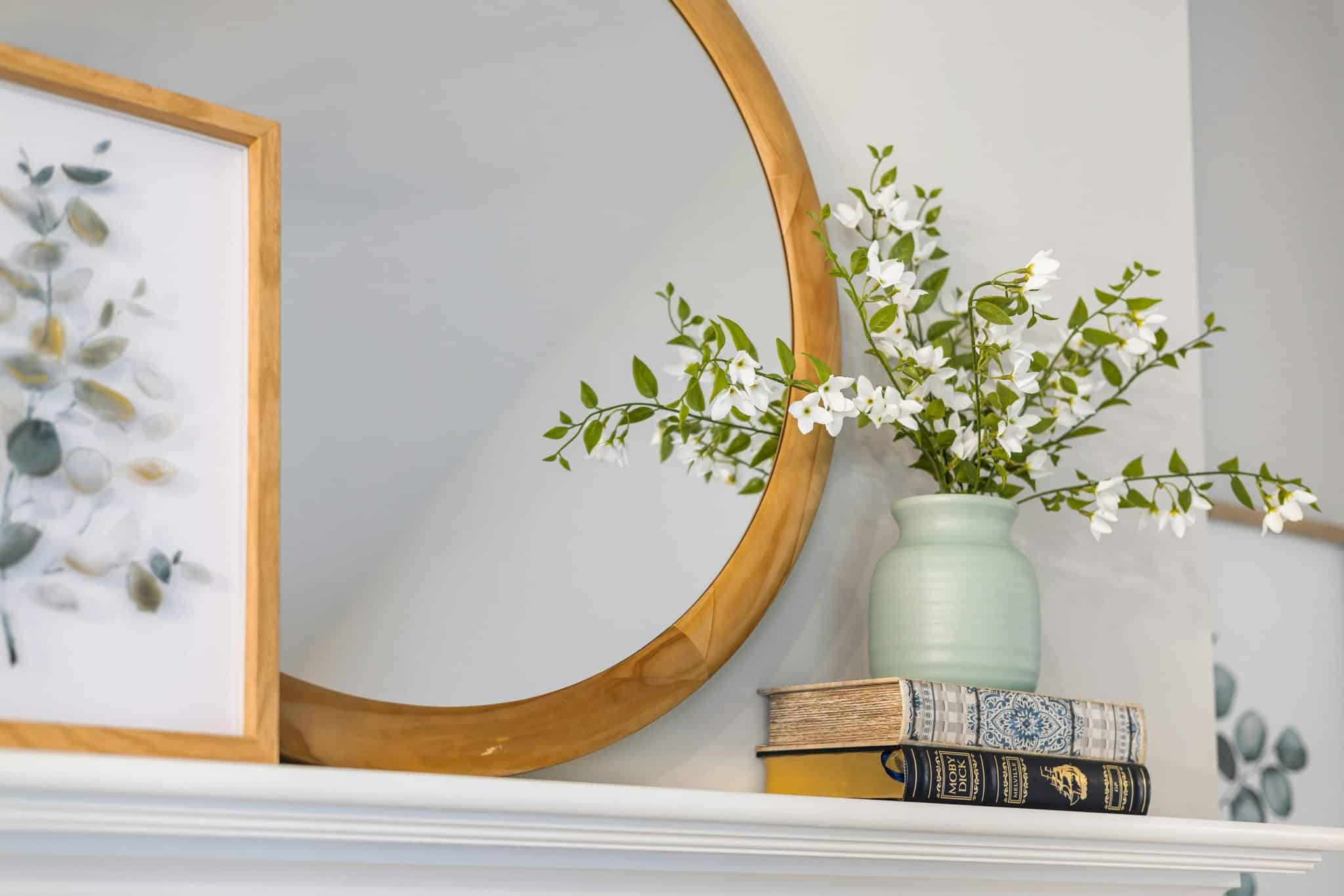
A new house is the rarest creative gift you will ever receive. The temptation is to recreate the old house in the new one. Resist that. The old house earned its decisions. The new one deserves its own.
Leave space for the first three months. Do not over-style. Live in the rooms as they are. Notice where the light falls in the morning. The home will tell you what it wants if you let it. Do one room at a time, starting with the room that grounds you, usually the kitchen or the lounge.
Plan one small DIY win in the first ninety days. A new wreath. A side table painted the colour you have been wanting to use. A finished project is the punctuation mark that says “this is mine now.”
And then, paint the door
Moving the home you made is harder than moving a house full of furniture. The investment is bigger. The grief is more specific. But it is one of the rare moments where you get to choose, on purpose, how you want your daily life to look. By design, not by accumulation.
Pack with care. Protect what is precious. Hire help that understands what is in the boxes. Restyle slowly. And then, when the time is right, paint the door.
Image 3 — The joyful restart
A bright, freshly styled corner of a new home. Fresh florals, a wreath on a newly-painted door, sunlight through a window. Lands the closing message of beginning again.
Pexels: “styled shelf flowers”, “wreath front door”. Unsplash: “home styling”, “new home decor”.