The dream of a perfect backyard often remains just a dream because of the fear of wasting money or creating a construction nightmare. For many, a yard stays as a simple patch of grass for years because the leap from imagination to reality feels too risky. However, utilizing the landscape design program GardenBox 3D and other tools can change the entire process. By building a yard digitally first, it is possible to walk through the space, adjust colors, and identify potential disasters before a single cent is spent on materials. Here are 5 common mistakes that a 3D model can help prevent.
1. The Furniture Trap
Large outdoor furniture often looks stunning in a spacious showroom. A massive sectional with thick cushions and a matching coffee table can seem like a dream addition. Without a 3D model, it is easy to assume such pieces will fit on an existing patio.
In a digital design, placing a true-to-scale sofa onto the model often reveals a shocking reality: the furniture may consume the entire space. A 3D view can show if there is no room left for a grill or if the walking paths to the stairs are blocked. Once you see this “truth” on the screen, you can switch to more suitable options, such as a four-chair set and a small fire pit. This adjustment saves thousands of dollars and prevents a patio from feeling cramped and unusable.
2. The Great Shadow Mystery
Planning a pool requires more than just finding an open corner of the yard. While a spot might look private and perfect on a flat paper sketch, it may not account for the movement of the sun.
3D programs often include a sun tool that simulates light patterns based on the time of day and the month of the year. This feature can reveal if a neighbor’s tall tree or the house itself casts a shadow over the pool area during peak swimming hours. Instead of digging a hole in a spot that becomes cold and dark by mid-afternoon, the design can be adjusted to a location that remains sunny until evening. This ensures the water stays warm and the area remains bright all summer.
3. Paths That Lack Function
Movement through a yard should be intuitive. While curved stone paths often look “fancy” on a 2D drawing, they can be impractical in reality. By using a 3D “walkthrough” mode at eye level, it becomes clear if a path is too narrow for two people to walk together or if a curve is too sharp for natural movement.
If a path is awkward, people will eventually abandon it and walk across the grass instead. Correcting the width and softening the curves in a digital model takes only a few clicks. This prevents the back-breaking labor of laying heavy stones only to realize they need to be torn up and moved later.
4. The Giant Plant Surprise
Plants are deceptive because they are usually purchased while small and contained in plastic pots. It is a common mistake to plant shrubs too close together in an attempt to create an instant privacy wall.
A 3D program’s “growth slider” is an essential tool for long-term planning. By moving the slider forward five years, a designer can see if those small shrubs will overwhelm the fence, block flower beds, or grow into the neighbor’s yard later. Visualizing the future size of plants leads to better spacing and fewer plants purchased. This results in less money spent at the nursery and significantly less pruning work in the years to come.
5. Material and Color Clashes
Choosing materials like dark grey slate might seem modern and trendy, but it can easily clash with the existing architecture of a home. If a house features red brick and tan trim, cold grey stone can create a gloomy, uninviting atmosphere that resembles a parking lot rather than a resort.
A 3D model allows for the instant application of different textures. Testing tan pavers, brown wood, or light blue stone against the digital version of the house helps identify the perfect match. Since stone and pavers are permanent and expensive, failing safely on a screen is much better than making a permanent aesthetic mistake on the ground.
Why 3D Design is Essential
3D design is not just for professionals; it is a user-friendly way to experiment with shapes and colors without any financial risk. Using these tools builds confidence and provides a precise plan for contractors. When a builder can see a 3D rendering of the heights, stairs, and layouts, it eliminates guesswork and prevents arguments.
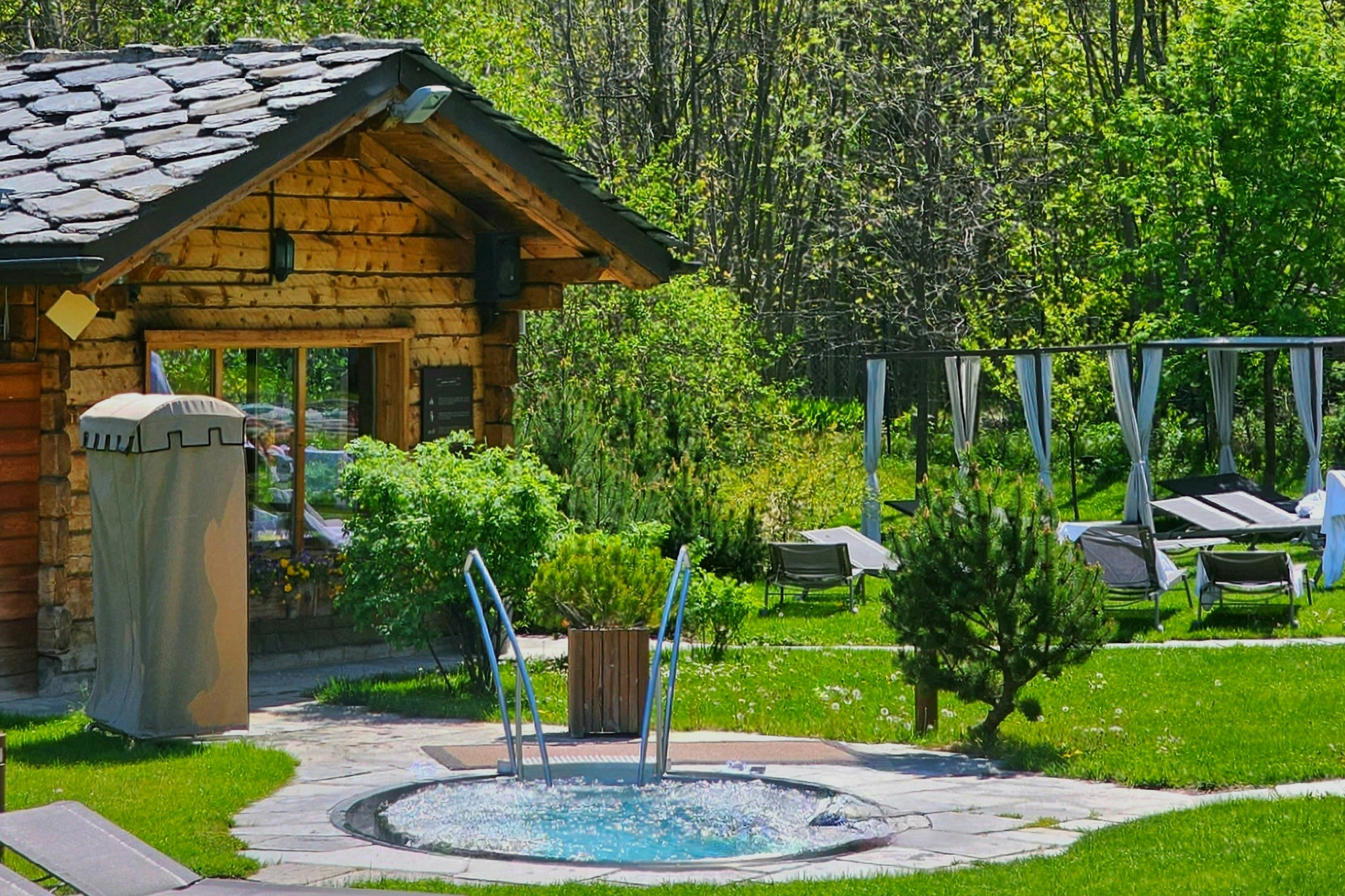
Backyard projects are significant investments of both time and money. Making a mistake often means paying twice – once to build it and once to fix it. Starting with a digital plan rather than a shovel ensures that the sun hits the patio just right, plants have room to breathe, and colors harmonize. To achieve a dream yard, one must be able to see it first.