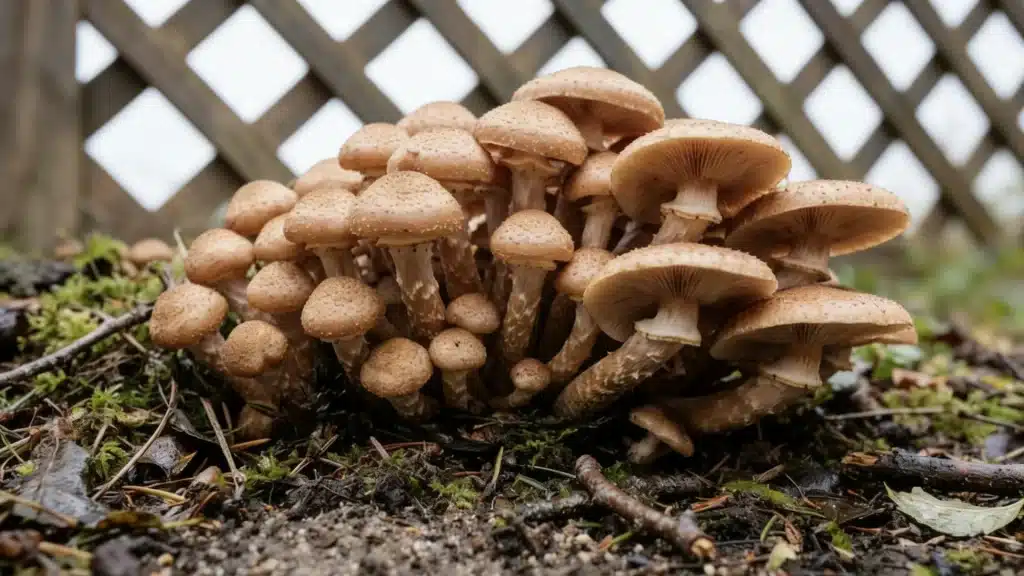
Did you know mushrooms can grow in your house? It doesn’t take a farm or special skills; it only takes a small space and a little patience.
You could be harvesting fresh mushrooms in just a few weeks.
Keep reading, and we’ll show you how to grow mushrooms.
Life Cycle of a Mushroom
The life cycle of a mushroom starts as a tiny spore.
It starts as spores like seeds, but much, much smaller.
When a spore lands in the right spot, it grows thin, thread-like roots called mycelium. These threads spread out and pull in nutrients from the soil or wood around them.
Once the mycelium is strong enough, it forms a small knot. That knot grows into the mushroom you actually see.
After the mushroom matures, it releases new spores into the air. And the whole cycle starts again.
It’s a simple process, but timing and conditions matter a lot.
A single mushroom can release up to 30,000 spores per second during its peak release period.
Ideal Conditions to Grow Mushrooms
The first step is to create the right conditions for healthy mushroom growth.
Because mushrooms are sensitive, even small changes in their environment can slow growth or ruin a batch.
- Humidity: Keep the humidity levels between 80–95%. Mist your growing area regularly.
- Temperature: Most varieties grow best between 55–75°F (13–24°C).
Good airflow keeps mould away, so open your vents or run a fan for a few minutes each day.
You don’t need direct sunlight at all; a dimly lit room works perfectly fine.
And keep your surfaces clean and regularly wiped down, because contamination is the leading cause of crop failure.
Before Starting, Let’s Learn a Few Fungal Terms
Growing mushrooms comes with its own vocabulary that can feel confusing at first.
But don’t worry, they’re simpler than they sound and more important to know to grow mushrooms than you think.
- Inoculation: Introducing mushroom spawn into a prepared substrate to start growth.
- Substrate: The material mushrooms grow on, like straw, sawdust, or wood chips.
- Spawn: Mushroom “seeds” used to start the growing process.
- Colonization: The stage where mycelium spreads fully through the substrate.
- Fruiting: The stage when mushrooms begin to form and grow visibly.
- Flush: A single round of mushroom growth ready for harvest.
How to Grow Mushrooms Step-by-Step
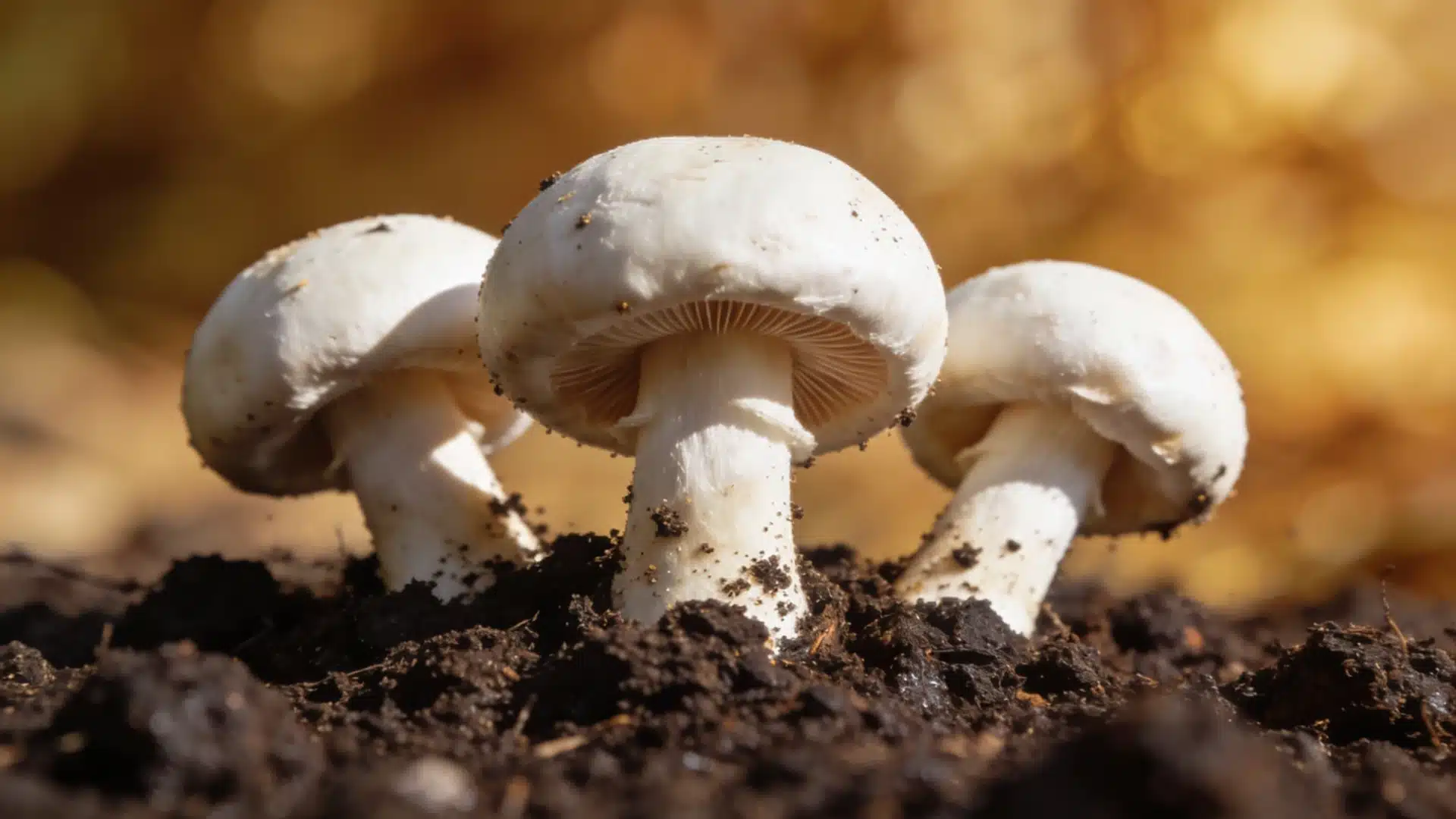
Now that your space is ready, it’s finally time to grow your mushrooms.
Step 1: Choose Your Growing Method
You have two main options to choose from: a ready-made mushroom grow kit or loose spawn with a substrate.
Kits are great for first-timers because everything comes pre-prepared.
Loose spawn gives you more control but needs a bit more effort. In the end, it’s your choice, but kits are perfect for beginners.
You can find most of these items on Amazon, at a local garden center, or at a specialty mushroom supply store online.
Step 2: Prepare the Growing Medium
Your growing medium, which is also called substrate, is what feeds your mushrooms.
Common choices include straw, sawdust, or coffee grounds. Each mushroom variety prefers a different substrate, so check before you begin.
- Oyster: Straw or coffee grounds
- Shiitake: Hardwood logs or sawdust
- Lion’s Mane: Hardwood sawdust blocks
- Button: Composted manure-based mix
Always sterilize your tools and substrate before use. Dirty equipment is the leading cause of contamination and failed crops.
Step 3: Add the Mushroom Spawn
Once your substrate is ready and cooled down, it’s time to add your spawn. Mix it in evenly and thoroughly.
The spawn acts like a seed.
It spreads through the substrate and starts building the base for your mushrooms. Work quickly, as the spawn exposed to open air increases the risk of contamination.
Step 4: Maintain Moisture and Humidity
This step is all about consistency.
Mist your growing area lightly two to three times a day. Keep the surface damp and not soaking wet. Overwatering is a very common mistake.
Too much water drowns the spawn and invites mould. If you see pooling water or a sour smell, cut back on misting right away.
Step 5: Watch for Pinning and Growth
After a week or two, you’ll start seeing tiny white bumps forming. These are called pins, and they are your first mushrooms forming.
This is one of the most satisfying moments in growing mushrooms at home. Keep conditions steady during this stage.
Avoid moving your setup around because poor airflow and direct sunlight at this stage can stress the pins and stunt their growth.
Never place your growing kit near a sunny window. Direct sunlight dries out the surface too fast and can stop pins from developing properly.
Step 6: Harvest at the Right Time
And now comes the last part.
Harvest your mushrooms just before or as the caps begin to open flat. Don’t wait too long, as once the caps fully open, they drop spores, and the flavor starts to fade.
Twist and pull gently at the base to remove each mushroom cleanly.
Growing Mushrooms Indoors vs Outdoors
Well, there’s no correct answer to this because both work well. It really comes down to your space and how much time you want to spend.
But the key factors of both will make it easy for you to choose.
| Factor | Indoors | Outdoors |
|---|---|---|
| Humidity | Easier humidity control | Depends on the weather |
| Speed | Faster for beginners | Slower, more natural growth |
| Space | Great for apartments | Best for gardens |
| Maintenance | Needs regular misting | Lower maintenance overall |
| Control | Full control over conditions | Nature does most of the work |
For beginners, indoor is usually the safest option. You get more control, faster results, and you don’t need a garden to make it work.
Can You Take a Mushroom Stem from Anywhere?
Technically, yes. But it’s not recommended because it is a high-risk move.
Mushrooms absorb toxins from their surroundings, so stems found near busy roads or treated lawns are often unsafe to use.
Many toxic mushroom species also look very similar to edible ones.
And misidentifying them can be dangerous. Wild stems often carry bacteria that can take over your growing setup.
For safety, always source stems from clean, sustainable areas or use a proper cultivation kit.
Mushroom Varieties You Can Grow
Just because you’re a beginner doesn’t mean you have to settle for growing the basic mushroom.
With a little more attention to some things, you can try the varieties with ease.
1. Oyster Mushrooms
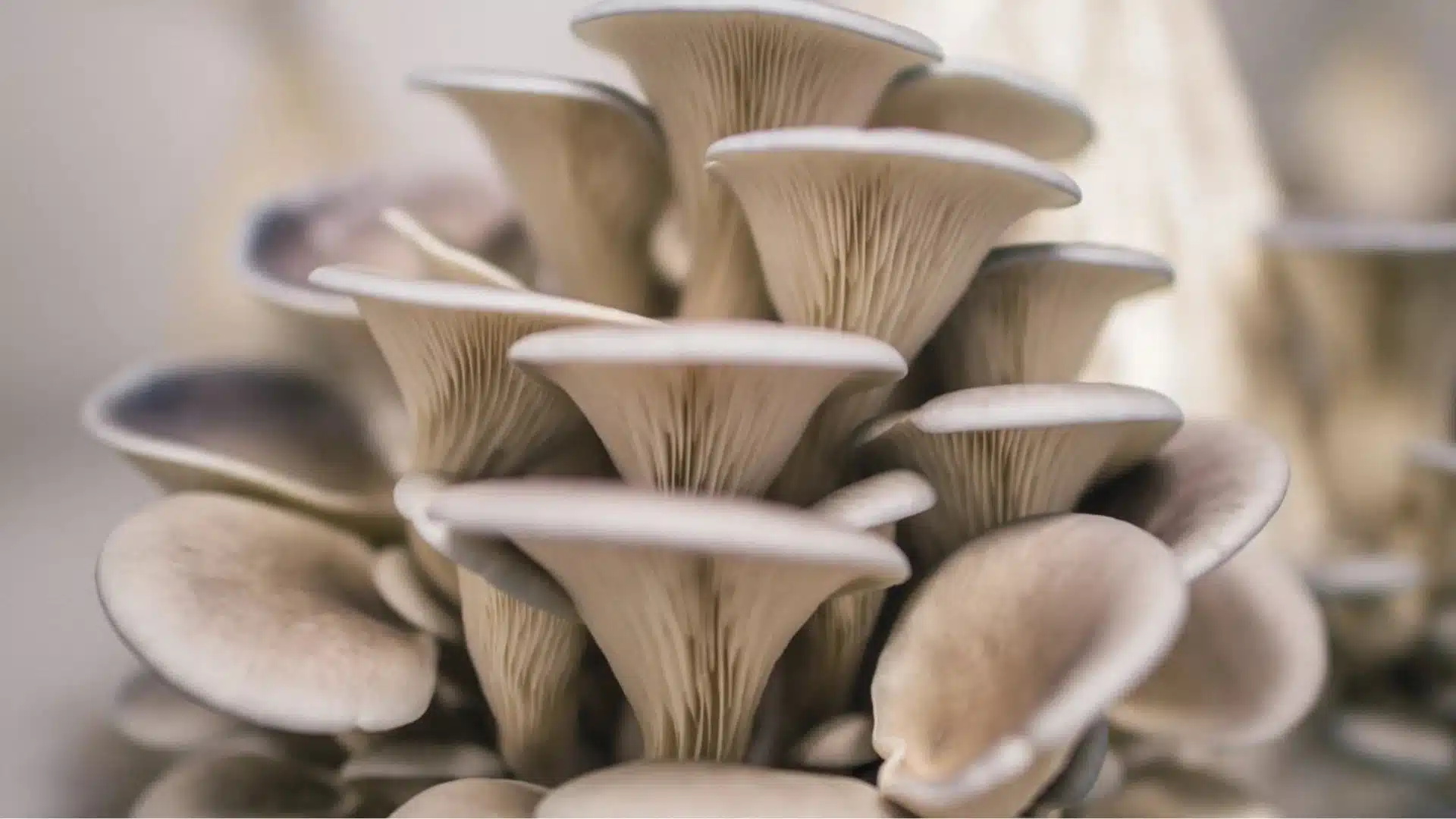
Oyster mushrooms are the best place to start for beginners.
They grow quickly, forgive small mistakes, and thrive on simple substrates such as straw or coffee grounds.
But remember that they need good airflow more than most varieties. Without it, the caps turn small, and the stems grow long and thin.
2. Shiitake
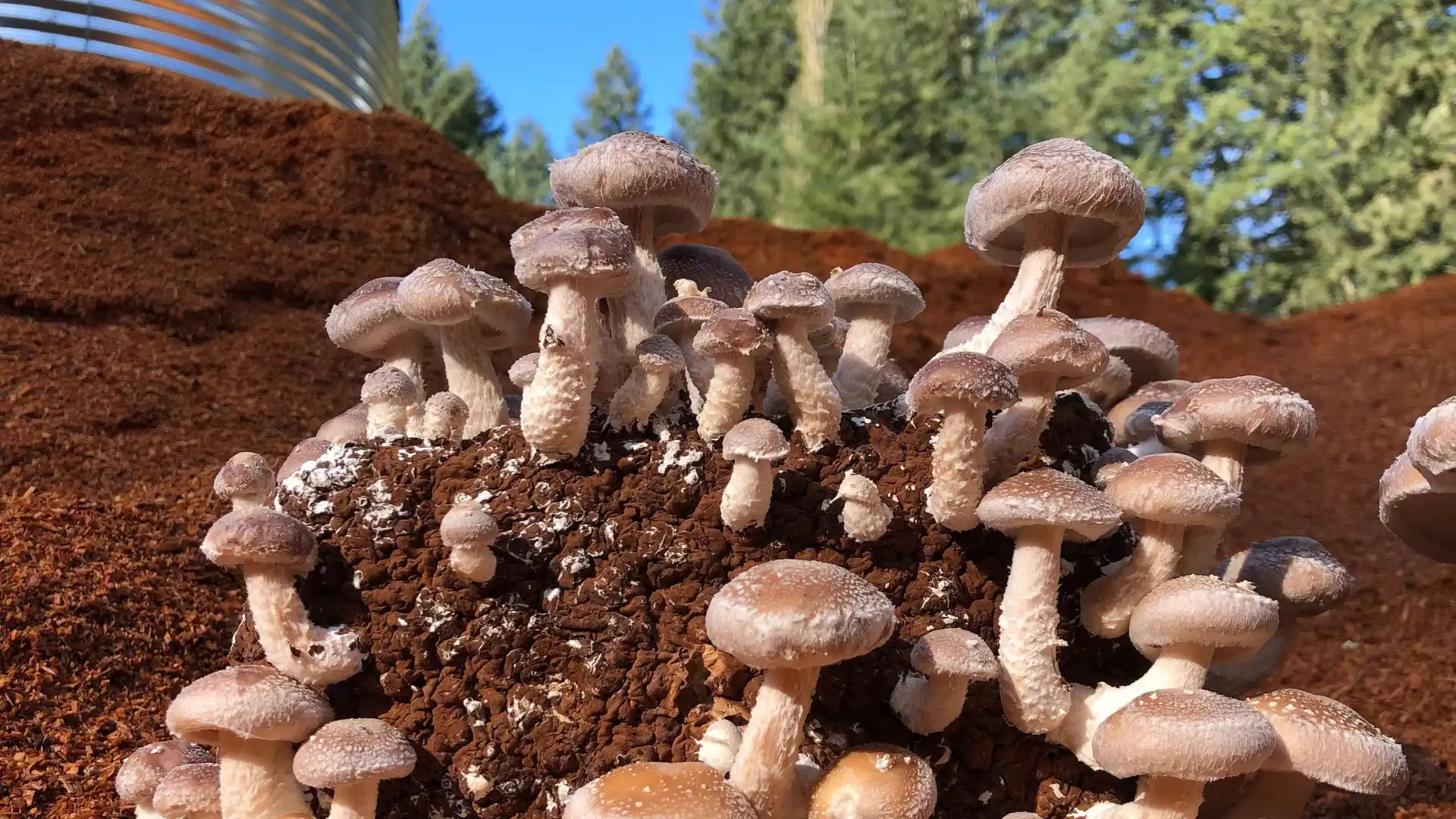
Shiitake mushrooms take a bit more patience than oysters. They grow on hardwood logs or sawdust blocks and need a longer colonization period.
Don’t rush this stage.
Follow the usual steps, keeping humidity steady, and give them a cold-water soak to trigger fruiting when the time comes.
3. Lion’s Mane
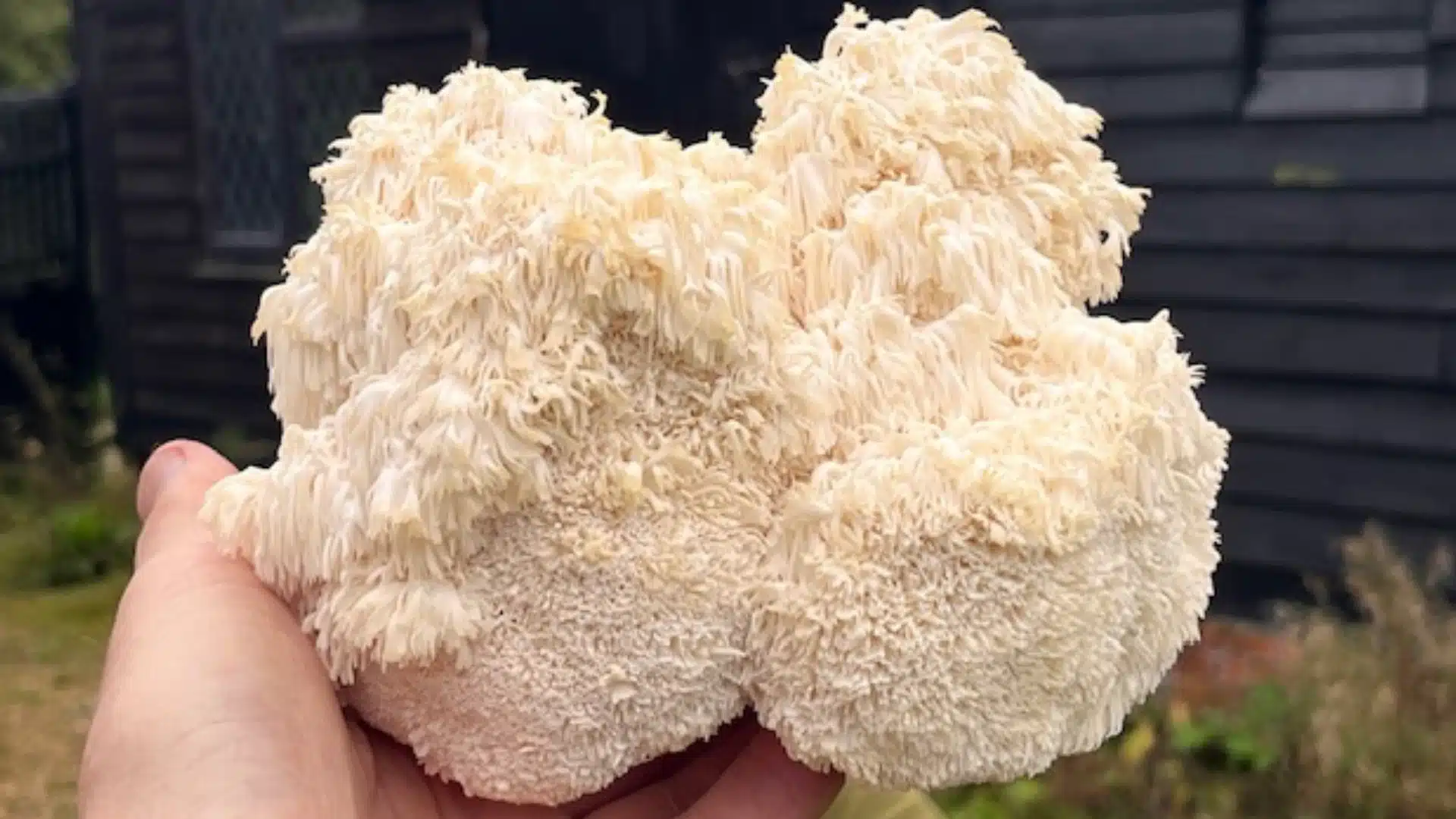
Lion’s Mane is the unusual kind, white, fluffy, and round like a pompom.
It grows best on hardwood sawdust and prefers slightly cooler temperatures. This variety is sensitive to CO2 buildup, so fresh air exchange is very important.
These can be a little complicated to grow, so try it after you’ve had at least one successful harvest and completely understand how to grow mushrooms then you can try this.
4. Button Mushrooms
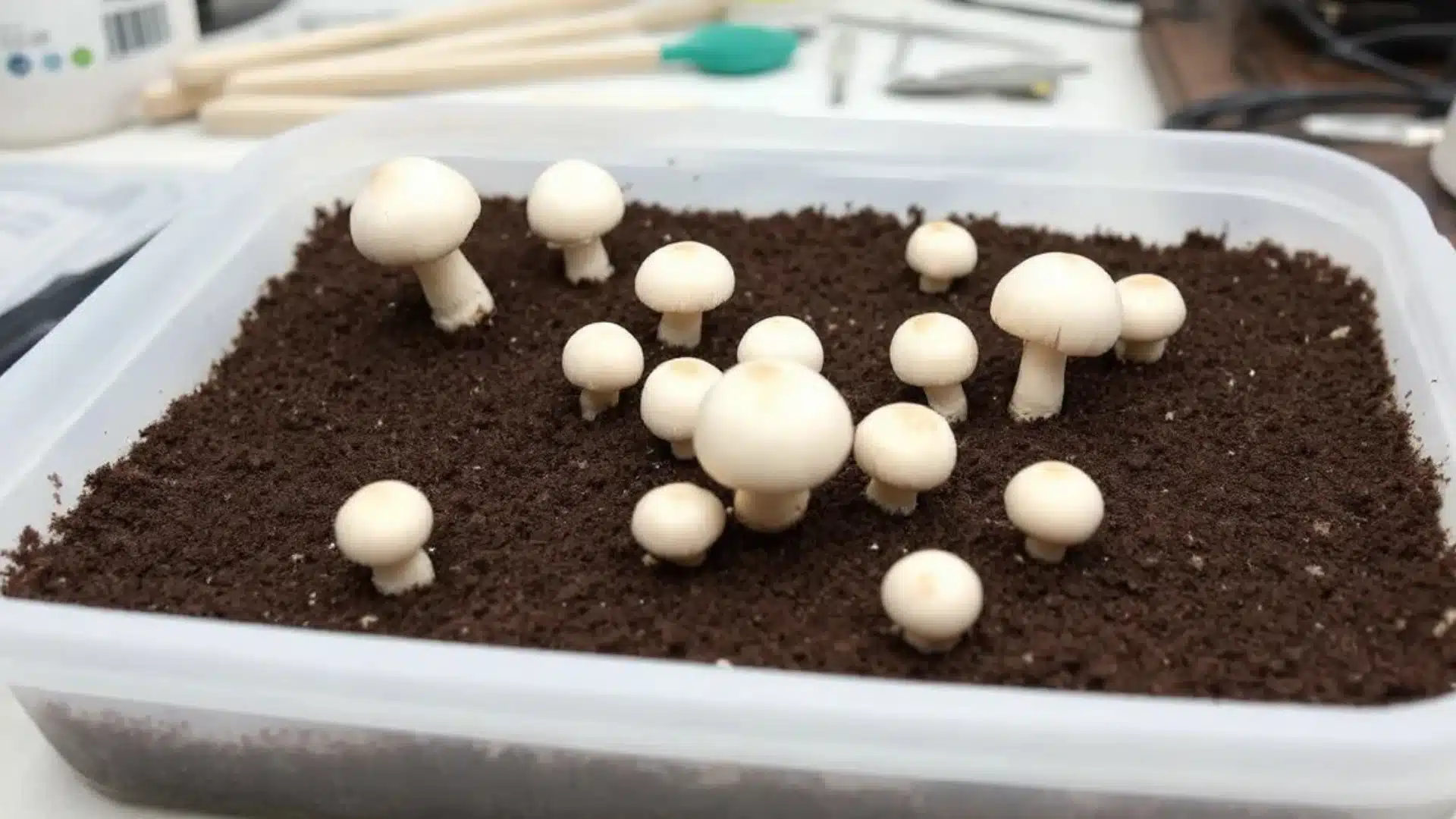
Button mushrooms are the ones you see most in grocery stores. They grow on composted manure-based substrate, which makes preparation a bit more involved.
They also prefer cooler growing temperatures, around 55–65°F (13–18°C).
Keep their casing layer moist and consistent. Once you get the setup right, they produce very reliable and heavy flushes.
Final Thoughts
Learning how to grow mushrooms is one of the most rewarding things you can do at home.
And it doesn’t even demand much from you, just the right setup, a little patience, and the steps followed carefully.
Always start simple. Pick an easy variety like oyster mushrooms, make sure your conditions are right, and don’t be discouraged if your first flush isn’t perfect.
Every grower learns on the go. And you won’t be any different.
Frequently Asked Questions (FAQs)
1. Is it Illegal to Grow Mushrooms for Personal Use?
Growing edible mushrooms is completely legal. However, growing psychedelic mushrooms is illegal in most countries. Always check your local laws before you start.
2. Can Mushrooms Help Lower Triglycerides?
Yes! Some mushrooms, like shiitake, contain compounds that may help lower triglyceride levels naturally when eaten regularly.
3. What is the Most Expensive Mushroom?
European white truffle is the world’s most expensive mushroom, often selling for thousands of dollars per kilogram.