Every DIY renovation starts with the same quiet calculation. The owner walks the house, totals up materials, and pictures the finish. The math feels honest at the start, but a fixer-upper has a way of revealing surprises only after the demo begins. Floors hide subfloor problems, and budgets hide schedule problems.
The harder question is when to stop. Some homes reward the sweat equity. Others quietly tip past the break-even line and start eating the homeowner alive. A useful reframing comes from cash buyers like Cameron Love Stryk Cam REI, whose Fort Worth team sees properties at every stage of the renovation. The pattern they describe is consistent: most DIY projects fail at the moment the owner refuses to accept the math has changed.
How Do DIY Renovators Recognize the Point of Diminishing Returns?
The point of diminishing returns rarely announces itself. It creeps in through three signals.
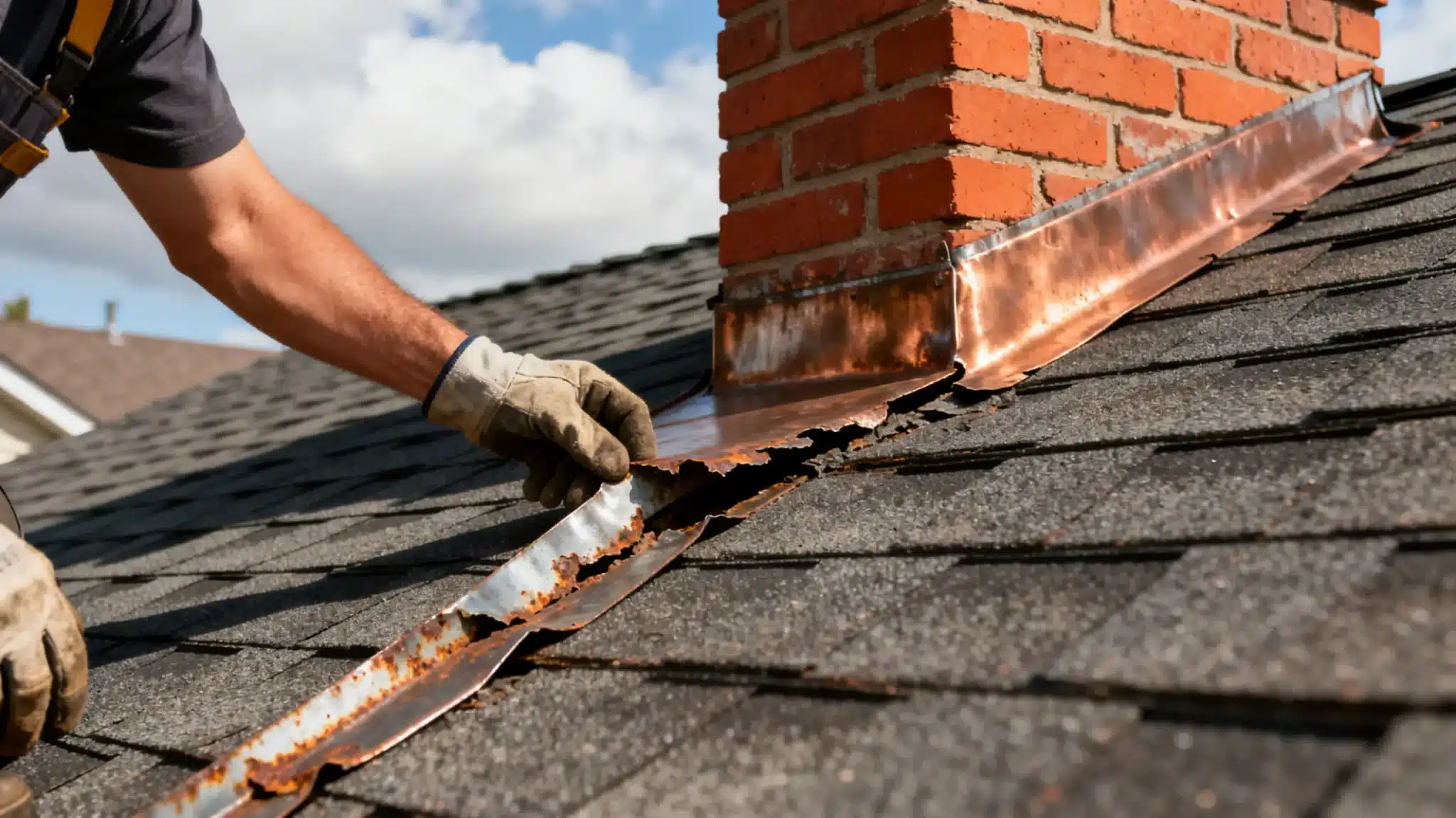
The first is the discovery surprise. A weekend project that uncovers rot, asbestos, knob-and-tube wiring, or a failing main line moves the budget by 30 percent or more in a single afternoon. One discovery can be absorbed. Three become a different project entirely.
The second is the timeline drift. A renovation that was supposed to take three months and is heading into month nine is no longer a renovation. It is a second job with worse hours and no paycheck. Holding costs (mortgage, insurance, taxes, utilities) keep running the whole time.
The third is the resale ceiling. Some neighborhoods reward a stunning renovation. Others cap out at the median price regardless of what the owner spent. Knowing the local ceiling before committing to high-end finishes is the difference between a profitable flip and an expensive hobby.
What Costs Get Hidden in a “Quick” DIY Flip?
A clean cost list helps the renovator stay honest about what the project actually costs.
- Materials at retail. DIY budgets often use trade pricing the homeowner cannot actually access. Real retail adds 20 to 40 percent.
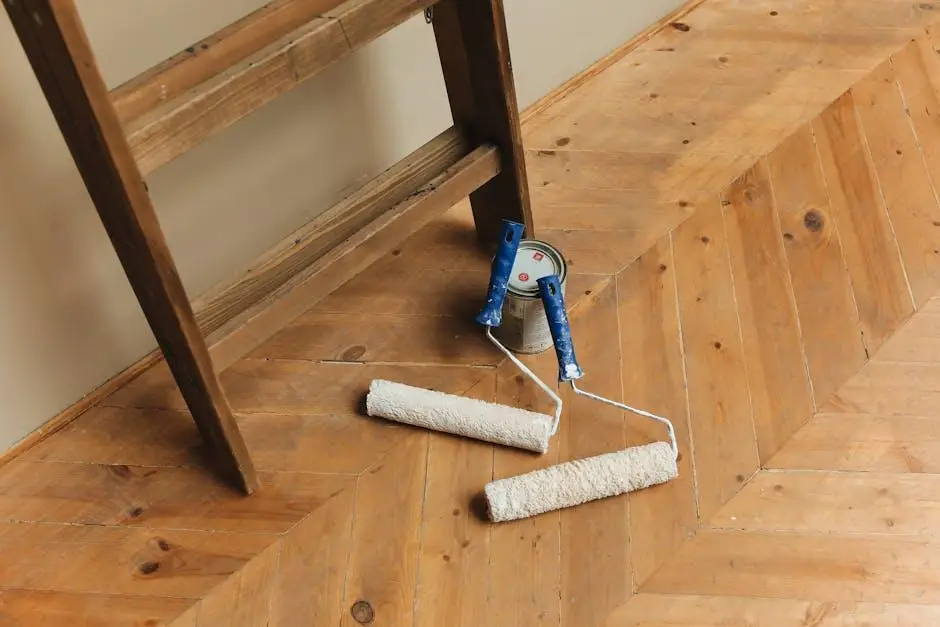
- Tool acquisition. A miter saw, tile saw, drywall lift, and paint sprayer add up fast. Rental is cheaper if the project is short, but most DIY timelines stretch.
- Permits and inspections. Electrical, plumbing, and structural work pulled without permits creates resale problems later. Permit fees and the corrected work that follows belong in the budget upfront.
- Holding costs. Mortgage, insurance, utilities, and property tax through a 6-month renovation can total $8,000 to $15,000 in many markets.
- Opportunity cost. Every weekend on the renovation is a weekend not earning at the day job or spent with family.
- The contingency you skipped. Pros build in 15 to 20 percent contingency. DIY budgets typically build in 0.
When Does Selling As-Is Make More Sense Than Finishing the Project?
Selling as-is becomes the cleaner option when the renovator is paying for the project twice: once in cash and once in life. The trigger points are usually some combination of the following, and they apply even after smaller upgrades have been completed.

The first is a major structural discovery the owner cannot complete safely or affordably. Foundation, roof, and main sewer issues are the classic three.
The second is a life change that ends the renovation timeline. A job relocation, a new baby, a separation, an inheritance with carrying costs, or a health event can move the math from “weekend project” to “burden” overnight.
The third is the realization that the finished house will not appraise for what the project costs. The Consumer Financial Protection Bureau’s home-buying resource hub helps owners understand the gap between renovation cost and market appraisal.
How Should DIY Homeowners Compare Their Buyer Options?
Three exit paths typically present themselves at the decision point. The table below sets out how they compare on the metrics that actually matter to a stalled-project homeowner.
| Exit path | Time to close | Repair burden | Net to seller (typical) |
|---|---|---|---|
| Finish + list with agent | 3 to 12 months | Full burden on seller | Highest possible, after costs |
| List as-is with agent | 2 to 6 months | Negotiated at inspection | Mid range |
| Sell to a cash buyer | 7 to 21 days | Buyer takes the property as-is | Lowest sticker, fewest deductions |
The cash buyer route is rarely the highest gross price, but it often nets the most after holding costs, agent commissions, repair credits, and contingency. The IRS home-sale tax guidance is the other piece worth reading before signing anything, since the net figure on closing day is the one that matters.
A Quick Reality Check Before the Next Demo Day
- Run the local resale ceiling before committing to high-end finishes
- Track holding costs in real dollars from day one, not just material costs
- Plan a 15 to 20 percent budget contingency, the same way pros do
- Set a written “stop loss” trigger up front (cost overrun or month threshold)
- Get a cash offer in writing as a benchmark, even if listing remains the plan
The Honest Bottom Line on DIY Renovation Exits
A DIY renovation that pencils out is a satisfying win. A DIY renovation that has tipped past break-even is not a failure of skill. It is a signal to step back and pick the cleaner exit. Sometimes that means finishing the project; sometimes that means selling as-is. The discipline is in being willing to ask.
Frequently Asked Questions
Does Selling As-Is Mean Accepting a Lowball Offer?
Not necessarily. Cash buyers price the property based on after-repair value minus the renovation cost they will absorb. A homeowner who knows their local market and gets two or three competing offers usually lands a reasonable as-is figure.
How Long Does a Typical Cash Sale Take?
Most cash sales close in 7 to 21 days. The buyer skips the financing contingency, the appraisal step, and most repair negotiations. The closing timeline is driven by the title work and the seller’s chosen move-out date.
What Should I Do With Half-Finished Renovation Work Before Selling?
Leave it. Half-finished work that a buyer will redo is rarely worth completing. Document the work that was done, save receipts, and let the buyer factor the remaining scope into their offer.
Can I Get a Cash Offer Just for Comparison?
Yes. Most reputable cash buyers will give a written offer with no obligation. Using that offer as a benchmark against an agent-led listing is a legitimate way to compare the two paths before committing.