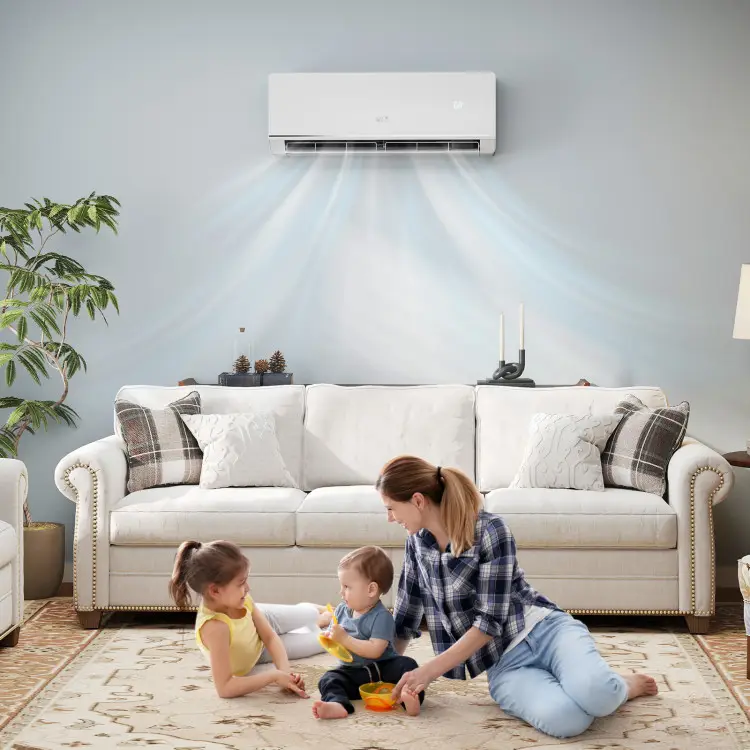
During hot summer months, the living room is often the hardest space in the home to keep consistently cool. Unlike smaller bedrooms or enclosed offices, living rooms tend to be larger, more open, and exposed to multiple heat sources throughout the day. Sunlight pours through wide windows, electronics run for hours, and family activity adds extra warmth that builds up quickly.
While traditional cooling systems often struggle to maintain stable temperatures in these conditions, a mini split air conditioner offers a more targeted and efficient solution. By delivering zoned cooling directly where it is needed and maintaining steady airflow, it helps living rooms stay cooler for longer periods without constant temperature swings or energy waste.
Why Living Rooms Heat Up Faster Than Other Spaces
Living rooms are typically the central gathering space in a home, but they are also one of the most thermally challenging areas to cool. Their size, layout, and usage patterns all contribute to faster heat buildup and slower cooling recovery compared to more enclosed rooms.
Large Open Spaces Trap More Heat
Most living rooms are designed with open layouts that connect to hallways, dining areas, or kitchens. While this creates a spacious and social environment, it also makes temperature control more difficult. Warm air naturally rises and spreads across the open space, while cool air tends to settle unevenly. Because there are fewer physical boundaries, cooling systems must work harder to stabilize the entire area. This leads to longer cooling cycles and less consistent temperature retention, especially during peak afternoon heat.
Sunlight Exposure Through Large Windows
Living rooms often feature the largest windows in the house, which are great for natural light but also a major source of heat gain. When sunlight enters through glass, it quickly raises indoor surface temperatures, especially on floors, furniture, and walls.This heat does not disappear immediately even after the sun shifts. Instead, it continues to radiate into the room, forcing air conditioning systems to constantly compensate for the ongoing heat load. As a result, maintaining a stable temperature becomes more difficult throughout the day.
Electronics and Daily Activity Add Extra Heat
Unlike private rooms, living rooms are active spaces that often include televisions, gaming consoles, sound systems, and lighting fixtures. These devices generate continuous low-level heat during operation, especially when used for extended periods.In addition, multiple people occupying the same space naturally increase ambient temperature. Body heat, combined with electronics and lighting, creates a layered heat effect that slows down cooling efficiency and makes the room feel warmer over time.
How a Mini Split AC System Keeps Living Rooms Cooler Longer
A mini split AC system improves cooling performance by addressing one of the biggest challenges in living rooms: uneven temperature distribution. Instead of cooling the entire house, it focuses directly on the space that needs it most.
Zoned Cooling Delivers Direct Temperature Control
One of the main advantages of a mini split AC system is its ability to deliver zoned cooling. This means the system targets the living room specifically rather than distributing cooled air through ducts across the entire home.By focusing cooling power on a single space, the system reduces energy loss and improves response time. The living room reaches a comfortable temperature faster and maintains it more consistently, even during peak outdoor heat conditions.
Inverter Technology Maintains Stable Temperature
Modern mini split AC systems use inverter-driven compressors that adjust their speed based on real-time temperature needs. Instead of turning on and off repeatedly like traditional systems, they operate continuously at variable output levels.This steady operation reduces temperature fluctuations, which helps maintain a more comfortable indoor environment. It also prevents energy spikes caused by frequent restarting, making the system both more efficient and more stable over long periods of use.
Continuous Air Circulation Improves Cooling Duration
Mini split systems are designed to circulate air continuously within the room, which helps eliminate hot spots and uneven cooling. This consistent airflow ensures that cool air is evenly distributed across seating areas, corners, and open spaces.As a result, the living room maintains its coolness for longer periods even after the system reduces output. The overall experience feels more balanced compared to traditional cooling methods that often create localized cold zones.
Best Placement Strategies for Maximum Cooling Efficiency
Even the most efficient mini split AC system depends on proper installation and airflow design. Placement plays a major role in how effectively cool air spreads throughout the living room.
Install the Indoor Unit for Optimal Airflow Direction
The indoor unit should be positioned in a way that allows air to flow freely across the room rather than being blocked by furniture or walls. Poor placement can reduce efficiency and create uneven cooling zones.When correctly installed, cool air can travel naturally across seating areas and open spaces, helping the entire room reach a consistent temperature more quickly and maintain it longer.
Avoid Heat Source Congestion Around Entertainment Areas
Entertainment zones such as TV walls or media centers often generate concentrated heat from multiple devices. If the cooling airflow does not reach these areas effectively, temperature imbalance can occur.Keeping these zones open and ensuring airflow reaches them helps reduce localized heat buildup. This improves overall comfort and prevents the system from overworking in specific sections of the room.
Combine with Fans for Faster Air Distribution
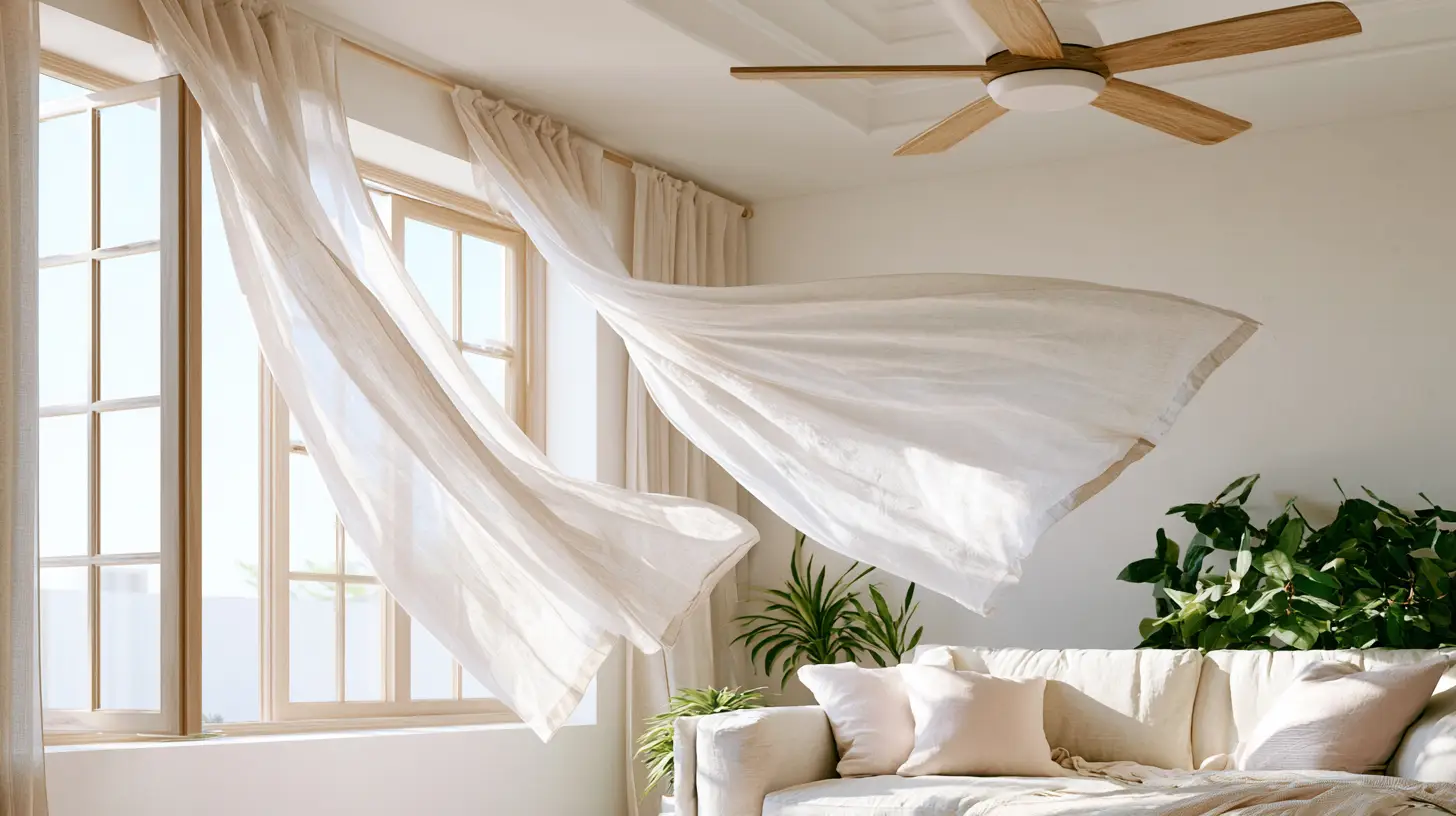
Using ceiling fans or portable fans alongside a mini split AC system can significantly improve air circulation. Fans help distribute cooled air more evenly, reducing the time needed to stabilize room temperature. This combination allows the system to operate more efficiently while maintaining comfort at lower energy levels, especially in larger or open-concept living rooms.
Energy Efficiency Benefits of Using a Mini Split AC in Living Rooms
Mini split systems are often sized based on room requirements, and a 12000 BTU air conditioner is commonly recommended for standard living rooms that experience moderate sunlight exposure and average occupancy. Proper sizing ensures the system does not overwork, which helps maintain efficiency and stable long-term performance.
Lower Energy Waste Compared to Central AC
Unlike central air systems that cool the entire home, mini split AC systems focus only on occupied spaces. This targeted approach reduces unnecessary energy consumption and prevents cooling unused rooms.For households that primarily spend time in the living room during the day, this can result in noticeably lower overall cooling costs during the summer months.
Reduced Temperature Fluctuation Means Less Power Consumption
Stable temperature control reduces the need for frequent compressor cycling. When the system maintains a consistent output level, it avoids energy spikes and improves overall efficiency. This steady operation not only lowers energy usage but also contributes to longer system lifespan and more reliable performance during extended heat waves.
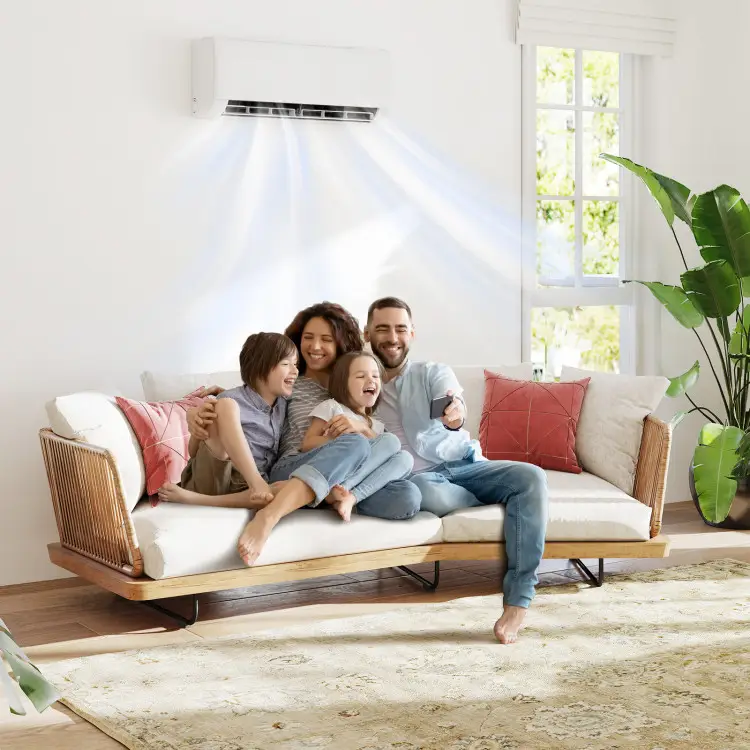
Tips to Keep Your Living Room Cooler for Longer
Cooling efficiency is not only dependent on the system itself but also on daily habits and environmental control.
Block Heat Before It Enters Through Windows
Window coverings such as blackout curtains, shades, or reflective films help reduce solar heat gain. By limiting sunlight exposure during peak hours, the room stays naturally cooler before the air conditioner even starts working harder. This simple step significantly reduces indoor heat accumulation and improves overall cooling efficiency.
Improve Airflow and Reduce Indoor Heat Build-Up
Maintaining consistent airflow helps prevent warm air from stagnating in corners or ceiling areas. Opening windows during cooler hours and using fans can help refresh indoor air naturally. Better airflow reduces strain on the cooling system and helps maintain a more stable indoor temperature.
Optimize Daily Usage Habits
Reducing unnecessary heat sources inside the living room can make a noticeable difference. Turning off unused electronics, minimizing prolonged lighting use, and spacing out high-heat activities all help reduce thermal load. These small adjustments support the cooling system and help maintain comfort with less energy consumption.
Conclusion
Living rooms stay warmer for longer periods due to their size, layout, sunlight exposure, and constant activity. Traditional cooling methods often struggle to maintain consistent comfort in these conditions.
A mini split AC system provides a more efficient solution by delivering zoned cooling, maintaining stable temperatures through inverter technology, and improving overall air distribution. When combined with smart placement and simple heat-reduction habits, it can significantly enhance comfort while reducing energy waste.
For homeowners looking to improve summer living conditions, a mini split AC system offers a practical balance of performance, efficiency, and long-term comfort—especially in large, open living spaces.