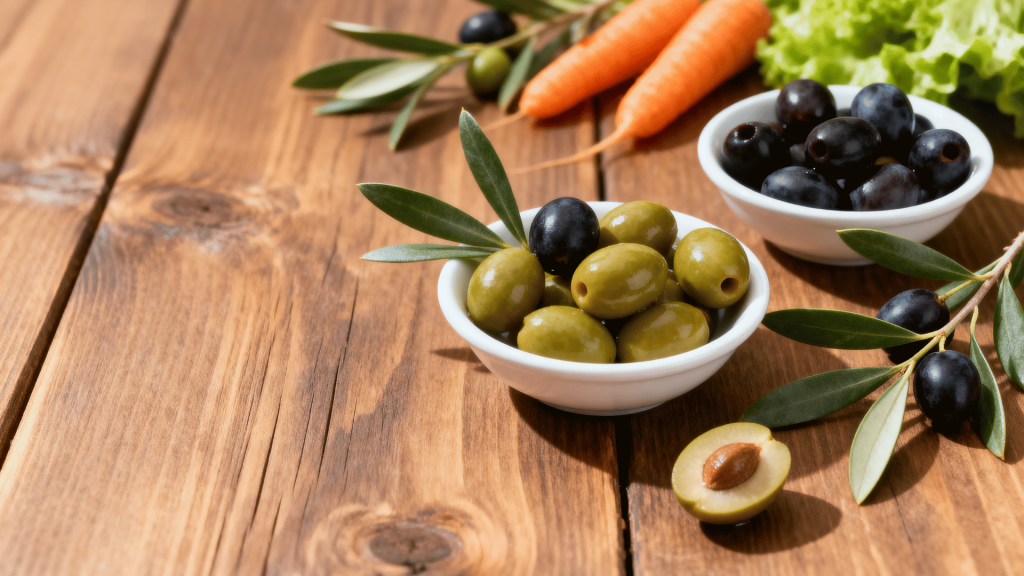
Olives show up in salads, pizzas, and charcuterie boards all the time. But almost nobody stops to ask what they really are.
Are olives a fruit? Most people would say no without thinking twice. They taste savory, they sit next to cheese and crackers, and nothing about them screams “fruit.”
But botony says otherwise, and the reason behind it is actually pretty straightforward once someone breaks it down.
This blog post covers what olives really are, why the confusion exists, and what makes them different from most things on the plate.
Are Olives a Fruit: Here Is What Science Actually Says
Many people think olives are vegetables because of their not-so-sweet taste. But scientifically, olives are actually fruits because they grow from the flower and contain a seed inside their hard pit.
In botany, a fruit is the part of a plant that grows from the flower and holds seeds.
Olives are not the only foods that confuse people. Tomatoes, cucumbers, and avocados are also fruits in botanical terms, while they are often used as vegetables in cooking.
Biological Classification of Olives
Here is the biological classification of olives from the kingdom to the species.
| Rank | Name |
|---|---|
| Kingdom | Plantae |
| Class | Magnoliopsida |
| Order | Lamiales |
| Family | Oleaceae |
| Genus | Olea |
| Species | Olea europaea |
Nutritional Benefits of Olives
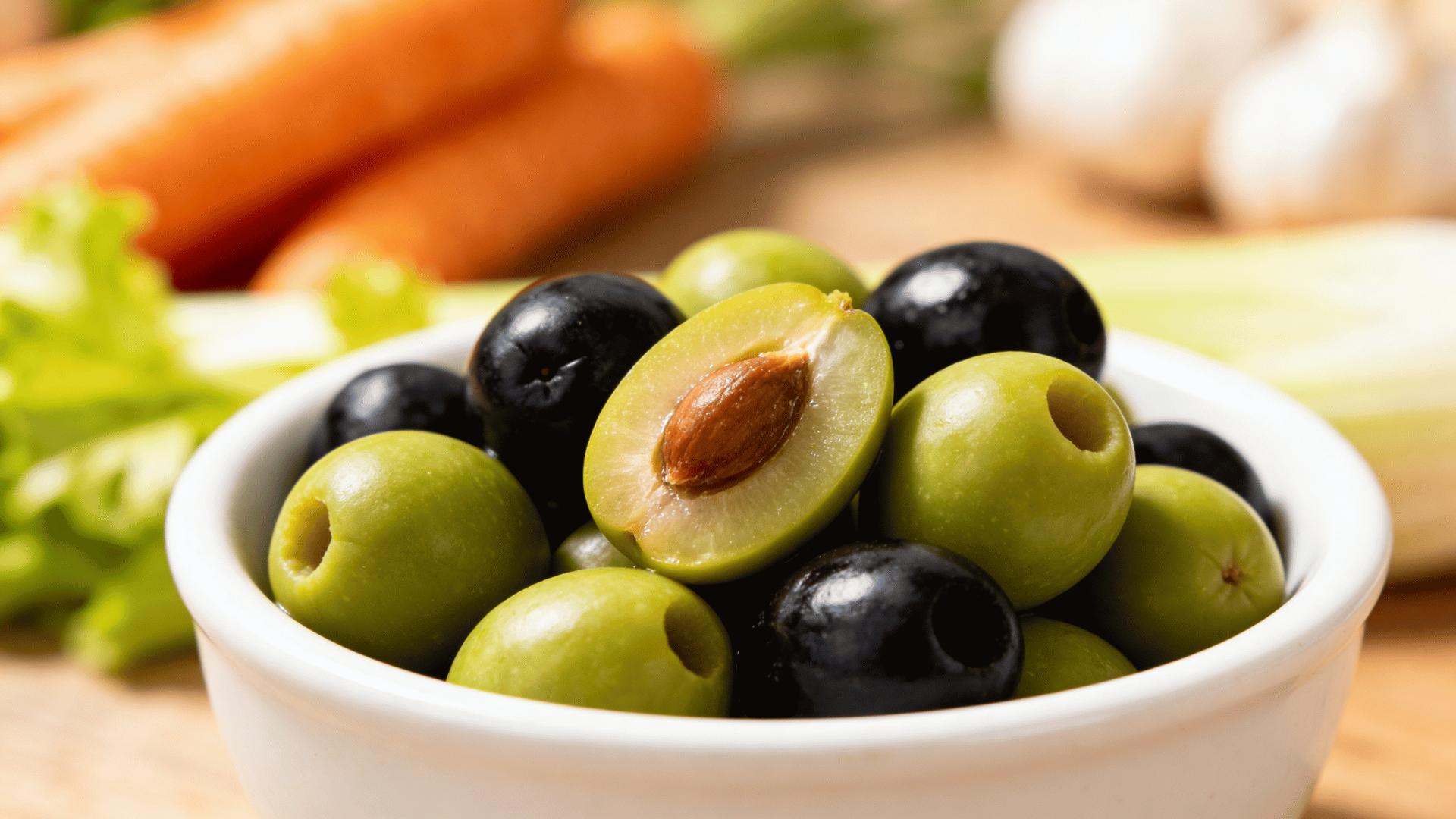
Olive fruit is more than just a tasty snack or pizza topping. They also contain many nutrients and health benefits that can support your body in different ways.
- Olives are rich in healthy fats that are good for the heart.
- They contain antioxidants that help protect the body from damage.
- Olives are a good source of vitamin E, which supports healthy skin and eyes.
- They may help reduce inflammation in the body.
- They contain small amounts of iron, copper, and calcium.
- Olives are part of the Mediterranean diet, which is linked to many health benefits.
- They are filling and can make a healthy snack option.
- Olives may support brain health by providing healthy fats.
The Many Sides of Olives
Olives are one of the few foods that can completely change their taste after being prepared.
Fresh olives picked straight from the tree are bitter and almost impossible to enjoy. That is why they are cured in salt water, oil, or brine before people eat them.
Some olives are small and strong in flavor, while others are large, buttery, and mild. Their color also changes as they ripen, going from green to deep purple or black.
Olives are also famous for their many uses; they are turned into olive oil, spreads, and even beauty products. which is one reason they have stayed popular for so many years.
Are Green and Black Olives Different?
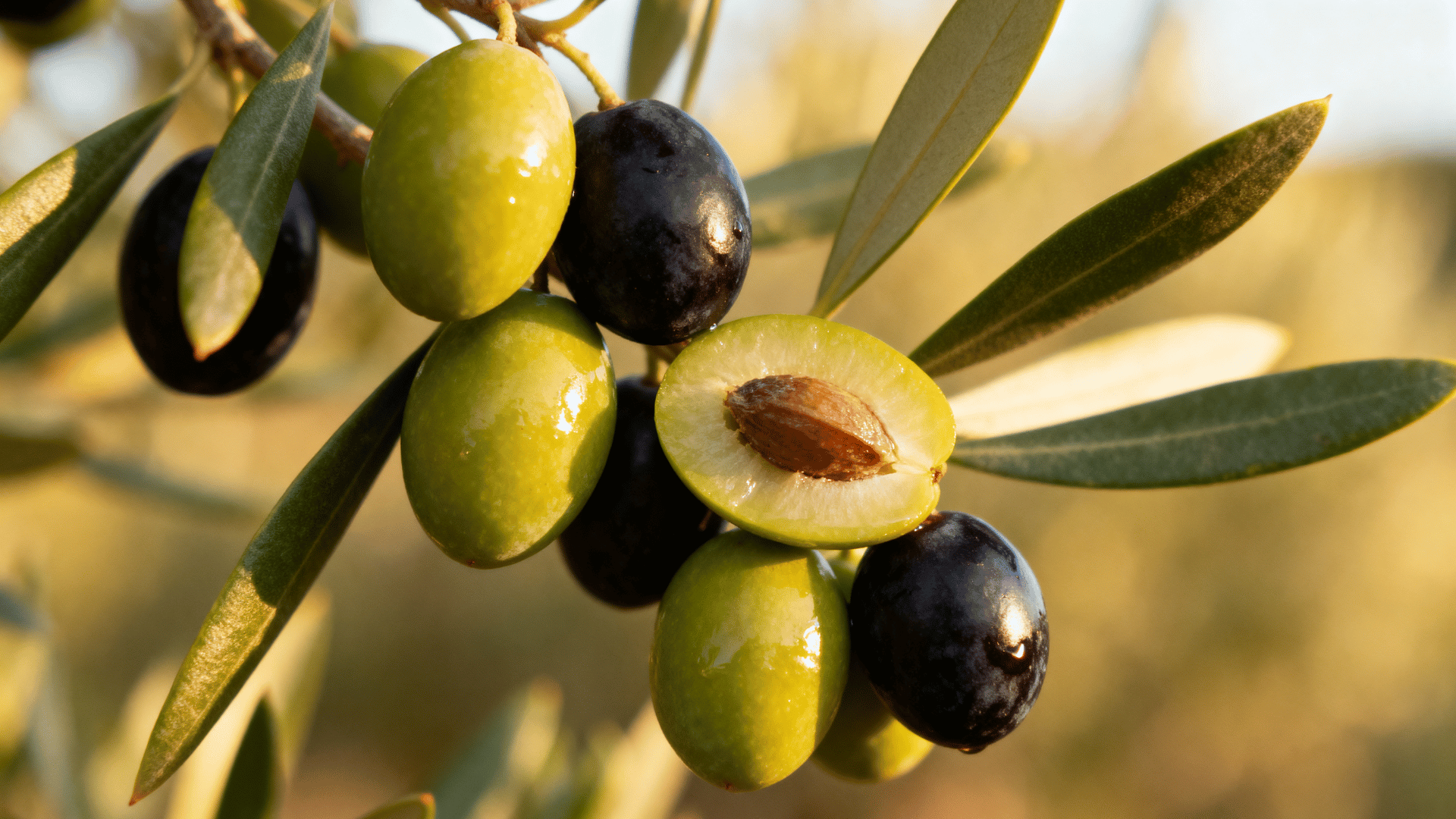
Even though green and black olives come from the same tree, they can taste, look, and feel quite different. Here are the main differences between them.
| Feature | Green Olives | Black Olives |
|---|---|---|
| Ripeness | Picked earlier before fully ripe | Picked after fully ripening |
| Actual Color | Green | Black or dark purple |
| Texture | Firmer | Softer |
| Taste | Slightly bitter and saltier | Milder and richer |
| Harvest Time | Earlier harvest | Later harvest |
| Fruit Type | Same fruit | Same fruit |
Best Olive Recipes to Try

Olives can make simple meals taste richer, saltier, and more flavorful. If you like crispy toast, juicy salad, or cheesy snacks, there are many easy olive recipes you can make at home without spending hours in the kitchen.
1. Cheesy Olive Bread
Soft bread filled with olives and melted cheese makes a perfect snack or side dish.
Add sliced olives, mozzarella cheese, garlic, and herbs into bread dough, then bake until golden brown. Serve it warm with soup, pasta, or your favorite dip.
2. Olive and Tomato Salad
This fresh salad is colorful, healthy, and easy to prepare.
Mix olives with cherry tomatoes, cucumber, onions, olive oil, and feta cheese for a light, flavorful dish. It works great as a quick lunch or side salad.
3. Garlic Butter Olive Pizza
Olives can instantly make homemade pizza taste better. Spread garlic butter over pizza dough, then add olives, mozzarella cheese, onions, and chili flakes before baking.
The salty olives pair perfectly with melted cheese and crispy crust.
4. Crispy Olive Tapenade Toast
Blend olives with garlic, olive oil, herbs, and a little lemon juice to make a rich olive spread.
Spread it over crispy toasted bread for a quick snack that tastes fresh and flavorful. You can even top it with tomatoes or cheese.
It’s a Wrap
So, are olives a fruit? Yes, they are. Even though olives are salty and often used in savory foods, they are technically fruits because they grow from the flower and have a seed inside its pit.
Now that you know the answer, why not try olives in a new way?
Add them to homemade pasta, mix them into a sandwich, or taste different olive types from around the world to see which one you like best.
You might find a whole new favorite snack or meal ingredient. You may even start noticing olives in a whole new way every time you see them on your plate.