Picking paint sounds simple. But the labels? Not so much.
I’ve seen many people buy latex paint without really knowing what’s inside the can. That confusion leads to the wrong paint for the wrong surface. The finish then chips, peels, or just doesn’t hold.
So, is latex paint water based? Yes, but there’s a lot more to it than just that.
In this post, I’ll walk you through what latex paint is, how it works, where it holds up, and where it doesn’t. By the end, you’ll know exactly when to reach for it.
Two Types of Water-Based Paint: Acrylic and Latex
Water-based paint isn’t just one thing. It actually comes in two main types: acrylic and latex.
Both use water as their base, but they work a little differently.
Have a look at what sets them apart:
- Latex paint: Made with synthetic materials. It’s great for large surfaces like walls and ceilings. Easy to apply and dries fast.
- Acrylic paint: Contains acrylic resins. That makes it more flexible and longer-lasting. It holds up better on tricky surfaces and in changing weather conditions.
Both are easy to clean up and low on fumes. But if you need something tougher, acrylic is the better pick.
Click here for a detailed breakdown.
Is Latex Paint Water Based?
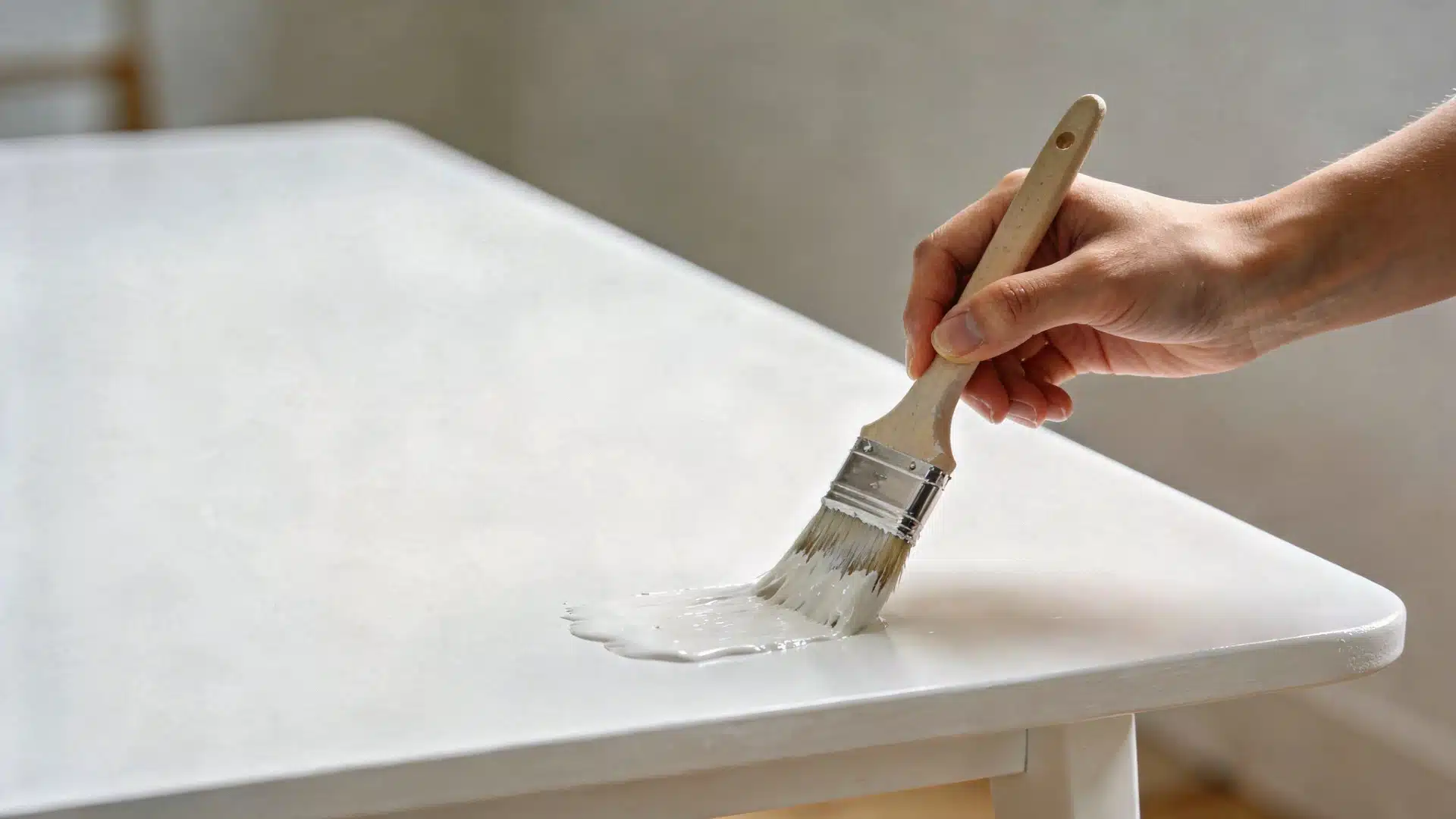
Yes, latex paint is water-based.
Water is the main liquid that holds everything together in the can. The pigment, binders, and additives all mix into that water base.
When you apply it, the water evaporates and leaves a solid coat of color on the surface.
This is also why latex paint is so easy to clean up.
Spill some on your brush or hands? Warm water and soap sort it out quickly. No harsh chemicals needed.
That’s one of the biggest reasons so many people reach for latex paint on their projects.
Characteristics of Latex Paint
Here are the qualities that make latex paint a popular choice.
1. Dries Fast
Latex paint dries to the touch within an hour or two. That means you can apply a second coat the same day.
You wrap up your project much faster.
2. Holds Color Well
One thing that frustrates a lot of people is paint that fades or yellows over time.
Latex paint holds its color well. It stays looking fresh for years without turning dull or patchy.
3. Low Fumes
Painting indoors can get uncomfortable fast if the fumes are strong. Latex paint doesn’t give off much smell at all.
You can paint a room with the windows open and feel perfectly fine throughout.
4. Easy Cleanup
Latex paint cleans up with just soap and warm water.
No need for harsh chemicals or special solvents.
Spill some on the floor or get it on your hands? Just wipe it up before it dries, and you’re done.
5. Works on Most Surfaces
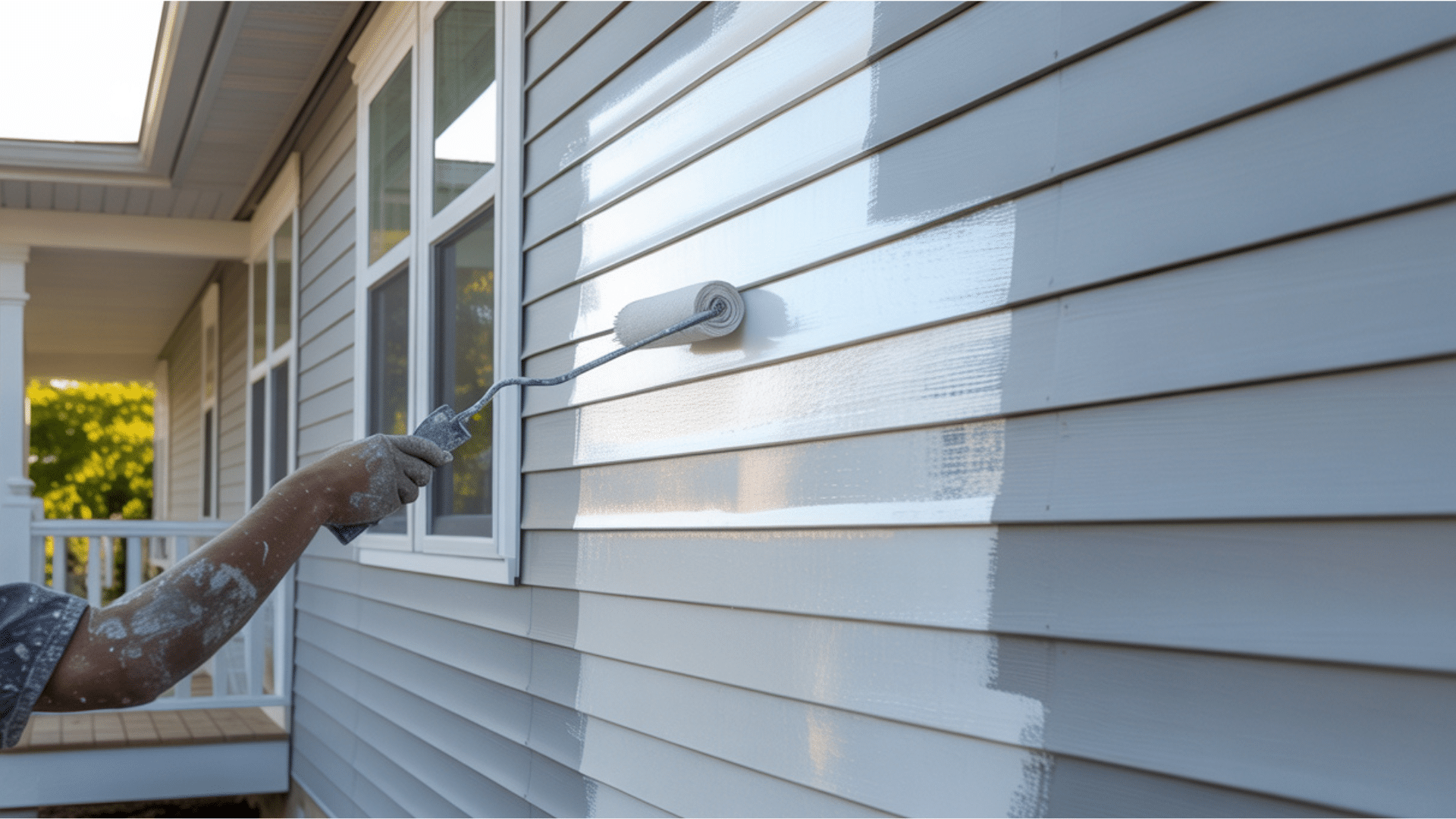
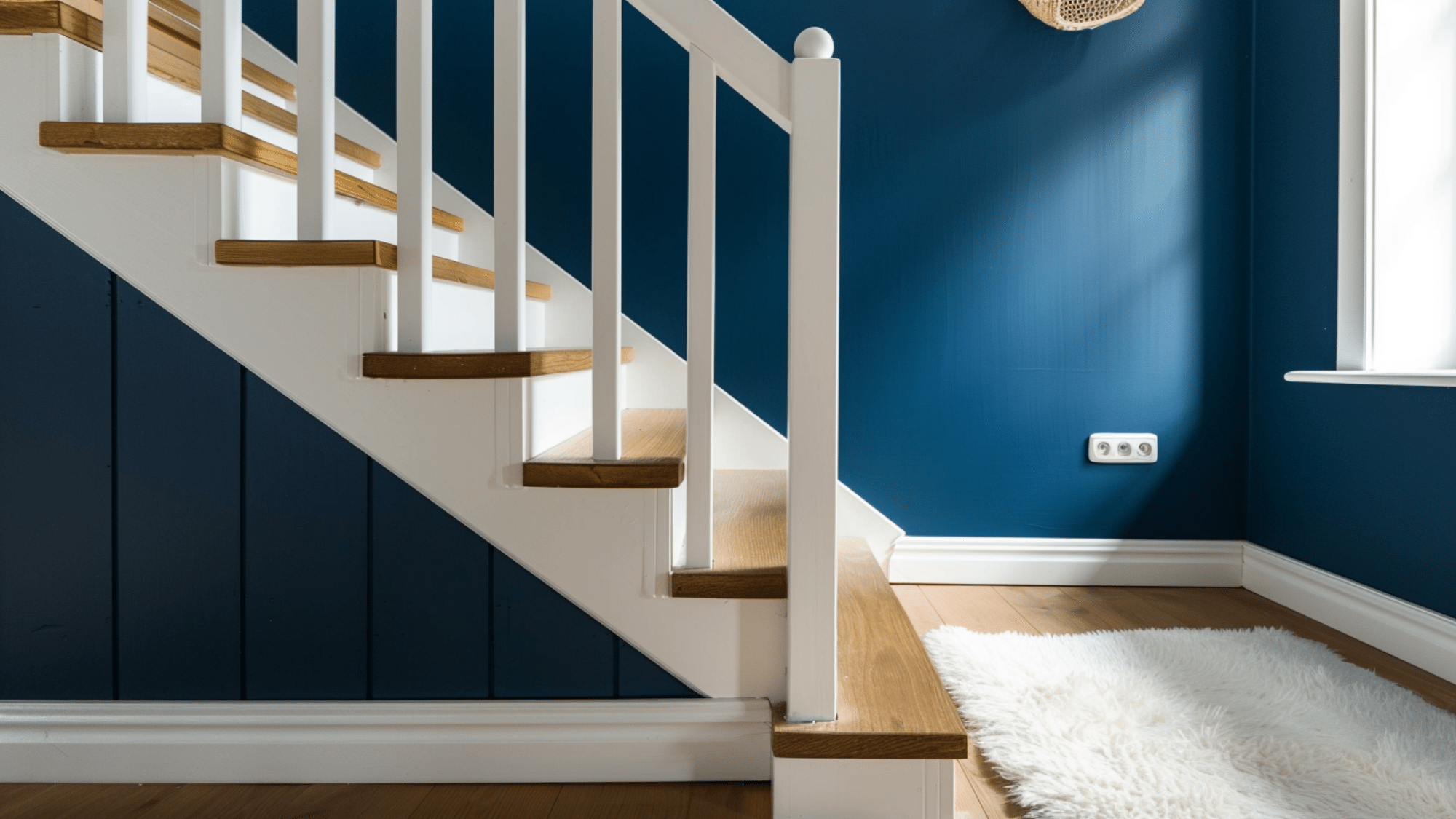
Walls, ceilings, wood, and latex paint handle them all without much fuss. It sticks well and gives a smooth, even finish on most common surfaces around the home.
6. Handles Temperature Changes
Latex paint stays flexible even as temperatures shift.
It expands and contracts with the surface, so it won’t crack or peel easily. That makes it a reliable choice for both indoor and outdoor use.
Where Latex Paint Falls Short?
Latex paint is great for most jobs, but it has a few weak spots:
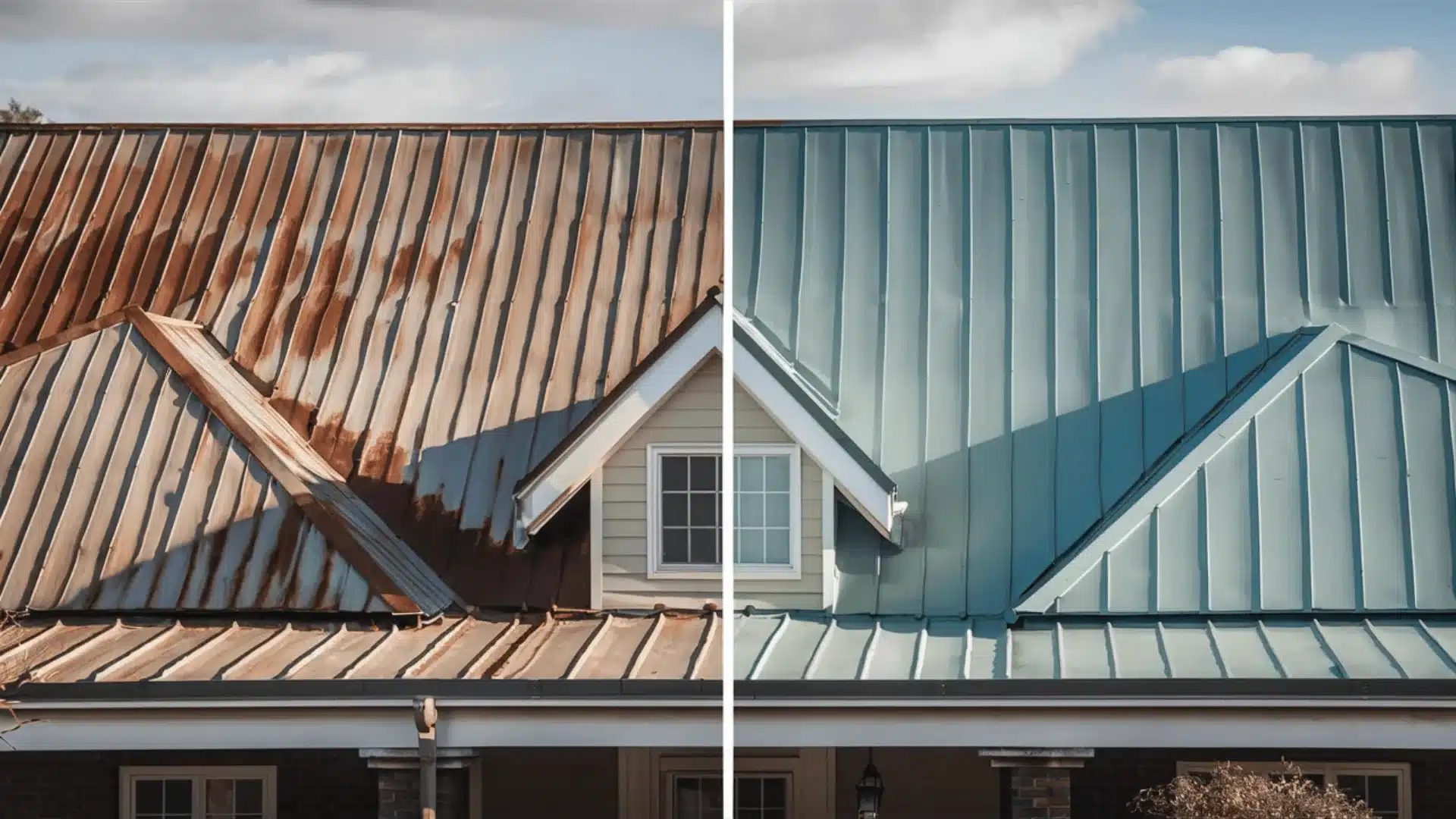
Bare metal
Latex paint and bare metal don’t get along well.
Without a good primer, moisture gets trapped, and rust starts to form underneath the paint over time.
High-Wear Surfaces
Floors and countertops take a lot of daily use. Latex paint isn’t tough enough for that.
It chips and wears off faster than you’d want.
Cold Weather
Temperature matters more than most people think.
Below 50°F, latex paint struggles to dry properly.
It can become streaky, crack, or peel soon after application, so always check the weather before you start painting outdoors.
Hard Finishes
Some surfaces need a really tough, hard coat, like trim or cabinets.
Oil-based paint forms a harder finish that lasts longer in those spots. Latex just doesn’t match that level.
Bare Wood
Raw, untreated wood soaks up water quickly.
Since latex paint is water-based, it causes the wood grain to lift and feel rough.
Sanding it down after the first coat and applying a wood primer beforehand will give you a much cleaner, smoother result.
Tips to Make Your Latex Paint Last Longer
A good paint job can last years, but only if you take care of it. Some simple tips to follow are:
- Clean walls gently: Use a soft, damp cloth to wipe off dirt or marks.
- Fix chips early: Don’t ignore small chips or cracks. Touch them up quickly before they spread.
- Keep moisture in check: In bathrooms and kitchens, make sure the area is well ventilated. Too much moisture can cause the paint to peel.
- Avoid strong cleaners: Harsh chemicals can strip the paint finish. Stick to mild soap and water.
- Store leftover paint well: Seal the can tightly and store it in a cool, dry place. You’ll need it for touch-ups later.
Which Latex Paint to Buy? Benjamin Moore or Sherwin-Williams?
Both Benjamin Moore and Sherwin-Williams are top-tier paint brands, and honestly, you can’t go wrong with either.
But they do have some differences worth knowing before you spend your money.
Benjamin Moore
It is known for its rich, deep colors and excellent color accuracy.
If you care a lot about getting the exact shade you picked on the color card, Benjamin Moore tends to deliver that very well.
Their Regal Select line is a top choice for interior walls and is easy to apply.
Sherwin-Williams
It is great for durability and better pricing; they frequently offer big discounts.
Their SuperPaint and Emerald lines are very well-regarded for durability and coverage.
If you’re painting a high-traffic area like a hallway or kitchen, Sherwin-Williams Emerald holds up really well over time.
- Choose Benjamin Moore if color accuracy and a smooth, premium finish are your top priorities.
- Choose Sherwin-Williams if you want great durability, wide availability, and better deals on price.
Differences Between Latex, Acrylic, and Oil Paints
These three paints may seem identical at first glance, but they behave very differently once you start using them.
Quick Overview
Latex and acrylic are both water-based, which means low fumes, easy soap-and-water cleanup, and fast drying times.
Oil-based paint uses linseed or alkyd oil as its base, takes much longer to dry, and needs chemical solvents to clean up.
In terms of cost, latex is the most affordable, acrylic sits in the middle, and oil-based paint tends to run the highest.
Latex Paint
Latex is the go-to choice for most home projects.
It’s affordable, dries fast, and is easy to clean up with just soap and water.
It works well on walls and ceilings and is beginner-friendly.
If you’re painting indoors and want a low-fuss experience from start to finish, latex is almost always the right call.
Acrylic Paint
Acrylic is a step up in flexibility and durability.
It holds up well on tricky surfaces and handles weather changes better than latex. A solid choice when you need something a little tougher.
Oil-Based Paint
Oil-based paint gives the hardest, most durable finish of the three.
It’s best for metal surfaces and wood trim where you need long-lasting protection.
The tradeoff is a longer drying time and stronger fumes that require good ventilation.
Should You Use Water-Based Paint?
For most home projects, water-based paint is a solid choice.
It dries fast, smells less, and cleans up with just soap and water.
It works on walls, ceilings, and wood. And if you’re picking up a brush for the first time, it’s very easy to work with.
The only time to think twice is bare metal or high-wear surfaces like floors.
For everything else around the house, it gets the job done.
So if you’ve ever wondered, is latex paint water based? The answer is yes, and that’s exactly what makes it a beginner-friendly option for everyday home use.
Frequently Asked Questions (FAQ’s)
1. Are Latex Paint and Water-Based Paint the Same?
Yes, latex paint is water-based. Though not all water-based paints are considered standard latex.
2. Can I Use Latex Paint on all Surfaces?
Latex paint works well on walls, ceilings, and wood. But for bare metal or high-wear surfaces like floors, it’s better to use a primer first or consider oil-based paint instead.
3. Can Latex Paint Be Used Outdoors?
Yes, latex paint works outdoors too.